A long-distance move out of Bakersfield typically costs $2,500–$7,500 for a 2-bedroom home, depending on how far you're going and how much you're shipping — though moves to the East Coast or with heavy furniture can push well past that. The single most important thing to get right before you sign anything is confirming your mover holds a valid FMCSA operating authority and getting a binding estimate in writing so the final bill can't balloon on delivery day.
What long-distance movers in Bakersfield cost, from a short hop to Nevada to the East Coast
Interstate moving costs are driven by two things above everything else: how many pounds you ship and how many miles the truck covers. A mover quoting you a price over the phone without an in-home or virtual survey is giving you a guess, not an estimate. Collect three written quotes before you choose one, so a low outlier stands out.
The table below sets out what typically adds to a Bakersfield bill, with typical ranges:
| Cost Factor | Typical Range | Notes |
|---|---|---|
| Studio / 1-bedroom (local to regional) | $1,500 – $3,500 | Under 3,000 lbs, under 1,000 miles |
| 2-bedroom home | $2,500 – $6,500 | ~5,000–7,000 lbs, national average distance |
| 3–4 bedroom home | $5,000 – $12,000+ | 10,000+ lbs, cross-country routes |
| Full packing service | +$500 – $2,500 | Depends on home size and materials |
| Long carry / elevator / stairs | +$75 – $300 | Common in apartments and urban destinations |
| Storage-in-transit | +$100 – $300/month | If delivery window doesn't align |
| Peak season (May–September) | +10% – 25% | Book 6–10 weeks out from Bakersfield |
These are estimates. Your actual cost depends on exact shipment weight, mileage, services selected, and the time of year you move. Always get a written binding estimate before committing.
How a move out of Bakersfield is priced once it crosses a state line
Unlike local moves (billed by the hour), interstate moves are regulated by federal law and priced primarily on:
- Shipment weight — Your goods are weighed at a certified scale before and after loading. The gap between the two readings is your net weight, the number your bill is built on.
- Mileage — The tariff rate per hundred pounds drops as distance increases, but total cost rises with miles.
- Accessorial services — Packing, unpacking, piano moving, crating fragile items, and specialty handling are billed separately.
Under FMCSA rules, you have the right to be present at the weigh station. If your shipment comes in heavier than estimated, you can request a reweigh before delivery.
Binding or non-binding: which estimate suits a Bakersfield household?
- A binding estimate ties the mover to a price written against your inventory list. As long as you don't add items, that's what you pay.
- A non-binding estimate means the final bill is based on actual weight; at delivery you must pay up to 110% of the estimate to receive your goods, and any remaining balance is billed after 30 days.
- A binding not-to-exceed estimate gives you the best of both: if your shipment weighs less than estimated, you pay less.
For most Bakersfield families moving out of state, a binding or binding not-to-exceed estimate is the safer choice. Get it in writing before your move date is confirmed.
Delivery days after loading in the Central Valley: what to expect
No law sets a number of delivery days. The date or window is whatever you and the mover agree and is written on the bill of lading, as a delivery spread — a range of dates, not a guaranteed single day. Typical windows:
- Under 500 miles (e.g., Southern California to Nevada or Arizona): 1–3 business days
- 500–1,500 miles (e.g., Pacific Northwest, Mountain West): 3–7 business days
- Cross-country (1,500+ miles): 7–14 business days
Bakersfield sits at the southern end of California's Central Valley, between Los Angeles and the Bay Area, which means your truck will often route through major California logistics hubs before heading east or north. Build buffer time into your plans — don't schedule your first day of work for the morning after the delivery window opens.
Licensed interstate mover or not: confirming FMCSA authority before a Bakersfield loading day
Any company hauling household goods out of California to another state must be registered with the Federal Motor Carrier Safety Administration (FMCSA). Before you book anyone:
- Ask for the company's USDOT and MC numbers. A mover in good standing can read them to you on the spot.
- Look them up at fmcsa.dot.gov — confirm their operating authority is "active" and check their safety rating.
- Ask what coverage they offer — on interstate moves, Full Value Protection applies automatically, though you can opt for released-value protection (free, but only $0.60 per pound per article) by signing a written waiver. For genuine coverage, ask about full-value protection, which holds the mover liable for repair, replacement, or cash settlement at current market value.
- Check reviews on verified review platforms — look for consistent patterns, not just star averages.
- Be wary of a big deposit before loading. No federal rule caps deposits, but FMCSA treats a large cash deposit as a red flag, and interstate movers typically collect on delivery.
You can find movers through our directory, where listings include licensing details to help you verify quickly.
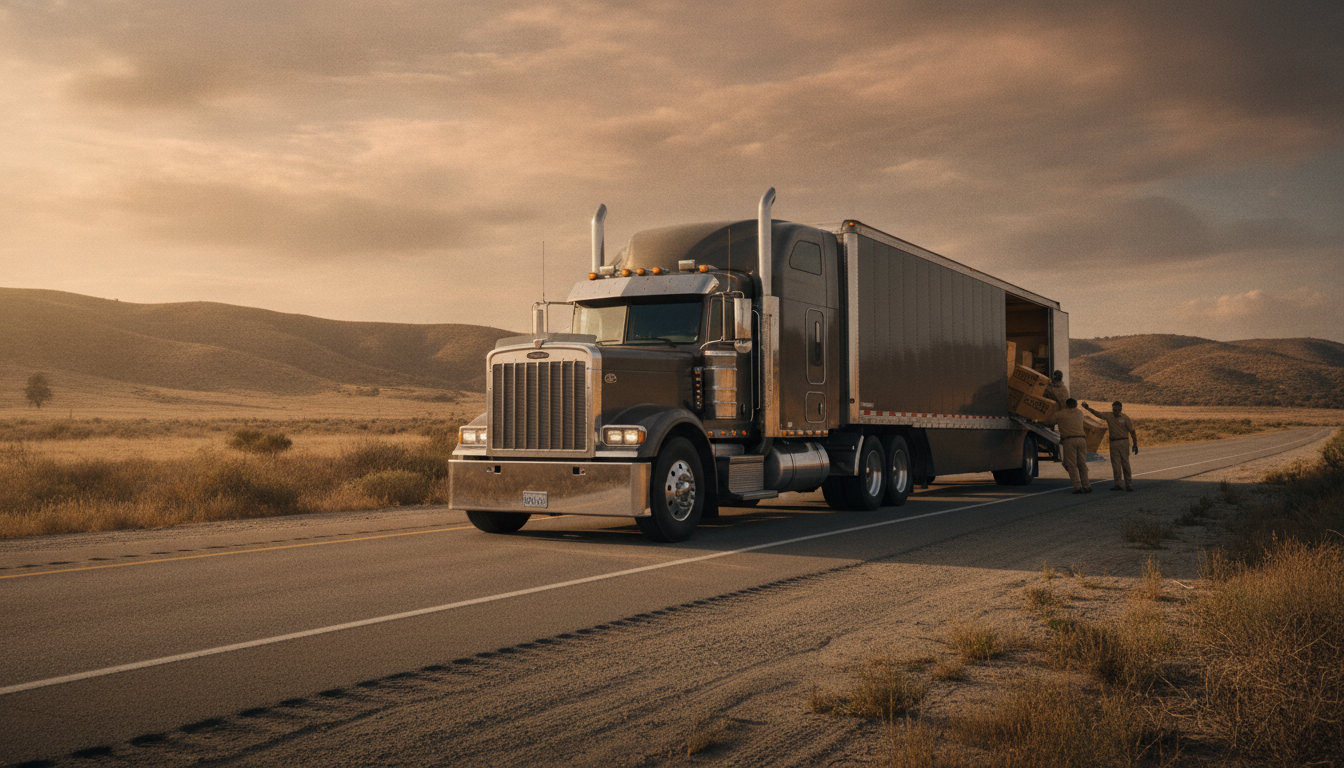
Moving out of Bakersfield: where people go
Bakersfield residents move out of state for a wide range of reasons — lower housing costs, job opportunities, escaping California's 1%–13.3% state income tax, or simply a change of pace from the valley's extreme summer heat (regularly 100°F+) and persistent air quality challenges from San Joaquin Valley smog and wildfire smoke. People leaving the valley head for Nevada, Texas, Arizona, Oregon, Washington, Colorado, and Florida.
Since we're still building out route-specific guides from Bakersfield, you can:
- Browse movers by state to explore options in your destination
- Find movers serving the Bakersfield area with interstate authority
We'll be adding dedicated route guides for the most popular Bakersfield corridors soon.
Practical moving-day tips for Bakersfield departures
- Book early in hot months. Summer demand in Bakersfield is intense. Moving companies get booked out fast between May and September. Six to ten weeks of lead time is realistic for a summer move.
- Plan your start time carefully. Loading at 7 a.m. before the worst heat is standard practice here. By noon in July, it's punishing for your crew and your furniture.
- Watch for Tule fog in winter. If your move falls between November and February, morning fog in the valley can create genuinely dangerous driving conditions. Confirm your mover's protocol — a reputable company will not push drivers to operate in zero-visibility fog.
- Document everything before the truck rolls. Photograph your furniture and boxes, note any existing damage on the Bill of Lading, and keep a copy. This is your protection if a claim becomes necessary.
- Confirm your delivery address details. If you're moving to a building with restricted access, a long driveway, or a gated community, tell your mover upfront. Surprise access fees on delivery day are avoidable.
Frequently asked questions
Is a long-distance move from Bakersfield always an interstate move?
Not always — but they often overlap. Technically, interstate moving means crossing a state line and triggers federal FMCSA regulation. "Long-distance" is an industry term that sometimes includes long in-state moves (like Bakersfield to San Francisco), which are regulated by California's Bureau of Household Goods and Services (BHGS) instead. When you're leaving California entirely, your mover needs both a valid USDOT number and active MC (motor carrier) authority.
Can a Bakersfield mover give me a binding estimate over a video call, without coming to the house?
Yes — virtual surveys via video call have become standard and hold up legally as long as you show everything. What you can't do is get a legitimate binding estimate from a mover who asks you to just describe your belongings over the phone. That's not a binding estimate — it's a ballpark that can change.
What if my Bakersfield shipment arrives after the agreed delivery window?
The delivery spread is agreed and written on your bill of lading, and the mover must tell you as soon as it knows of a delay. If the mover misses that window, you may be entitled to compensation — the amount depends on your contract terms. Always read the "delay" clause in your Bill of Lading before signing. Reputable movers will include provisions; be wary of contracts that don't address it at all.
How do released-value and full-value protection differ on a move out of Bakersfield?
Released-value protection is the free option you can choose by signing a written waiver — but it only covers $0.60 per pound per item. A 40-pound flat-screen TV that gets destroyed is worth $24 in that scenario. Full-value protection means the mover is liable for the actual repair or replacement cost. It costs more (typically $100–$500 depending on declared value), but it's the only coverage that actually protects what you own.
Is it customary to tip the crew on a long-distance move out of Bakersfield?
No tip is required, but it is a welcome thank-you after a job done well, especially on a July loading day. A common benchmark is $20–$50 per mover for a straightforward move, more for a complex or all-day job. Tip the origin crew and the delivery crew separately — they're often different people entirely on a long-distance haul.
How can I line up quotes from several movers leaving Bakersfield side by side?
Make sure every quote is based on the same inventory list — and that the list is accurate. Ask each company for a binding or binding not-to-exceed estimate. Compare what's included in the base rate: packing materials, fuel surcharges, and liability coverage are often itemized differently. The lowest number on paper isn't always the lowest total cost. Browse licensed movers in our directory to start building your list.