Washington
Moving companies in Seattle, WA.
Seattle's steep hills, narrow Capitol Hill streets, and rain-soaked winters make choosing the right mover critical. Whether you're settling into Ballard, crossing the lake to Bellevue, or relocating from across the country, our directory connects you with vetted Seattle-area movers who know the city's quirks — from parking permits in Queen Anne to ferry logistics on Bainbridge Island.
Robert (AI agent)
Online — ask anything about your move
Hi — I'm Robert. I help match you with the right movers. Where are you moving from, and where are you headed?
By chatting with Robert, you agree we may share your move details with movers in your origin city so they can contact you with a quote. We never sell or share your info outside this network. Privacy Policy.
Ways to reach Robert
Top movers in Seattle
Seattle movers worth a look.
A few of Seattle’s top movers. Want a tailored recommendation? Use the Get quotes form below.
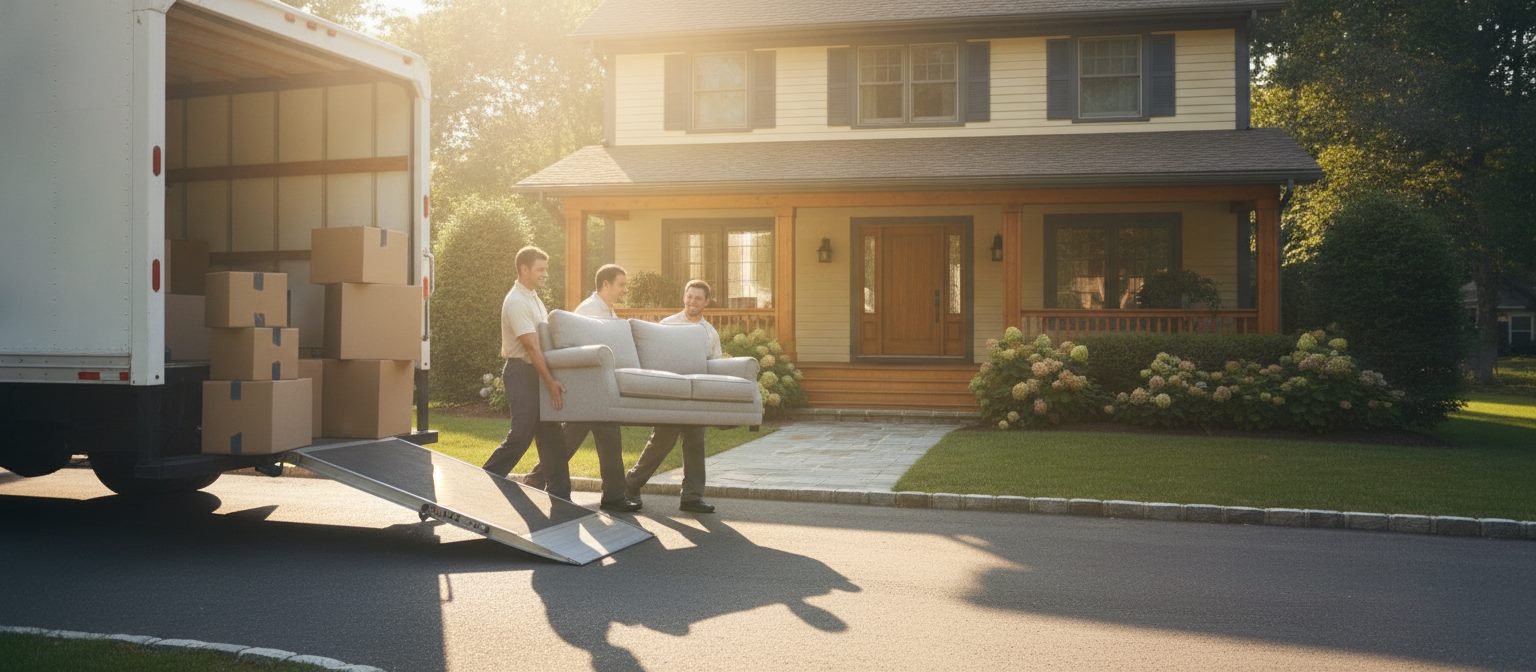
Find movers near you
Trusted movers in Seattle.
Compare top-rated local and long-distance movers — and let Robert do the comparison for you.
Find your mover→All Seattle movers
60 movers serving Seattle.
Pallet Rack Moving System
Seattle, WA
Piano Moving Art & Piano Storage
Seattle, WA
PH Moving & Delivery Services
Seattle, WA
Pacific Movers
Seattle, WA
Mountain Movers
Seattle, WA
Neighborly Moving
Seattle, WA
Mitchell Overseas Movers
Seattle, WA
Mr Minar's Moving Magic
Seattle, WA
Movingable
Seattle, WA
Moving2Gether
Seattle, WA
Moving To Heal - Nia Dance Fitness
Seattle, WA
Moving Services of Snohomish
Seattle, WA
Moving On Up
Seattle, WA
Moving Link Inc
Seattle, WA
Moving Into Comfort
Seattle, WA
Move planner
Two quick steps. A personalized plan in 30 seconds.
Robert builds a Seattle-specific timeline, estimated cost range, and 3-mover shortlist tailored to your job. No forms. No spam. No commitment.
Step 1 of 2
Tell us about your move.
Distance
Property type
Property size
Zip codes (optional — sharpens the cost estimate)
When are you hoping to move?
Cost calculator
Typical Seattle moving costs by home size
These are realistic market ranges based on typical Seattle moves. Local rates assume a move within Seattle or to Bellevue/Eastside. Regional covers moves to Tacoma, Olympia, Bellingham, or Spokane. Long-distance covers Portland, Bay Area, or cross-country. Always get at least three written quotes.
| Home size | Local (under 50 mi) | Regional (50-500 mi) | Cross-country (500+ mi) |
|---|---|---|---|
| Studio / 1BR | $450-$950 | $1,200-$2,400 | $2,200-$4,500 |
| 2BR | $900-$1,800 | $2,000-$3,800 | $3,500-$6,500 |
| 3BR house | $1,500-$2,800 | $3,200-$5,500 | $5,500-$9,500 |
| 4BR+ house | $2,400-$4,500 | $4,800-$8,000 | $8,000-$15,000+ |
Neighborhood guide
Where you'll land in Seattle
Capitol Hill
Dense, walkable, LGBTQ+ hub, nightlife-heavy
Median 2BR rent: $1,900-$2,800/mo
Street parking is extremely limited on Broadway and Pine Street corridors; movers typically need a temporary no-parking zone permit from SDOT at least five business days in advance.
Ballard
Nordic roots, breweries, families mixing with young professionals
Median 2BR rent: $1,850-$2,600/mo
The Ballard Bridge on 15th Ave NW opens for marine traffic and can cause mid-move delays; schedule truck arrivals outside morning and early afternoon bridge-opening windows when possible.
Queen Anne
Elevated, quiet, sweeping Sound views, established feel
Median 2BR rent: $2,000-$3,200/mo
Upper Queen Anne's steep access roads — particularly Queen Anne Ave N heading north — require movers with trucks rated for heavy grades and drivers experienced with narrow residential streets.
Fremont
Artsy, quirky, tech-adjacent, walkable to retail
Median 2BR rent: $1,800-$2,500/mo
The Fremont Bridge is the most opened drawbridge in the U.S., so routing trucks via Aurora Ave N instead of the bridge itself saves significant time on moving day.
South Lake Union
Amazon campus core, high-rises, young tech workforce
Median 2BR rent: $2,200-$3,500/mo
Most buildings here are newer high-rises with loading docks and service elevators, but dock reservations must be made with building management at least a week ahead — movers cannot simply show up.
Columbia City
Diverse, Light Rail access, Southeast Seattle character
Median 2BR rent: $1,600-$2,200/mo
Light Rail surface crossings along Rainier Ave S require movers to plan truck positioning carefully; parking enforcement is active on Martin Luther King Jr Way S.
West Seattle
Neighborhood feel, beach access, relatively affordable
Median 2BR rent: $1,750-$2,400/mo
All truck traffic to West Seattle funnels across the West Seattle Bridge or the lower Spokane St Swing Bridge, so moves should begin early to avoid the bottleneck that builds by 9 a.m.
Magnolia
Quiet, upscale, mostly single-family, low density
Median 2BR rent: $2,100-$3,000/mo
Magnolia is accessed by three narrow bridges and has no alternate arterial routes; movers unfamiliar with the neighborhood often underestimate drive time from I-5 or I-15 staging areas.
Common routes
Where Seattle movers are heading
Seattle → Portland, OR
~175 mi south via I-5
$1,800-$3,200
The Seattle-Portland corridor is one of the busiest in the Pacific Northwest, driven by tech workers relocating between the two markets and retirees heading south — I-5 is straightforward but slow through Tacoma and the Columbia River crossing.
Seattle → Spokane, WA
~280 mi east via I-90
$2,200-$3,800
Remote workers and families priced out of the Seattle market have relocated to Spokane in significant numbers; I-90 over Snoqualmie Pass is the sole realistic truck route and is subject to chain requirements and closures in winter.
Seattle → San Francisco, CA
~810 mi south via I-5
$3,500-$6,500
Tech-worker moves between Seattle and the Bay Area are bidirectional and consistent year-round; many households move with high-value electronics and furniture that require climate-controlled transport.
Seattle → Boise, ID
~490 mi east via I-84
$2,800-$4,500
Boise has been one of the top destinations for Seattle-area movers seeking lower housing costs while staying within a half-day drive of the Pacific Northwest's outdoor recreation.
Seattle → Bellevue / Eastside, WA
~10-15 mi east via SR-520 or I-90
$600-$1,400
Cross-lake moves between Seattle and Bellevue, Kirkland, or Redmond are among the most common in the metro; bridge tolls and peak-hour congestion on SR-520 make scheduling truck departure by 7 a.m. essential.
Seattle → Anchorage, AK
N/A — barge or air freight
$5,000-$12,000+
Seattle is the primary staging hub for household goods moving to Alaska; shipments travel via barge from the Port of Seattle through carriers like Alaska Marine Lines, with transit times of 10-14 days to Anchorage.
Cost of living
How Seattle compares to where you're coming from
Seattle is an expensive city by any U.S. measure, but the comparison depends heavily on where you're relocating from. Arrivals from the Bay Area often find Seattle's housing relatively manageable; those coming from the Midwest or Southeast face sticker shock. The absence of a state income tax meaningfully reduces take-home costs for high earners, partially offsetting elevated rents and the high sales tax.
| Moving from | COL Index | vs. Seattle |
|---|---|---|
| San Francisco, CA | 194 | A 2BR at $4,200/mo in SF is roughly comparable to a $2,800/mo 2BR in Seattle — meaningfully cheaper, though Seattle is far from affordable by national standards. |
| Los Angeles, CA | 173 | LA 2BR rents averaging $3,200-$3,600/mo are higher than Seattle's $2,200-$2,800/mo range for comparable units, and Seattle's no-income-tax advantage widens the gap for tech salaries. |
| Chicago, IL | 107 | A 2BR in Chicago averaging $1,900-$2,400/mo will cost $400-$600 more per month in Seattle; grocery and dining costs are also noticeably higher in Seattle. |
| Austin, TX | 121 | Austin and Seattle trade blows — Austin's housing has risen sharply, with 2BR rents now $1,800-$2,400/mo, only slightly below Seattle's range, but Seattle salaries (especially in tech) tend to run higher. |
| New York City, NY | 187 | Manhattan 2BR rents of $4,500-$6,000/mo dwarf Seattle's $2,200-$2,800/mo range; even Brooklyn or Queens averages exceed Seattle in most cases. |
| Denver, CO | 118 | Denver's 2BR rents have climbed to $1,800-$2,400/mo, putting it only modestly below Seattle; movers from Denver typically see a 15-25% housing cost increase when relocating to Seattle. |
| Minneapolis, MN | 101 | Minneapolis 2BR rents averaging $1,400-$1,800/mo are substantially lower than Seattle's; relocating professionals gain the no-income-tax benefit but should budget for a significant rent increase. |
When to move
Seattle's moving calendar, month by month
Jan
off
Coldest and wettest stretch of the year; mover availability is good and rates are lower, but expect rain on moving day and occasionally icy conditions on Queen Anne, Magnolia, and other steep-hill neighborhoods.
Feb
off
Still solidly winter in Seattle; rates remain low and movers are easy to book, though rain is nearly guaranteed — waterproof mattress bags and furniture covers are essential.
Mar
shoulder
Rain continues but the housing market begins to stir; slightly more competition for weekend moving slots as spring listings hit the MLS and lease renewals begin.
Apr
shoulder
Cherry blossom season brings a surge of new arrivals; mover demand rises noticeably by mid-April, particularly for moves into Capitol Hill and the University District near UW.
May
shoulder
The weather improves markedly and the housing market heats up; movers start booking out 2-3 weeks in advance — secure your date early if you're targeting a May 31 or June 1 move-in.
Jun
peak
Seattle's dry season begins and demand spikes; June is one of the busiest moving months, driven by school-year endings, college graduations from UW and Seattle U, and corporate relo packages activating.
Jul
peak
The busiest single month of the year for Seattle movers; temperatures are mild by national standards (typically 70s°F) but mover availability is tight and rates are at their annual high — book 4-6 weeks out.
Aug
peak
Demand remains at peak levels through August; this is prime moving season for Amazon and Microsoft new-hire relocations, and last-minute availability is scarce — mid-week moves are the best bet if your date is flexible.
Sep
peak
Still busy through early September as students settle in and late-summer hires arrive; demand eases noticeably after Labor Day, making late September a smart shoulder window for better rates.
Oct
shoulder
Rain returns and demand drops; movers become easier to book with 1-2 weeks' notice, and rates edge down from summer peaks — a practical window for buyers who closed in September.
Nov
off
Demand is low and movers are negotiable on price; Thanksgiving week sees very little activity, making it one of the cheapest times to move — just prepare for grey skies and persistent drizzle.
Dec
off
The slowest moving month in Seattle; rates are at their annual low and scheduling is flexible, but holiday conflicts, potential ice on elevated neighborhoods, and shorter daylight hours complicate logistics.
Permits + local rules
Seattle moving permits and building rules you need to know
SDOT Temporary No-Parking Zone (Street Use Permit)
To legally reserve street parking for a moving truck in Seattle, you need a Temporary No-Parking Zone permit from Seattle Department of Transportation (SDOT). This is required in most dense neighborhoods like Capitol Hill, Fremont, Ballard, and Queen Anne where legal parking for large trucks is otherwise impossible. Apply online through the Seattle Services Portal. Permit cones or signs must be posted at least 72 hours before the move.
Permit ~$65-$95, apply at least 5 business days in advance (72-hour posting required after approval)
Building Loading Dock & Service Elevator Reservations
Most newer apartment buildings and high-rises in South Lake Union, Belltown, and First Hill require tenants to reserve the service elevator and loading dock through building management before the move. The building — not the city — controls this process, and many have strict windows (often 8 a.m. to 5 p.m. on weekdays only). Confirm with your property manager at least 2 weeks before your move date; some buildings require a damage deposit.
Building-set damage deposit ($200-$500 typical); reserve 1-2 weeks ahead
Oversize Vehicle Restrictions (Low Clearance Routes)
Several Seattle streets have low overpasses and bridge clearances that restrict full-size moving trucks. The Mercer Street underpass near Seattle Center, portions of the Battery Street Tunnel (now closed), and certain Eastside connectors require route planning for trucks over 13'6" in height. Reputable Seattle movers know these routes, but it's worth confirming your mover has mapped the specific approach to your address.
No permit cost — routing is a mover responsibility; confirm truck height clearance at booking
West Seattle & Magnolia Bridge Access Rules
West Seattle and Magnolia are each served by a limited number of bridge access points, and the City of Seattle has historically posted load restrictions on the Magnolia Bridge during periods of maintenance or deterioration. Moving companies operating heavy trucks must confirm current load limits before routing across these bridges. Always check SDOT bridge status for active advisories in the weeks leading up to your move.
No permit required — verify current bridge load advisories at seattle.gov/transportation at least 1 week prior
Drawbridge Scheduling Awareness
Seattle's ship canal drawbridges — the Fremont Bridge, Ballard Bridge, and University Bridge — open for marine traffic on request and cause delays that can strand a moving truck for 5-15 minutes per opening. The Fremont Bridge is the most frequently opened drawbridge in the United States. While you cannot schedule around openings exactly, movers familiar with Seattle know to route trucks on Aurora Ave N or I-5 during peak boating hours (spring and summer mornings and early afternoons).
No permit — routing knowledge is key; discuss bridge-avoidance strategy with your mover at booking
About moving to Seattle
What you should know before you book.
Seattle sits between Puget Sound and Lake Washington, shaped by water, hills, and one of the most dynamic tech economies in the country. Amazon and Microsoft anchor a job market that draws tens of thousands of new residents every year, while established neighborhoods like Fremont, Columbia City, and Magnolia give the city a patchwork character that rewards local knowledge. Moving here means navigating genuine geographic complexity — the city is built on seven major hills, bisected by ship canals, and connected by bridges that become chokepoints during peak hours. Traffic on I-5 and SR-520 is reliably difficult on weekday mornings and afternoons, and the combination of rain, steep grades, and older building stock makes Seattle logistically demanding compared to flat Sun Belt metros.
Geography & Water Access
Seattle is bordered by Puget Sound to the west and Lake Washington to the east, with Lake Union cutting through the city's midsection. Bridges over the ship canal — the Fremont, Ballard, and University bridges — are drawbridges that open for boat traffic, occasionally adding unexpected delays to a moving day. If you're moving to West Seattle, the West Seattle Bridge is the sole major arterial and congestion there can be severe.
Tech-Driven Population Churn
Amazon's South Lake Union campus, Microsoft's Redmond headquarters, and a dense cluster of tech startups and scale-ups drive constant in-migration from California, New York, and internationally. This creates a competitive rental and housing market with high turnover, meaning movers stay busy year-round. Many new arrivals move in on short timelines — sometimes within two or three weeks of accepting an offer — so booking movers early is especially important in this market.
Older Housing Stock & Access Challenges
Large swaths of Seattle — Capitol Hill, First Hill, the Central District, Wallingford — are filled with pre-war apartment buildings and Craftsman homes. Many have no elevator, narrow staircases, and street parking that requires permits. Alleyways behind homes are often the only delivery access. Movers experienced with Seattle's older building types will charge appropriately and won't be caught off guard by a third-floor walkup with a tight stairwell turn.
No State Income Tax
Washington has no state income tax, which is a major financial draw for relocating professionals. The trade-off is a higher sales tax — Seattle's combined rate is among the highest in the state — and property values that reflect sustained demand. For movers coming from high-income-tax states like California or Oregon, the net financial picture often still favors Seattle despite its elevated cost of living.
Seattle moving FAQ
Common questions, locally answered.
How far in advance should I book a Seattle mover?
+
During peak season (June through early September), book 4-6 weeks ahead — especially for weekend moves. July and August are the tightest months, driven by Amazon and Microsoft new-hire relocations, UW move-outs, and general summer demand. In the off-season (November through February), 1-2 weeks' notice is usually sufficient. If your move-in date is tied to a lease start on the 1st or 15th of a summer month, book the moment your lease is signed.
Do I need a permit to park a moving truck on Seattle streets?
+
In most dense Seattle neighborhoods, yes. Seattle Department of Transportation requires a Temporary No-Parking Zone permit to legally reserve street space for a moving truck. This is especially critical in Capitol Hill, Ballard, Queen Anne, Fremont, and the Central District. Permits cost roughly $65-$95, require 5 business days to process, and require physical cones or signs posted 72 hours before the move. Some movers handle this; many don't — clarify at booking.
What's the best way to handle a move to or from West Seattle?
+
All major traffic to and from West Seattle funnels across the West Seattle High Bridge or the lower Spokane St Swing Bridge. Start your move before 8 a.m. to avoid the significant bottleneck that builds during the morning commute. Movers should also know that the Swing Bridge occasionally opens for marine traffic, adding delays. Alert your moving company to your West Seattle address at booking so they can plan accordingly — it's not a neighborhood you can ad-hoc route through.
How much does a local move within Seattle typically cost?
+
For a 2-bedroom apartment moved locally (within the city or to nearby Bellevue/Kirkland), expect to pay roughly $900-$1,800 for a standard move with two movers and a truck over 4-7 hours. Studio and 1BR moves typically run $500-$950. Larger 3BR homes can hit $1,500-$2,800 depending on volume, stair carries, and access. These are typical market ranges — always get written, itemized quotes from at least three movers.
Is moving during Seattle's rainy season a problem?
+
Rain is almost inevitable from October through May in Seattle, and professional movers here are accustomed to it. A good mover will arrive with floor runners, waterproof mattress bags, furniture pads, and plastic wrap for fabric items. The bigger risks are slippery wooden stairs in older buildings and muddy conditions at older homes with poor drainage. Confirm your mover's wet-weather protection practices before signing anything.
What are the Seattle neighborhoods with the hardest moving logistics?
+
Queen Anne, Magnolia, and Capitol Hill are consistently the most logistically complex. Queen Anne's steep approach roads and narrow residential streets challenge large trucks. Magnolia's bridge-only access limits routing options. Capitol Hill's dense street grid, active nightlife traffic, and minimal parking make truck staging difficult without a proper no-parking permit. South Lake Union high-rises add the complexity of mandatory loading dock and elevator reservations through building management.
How does traffic on I-5 and SR-520 affect my moving day?
+
Seattle's I-5 corridor through downtown and the Mercer Street interchange is among the most congested urban freeway segments in the country. On weekday mornings (7-9:30 a.m.) and evenings (4-7 p.m.), truck movement through downtown can slow to a crawl. SR-520 across Lake Washington is tolled and also congested at peak times. Most experienced Seattle movers start early (7 a.m. or even earlier in summer) specifically to beat the Mercer Street and I-90 merge bottlenecks.
Can a moving truck access Bainbridge Island or Vashon Island?
+
Yes, but via Washington State Ferries only — there are no bridge connections to either island. Truck berths on the ferry require advance reservations (WSF's commercial vehicle reservation system), and not all moving companies are set up to operate on ferry routes. Bainbridge Island moves from Seattle typically add $150-$400 or more in ferry and wait-time costs. Confirm explicitly with any mover that they have ferry experience before booking an island move.
Are there buildings in Seattle that don't allow moving company trucks to use the parking garage?
+
Yes, many older buildings in Capitol Hill, First Hill, and Belltown have garages with clearances of 6'6" to 7'6" — far too low for a standard moving truck. In those cases, street parking with a SDOT permit is the only option. Even in buildings with service access, dock hours are typically restricted to business hours on weekdays, so weekend moves may not have dock access at all. Always ask your building manager for the exact access situation before your move date.
What should I know about moving to the Eastside (Bellevue, Kirkland, Redmond)?
+
Eastside cities are separate jurisdictions with their own permit requirements — Bellevue and Kirkland have their own street use permit processes if you need to reserve curb space. SR-520 tolls apply to moving trucks crossing from Seattle (tolls vary by time of day and axle count). The Eastside has a high concentration of newer apartment complexes with professional property management, most of which require advance dock and elevator reservations — sometimes with a refundable damage deposit of $250-$500.
What's the difference between bonded, licensed, and insured movers in Washington State?
+
In Washington, movers operating commercially must be licensed with the Washington Utilities and Transportation Commission (UTC) and carry cargo insurance and liability coverage. 'Bonded' means they carry a surety bond protecting you against certain types of loss or non-performance. Always verify a mover's UTC license number on the UTC website before hiring. For interstate moves, also confirm USDOT and MC numbers through FMCSA. Unlicensed movers operating in Seattle are unfortunately common — especially on Craigslist.
How does Seattle's no-state-income-tax situation affect relocation decisions?
+
Washington has no personal state income tax, which is a meaningful financial benefit for high earners relocating from states like California (up to 13.3% top rate), Oregon (up to 9.9%), or New York. For a tech worker earning $150,000/year, the saving versus California can exceed $10,000 annually. The offset is Washington's elevated sales tax (Seattle's combined rate is around 10.35%) and higher property values. For most tech-sector relocations from California, the net financial math still tends to favor Seattle.
Skip the comparison shopping.
Tell Robert about your Seattlemove and he’ll pick the three best-fit movers and request quotes on your behalf. You compare three real numbers instead of calling twelve companies.