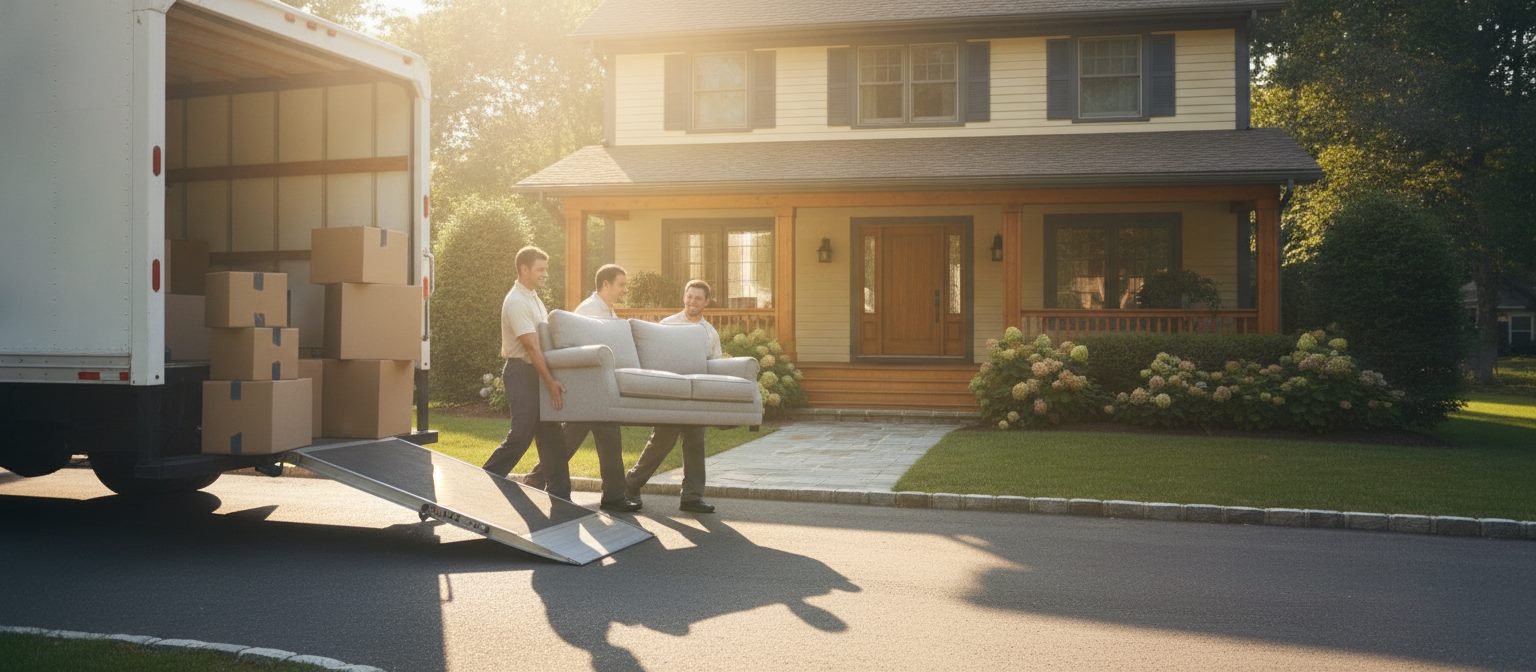
Find movers near you
Movers in Topeka.
Compare top-rated local and long-distance movers — and let Robert do the comparison for you.
Get Your Quote→Kansas
Moving companies in Topeka, KS.
Topeka offers affordable neighborhoods, a compact city layout, and a lower cost of living than most Midwest metros — but Kansas weather and narrow downtown streets can complicate a move. Connect with movers who know Burnett's Mound, College Hill, and the seasonal window between spring storms and summer heat to get your relocation done right.
Robert
Online·Call for a quote
Hi — I'm Robert, and I'll help you find the right movers. Where are you moving from, and where are you headed? Prefer a live representative? Just say the word and I'll connect you, or use the call button for a quote anytime.
By chatting with Robert, you agree we may share your move details with movers in your origin city so they can contact you with a quote. We never sell or share your info outside this network. Privacy Policy.
Top movers in Topeka
Topeka movers worth a look.
A few of Topeka’s top movers. Want a tailored recommendation? Use the Get quotes form below.
All Topeka movers
4 movers serving Topeka.
Movers near Topeka
11 more movers within 50 miles of Topeka.
Based in a neighboring town and serving Topeka. Each one shows where it is based and how far that is, nearest first.
Jayhawk Moving & Storage
Lawrence, KS · 25 miles away
PDS Moving Delivery & Storage
Lawrence, KS · 25 miles away
Professional Moving & Storage
Lawrence, KS · 25 miles away
Starving Artists Moving
Lawrence, KS · 25 miles away
Top Dawg Movers
Lawrence, KS · 25 miles away
Valley Moving LLC
Wamego, KS · 36 miles away
Moving Experts
Gardner, KS · 44 miles away
Ford Storage & Moving Company
Kansas City, KS · 48 miles away
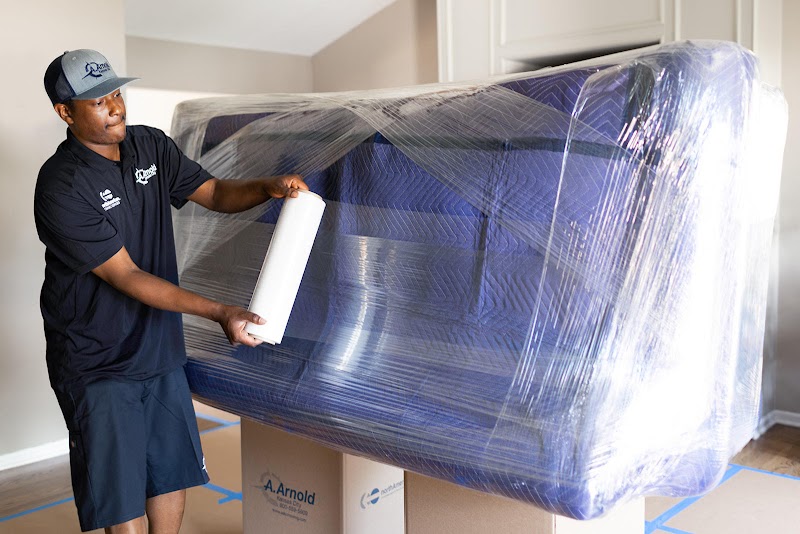
A. Arnold Moving
Olathe, KS · 50 miles away
★ 4.9 (253 reviews)
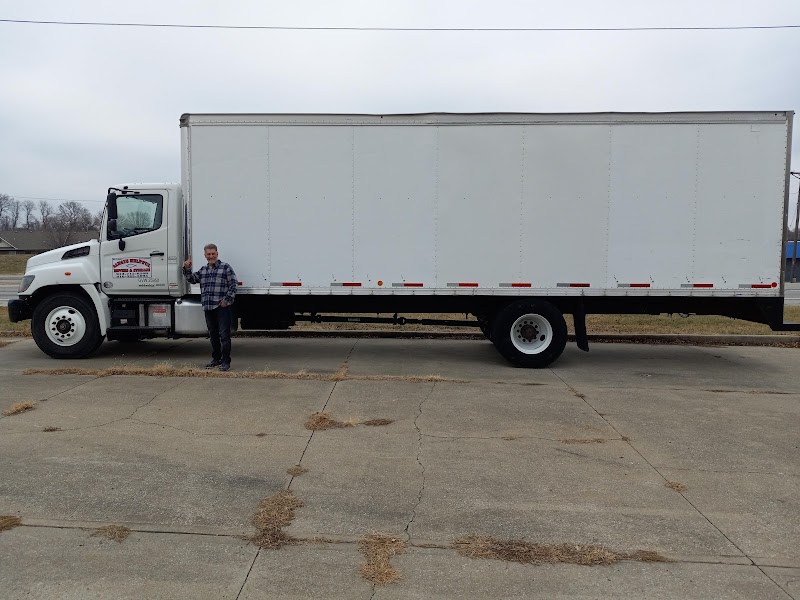
Always Helpful Movers Ministries
Olathe, KS · 50 miles away
★ 4.8 (87 reviews)
N L Wilson Moving & Storage
Olathe, KS · 50 miles away
Move planner
Two quick steps. A personalized plan in 30 seconds.
Robert builds a Topeka-specific timeline, estimated cost range, and 3-mover shortlist tailored to your job. No forms. No spam. No commitment.
Step 1 of 2
Tell us about your move.
Distance
Property type
Property size
Zip codes (optional — sharpens the cost estimate)
When are you hoping to move?
Cost calculator
Topeka moving cost ranges by home size
These ranges reflect typical Topeka market pricing based on crew size, truck, and standard labor — no packing materials included unless noted. Local moves are within Shawnee County; regional is Topeka to Kansas City, Wichita, or Manhattan; long-distance is beyond 300 miles.
| Home size | Local (under 50 mi) | Regional (50-500 mi) | Cross-country (500+ mi) |
|---|---|---|---|
| Studio / 1BR | $350–$600 | $900–$1,800 | $1,800–$3,200 |
| 2BR | $550–$950 | $1,400–$2,600 | $2,600–$4,500 |
| 3BR house | $900–$1,600 | $2,000–$3,800 | $3,800–$6,500 |
| 4BR+ house | $1,400–$2,500 | $3,200–$5,500 | $5,500–$9,500 |
Skip the guesswork
Get matched with professional Topeka movers.
Robert, our moving concierge, lines up quotes from movers who actually serve your route — free, no obligation.
Local movers in Topeka
Local moving in Topeka is priced on an hourly basis — you're paying for the crew and truck together, with most companies setting a 2-hour minimum and rates that generally fall in the $100–$180 per hour range for a two-person team. The single biggest variable on your bill is access: whether movers can park a large truck close to your door, navigate a tight driveway, or haul furniture up a flight of stairs adds time to every job.
What drives the cost of a local move in Topeka:
- Home size and crew needed — a studio or 1BR moves efficiently with two movers; a 3BR home almost always calls for three or more
- Building and site access — long carries from a parking spot, narrow doorways, or multi-story walk-ups all add time
- Stairs and elevators — older homes and multi-family buildings in neighborhoods like College Hill or near Washburn University can mean multiple flights with no elevator
- Time of month and week — end-of-month and summer weekends book fast in Topeka; mid-month and mid-week dates are easier to schedule and sometimes less expensive
- Packing services — having movers pack fragile items or provide specialty boxes adds to the total but reduces breakage risk
- Distance within the metro — even local moves from the west side near Wanamaker Road to the east side or North Topeka add drive time that counts toward your hourly rate
Topeka's mix of older bungalows, split-levels, and apartment complexes near Kansas Avenue and the downtown core means parking a 26-foot truck close to the front door isn't always straightforward — it's worth calling ahead to check whether your street or building has any restrictions, especially for large vehicles. On-street parking is generally unrestricted in residential areas, but narrower historic-district blocks may require some coordination with your moving crew.
Browse movers in Topeka to compare local companies and get matched with a crew that knows the area.
Neighborhood guide
Where you'll land in Topeka
College Hill
Historic craftsman homes, walkable, established
Median 2BR rent: ~$1,100/mo
Tree-lined streets with mature canopy can limit truck parking; movers often use a smaller shuttle vehicle to reach front doors.
Westboro
Midcentury ranch homes, family-oriented, quiet
Median 2BR rent: ~$1,250/mo
Wide suburban streets and long driveways make access straightforward — one of the easiest areas for full-size moving trucks.
NOTO (North Topeka)
Artsy, eclectic, renovated industrial and residential mix
Median 2BR rent: ~$900/mo
Older building stock means narrow interior staircases are common; confirm elevator access (or lack thereof) before booking.
Potwin
Stately historic homes, upscale, near Washburn University
Median 2BR rent: ~$1,400/mo
Large Victorian and Foursquare homes with valuable antiques are common — movers experienced in high-value item handling are worth specifying.
Oakland
Working-class, affordable, east-side community
Median 2BR rent: ~$800/mo
Smaller older homes mean tighter room-to-room clearances; budget extra time for furniture maneuvering through original-width doorways.
South Topeka / Auburn Hills area
Newer subdivisions, growing, family suburbs
Median 2BR rent: ~$1,500/mo
Newer construction with attached garages and open floor plans makes loading efficient; I-470 access keeps transit times short.
Downtown Topeka
Government offices, lofts, urban core redevelopment
Median 2BR rent: ~$1,050/mo
Parking for a moving truck on Kansas Avenue or side streets may require coordination with the City of Topeka's traffic engineering office for temporary lane use.
Burnett's Mound / Southwest
Elevated, scenic, established mid-to-upper residential
Median 2BR rent: ~$1,300/mo
Hilly terrain and winding roads near the mound itself are atypical for Topeka — confirm truck size with your mover for steeper private drives.
Common routes
Where Topeka movers most often go
Topeka → Kansas City, MO
~65 mi east on I-70
$900–$1,800
The most frequent long-distance corridor for Topeka — many state employees and Washburn University graduates relocate to the KC metro for private-sector jobs.
Topeka → Wichita, KS
~140 mi south on I-335/Kansas Turnpike
$1,200–$2,200
Wichita's aerospace and manufacturing sectors draw Topeka residents, and the turnpike route is direct and well-maintained year-round.
Topeka → Lawrence, KS
~25 mi east on I-70
$500–$950
The shortest common relocation — driven by University of Kansas student and faculty moves between Topeka and Lawrence.
Topeka → Manhattan, KS
~55 mi northwest on US-24
$750–$1,400
Kansas State University and Fort Riley generate steady relocation traffic between Manhattan and the Topeka metro.
Topeka → Denver, CO
~535 mi west on I-70
$2,800–$4,800
A growing corridor as Kansans relocate to Colorado's Front Range job market; I-70 is the direct route though winter closures near the mountains can add delays.
Topeka → Oklahoma City, OK
~260 mi south on I-335 to I-35
$1,800–$3,200
Energy industry and military relocations connect Topeka and OKC, with the turnpike system providing a largely uninterrupted route.
Honest prices beat estimates
Want an actual quote for your Topeka move?
Tell Robert the basics and get matched in minutes.
Local figures
Topeka in numbers.
What the homes are
TopekaUnited States
- Detached houses
- 65% in Topeka61% in United States
- Townhouses
- 6% in Topeka6% in United States
- Buildings of 2 to 4 homes
- 7% in Topeka8% in United States
- Buildings of 5 to 19 homes
- 10% in Topeka9% in United States
- Buildings of 20 or more homes
- 9% in Topeka10% in United States
Rent, home values and income
| Figure | Topeka | Kansas | U.S. |
|---|---|---|---|
| Median monthly rent | $947 | $1,029 | $1,348 |
| Median home value | $130,600 | $203,400 | $303,400 |
| Median household income | $55,902 | $72,639 | $78,538 |
| Households that rent | 41% | 33% | 35% |
| Residents who moved in the past year | 15% | 15% | 13% |
Source: U.S. Census Bureau, American Community Survey 2019-2023 5-year estimates.
When to move
Topeka's moving calendar, month by month
Jan
off
Ice storms and sub-freezing temperatures are common; mover availability is high and rates are lowest, but weather delays are a genuine risk on I-70 and surface streets.
Feb
off
Still firmly winter — occasional freezing rain makes loading ramps and driveways hazardous; good for locking in low rates if flexible on date.
Mar
shoulder
Temperatures moderate but spring storm season begins; weather windows are unpredictable and movers start booking faster as spring approaches.
Apr
shoulder
Peak severe weather month for Shawnee County — tornado watches are genuinely common and can delay outdoor moves; book with a flexible rescheduling policy.
May
peak
Demand surges with end-of-school moves and Washburn University graduations; book 4–6 weeks out and expect weekend slots to fill quickly.
Jun
peak
Busiest month overall — heat builds, severe weather continues, and military PCS season overlaps with summer residential moves; rates are at annual highs.
Jul
peak
High demand continues; heat indices above 100°F are possible, slowing crews and increasing risk for sensitive items — schedule early-morning starts.
Aug
peak
Still hot and busy; university move-ins for Washburn compete with residential demand — book as far ahead as possible.
Sep
shoulder
Heat breaks by mid-month and demand eases noticeably; often the best value-to-conditions balance on Topeka's calendar.
Oct
shoulder
Pleasant temperatures and lower rates make October an underrated moving month — fall foliage can slow traffic on residential streets briefly but overall conditions are good.
Nov
off
Demand drops sharply after early November; early cold snaps are possible, but motivated movers can find good availability and pricing.
Dec
off
Holiday slowdown and winter weather combine for lowest demand; rates are lowest but ice risk on Topeka's older residential streets is a legitimate concern.
Permits + local rules
What Topeka requires before moving day
Downtown Parking / Lane Use
If your move involves a building on or near Kansas Avenue or other downtown streets, you may need a temporary lane-use or right-of-way permit from the City of Topeka's Traffic Engineering division. This applies when a moving truck must block a travel lane or sidewalk for more than a brief period. Contact the city's Public Works department in advance — they can advise whether a permit is required for your specific address.
Permit fees vary; allow 5–7 business days for approval
NOTO / North Topeka Parking Coordination
The North Topeka Arts District has limited off-street parking and active weekend foot traffic. For moves on North Kansas Avenue or adjacent side streets, coordinate with your building manager and the mover to identify the safest truck staging location. No dedicated moving zone permit exists for NOTO as of recent years, but blocking the main corridor draws parking enforcement attention.
No formal fee; plan 1–2 weeks ahead to coordinate
Elevator Reservation (Apartments/Condos)
Topeka's downtown loft buildings and multi-story apartment complexes typically require renters to reserve freight elevator time through building management — usually a 2–4 hour window. Many buildings require a refundable damage deposit ranging from $100 to $300. Confirm this requirement directly with your property manager when scheduling your move, and relay the reserved time window to your moving company.
Deposit ~$100–$300, refundable; reserve 1–2 weeks out
HOA Move-In/Move-Out Rules
Several newer subdivisions in southwest Topeka and the Auburn Hills area are governed by HOAs that restrict moving truck access to certain hours (commonly 8 a.m.–6 p.m. on weekdays only) or require advance notification. Some HOAs also restrict truck size on private community roads. Review your HOA covenants or contact the association directly before scheduling.
No permit fee typical; notify HOA 1–2 weeks in advance
Oversize Load / Heavy Equipment
Moving specialty items — piano, large safe, hot tub, farm equipment — that require a crane, hydraulic lift, or oversized truck may require a City of Topeka oversize-load permit if the vehicle exceeds standard width or weight limits on city streets. KDOT may also be involved for state highway segments. Your mover or a specialty transport company should handle this permitting process.
Permit cost varies by load type; allow 5–10 business days
About moving to Topeka
What you should know before you book.
Topeka is Kansas's state capital, sitting along the Kansas River in the heart of the Flint Hills region. Home to roughly 125,000 residents, the city blends government employment, healthcare anchors like Stormont Vail Health, and a growing arts scene centered on NOTO (North Topeka Arts District). Topeka has one of the most affordable housing markets among Midwest capitals, attracting transplants from Kansas City, Wichita, and beyond. Its flat-to-rolling terrain and well-connected interstate grid — I-70 running east-west, I-470 forming a southern bypass — make the physical logistics of moving manageable, though older neighborhoods carry the tight lots and mature tree canopy typical of 19th-century Midwestern platting.
State Capital Employment Base
State government is the single largest employment sector in Topeka, anchoring the downtown core with thousands of stable public-sector jobs. Stormont Vail Health and the Menninger Clinic add significant healthcare employment. This mix attracts steady in-migration from smaller Kansas cities and creates consistent demand for movers serving apartment-to-house transitions as employees settle in.
Flat Prairie, Genuine Tornado Risk
Topeka sits squarely in Tornado Alley. The city has experienced direct tornado strikes — including the devastating 1966 tornado — and severe weather remains a genuine operational concern for movers from April through June. Most experienced local crews will not begin a truck load if a tornado watch is active for Shawnee County.
NOTO Arts District Revival
North Topeka, once a flood-prone industrial corridor, has transformed into a walkable arts and entertainment district. Renovated warehouses, galleries, and locally owned restaurants have driven residential reinvestment in surrounding blocks. Older building stock — narrow staircases, no elevators — is the norm, so movers working this district plan for hand-carry and furniture disassembly.
Highway Access and Regional Position
I-70 places Topeka roughly 60 miles west of Kansas City and 140 miles north of Wichita, making it a practical base for workers commuting or relocating regionally. The I-470 loop handles heavy truck traffic efficiently, but surface streets in older residential areas — especially those east of downtown — can be narrow and tree-lined, limiting large truck access.
Topeka moving FAQ
Common questions, locally answered.
What does a local move within Topeka typically cost?
+
For a local move within Topeka — same city, under 50 miles — expect to pay roughly $350–$600 for a 1BR apartment, $550–$950 for a 2BR, and $900–$1,600 for a 3BR house, based on a two- to four-person crew with a standard truck. Rates vary by season: summer peak months (May–August) push toward the higher end, while January and February offer the most competitive pricing.
When is the worst time to move in Topeka due to weather?
+
April through early June is the most weather-unpredictable window. Topeka sits in Tornado Alley and Shawnee County sees multiple tornado watches each spring. Most professional movers will pause or halt a move if a tornado warning is issued — this is non-negotiable for safety. January and February bring ice storms that make ramps, driveways, and streets hazardous. September and October are generally the calmest moving months weather-wise.
How far in advance should I book a mover in Topeka?
+
During peak season (May through August), book 4–6 weeks out, especially for weekend dates. Washburn University graduation in May and military PCS transfers in June–July compress availability significantly. During shoulder months (March–April, September–October), 2–3 weeks is usually sufficient. In the off-season (November–February), you can often book within a week, though major ice events may still cause last-minute rescheduling.
Do Topeka movers charge extra for stairs or narrow doorways?
+
Most Topeka movers apply a stair carry fee — typically $40–$75 per flight — for buildings without elevator access. This is particularly relevant in NOTO loft conversions, older College Hill homes, and downtown apartment buildings. Narrow original-width doorways in Victorian-era homes in Potwin or College Hill may require furniture disassembly, which is usually billed at the hourly crew rate. Always disclose stair and door situations when requesting a quote.
Are there specific neighborhoods in Topeka where moving trucks have access issues?
+
Yes. Downtown Topeka near Kansas Avenue has limited legal truck staging, and movers sometimes need a right-of-way permit. The winding roads near Burnett's Mound in southwest Topeka can be challenging for 26-foot trucks. North Topeka's NOTO district has narrow side streets with limited off-street parking. College Hill's tree-lined streets with mature canopy and parked cars can restrict a full-size truck's path — a shuttle vehicle or smaller truck may be needed.
Can I get a binding moving estimate in Topeka?
+
Yes. Licensed interstate movers operating in Kansas are required to offer binding or binding-not-to-exceed estimates for long-distance moves under federal FMCSA regulations. For local moves within Kansas, the binding estimate is negotiated directly with the mover — not all local companies offer it. Always get your estimate in writing and clarify what is and isn't covered (fuel, stairs, long carry, packing materials) before signing.
How do I verify a moving company is licensed to operate in Kansas?
+
For intrastate moves within Kansas, the Kansas Corporation Commission (KCC) regulates motor carriers. You can verify a mover's KCC authority through the commission's online carrier search. For interstate moves crossing state lines, check the FMCSA's SAFER database using the company's USDOT number. Always confirm both KCC registration (for in-state work) and FMCSA authority (for out-of-state moves) before booking.
What is the typical cost to move from Topeka to Kansas City?
+
Topeka to Kansas City is roughly 65 miles on I-70 — a very common corridor for Topeka movers. Expect $900–$1,800 for a 1–2BR apartment and $1,500–$2,800 for a 3BR house, depending on the volume of goods, crew size, and whether packing services are included. Some movers offer fixed pricing on this route given its frequency. Book 3–4 weeks out during summer when this route is heaviest.
Are there storage facilities near Topeka if I need a gap between moves?
+
Yes. Topeka has a range of self-storage options concentrated along SW Wanamaker Road, Topeka Boulevard, and near the I-470 corridor. Climate-controlled units are available for furniture, electronics, and sensitive items — important given Topeka's wide temperature swings from summer heat to winter cold. Several moving companies operating in Topeka also offer short-term moving and storage (moving into a warehouse pod or unit until your new home is ready).
Does Topeka's flat terrain make moving easier?
+
Mostly yes — the central and east side of Topeka is quite flat, making truck loading and travel straightforward. However, the southwest portion of the city near Burnett's Mound has genuine elevation changes and winding roads that can challenge large trucks. The Kansas River floodplain in North Topeka also creates occasional low-area street flooding during heavy rain, which movers need to factor into routing.
What are typical tipping norms for Topeka movers?
+
Tipping is not required but is standard practice for good service. A common range in the Topeka market is $20–$40 per mover for a local move and $40–$60 per mover for a long or demanding day. For a difficult move — many stairs, hot weather, heavy items — tipping toward the higher end is appreciated. Providing water, sports drinks, and a shaded break area is also standard courtesy in Kansas summer heat.
Do I need to notify anyone at the state capitol area if I'm moving nearby?
+
If your move involves a residential address directly adjacent to the Kansas State Capitol campus or involves parking near State Capitol grounds, be aware that parking enforcement is active in that area. The Capitol itself is on a secure campus and moving trucks should not stage on the grounds. For addresses on nearby streets, standard city parking rules apply and a temporary parking permit from the City of Topeka may be needed if your truck will block a lane.
Moving away from Topeka?
Long-distance moves out of Topeka.
What an interstate move from Topeka costs and how to choose a licensed mover.
Long distance movers in Topeka→Nearby cities
Movers in cities close to Topeka.
Browse moving companies in other Kansas cities, or explore the full directory by state.
Get your moving quote
Many ways to get a moving quote.
Chat, text, email, or call — whichever’s easiest. Tell Robert about your move and matching movers in your city reach out, usually within a few minutes.