
Find movers near you
Movers across Virginia.
Compare top-rated local and long-distance movers — and let Robert do the comparison for you.
Get Your Quote→Virginia · VA
Moving companies in Virginia.
145 movers across 48 cities in Virginia — local, long-distance, and specialty handling. Compare listings, get transparent quotes, and use our honest cost guide before you book.
Robert
Online·Call for a quote
Hi — I'm Robert, and I'll help you find the right movers. Where are you moving from, and where are you headed? Prefer a live representative? Just say the word and I'll connect you, or use the call button for a quote anytime.
By chatting with Robert, you agree we may share your move details with movers in your origin city so they can contact you with a quote. We never sell or share your info outside this network. Privacy Policy.
Top movers in Virginia
Virginia movers worth a look.
A few of the top movers statewide. Want a tailored recommendation? Chat with Robert above.

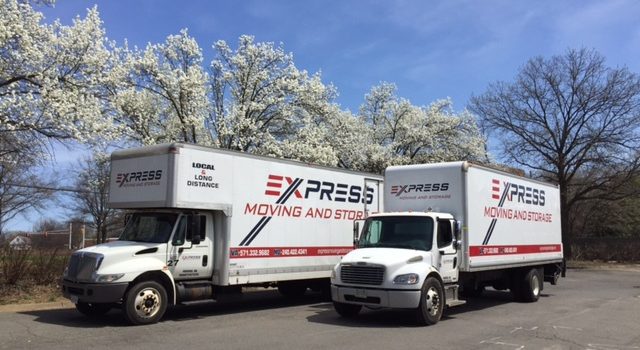

All movers
Every mover in Virginia.
Sorted by best match. Click any card for the full profile and contact details.
MNGMOVERS LLC
Alexandria, VA
All Points Moving & Storage
Alexandria, VA
★ 4.2 (5 reviews)
Brick Flats Mobile Storage
Clintwood, VA
Quality Moving
Alexandria, VA

Gentle Giant Moving Company
Lorton, VA
★ 4.5 (15 reviews)
COLIBRI MOVING LLC
Alexandria, VA

Ayers House Movers LLC
Spotsylvania, VA

Next Day Moving LLC
Arlington, VA
★ 3.4 (16 reviews)
Reliable Moving
Farmville, VA
USDOT #2271916
Brauns International | USA
Sterling, VA

Precision Home Movers
Manassas, VA
★ 4.9 (154 reviews)
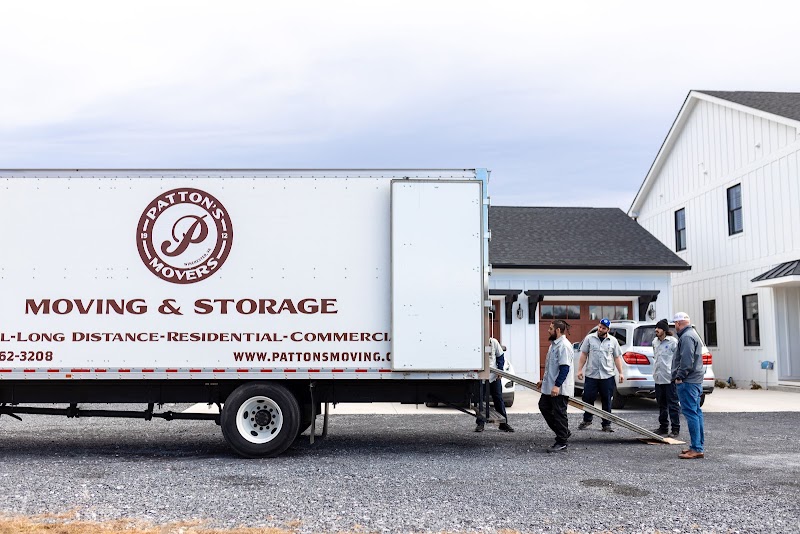
Patton's Movers
Winchester, VA
★ 4.9 (453 reviews)
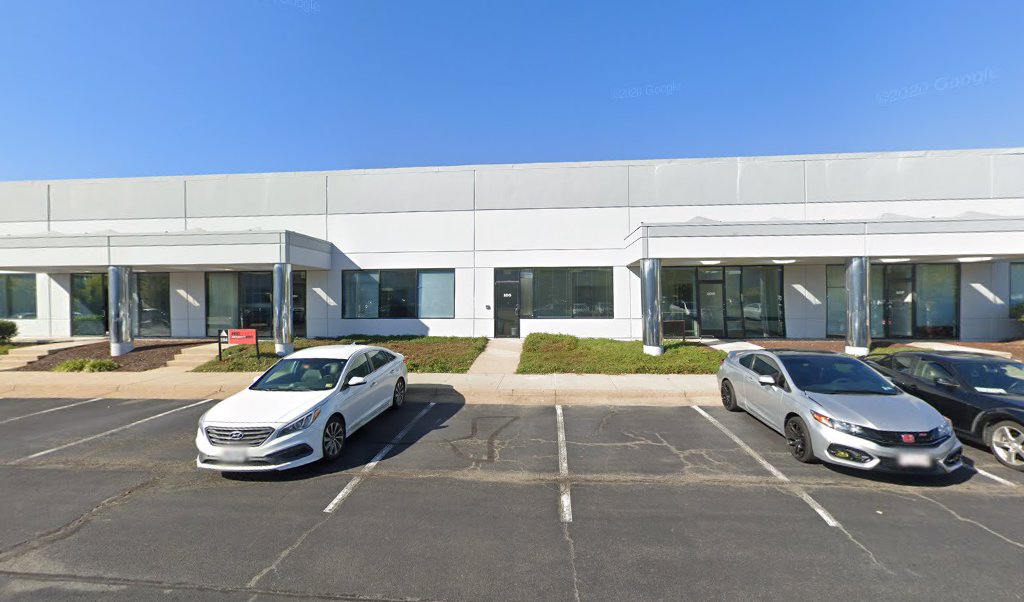
ProSmart Movers
Annandale, VA
★ 4.0 (20 reviews)

Furniture Experts Movers | Pool table movers & Moving labor help
Vienna, VA
★ 4.2 (45 reviews)
Taylor Movers
Arlington, VA
★ 5.0 (19 reviews)
Cities in Virginia
Jump to movers in your city.
48 Virginia cities have moving companies listed.
Richmond
18 movers listed
Alexandria
17 movers listed
Virginia Beach
15 movers listed
Lynchburg
8 movers listed
Norfolk
7 movers listed
Portsmouth
5 movers listed
Arlington
4 movers listed
Charlottesville
4 movers listed
Harrisonburg
4 movers listed
Sterling
4 movers listed
Hampton
3 movers listed
Hayes
3 movers listed
Manassas
3 movers listed
Roanoke
3 movers listed
Suffolk
3 movers listed
Waynesboro
3 movers listed
Chantilly
2 movers listed
Chesapeake
2 movers listed
Christiansburg
2 movers listed
Fairfax
2 movers listed
Henrico
2 movers listed
Mechanicsville
2 movers listed
Newport News
2 movers listed
Staunton
2 movers listed
Winchester
2 movers listed
Annandale
1 mover listed
Bristol
1 mover listed
Building 37
1 mover listed
Chesterfield
1 mover listed
Clintwood
1 mover listed
Colonial Heights
1 mover listed
Concord
1 mover listed
Farmville
1 mover listed
Fredericksburg
1 mover listed
Glen Allen
1 mover listed
Herndon
1 mover listed
Lorton
1 mover listed
Madison Heights
1 mover listed
Mt Crawford
1 mover listed
Providence Forge
1 mover listed
Remington
1 mover listed
Rocky Mount
1 mover listed
Sandston
1 mover listed
Spotsylvania
1 mover listed
Strasburg
1 mover listed
Vienna
1 mover listed
Warrenton
1 mover listed
Woodbridge
1 mover listed
About moving in Virginia
What shapes a Virginia move.
Virginia sits at a crossroads of federal government, military, and private-sector activity, driving one of the most active relocation markets on the East Coast. Northern Virginia (NoVA) — anchored by Arlington, Alexandria, Fairfax County, and Loudoun County — draws federal contractors, tech workers, and government employees. Hampton Roads hosts one of the largest concentrations of military personnel and veterans in the country. Richmond serves as the state capital and a growing mid-sized city attracting remote workers and transplants from more expensive metros. Many Virginians also move out of state toward North Carolina, Tennessee, or Florida as costs in NoVA push families further afield.
Northern Virginia's Relentless Demand
The DC suburbs — Fairfax, Loudoun, Arlington, and Prince William counties — generate enormous moving volume year-round. Amazon's HQ2 in Arlington accelerated in-migration from coastal tech hubs. Proximity to Washington, DC means heavy government-contractor churn. Moving lead times here can stretch to three or four weeks during peak summer months, and last-minute bookings often carry premium pricing.
Military PCS Moves Are Significant
Virginia hosts some of the nation's largest military installations: Naval Station Norfolk, Fort Belvoir, Joint Base Langley-Eustis, Quantico, and Fort Gregg-Adams. Permanent Change of Station (PCS) moves follow specific DoD entitlement rules and are often handled through government-contracted carriers. Military families should confirm whether their move qualifies for a government-contracted carrier or whether they can use a local mover under a Personally Procured Move (PPM).
Richmond's Growing Appeal
Richmond has emerged as a destination for people leaving Northern Virginia, the Northeast, and the Mid-Atlantic seeking lower housing costs, a walkable urban core, and a strong job market in finance, healthcare, and logistics. Intra-Virginia moves from NoVA to Richmond are increasingly common. Interstate 95 connects the two metros in roughly two hours, making it one of Virginia's busiest moving corridors.
Seasonal Peaks and Timing
Like most of the East Coast, Virginia's busiest moving season runs May through August, driven by school-year transitions and military PCS cycles. Summer bookings in Northern Virginia and Hampton Roads fill up fast. Late fall and winter moves — November through February — typically come with lower rates and better mover availability. Spring and early fall offer a useful middle ground on both price and scheduling flexibility.
Anywhere in the state
Find a mover anywhere in Virginia.
Tell Robert where you're headed and get matched with professional local + long-distance movers — free.
Cost of living
Virginia Cost of Living by Metro
Virginia's cost of living varies dramatically by region. Northern Virginia ranks among the most expensive markets in the Southeast, while cities like Roanoke, Harrisonburg, and the New River Valley remain relatively affordable. Housing is typically the largest driver of moving decisions within the state — families frequently move from NoVA to Richmond or the Shenandoah Valley to access similar salaries with substantially lower housing costs.
| Metro | COL Index | What to expect |
|---|---|---|
| Arlington / Alexandria | 155 | Rents typically run $2,400–$3,200 for a 2BR; among the priciest markets in the South. |
| Fairfax County / Tysons | 148 | Median home prices remain well above $600,000; 2BR rents average $2,100–$2,800. |
| Richmond | 108 | A 2BR typically rents for $1,400–$1,900; median home prices are considerably lower than NoVA. |
| Virginia Beach / Norfolk | 103 | 2BR rents run roughly $1,300–$1,800; housing is more affordable than NoVA but has risen sharply post-pandemic. |
| Charlottesville | 118 | University of Virginia drives demand; 2BR rents average $1,500–$2,100, with limited inventory near campus. |
| Roanoke | 90 | One of Virginia's most affordable metros; 2BR rents often fall in the $900–$1,300 range. |
Common routes
Common Virginia Moving Routes
Virginia → North Carolina
~160–300 mi
$1,500–$3,800
Many Virginia residents relocate to the Research Triangle (Raleigh-Durham) or Charlotte for lower housing costs, strong tech job markets, and a warmer climate — one of the most common outbound moves from both NoVA and Richmond.
Virginia → Maryland
~30–120 mi
$900–$2,800
Cross-border moves between Northern Virginia and the Maryland suburbs of DC (Bethesda, Silver Spring, Rockville) are extremely frequent, driven by job changes, school district preferences, and housing availability within the same metro area.
Virginia → Florida
~900–1,100 mi
$3,200–$6,500
Retirement relocation and remote-work migration push a consistent flow of Virginians to Tampa, Orlando, and the Jacksonville area, making Virginia-to-Florida one of the state's highest-volume long-distance corridors.
Virginia → Tennessee
~450–600 mi
$2,200–$4,800
Nashville and the Knoxville area attract Virginians seeking no state income tax, lower housing costs, and proximity to the Appalachian region — a route that has grown steadily with remote-work flexibility.
Virginia → Texas
~1,300–1,500 mi
$4,000–$8,000
Austin and Dallas attract Virginia tech and government-contractor workers; long-haul moves on this corridor typically require binding estimates given the distance and volume variability.
Virginia → New York
~350–450 mi
$2,000–$5,000
Professionals moving between the New York metro and Northern Virginia along the I-95 Northeast Corridor represent consistent two-way traffic for interstate carriers operating in the Mid-Atlantic region.
Licensing + rules
Virginia Moving Regulations: What to Know
Intrastate Mover Registration (SCC)
Movers operating entirely within Virginia typically must register with the Virginia State Corporation Commission (SCC) and may need to carry a household goods carrier certificate. Consumers should verify a mover's Virginia SCC registration before signing a contract. Requirements can change, so confirm current status directly with the SCC or by requesting the mover's certificate number.
Intrastate movers register with the Virginia State Corporation Commission (SCC) for household goods authority.
Interstate Moves: USDOT / FMCSA
Any mover crossing state lines must be registered with the FMCSA and hold a valid USDOT number. You can verify a carrier's license, insurance, and complaint history on the FMCSA's online database. Interstate movers are also required to provide you with the FMCSA publication 'Your Rights and Responsibilities When You Move' before accepting your shipment.
Check USDOT number and FMCSA operating authority at safer.fmcsa.dot.gov.
Binding vs. Non-Binding Estimates
Under federal rules for interstate moves, movers must offer either a binding estimate (price is locked) or a non-binding estimate (final price may vary based on actual weight). For intrastate Virginia moves, the same distinction typically applies but is governed by the mover's tariff filed with the SCC. Always get the estimate type in writing and understand which applies to your move before signing.
Request a binding estimate in writing for interstate moves; confirm tariff terms for intrastate moves.
Released Value vs. Full-Value Protection
Interstate movers are required to offer two liability options: Released Value (approximately $0.60 per pound per item — the minimum, provided at no charge) and Full-Value Protection (the mover is liable for repair, replacement, or cash settlement at current market value, typically at an added cost). Virginia intrastate moves follow similar principles; confirm coverage terms before the move.
Opt into Full-Value Protection if your goods exceed what $0.60/lb would cover in a claim.
Military Move Entitlements (PPM / DITY)
Military members at Virginia installations (Norfolk, Langley, Fort Belvoir, Quantico) may be eligible for a Personally Procured Move (PPM, formerly DITY), in which the government reimburses a portion of moving costs. Rules are set by DoD and the individual service branch. Before hiring a civilian mover for a PCS move, confirm your entitlements through your installation's transportation office.
PCS moves are governed by DoD Joint Travel Regulations; coordinate through your installation's transportation office.
Virginia moving FAQ
Common Virginia Moving Questions
How much does it cost to hire movers within Virginia?
+
Local Virginia moves (under 100 miles, same day) typically run $100–$200 per hour for a two-person crew with a truck, with most moves totaling $600–$2,000 depending on home size and hours worked. A full-service intrastate move from Northern Virginia to Richmond — roughly 100–110 miles — can range from $1,500 to $3,500 for a 3-bedroom home. Always get at least three written estimates and ask whether the hourly rate includes travel time.
Do I need to book movers early for a Northern Virginia summer move?
+
Yes. Northern Virginia is one of the busiest moving markets in the country from late May through August, driven by school-year transitions, federal government fiscal-year turnover, and military PCS cycles. Reputable movers in the Arlington, Fairfax, and Loudoun areas routinely book out four to six weeks in advance during peak season. If your move date is flexible, late August through October offers better availability and often lower pricing.
How do I verify a Virginia mover is properly licensed?
+
For intrastate Virginia moves, check the mover's registration with the Virginia State Corporation Commission (SCC) at scc.virginia.gov. For interstate moves, verify the carrier's USDOT number and active operating authority through the FMCSA's database at safer.fmcsa.dot.gov. Ask the mover directly for both numbers before booking, and confirm their insurance certificate. Avoid any mover that cannot provide these credentials.
What are the most common routes people move out of Virginia?
+
The most common outbound Virginia moves go to North Carolina (particularly the Raleigh-Durham Research Triangle and Charlotte), Florida (Tampa, Orlando, Jacksonville), Tennessee (Nashville), and Maryland (DC suburbs). Many of these moves are cost-driven — housing in Northern Virginia has pushed families toward metros with comparable salaries but lower real estate prices. Texas (Austin, Dallas) is also a growing destination for tech and government-contractor workers.
Is there a traffic or access challenge I should plan for when moving in Northern Virginia?
+
Yes — Northern Virginia has some of the worst traffic congestion in the country, particularly along I-495 (the Capital Beltway), I-66, I-95, and Route 7. Moving trucks may be restricted from certain HOV lanes and some residential communities have narrow streets or elevator reservation requirements in high-rise buildings. Plan moves early in the morning (before 7 AM) to avoid peak congestion. Confirm with your building management whether you need to reserve a loading dock or freight elevator in advance.
How do military PCS moves work at Virginia installations?
+
Virginia's major installations — Naval Station Norfolk, Fort Belvoir, Langley-Eustis, Quantico, and Fort Gregg-Adams — all have on-base transportation offices that coordinate PCS entitlements. Service members can choose a government-contracted carrier (Transportation Service Provider) or elect a Personally Procured Move (PPM) and receive a reimbursement from the government. The PPM route allows you to hire any licensed civilian mover. Contact your installation's Personal Property office well ahead of your reporting date, as summer PCS season creates backlogs.
What should I know about moving to or from Virginia Beach and Hampton Roads?
+
Hampton Roads is a large metro spread across Virginia Beach, Norfolk, Chesapeake, Newport News, and Portsmouth, connected by a network of bridges and tunnels (including the Hampton Roads Bridge-Tunnel and Downtown Tunnel). Moving trucks on some tunnel crossings face height restrictions and occasional delays. The area's military population creates very high summer moving demand. For moves involving the Outer Banks area or crossing the Chesapeake Bay, confirm truck routing with your mover in advance.
What does Full-Value Protection cost on a Virginia interstate move?
+
Full-Value Protection pricing varies by carrier and the declared value of your shipment, but it typically adds $150–$600 or more to a long-distance move, depending on the total value you declare and the deductible you choose. Without it, you can opt into Released Value at approximately $0.60 per pound per item by signing a written waiver — but note that Full Value Protection actually applies automatically on interstate moves, and released value is far below the replacement cost of most household goods. If your homeowner's or renter's insurance doesn't cover moves, Full-Value Protection is worth the added cost for high-value shipments.
Are there specific parking or permit requirements for moving trucks in Virginia cities?
+
Requirements vary by city. In Arlington and Alexandria, you may need to request temporary parking permits or 'no parking' zones for a moving truck from the city's transportation or parking department — typically 48–72 hours in advance. Richmond and Virginia Beach have similar provisions for street-level loading. Some Northern Virginia high-rises and condo associations require advance approval and may limit move-in to weekday hours. Confirm requirements with both your city and your building management at least a week before your move date.
When is the cheapest time to move within or out of Virginia?
+
November through February is generally the lowest-demand period, when mover availability is higher and hourly or flat rates tend to be more negotiable. Mid-month weekday moves are typically cheaper than weekend or end-of-month moves regardless of season. If you can avoid the May–August window — especially in Northern Virginia and Hampton Roads — you're likely to find better pricing, more flexible scheduling, and more experienced crews who aren't stretched thin by peak-season volume.
Moving away from Virginia?
Relocation guides from Virginia.
Cost of living, taxes, and what to expect for popular interstate moves out of Virginia.
Virginia → Florida
Read the guide →Virginia → Georgia
Read the guide →Virginia → Maryland
Read the guide →Virginia → North Carolina
Read the guide →Virginia → Pennsylvania
Read the guide →Virginia → Texas
Read the guide →Virginia → Baltimore
Read the guide →Virginia → Charlotte
Read the guide →Virginia → Hagerstown
Read the guide →Virginia → Jacksonville
Read the guide →Virginia → Raleigh
Read the guide →Virginia → Wilmington
Read the guide →Get your moving quote
Many ways to get a moving quote.
Chat, text, email, or call — whichever’s easiest. Tell Robert about your move and matching movers in your city reach out, usually within a few minutes.