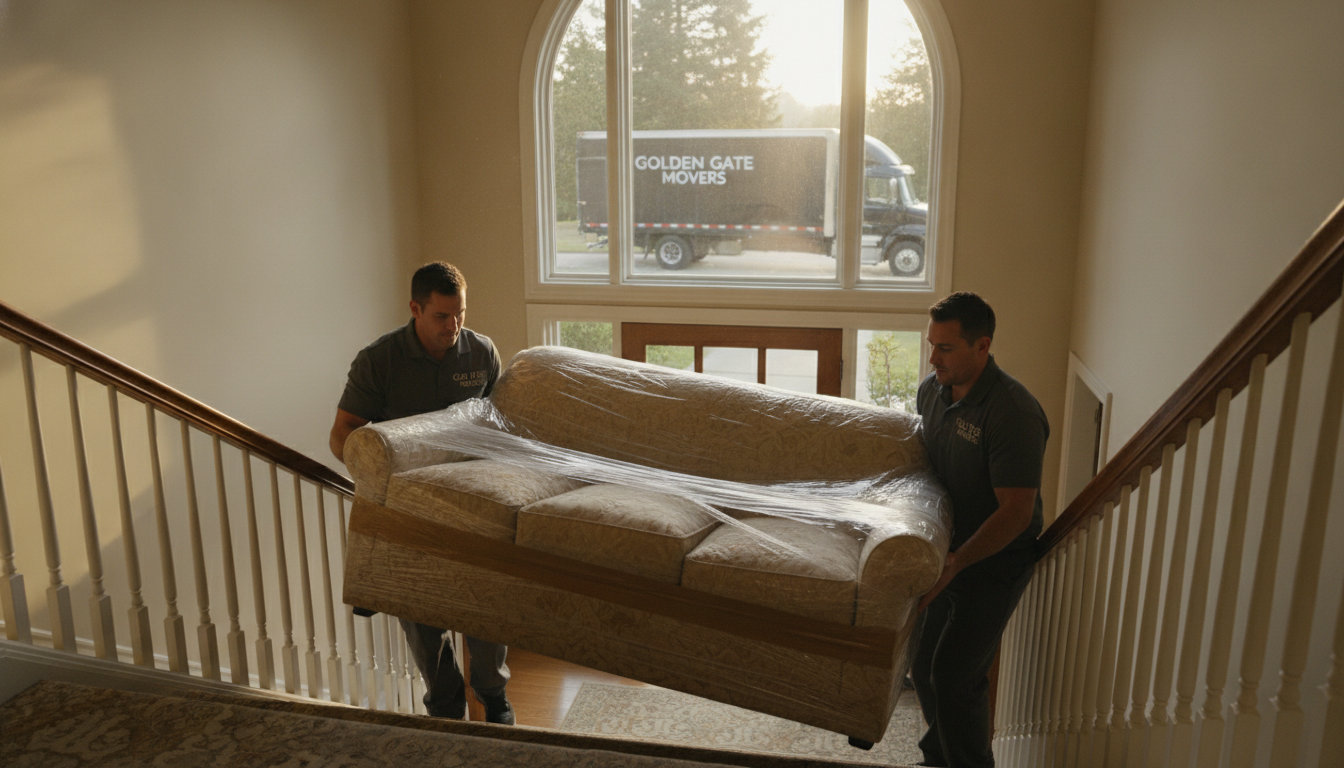
A senior move typically takes two to three times longer to plan than a standard residential move — not because of the distance, but because of the decisions involved. Decades of belongings, emotional ties to a home, and physical limitations all add layers that most moving guides skip entirely. Done right, this kind of move can genuinely improve quality of life; rushed, it causes lasting stress for everyone.
We've helped coordinate hundreds of senior relocations over the past 35 years, from downsizing a lifelong family home to moving a parent into assisted living across the country. Here's what we've learned.
How is a senior move different from a regular move?
Most moves are logistics problems. A senior move is a logistics problem and a life transition. You're often sorting through 30 to 50 years of accumulated belongings, making decisions that carry real emotional weight. Physical stamina is usually a real constraint — for the person moving and often for adult children helping.
There's also more coordination: doctors, care facilities, family members in different cities, estate sale companies, donation trucks. A standard "book movers, pack boxes, move" timeline rarely holds.
Plan for a minimum of 8 weeks if the move originates from a long-term family home. Twelve weeks is more realistic and far less stressful.
What's the first step when helping a senior downsize?
Start with the destination, not the stuff. Before a single box gets packed, know exactly how much space you're moving into.
- Get the floor plan of the new residence — whether that's a smaller home, an independent living apartment, or a memory care suite. Measure key furniture pieces against it.
- Identify the "must-keep" items first. Ask the person moving: What do you need to feel at home? Usually it's a favorite chair, family photos, a familiar bed. Everything else can be evaluated.
- Sort in categories, not rooms. Clothing all together, books all together, kitchenware all together. This prevents the same decision fatigue from happening room by room.
- Plan 2–4 sorting sessions per week, not full-day marathons. Two hours is typically the realistic limit before decisions become poor and emotions run high.
Our guide on how to downsize before a move covers the sorting framework in detail — it applies directly to senior situations.
What should you do with everything that isn't coming along?
| Option | Best for | Typical timeline | Notes |
|---|---|---|---|
| Estate sale | Large volumes of furniture, collectibles, household goods | 3–6 weeks to organize | Company takes 30–50% commission |
| Online auction/consignment | High-value individual items | 2–8 weeks | Good for jewelry, art, antiques |
| Donation pickup | Everyday furniture, clothing, household goods | Schedule 1–2 weeks out | Goodwill, Habitat ReStores, local charities |
| Family distribution | Sentimental items | As early as possible | Do this before sorting — reduces conflict |
| Junk/haul-away service | Items with no resale or donation value | 1–3 days notice | Cost typically $150–$500+ depending on volume |
| Sell with the home | Large built-ins, lawn equipment, some appliances | Coordinated with realtor | Simplest option when timed right |
Start with family distribution first. Waiting until the last week to offer heirlooms to family members creates unnecessary pressure and sometimes lasting conflict.
How do you choose the right moving company for a senior move?
Not every moving crew is the right fit for this kind of job. Beyond standard licensing and insurance, look for these specific things:
- Experience with senior or specialty moves. Ask directly: Have you moved clients into assisted living or from long-term family homes? A crew that has done this knows to work slowly, communicate patiently, and handle items with extra care.
- USDOT number for interstate moves. If the move crosses state lines, the carrier must be registered with the FMCSA. You can verify any carrier at the FMCSA SAFER database (safer.fmcsa.dot.gov) using their USDOT number. Don't skip this step.
- Written binding estimate. For a senior move with valuable or sentimental items, a binding estimate protects you from a surprise bill at delivery. Non-binding estimates can legally increase by up to 10% over the original quote (the "10% rule" under FMCSA 49 CFR Part 375) — and with a large household, that buffer can be significant.
- Verified reviews from real customers. Read recent reviews on verified review platforms specifically for how the company handled fragile or high-value items and whether the crew was patient and communicative.
- Crew continuity. Ask whether the same crew loads and unloads. With a senior move, familiarity matters — both for item handling and for the comfort of the person moving.
You can find experienced movers near you or browse movers by state to compare options in your area.
What does a senior move typically cost?
Costs vary by distance, volume, and services needed, but here are realistic ranges:
| Move type | Typical cost range | Key cost drivers |
|---|---|---|
| Local (same metro, 2–3 BR home) | $800 – $2,500 | Hours, crew size, stairs, packing services |
| Local with full packing service | $1,500 – $4,000 | Labor-intensive; often worth it for senior moves |
| Interstate (1,000–2,000 miles) | $3,500 – $9,000+ | Weight, distance, valuation coverage |
| Senior move management (full service) | $5,000 – $15,000+ | Includes sorting, packing, estate coordination |
Senior move managers are a separate category of professional — they're certified through the National Association of Senior Move Managers (NASMM) and coordinate everything from sorting to utility setup. If the family lives far away or the senior has limited local support, hiring a senior move manager is often the single best investment in the process.
For a detailed breakdown of what drives moving costs, see what movers actually charge in 2026.
While you're reading
Skip the research — let Robert match you with movers.
Get real quotes from vetted movers in your area, free.
How do you make moving day easier for an older adult?
Moving day is the highest-stress moment of the entire process. A few things that consistently make it better:
- Have a trusted person stay with the senior the entire day — not coordinating boxes, just present and calm.
- Set up one room first at the new home (usually the bedroom) so there's a finished, comfortable space to retreat to by midday.
- Label boxes by destination room and priority. "Bedroom – open first" versus "Bedroom – can wait." This prevents a maze of identical boxes in a new space.
- Keep medications, chargers, snacks, and one change of clothes in a personal bag that never goes on the truck. This bag goes in the car with the person.
- Confirm elevator reservations at both origin and destination buildings at least 48 hours in advance. Many buildings require it, and a conflict on moving day is genuinely disruptive.
Our moving-day room-by-room checklist is worth printing out and handing to whoever is running point on the day.
What needs to happen in the first two weeks after the move?
The move itself is only half the transition. In the first two weeks:
- Forward mail via USPS (usps.com/move) — this takes effect in 7–10 business days, so set it up before the move.
- Update Medicare, Medicaid, Social Security, and any insurance carriers with the new address. For Medicare, update through ssa.gov or call 1-800-772-1213.
- Transfer prescriptions to a pharmacy near the new address before moving day, not after.
- Update banking, legal documents, and vehicle registration with the new state's DMV if moving interstate. Most states give 30–60 days for this.
- Notify the new building or community of any medical equipment needs (oxygen, wheelchair access, etc.) so accommodations are in place from day one.
For the full post-move administrative checklist, our guide on handling utilities and address changes when you move is a practical companion read.
Frequently asked questions
How far in advance should you start planning a senior move?
For a move out of a long-term family home, start planning at least 10–12 weeks out. This allows time for sorting sessions (2–3 per week), estate sale or donation logistics (typically 3–6 weeks), and booking a quality moving crew (which can fill up 4–6 weeks in advance during peak season, May–September).
Should you hire a senior move manager or a standard moving company?
Both, often. A senior move manager handles the planning, sorting, packing, and coordination — they're certified professionals (look for NASMM membership) who specialize specifically in this type of transition. A licensed moving company handles the physical transport. For complex situations or when family can't be present, a senior move manager is worth the additional cost. For straightforward downsizing moves with strong family support, a well-vetted moving company with senior experience is typically sufficient.
What happens to items that won't fit in the new space?
Plan this before moving day, not on it. The most common paths: estate sale (3–6 weeks to organize), donation pickup (schedule 1–2 weeks out), family distribution (do this earliest to reduce conflict), and junk haul-away for what remains. Many senior move managers coordinate all of this as part of their service.
How do you handle a senior who is reluctant or anxious about the move?
Involve them in every decision you can, even small ones — which box to open first, where to hang a favorite picture. Anxiety typically comes from loss of control. Frequent, honest communication about the timeline reduces fear of the unknown. If resistance is significant, a social worker or the senior's physician can sometimes help frame the move in terms of the benefits it brings. Never rush the sorting process.
Is a senior move covered by any insurance or benefits?
Standard moving valuation (released-value protection at $0.60/lb/item) applies to senior moves just like any other. For higher-value items — antiques, jewelry, art — full-value protection or a third-party moving insurance policy is worth considering. Veterans may have access to relocation benefits through the VA depending on their situation; contact the local VA office to confirm eligibility. Medicare does not cover moving costs.
How do you find a reputable moving company for a senior move?
Start by searching for movers with documented senior or specialty move experience. Verify their USDOT number (required for all interstate movers) through the FMCSA SAFER database, check reviews on verified review platforms, and always get a written binding estimate before signing. You can browse vetted movers by state on our directory, or ask our AI agent Robert to help you narrow down the right fit for your specific situation.
Planning a senior move and not sure where to start? Browse our directory of vetted moving companies to find experienced movers in your area, or chat with Robert — our AI moving assistant — to get personalized guidance on next steps.
Tagged