
Find movers near you
Movers in Detroit.
Compare top-rated local and long-distance movers — and let Robert do the comparison for you.
Get Your Quote→Michigan · Wayne County
Moving companies in Detroit, MI.
Detroit's moving market spans a sprawling four-million-person metro, aging city-center stock that dates to the 1920s, and suburbs with active HOA rules that most newcomers never read until moving day. Browse movers who know the difference between a Corktown narrow-lot job and a Troy corporate-park relocation — and what each one actually costs.
Robert
Online·Call for a quote
Hi — I'm Robert, and I'll help you find the right movers. Where are you moving from, and where are you headed? Prefer a live representative? Just say the word and I'll connect you, or use the call button for a quote anytime.
By chatting with Robert, you agree we may share your move details with movers in your origin city so they can contact you with a quote. We never sell or share your info outside this network. Privacy Policy.
Top movers in Detroit
Detroit movers worth a look.
A few of Detroit’s top movers. Want a tailored recommendation? Use the Get quotes form below.
All Detroit movers
53 movers serving Detroit.

Action Movers
Detroit, MI
★ 3.8 (32 reviews)
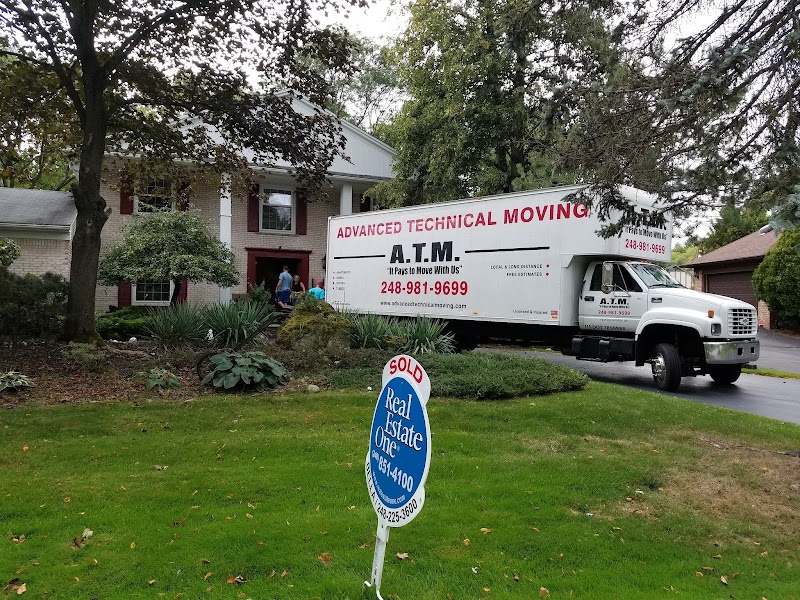
Advanced Technical Moving
Detroit, MI
★ 5.0 (27 reviews)
A1 Moving and Recycling
Detroit, MI
★ 4.1 (15 reviews)
A2 MOVING
Detroit, MI
★ 4.9 (110 reviews)
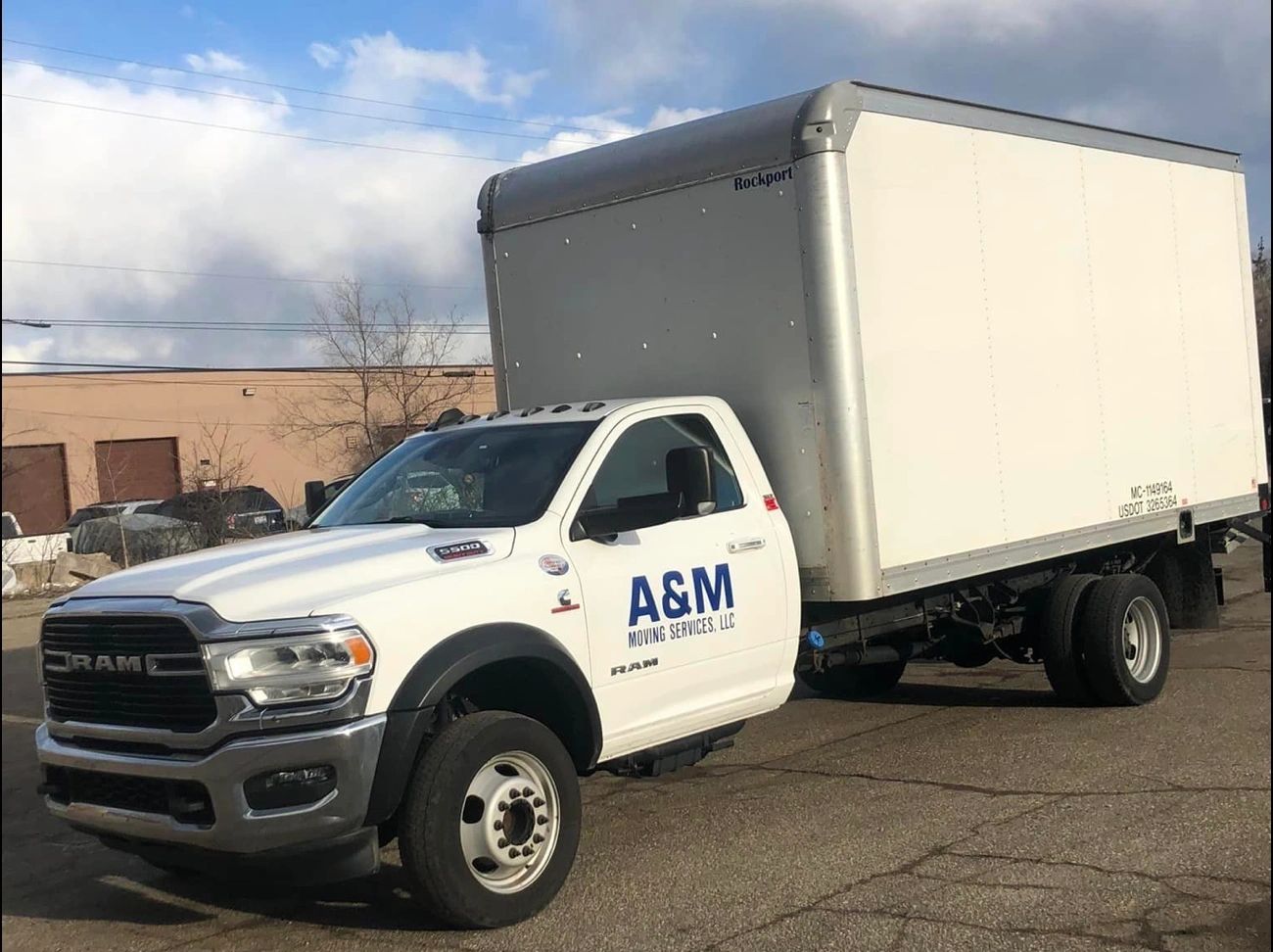
A & M Moving Services
Detroit, MI
★ 4.7 (67 reviews)
5 Star Moving
Detroit, MI
★ 5.0 (2622 reviews)

Abc Discount Moving Company
Detroit, MI
★ 5.0 (84 reviews)
White Star Movers
Detroit, MI
University Moving and Storage
Detroit, MI
Stevens Moving & Storage of Detroit
Detroit, MI
Reilly Moving & Storage
Detroit, MI
Web Site Movers
Detroit, MI
Top Notch Moving Solutions Inc
Detroit, MI
Power Moving
Detroit, MI
Muscular Moving Men
Detroit, MI
Movers near Detroit
9 more movers within 50 miles of Detroit.
Based in a neighboring town and serving Detroit. Each one shows where it is based and how far that is, nearest first.
Anytime Moving LLC
Roseville, MI · 13 miles away
All Around Moving & Storage
Romulus, MI · 19 miles away
Myshaun affordable movers
Novi, MI · 23 miles away
★ 4.8 (125 reviews)
Professional Movers
Walled Lake, MI · 27 miles away
Orchard Moving Services
Ypsilanti, MI · 28 miles away
Majestic Movers
Whittaker, MI · 32 miles away
Corrigan Moving Systems
Ann Arbor, MI · 34 miles away
★ 4.7 (257 reviews)
MainStreet Moving Company
Monroe, MI · 37 miles away
★ 4.7 (38 reviews)
Top Dog Movers
Whitmore Lake, MI · 38 miles away
Move planner
Two quick steps. A personalized plan in 30 seconds.
Robert builds a Detroit-specific timeline, estimated cost range, and 3-mover shortlist tailored to your job. No forms. No spam. No commitment.
Step 1 of 2
Tell us about your move.
Distance
Property type
Property size
Zip codes (optional — sharpens the cost estimate)
When are you hoping to move?
Cost calculator
What Detroit moves cost by size and distance
Estimates below reflect Detroit-area market rates for moves originating in Wayne, Oakland, or Macomb County. Local is under 50 miles within the metro. Regional covers Midwest corridor moves (Chicago, Cleveland). Long-distance covers 600+ mile hauls.
| Home size | Local (under 50 mi) | Regional (50-500 mi) | Cross-country (500+ mi) |
|---|---|---|---|
| Studio / 1BR | $400-$700 | $1,200-$2,000 | $2,400-$4,000 |
| 2BR | $600-$1,100 | $1,800-$2,800 | $3,400-$5,500 |
| 3BR | $900-$1,600 | $2,400-$3,800 | $4,500-$7,200 |
| 4BR+ | $1,400-$2,400 | $3,200-$5,200 | $6,500-$11,000 |
Skip the guesswork
Get matched with professional Detroit movers.
Robert, our moving concierge, lines up quotes from movers who actually serve your route — free, no obligation.
Local movers in Detroit
Local moving in Detroit is priced hourly — you're paying for the crew and truck together, with most companies setting a 2-hour minimum and rates that generally run $100–$200 per hour for a two-person crew, depending on the season and job complexity. The single biggest variable on any Detroit move is building access: tight historic streets, multi-story flats with no elevator, long carry distances from parking to a front door, and the occasional need to reserve street space can all add meaningful time to your clock.
What drives your local moving cost in Detroit:
- Home size & crew needed — a studio or 1BR can often be handled by two movers; a 3BR+ home will call for three or four, which changes your hourly rate
- Building access & carry distance — walk-up flats (common in Corktown, Midtown, and similar older neighborhoods), narrow staircases, and basement storage all slow the crew down
- Elevator or no elevator — high-rise and mixed-use buildings in areas like Downtown and New Center may require elevator reservations with the building management office ahead of move day
- Time of month & season — end-of-month and summer weekends are peak demand; booking mid-month or mid-week can make a genuine difference in availability and sometimes price
- Packing services — having movers pack and unpack adds hours and materials cost; doing your own boxing beforehand is one of the most reliable ways to keep the bill down
Detroit's older housing stock means narrower doorways and more stairs than you'd find in newer suburban developments — it's worth measuring large furniture pieces and flagging anything that may need disassembly before moving day. If you're moving to or from a busy corridor (Woodward Ave, Michigan Ave, or a dense neighborhood block), ask your mover whether a city parking permit or a temporary no-parking zone request makes sense; Detroit does allow residents to coordinate these through the city for large moves.
When you're ready to compare options, movers in Detroit can be matched to your specific neighborhood, building type, and schedule.
Neighborhood guide
Moving to a specific Detroit-area neighborhood?
Downtown / Midtown
Urban revival lofts and converted office buildings
Median 2BR rent: $1,700/mo
Confirm freight elevator access and dimensions before booking — retrofit buildings vary widely and some have no elevator service at all.
Corktown
Gentrifying historic blocks, tight 19th-century lots
Median 2BR rent: $1,500/mo
Street widths on several blocks can't accommodate a 26-foot truck; request a smaller vehicle or shuttle run when booking.
Royal Oak
Walkable inner suburb with a mix of housing types
Median 2BR rent: $1,600/mo
Single-family homes move efficiently, but newer condo HOAs often require certificate of insurance on file before your crew steps on-site.
Birmingham
Affluent suburb, pre-war character homes
Median 2BR rent: $2,200/mo
Many homes have detached garages accessed via rear alleys; confirm approach route with your mover to avoid narrow driveway bottlenecks.
Ann Arbor (nearby)
University town with year-round rental churn
Median 2BR rent: $2,000/mo
University of Michigan's late-August move-in (Aug 28-Sep 5) saturates mover availability metro-wide; book 6-8 weeks out if moving that window.
Grosse Pointe
Historic lakefront money, mature tree canopy
Median 2BR rent: $2,000/mo
Mature elms and oaks over narrow streets mean trucks stage on the main road and hand-carry or use smaller equipment on lakeside blocks.
Troy / Rochester
Corporate corridor suburbs with HOA-heavy developments
Median 2BR rent: $1,800/mo
HOA management companies in newer subdivisions routinely require 48-hour notice and proof of insurance before allowing a moving truck on common property.
Dearborn
Ford-adjacent, ethnically diverse, affordable
Median 2BR rent: $1,400/mo
Access is generally clean, but a handful of streets near industrial corridors have commercial vehicle restrictions; confirm your route before dispatch.
Common routes
Where Detroit movers are heading — and what it costs
Detroit → Chicago, IL
~285 mi west on I-94
$2,400-$3,800
The I-94 corridor is the busiest interstate move out of Detroit; return-load availability keeps pricing relatively competitive compared to longer hauls.
Detroit → Cleveland, OH
~170 mi east on I-75/I-90
$1,800-$2,800
Short enough for a one-day move; common for auto-industry workers transferring between metro operations in Ohio.
Detroit → Toronto, Canada
~230 mi northeast via Ambassador Bridge or Windsor Tunnel
$2,400-$3,800 + customs
Cross-border moves require a licensed international or customs-experienced carrier; household goods documentation and CBSA clearance add lead time and cost.
Detroit → New York, NY
~615 mi east on I-80
$3,400-$5,200
Steady volume from Detroit professionals relocating to finance and media industries; pricing spikes in summer when New York demand peaks simultaneously.
Detroit → Atlanta, GA
~720 mi south on I-75
$4,000-$6,200
One of the most common outbound routes as Detroiters chase no-income-tax Southern metros with strong job markets.
Detroit → Phoenix, AZ
~1,980 mi southwest
$7,200-$10,800
A dominant retirement route; many metro Detroiters who spent decades in automotive move to the Southwest once they exit the workforce.
Honest prices beat estimates
Want an actual quote for your Detroit move?
Tell Robert the basics and get matched in minutes.
Local figures
Detroit in numbers.
What the homes are
DetroitUnited States
- Detached houses
- 65% in Detroit61% in United States
- Townhouses
- 7% in Detroit6% in United States
- Buildings of 2 to 4 homes
- 9% in Detroit8% in United States
- Buildings of 5 to 19 homes
- 6% in Detroit9% in United States
- Buildings of 20 or more homes
- 13% in Detroit10% in United States
Rent, home values and income
| Figure | Detroit | Michigan | U.S. |
|---|---|---|---|
| Median monthly rent | $1,034 | $1,084 | $1,348 |
| Median home value | $76,800 | $217,600 | $303,400 |
| Median household income | $39,575 | $71,149 | $78,538 |
| Households that rent | 50% | 27% | 35% |
| Residents who moved in the past year | 11% | 12% | 13% |
Source: U.S. Census Bureau, American Community Survey 2019-2023 5-year estimates.
When to move
Detroit's moving calendar, month by month
Jan
off
Coldest month of the year; lake-effect snow events off Lake Erie and Lake St. Clair can delay or halt moves with little warning — budget a contingency day.
Feb
off
Still deep winter; moving trucks on unplowed residential streets is a genuine logistical problem in neighborhoods away from main arterials.
Mar
off
March thaw is unpredictable — can be passable or another snow event; pricing is lowest here for those willing to accept weather risk.
Apr
value
Weather starts cooperating after mid-month; mover availability is good and rates are still below peak, making this an underrated window.
May
peak
Peak season begins; lease cycles turn over, corporate transferees start arriving, and weekend slots fill 3-4 weeks out.
Jun
peak
School-year end drives heavy suburban family moves in Birmingham, Troy, and Grosse Pointe; book early or accept weekday-only availability.
Jul
peak
Peak of peak; temperatures and humidity climb, which matters for moves in Detroit's older un-air-conditioned building stock.
Aug
peak
University of Michigan (Aug 28-Sep 5), Wayne State (Aug 22-Sep 1), and Michigan State (Aug 25-Sep 1) all move in simultaneously, straining metro-wide mover availability — this is the hardest booking month.
Sep
peak
College move-ins extend into early September; second half of the month starts to ease as university demand drops and corporate moves wind down.
Oct
value
Excellent window: fall weather is mild, availability opens up, and movers are motivated to fill calendars before winter — rates often 15-20% below summer peak.
Nov
value
Good pricing and availability through mid-month; after Thanksgiving the combination of cold weather and holiday schedules starts to complicate logistics.
Dec
off
Winter weather is back in force and mover staffing thins out over the holidays; only move in December if the deal demands it.
Permits + local rules
What to know before the truck shows up
Detroit Street Parking Permit
If your move requires blocking a lane or reserving curbside space for a truck in the city of Detroit, you'll need a permit through the City of Detroit Department of Public Works. Required for any move where the truck will obstruct traffic flow for more than a brief period. Midtown and Downtown are the most common areas where enforcement matters; residential side streets are more informal but technically still subject to the requirement.
Permit cost approximately $50-$75; apply at least 5-7 business days in advance through Detroit DPW.
Royal Oak / Birmingham Parking Notice
Oakland County suburban municipalities including Royal Oak and Birmingham each have their own temporary no-parking ordinances for moving trucks. These are separate from Detroit city permits and are managed at the municipal level. Failure to post signage or file notice can result in your truck being ticketed or towed, which has happened to out-of-area moving crews unfamiliar with the local rules.
Fees vary by municipality, typically $25-$50; notify the local city clerk or police non-emergency line 48-72 hours in advance.
HOA Move-In/Out Restrictions
A significant share of condo and townhome developments in Troy, Rochester, Royal Oak, and Dearborn are HOA-governed. Many HOAs restrict moves to weekday hours (typically 8am-5pm), prohibit weekend or holiday moves entirely, require certificate of insurance naming the HOA as additional insured, and mandate elevator reservations in multi-story buildings. Violations can result in fines charged to the new resident, not the mover.
No permit fee typically, but HOA approval required; allow 5-10 business days for insurance certificate processing.
Cross-Border Toronto Moves
Detroit-to-Toronto moves cross an international border at the Ambassador Bridge or Windsor-Detroit Tunnel. US movers must either hold their own Canadian operating authority or subcontract to a licensed Canadian carrier at the destination. Household goods require a CBSA B4 form (personal effects accounting). Items like firearms, certain food products, and plants face specific restrictions. Customs clearance adds 1-3 days depending on volume and documentation completeness.
No permit fee for household goods import under B4; budget 3-5 extra business days for documentation prep and potential customs hold.
About moving to Detroit
What you should know before you book.
Detroit is a post-industrial city in active reinvention — a place where a $95,000 median home price sits alongside $1,700 Midtown lofts and Birmingham estates clearing $700k. Most inbound movers are arriving from other Midwest metros chasing housing prices that feel impossible elsewhere, or auto-industry transferees landing at Ford, GM, or Stellantis facilities ringing the metro. The one thing that consistently surprises newcomers: the sheer physical scale of greater Detroit. The city proper is 139 square miles, and the suburbs stretch another 20-30 miles in every direction, meaning a move from Grosse Pointe to Troy that looks short on a map can eat half a day in logistics.
A City Built for Trucks
Detroit's street grid was designed around industrial traffic, not pedestrians. That's mostly good news for movers — wide arterials, oversized alleys in many neighborhoods, and surface lots that serve as staging areas. The complication is the city's aging infrastructure: potholed residential streets in some neighborhoods require movers to slow down significantly to avoid jostling fragile loads, and a few bridge underpasses on older corridors have height restrictions that catch van operators off guard.
Auto Industry Drives Relocation
The Detroit metro accounts for a disproportionate share of corporate relocation packages in the Midwest. Ford's Dearborn campus, GM's Renaissance Center, and the Stellantis Jeep complex all generate steady transferee traffic — meaning a significant share of local moves involve third-party relocation coordinators with specific carrier requirements, inventory auditing, and billing formats. Movers in the Troy-Auburn Hills-Dearborn corridor deal with these accounts regularly and are generally equipped for the paperwork.
Outbound Flow Is Genuine
Detroit has been a net out-migration city for decades. A meaningful share of moving trucks leave the metro for Atlanta, Charlotte, Phoenix, and Tampa — warm-weather metros with younger job markets and no state income tax. This outbound demand matters because it shapes carrier availability: movers who regularly run Detroit-to-Atlanta on I-75 or Detroit-to-Phoenix long-hauls often quote more competitively for those routes than national van lines would, simply from volume.
Local Mover Ecosystem
The Detroit area has a dense independent mover market, concentrated in Wayne, Oakland, and Macomb counties. Quality varies sharply. Licensing is through MDOT for in-state carriers and FMCSA for interstate. Several well-established regional movers have been operating since the 1970s and know the metro cold. Newer entrants targeting Midtown/Corktown gentrification have popped up in the last eight years. For any move involving antique or mid-century furniture — common in this market — ask explicitly whether crews handle wrapped specialty items.
Detroit moving FAQ
Common questions, locally-answered.
How much does a local move within the Detroit metro typically cost?
+
A local 2-bedroom move within Wayne, Oakland, or Macomb County generally runs $600-$1,100 for a 3-4 hour job with a two-person crew. Moves involving high-rises with slow or restricted freight elevators — common in Downtown and Midtown — add 1-2 hours easily. Corktown moves sometimes require a smaller shuttle vehicle due to street width, which adds a line item. Most Detroit-area movers charge $100-$150/hour per two-person crew; three-person crews for larger homes run $140-$180/hour.
When should I book movers if I'm moving during U of M or Wayne State move-in week?
+
Book 6-8 weeks out minimum. University of Michigan's move-in window (Aug 28-Sep 5) and Wayne State's overlapping window (Aug 22-Sep 1) hit simultaneously, and Michigan State in East Lansing (Aug 25-Sep 1) pulls additional metro-wide truck and crew capacity. Detroit's mover market is deep but not infinitely so — by mid-July, most reputable carriers have their August weekends sold out. If you're flexible, a Tuesday or Wednesday move during that window will save money and be easier to book.
What's the best time of year to move in Detroit if I want to save money?
+
October is the sweet spot. Weather is consistently mild (highs 50s-60s), peak-season surcharges have ended, and movers are motivated to fill their calendars. April is a close second — once the winter thaw stabilizes after mid-month, you get good weather and off-peak pricing. Avoid May through September if budget matters; that window runs 15-25% above the rest of the year. January through March is cheapest but lake-effect snow is a genuine operational risk, especially in northeast Wayne County and along the I-94 corridor.
Do I need a permit to park a moving truck in Detroit?
+
Technically yes for any move that blocks traffic in the city of Detroit — the Department of Public Works issues temporary no-parking/truck parking permits for roughly $50-$75 with 5-7 business days notice. In practice, residential side-street enforcement is inconsistent. Where it matters: Midtown, Downtown, and anywhere near a metered zone or bus route. Suburban municipalities (Royal Oak, Birmingham, Troy) have separate permit processes at the local city level. Always confirm with your specific municipality and give your mover the permit details before move day.
How does moving to Detroit from Chicago or New York actually compare in cost?
+
The cost-of-living gap is substantial. Detroit's index sits at 86 versus the national 100, and housing is the primary driver — the city's median home price is $95,000, and a 2BR apartment in most neighborhoods runs $1,300-$1,700, compared to $2,400-$2,900 in Chicago and $3,600+ in New York. The tradeoff is Detroit's combined income tax burden: Michigan's 4.25% flat state rate plus a 2.4% Detroit city tax applies to city residents, which narrows the gap somewhat for high earners compared to no-income-tax states like Florida or Texas.
Can I move from Detroit to Toronto with a standard moving company?
+
Not with just any carrier. Detroit-to-Toronto is an international move through the Ambassador Bridge or Windsor-Detroit Tunnel, and the moving company must either hold Canadian operating authority or hand off to a licensed Canadian carrier at the border. You'll need to complete a CBSA B4 personal effects declaration. Certain items — firearms, some plants, specific food products — require additional documentation or can't cross at all. Budget 3-5 extra days for customs processing on top of standard transit time, and expect the $2,400-$3,800 base cost to increase with customs brokerage fees.
What should I know about moving into a condo or HOA development in the suburbs?
+
HOA rules in Troy, Rochester, Royal Oak, and similar suburbs are more restrictive than most people expect. Common requirements: moves limited to weekday business hours (8am-5pm), no Saturday or Sunday moves at all in some buildings, certificate of insurance naming the HOA as additional insured (your mover has to provide this, allow 3-5 days), and advance elevator reservation in multi-story buildings. Violations result in fines billed to the new resident. Get the HOA move-in rules in writing from your property manager before you book your mover — not after.
Moving away from Detroit?
Relocation guides from Detroit.
Costs, distance, and what to expect for popular moves out of Detroit.
Long distance movers in Detroit→Nearby cities
Movers in cities close to Detroit.
Roseville, MI
about 13 miles away
Romulus, MI
about 19 miles away
Novi, MI
about 23 miles away
Walled Lake, MI
about 27 miles away
Ann Arbor, MI
about 34 miles away
Monroe, MI
about 37 miles away
Browse moving companies in other Michigan cities, or explore the full directory by state.
Get your moving quote
Many ways to get a moving quote.
Chat, text, email, or call — whichever’s easiest. Tell Robert about your move and matching movers in your city reach out, usually within a few minutes.