
Find movers near you
Movers across Michigan.
Compare top-rated local and long-distance movers — and let Robert do the comparison for you.
Get Your Quote→Michigan · MI
Moving companies in Michigan.
113 movers across 21 cities in Michigan — local, long-distance, and specialty handling. Compare listings, get transparent quotes, and use our honest cost guide before you book.
Robert
Online·Call for a quote
Hi — I'm Robert, and I'll help you find the right movers. Where are you moving from, and where are you headed? Prefer a live representative? Just say the word and I'll connect you, or use the call button for a quote anytime.
By chatting with Robert, you agree we may share your move details with movers in your origin city so they can contact you with a quote. We never sell or share your info outside this network. Privacy Policy.
Top movers in Michigan
Michigan movers worth a look.
A few of the top movers statewide. Want a tailored recommendation? Chat with Robert above.

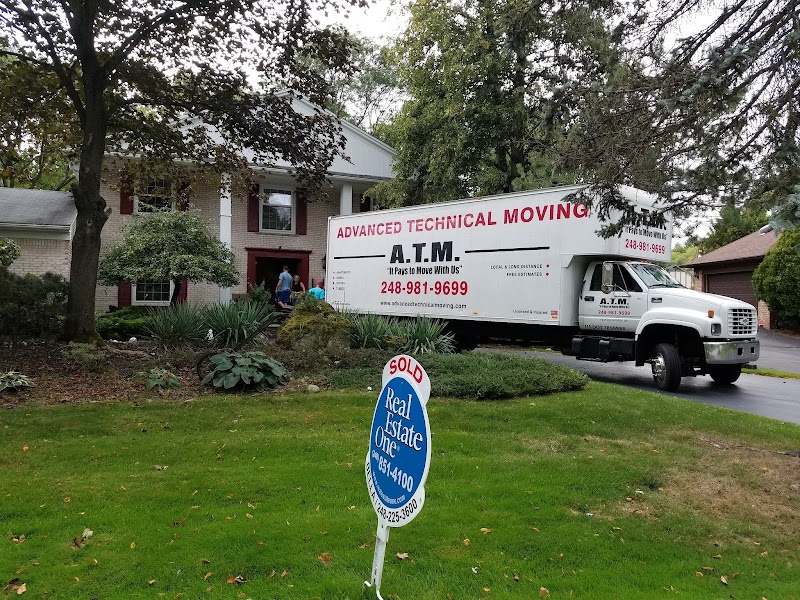

All movers
Every mover in Michigan.
Sorted by best match. Click any card for the full profile and contact details.
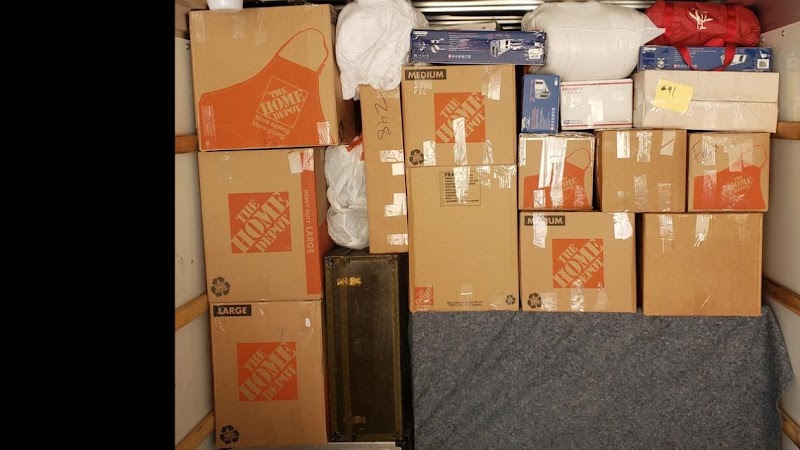
5 Star Moving
Detroit, MI
★ 5.0 (2622 reviews)

A2 MOVING
Detroit, MI
★ 4.9 (110 reviews)
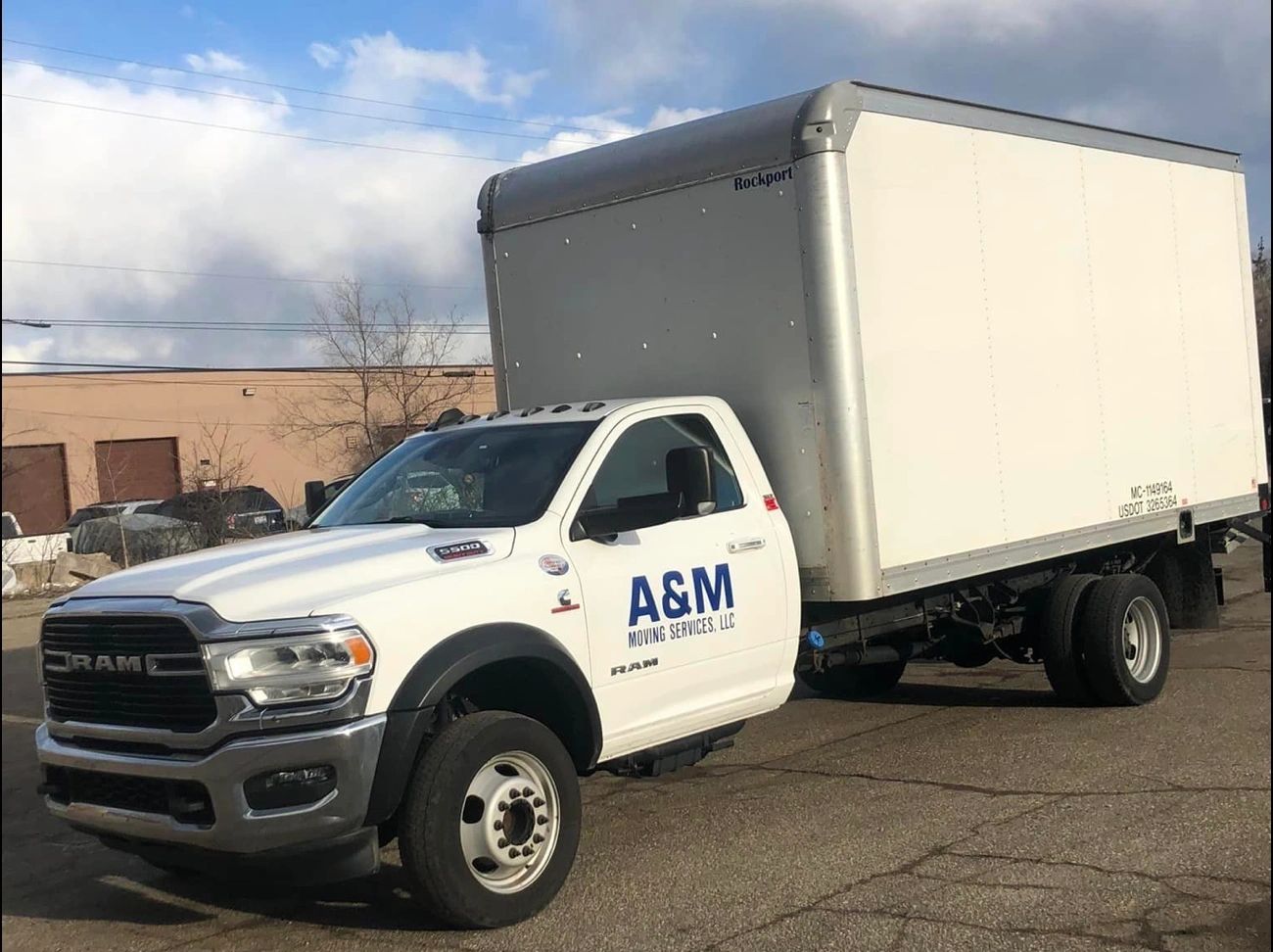
A & M Moving Services
Detroit, MI
★ 4.7 (67 reviews)

Abc Discount Moving Company
Detroit, MI
★ 5.0 (84 reviews)
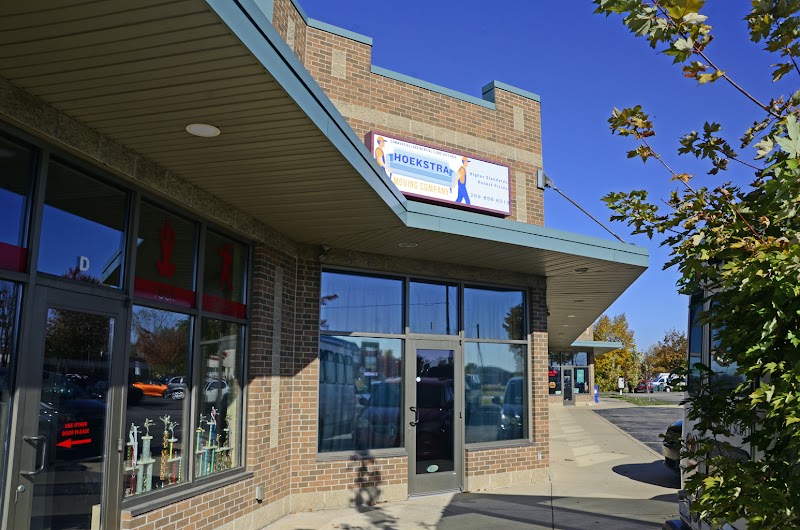
Hoekstra Moving Company LLC
Coopersville, MI
★ 4.9 (347 reviews)
Myshaun affordable movers
Novi, MI
★ 4.8 (125 reviews)
JC Moving Solutions
Flint, MI
Helper Moving, LLC
Lansing, MI
USDOT #2475734
All Around Moving & Storage
Romulus, MI
Short Kingz Moving
Grand Rapids, MI
USDOT #3996341
Professional Moving Service
Jackson, MI
Corrigan Moving Systems
Ann Arbor, MI
★ 4.7 (257 reviews)
Top Dog Movers
Ann Arbor, MI
Movers and Shakers
Detroit, MI
Michigan Best Movers & Storage
Detroit, MI
Cities in Michigan
Jump to movers in your city.
21 Michigan cities have moving companies listed.
Detroit
53 movers listed
Grand Rapids
14 movers listed
Lansing
14 movers listed
Flint
5 movers listed
Ann Arbor
4 movers listed
Kalamazoo
4 movers listed
Saginaw
3 movers listed
Jackson
2 movers listed
Muskegon
2 movers listed
Adrian
1 mover listed
Battle Creek
1 mover listed
Bay City
1 mover listed
Benton Harbor
1 mover listed
Coopersville
1 mover listed
Monroe
1 mover listed
Novi
1 mover listed
Romulus
1 mover listed
Roseville
1 mover listed
Sault Ste. Marie
1 mover listed
Sturgis
1 mover listed
Walled Lake
1 mover listed
About moving in Michigan
What shapes a Michigan move.
Michigan's moving market reflects a state in transition. The Detroit metro continues attracting tech and automotive talent while also seeing working-class families relocate to lower-cost Sun Belt states. College towns like Ann Arbor, East Lansing, and Kalamazoo generate dense seasonal demand every August and May. The Upper Peninsula presents unique logistical challenges — limited carrier availability and longer drive times across the Mackinac Bridge add cost. Retirees frequently leave Michigan for Florida and the Carolinas, while remote workers are moving in from higher-cost coastal metros drawn by affordable lakefront and urban housing.
Two-Peninsula Logistics
Michigan is the only state with two non-contiguous landmasses connected by a single bridge. Moves between the Lower Peninsula and the Upper Peninsula require crossing the Mackinac Bridge (toll applies) or using ferry routes. Many movers charge a premium for UP deliveries due to longer transit times and limited return loads, so expect higher quotes for moves involving Marquette, Houghton, or Sault Ste. Marie.
Automotive Economy Drives Moves
The Detroit metro remains the global center of U.S. auto manufacturing and R&D, attracting engineers, designers, and supply-chain professionals from across the country. Suburban communities like Troy, Auburn Hills, Dearborn, and Ann Arbor see consistent corporate relocation traffic tied to Ford, GM, Stellantis, and their supplier networks. Corporate relocation packages are common here, which often include professional moving services and temporary housing allowances.
Harsh Winters Compress Peak Season
Michigan winters bring significant snowfall, road ice, and below-zero wind chills, especially in the Upper Peninsula and western Lower Peninsula near Lake Michigan. Most residents try to complete moves between May and September to avoid weather delays and potential damage to furniture and electronics. This compression creates high demand and tighter mover availability from June through August. Booking 6–10 weeks ahead during summer is advisable.
Affordable Housing Relative to Coasts
Michigan's housing costs remain well below national averages in most metros, which is a primary draw for remote workers relocating from Chicago, New York, or California. Detroit, Flint, and Lansing offer some of the most affordable urban housing in the Midwest. Even Ann Arbor, the state's priciest market, is considerably cheaper than comparable university cities on the coasts. Lower home prices generally mean smaller household budgets allocated to moving costs.
Anywhere in the state
Find a mover anywhere in Michigan.
Tell Robert where you're headed and get matched with professional local + long-distance movers — free.
Cost of living
Michigan Cost of Living by Metro
Michigan's cost of living is below the U.S. average in most areas, making it an attractive destination for people leaving high-cost states. Housing is the primary driver of affordability differences between metros. Ann Arbor sits notably above the state norm due to university-driven demand, while Detroit and Flint remain among the most affordable large metros in the country. Lower cost of living means moving budgets stretch further — but also that residents may own more belongings worth moving.
| Metro | COL Index | What to expect |
|---|---|---|
| Detroit (Metro) | 89 | Rents run roughly $1,100–$1,400 for a 2BR in suburban communities like Livonia or Warren; city-core units vary widely by neighborhood |
| Ann Arbor | 112 | Rents average around $1,700–$2,200 for a 2BR; housing demand is elevated year-round due to University of Michigan enrollment |
| Grand Rapids | 93 | Rents typically run $1,200–$1,600 for a 2BR; the market has tightened in recent years as the city has attracted significant population and business growth |
| Lansing / East Lansing | 88 | Rents generally range $900–$1,300 for a 2BR; state government and Michigan State University stabilize the rental market |
| Kalamazoo | 85 | Rents typically run $950–$1,250 for a 2BR; one of the more affordable mid-size metros in the Midwest with a strong craft-beverage and health-care economy |
| Traverse City | 103 | Rents range $1,400–$1,900 for a 2BR; resort-driven demand and limited housing stock push costs above the state average, especially seasonally |
Common routes
Most Common Michigan Moving Routes
Michigan → Florida
~1,200 mi
$3,500–$7,000
Michigan has one of the largest seasonal and permanent retiree migration flows to Florida, with I-75 serving as the primary corridor connecting Detroit and Toledo to Tampa, Orlando, and Fort Lauderdale.
Michigan → Illinois
~300 mi
$1,800–$3,800
The Detroit–Chicago corridor via I-94 is one of Michigan's busiest interstate routes, driven by professionals moving between the two metro areas for work in finance, tech, and manufacturing.
Michigan → Ohio
~200 mi
$1,400–$3,200
Michigan and Ohio share a long border and strong economic ties; moves between Detroit and Cleveland or Columbus are common for automotive-sector and healthcare employees.
Michigan → Texas
~1,300 mi
$3,800–$7,500
Texas has become a top destination for Michigan residents leaving for lower taxes and a warmer climate, with Dallas-Fort Worth and Austin being the primary landing metros.
Michigan → Georgia
~900 mi
$3,000–$6,200
Atlanta's growing tech and automotive presence draws Michigan professionals, and southern Georgia destinations are popular with Michigan retirees seeking affordability and warmth.
Michigan → Indiana
~150 mi
$1,200–$2,800
Southwest Michigan residents frequently relocate to the South Bend and Fort Wayne areas for lower housing costs, and the Kalamazoo–Indianapolis corridor sees regular cross-border moves.
Licensing + rules
Michigan Moving Regulations You Should Know
Intrastate Mover Registration
Movers operating entirely within Michigan are typically regulated at the state level. Michigan intrastate household goods carriers are generally required to register with the Michigan Public Service Commission (MPSC) and maintain appropriate cargo and liability insurance. Consumers should confirm a mover's MPSC registration status before signing a contract.
Intrastate movers register with the Michigan Public Service Commission (MPSC)
Interstate USDOT / FMCSA Licensing
Any mover crossing state lines into or out of Michigan must hold a valid USDOT number and be registered with the Federal Motor Carrier Safety Administration (FMCSA). You can verify a carrier's active operating authority and insurance on FMCSA's online database. An unlicensed interstate mover has no enforceable tariff obligations and offers you little legal recourse.
Interstate movers must hold USDOT operating authority and FMCSA registration
Written Estimates and Binding vs. Non-Binding
FMCSA rules require interstate movers to offer a written estimate and clearly disclose whether it is binding or non-binding. For intrastate Michigan moves, always request a written estimate and review the mover's tariff. Non-binding estimates can increase at delivery; a binding estimate locks the price as long as the inventory does not change materially. Get everything in writing before any items are loaded.
Federal rules require written estimates for interstate; Michigan movers should also provide written intrastate estimates
Released Value vs. Full Value Protection
Federal regulations give you two basic valuation options on interstate moves. Released value (minimal protection, often included free) covers goods at roughly $0.60 per pound per article — far below replacement cost. Full value protection requires the mover to repair, replace, or reimburse at current market value and typically carries an additional charge. Confirm which coverage applies to your shipment in writing before moving day.
Liability coverage options are governed by FMCSA for interstate moves; confirm coverage details in your contract
Mackinac Bridge and UP Surcharges
Moves involving the Upper Peninsula often include bridge tolls, extended drive-time fees, and limited-access surcharges that are legitimately added to your quote. Ask movers to itemize any regional surcharges for UP destinations upfront. These are not arbitrary — the round-trip drive from the Lower Peninsula to Marquette and back can exceed 700 miles, justifying higher carrier costs.
No specific statute; surcharges must be disclosed in the written estimate per general consumer protection standards
Michigan moving FAQ
Common Michigan moving questions.
When is the best time of year to move in Michigan?
+
Late May through early September is peak season — weather is cooperative, roads are clear, and school calendars allow family moves. The trade-off is higher prices and tighter mover availability. If you have flexibility, late September through October offers mild weather and better rates before winter sets in. Avoid January and February if possible; lake-effect snowstorms can delay trucks by days, especially in western Lower Michigan and the Upper Peninsula.
How do I verify a Michigan moving company is legitimate?
+
For intrastate moves, check the mover's registration with the Michigan Public Service Commission. For interstate moves, look up their USDOT number on the FMCSA website to confirm active operating authority and insurance. Ask for their physical address (not just a website), request a copy of their tariff or rate sheet, and read verified reviews from past customers. Any mover reluctant to provide a USDOT number or written estimate is a red flag.
What does a local move within Michigan typically cost?
+
Local moves in Michigan are typically priced by the hour. Rates generally run $100–$160 per hour for a two-person crew with a truck, depending on the metro area and time of year. A one-bedroom apartment move in Grand Rapids or Lansing often runs $400–$800 for a straightforward job, while a larger home in the Detroit suburbs with stairs and a long carry could reach $1,500–$2,500 or more. Always confirm whether fuel fees and travel time are included in the hourly rate.
Is moving to or from the Upper Peninsula significantly more expensive?
+
Yes, in most cases. Limited carrier options serving the UP, the Mackinac Bridge toll, long drive times, and reduced return-load opportunities all contribute to higher quotes. A move from Detroit to Marquette, for example, is often priced significantly above a comparable-mileage move in the Lower Peninsula. Getting multiple quotes is especially important for UP moves since price variation among the few available carriers can be substantial.
Are there specific neighborhoods in Detroit I should research before moving?
+
Detroit's neighborhoods vary dramatically in character, safety, amenity access, and housing market trajectory. Midtown, Corktown, and New Center have seen significant reinvestment and attract young professionals. Indian Village and Boston-Edison offer historic architecture with stable communities. Suburbs like Ferndale, Royal Oak, Berkley, and Birmingham are popular for families and have walkable downtown corridors. Researching neighborhood-level crime data, school ratings, and proximity to expressways like I-75, I-94, and M-10 is worthwhile before committing.
What should I know about moving to Ann Arbor?
+
Ann Arbor is one of Michigan's most competitive rental and real estate markets, driven by the University of Michigan's enrollment of roughly 47,000 students. Moving demand peaks sharply in late July and August as students arrive. Parking restrictions in many residential areas complicate truck access — check with the city about moving truck permits before your move date. Costs here run higher than most of the state, but the city consistently ranks among the most livable in the Midwest.
How far in advance should I book a mover in Michigan?
+
For summer moves (June–August), booking 6–10 weeks in advance is advisable, particularly in Detroit, Ann Arbor, and Grand Rapids. College towns like East Lansing and Kalamazoo get extremely competitive around late July and early August. For off-peak moves in fall or spring, 2–4 weeks is typically sufficient, though earlier booking still gives you more carrier choices. Last-minute summer bookings often result in higher prices or limited availability.
Do Michigan movers charge extra for moves during winter?
+
Winter rates are often lower than summer peak pricing, but movers may charge for weather delays, additional packing materials needed to protect items from cold and moisture, or extended time caused by snow and ice. Some carriers restrict or surcharge moves to the Upper Peninsula in January and February due to road conditions. If moving in winter, confirm the carrier's weather-delay policy and ensure your contract addresses what happens if the truck cannot complete delivery on the scheduled date.
What is the typical cost for a long-distance move from Michigan to Florida?
+
A move from the Detroit area to the Tampa or Orlando corridor — roughly 1,100–1,300 miles — typically costs between $3,500 and $7,000 for a standard two- to three-bedroom household, depending on shipment weight, services included (packing, crating, storage), and time of year. Moves north-to-south in fall are popular with retirees, creating high demand that can push prices up. Moves in late winter or spring may offer better pricing due to lower outbound volume.
Can I move a vehicle or boat as part of my Michigan move?
+
Yes, most full-service interstate movers can arrange vehicle transport or refer you to an auto transport broker. Michigan residents moving to Florida, Texas, or the Carolinas commonly ship a vehicle separately rather than towing. Boat transport is also available through specialized carriers, which matters in a state with over 11,000 inland lakes and significant recreational watercraft ownership. Get auto or boat transport quotes separately — these are typically not included in standard household goods pricing and are better handled by specialists.
Moving out of state?
Long-distance movers in Michigan.
What an interstate move costs and how to choose a licensed mover, city by city. Every city we cover.
Moving away from Michigan?
Relocation guides from Michigan.
Cost of living, taxes, and what to expect for popular interstate moves out of Michigan.
Michigan → Florida
Read the guide →Michigan → Georgia
Read the guide →Michigan → Illinois
Read the guide →Michigan → Indiana
Read the guide →Michigan → Ohio
Read the guide →Michigan → Texas
Read the guide →Michigan → Columbus
Read the guide →Michigan → Jacksonville
Read the guide →Michigan → Miami
Read the guide →Michigan → North Port
Read the guide →Michigan → Orlando
Read the guide →Michigan → Tampa
Read the guide →Get your moving quote
Many ways to get a moving quote.
Chat, text, email, or call — whichever’s easiest. Tell Robert about your move and matching movers in your city reach out, usually within a few minutes.