
Find movers near you
Movers in Nashville.
Compare top-rated local and long-distance movers — and let Robert do the comparison for you.
Get Your Quote→Tennessee · Davidson County
Moving companies in Nashville, TN.
Nashville has grown into one of the fastest-absorbing metros in the Southeast, drawing dozens of movers who know Davidson County traffic, downtown event blackouts, and the HOA rules in Williamson County suburbs. Compare rates, read reviews, and book the crew that actually knows how to navigate Broadway on a Saturday.
Robert
Online·Call for a quote
Hi — I'm Robert, and I'll help you find the right movers. Where are you moving from, and where are you headed? Prefer a live representative? Just say the word and I'll connect you, or use the call button for a quote anytime.
By chatting with Robert, you agree we may share your move details with movers in your origin city so they can contact you with a quote. We never sell or share your info outside this network. Privacy Policy.
Top movers in Nashville
Nashville movers worth a look.
A few of Nashville’s top movers. Want a tailored recommendation? Use the Get quotes form below.
All Nashville movers
69 movers serving Nashville.

TRU-BEY MOVING SERVICES
Nashville, TN
★ 4.8 (17 reviews)

Catfish Moving
Nashville, TN
★ 4.1 (70 reviews)
Gouffon Moving & Storage Co
Nashville, TN
USDOT #4004993
Morgan Moving & Storage
Nashville, TN
★ 3.0 (2 reviews)
Bearded Brothers Moving
Nashville, TN
★ 5.0 (2 reviews)

421 Moving
Nashville, TN
★ 5.0 (5 reviews)
Astronaut Movers
Nashville, TN

Mountain Movers
Nashville, TN
★ 5.0 (44 reviews)

Smile, We're Moving
Nashville, TN
★ 5.0 (2 reviews)
At Ease Moving Service
Nashville, TN
★ 5.0 (1 reviews)

Handyman Moving
Nashville, TN
★ 4.0 (4 reviews)

Knockout Movers Moving Company
Nashville, TN
★ 4.8 (17 reviews)
Rices Professional Moving Services
Nashville, TN
★ 4.0 (3 reviews)
VIP Moving & Storage
Nashville, TN
★ 4.2 (13 reviews)
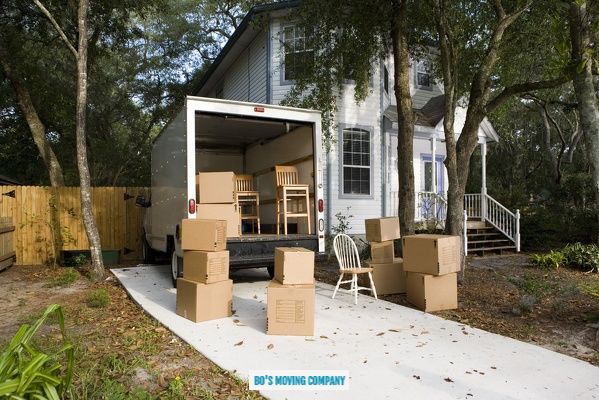
Bo's Moving Company
Nashville, TN
★ 3.0 (60 reviews)
Movers near Nashville
9 more movers within 50 miles of Nashville.
Based in a neighboring town and serving Nashville. Each one shows where it is based and how far that is, nearest first.
Next Step Moving
Lebanon, TN · 27 miles away
HMS The Moving Experts
Clarksville, TN · 37 miles away
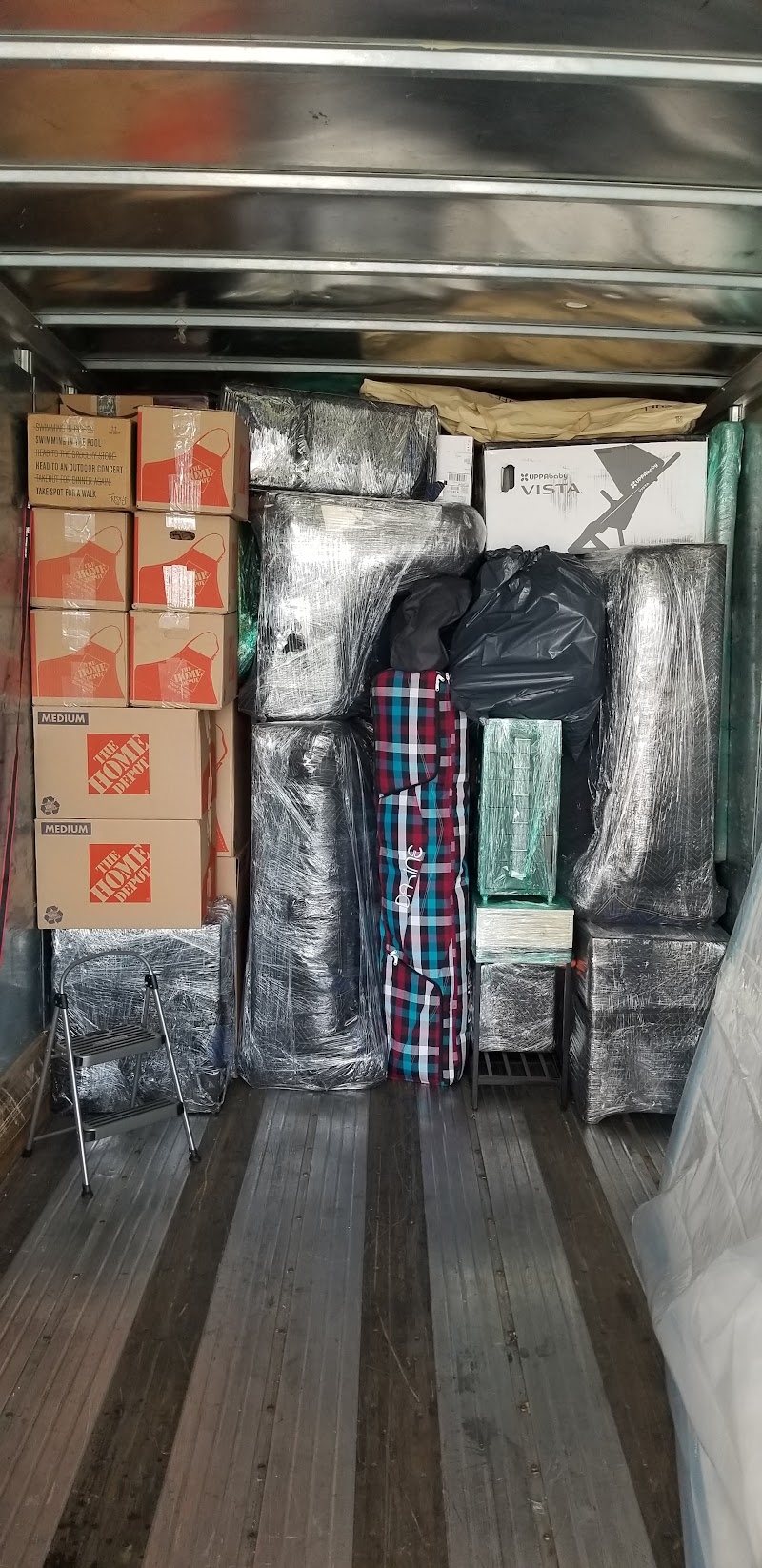
Prestigious Moving Services
Clarksville, TN · 40 miles away
★ 4.7 (88 reviews)
Browns Moving & Hauling
Clarksville, TN · 40 miles away
★ 5.0 (14 reviews)
Mohons moving and storage
Clarksville, TN · 40 miles away
★ 3.9 (7 reviews)
First Choice Moving & Storage
Clarksville, TN · 40 miles away
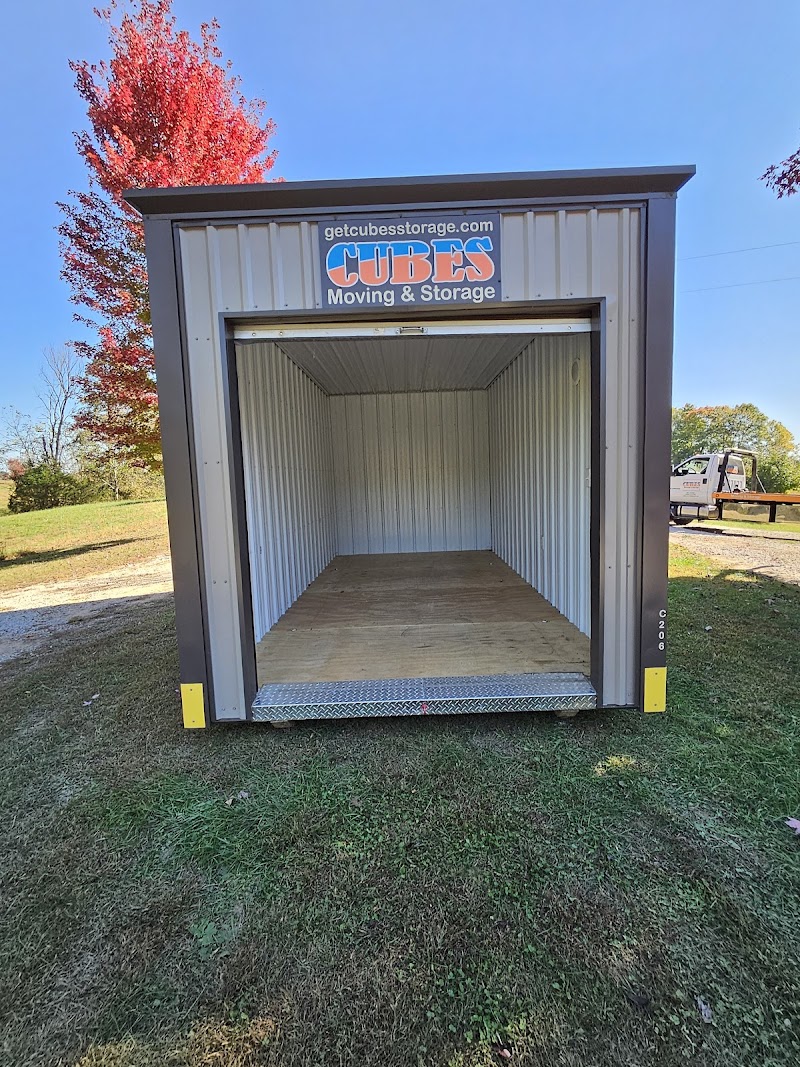
Cubes Moving And Storage
Franklin, KY · 41 miles away
★ 5.0 (30 reviews)
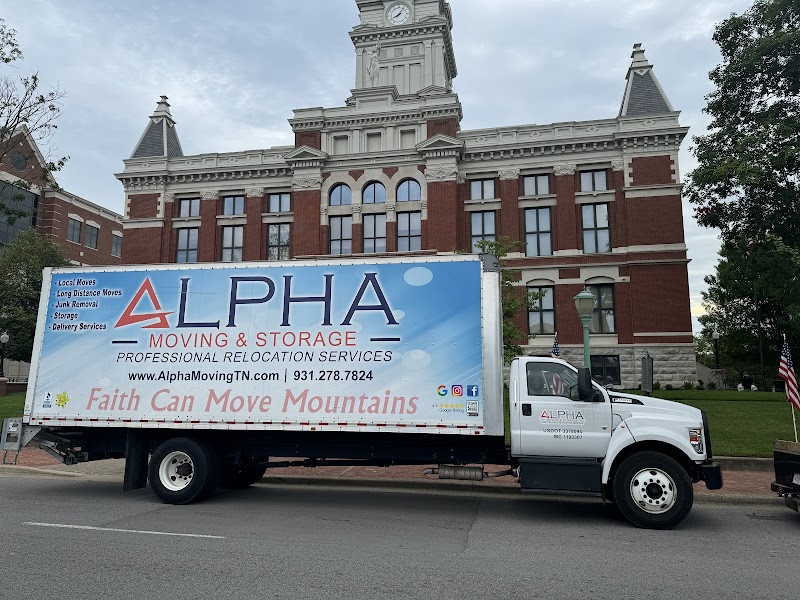
Honor Moving and Storage
Clarksville, TN · 46 miles away
★ 4.9 (474 reviews)

River City Movers LLC
Clarksville, TN · 46 miles away
★ 4.7 (126 reviews)
Move planner
Two quick steps. A personalized plan in 30 seconds.
Robert builds a Nashville-specific timeline, estimated cost range, and 3-mover shortlist tailored to your job. No forms. No spam. No commitment.
Step 1 of 2
Tell us about your move.
Distance
Property type
Property size
Zip codes (optional — sharpens the cost estimate)
When are you hoping to move?
Cost calculator
Nashville moving cost estimates by home size
Ballpark ranges for moves originating or ending in Nashville. Local means within Davidson or adjacent counties. Regional covers moves under 250 miles (Atlanta, Knoxville, Chattanooga). Long-distance covers anything beyond 250 miles.
| Home size | Local (under 50 mi) | Regional (50-500 mi) | Cross-country (500+ mi) |
|---|---|---|---|
| Studio / 1BR | $400-$700 | $900-$1,600 | $1,800-$3,200 |
| 2BR | $700-$1,100 | $1,400-$2,400 | $2,800-$4,800 |
| 3BR | $1,100-$1,800 | $2,200-$3,600 | $4,000-$6,500 |
| 4BR+ | $1,600-$2,800 | $3,200-$5,200 | $5,500-$9,000 |
Skip the guesswork
Get matched with professional Nashville movers.
Robert, our moving concierge, lines up quotes from movers who actually serve your route — free, no obligation.
Local movers in Nashville
Local moving in Nashville is priced hourly — you're paying for the crew and the truck together, with most companies setting a 2-hour minimum and rates that generally run $100–$200 per hour depending on crew size and truck capacity. The single biggest variable on a Nashville bill tends to be access: the city's booming growth has brought a wave of multi-story apartment buildings, rooftop-access high-rises, and dense urban neighborhoods where long carries, elevator waits, or stairwells can add meaningful time to any move.
What drives the cost of a local Nashville move:
- Home size and crew needed — a 1BR with a 2-person crew is a very different day than a 3BR requiring three movers
- Building access — elevator reservations, loading-dock windows, walk-up flights, and long carry distances from door to truck all add time
- Parking and street access — narrow streets in areas like East Nashville or Germantown can limit where a large moving truck parks, sometimes requiring multiple trips or hand-truck relays
- Time of month and season — end-of-month and summer weekends book fast in Nashville; mid-month and mid-week moves often come at a lower effective rate
- Packing services — full or partial pack adds cost but can cut moving-day time significantly
Nashville's rapid development means many newer apartment communities in Midtown, The Gulch, and SoBro have specific elevator reservation requirements and loading-dock time limits — confirm those details with your building manager before move day, since a missed window can turn a 3-hour move into a 5-hour one. For older neighborhoods like Sylvan Park or East Nashville, scoping out parking in advance (and whether a parking permit is needed on a residential street) is one of the easiest ways to keep your clock from running longer than it should.
When you're ready to compare crews, movers in Nashville lets you review local companies side by side so you can find the right fit for your building, your timeline, and your budget.
Neighborhood guide
Moving to a specific Nashville neighborhood?
Downtown / The Gulch
High-rise condos, constant music tourism foot traffic
Median 2BR rent: $2,700/mo
Major event-night street closures around Broadway and the Gulch are common; schedule mid-week and confirm no concerts at Bridgestone Arena the same day.
East Nashville
Walkable arts district, bungalows and new infill
Median 2BR rent: $2,100/mo
Residential streets off Gallatin Ave and Cleveland St can be too narrow for a full 26-foot truck; confirm access before booking a large vehicle.
12 South
Trendy retail corridor, dense residential blocks
Median 2BR rent: $2,400/mo
Weekend foot traffic on 12th Ave S makes truck parking nearly impossible; weekday moves are significantly less complicated here.
Green Hills
Upscale established, mature tree canopy, tight streets
Median 2BR rent: $2,200/mo
Older lot layouts and large trees create low-clearance and tight-turn challenges; ask your crew if they've worked the area before.
Brentwood
Affluent suburb, large lots, HOA-governed communities
Median 2BR rent: $2,300/mo
Most Brentwood subdivisions require advance HOA move-in notification and restrict moves to business hours; long driveways add carry time and cost.
Franklin
Historic Williamson County town, mix of old and new
Median 2BR rent: $2,000/mo
Weekend move restrictions are common in HOA communities; confirm with your specific community before scheduling a Saturday.
Hendersonville
Lakefront suburb on Old Hickory Lake
Median 2BR rent: $1,700/mo
Lake-adjacent properties often have long or sloped driveways and limited truck turnaround; factor extra carry time into your quote.
Mount Juliet
Fast-growing east suburb, new construction subdivisions
Median 2BR rent: $1,750/mo
Newer HOA developments here often have strict move-in rules and may require elevator padding reservations even in low-rise buildings.
Common routes
Nashville's most common long-distance moves
Nashville → Atlanta, GA
~250 mi south
$2,400-$3,800
The I-24/I-75 corridor is the most trafficked outbound route; Atlanta is the top inbound feeder metro and a steady outbound destination for corporate transferees.
Nashville → Charlotte, NC
~410 mi east
$2,800-$4,400
I-40 east through Knoxville is the standard path; Charlotte is a growing peer Sun Belt market that trades transplants with Nashville regularly.
Nashville → Chicago, IL
~470 mi north
$2,800-$4,400
I-65 north is the main corridor; Chicago is a major origin market for Nashville inbound moves, making this a well-supplied lane with decent backhaul rates.
Nashville → Washington, DC
~660 mi northeast
$3,400-$5,200
I-81 through the Shenandoah Valley handles most of this traffic; DC-area government and federal contractor relocations drive consistent volume in both directions.
Nashville → New York, NY
~890 mi northeast
$4,800-$7,200
New York is one of Nashville's top inbound origin metros; the I-81/I-78 route is long but well-served, and trucks often run full both ways.
Nashville → Tampa, FL
~680 mi south
$3,800-$5,800
I-65 to I-75 south through Birmingham; Florida retirement and lifestyle moves account for a steady share of Nashville's southbound departures.
Honest prices beat estimates
Want an actual quote for your Nashville move?
Tell Robert the basics and get matched in minutes.
Local figures
Nashville in numbers.
What the homes are
NashvilleUnited States
- Detached houses
- 50% in Nashville61% in United States
- Townhouses
- 9% in Nashville6% in United States
- Buildings of 2 to 4 homes
- 7% in Nashville8% in United States
- Buildings of 5 to 19 homes
- 14% in Nashville9% in United States
- Buildings of 20 or more homes
- 18% in Nashville10% in United States
Rent, home values and income
| Figure | Nashville | Tennessee | U.S. |
|---|---|---|---|
| Median monthly rent | $1,486 | $1,122 | $1,348 |
| Median home value | $383,100 | $256,800 | $303,400 |
| Median household income | $75,197 | $67,097 | $78,538 |
| Households that rent | 47% | 33% | 35% |
| Residents who moved in the past year | 19% | 13% | 13% |
Source: U.S. Census Bureau, American Community Survey 2019-2023 5-year estimates.
When to move
Best and worst months to move in Nashville
Jan
off
Cheapest month to book; Nashville winters are mild on average, but January carries a genuine ice-storm risk that can strand a truck — confirm your mover's weather cancellation policy in writing.
Feb
off
Second cheapest month and usually dry enough; ice risk is still present and occasionally severe, but availability is wide open and movers are negotiable on price.
Mar
shoulder
Demand starts picking up as spring corporate relocation season begins; tornado risk increases in March, so watch the forecast closely around move day.
Apr
shoulder
Spring is Nashville's peak tornado season — the 2020 outbreak hit on March 3, the 2023 event hit in April; movers book up faster than the weather risk alone would suggest.
May
peak
Peak season officially starts; downtown event congestion climbs sharply, school-year ending drives family moves, and inventory of available crews tightens noticeably.
Jun
peak
High heat (often 90°F+) and humidity make long carries brutal; book crews who start early (7am) and confirm they bring adequate hydration and equipment for hot conditions.
Jul
peak
Hottest month; demand is at its highest and so are rates — expect to pay top-of-range prices and book 4-6 weeks out minimum for quality crews.
Aug
peak
College move-in surge hits hard: Vanderbilt (Aug 18-22), Belmont (Aug 18-25), and Tennessee State (Aug 15-22) all compress into the same two-week window, competing directly with residential demand.
Sep
peak
Still technically peak season; demand eases slightly after Aug 25 as college move-in ends, but football season (Titans and Vanderbilt) creates new weekend traffic and event-closure complications.
Oct
shoulder
One of the best months to move in Nashville — weather is genuinely pleasant, rates are falling from summer highs, and availability improves significantly after Labor Day.
Nov
shoulder
Good availability and negotiable rates; Thanksgiving week is slow for movers, making the days around it surprisingly good for deals if your schedule is flexible.
Dec
off
Holiday slowdown cuts demand sharply; end-of-month December is busier as leases and corporate relocations close out the year, but mid-month is about as quiet as it gets.
Permits + local rules
Nashville moving permits and local regulations
Downtown Parking Lane Permit
If you're moving into a Downtown or Gulch high-rise and need to hold a parking lane or loading zone on a public street, you'll need a Right-of-Way encroachment permit from Metro Nashville Public Works. Most downtown building managers are familiar with this process and some facilitate it directly. For Gulch and SoBro buildings, coordinate with building management first — many have designated loading docks that bypass the street permit requirement.
Permit cost varies by duration, typically $50-$150 for a one-day lane hold; apply at least 5-7 business days in advance through Nashville Public Works.
Building Elevator Reservations
Any mid- or high-rise building in Nashville — Downtown, The Gulch, Midtown, or suburban apartment complexes — will require an advance elevator reservation for move-in or move-out. Most buildings require 48-72 hours notice, a refundable damage deposit ($200-$500 is typical), and padding of elevator walls. Failing to reserve the freight elevator means your crew waits while residents use the passenger elevators, and hourly rates keep running.
No city fee; building-imposed deposit of $200-$500, refundable on inspection. Reserve 48-72 hours minimum before move day.
HOA Move-In Rules (Suburbs)
Brentwood, Franklin, Mount Juliet, and Hendersonville subdivisions almost universally have HOA-governed move-in procedures. Common requirements include written advance notice (48-72 hours), moves restricted to weekdays or 8am-5pm on weekdays only, and mandatory use of designated driveways or entry points. Some Williamson County HOAs require proof of mover insurance naming the HOA. Verify your specific community's rules before you book — your mover can't know them for you.
No Metro Nashville fee; HOA-specific rules vary. Check your community's CC&Rs or contact the property manager at least one week out.
Tennessee Mover Licensing
In-state household goods movers operating in Tennessee must hold a Household Goods Carrier permit from the Tennessee Department of Commerce and Insurance and vehicle registration with TDOT. For interstate moves, FMCSA registration and a valid USDOT number are required. Both are public record and searchable online. Nashville's mover market occasionally sees unlicensed crews especially after storm events; spending 90 seconds verifying credentials eliminates most risk of dealing with a rogue operator.
No cost to the customer to verify; check TDOS license lookup and FMCSA SAFER system before signing any contract.
About moving to Nashville
What you should know before you book.
Nashville isn't just the music industry capital anymore — it's a corporate relocation magnet, pulling in headquarters from healthcare, finance, and tech alongside the usual creative transplants. Most inbound movers are arriving from Los Angeles, New York, Chicago, San Francisco, and Boston, trading four-figure rents and state income taxes for a city that sits right at the national cost-of-living average. The sharpest difference from those origins: Tennessee has no state income tax, but Nashville traffic has become genuinely gnarly on I-24, I-65, and I-440, especially during the explosive downtown event calendar, which can shut down entire corridors on a Friday afternoon with zero warning.
A City Built for Growth
Nashville added roughly 100 people per day for most of the last decade. That pace created a mover ecosystem that skews large: national van lines, regional mid-size operators, and a thick layer of owner-operated crews, all competing in the same market. The volume means pricing is relatively competitive, but availability evaporates fast between May and September when demand peaks and every crew is booked out weeks in advance.
HOAs Are Everywhere Here
If your destination is south or east of the city — Brentwood, Franklin, Mount Juliet, Hendersonville — assume an HOA is involved. Many require written move-in notice 48–72 hours in advance, restrict moves to weekdays or specific hours (often 8am–5pm), and require elevators to be padded and reserved. Failing to check HOA rules before scheduling a crew has cost Nashville-area customers serious money in rescheduling fees.
Inbound Surge, Thin Outbound
Nashville runs heavily inbound. The outbound pool is comparatively thin — Charlotte, Atlanta, and Knoxville account for most departures — which means trucks leaving Nashville sometimes run partially loaded and rates on outbound routes can be negotiated more aggressively than inbound quotes. If you're leaving Nashville, get at least three written quotes; the spread between them is often wider than in more balanced markets.
Local Mover Ecosystem
Nashville's mover market has a credibility problem: storm-chasing crews flood the area after tornado and hail events (spring is active) using temporary local addresses. Verify that any crew you consider has a Davidson or Williamson County physical address, active TDOT household goods authority, and FMCSA registration if they're quoting interstate work. The Tennessee Department of Commerce licenses in-state movers; checking the license takes about 90 seconds and eliminates a lot of risk.
Nashville moving FAQ
Common questions, locally-answered.
How far in advance should I book a Nashville mover?
+
For moves between May and September, book 4-6 weeks out minimum. August is the most compressed month: Vanderbilt (Aug 18-22), Belmont (Aug 18-25), and Tennessee State (Aug 15-22) all hit simultaneously, and residential demand is already at its summer peak. October through February you can often book 1-2 weeks out and get reasonable rates. End-of-month dates in any season go fast because most leases terminate on the 30th or 31st.
What does a local move in Nashville typically cost?
+
Most Nashville local moves run $400-$700 for a studio or 1BR with a two-person crew, $700-$1,100 for a 2BR, and $1,200-$2,000+ for a 3-4BR. Rates climb during peak summer months. Moves involving downtown high-rises, long elevator waits, or multi-story homes in Green Hills or Brentwood regularly run 20-30% higher than a straightforward apartment move. Always get a binding estimate, not an hourly quote, if your situation involves stairs, long carries, or piano/specialty items.
Do I need a permit to park a moving truck on Nashville streets?
+
For most residential neighborhoods, movers park on the street without a permit. If you're moving into a downtown building, The Gulch, or SoBro and need to hold a parking lane or block access for more than a few minutes, a Metro Nashville Public Works Right-of-Way permit is required — typically $50-$150 for a single day, applied for at least 5-7 business days in advance. Your building management may handle this for you, but confirm it before move day.
How does Nashville's tornado risk affect moving logistics?
+
Spring (March through May) is Nashville's active tornado season — the March 3, 2020 tornado caused $1.5 billion in damage across East Nashville and downtown. Most movers include a weather delay clause allowing rescheduling within 24-48 hours of a severe weather event. Ask about this clause before signing. If you're moving in spring, build one buffer day into your plan. Tornado watches don't automatically stop a move, but confirmed warnings will halt most professional crews for safety reasons.
Are there specific challenges moving into East Nashville or 12 South?
+
East Nashville has pockets of very tight residential streets, particularly in older sections off Gallatin Ave and around Cleveland St, where a 26-foot truck may not fit or may need to park a full block away. 12 South's pedestrian traffic on 12th Ave S makes weekend moves genuinely difficult — street parking disappears, and foot traffic slows everything down. Both neighborhoods are much easier on weekdays before 10am. Confirm your mover knows the specific street and has worked the neighborhood before.
Is it worth moving to Nashville from a high-cost coastal city?
+
On pure numbers: a renter moving from San Francisco saves roughly $21,600/year in rent at the median 2BR comparison, plus eliminates California's state income tax, which runs 9.3% on modest incomes. From New York, rent savings alone average $26,000+ annually at median rents. Nashville's cost-of-living index sits at 99 — essentially flat with the national average — so you're not trading down in purchasing power, just relocating it. The median home price of $470,000 is accessible relative to coastal markets.
How do HOAs in the Nashville suburbs affect my move-in day?
+
Brentwood, Franklin, Mount Juliet, and Hendersonville are heavily HOA-governed. Most associations require 48-72 hours written notice before a move, restrict moves to weekdays or defined hours (typically 8am-5pm), and may require proof of your mover's insurance naming the HOA as a certificate holder. Some require that only designated driveways or entry gates be used. Ignoring these rules can get your move halted mid-day by an HOA board member. Get the rules from your property manager at least one week before your move.
What's the cost range for a long-distance move from Nashville to Atlanta or Charlotte?
+
Nashville to Atlanta (roughly 250 miles via I-24/I-75) runs $2,400-$3,800 for a typical 2-3BR household. Nashville to Charlotte (about 410 miles on I-40) runs $2,800-$4,400. These ranges assume a standard move without specialty items; a piano, multiple large appliances, or significant packing services will push toward the top. Because Nashville runs heavily inbound, outbound trucks sometimes have room for partial loads — if you have flexibility on dates, ask about consolidated/shared load options, which can reduce cost by 20-30%.
Moving away from Nashville?
Relocation guides from Nashville.
Costs, distance, and what to expect for popular moves out of Nashville.
Long distance movers in Nashville→Nearby cities
Movers in cities close to Nashville.
Browse moving companies in other Tennessee cities, or explore the full directory by state.
Get your moving quote
Many ways to get a moving quote.
Chat, text, email, or call — whichever’s easiest. Tell Robert about your move and matching movers in your city reach out, usually within a few minutes.