
Find movers near you
Movers in St. Louis.
Compare top-rated local and long-distance movers — and let Robert do the comparison for you.
Get Your Quote→Missouri
Moving companies in St. Louis, MO.
St. Louis sits at the crossroads of the Midwest, where affordable neighborhoods from the Central West End to South City meet a sprawling metro that crosses state lines into Illinois. Whether you're relocating across the river, moving between city ZIP codes, or landing here from a coastal metro, local movers know the brick bungalows, steep alleys, and seasonal storms that define moving here.
Robert
Online·Call for a quote
Hi — I'm Robert, and I'll help you find the right movers. Where are you moving from, and where are you headed? Prefer a live representative? Just say the word and I'll connect you, or use the call button for a quote anytime.
By chatting with Robert, you agree we may share your move details with movers in your origin city so they can contact you with a quote. We never sell or share your info outside this network. Privacy Policy.
Top movers in St. Louis
St. Louis movers worth a look.
A few of St. Louis’ top movers. Want a tailored recommendation? Use the Get quotes form below.
All St. Louis movers
35 movers serving St. Louis.
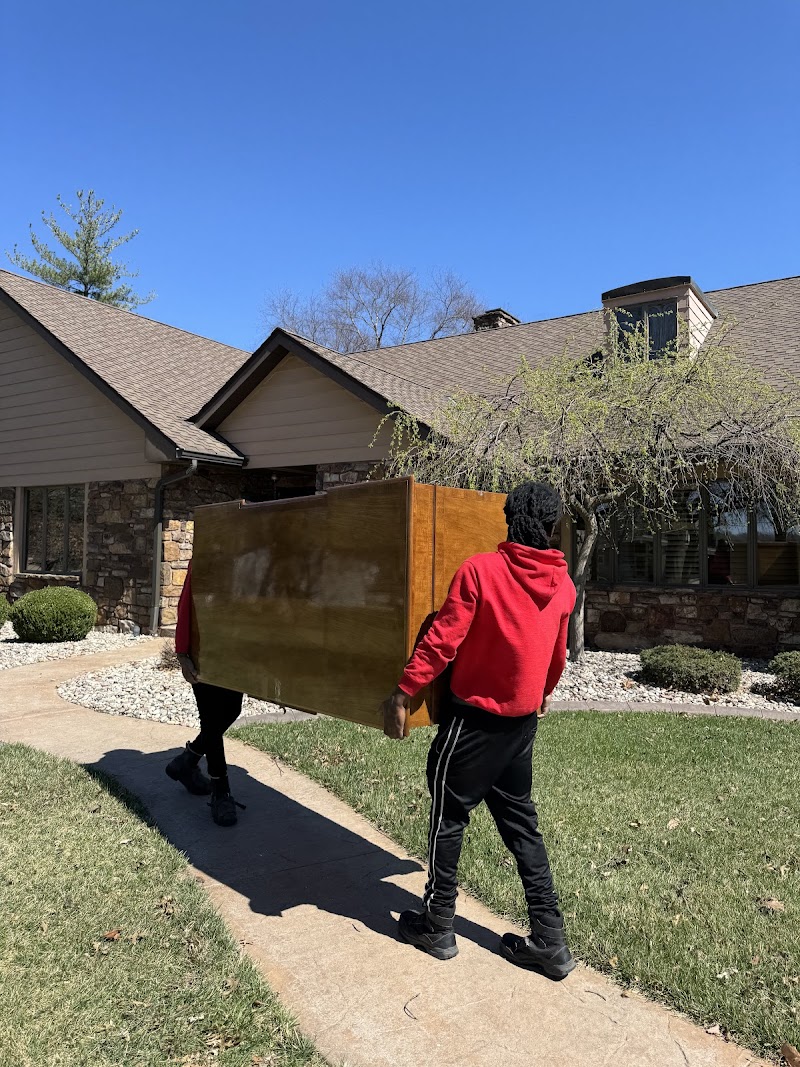
Moving Mo STL
St. Louis, MO
★ 5.0 (29 reviews)
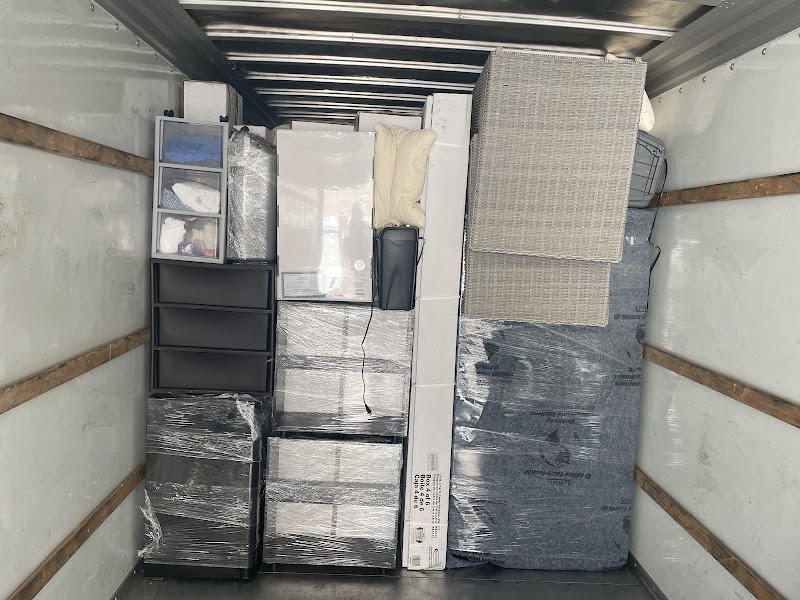
A.2.Z MOVING CORP
St. Louis, MO
★ 3.0 (2 reviews)
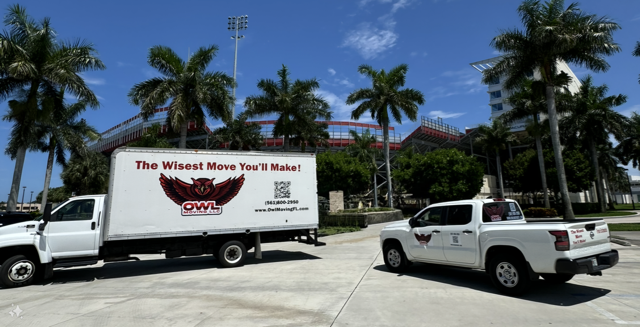
Night Owl Moving
St. Louis, MO
★ 4.9 (129 reviews)
Daniel's Moving and Storage
St. Louis, MO
BEK Moving Co.
St. Louis, MO
USDOT #3237297
Big Helpful Gentlemen Moving
St. Louis, MO
Prosser's Moving & Storage
St. Louis, MO
USDOT #1340573
Sandra Meranda - Ill Get You Moving
St. Louis, MO
Modern Piano Moving
St. Louis, MO
McGuire Moving and Storage
St. Louis, MO
Movers N Motion
St. Louis, MO
Moving America
St. Louis, MO
Gerold Moving & Warehousing Co.
St. Louis, MO
Hazzard Moving & Storage Company
St. Louis, MO
USDOT #1279879
Gateway Moving And Storage
St. Louis, MO
Movers near St. Louis
2 more movers within 50 miles of St. Louis.
Based in a neighboring town and serving St. Louis. Each one shows where it is based and how far that is, nearest first.
Move planner
Two quick steps. A personalized plan in 30 seconds.
Robert builds a St. Louis-specific timeline, estimated cost range, and 3-mover shortlist tailored to your job. No forms. No spam. No commitment.
Step 1 of 2
Tell us about your move.
Distance
Property type
Property size
Zip codes (optional — sharpens the cost estimate)
When are you hoping to move?
Cost calculator
Estimated St. Louis moving costs by home size
These ranges reflect typical St. Louis market rates for standard moves with no extreme stairs, long carries, or specialty items. Local is within the metro; regional is Missouri/Illinois destinations under 400 miles; long-distance is 400+ miles.
| Home size | Local (under 50 mi) | Regional (50-500 mi) | Cross-country (500+ mi) |
|---|---|---|---|
| Studio / 1BR | $300–$600 | $900–$1,800 | $1,500–$3,000 |
| 2BR | $550–$950 | $1,500–$2,800 | $2,400–$4,200 |
| 3BR house | $900–$1,600 | $2,200–$4,000 | $3,500–$6,500 |
| 4BR+ house | $1,400–$2,400 | $3,200–$5,500 | $5,000–$9,500 |
Skip the guesswork
Get matched with professional St. Louis movers.
Robert, our moving concierge, lines up quotes from movers who actually serve your route — free, no obligation.
Local movers in St. Louis, MO
Most local movers in St. Louis charge by the hour — typically a two-person crew with a truck, with a two-hour minimum that's common across the metro. The single biggest variable on your final bill tends to be building access: narrow streets in dense neighborhoods like The Hill or Lafayette Square, multi-floor walk-ups in Cherokee Street flats, and limited curb space in downtown loft buildings can all add meaningful time to a move that would be straightforward elsewhere.
What drives your local moving cost in St. Louis:
- Home size & crew needed — a studio or one-bedroom often moves fine with two movers; a 3BR+ house will likely call for three or four
- Building access — stairs, no elevator, long carries from a parking spot, or tight doorways slow things down and add hours
- Time of month & day — end-of-month and weekend moves book faster and may price higher; mid-month weekdays are usually easier to schedule
- Packing & materials — full-pack service adds cost but saves time; partial packing (just fragile items) is a popular middle ground
- Distance within the metro — St. Louis city and county are separate jurisdictions; a cross-county move stays "local" but can add 30–45 minutes of drive time round-trip
St. Louis-specific heads-up: If you're moving into or out of a loft conversion downtown or a multi-family flat in Tower Grove or Soulard, check with your building manager about whether a parking permit or loading-zone hold is needed — St. Louis city streets can be narrow, and an unplanned double-park situation costs you time on an hourly clock. For moves in the more spread-out county suburbs like Chesterfield or Kirkwood, long driveways and large homes are common, so confirm your crew size before moving day.
When you're ready to compare options, browse our movers in St. Louis to find crews that know the city's neighborhoods firsthand.
Neighborhood guide
Where people move in St. Louis — and what movers deal with
Central West End
Upscale, walkable, urban professional enclave
Median 2BR rent: $1,600–$2,400/mo
Many apartment buildings here have narrow service entrances and limited loading zones on Euclid Avenue; reserve elevator time well in advance for high-rises.
Soulard
Historic brick rowhouses, lively bar district
Median 2BR rent: $1,100–$1,800/mo
Street parking is extremely tight and streets are narrow; movers routinely use curbside loading on 8th or 9th Street and should plan for double-parking windows early morning.
The Hill
Italian-American heritage, tight-knit residential
Median 2BR rent: $1,000–$1,600/mo
Single-family brick homes dominate; most have basement access via exterior stairs, and parking is manageable, but alleys are narrow for large moving trucks.
Clayton
Suburban city, corporate HQs, upscale apartments
Median 2BR rent: $1,900–$3,200/mo
Clayton requires a separate parking/loading zone permit for moves on public streets; contact the City of Clayton Public Works at least a week out.
Tower Grove South
Eclectic, young families, bungalows and flats
Median 2BR rent: $950–$1,500/mo
Most homes are 1.5-story brick bungalows with tight interior staircases — measure large furniture before moving day, as some doorways and stair turns are genuinely tight.
Webster Groves
Inner-ring suburb, mature trees, family-friendly
Median 2BR rent: $1,400–$2,200/mo
Older neighborhoods have mature tree canopy that overhangs streets; large moving trucks occasionally clip low limbs, so scout routes beforehand on narrow residential blocks.
Maplewood
Walkable suburb, indie shops, renovated bungalows
Median 2BR rent: $1,100–$1,800/mo
Demand for moves into Maplewood is high in May–August; book at least 3–4 weeks out during peak season as this neighborhood sees heavy in-migration from younger renters.
Lafayette Square
Victorian mansions, historic district, urban park
Median 2BR rent: $1,200–$2,000/mo
Lafayette Square is a historic district — avoid scraping brick facades or blocking Park Avenue for extended periods; the park itself creates parking pressure on move-in weekends.
Common routes
Where St. Louis movers most often head — and what it costs
St. Louis → Kansas City, MO
~250 mi west via I-70
$1,800–$3,200
The I-70 corridor between Missouri's two largest cities is one of the most-traveled intrastate moving routes in the Midwest, driven by job transfers, corporate relocations, and university moves.
St. Louis → Chicago, IL
~300 mi north via I-55
$2,200–$3,800
A steady bidirectional corridor fed by career moves, Big Ten university connections, and the St. Louis–Chicago Amtrak corridor; I-55 through Springfield is well-traveled but occasionally slowed by construction.
St. Louis → Nashville, TN
~310 mi southeast via I-64 to I-24
$2,400–$4,000
Nashville's job and population boom has pulled a measurable number of St. Louis residents south, particularly in healthcare, music, and tech sectors.
St. Louis → Dallas, TX
~630 mi south via I-55 to I-30 or I-44 to I-35
$3,200–$5,500
Texas remains one of the top long-distance destinations for St. Louis movers seeking lower taxes and warmer climate; routing varies by final destination within DFW.
St. Louis → Indianapolis, IN
~240 mi east via I-70
$1,700–$2,900
I-70 east is a natural corridor for moves between St. Louis and Indianapolis, commonly driven by Midwest corporate relocations and family moves between the two metros.
St. Louis → Memphis, TN
~285 mi south via I-55
$2,000–$3,400
The I-55 south corridor through the Missouri Bootheel to Memphis is a consistent route, particularly for relocations tied to logistics, healthcare, and family connections in the Mid-South.
Honest prices beat estimates
Want an actual quote for your St. Louis move?
Tell Robert the basics and get matched in minutes.
Local figures
St. Louis in numbers.
What the homes are
St. LouisUnited States
- Detached houses
- 43% in St. Louis61% in United States
- Townhouses
- 4% in St. Louis6% in United States
- Buildings of 2 to 4 homes
- 27% in St. Louis8% in United States
- Buildings of 5 to 19 homes
- 8% in St. Louis9% in United States
- Buildings of 20 or more homes
- 17% in St. Louis10% in United States
Rent, home values and income
| Figure | St. Louis | Missouri | U.S. |
|---|---|---|---|
| Median monthly rent | $978 | $996 | $1,348 |
| Median home value | $185,100 | $215,600 | $303,400 |
| Median household income | $55,279 | $68,920 | $78,538 |
| Households that rent | 55% | 32% | 35% |
| Residents who moved in the past year | 14% | 13% | 13% |
Source: U.S. Census Bureau, American Community Survey 2019-2023 5-year estimates.
When to move
St. Louis moving seasons: what to expect each month
Jan
off
Coldest month in St. Louis with frequent ice events; mover availability is high and rates are lowest, but ice on brick streets and stoops creates safety and logistics concerns.
Feb
off
Still firmly winter — ice storms remain a risk through February, and demand stays low; best pricing of the year if weather permits and you're flexible with dates.
Mar
shoulder
Weather starts to improve but spring storms and late freezes are possible; demand begins to tick up as lease cycles shift, so book 2–3 weeks out.
Apr
shoulder
Generally pleasant temperatures, but April is peak tornado season in Missouri — monitor weather forecasts closely and have a backup date in mind for outdoor-heavy moves.
May
peak
Move season begins in earnest as college students at Wash U, SLU, and UMSL turn over leases; book 3–4 weeks ahead and expect weekend slots to fill fast.
Jun
peak
Hot and humid with frequent afternoon thunderstorms; demand is high driven by school-year endings and corporate relocation timelines — early morning start times are strongly advised.
Jul
peak
Peak of St. Louis summer — heat index regularly exceeds 100°F, which slows crews and adds heat-damage risk for electronics and wooden furniture; budget extra time.
Aug
peak
Busiest and most expensive month; university move-ins stack on top of general demand, neighborhoods like the CWE and Clayton see heavy truck traffic — reserve 4–6 weeks out.
Sep
shoulder
Heat breaks in late September, demand begins easing after Labor Day; good balance of reasonable availability and bearable weather, though first few weeks stay warm.
Oct
shoulder
Arguably the best moving month in St. Louis — mild temperatures, low humidity, and reduced demand relative to summer; book 2 weeks out to get preferred dates.
Nov
off
Demand drops sharply after Halloween; rates soften and availability opens up, though late November can bring the first cold snaps and the occasional early ice event.
Dec
off
Lowest demand of the year outside of holiday weeks; movers offer competitive pricing and flexible scheduling, but ice risk returns and holiday schedules can affect crew availability.
Permits + local rules
St. Louis parking and moving permits — what you actually need
City of St. Louis Parking Reserve
For moves within the City of St. Louis (not county), you can request a temporary no-parking zone on a public street to reserve space for a moving truck. Contact the St. Louis City Streets Division or the appropriate Aldermanic office. Requirements and processes vary by ward, so contact your specific alderman's office. Enforcement is inconsistent but having paperwork protects you from ticketing or being blocked by parked cars.
Typically low-cost or no formal fee; allow 5–7 business days
Clayton City Parking Permit
Clayton has its own city government separate from St. Louis County and enforces its own rules. Moves requiring a truck to occupy a public street loading zone or block a lane require a permit from the City of Clayton Public Works Department. This is actively enforced — Clayton's downtown core has paid parking infrastructure and metered zones that are monitored. Failure to permit can result in ticketing or towing.
Permit ~$30–$60; apply at least 5 business days ahead
Apartment Building Elevator & Loading Dock
Most mid- and high-rise apartment buildings in Clayton, downtown St. Louis, and the Central West End require you to reserve the freight elevator and/or loading dock directly with building management. Many buildings charge a refundable damage deposit ranging from $200 to $500. Some buildings restrict moves to weekdays or specific hours (commonly 8am–5pm). Confirm these rules before booking your mover — your move date may be constrained by building availability, not mover availability.
Deposit $200–$500 refundable; reserve 1–2 weeks out with building management
Historic District Restrictions
Neighborhoods like Lafayette Square and portions of Soulard fall within local historic districts. While there is no specific moving permit tied to historic designation, you are liable for any damage to brick facades, stoops, cast-iron railings, or historically significant elements. Movers should use corner guards and walk-boards. The city can pursue claims for damage to historic streetscaping, so document conditions before and after your move.
No specific permit fee; document existing conditions before move
St. Louis County Municipalities
St. Louis County contains over 90 separate municipalities — each with its own rules. Cities like Kirkwood, Webster Groves, Creve Coeur, and Chesterfield may have their own parking ordinances. Most residential moves in county suburbs don't require a formal permit, but parking a large truck on a residential street for more than a few hours can draw attention. Check with the specific municipality's public works or city hall if you're unsure.
Varies by municipality; check 1–2 weeks before move
About moving to St. Louis
What you should know before you book.
St. Louis is a Midwestern anchor city straddling the Missouri-Illinois border, anchored by the Gateway Arch and shaped by decades of distinct neighborhood identities — from the dense brick rowhouses of The Hill to the Victorian-era mansions of Lafayette Square. The metro spans two states, meaning moves often cross the Mississippi via I-70, I-64, or I-55. The city's affordability relative to coastal markets draws steady relocation traffic, while its deep stock of pre-war housing, narrow streets in older districts, and strong neighborhood loyalty make it a place where knowing the local landscape genuinely matters.
Two-State Metro Reality
Greater St. Louis covers Missouri and Illinois, with major population centers in St. Charles County (MO), Jefferson County (MO), and Metro East Illinois (O'Fallon, Belleville, Edwardsville). Moves crossing the Mississippi River require planning around bridge traffic — the Poplar Street Bridge carrying I-64/I-55/I-70 sees heavy congestion, and the McKinley and Jefferson Barracks bridges offer alternatives depending on destination.
Old Housing Stock Demands Planning
Much of the city's desirable housing predates World War II. Narrow brick streets in neighborhoods like Soulard, Tower Grove South, and Benton Park are standard. Many homes have steep front stoops, no driveways, and parking-restricted streets. Elevator buildings are the exception, not the rule, outside of Clayton and downtown. Movers familiar with St. Louis brickwork and tight alleys are worth the premium.
Distinct Seasonal Extremes
St. Louis summers are genuinely brutal — heat index regularly above 100°F in July and August, with high humidity. Winters bring ice storms rather than deep snowfall, and a single ice event can make moving on brick streets treacherous. Spring and fall offer ideal conditions but also tornado season. Weather awareness is a genuine operational factor for scheduling a move here.
Neighborhood-Level Price Gaps
Rental prices vary sharply even within short distances. Clayton commands the highest rents in the metro, while north St. Louis City neighborhoods remain among the most affordable urban housing markets in the country. The Central West End, Maplewood, and Webster Groves sit in a middle tier. Understanding where you're moving matters significantly for budgeting both housing and moving costs.
St. Louis moving FAQ
Common questions, locally answered.
How much does a local move in St. Louis typically cost?
+
For a local move within the city or county, expect to pay roughly $350–$650 for a studio or 1BR, $550–$950 for a 2BR, and $900–$1,600 for a 3BR house, based on a 2–6 hour job with a standard two- or three-person crew. Rates vary by day of week (weekends cost more), time of year (June–August peaks), and factors like stairs, elevator waits, and long carries in older city neighborhoods.
Do I need a permit to park a moving truck in St. Louis?
+
Inside the City of St. Louis, you can request a temporary no-parking reservation through your alderman's office or the Streets Division, which is advisable in dense neighborhoods like Soulard, Benton Park, and the CWE where street parking is genuinely competitive. Clayton requires a formal permit from their Public Works Department. In most St. Louis County suburbs, no formal permit is required for a standard residential move, but check with the specific municipality if your truck will block traffic.
What's the best time of year to move in St. Louis?
+
October is widely considered the best month — mild temperatures, low humidity, and reduced demand after the summer rush. May, September, and early November are solid secondary options. Avoid July and August if possible: the heat index frequently exceeds 100°F, which slows crews, risks heat damage to electronics and wood furniture, and pushes prices to their annual peak. January and February offer the lowest rates but come with genuine ice-storm risk on St. Louis's many brick streets.
How does moving across the state line into Illinois work?
+
Many St. Louis movers are licensed to operate in both Missouri and Illinois, which is important because the Metro East area (O'Fallon, Belleville, Edwardsville, Collinsville) is a common destination. Confirm that your mover holds an active ICC (Illinois Commerce Commission) carrier number for Illinois moves. Interstate moves that cross from Missouri to Illinois technically require federal (FMCSA) interstate authority as well, so ask specifically about licensing before booking for a cross-river move.
Are there building restrictions I should know about for apartment moves?
+
Yes, and they vary significantly. Buildings in Clayton and downtown St. Louis commonly restrict moves to freight elevators only, require a refundable damage deposit ($200–$500 is typical), and limit moving hours to weekdays between roughly 8am and 5pm. Some buildings in the Central West End and Midtown enforce similar rules. Always contact building management at least two weeks before your move to confirm elevator reservation windows, parking access, and deposit requirements — your move date may hinge on building availability.
What should I know about moving into an older St. Louis brick home?
+
St. Louis has an enormous stock of pre-war brick construction — two-family flats, bungalows, and rowhouses are everywhere in the city. Common challenges include steep front stoops with tight turns, narrow interior staircases, low basement ceilings accessed via exterior doors, and no driveways or alley access for larger trucks. Measure doorframes and stair landings before moving day if you have large sectional sofas, king mattresses, or oversized dressers. A mover who knows city neighborhoods will already anticipate most of these.
How far in advance should I book a mover in St. Louis?
+
During peak season (May through August), book 3–5 weeks in advance — particularly for moves on the first or last weekend of the month, which align with most lease start/end dates. In the off-season (November through March), 1–2 weeks is usually sufficient. If you're moving into or out of a popular neighborhood like Maplewood, Webster Groves, or the CWE during summer, book as early as possible since those corridors see concentrated demand from younger renters on academic-year cycles.
What are the most common long-distance moves from St. Louis?
+
The most common long-distance moves out of St. Louis go to Kansas City (via I-70 west), Chicago (via I-55 north), Nashville (via I-64/I-24), Dallas (via I-44 or I-55), and Indianapolis (via I-70 east). Florida — particularly Tampa and Orlando — is also a consistent long-haul destination. For these routes, expect binding or not-to-exceed estimates and a transit window of 2–7 days depending on distance and load consolidation by the carrier.
Is St. Louis a good market for budget movers or labor-only services?
+
Yes — St. Louis has a competitive moving market that includes labor-only (load/unload) services ranging from $100–$200/hour for a two-person crew, which pairs well with rented trucks from locations along I-70, I-64, and I-270. For DIY moves within the metro, U-Haul and Penske have multiple locations throughout the city and county. Labor-only services are particularly practical for moves within the same neighborhood or between nearby suburbs where distance doesn't justify a full-service booking.
What neighborhoods in St. Louis are seeing the most move-in activity?
+
Maplewood, Tower Grove South, and the Shaw neighborhood have seen consistent in-migration, particularly from younger renters priced out of the Central West End. St. Charles County (O'Fallon, Wentzville, St. Peters) continues to absorb families relocating from the city and inner suburbs. On the Illinois side, Edwardsville — home to SIUE — and O'Fallon attract families and commuters looking for more space within reach of the metro's job centers.
How do I verify a mover is properly licensed in Missouri?
+
Missouri intrastate movers must be registered with the Missouri State Highway Patrol Motor Carrier Services and carry a valid MCC (Motor Carrier of Commerce) number. You can verify this on the MSHP website. For long-distance moves that cross state lines, movers must also hold FMCSA (federal) authority, searchable via the FMCSA SAFER system. Always ask for both numbers before signing a contract, and confirm the mover carries cargo and liability insurance.
What's the difference between moving within St. Louis City vs. St. Louis County?
+
St. Louis City and St. Louis County are legally separate entities — the city is an independent jurisdiction not part of any county. This matters for permits, tax rates, and local regulations. City neighborhoods like Soulard, the Hill, and Lafayette Square operate under City ordinances. County suburbs like Kirkwood, Webster Groves, and Clayton have their own municipal codes. Some movers specialize in city work (knowing the brick streets and permit contacts) while others are more suburban-focused — ask specifically about experience in whichever jurisdiction you're moving within.
Moving away from St. Louis?
Long-distance moves out of St. Louis.
What an interstate move from St. Louis costs and how to choose a licensed mover.
Long distance movers in St. Louis→Nearby cities
Movers in cities close to St. Louis.
Browse moving companies in other Missouri cities, or explore the full directory by state.
Get your moving quote
Many ways to get a moving quote.
Chat, text, email, or call — whichever’s easiest. Tell Robert about your move and matching movers in your city reach out, usually within a few minutes.