
Find movers near you
Movers across Missouri.
Compare top-rated local and long-distance movers — and let Robert do the comparison for you.
Get Your Quote→Missouri · MO
Moving companies in Missouri.
112 movers across 12 cities in Missouri — local, long-distance, and specialty handling. Compare listings, get transparent quotes, and use our honest cost guide before you book.
Robert
Online·Call for a quote
Hi — I'm Robert, and I'll help you find the right movers. Where are you moving from, and where are you headed? Prefer a live representative? Just say the word and I'll connect you, or use the call button for a quote anytime.
By chatting with Robert, you agree we may share your move details with movers in your origin city so they can contact you with a quote. We never sell or share your info outside this network. Privacy Policy.
Top movers in Missouri
Missouri movers worth a look.
A few of the top movers statewide. Want a tailored recommendation? Chat with Robert above.

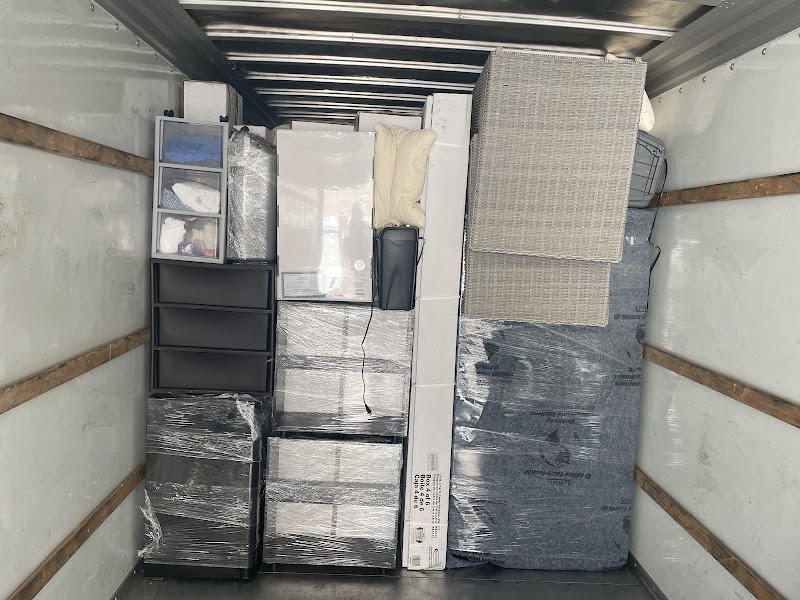

All movers
Every mover in Missouri.
Sorted by best match. Click any card for the full profile and contact details.

Aardvark Moving Company
Kansas City, MO
★ 3.9 (157 reviews)

God’s Movers LLC
Kansas City, MO
★ 4.8 (137 reviews)

Legendary moving llc
Kansas City, MO
★ 5.0 (52 reviews)

Get Moving & Storage LLC
Kansas City, MO
★ 4.6 (166 reviews)
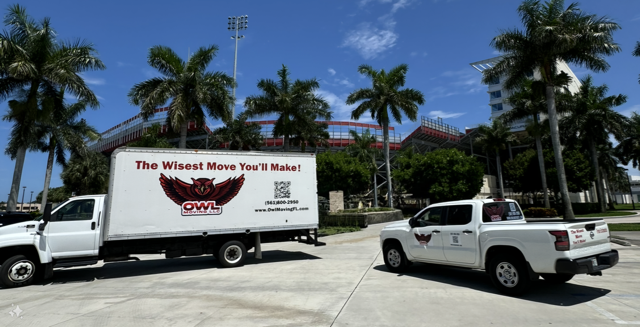
Night Owl Moving
St. Louis, MO
★ 4.9 (129 reviews)

All Around Moving
Kansas City, MO
★ 4.6 (92 reviews)
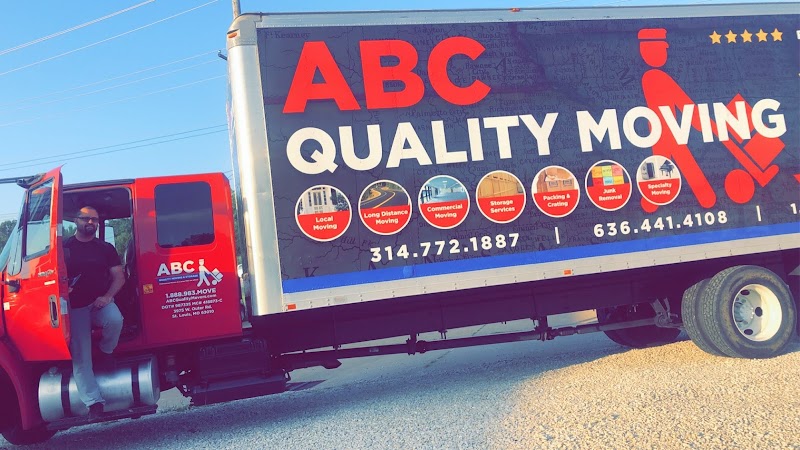
ABC Moving & Storage Company Inc
Kansas City, MO
★ 4.7 (65 reviews)

Able Moving & Storage Inc
Kansas City, MO
★ 4.8 (503 reviews)

A. Arnold Moving
Kansas City, MO
★ 4.9 (253 reviews)

A Friend With A Truck Movers
Kansas City, MO
★ 5.0 (28 reviews)
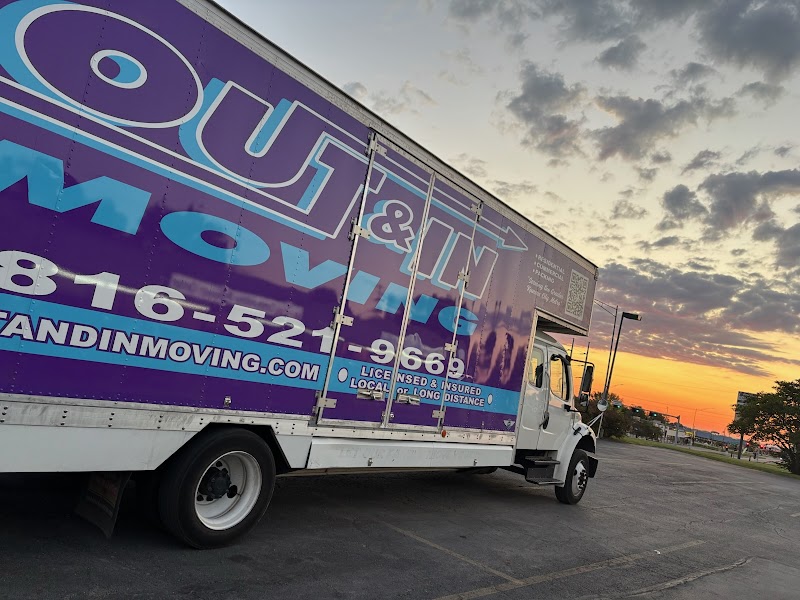
Out & In Moving
Blue Springs, MO
★ 4.8 (699 reviews)
White Moving & Storage
Columbia, MO
USDOT #884771
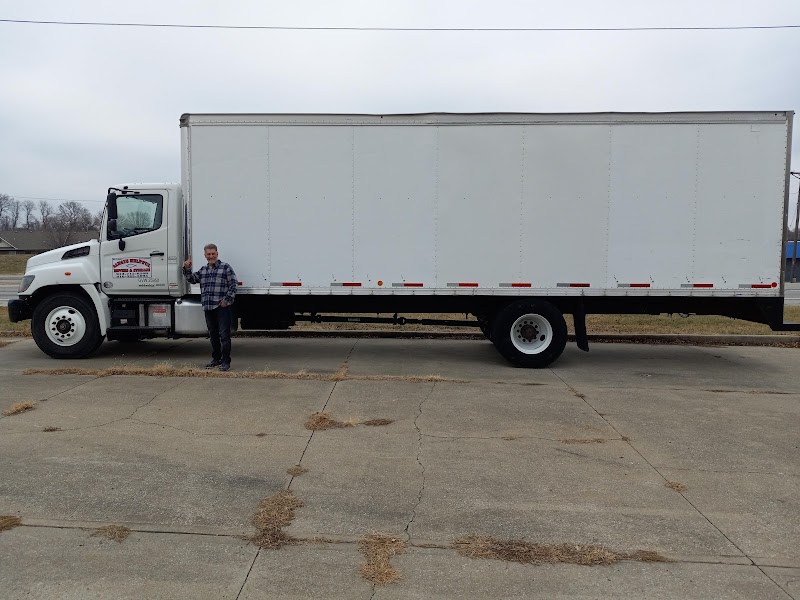
Always Helpful Movers Ministries
Kansas City, MO
★ 4.8 (87 reviews)
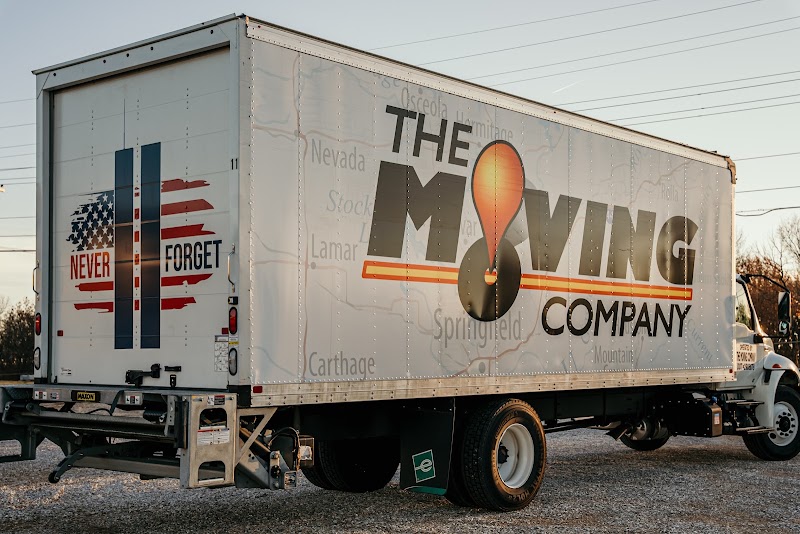
The Moving Company
Springfield, MO
★ 4.8 (918 reviews)
Turn-key Moving and Delivery LLC
Springfield, MO
Cities in Missouri
Jump to movers in your city.
12 Missouri cities have moving companies listed.
About moving in Missouri
What shapes a Missouri move.
Missouri occupies a geographic sweet spot where Midwest practicality meets Southern hospitality. St. Louis and Kansas City drive the majority of the state's relocations — people move between them for jobs, family, and affordability. The state consistently attracts transplants from higher-cost Illinois, California, and the coasts who find Missouri's low home prices and no-frills cost of living appealing. College towns like Columbia and Cape Girardeau see steady seasonal churn tied to the University of Missouri system. Remote-work migration has also pushed more people into the Ozarks and smaller metros like Springfield.
I-70 Corridor Dominance
Interstate 70 connects Kansas City and St. Louis across roughly 250 miles of Missouri, and it's the spine of the state's moving activity. Most long-haul trucks and household movers transiting the central U.S. pass through this corridor. Moving along I-70 between the two anchor metros is one of Missouri's most common and competitively priced routes, with numerous carriers offering regular service in both directions.
Seasonal Moving Peaks
Missouri summers are hot and humid, but June through August remain the busiest moving months, driven by school-year transitions and lease cycles. Spring (April–May) sees a secondary surge. Winters can bring ice storms, particularly in the northern half of the state and in St. Louis, which can delay moves and raise costs. Booking movers four to six weeks ahead during peak season is advisable in both KC and St. Louis.
Two Distinct Major Markets
Kansas City and St. Louis each have their own distinct moving ecosystems. KC is increasingly attracting tech and healthcare workers from Texas and the Plains states. St. Louis draws relocations tied to its major healthcare, biotech, and financial sectors, plus a steady flow of people moving across the state line from Illinois seeking lower taxes and home prices. Mover availability, pricing, and competition differ noticeably between the two metros.
Ozarks and Rural Moves
A meaningful share of Missouri's intrastate moves involve destinations in the Ozark Highlands — Branson, Joplin, Springfield, and lake communities around Table Rock and the Lake of the Ozarks. These moves often require movers comfortable with hilly terrain and rural access roads. Fewer carriers serve these areas compared to the urban corridors, so getting quotes early is important, and mileage fees can add up quickly.
Anywhere in the state
Find a mover anywhere in Missouri.
Tell Robert where you're headed and get matched with professional local + long-distance movers — free.
Cost of living
Cost of Living Across Missouri's Major Metros
Missouri's overall cost of living consistently ranks below the national average, which is a primary draw for people relocating from Illinois, California, and the East Coast. Home prices and rents are particularly low relative to national benchmarks. This affordability shapes moving decisions — people often move to larger homes when arriving, while those leaving Missouri face sticker shock in destination markets. Housing costs vary noticeably between urban cores, suburbs, and rural areas.
| Metro | COL Index | What to expect |
|---|---|---|
| Kansas City | 93 | Rents run roughly $1,100–$1,500 for a 2BR apartment; median home prices hover in the $250,000–$320,000 range depending on suburb versus urban core. |
| St. Louis | 90 | One of the most affordable large metros in the country; a 2BR apartment averages around $1,100–$1,400, and many inner-ring suburbs offer homes well below $250,000. |
| Springfield | 83 | Among Missouri's most affordable cities; 2BR rents typically fall in the $800–$1,100 range and median home prices remain below $220,000, attracting retirees and remote workers. |
| Columbia | 92 | University-driven demand keeps rents slightly higher than Springfield; expect roughly $1,000–$1,350 for a 2BR, with home prices in the $230,000–$300,000 range in most neighborhoods. |
| Joplin | 81 | One of Missouri's lowest-cost metros; 2BR apartments average around $750–$1,000 and median home prices are frequently under $180,000, making it a destination for cost-conscious movers. |
| Cape Girardeau | 84 | Southeast Missouri hub with modest housing costs; 2BR rents run roughly $800–$1,100 and home prices are generally in the $175,000–$240,000 range. |
Common routes
Most Common Missouri Moving Routes
Missouri → Illinois
~300 mi (KC to Chicago) / ~20 mi (St. Louis metro cross-state)
$1,200–$4,500
The St. Louis–Illinois border is one of the highest-volume cross-state moving corridors in the Midwest, with thousands relocating between St. Louis city and suburbs like O'Fallon and Belleville each year.
Missouri → Kansas
~5–200 mi
$800–$3,200
Kansas City straddles the Missouri-Kansas state line, making moves between KC MO and KC KS, Overland Park, and Wichita extremely common and served by a dense network of local carriers.
Missouri → Texas
~550–750 mi
$2,500–$5,800
Texas is a top out-migration destination for Missourians seeking warmer weather, job markets in Dallas and Austin, and no state income tax — a consistent long-haul route from both KC and St. Louis.
Missouri → Tennessee
~500–600 mi
$2,200–$5,200
Nashville and Memphis attract Missouri transplants for job opportunities, a lower cost of living, and a warmer climate, with I-55 south from St. Louis being the primary corridor.
Missouri → Colorado
~600–700 mi
$2,800–$6,000
Kansas City to Denver along I-70 is a major westbound moving route, popular with young professionals and remote workers drawn to Colorado's outdoor lifestyle and job market.
Missouri → Florida
~1,100–1,300 mi
$3,500–$8,000
Retirement-driven moves from Missouri to Florida are steady year-round, with retirees frequently citing Florida's warm climate and lack of state income tax as primary motivators.
Licensing + rules
Missouri Moving Regulations and Licensing
Intrastate Mover Registration (MO PSC)
Moving companies operating entirely within Missouri are typically required to register with the Missouri Public Service Commission (PSC) and obtain a household goods carrier certificate. Consumers should ask any intrastate mover for their PSC certificate number and verify it on the Commission's public database before signing a contract.
Intrastate movers register with the Missouri Public Service Commission (PSC) under household goods carrier rules — confirm current requirements at psc.mo.gov.
Interstate Mover USDOT/FMCSA Requirements
Any moving company transporting your belongings across state lines must be registered with the FMCSA, hold a valid USDOT number, and maintain appropriate cargo and liability insurance. You can verify a mover's USDOT registration and safety record on the FMCSA's online lookup tool before booking.
Interstate movers must hold a USDOT number and FMCSA operating authority — verify at protectyourmove.gov or fmcsa.dot.gov.
Valuation Coverage Options
Missouri movers are required to offer customers at least two valuation options: Released Value Protection (minimal coverage at no extra charge, typically $0.60 per pound per item) and Full Value Protection (higher cost, but the mover is liable for repair, replacement, or cash settlement). Neither is technically insurance — they are carrier liability levels. Review your existing homeowners or renters policy for supplemental coverage.
Required under federal regulations for interstate moves; intrastate movers in Missouri typically follow similar standards under PSC rules.
Written Estimates and Binding Contracts
Missouri consumers should always request a written estimate before a move. For interstate moves, FMCSA rules give you the right to a binding or non-binding estimate in writing. For intrastate moves, Missouri PSC rules require movers to provide written estimates upon request. Be cautious of movers who only quote verbally or demand large cash deposits upfront — these are common red flags.
Written estimates are a consumer right under FMCSA rules for interstate moves; confirm intrastate estimate requirements with the Missouri PSC.
Dispute Resolution and Complaints
For intrastate disputes in Missouri, the Missouri PSC handles formal complaints against registered household goods carriers. For interstate disputes, the FMCSA's National Consumer Complaint Database is the appropriate channel. Missouri also has a general consumer protection framework through the Missouri Attorney General's office, which handles fraud and deceptive practices complaints against moving companies.
File intrastate complaints with the Missouri PSC; interstate complaints go to FMCSA — the MO Attorney General's office handles broader consumer fraud claims.
Missouri moving FAQ
Common Missouri Moving Questions.
How much does a local move within Missouri typically cost?
+
Local moves (generally under 100 miles) within Missouri are usually priced by the hour. In Kansas City and St. Louis, expect roughly $100–$150 per hour for a two-person crew with a truck. A typical two-bedroom move runs $600–$1,500 depending on distance, hours worked, and whether packing services are included. Smaller markets like Springfield or Joplin may come in slightly lower. Always get at least three written quotes.
Do I need to verify a Missouri moving company's license before hiring them?
+
Yes. For moves entirely within Missouri, ask the mover for their Missouri Public Service Commission (PSC) certificate number and verify it at psc.mo.gov. For any move crossing state lines — including moves to Kansas (even just across the KC metro), Illinois, or any other state — confirm the mover holds a valid USDOT number and FMCSA operating authority at fmcsa.dot.gov or protectyourmove.gov. Unlicensed movers have no regulatory accountability.
What is the best time of year to move in Missouri?
+
Late September through November and March through April offer the best balance of mild weather and lower mover demand. Missouri summers (June–August) are hot and humid, particularly in the St. Louis metro, which is one of the most humid cities in the Midwest, and mover availability is tightest then. Winter moves in northern Missouri and St. Louis carry ice storm risk. Spring and fall moves generally allow for better pricing and scheduling flexibility.
How long does a move from St. Louis to Kansas City take?
+
The drive along I-70 between St. Louis and Kansas City is roughly 250 miles and takes about three to four hours. For a professional moving company, the move is typically completed in a single day for a smaller household. Larger homes may require an overnight stop or a two-day operation. This is one of the state's most competitive routes, so getting multiple quotes is worthwhile — rates are generally lower than comparable-distance moves in less-served corridors.
Are movers required to provide a written estimate in Missouri?
+
For interstate moves, yes — FMCSA regulations give consumers the right to a written binding or non-binding estimate. For intrastate moves within Missouri, the PSC typically requires movers to provide written estimates upon a customer's request. You should always request a written estimate regardless. Verbal-only quotes offer you no protection if the final bill is higher than discussed. Be especially cautious of large upfront cash demands.
What are the most common mistakes people make when moving to Kansas City?
+
The top mistakes include underestimating the difference between Missouri-side and Kansas-side KC neighborhoods (they have different tax structures, school districts, and zoning), not accounting for traffic during Chiefs or Royals game days when scheduling moves, and forgetting that many KC neighborhoods like Westport, Brookside, and Waldo have older homes with narrow driveways that require smaller trucks or additional crew. Getting a mover familiar with the metro's layout is helpful.
Is moving from Illinois to Missouri a common route, and why?
+
It is one of the most common cross-state moves in the region, particularly in the St. Louis metro area where the two states share a dense suburban border. Illinoisans frequently move to Missouri for lower property taxes, lower home prices, and Missouri's lower income tax rates. St. Louis County and St. Charles County see significant inflows from the Illinois side of the metro. This route is well-served by carriers who specialize in cross-metro moves spanning both states.
What should I know about moving to the Lake of the Ozarks or rural Missouri?
+
Rural and lake-area moves in Missouri require more planning than metro moves. Fewer full-service moving companies operate in these areas, and those that do may charge higher rates due to travel time and difficult road access. Ozark terrain means steep driveways and gravel roads are common. Request a site survey or detailed address review before booking. Lead times of four to eight weeks for summer lake-area moves are not unusual, especially for communities around Lake of the Ozarks, Table Rock Lake, and Truman Lake.
How does Missouri's weather affect moving logistics?
+
Missouri sits in a severe weather corridor. Spring brings tornado risk, particularly in the southern part of the state — the Joplin area was devastated by a tornado in 2011. Summer brings intense heat and humidity, which can affect both movers and sensitive items like electronics or wood furniture. Winter in northern Missouri and St. Louis brings ice storms that can ground trucks for days. Always discuss weather contingency policies with your mover and consider flexible scheduling clauses in your contract.
What's the typical cost for a long-distance move from Missouri to Texas?
+
A long-distance move from Missouri (Kansas City or St. Louis) to major Texas metros like Dallas or Houston typically runs $2,500–$5,800 for a two- to three-bedroom household, depending on total weight, services selected, and the specific route. Kansas City to Dallas via I-35 is roughly 550 miles; St. Louis to Houston runs closer to 950 miles. Fuel surcharges and demand pricing during summer peak can push costs higher. Binding estimates are recommended for this distance.
Moving out of state?
Long-distance movers in Missouri.
What an interstate move costs and how to choose a licensed mover, city by city. Every city we cover.
Moving away from Missouri?
Relocation guides from Missouri.
Cost of living, taxes, and what to expect for popular interstate moves out of Missouri.
Missouri → Colorado
Read the guide →Missouri → Florida
Read the guide →Missouri → Illinois
Read the guide →Missouri → Kansas
Read the guide →Missouri → Tennessee
Read the guide →Missouri → Texas
Read the guide →Missouri → Austin
Read the guide →Missouri → Dallas
Read the guide →Missouri → El Paso
Read the guide →Missouri → Fort Worth
Read the guide →Missouri → Houston
Read the guide →Missouri → San Antonio
Read the guide →Get your moving quote
Many ways to get a moving quote.
Chat, text, email, or call — whichever’s easiest. Tell Robert about your move and matching movers in your city reach out, usually within a few minutes.