
Find movers near you
Movers across Kentucky.
Compare top-rated local and long-distance movers — and let Robert do the comparison for you.
Get Your Quote→Kentucky · KY
Moving companies in Kentucky.
39 movers across 10 cities in Kentucky — local, long-distance, and specialty handling. Compare listings, get transparent quotes, and use our honest cost guide before you book.
Robert
Online·Call for a quote
Hi — I'm Robert, and I'll help you find the right movers. Where are you moving from, and where are you headed? Prefer a live representative? Just say the word and I'll connect you, or use the call button for a quote anytime.
By chatting with Robert, you agree we may share your move details with movers in your origin city so they can contact you with a quote. We never sell or share your info outside this network. Privacy Policy.
Top movers in Kentucky
Kentucky movers worth a look.
A few of the top movers statewide. Want a tailored recommendation? Chat with Robert above.
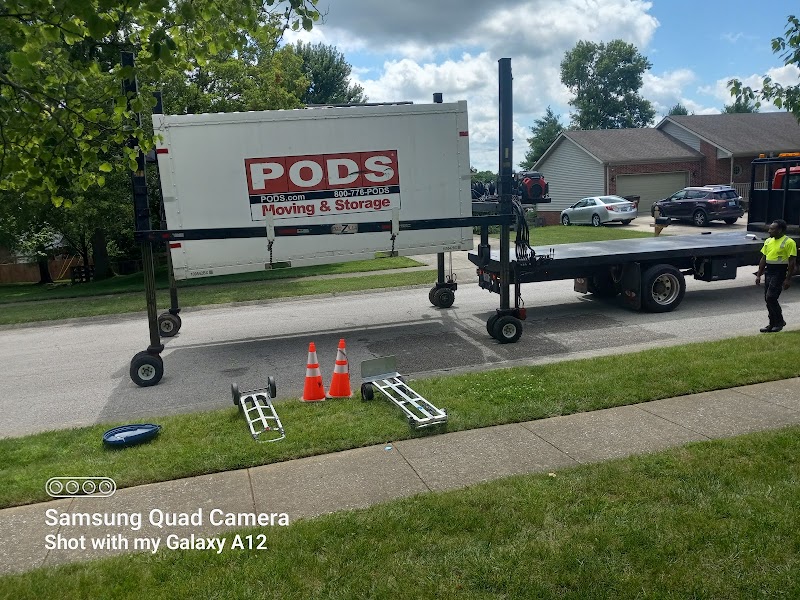

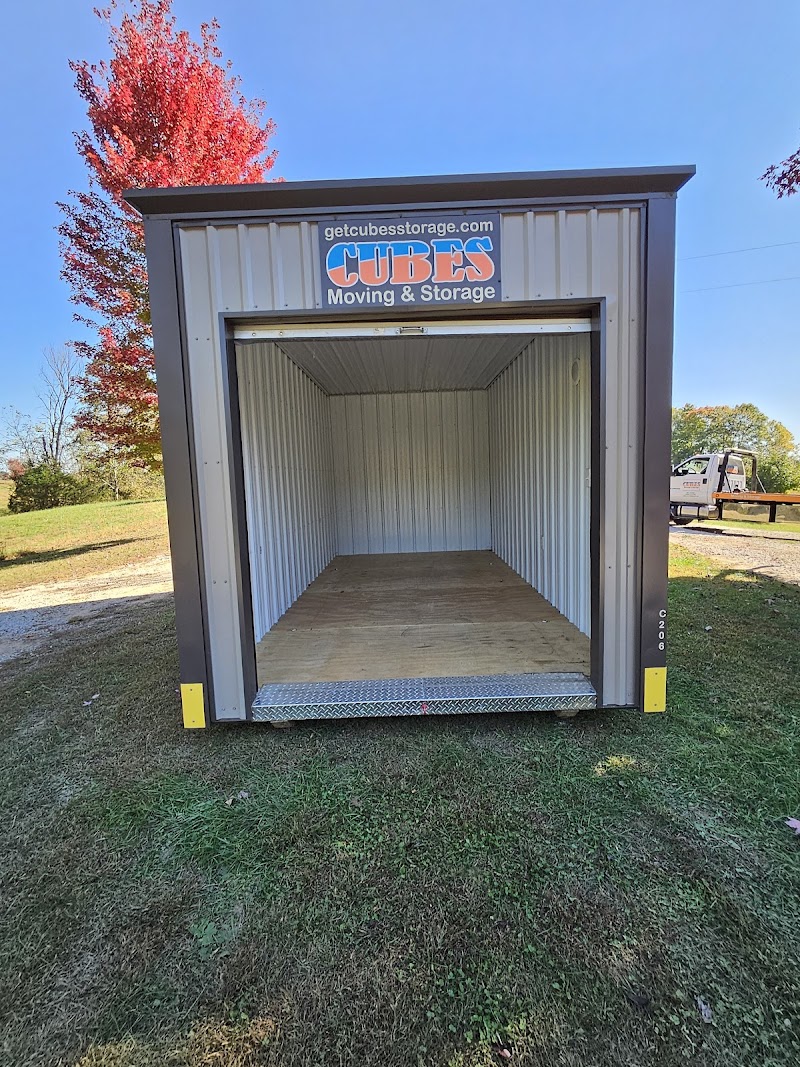
All movers
Every mover in Kentucky.
Sorted by best match. Click any card for the full profile and contact details.

My 3 Sons Moving
Lexington, KY
★ 4.6 (436 reviews)
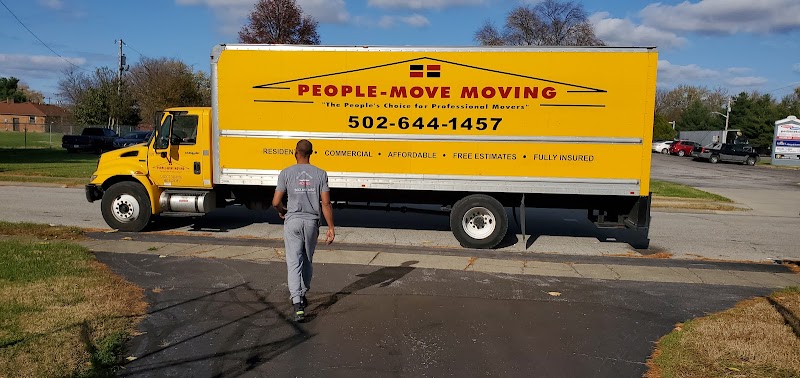
People-Move Moving
Louisville/Jefferson County, KY
★ 4.8 (797 reviews)
2 Dudes Moving
Louisville/Jefferson County, KY
Clean Slate Junk Removal & Moving
Louisville/Jefferson County, KY
USDOT #3164727
A & S Moving Services
Louisville/Jefferson County, KY
USDOT #855182
Big O Movers
Owensboro, KY
Safeway Moving & Storage Inc
Lexington, KY
Cain Moving Services
Danville, KY
USDOT #3618226
Elite Moving & Packing Llc.
Louisville/Jefferson County, KY
BG Home Movers
Bowling Green, KY
USDOT #3967219
Neutz Sons & Daughters Moving
Louisville/Jefferson County, KY
USDOT #1834511
2 Soldiers And A Truck Movers Louisville KY
Louisville/Jefferson County, KY
Anytime Moving Solutions
Bardstown, KY
DZ Moving and Storage
Louisville/Jefferson County, KY
USDOT #2393577
Fallon Moving & Warehousing
Louisville/Jefferson County, KY
Cities in Kentucky
Jump to movers in your city.
10 Kentucky cities have moving companies listed.
About moving in Kentucky
What shapes a Kentucky move.
Kentucky sits at a geographic crossroads, bordered by seven states and threaded by interstates that make it a natural transit point for Midwest-to-South moves. Louisville anchors the northwest with its booming logistics and healthcare sectors, while Lexington draws equine-industry professionals and University of Kentucky affiliates. Smaller cities like Bowling Green, Owensboro, and Covington (part of the Greater Cincinnati metro) round out a diverse moving landscape. Affordable housing compared to coastal metros continues to attract in-migrants, while outbound moves often track toward Tennessee, Ohio, and Indiana for employment or family.
Louisville: Gateway City
Louisville straddles the Ohio River and hosts UPS Worldport, one of the largest air cargo facilities on earth, drawing logistics workers from across the country. The city's Highlands, NuLu, and East End neighborhoods see steady residential turnover. As Kentucky's largest city, Louisville accounts for a large share of the state's intrastate moving volume, with crews navigating the I-264 and I-265 loop regularly.
Lexington and Horse Country
Lexington is home to the University of Kentucky and a globally recognized thoroughbred industry. Moves here often involve faculty, graduate students, and farm managers relocating to properties along US-60 and Paris Pike. The city's fayette County growth has pushed demand for movers into surrounding counties like Jessamine and Scott, where new subdivisions have expanded the moving footprint considerably.
Seasonal Demand Patterns
Kentucky's moving season peaks from May through August, aligning with university lease cycles and the school calendar. Summers in the state are hot and humid, so ground-floor loading and early-morning start times are common requests. Winter moves along I-64 and I-75 can be complicated by ice storms, particularly in the eastern hills and the Bluegrass region, adding days to long-distance schedules.
Rural and Small-Town Moves
A meaningful portion of Kentucky moves involve rural properties — farms, manufactured homes, and small-town relocations in Appalachian eastern Kentucky or the western coalfields. These moves often require movers comfortable with long driveways, unpaved access roads, and limited crew availability in remote counties. Expect fewer local moving companies outside Louisville and Lexington, which can reduce competition and increase lead times.
Anywhere in the state
Find a mover anywhere in Kentucky.
Tell Robert where you're headed and get matched with professional local + long-distance movers — free.
Cost of living
Kentucky Cost of Living by Metro
Kentucky consistently ranks among the most affordable states in the nation. Low housing costs are the primary driver of in-migration from pricier metros in the Midwest and Northeast. Even Louisville and Lexington, the two largest cities, offer housing well below the national median, which means movers are often transporting larger households or upgrading to more space — both factors that affect the size and cost of a move.
| Metro | COL Index | What to expect |
|---|---|---|
| Louisville | 92 | Median home prices typically run in the $220,000–$280,000 range; 2BR apartments average around $1,200–$1,500/month. |
| Lexington | 94 | Housing near UK and in established neighborhoods like Chevy Chase runs slightly higher; 2BR rents average $1,300–$1,600/month. |
| Bowling Green | 86 | One of Kentucky's fastest-growing cities; home prices remain affordable in the $180,000–$240,000 range, with 2BR rents near $1,000–$1,300/month. |
| Owensboro | 82 | Very low overall cost of living; median home prices often below $200,000, making it attractive for retirees and remote workers from higher-cost states. |
| Covington / Northern Kentucky | 96 | Part of the Greater Cincinnati metro; costs are higher than interior Kentucky but still well below Cincinnati's Ohio-side suburbs, drawing cross-river buyers. |
| Frankfort | 85 | The state capital is a commuter city for Lexington and Louisville workers; modest housing market with 2BR rents typically in the $900–$1,200/month range. |
Common routes
Most Common Kentucky Moving Routes
Kentucky → Tennessee
~175 mi (Louisville to Nashville)
$1,500–$3,800
Nashville's job market and lower cost of living relative to coastal cities pull a steady stream of movers south along I-65 from Louisville and Bowling Green.
Kentucky → Ohio
~110 mi (Lexington to Columbus)
$1,200–$3,200
Northern Kentucky's Cincinnati suburbs and Lexington both feed moves into Ohio, driven by employment in Columbus and Cincinnati's cross-river job market.
Kentucky → Indiana
~115 mi (Louisville to Indianapolis)
$1,100–$3,000
Louisville and Indianapolis share strong economic ties via I-65, making this a common corridor for logistics, manufacturing, and healthcare workers.
Kentucky → Florida
~900 mi (Louisville to Tampa)
$3,200–$6,500
Retirement migration from Kentucky to Florida is well established, with movers frequently running I-65 to I-24 to I-75 southbound corridors.
Kentucky → Texas
~1,000 mi (Louisville to Dallas)
$3,500–$7,000
Texas's job growth in tech and energy has attracted outbound movers from Louisville and Lexington, typically routed via I-65 south and I-40 or I-20 west.
Kentucky → Virginia
~400 mi (Lexington to Richmond)
$2,200–$4,800
Eastern Kentucky has historical family and cultural ties to Virginia, and remote-work migration has renewed interest in moves along the US-23 and I-81 corridors.
Licensing + rules
Kentucky Moving Regulations and Licensing
Interstate Mover Requirements (FMCSA)
Any mover transporting household goods across state lines must hold a USDOT number and operating authority issued by the Federal Motor Carrier Safety Administration. Kentucky-based movers doing interstate work must maintain minimum cargo and liability insurance levels set by FMCSA. Always confirm a mover's active USDOT number through the FMCSA's online database before signing a contract.
Verify USDOT status at safer.fmcsa.dot.gov before hiring any interstate mover.
Intrastate Mover Registration
Movers operating solely within Kentucky are regulated at the state level. Intrastate household goods carriers typically must register with the Kentucky Transportation Cabinet or obtain appropriate state operating authority. Requirements can vary, so consumers should ask movers to confirm their intrastate credentials and verify current requirements with the Kentucky Transportation Cabinet directly.
Intrastate movers in Kentucky typically register with the Kentucky Transportation Cabinet; confirm current requirements before hiring.
Written Estimates and Binding Quotes
For interstate moves, FMCSA rules require movers to offer a written estimate and prohibit delivery being held hostage for charges above a binding estimate. For intrastate moves within Kentucky, practices follow state contract law. Always request a written, itemized estimate — whether binding or non-binding — and clarify what triggers additional charges before any goods are loaded.
Interstate binding estimates are governed by 49 CFR Part 375; for intrastate, get everything in writing under Kentucky contract law.
Released Value vs. Full Value Protection
Federal rules require interstate movers to offer two valuation options: released value (minimal coverage at no extra charge, currently $0.60 per pound per article) and full value protection (covers repair, replacement, or cash settlement, at an added cost). These are not insurance policies but carrier liability levels. For intrastate moves, ask the mover what valuation options they offer under Kentucky rules.
Released value provides minimal protection; full value protection is the better option for high-value shipments.
Complaint and Dispute Resolution
Consumers with complaints about interstate movers can file with FMCSA and, for arbitration on loss or damage claims, movers are required to offer a neutral arbitration program. For intrastate complaints in Kentucky, contact the Kentucky Attorney General's Consumer Protection Division or the Kentucky Transportation Cabinet. Documenting all communications and keeping copies of your contract, inventory, and estimate strengthens any dispute.
File interstate complaints at FMCSA; intrastate complaints go to the Kentucky Attorney General's Consumer Protection Division.
Kentucky moving FAQ
Common Kentucky Moving Questions.
What is the average cost of hiring movers within Kentucky?
+
Local moves within Kentucky (under 100 miles) typically run $400–$1,200 for a standard 2–3 bedroom home, depending on the number of movers, hours worked, and any specialty items like pianos or gun safes. Moves within Louisville or Lexington at the lower end; rural moves requiring extra drive time trend higher. Always get at least three written estimates and ask whether the quote is hourly or fixed-price.
Do I need to hire a licensed mover in Kentucky?
+
For interstate moves, yes — your mover must hold an active USDOT number and FMCSA operating authority. For moves entirely within Kentucky, movers are regulated at the state level and typically must carry appropriate state operating authority through the Kentucky Transportation Cabinet. Ask any prospective mover for their USDOT number (interstate) or state registration details (intrastate) and verify before signing.
When is the best time to move in Kentucky?
+
Late spring (April–May) and early fall (September–October) offer the best balance of mild weather and mover availability in Kentucky. Summers are hot and humid — July temperatures regularly exceed 90°F — which can slow moves and stress movers and belongings. Winter ice storms, especially in Lexington and Eastern Kentucky, can delay long-distance shipments. Booking 4–8 weeks ahead for summer moves is advisable.
How does Kentucky's location affect long-distance moving costs?
+
Kentucky is centrally located along several major interstate corridors (I-64, I-65, I-75, I-24), which can keep costs moderate for moves to neighboring states like Tennessee, Ohio, and Indiana — often $1,100–$3,800. Longer hauls to Florida or Texas are more expensive, typically $3,200–$7,000. Because Kentucky is a common transit state, backhaul availability sometimes reduces costs on popular corridors like Louisville to Nashville.
What should I know about moving to Louisville specifically?
+
Louisville has a mix of older urban neighborhoods (Highlands, Germantown, Crescent Hill) with narrow streets and street parking, which can complicate large truck access. Some neighborhoods require parking permits for moving trucks. The city sits in a UPS logistics hub, so weekday truck traffic on I-264 and I-265 can be heavy. The east end suburbs like St. Matthews, Middletown, and Prospect are generally easier to navigate.
What are the challenges of moving to or from Eastern Kentucky?
+
Eastern Kentucky's Appalachian terrain means winding roads, steep grades, and limited access in some counties along the Mountain Parkway corridor. Fewer moving companies operate in counties like Pike, Letcher, and Floyd, which reduces competition and can increase prices. For moves out of coal-country communities, full-service movers based in Lexington often cover these areas but may charge a travel or fuel surcharge for the extra distance.
Are there any restrictions on moving trucks in Kentucky?
+
Kentucky participates in standard federal weight and size limits on interstates. Some older rural county roads and historic downtown districts have weight or height restrictions that can affect large moving trucks. When moving to or from a historic district in cities like Lexington or Louisville, confirm truck access with the mover in advance and check whether a parking permit or lane reservation is required from the city.
How do I protect my belongings during a Kentucky summer move?
+
Kentucky summers are humid and hot, which can warp wood furniture, damage electronics, and stress movers. Request that your mover uses climate-controlled vehicles if you have antiques, artwork, or instruments. Pack electronics and heat-sensitive items last so they spend minimal time on the truck. If using a storage unit during a transition, opt for climate-controlled storage, especially in Louisville and Lexington where summer humidity is consistently high.
What is the moving scene like in Bowling Green, Kentucky?
+
Bowling Green has been one of Kentucky's fastest-growing cities, fueled partly by manufacturing at the GM Corvette plant and a growing Western Kentucky University population. The local moving market is active but smaller than Louisville or Lexington, with fewer movers to choose from. Residents moving to or from Nashville (about 65 miles south via I-65) can usually find competitive quotes given the short distance and frequent traffic on that corridor.
Does Kentucky have a state consumer protection process for moving disputes?
+
Yes. The Kentucky Attorney General's Office of Consumer Protection handles complaints against businesses, including moving companies, for unfair or deceptive practices. For interstate moves, FMCSA also offers a complaint process and requires movers to participate in neutral arbitration for loss and damage claims. Keep all written contracts, emails, photos of your belongings before loading, and inventory sheets — these are your best evidence if a dispute arises.
Moving out of state?
Long-distance movers in Kentucky.
What an interstate move costs and how to choose a licensed mover, city by city. Every city we cover.
Get your moving quote
Many ways to get a moving quote.
Chat, text, email, or call — whichever’s easiest. Tell Robert about your move and matching movers in your city reach out, usually within a few minutes.