
Find movers near you
Movers in Baltimore.
Compare top-rated local and long-distance movers — and let Robert do the comparison for you.
Get Your Quote→Maryland · Baltimore City County
Moving companies in Baltimore, MD.
Browse {count} movers serving Baltimore and the surrounding metro of 2.8 million. The crews here are used to Federal Hill rowhouse stoops, Fells Point cobblestones, and the I-95 corridor runs that make up most of the city's inbound and outbound work.
Robert
Online·Call for a quote
Hi — I'm Robert, and I'll help you find the right movers. Where are you moving from, and where are you headed? Prefer a live representative? Just say the word and I'll connect you, or use the call button for a quote anytime.
By chatting with Robert, you agree we may share your move details with movers in your origin city so they can contact you with a quote. We never sell or share your info outside this network. Privacy Policy.
Top movers in Baltimore
Baltimore movers worth a look.
A few of Baltimore’s top movers. Want a tailored recommendation? Use the Get quotes form below.
All Baltimore movers
82 movers serving Baltimore.
3m Movers
Baltimore, MD

Abc Dundalk Best Twins Movers
Baltimore, MD
★ 4.2 (5 reviews)
Superior Moving LLC
Baltimore, MD
★ 3.4 (38 reviews)

Abs Movers - Baltimore
Baltimore, MD
★ 4.8 (72 reviews)
Thompson's Moving
Baltimore, MD
★ 4.2 (85 reviews)
Abba Moving LLC
Baltimore, MD
★ 4.5 (73 reviews)

Spa Movers Plus Inc
Baltimore, MD
★ 4.7 (24 reviews)

1st Class Moving and Storage
Baltimore, MD
★ 4.8 (218 reviews)
AA Moving
Baltimore, MD
★ 4.8 (103 reviews)
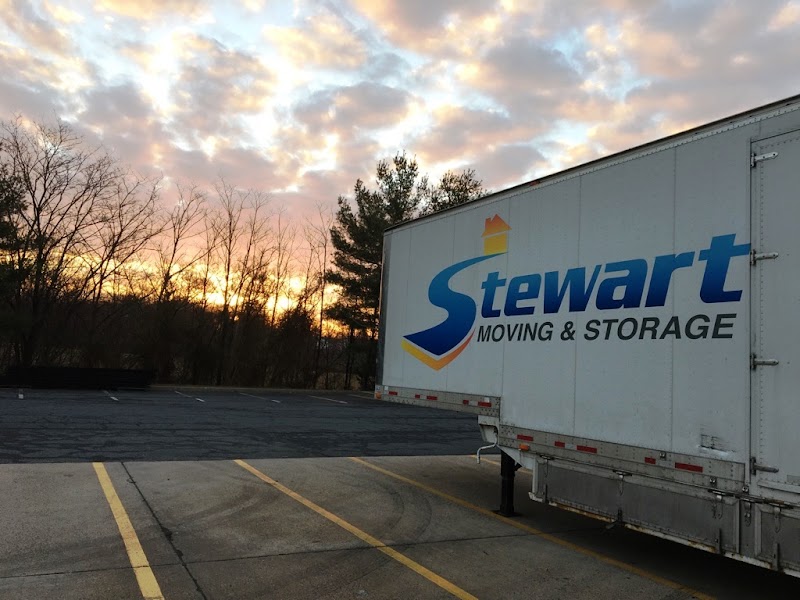
Stewart Moving & Storage
Baltimore, MD
★ 4.9 (686 reviews)

A & M Friendly Movers
Baltimore, MD
★ 4.8 (504 reviews)

Best American Movers Local and Long Distance Moving Company Baltimore MD
Baltimore, MD
★ 4.1 (41 reviews)
UAC Moving Company Ellicott City
Baltimore, MD
Sebastian Moving Baltimore
Baltimore, MD
USDOT #4212063
Rio Moving
Baltimore, MD
Movers near Baltimore
30 more movers within 50 miles of Baltimore.
Based in a neighboring town and serving Baltimore. Each one shows where it is based and how far that is, nearest first.
Roadway Van Lines Moving company
Jessup, MD · 14 miles away
★ 4.1 (275 reviews)
Blue Chip Moving & Storage
Chase, MD · 14 miles away

Johnsons Piano Moving
Laurel, MD · 19 miles away
★ 4.9 (136 reviews)
Marbury Movers
Laurel, MD · 20 miles away
★ 5.0 (2 reviews)
Camelback Moving and Storage
Fulton, MD · 20 miles away
Move Smart Moving
Greenbelt, MD · 24 miles away
★ 5.0 (37 reviews)
Moving USA , LLC.
Beltsville, MD · 24 miles away
★ 1.0 (2 reviews)
Topline Moving & Storage Inc
Beltsville, MD · 24 miles away
Prince Asong Moving and Delivery
Greenbelt, MD · 25 miles away
★ 4.6 (130 reviews)
New Planet Moving & Storage
Brookeville, MD · 25 miles away
Top Notch Moving & Storage
Hampstead, MD · 26 miles away
★ 4.6 (70 reviews)
Aasaz Moving and Storage, LLC
Lanham, MD · 26 miles away
★ 5.0 (18 reviews)
Alfredo Moving
Silver Spring, MD · 26 miles away
★ 5.0 (3 reviews)
Efficient Movers and Storage
Lanham, MD · 26 miles away
Lows Moving & Hauling
Lanham, MD · 26 miles away
Move planner
Two quick steps. A personalized plan in 30 seconds.
Robert builds a Baltimore-specific timeline, estimated cost range, and 3-mover shortlist tailored to your job. No forms. No spam. No commitment.
Step 1 of 2
Tell us about your move.
Distance
Property type
Property size
Zip codes (optional — sharpens the cost estimate)
When are you hoping to move?
Cost calculator
Estimated Baltimore moving costs
These ranges reflect what Baltimore-area crews actually quote for full-service moves, not DIY truck rentals. Permit fees, COIs, and shuttle surcharges for cobblestone streets are not included.
| Home size | Local (under 50 mi) | Regional (50-500 mi) | Cross-country (500+ mi) |
|---|---|---|---|
| Studio / 1BR | $600-$1,200 | $1,200-$2,400 | $2,400-$4,200 |
| 2BR | $1,000-$1,800 | $1,800-$3,200 | $3,200-$5,800 |
| 3BR | $1,600-$2,800 | $2,800-$4,400 | $4,400-$7,800 |
| 4BR+ | $2,400-$4,200 | $4,200-$6,400 | $6,400-$11,000 |
Skip the guesswork
Get matched with professional Baltimore movers.
Robert, our moving concierge, lines up quotes from movers who actually serve your route — free, no obligation.
Local movers in Baltimore
Local moving in Baltimore is priced hourly — you're paying for the crew and the truck together, with most companies setting a 2- to 3-hour minimum and rates that generally run $100–$180 per hour for a two-person crew, stepping up to $150–$250 per hour for three movers on larger homes. Of everything that shapes a final bill here, building access tends to matter most: Baltimore's rowhouse-heavy streetscape means tight staircases, no elevators, and street parking that can put the truck a long walk from your front door.
What drives your local move cost in Baltimore:
- Home size & crew needed — a studio or 1BR moves faster with two movers; a 2BR+ in neighborhoods like Hampden or Federal Hill with multiple floors typically calls for three
- Building access & stairs — walk-up rowhouses and narrow interior staircases slow carry times considerably and can add an hour or more to the clock
- Parking & street access — Baltimore rowhouse blocks often have limited stopping space; some moves in denser areas like Fells Point or Mount Vernon may require a parking cone reservation or a city street-use permit to hold a loading zone
- Time of month & season — end-of-month and summer weekends book fastest and carry premium rates; mid-month and fall moves tend to have more availability
- Packing services — full or partial pack-and-wrap by the crew adds time and materials cost, but protects furniture on tight stairwell turns
In Baltimore's older rowhouse neighborhoods, it's worth calling your moving company a week or two ahead to ask about street-parking logistics — a little coordination on where the truck can stage often saves time (and serious money) on move day. If you're moving into or out of a building with an elevator, confirm whether there's a dedicated move-in window, as many managed buildings in areas like Harbor East require advance scheduling.
Ready to compare options? Browse movers in Baltimore to get matched with local crews who know the city's streets and rowhouses firsthand.
Neighborhood guide
Moving to a specific Baltimore neighborhood?
Inner Harbor / Federal Hill
waterfront urban
Median 2BR rent: $2,200/mo
High-rise booking; Orioles and event-day street closures shift load windows.
Fells Point
historic cobblestones
Median 2BR rent: $2,000/mo
Cobblestones are too narrow for 26-ft trucks; plan for a 17- or 20-ft box.
Canton
walkable rowhouses
Median 2BR rent: $1,900/mo
Permit parking required; narrow rowhouse stairs slow furniture-heavy moves.
Mount Vernon
historic cultural
Median 2BR rent: $1,850/mo
Steep marble stoops and narrow interior stairs in 1880s-era buildings.
Hampden
eclectic walkable
Median 2BR rent: $1,700/mo
Several streets are too tight for 26-ft trucks; scout the access first.
Towson
inner-ring suburb
Median 2BR rent: $1,800/mo
Mostly easy single-family access; some condo HOAs require COIs.
Columbia
planned community
Median 2BR rent: $2,000/mo
HOA-managed neighborhoods enforce weekend move-window restrictions.
Pikesville
established affluent suburb
Median 2BR rent: $1,850/mo
Mostly single-family; some condo HOAs require COI and elevator booking.
Common routes
Most-booked Baltimore routes
Baltimore → Washington, DC
~40 mi southwest
$1,200-$2,000
I-95/BWI Parkway; daily-commute range and the most-booked route out of Baltimore.
Baltimore → Philadelphia, PA
~105 mi northeast
$1,400-$2,400
I-95; common second-city move for finance and pharma transferees.
Baltimore → New York, NY
~190 mi northeast
$2,000-$3,200
I-95 corridor; bookable as single-day with two-driver crews.
Baltimore → Pittsburgh, PA
~245 mi northwest
$2,400-$3,800
I-70/I-76; less competitive route, fewer carriers running it.
Baltimore → Boston, MA
~400 mi northeast
$2,800-$4,400
I-95; typically delivered next-day or with one overnight.
Baltimore → Charlotte, NC
~440 mi southwest
$2,800-$4,400
I-95 + I-85; the most common outbound retirement and corporate-relocation lane.
Honest prices beat estimates
Want an actual quote for your Baltimore move?
Tell Robert the basics and get matched in minutes.
Local figures
Baltimore in numbers.
What the homes are
BaltimoreUnited States
- Detached houses
- 15% in Baltimore61% in United States
- Townhouses
- 50% in Baltimore6% in United States
- Buildings of 2 to 4 homes
- 10% in Baltimore8% in United States
- Buildings of 5 to 19 homes
- 10% in Baltimore9% in United States
- Buildings of 20 or more homes
- 15% in Baltimore10% in United States
Rent, home values and income
| Figure | Baltimore | Maryland | U.S. |
|---|---|---|---|
| Median monthly rent | $1,290 | $1,662 | $1,348 |
| Median home value | $219,300 | $397,700 | $303,400 |
| Median household income | $59,623 | $101,652 | $78,538 |
| Households that rent | 52% | 33% | 35% |
| Residents who moved in the past year | 14% | 12% | 13% |
Source: U.S. Census Bureau, American Community Survey 2019-2023 5-year estimates.
When to move
Baltimore moves by month
Jan
off
Cheapest pricing of the year, but build in a snow-date clause; ice events can close I-83 for 24+ hours.
Feb
off
Still off-season pricing; coldest stretch of the year and risk of one major snowstorm.
Mar
off
Quiet until late month when leases start turning; weather still unpredictable through mid-March.
Apr
shoulder
Spring rentals start moving; good availability and decent weather windows open up.
May
peak
Peak season begins; corporate relocations from DC accelerate as fiscal years close.
Jun
peak
Summer demand fully on; book at least 4 weeks out for weekend slots.
Jul
peak
Hot and humid; crews start earlier in the day and run smaller jobs to avoid heat exhaustion.
Aug
peak
Hopkins, Loyola, and UMB move-ins (Aug 18-Sep 1) collapse local capacity; book 6+ weeks ahead.
Sep
peak
Last college move-ins wrap up; small hurricane risk early month but rarely a direct hit.
Oct
shoulder
Demand drops sharply after Labor Day; one of the best price-to-weather tradeoffs of the year.
Nov
shoulder
Quiet month before Thanksgiving; pricing softens, weather generally manageable.
Dec
off
Off-season pricing returns; first genuine snow risk arrives in the second half of the month.
Permits + local rules
Baltimore parking and access rules
Residential parking permit areas
Federal Hill, Canton, Fells Point, Mount Vernon, and parts of Hampden are all Residential Permit Parking (RPP) zones. Movers need a temporary no-parking permit from Baltimore City DOT to reserve curb space in front of the load and unload addresses. Without it, you're competing with permit-holders for spots and risk a tow.
Permit cost ~$45 per location, 5-10 business days lead time.
Truck route restrictions
Baltimore City restricts commercial trucks over 11,000 lbs from many residential streets unless making a local delivery. The cobblestone blocks in Fells Point and parts of Federal Hill have additional width restrictions that informally cap trucks at about 20 feet. Confirm street access with the crew before booking a 26-ft truck for these areas.
No permit needed for local delivery; verify access 1 week ahead.
Certificate of Insurance for high-rises
Inner Harbor and Federal Hill high-rises (Harbor East, Silo Point, the Vue) all require a Certificate of Insurance from the moving company on file 48-72 hours before the move, plus freight elevator booking. Some buildings restrict moves to weekday business hours only. Get the building's specific COI requirements (general liability limits, building named as additional insured) early.
No cost; 3-5 business days lead time for COI processing.
HOA weekend windows
Planned communities like Columbia, parts of Towson, and newer developments in Pikesville restrict move days to Mon-Sat with specific time windows (often 8am-5pm). Sunday moves are typically prohibited. Some HOAs also require a damage deposit and a walkthrough of common areas. Get the HOA rules in writing before you sign the moving contract.
Deposits $250-$500, refundable; 1-2 weeks notice typical.
About moving to Baltimore
What you should know before you book.
Baltimore sits at the awkward middle of the I-95 corridor: forty miles from DC, a hundred from Philly, and most of its inbound movers are correcting for one of those two markets rather than relocating from across the country. The city itself is mostly rowhouse stock built between 1880 and 1940, which means narrow streets, marble stoops, and stair runs that punish anyone who tries to bring in a 26-ft truck without scouting first. The neighborhoods movers know cold are the ones where parking permits, cobblestones, and freight elevators decide whether a job runs four hours or eight.
Rowhouse city, narrow trucks
More than half of Baltimore's housing stock is attached rowhouses on streets laid out before trucks existed. Federal Hill, Canton, Fells Point, and Mount Vernon all have blocks where a 26-ft straight truck physically cannot turn onto the street. Most local crews keep a 17- or 20-ft box on standby specifically for these jobs. Out-of-state vans hauling long-haul loads frequently end up shuttling into smaller vehicles at a warehouse in Highlandtown or Dundalk before final delivery.
DC-corrected inbound flow
Most Baltimore inbound moves are people leaving DC to escape rent or buying their first house with a reasonable commute. The mover ecosystem reflects that: many crews do 3-5 jobs a week on the BWI Parkway and treat DC-to-Baltimore as their bread-and-butter run. If you're moving from anywhere except the Northeast Corridor, expect fewer companies competing on your route and pricing that reflects deadhead miles back to the city.
Snow + ice contingency built in
Baltimore averages one or two ice events per winter that shut down the city for 24-48 hours. Reputable local movers write a snow-date clause into their contracts between December and March. Out-of-state companies often don't, which becomes a genuine problem when I-83 closes and your delivery window slides. Ask before booking: who eats the storage cost if the truck can't reach the destination on the scheduled day?
Mid-sized mover market
Baltimore's mover landscape skews toward owner-operated outfits with 2-6 trucks rather than the regional chains that dominate DC. That means you're often talking directly to the dispatcher, pricing is more negotiable on shoulder-season dates, but capacity evaporates fast when Hopkins moves in. Two or three of the larger operators take on the corporate-relocation contracts; the rest of the market lives on residential rowhouse work and DC-corridor runs.
Baltimore moving FAQ
Common questions, locally-answered.
How much does a Baltimore-to-DC move actually cost?
+
For a 2BR rowhouse, expect $1,200-$2,000 for a full-service move on a weekday in shoulder season. The 40-mile run is short enough that most crews can do it as a single day with no overnight, which keeps cost down. Where it gets expensive: weekend dates in peak season (May-September), high-rise destinations with freight-elevator booking, or rowhouse origin with no off-street parking and no permit pulled. The DC-to-Baltimore reverse is the most-booked corridor route in the local industry, so you'll have plenty of crews to choose from.
Do I need a parking permit for my Baltimore move?
+
If you're moving in or out of Federal Hill, Canton, Fells Point, Mount Vernon, parts of Hampden, or any RPP zone, yes. The permit reserves curb space for the truck and costs about $45 per address through Baltimore City DOT. Lead time is 5-10 business days, so don't wait until the week before. Without it, you're competing for street parking with residents and can be ticketed or towed. Out-of-state movers sometimes won't pull these for you, so confirm during booking who's responsible.
When is the worst time to move in Baltimore?
+
August 18 through September 1 is the absolute peak: Johns Hopkins (Aug 25-Sep 1), Loyola Maryland (Aug 22-28), and UMB (Aug 18-25) all move in during overlapping windows, and combined they bring 43,000+ students into the city. Local crew capacity collapses, prices spike 30-50%, and weekend slots disappear 6-8 weeks ahead. If you have any flexibility, book before August 10 or after September 5. The other danger zone is mid-January through February for snow contingency risk.
Can a 26-ft truck reach my Baltimore rowhouse?
+
Maybe not. Fells Point cobblestone blocks, parts of Federal Hill near the harbor, and several Hampden streets are too narrow or have turn radii that won't accommodate a 26-ft straight truck. Reputable local movers will scout the access before booking. If you're working with an out-of-state company hauling a long-haul tractor-trailer, plan for a shuttle: they'll park at a warehouse in Highlandtown or Dundalk and bring a smaller truck to your block. That shuttle typically adds $400-$800 to the total.
What about ice storms during a winter move?
+
Baltimore averages one or two ice events per winter that close the region for 24-48 hours. Local movers build a snow-date clause into their contracts between December and March; out-of-state companies usually don't. Ask before signing: who covers storage if the truck can't reach the destination, and what's the rescheduling fee? Pre-loading the truck the day before a forecasted storm and delivering after it passes is common practice. Don't book a hard-deadline closing on a January or February day.
How early should I book a Baltimore mover?
+
For a peak-season weekend (May-September Saturdays), book 6-8 weeks ahead. August 18-September 1 needs 8-10 weeks because of the university overlap. Off-peak weekdays (October-April, excluding ice storm risk) can often be booked 1-2 weeks out, sometimes less for last-minute slots. Corporate-relocation moves through the major regional carriers need more lead time because they're sequencing your job into a multi-stop truck. Owner-operator local crews are more flexible but fewer trucks means less surge capacity.
Moving away from Baltimore?
Relocation guides from Baltimore.
Costs, distance, and what to expect for popular moves out of Baltimore.
Long distance movers in Baltimore→Nearby cities
Movers in cities close to Baltimore.
Chase, MD
about 14 miles away
Jessup, MD
about 14 miles away
Fulton, MD
about 20 miles away
Laurel, MD
about 20 miles away
Greenbelt, MD
about 24 miles away
Brookeville, MD
about 25 miles away
Hampstead, MD
about 26 miles away
Lanham, MD
about 26 miles away
Browse moving companies in other Maryland cities, or explore the full directory by state.
Get your moving quote
Many ways to get a moving quote.
Chat, text, email, or call — whichever’s easiest. Tell Robert about your move and matching movers in your city reach out, usually within a few minutes.