A long-distance move out of Boise City, ID typically costs $2,500–$7,500 for a 1–2 bedroom home and $6,000–$14,000+ for a 3–4 bedroom home, depending on destination distance, shipment weight, and services like packing — though your exact quote will vary with the season and your specific route. The single most important thing to get right before anything else: confirm your mover holds an active FMCSA license with a valid USDOT and MC number, and insist on a binding or binding-not-to-exceed estimate in writing before a single box leaves your home.
What long-distance movers in Boise City cost on a move out of the Treasure Valley
Out-of-state moves from Boise are billed by weight and miles rather than by the hour, so a clock running on the truck does not set your price. Instead, carriers licensed to cross state lines price your move primarily on shipment weight and mileage, with add-on costs for packing, specialty items, shuttle service, and storage.
Estimated ranges by home size, distance, and add-on service
| Cost Factor | Typical Range (Estimates Only) |
|---|---|
| 1 BR apartment (under 500 mi) | $2,500 – $4,500 |
| 2 BR home (500–1,500 mi) | $4,000 – $7,500 |
| 3–4 BR home (1,000–2,500 mi) | $7,000 – $14,000+ |
| Full professional packing | $500 – $2,500 depending on home size |
| Long carry / elevator fee | $75 – $300 |
| Storage-in-transit (per month) | $100 – $400+ |
| Shuttle service (narrow street access) | $200 – $600 |
These are estimates only. Your quote depends on the actual weight of your shipment — determined at a certified scale — your destination zip code, and the time of year. Summer moves (June–August) typically carry peak-season pricing; if your timeline is flexible, scheduling a late-September or mid-January move can meaningfully reduce costs.
How interstate moving pricing is worked out for a Boise City household
Unlike local moves billed hourly, interstate carriers calculate your base rate using two variables: shipment weight (in pounds) and transport mileage. Your carrier will provide a written estimate before loading. There are two types to know:
- Binding estimate: The price is locked. Even if your shipment weighs more than estimated, you pay no more than the quoted amount (provided your inventory doesn't change).
- Binding-not-to-exceed estimate: A Boise City shipment that comes in under the estimated weight is billed at the lower amount. If it weighs more, you still pay the estimate. This is typically the most consumer-friendly option.
- Non-binding estimate: The carrier's best guess — your final bill is based on actual weight and can be higher. At delivery, the mover has to release your goods once you have paid 110% of the estimate, and any balance beyond that is billed after 30 days from delivery.
Always get your estimate type in writing. Walk through your full inventory with the moving consultant — every room, every closet, every garage shelf — so nothing surprises you on weigh-day.
How long delivery takes once your belongings leave Boise City
Interstate carriers operate on delivery windows, not single delivery dates. The further you're going, the wider the window. Under FMCSA rules, your carrier must provide a delivery spread on your bill of lading, and they're bound to it.
Realistic delivery windows from Boise City:
- Under 500 miles (e.g., Pacific Northwest, Nevada): 2–5 business days
- 500–1,500 miles (California, Utah, Colorado, and Montana among them): 5–10 business days
- 1,500–2,500+ miles (e.g., Texas, Midwest, East Coast): 7–21 business days
Consolidated or "groupage" shipments — where your belongings share truck space with other customers' goods — are common for smaller moves and tend to have longer delivery windows than dedicated trucks. Ask your mover which service type applies to your shipment.
Before you book a Boise City departure: six things to look up about an interstate mover
This step is non-negotiable. Every mover operating across state lines must be registered with the Federal Motor Carrier Safety Administration (FMCSA). Run through these checks before you commit to a Boise City departure date:
- Ask the company for both its USDOT number and its MC number. Legitimate carriers provide these immediately.
- Verify at FMCSA's official database (protectyourmove.gov or the FMCSA search tool). Confirm the company is listed as active and authorized for household goods.
- Request a written estimate — never agree to a move based on a phone quote alone.
- Confirm valuation coverage. Interstate movers work with two valuation levels, and you choose between them:
- Released-value protection: The free, basic option, which applies only if you sign a written waiver choosing it — only $0.60 per pound per item. Under it, an $800 television that weighs 50 lb pays out just $30. Read that again.
- Full-value protection: If something is damaged or lost, the carrier must repair it, replace it, or pay you its current market value. The added charge is usually money well spent for a household leaving Boise City.
- Check reviews on verified review platforms — and look specifically for comments about delivery timing, communication during transit, and final bill accuracy.
- Be wary of a big deposit demanded before loading. Carriers with a solid record typically collect payment on delivery.
You can find movers listed in our directory with licensing details, or browse movers by state if you're coordinating on both ends of your move.
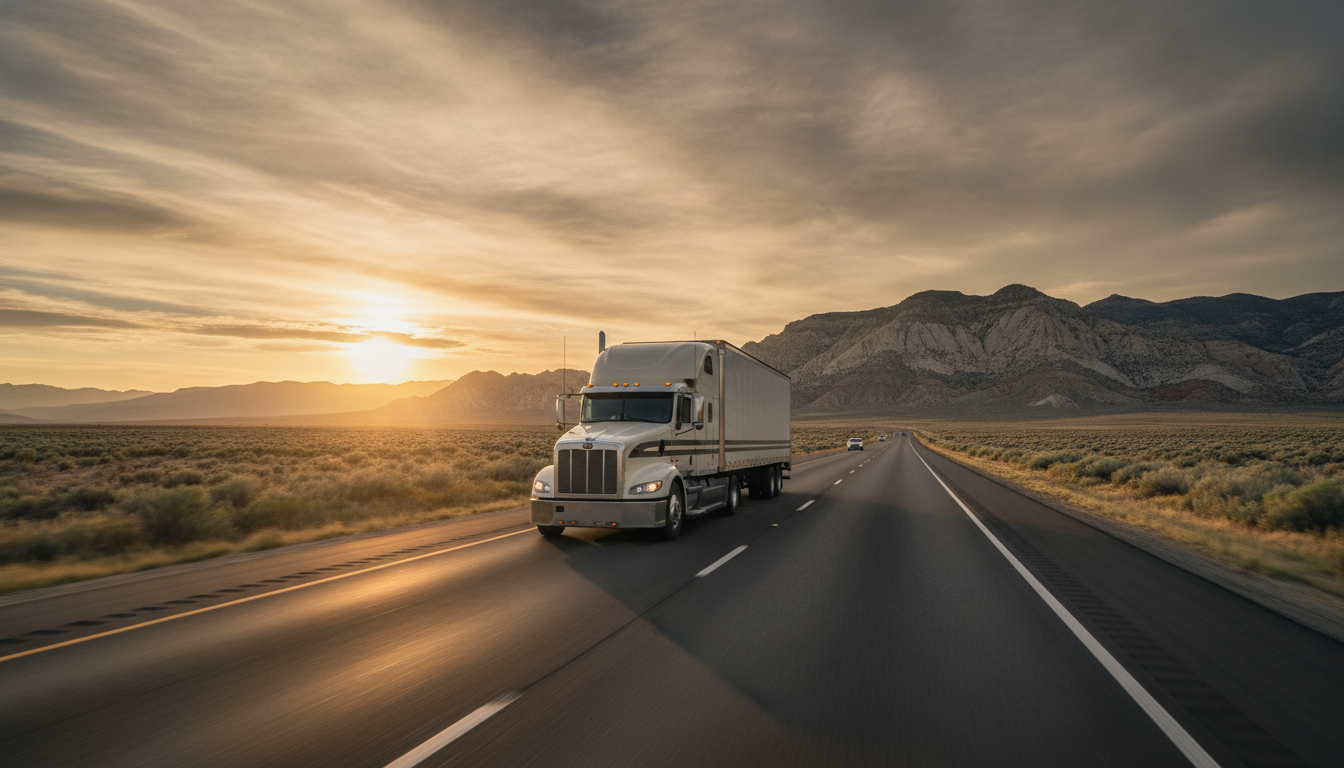
Common long-distance destinations along the I-84 corridor out of Boise City
Boise City sits at an advantageous crossroads — Interstate 84 runs west to Portland and east toward Salt Lake City, and US-95 runs south into Nevada to meet I-80 toward the Bay Area. The most common interstate routes our directory serves from Boise include moves to the Pacific Northwest, California, the Mountain West, and the Sun Belt.
Whether you're headed to a lower-cost market, following a job, or leaving Idaho's increasingly hot summers (July highs routinely hit 95–100°F, and wildfire smoke from regional fires blankets the valley most years from July through September), the move planning process is the same: weight-based quote, binding estimate, confirmed license.
Explore all available route guides and movers in Boise City through our directory, or browse movers by state to start building your shortlist for both origin and destination.
Moving-day planning around Boise's summer heat and smoke
- Reserve a carrier 6–10 weeks ahead if you leave in summer. Peak season runs June through August, and Boise's growing population means carrier availability tightens fast.
- Schedule loading for early morning. July and August temps in Boise reach 95–100°F by early afternoon. A 7 a.m. start protects your crew and your belongings — heat damages electronics, candles, vinyl records, and some furniture finishes.
- Create a record of your belongings before loading ends. Photograph every piece of furniture and every box. If a damage claim arises, timestamped photos are your best evidence.
- Prepare for wildfire smoke delays. If you're moving between July and September, regional air quality events can affect loading conditions. Have a flexible half-day buffer in your plan.
- Know your new state's vehicle registration deadlines. Most states require you to re-register your vehicle within 30–90 days of establishing residency.
Frequently asked questions
How far does a move out of Boise City have to go to count as "long distance"?
Any move that crosses a state line is considered interstate and requires the carrier to be federally licensed with FMCSA, regardless of mileage. Some carriers also define moves over 100 miles within Idaho as "long distance," but the licensing and pricing rules that matter most apply to moves leaving the state.
Can I get a binding estimate on a Boise City move without an in-home survey?
Yes — video surveys conducted over video call have become standard and are legally valid for binding estimates. Be thorough: show every room, every storage area, and every large item. An incomplete inventory is the most common reason final bills exceed estimates.
What if my delivery window out of Boise City passes and my belongings still haven't arrived?
If a carrier misses the delivery window written on your bill of lading, ask it in writing about compensation for reasonable expenses (hotels, meals). Document everything and submit a written claim promptly. This is one reason keeping the delivery window in writing — on your bill of lading — matters so much.
Is it cheaper to rent a truck and move myself from Boise?
For a studio or small one-bedroom move under 500 miles, DIY truck rental can save money. For anything larger or further, the math gets complicated fast when you add fuel, mileage fees, lodging, equipment rentals, and the physical toll of a multi-day drive. Full-service carriers are often more cost-competitive than people expect for 2+ bedroom moves over 1,000 miles.
Does Idaho's income tax affect what I should budget when leaving?
Idaho has a flat state income tax. If you're moving to a state with no income tax (Nevada, Washington, Texas, Florida), your effective take-home pay will increase — factor that into your total relocation math, not just the moving truck cost.
How do I handle items that movers won't transport interstate?
FMCSA-regulated carriers maintain a non-allowables list — items they cannot legally or safely transport, including hazardous materials (propane tanks, paint, cleaning chemicals), perishables, and plants. You'll need to transport these yourself, donate them, or dispose of them before loading day. Ask for your carrier's specific non-allowables list when you receive your estimate.