
Find movers near you
Movers in Denver.
Compare top-rated local and long-distance movers — and let Robert do the comparison for you.
Get Your Quote→Colorado
Moving companies in Denver, CO.
Denver sits at the crossroads of the Mountain West, drawing relocations from coastal metros, Texas, and the Midwest every week. Whether you're settling into a Capitol Hill walk-up, a Stapleton townhouse, or a suburban home in Highlands Ranch, the right local mover makes the difference between a smooth mile-high move and a stressful one.
Robert
Online·Call for a quote
Hi — I'm Robert, and I'll help you find the right movers. Where are you moving from, and where are you headed? Prefer a live representative? Just say the word and I'll connect you, or use the call button for a quote anytime.
By chatting with Robert, you agree we may share your move details with movers in your origin city so they can contact you with a quote. We never sell or share your info outside this network. Privacy Policy.
Top movers in Denver
Denver movers worth a look.
A few of Denver’s top movers. Want a tailored recommendation? Use the Get quotes form below.
All Denver movers
112 movers serving Denver.

The Denver Moving Company - Long Distance Movers
Denver, CO
★ 5.0 (52 reviews)
Denver Small Moves - Moving & Storage Services
Denver, CO
★ 4.0 (14 reviews)
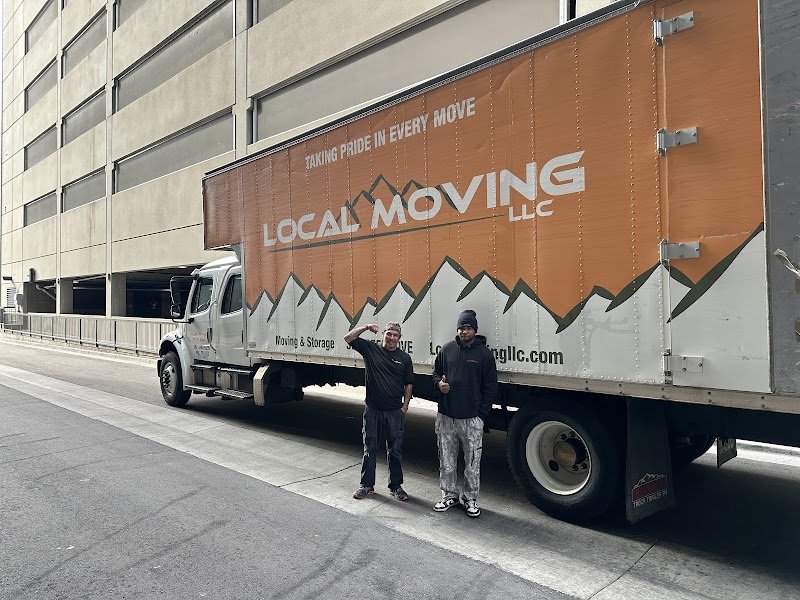
Local Moving
Denver, CO
★ 4.9 (189 reviews)
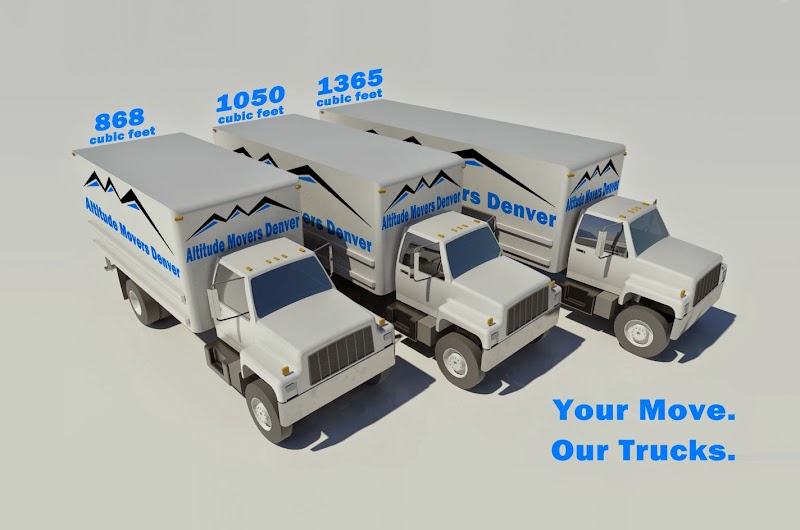
Altitude Movers Denver
Denver, CO
★ 2.9 (130 reviews)
303 Moving & Labor Solutions
Denver, CO
★ 5.0 (30 reviews)
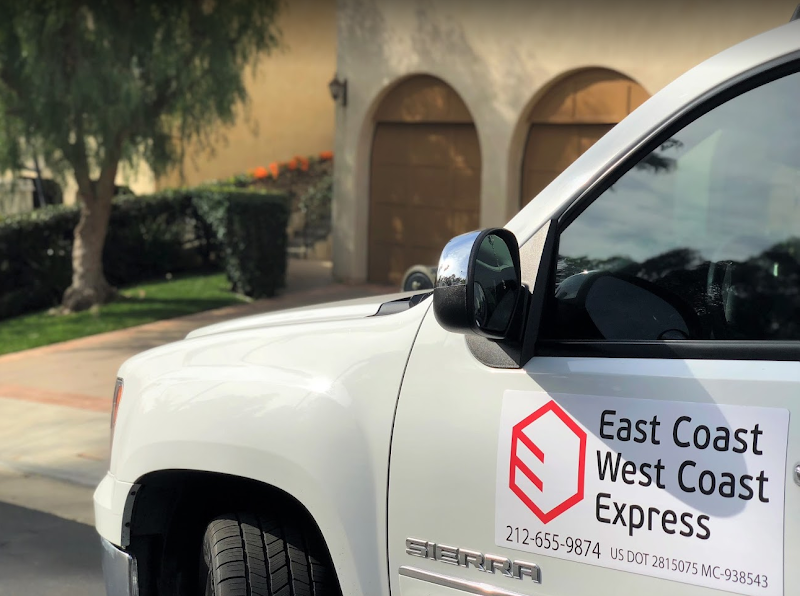
East Coast West Coast Express
Denver, CO
★ 5.0 (42 reviews)

Stallion Moving Services
Denver, CO
★ 3.5 (60 reviews)
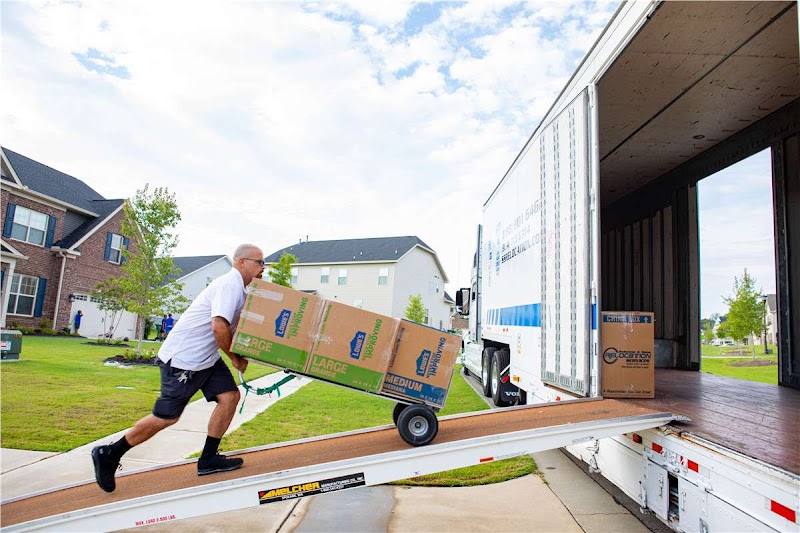
Black Hawk Moving
Denver, CO
★ 4.1 (217 reviews)
Denver Auto Shipping Group
Denver, CO
★ 4.8 (120 reviews)
Gate City Moving
Denver, CO
★ 4.8 (16 reviews)

Eden's Moving Services Inc.
Denver, CO
★ 3.9 (655 reviews)
2020 Storage
Denver, CO
★ 4.2 (47 reviews)
DieHard Movers Denver
Denver, CO
★ 2.8 (77 reviews)

DenCo Moving
Denver, CO
★ 4.0 (45 reviews)
All the Kings Men Moving & Storage
Denver, CO
★ 3.0 (4 reviews)
Movers near Denver
21 more movers within 50 miles of Denver.
Based in a neighboring town and serving Denver. Each one shows where it is based and how far that is, nearest first.

Unloading Services, Inc
Commerce City, CO · 6 miles away
★ 4.5 (77 reviews)
Cowboy Moving & Storage Inc Denver | Movers Englewood | Commercial Moving Littleton | Residential Movers Highlands Ranch
Englewood, CO · 8 miles away
★ 4.9 (2678 reviews)
Your Neighbors Moving & Storage LLC
Arvada, CO · 8 miles away
Denver Small Moves LLC
Arvada, CO · 9 miles away
★ 4.6 (509 reviews)
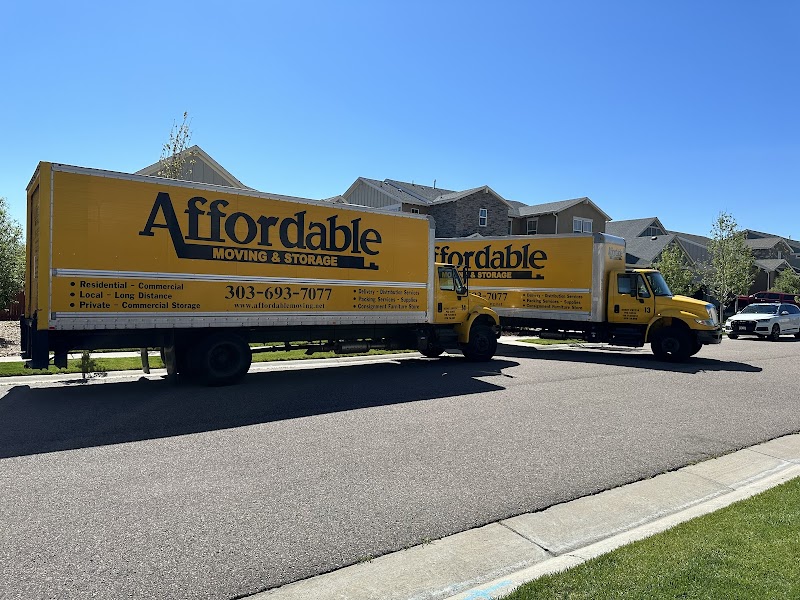
Affordable Moving & Storage
Littleton, CO · 12 miles away
★ 4.9 (647 reviews)
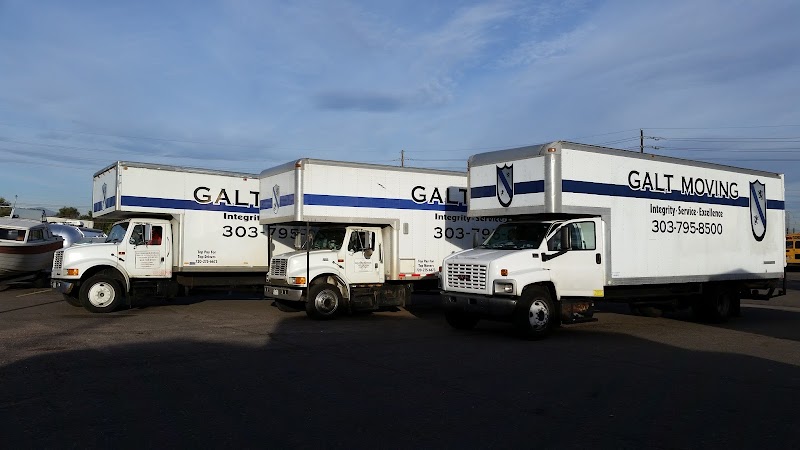
Galt Moving
Littleton, CO · 12 miles away
★ 4.8 (199 reviews)
Samurai Movers LLC
Broomfield, CO · 13 miles away

LeDoux Moving Solutions, LLC
Aurora, CO · 15 miles away
★ 4.1 (34 reviews)
OnOn Inc Moving & Storage LLC
Parker, CO · 19 miles away
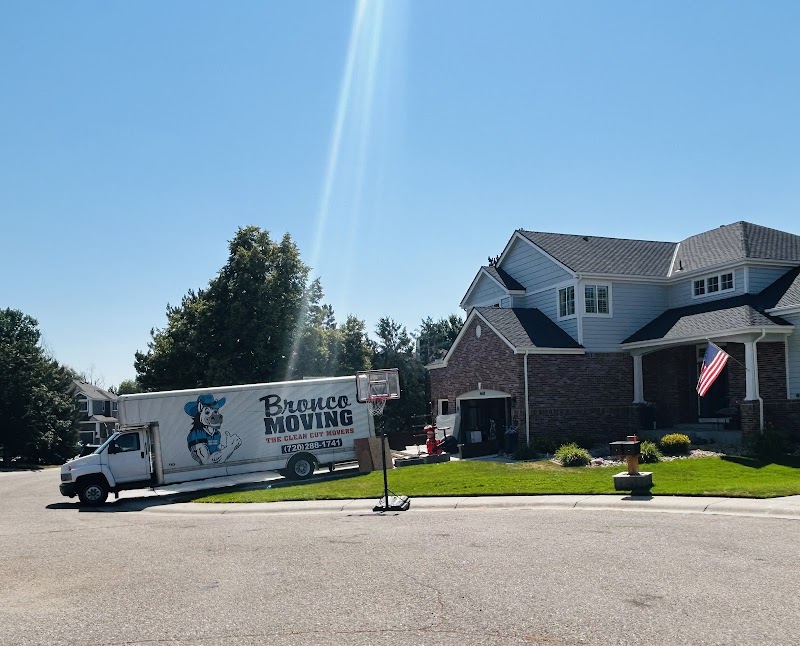
Bronco Moving
Parker, CO · 20 miles away
★ 4.9 (1688 reviews)
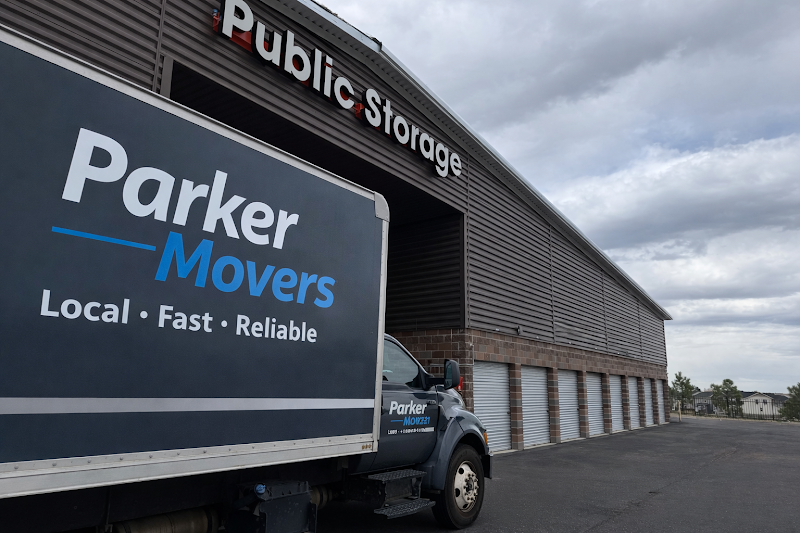
Parker Movers | Office Movers | Storage | Movers 80134| Professional Movers |
Parker, CO · 20 miles away
★ 4.1 (107 reviews)
American Moving & Storage
Boulder, CO · 25 miles away
Boulder All Star Movers
Boulder, CO · 25 miles away
Boulder Moving LLC
Boulder, CO · 25 miles away
The Moving Connection
Boulder, CO · 25 miles away
Move planner
Two quick steps. A personalized plan in 30 seconds.
Robert builds a Denver-specific timeline, estimated cost range, and 3-mover shortlist tailored to your job. No forms. No spam. No commitment.
Step 1 of 2
Tell us about your move.
Distance
Property type
Property size
Zip codes (optional — sharpens the cost estimate)
When are you hoping to move?
Cost calculator
Ballpark Denver moving costs by home size
These ranges reflect typical Denver market rates for a standard move with no major complications. Prices vary by distance, floor access, season, and specific neighborhoods. Use these as a planning baseline, not a firm quote.
| Home size | Local (under 50 mi) | Regional (50-500 mi) | Cross-country (500+ mi) |
|---|---|---|---|
| Studio / 1BR | $400–$750 | $950–$1,800 | $1,800–$3,200 |
| 2BR | $600–$1,200 | $1,500–$2,800 | $2,800–$4,800 |
| 3BR house | $900–$1,800 | $2,200–$4,000 | $4,000–$7,000 |
| 4BR+ house | $1,400–$2,800 | $3,200–$5,800 | $6,000–$11,000 |
Skip the guesswork
Get matched with professional Denver movers.
Robert, our moving concierge, lines up quotes from movers who actually serve your route — free, no obligation.
Local movers in Denver
Most local moving companies in Denver charge by the hour — expect a two-person crew with a truck to run roughly $100–$160 per hour, with many companies setting a two- or three-hour minimum. The single biggest variable on your final bill is almost always building access: Denver's dense mix of Capitol Hill walk-ups, RiNo loft buildings with freight-elevator windows, and older Washington Park bungalows with narrow driveways can add time (and cost) compared to a ground-floor suburban home.
What drives your local moving cost in Denver:
- Home size & crew needed — a studio or 1BR can move efficiently with two movers; a 3BR or larger often calls for three or four, which changes the hourly rate significantly
- Building access — flights of stairs, long carries from a parking spot, or a booked freight elevator all extend labor time
- Parking & permits — Denver requires moving-truck parking permits in several neighborhoods; securing one in advance (through Denver Public Works) avoids scrambling on move day and potential fines
- Time of month & season — end-of-month and summer weekends are peak demand; booking mid-month or mid-week can improve both availability and rate
- Packing services — full or partial packing adds hourly labor and materials on top of the base move rate
Denver's older residential neighborhoods — think Capitol Hill, Five Points, and the Highlands — often feature limited street parking and multi-story buildings without elevators. Confirming your building's elevator reservation window or requesting a "No Parking" sign from the city a week ahead are two of the most practical things you can do to keep your move on schedule and on budget. If you're landing in a newer development in LoDo or Union Station, ask your building manager about freight-elevator access hours before you book your crew.
When you're ready to compare options, browse movers in Denver to get matched with local crews who know these streets.
Neighborhood guide
Where you're moving in Denver shapes the entire job
Capitol Hill
Dense, historic, walkable urban core
Median 2BR rent: $1,450–$1,950/mo
Narrow streets, tight parking, and older apartment buildings with no elevators are standard here—crews should bring dollies rated for stair work and expect to request city parking holds in advance.
RiNo (River North Art District)
Trendy loft district, rapid redevelopment
Median 2BR rent: $1,800–$2,600/mo
A mix of converted warehouses and new construction means you may face a freight elevator in a modern building or a steep loading dock at an old industrial conversion—confirm access type before move day.
Washington Park (Wash Park)
Family-friendly, craftsman bungalows, park access
Median 2BR rent: $2,000–$3,200/mo
Residential streets are wide enough for a standard moving truck, but weekend park traffic around the lake creates serious bottlenecks on East and West Virginia Avenues—schedule early morning start times.
Highlands / West Highlands
Upscale bungalows, walkable retail strips
Median 2BR rent: $2,100–$3,000/mo
Many homes sit on sloped lots with front-porch stairs and no rear alley access, so long carry distances from truck to front door are common on steeper blocks near Zuni and Lowell.
Stapleton / Central Park
Planned community, newer construction, families
Median 2BR rent: $2,200–$3,500/mo
Grid streets and alleys make truck access generally easy, but HOA rules in many blocks restrict commercial vehicles to specific time windows—verify with your HOA before booking.
Cherry Creek
Affluent, upscale condos and single-family
Median 2BR rent: $2,400–$4,500/mo
High-rise and mid-rise condos are common here; building management typically requires certificate of insurance from the moving company and reserves a service elevator a week or more in advance.
Baker
Eclectic, Victorian, artsy South Broadway corridor
Median 2BR rent: $1,500–$2,100/mo
Broadway and Santa Fe are heavily trafficked commercial corridors; residential side streets are often narrow and parked-up, making a smaller moving truck or shuttle van worth considering for access.
Aurora (Fitzsimons / Stapleton East)
Diverse, suburban, growing medical hub
Median 2BR rent: $1,600–$2,400/mo
Aurora is enormous—nearly as large as Denver proper—so confirm exact address and submarket because drive times and access conditions vary dramatically across the city's north-south stretch.
Common routes
Where Denver movers go most often
Denver → Colorado Springs, CO
~70 mi south via I-25
$950–$1,800
One of the busiest intrastate corridors in Colorado, driven by military reassignments at Fort Carson and Peterson Space Force Base plus a steady flow of price-sensitive renters moving south from Denver's higher-cost market.
Denver → Fort Collins, CO
~65 mi north via I-25
$900–$1,700
Colorado State University drives student and faculty relocations, and the city draws remote workers priced out of Denver looking for a smaller-city lifestyle along the Front Range.
Denver → Dallas, TX
~800 mi south via US-287 / I-25
$3,200–$5,500
A top long-distance corridor as Texas-to-Colorado and Colorado-to-Texas flows stay consistently high; tech workers and energy-sector employees make this route year-round.
Denver → Phoenix, AZ
~600 mi southwest via I-25 / I-10
$2,400–$4,200
Retirement and lifestyle relocations drive significant outbound volume from Denver to Phoenix each fall, while younger residents moving to Denver from the Phoenix metro keep inbound loads common.
Denver → Chicago, IL
~1,000 mi east via I-76 / I-80
$3,000–$5,200
A well-traveled corridor for corporate relocations and remote-work reverse migrations; I-76 east to I-80 is the primary truck route across Nebraska into Illinois.
Denver → Salt Lake City, UT
~525 mi northwest via I-70 / I-15
$2,000–$3,600
Tech industry growth in Utah's Wasatch Front plus shared outdoor recreation culture create steady bidirectional moves; I-70 through the Rockies requires careful seasonal planning.
Honest prices beat estimates
Want an actual quote for your Denver move?
Tell Robert the basics and get matched in minutes.
Local figures
Denver in numbers.
What the homes are
DenverUnited States
- Detached houses
- 41% in Denver61% in United States
- Townhouses
- 9% in Denver6% in United States
- Buildings of 2 to 4 homes
- 5% in Denver8% in United States
- Buildings of 5 to 19 homes
- 13% in Denver9% in United States
- Buildings of 20 or more homes
- 32% in Denver10% in United States
Rent, home values and income
| Figure | Denver | Colorado | U.S. |
|---|---|---|---|
| Median monthly rent | $1,770 | $1,693 | $1,348 |
| Median home value | $586,700 | $502,200 | $303,400 |
| Median household income | $91,681 | $92,470 | $78,538 |
| Households that rent | 51% | 34% | 35% |
| Residents who moved in the past year | 20% | 17% | 13% |
Source: U.S. Census Bureau, American Community Survey 2019-2023 5-year estimates.
When to move
Denver's moving calendar is shaped by weather and demand
Jan
off
Lowest demand and lowest prices, but January brings Denver's coldest temperatures and a genuine risk of snowstorms on I-70 and local streets—budget moves are possible, but have a weather contingency plan.
Feb
off
Still the slow season with favorable pricing; February snowstorms in Denver can be intense and fast-moving, so watch forecasts closely in the week before your scheduled move.
Mar
shoulder
Demand starts building as the market activates; March is Denver's snowiest month on average, so moving in late March carries genuine weather risk despite the improving calendar.
Apr
shoulder
Activity picks up and prices move toward mid-range; late spring snowstorms are still possible through late April, but most days are manageable and crews are available with reasonable lead times.
May
shoulder
A solid month to move before peak pricing kicks in—weather is generally cooperative, snow risk drops sharply after mid-May, and mover availability is still good if you book 3–4 weeks out.
Jun
peak
Peak season begins; school-year endings and lease cycles converge, demand spikes, and top companies book out 4–6 weeks in advance—lock in your date early and expect peak pricing.
Jul
peak
The busiest month of the year for Denver movers; afternoon thunderstorms are a near-daily occurrence in July, so plan for an early morning start and have a rain contingency for outdoor items.
Aug
peak
University of Colorado, DU, and Metro State move-ins stack August demand heavily; movers near Capitol Hill and the Auraria campus area are particularly stretched in the first two weeks.
Sep
shoulder
Demand eases noticeably after Labor Day, pricing softens, and September weather in Denver is typically excellent—one of the best months to move if your schedule is flexible.
Oct
shoulder
Good availability and moderate pricing; early-season snowstorms occasionally arrive in October, but the window before the first significant snow is generally wide and the weather is pleasant.
Nov
off
Demand drops sharply after mid-October; Thanksgiving week is extremely slow but the holiday itself creates a short blackout window—movers are available and pricing is favorable.
Dec
off
Lowest demand and lowest rates of the year outside of peak holidays; winter weather is a genuine factor, and year-end movers should build in flexibility for weather delays on mountain corridors.
Permits + local rules
What Denver requires before moving day
Denver parking zone permits (RPP areas)
Much of Capitol Hill, Baker, Highlands, Curtis Park, and other central neighborhoods fall within Denver's Residential Parking Permit (RPP) zones. A moving truck parked in these zones without authorization can be ticketed or towed. The City and County of Denver's Department of Transportation and Infrastructure (DOTI) handles temporary no-parking permits for moves. Apply through DOTI's online portal or by phone. Give yourself at least 3–5 business days.
Permit typically $25–$50 per block-face per day; allow 3–5 business days
High-rise and condo building reservations
Denver's growing inventory of mid-rise and high-rise buildings in Cherry Creek, LoDo, Uptown, and the Platte Street corridor typically require movers to reserve the service elevator and submit a certificate of insurance (COI) naming the building association as an additional insured. Minimums are often $1,000,000 general liability. Some buildings also collect a refundable damage deposit from the resident. Contact building management at least 1–2 weeks before your move.
COI from mover required; damage deposit varies by building ($200–$500 typical); reserve 7–14 days out
HOA move-in/move-out rules (suburbs)
Communities in Stapleton/Central Park, Highlands Ranch, Southlands, and Meridian often have HOA-governed move policies restricting commercial truck hours (commonly 8 a.m.–6 p.m. weekdays only), requiring advance notice to the HOA, and sometimes mandating protective floor coverings in common areas. Fines for violations in well-managed HOAs can be $100–$300. Read your HOA rules and provide the mover with specific access windows before booking.
No permit fee typically; notify HOA 5–10 business days in advance
Oversized vehicle permits (I-70 mountain corridor)
If your move involves a semi-truck or large moving van crossing the I-70 mountain corridor to ski towns like Vail, Breckenridge, or Aspen, CDOT may require oversize/overweight permits, and traction and chain laws can be in effect from September 1 through May 31. Many moves to mountain communities use smaller straight trucks or shuttles specifically to comply with corridor restrictions. Confirm vehicle requirements with your mover before booking any mountain-destination move.
Oversize permits through CDOT: $15–$60+ depending on route and dimensions; seasonal chain requirements unpredictable
Aurora and Lakewood commercial access rules
Aurora and Lakewood are independent cities with their own parking enforcement. Aurora's older residential streets in the central core can be narrow, and the city actively enforces time-limited commercial parking. Lakewood has parking restrictions in Belmar-adjacent districts. Neither city requires a formal moving permit, but confirming with property management or the city's non-emergency parking line about large vehicle access on your specific street is worth the five-minute call.
No formal permit required in most cases; call city parking enforcement to confirm specific-street rules
About moving to Denver
What you should know before you book.
Denver is a fast-growing city of roughly 750,000 people anchored by the Rocky Mountain foothills to the west and the Great Plains to the east. It's the economic hub of Colorado and one of the most in-demand relocation destinations in the U.S., fueled by a strong tech and aerospace sector, outdoor recreation culture, and a comparatively lower cost of entry than coastal alternatives. Movers here deal with a genuinely unique set of conditions: rapid elevation change (the city sits at 5,280 feet), extreme weather swings in any season, and a dense core surrounded by sprawling suburbs with distinct HOA and parking cultures.
Altitude affects everything
At exactly one mile above sea level, Denver's thin air is noticeable to crews and equipment alike. Physical exertion is harder, and furniture with moisture-sensitive materials—solid wood, leather, certain upholstery—can crack or shrink in the arid, high-altitude climate. Experienced local movers plan for slower lift times and carry extra furniture wrap to compensate for extremely low humidity, especially in winter when indoor air can drop below 10% relative humidity.
A city of distinct neighborhoods
Denver's neighborhoods are unusually varied for a mid-sized city. You can move from a Victorian row house in Curtis Park to a glass-and-steel loft in RiNo in under two miles. The built environment changes fast—new construction is dense in the urban core while established bungalows dominate West Highland and Platt Park. Each area carries different logistics: parking, street width, loading access, and HOA rules vary block by block, so local mover knowledge is genuinely valuable.
Suburbs span four counties
The broader Denver metro stretches across Denver, Jefferson, Arapahoe, Adams, and Douglas counties. Cities like Aurora, Lakewood, Centennial, Westminster, and Thornton are full metro participants, not distant outliers. Many residents move between Denver proper and these suburbs without ever leaving the continuous urban fabric. Traffic on I-25, I-70, and C-470 varies significantly by time of day, and experienced Denver movers plan routes around rush-hour pinch points near the Tech Center and downtown interchanges.
Outdoor lifestyle shapes moving patterns
Denver residents tend to own more gear than similarly-sized households in other metros—skis, bikes, kayaks, camping equipment, climbing gear. Movers regularly encounter full gear rooms, bike fleets, and oversized seasonal storage. Many homes have dedicated ski and gear closets that require careful disassembly. Expect movers familiar with the market to ask about specialty items upfront, since gear-heavy households routinely add time and labor to otherwise standard jobs.
Denver moving FAQ
Common questions, locally-answered.
How far in advance should I book a Denver mover?
+
For June through August, book 4–6 weeks out minimum. Top-rated companies fill their weekend slots by early May for peak-season dates. In September through May, 2–3 weeks is usually enough for most moves, though mid-month end dates in any season go fast since many Denver leases expire on the 1st or last day of the month. If you're moving at month-end in summer, treat it like peak-of-peak demand.
What does a typical local Denver move cost?
+
A local move within the Denver metro is typically charged hourly. A studio or one-bedroom with two movers and a truck generally runs $400–$750 for a 3–5 hour job. A two-bedroom takes 4–7 hours at two or three movers and runs roughly $600–$1,200. A three-bedroom house usually needs 5–9 hours with three movers and costs $900–$1,800. These ranges reflect typical 2024 market rates and exclude specialty items, long carry distances, and stair fees.
Do Denver movers charge extra for stairs or elevators?
+
Most Denver movers charge a stair fee per flight beyond the first, typically $50–$100 per flight per direction. Elevator waits in high-rises also add time billed at the hourly rate. In Capitol Hill and Baker, where walk-up apartments are common, stair fees are essentially unavoidable. Always disclose your floor and stair situation upfront so the estimate is accurate—movers who discover multiple flights on arrival sometimes adjust the rate.
Is Denver a good city for hiring on a weekend?
+
Saturday is the single most requested move day in Denver—expect 10–20% higher hourly rates and less availability. Friday and Sunday are much better if your schedule allows. For intrastate or long-distance moves, mid-week pickups often get more predictable delivery windows. If you're flexible at all, Wednesday or Thursday is the sweet spot for both price and crew quality.
What neighborhoods in Denver are hardest for moving trucks?
+
Capitol Hill, Baker, and the older sections of Highland/LoHi are the most operationally challenging. Streets are narrow, on-street parking is dense, and alleys are often blocked. RiNo can be difficult around construction zones. Cherry Creek and LoDo condos require building elevator coordination. Stapleton, Highlands Ranch, and Centennial are generally the easiest—wide streets, alleys, and predictable driveways.
How does Denver's weather affect my move date?
+
Denver's weather is famously unpredictable. March is statistically the snowiest month, and storms can arrive through late April. Summer afternoons bring almost-daily thunderstorms July through August—start early to beat them. October can surprise with early-season snow. January and February have the coldest days. Most movers operate in all weather, but heavy snow affects truck access on unplowed residential streets and can delay long-distance trucks on I-70.
Can a standard 26-foot moving truck reach most Denver addresses?
+
In most Denver suburbs and newer construction neighborhoods, yes. In Capitol Hill, Baker, parts of Highland, and older sections of Park Hill, a 26-foot truck can struggle with parking and access. Many companies serving dense Denver neighborhoods use 20-foot trucks or cargo vans for these areas, sometimes requiring shuttle trips. For high-rises with underground loading docks, truck height matters—confirm clearance with your building before booking.
What should I know about moving to Denver from out of state?
+
Colorado requires all moving companies operating within the state to be registered with the Colorado Public Utilities Commission (PUC). For interstate moves, the carrier must also hold valid USDOT and MC authority. Ask any long-distance mover for their USDOT number and verify it before signing anything. Denver sees a large volume of fraudulent brokers during peak season—always confirm you're dealing with the actual carrier, not just a broker who will re-sell your load to an unlicensed crew.
Is there a Colorado PUC registration I should check for local movers?
+
Yes. The Colorado Public Utilities Commission licenses intrastate household goods carriers. You can search the PUC's carrier database online to confirm a local mover holds a valid Colorado permit. Licensed movers are required to provide a written estimate and carry minimum liability coverage. Using an unlicensed mover—which does happen in Denver's informal market—leaves you with little legal recourse if items are damaged or held hostage.
How much does it cost to move from Denver to Colorado Springs?
+
A two-bedroom move from Denver to Colorado Springs typically runs $900–$1,800, depending on truck size, labor count, and access conditions on both ends. This is a ~70-mile move on I-25, usually completed in 4–7 hours including drive time. Military-area movers near Fort Carson are accustomed to this corridor and sometimes offer more competitive rates due to volume. Get at least three written estimates since pricing on this route varies more than you'd expect.
Do I need moving insurance in Denver?
+
The basic 'released value' coverage included with most moves pays only $0.60 per pound per article—meaning a 50-pound flat-screen TV is covered for $30. In Denver's urban core, where narrow stairwells and tight doorways create actual damage risk, that's insufficient. Full-value protection through your mover or a third-party moving insurance policy is worth pricing out, especially for electronics, art, and antiques. Renters and homeowners insurance sometimes covers moves, so check your existing policy first.
What's the best way to handle a Denver move involving ski and outdoor gear?
+
Tell your mover upfront. Skis, bikes, kayaks, and climbing gear are common in Denver households but create actual packing and logistics challenges. Skis should be in bags or padded; bike pedals and handlebars should be removed for transport. Many Denver movers have experience with gear-heavy households and bring appropriate packing materials. For very high-value gear—custom bikes, race skis, expedition equipment—ask about specialty crating or consider transporting those items yourself.
Moving away from Denver?
Relocation guides from Denver.
Costs, distance, and what to expect for popular moves out of Denver.
Long distance movers in Denver→Nearby cities
Movers in cities close to Denver.
Commerce City, CO
about 6 miles away
Englewood, CO
about 8 miles away
Arvada, CO
about 9 miles away
Littleton, CO
about 12 miles away
Aurora, CO
about 15 miles away
Parker, CO
about 20 miles away
Boulder, CO
about 25 miles away
Elizabeth, CO
about 32 miles away
Browse moving companies in other Colorado cities, or explore the full directory by state.
Get your moving quote
Many ways to get a moving quote.
Chat, text, email, or call — whichever’s easiest. Tell Robert about your move and matching movers in your city reach out, usually within a few minutes.