Find movers near you
Movers in Pittsburgh.
Compare top-rated local and long-distance movers — and let Robert do the comparison for you.
Get Your Quote→Pennsylvania
Moving companies in Pittsburgh, PA.
Pittsburgh's topography — steep hillside neighborhoods, narrow bridges, and 90 sets of public steps — makes local moving genuinely tricky. Whether you're settling into Lawrenceville, crossing the river to the South Side, or heading out along I-376, matching with movers who know Pittsburgh's quirks saves serious money and headaches.
Robert
Online·Call for a quote
Hi — I'm Robert, and I'll help you find the right movers. Where are you moving from, and where are you headed? Prefer a live representative? Just say the word and I'll connect you, or use the call button for a quote anytime.
By chatting with Robert, you agree we may share your move details with movers in your origin city so they can contact you with a quote. We never sell or share your info outside this network. Privacy Policy.
Top movers in Pittsburgh
Pittsburgh movers worth a look.
A few of Pittsburgh’s top movers. Want a tailored recommendation? Use the Get quotes form below.
All Pittsburgh movers
33 movers serving Pittsburgh.
Kissel Moving & Storage
Pittsburgh, PA
Expert Movers
Pittsburgh, PA
★ 5.0 (6 reviews)

Steel City Movers LLC
Pittsburgh, PA
Moving Kings PA
Pittsburgh, PA
★ 4.7 (152 reviews)
The Moving Firm
Pittsburgh, PA
★ 4.5 (8 reviews)
Stokes Moving & Storage LLC
Pittsburgh, PA
★ 4.7 (152 reviews)

Westmoreland Movers LLC
Pittsburgh, PA
★ 4.3 (69 reviews)
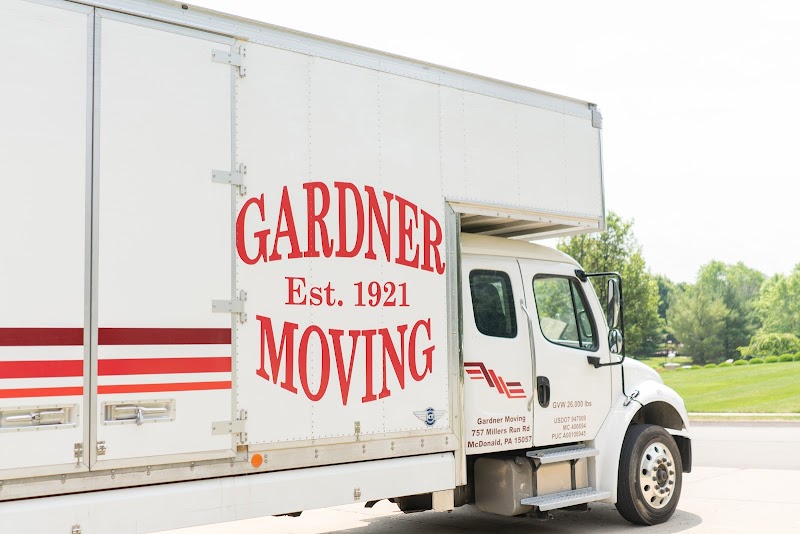
Gardner Moving & Secure Storage
Pittsburgh, PA
★ 4.6 (104 reviews)
Champion Movers
Pittsburgh, PA
★ 5.0 (6 reviews)
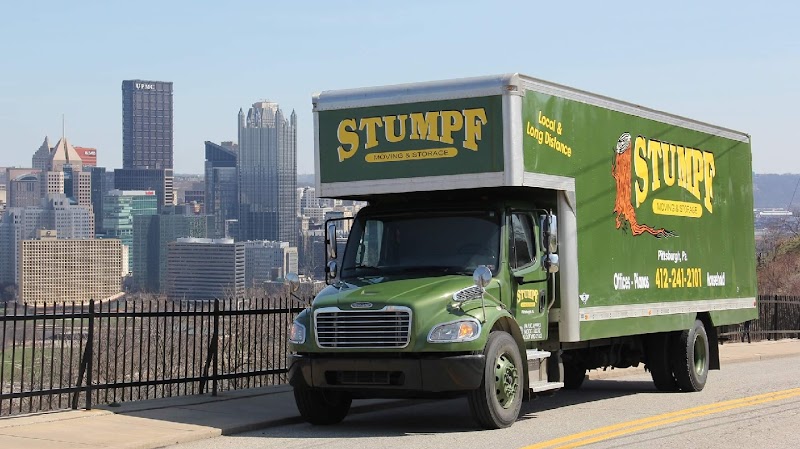
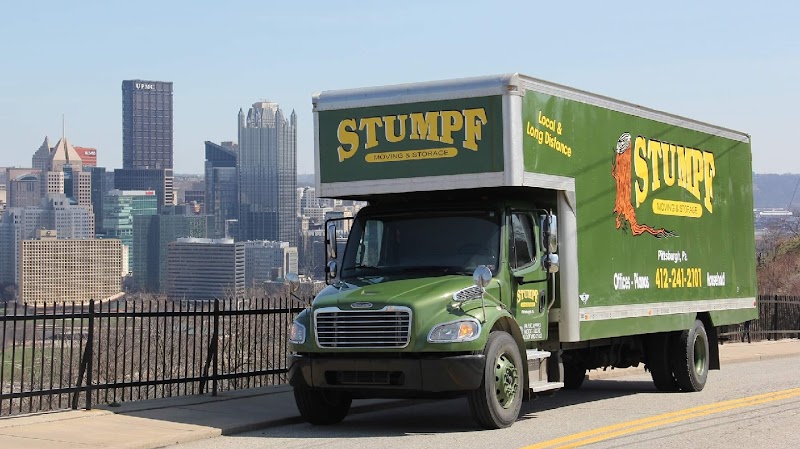
Stumpf Moving & Storage
Pittsburgh, PA
★ 4.7 (152 reviews)

James Moving Company
Pittsburgh, PA
★ 5.0 (3 reviews)
Priority movers
Pittsburgh, PA
★ 4.7 (12 reviews)

Hustle Man Movers
Pittsburgh, PA
★ 4.1 (46 reviews)
Calypso Moving
Pittsburgh, PA
★ 4.2 (43 reviews)

First Class Movers
Pittsburgh, PA
★ 5.0 (9 reviews)
Movers near Pittsburgh
4 more movers within 50 miles of Pittsburgh.
Based in a neighboring town and serving Pittsburgh. Each one shows where it is based and how far that is, nearest first.
Move planner
Two quick steps. A personalized plan in 30 seconds.
Robert builds a Pittsburgh-specific timeline, estimated cost range, and 3-mover shortlist tailored to your job. No forms. No spam. No commitment.
Step 1 of 2
Tell us about your move.
Distance
Property type
Property size
Zip codes (optional — sharpens the cost estimate)
When are you hoping to move?
Cost calculator
Realistic Pittsburgh moving cost ranges by home size
These ranges reflect typical Pittsburgh market rates for full-service moves with a professional crew. Local moves are within Allegheny County. Regional covers moves within roughly 100–200 miles. Long-distance covers 300+ miles. Stairs, long carries, and elevator waits add to local times.
| Home size | Local (under 50 mi) | Regional (50-500 mi) | Cross-country (500+ mi) |
|---|---|---|---|
| Studio / 1BR | $350–$600 | $900–$1,800 | $1,600–$3,200 |
| 2BR | $500–$950 | $1,400–$2,800 | $2,500–$4,500 |
| 3BR house | $800–$1,500 | $2,200–$4,000 | $3,800–$6,500 |
| 4BR+ house | $1,200–$2,200 | $3,200–$5,500 | $5,500–$10,000 |
Skip the guesswork
Get matched with professional Pittsburgh movers.
Robert, our moving concierge, lines up quotes from movers who actually serve your route — free, no obligation.
Local movers in Pittsburgh
Local moving in Pittsburgh is priced hourly — you're paying for the crew and truck together, with most companies setting a 2–3 hour minimum and rates that commonly run $100–$200 per hour depending on crew size and truck capacity. The single biggest variable on a Pittsburgh bill is building access: the city's famously hilly terrain, tight row-house streets, and abundance of multi-story homes with long stairwells mean movers often spend significantly more time than they would in a flat, suburban setting.
What drives local moving costs in Pittsburgh:
- Home size and crew needed — a studio may move comfortably with 2 movers; a 3-bedroom typically calls for 3–4
- Stairs, walk-ups, and long carries — extra flights or a long haul from truck to door add time directly to your hourly bill
- Parking and street access — narrow, one-way streets in neighborhoods like South Side Slopes, Mount Washington, or Lawrenceville can require a parking hold or extra shuttle time
- Time of month and week — end-of-month and weekend slots book fastest and may carry a premium; mid-week, mid-month moves are often easier to schedule
- Packing services — adding full or partial packing by the crew is billed at the same hourly rate and can meaningfully extend the job
Pittsburgh's hillside neighborhoods are some of the most charming — and most challenging — in any mid-sized American city. If you're moving into or out of areas with steep access roads or older walk-up buildings (think Beechview, Troy Hill, or the South Side Slopes), it's worth asking movers up front whether they charge a stair or long-carry fee, and confirming whether you need to request a temporary no-parking zone from the City of Pittsburgh's Department of Mobility and Infrastructure ahead of move day.
When you're ready to compare options, movers in Pittsburgh on Majestic Moving Companies lets you find and connect with local crews who know the neighborhoods well.
Neighborhood guide
Where you're landing shapes how you move
Lawrenceville
Trendy, dense row houses, narrow streets
Median 2BR rent: ~$1,650/mo
Butler Street parking is heavily restricted; a No Parking zone permit from the city is essential, and most moves here require carrying through narrow alley-level back doors.
Squirrel Hill
Established, family-friendly, walkable Jewish cultural hub
Median 2BR rent: ~$1,550/mo
Murray and Forbes Avenues see heavy bus traffic; schedule loading windows before 9 a.m. or after 6 p.m. to avoid gridlock, and note that many apartment buildings on Darlington Road have no freight elevator.
South Side Flats
Lively, riverfront, weekend nightlife corridor
Median 2BR rent: ~$1,450/mo
E. Carson Street is narrow and congested; weekend moves are particularly difficult due to bar-district foot traffic — weekday morning moves are strongly preferred by local crews.
Mt. Washington
Panoramic views, steep inclines, quiet residential
Median 2BR rent: ~$1,350/mo
Grandview Avenue lots are tight, and many homes sit below or above grade requiring stair carries of 20–40 steps; confirm whether your mover charges stair fees, and budget extra time.
Oakland
University district, dense, high student turnover
Median 2BR rent: ~$1,500/mo
Parking enforcement is aggressive near Pitt and CMU; a city parking meter hood or temporary No Parking permit is non-negotiable, and August move-ins require booking 6–8 weeks ahead.
Shadyside
Upscale, tree-lined, boutique retail corridor
Median 2BR rent: ~$1,800/mo
Ellsworth and Walnut Street parking is metered and watched; many Shadyside apartment buildings have service elevators that require advance scheduling with building management.
North Side / Mexican War Streets
Historic Victorian row houses, arts community
Median 2BR rent: ~$1,200/mo
Mexican War Streets row houses have characteristically narrow hallways and tight stairwells — confirm furniture dimensions before move day, and plan for carry-in through front steps.
Strip District
Warehouse conversions, market culture, dense loft living
Median 2BR rent: ~$1,900/mo
Penn Avenue loading zones near market vendors are blocked early Saturday mornings; newer condo buildings on the waterfront typically have loading docks but require advance reservation.
Common routes
Where Pittsburgh movers most often go
Pittsburgh → Philadelphia, PA
~305 mi east
$2,800–$4,500
The state's two largest cities generate constant two-way migration; the Pennsylvania Turnpike (I-76) east is the primary route, and this corridor is heavily trafficked by college students and healthcare professionals relocating between Penn and CMU.
Pittsburgh → Cleveland, OH
~130 mi west
$1,400–$2,600
Pittsburgh and Cleveland share strong economic and family ties, and I-76/I-80 west makes this a straightforward single-day regional move frequently handled by local Pittsburgh crews.
Pittsburgh → Washington, D.C.
~245 mi southeast
$2,400–$4,000
Federal government, policy, and tech jobs draw a consistent stream of Pittsburgh-area residents to the D.C. metro via I-70 east connecting to I-270; government contractor relocations are common.
Pittsburgh → Columbus, OH
~185 mi west
$1,800–$3,200
Columbus's growing tech and healthcare sectors attract Pittsburgh graduates and young professionals; I-70 west is the direct corridor and truck-rental rates for this route are competitive.
Pittsburgh → New York City, NY
~370 mi east
$3,200–$5,500
Finance, media, and tech recruitment pulls Pittsburgh talent to NYC regularly; the Pennsylvania Turnpike to I-78 east is the standard route, and this is one of Pittsburgh's highest-volume long-haul lanes.
Pittsburgh → Charlotte, NC
~540 mi south
$3,800–$6,000
Charlotte's banking and corporate growth has made it a frequent destination for Pittsburgh transplants; I-79 south to I-77 is the primary corridor through West Virginia and Virginia.
Honest prices beat estimates
Want an actual quote for your Pittsburgh move?
Tell Robert the basics and get matched in minutes.
Local figures
Pittsburgh in numbers.
What the homes are
PittsburghUnited States
- Detached houses
- 44% in Pittsburgh61% in United States
- Townhouses
- 14% in Pittsburgh6% in United States
- Buildings of 2 to 4 homes
- 15% in Pittsburgh8% in United States
- Buildings of 5 to 19 homes
- 10% in Pittsburgh9% in United States
- Buildings of 20 or more homes
- 17% in Pittsburgh10% in United States
Rent, home values and income
| Figure | Pittsburgh | Pennsylvania | U.S. |
|---|---|---|---|
| Median monthly rent | $1,221 | $1,162 | $1,348 |
| Median home value | $193,200 | $240,500 | $303,400 |
| Median household income | $64,137 | $76,081 | $78,538 |
| Households that rent | 53% | 31% | 35% |
| Residents who moved in the past year | 21% | 11% | 13% |
Source: U.S. Census Bureau, American Community Survey 2019-2023 5-year estimates.
When to move
Pittsburgh's moving calendar, month by month
Jan
off
Ice, snow, and steep Pittsburgh grades create genuine safety issues; rates are at their lowest but weather risk is highest.
Feb
off
Continued winter conditions; moving crews are available and prices soft, but expect slower truck travel on hilly residential streets.
Mar
off
Late winter thaw begins but freeze-thaw cycles make steep driveways and steps unpredictable; still a slow-demand window.
Apr
shoulder
Weather improves noticeably; demand starts picking up as spring semester winds down, but availability is still good.
May
peak
CMU and Pitt graduation triggers a wave of student and faculty moves — book at least 4–6 weeks out for Oakland and East End moves.
Jun
peak
Strong demand across all neighborhoods; rates climb and crew availability tightens, especially on weekends.
Jul
peak
Hottest and busiest month; stair carries in humid weather slow crews down — expect longer job times and book early.
Aug
peak
University move-in season creates the year's tightest availability window; Oakland and Squirrel Hill movers booked 6–8 weeks out is common.
Sep
shoulder
Demand drops sharply after Labor Day; pleasant temperatures and good availability make this one of the best value months.
Oct
shoulder
Comfortable moving weather, moderate demand; a good window before winter pricing changes and before holiday scheduling complications.
Nov
off
Demand falls significantly; rates drop but weather becomes less reliable and early snowfalls are possible on Pittsburgh's elevated neighborhoods.
Dec
off
Holiday timing and winter weather combine to reduce both supply and demand; last-resort moves only, and confirm weather contingency policies with your mover.
Permits + local rules
Pittsburgh parking and moving logistics you need to know
City of Pittsburgh Temporary No Parking Permit
Required whenever a moving truck needs to hold a metered or street parking space in front of a Pittsburgh address. Applications go through the City of Pittsburgh Department of Public Works. Submit at least five business days before your move. The permit is posted on the affected meters or signs; enforcement officers will ticket trucks parked without one, which can run $50–$100 per violation.
Permit ~$30–$50 per block face, 5 business days
Residential Parking Zone Considerations
Many Pittsburgh neighborhoods — Squirrel Hill, Shadyside, Oakland, Bloomfield — have zoned residential parking programs. Moving trucks that overstay without a temporary permit will be ticketed. The Pittsburgh Parking Authority handles residential zone exemptions; contact them directly for the specific zone your new address falls in, as rules vary by neighborhood district.
Contact Pittsburgh Parking Authority; no standard fee, 3–5 days processing
Elevator and Loading Dock Reservations
Most mid-rise and high-rise apartment buildings in Oakland, the Strip District, and the North Shore require tenants to reserve the service elevator or loading dock with building management before moving day. Failure to book in advance can delay your move by hours if another resident has the elevator locked out. Confirm reservation requirements directly with your building manager at least two weeks ahead.
Typically free or $50–$150 refundable deposit; 2 weeks lead time recommended
Oversize Vehicle Routing — Bridges and Tunnels
Pittsburgh's bridge and tunnel network has specific height and weight restrictions. The Fort Pitt and Liberty tunnels, for example, post clearance limits. Large moving trucks (26-foot box trucks or semi-trailers) may need to use alternate routes through specific river crossings. Confirm with your mover that they know restricted routes, particularly if your move involves the South Hills or Mt. Washington.
No permit cost for standard routes; oversized loads require PennDOT permits, 5–10 days
Historic District Rules — Mexican War Streets and Deutschtown
Properties within Pittsburgh's historic districts may have additional restrictions on large truck access and temporary signage. Mexican War Streets (part of the Allegheny West Historic District) and parts of Deutschtown have narrow streets where trucks over a certain length cannot safely maneuver. Confirm street dimensions with your mover and check whether your address triggers any local historic district overlay requirements.
No direct permit cost; check with City Planning if structural alterations are involved
About moving to Pittsburgh
What you should know before you book.
Pittsburgh sits at the confluence of the Allegheny, Monongahela, and Ohio rivers, divided by those waterways into dozens of distinct neighborhoods connected by more than 400 bridges — more per capita than any other U.S. city. The city has reinvented itself from steel capital to a hub for healthcare, robotics, and higher education anchored by Carnegie Mellon University and the University of Pittsburgh. That transformation drives a steady inflow of tech workers, graduate students, and healthcare professionals, while the relatively affordable housing stock and genuine neighborhood character keep long-term residents from leaving.
Three Rivers, 90 Sets of Steps
Pittsburgh's hilly terrain produced a street grid that simply doesn't behave like a flat-city grid. Many residential streets dead-end at stairs, alleys run behind row houses, and some South Side Slopes addresses are reachable only on foot. Movers who haven't worked the city's inclines routinely underestimate carry distances, which drives up hourly time and cost.
Blue-Collar Roots, Tech-Economy Present
Former mill towns ringing the city — Homestead, Braddock, McKeesport — are seeing cautious reinvestment, while Oakland and the Strip District have become dense with university and tech-sector employees. This dual identity means you'll find everything from $700/mo row-house rentals in Hazelwood to $3,000+/mo condos in the North Shore, often within a few miles of each other.
Weather Moves the Calendar
Pittsburgh averages around 160 cloudy days per year and meaningful snowfall from December through March. Ice and steep grades are a genuine safety and logistics issue, not just an inconvenience. Late spring through early fall is when the city's moving market tightens significantly, especially around university calendars in May and late August.
Strong Neighborhood Identity
Pittsburghers identify fiercely with their specific neighborhood — Squirrel Hill, Shadyside, Polish Hill, Mt. Washington — not just "Pittsburgh." Each has its own parking politics, alley norms, and local building stock. Knowing which neighborhood you're moving into matters enormously for planning parking restrictions, elevator reservations, and stair-carry logistics.
Pittsburgh moving FAQ
Common questions, locally-answered.
How much does a local move within Pittsburgh typically cost?
+
For a standard local Pittsburgh move within the city limits, expect to pay roughly $350–$600 for a studio or 1BR, $500–$900 for a 2BR, and $800–$1,400 for a 3BR house, based on typical hourly rates of $100–$160 for a two-person crew with a truck. Stair carries, long walk distances from street to door (very common on Pittsburgh's hills), and elevator waits all add time and cost. Get an in-home or video estimate for any move involving significant stairs or difficult access.
Why do Pittsburgh movers charge more for stair carries?
+
Many Pittsburgh homes — particularly on the South Side Slopes, Mt. Washington, Polish Hill, and Beechview — require hauling furniture up or down 20 to 50 or more steps just to reach the front door, before any interior stairs. Most movers in the Pittsburgh market charge a stair fee (typically $50–$75 per flight above the first) or factor in extra labor hours. Always confirm whether your mover's quote includes stair fees, and count the flights before you commit to a price.
When should I book a Pittsburgh mover for an August move?
+
Book 6–8 weeks ahead for any August move in Pittsburgh, especially in Oakland, Squirrel Hill, or Shadyside. The University of Pittsburgh and Carnegie Mellon University both have major move-in windows in mid-to-late August, which floods the market with demand. Waiting until three or four weeks out often means either no availability on your preferred date or settling for a less experienced crew. Weekdays in August book nearly as fast as weekends.
Do I need a parking permit for my moving truck in Pittsburgh?
+
Yes, for most Pittsburgh moves you'll want a Temporary No Parking permit from the City of Pittsburgh Department of Public Works. This is especially critical in dense neighborhoods like Lawrenceville, South Side, Bloomfield, and Oakland, where parking enforcement is active and meters are watched closely. Apply at least five business days before your move. Many experienced Pittsburgh movers will help coordinate or even file this permit on your behalf — ask upfront whether that service is included.
What are the best neighborhoods in Pittsburgh for young professionals?
+
Lawrenceville (Lower and Upper) is the current hub for young professionals in tech and the arts, with Butler Street's restaurants and walkability. The Strip District attracts similar demographics with newer loft-style buildings. Shadyside appeals to healthcare and university workers who want walkability with quieter streets. South Side Flats is popular for nightlife proximity. All of these neighborhoods have seen rent increases over the past decade but remain affordable compared to East Coast equivalents.
How does Pittsburgh traffic affect moving day timing?
+
Pittsburgh's bridge-dependent street grid creates predictable bottlenecks. The Fort Pitt Bridge (I-376), the Birmingham Bridge between Oakland and the South Side, and the 40th Street Bridge between Lawrenceville and the North Side all back up during rush hours (7–9 a.m. and 4–6:30 p.m.). For moves involving cross-river routes, start before 8 a.m. or plan the heavy-load leg midday. Avoid the Liberty Tunnel corridor during any Pirates or Steelers home game.
Are there moving companies that specialize in Pittsburgh's hilly neighborhoods?
+
Yes, and it matters that you hire one. Pittsburgh-based moving companies — particularly those that have operated in the city for more than five years — have crews trained to carry on Pittsburgh's steps-only streets, know how to load trucks on steep grades, and understand local parking norms. Ask any mover you're considering how many moves they've done in your specific neighborhood and whether their crew has handled step-access-only properties. Verified reviews mentioning specific Pittsburgh neighborhoods are a useful filter.
How much does a long-distance move from Pittsburgh to New York City cost?
+
A Pittsburgh-to-NYC move for a 2BR apartment typically runs $3,200–$5,500 depending on total weight, floor access at both ends, and whether you use a full-service mover or a container/hybrid service. The roughly 370-mile route via the Pennsylvania Turnpike (I-76) east to I-78 is straightforward, but NYC delivery adds complexity: COI (certificate of insurance) requirements from many Manhattan and Brooklyn buildings, elevator reservations, and limited truck staging. Confirm early whether your mover handles NYC building requirements.
What is the cost of living difference between Pittsburgh and Philadelphia?
+
Pittsburgh is modestly more affordable than Philadelphia, particularly for housing. A 2BR apartment that runs $2,200/mo in Center City Philadelphia typically rents for $1,500–$1,700/mo in comparable Pittsburgh neighborhoods like Shadyside or Lawrenceville. Grocery and utility costs are broadly similar between the two cities. Commuter costs differ significantly because Pittsburgh has a less extensive transit network, so car ownership is more common and factors into total cost of living.
What should I know about moving into a Pittsburgh row house?
+
Pittsburgh row houses — prevalent in Lawrenceville, Bloomfield, Polish Hill, and the South Side — typically have narrow front doors (sometimes 28–32 inches wide), tight interior stairwells, and no dedicated off-street truck access. Measure large furniture (sofas, bed frames, dressers) before move day and confirm dimensions fit through your specific doorway. Many movers will disassemble and reassemble furniture as part of their service, but confirm this is included. Back alleys exist behind many row houses and can provide better truck staging than the street.
Is Pittsburgh a good city to move to for remote workers?
+
Pittsburgh has become increasingly popular with remote workers, primarily because of its relatively low cost of housing, genuinely walkable neighborhoods, and strong restaurant and arts scene. Internet infrastructure is solid in most neighborhoods, with fiber options available through multiple providers in East End and North Side areas. The airport (Pittsburgh International, PIT) offers decent connectivity for workers who travel periodically. The main trade-off is that flight options are more limited than in hub cities, and winters are genuinely gray.
How do I move heavy furniture out of a Pittsburgh home with an inclined street?
+
On Pittsburgh's steeper streets — Grand View Avenue on Mt. Washington, Holt Street on the South Side Slopes, or streets in Beechview — trucks sometimes cannot park directly in front of the property. Movers experienced in these areas typically use appliance dollies with wheel locks, take extra precautions with piano boards on inclines, and may bring a four-person crew instead of two for safety on steep grades. If your property is on a steep incline, disclose this clearly when requesting quotes, as it affects both pricing and crew size.
Moving away from Pittsburgh?
Long-distance moves out of Pittsburgh.
What an interstate move from Pittsburgh costs and how to choose a licensed mover.
Long distance movers in Pittsburgh→Nearby cities
Movers in cities close to Pittsburgh.
Browse moving companies in other Pennsylvania cities, or explore the full directory by state.
Get your moving quote
Many ways to get a moving quote.
Chat, text, email, or call — whichever’s easiest. Tell Robert about your move and matching movers in your city reach out, usually within a few minutes.