Find movers near you
Movers across Pennsylvania.
Compare top-rated local and long-distance movers — and let Robert do the comparison for you.
Get Your Quote→Pennsylvania · PA
Moving companies in Pennsylvania.
241 movers across 38 cities in Pennsylvania — local, long-distance, and specialty handling. Compare listings, get transparent quotes, and use our honest cost guide before you book.
Robert
Online·Call for a quote
Hi — I'm Robert, and I'll help you find the right movers. Where are you moving from, and where are you headed? Prefer a live representative? Just say the word and I'll connect you, or use the call button for a quote anytime.
By chatting with Robert, you agree we may share your move details with movers in your origin city so they can contact you with a quote. We never sell or share your info outside this network. Privacy Policy.
Top movers in Pennsylvania
Pennsylvania movers worth a look.
A few of the top movers statewide. Want a tailored recommendation? Chat with Robert above.


All movers
Every mover in Pennsylvania.
Sorted by best match. Click any card for the full profile and contact details.
Ace Moving & Storage Corp
Harrisburg, PA
★ 4.0 (1 reviews)
moving creations inc
Philadelphia, PA
Aaa Moving & Storage
East Stroudsburg, PA
★ 1.0 (1 reviews)
Matheson Transfer Moving
Scranton, PA
Maxwell Moving
Allentown, PA
★ 3.2 (6 reviews)

A Safe Way Moving
Philadelphia, PA
★ 5.0 (1 reviews)
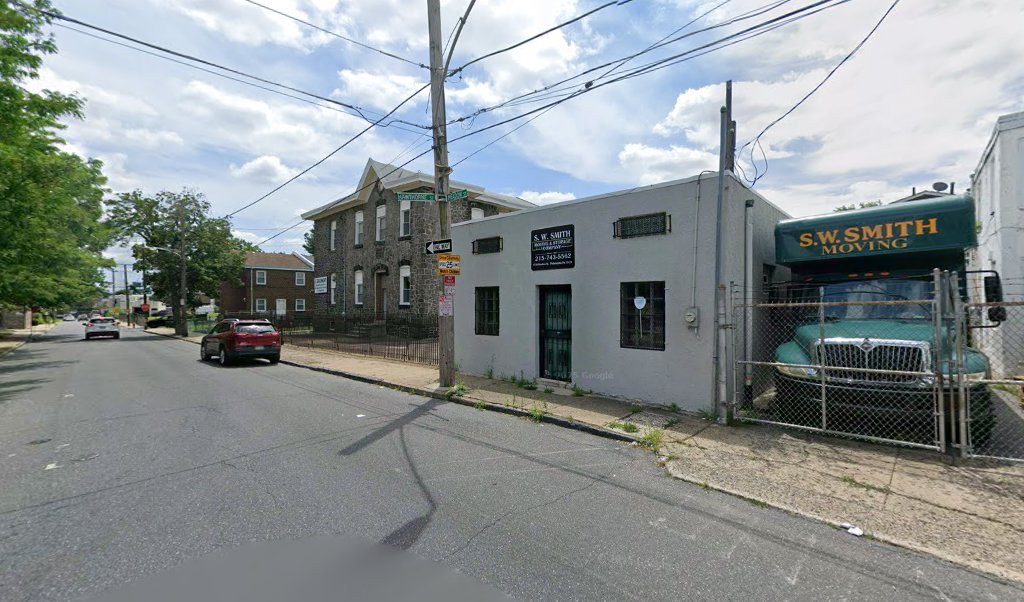
S W Smith Moving & Hauling Co.
Philadelphia, PA
★ 5.0 (1 reviews)
Prestige Movers
Philadelphia, PA
★ 1.9 (9 reviews)
Advanced Moving & Installation
Harrisburg, PA
★ 5.0 (1 reviews)
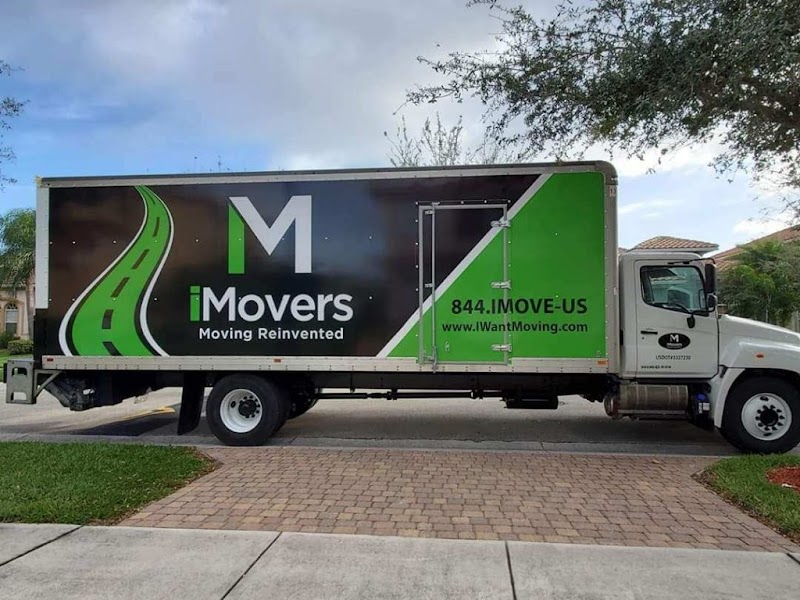
iMovers LLC
York, PA
★ 5.0 (20 reviews)
Steel City Movers LLC
Pittsburgh, PA

People Movers
Harrisburg, PA

Practical Movers
Philadelphia, PA
★ 3.5 (2 reviews)
A-1 Moving
Johnstown, PA
★ 3.0 (2 reviews)
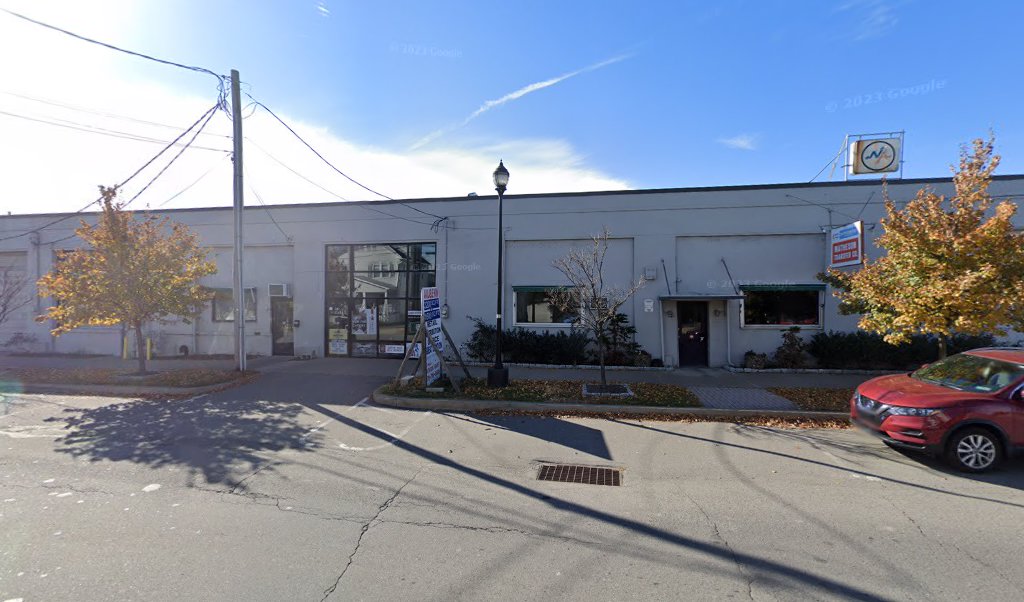
Hinchey Moving & Storage
Scranton, PA
Cities in Pennsylvania
Jump to movers in your city.
38 Pennsylvania cities have moving companies listed.
Philadelphia
103 movers listed
Pittsburgh
33 movers listed
York
13 movers listed
Allentown
11 movers listed
Scranton
10 movers listed
Lancaster
9 movers listed
Reading
9 movers listed
Harrisburg
8 movers listed
Altoona
5 movers listed
Erie
4 movers listed
State College
4 movers listed
East Stroudsburg
2 movers listed
Easton
2 movers listed
Lebanon
2 movers listed
Lock Haven
2 movers listed
West Mifflin
2 movers listed
Bensalem
1 mover listed
Blandon
1 mover listed
Bridgeport
1 mover listed
Chambersburg
1 mover listed
Clifford
1 mover listed
Conshohocken
1 mover listed
Croydon
1 mover listed
Darragh
1 mover listed
Gettysburg
1 mover listed
Glenside
1 mover listed
Hatfield
1 mover listed
Havertown
1 mover listed
Hellertown
1 mover listed
Indiana
1 mover listed
Johnstown
1 mover listed
Lehighton
1 mover listed
Mount Joy
1 mover listed
Punxsutawney
1 mover listed
Taylor
1 mover listed
Thomasville
1 mover listed
Waverly
1 mover listed
Williamsport
1 mover listed
About moving in Pennsylvania
What shapes a Pennsylvania move.
Pennsylvania consistently ranks among the top states for both inbound and outbound migration. Philadelphia draws young professionals, healthcare workers, and students, while Pittsburgh has reinvented itself as a tech and healthcare hub attracting out-of-state talent. Meanwhile, many longtime residents relocate to the Sunbelt for retirement or lower taxes. The state's geography — from the flat farmland of Lancaster County to the Allegheny Mountains dividing east from west — creates genuinely different moving conditions depending on where you're headed. Seasonal timing, parking permits in dense urban cores, and narrow rural roads all factor into planning a successful Pennsylvania move.
Urban density and parking challenges
Philadelphia and Pittsburgh both require advance planning for truck parking. Philadelphia's grid streets often require a Certificate of Insurance from your mover and a city parking authority permit for the loading zone. Pittsburgh's hillside neighborhoods like Mt. Washington and Lawrenceville add elevation and tight access to the equation. Budget extra time and confirm permit requirements with your mover well before move day.
Strong college-town moving season
Pennsylvania hosts major universities including Penn State (State College), Temple, Pitt, Drexel, and Villanova. This creates intense demand for movers each August and early September, and again in May. Booking movers 6–10 weeks in advance is strongly advised during these windows. Prices for local moves in college corridors can spike 20–30% at peak season compared to off-peak months like October through April.
East–West divide shapes logistics
The Appalachian mountain ridges running through central Pennsylvania create a genuine logistical split. Movers serving Philadelphia typically operate out of the I-95 and I-76 corridors, while Pittsburgh-area movers use I-376, I-79, and I-70. Cross-state moves from Philadelphia to Pittsburgh (roughly 305 miles) often cost more than a comparable-distance move on flat terrain, due to mountain driving and longer transit times.
Four-season weather affects scheduling
Pennsylvania winters bring significant snowfall to the northern tier and the Poconos, and ice is a recurring issue statewide from December through March. Summer thunderstorms are common June through August. Spring and fall offer the most reliable moving weather, though fall foliage season (October) draws heavy tourist traffic on rural routes. Plan moves during midweek in spring or early fall for the best combination of mild weather and lower demand.
Anywhere in the state
Find a mover anywhere in Pennsylvania.
Tell Robert where you're headed and get matched with professional local + long-distance movers — free.
Cost of living
Cost of living across Pennsylvania metros
Pennsylvania's cost of living varies significantly by region. Philadelphia carries prices closer to other major Northeast cities, while Pittsburgh and the smaller regional metros remain notably more affordable. This gap drives many moves — residents leaving Philadelphia for Allentown, Lancaster, or Pittsburgh can realize meaningful savings on housing, and out-of-state arrivals from New York or New Jersey often find even Philadelphia a relative bargain by comparison.
| Metro | COL Index | What to expect |
|---|---|---|
| Philadelphia | 112 | Rents run roughly $1,800–$2,400 for a 2BR; median home prices in the city hover around $225,000–$280,000, though surrounding suburbs push considerably higher |
| Pittsburgh | 96 | One of the most affordable large metros in the East; 2BR rents typically $1,200–$1,700 and median home prices often in the $180,000–$240,000 range |
| Allentown / Lehigh Valley | 100 | 2BR rents averaging $1,500–$1,900; the Lehigh Valley has absorbed significant in-migration from New Jersey and NYC due to its relative affordability and I-78 access |
| Lancaster | 95 | A consistently affordable mid-size city; 2BR rents around $1,300–$1,700 and home prices often below state averages, attracting families and remote workers from higher-cost metros |
| Harrisburg | 91 | State capital with below-average costs; 2BR rents typically $1,100–$1,500 and median home prices in the $180,000–$220,000 range, appealing to state government workers and commuters |
| Scranton / Wilkes-Barre | 82 | One of the lowest costs of living in the northeastern U.S.; 2BR rents often $900–$1,300, making it a destination for remote workers relocating from New York City and Philadelphia |
Common routes
Most common Pennsylvania moving routes
Pennsylvania → New York
~95–310 mi
$1,500–$4,200
Philadelphia-to-NYC is one of the busiest interstate corridors in the country, driven by job relocations, students, and young professionals moving between the two metros along the I-95 and NJ Turnpike corridor.
Pennsylvania → New Jersey
~20–150 mi
$900–$3,000
South Jersey suburbs and the Philadelphia metro area form a continuous housing market, with many residents crossing the Delaware River for lower home prices or job changes in the opposite direction.
Pennsylvania → Florida
~1,100–1,300 mi
$3,500–$7,500
Retirement migration from Pennsylvania to Florida is substantial and year-round; the Tampa Bay, Orlando, and Naples areas are particularly popular destinations for Pennsylvania retirees leaving the Northeast winters.
Pennsylvania → Ohio
~130–300 mi
$1,200–$3,500
Pittsburgh's western location makes Ohio a natural relocation destination; I-76 and I-70 connect the two states, and the Cleveland and Columbus metros attract Pittsburgh-area residents seeking lower housing costs.
Pennsylvania → Maryland
~100–200 mi
$1,100–$3,200
The Philadelphia-to-Baltimore and Pittsburgh-to-Baltimore corridors are active with job-driven moves, particularly for healthcare, federal government, and defense industry workers, running along I-95 and I-70.
Pennsylvania → North Carolina
~500–650 mi
$2,800–$6,000
The Charlotte and Research Triangle areas of North Carolina have drawn significant numbers of Pennsylvania transplants seeking lower taxes, milder winters, and a lower cost of living without leaving the Eastern Seaboard.
Licensing + rules
Pennsylvania moving regulations and consumer protections
Intrastate mover registration with PA PUC
Moving companies operating entirely within Pennsylvania are typically required to register with the Pennsylvania Public Utility Commission (PUC) as a household goods carrier. Consumers should confirm that any mover they hire for a PA-to-PA move holds a current PUC certificate. You can verify registrations through the PUC's online motor carrier search tool.
Intrastate movers register with the Pennsylvania PUC under its motor carrier authority for household goods transportation.
Interstate moves governed by FMCSA
Any move crossing state lines is federally regulated. Your mover must hold a valid USDOT number and FMCSA operating authority. Under federal law, movers must provide you with the FMCSA publication 'Your Rights and Responsibilities When You Move' before accepting your business. Verify your mover's USDOT number on the FMCSA SAFER database before signing any contract.
Interstate household goods movers are licensed and regulated by the U.S. DOT/FMCSA under 49 CFR Parts 371–375.
Written estimates and binding vs. non-binding
Pennsylvania consumers should always obtain a written estimate before a move. For interstate moves, movers must offer either a binding estimate (a firm price) or a non-binding estimate (subject to adjustment). On non-binding estimates, federal rules cap what a mover can collect at delivery at 110% of the estimate; any remaining balance is billed after 30 days from delivery. Ask for the estimate type in writing.
Federal 110% rule applies to non-binding interstate estimates under FMCSA regulations.
Released value vs. full-value protection
All movers must offer basic Released Value Protection at no extra charge, but it only covers $0.60 per pound per item — far below replacement value for most household goods. Full-Value Protection, which covers repair or replacement at current market value, is an upgrade you pay for separately. Pennsylvania residents should review their homeowners or renters insurance policy, as some provide limited moving coverage.
Liability options are governed federally for interstate moves; for intrastate PA moves, terms are set by the mover's tariff filed with the PUC.
City parking permits for moving trucks
Philadelphia requires movers to obtain a parking authority permit for a loading zone in front of most city properties; this typically involves a fee and must be arranged in advance through the Philadelphia Parking Authority. Pittsburgh has its own parking restriction processes. Failure to secure a permit can result in fines or towing, which delays your move. Confirm with your mover who is responsible for obtaining permits.
Philadelphia Parking Authority issues temporary no-parking orders for moving trucks; requirements vary by neighborhood and street type.
Pennsylvania moving FAQ
Common Pennsylvania moving questions.
How much does a local move within Philadelphia typically cost?
+
A local move within Philadelphia for a 2-bedroom apartment generally runs $600–$1,400 depending on the number of movers, hours required, floor level, and whether there is elevator access. Moves involving South Philly row homes with narrow staircases or Center City high-rises with freight elevator scheduling tend to add time and cost. Getting quotes from at least three licensed PA PUC-registered movers is advisable.
Do I need a permit to park a moving truck in Philadelphia?
+
Yes, in most cases. The Philadelphia Parking Authority issues temporary no-parking permits for moving trucks. You or your mover must apply in advance — typically at least 48–72 hours ahead — and pay a fee. Without a permit, you risk a fine or towing. Some moving companies handle permit applications as part of their service; confirm this before your move day. Pittsburgh and other dense PA cities have similar but separate processes.
What is the best time of year to move in Pennsylvania?
+
Late April through early June and mid-September through October are generally the most favorable windows — weather is mild, and you avoid the peak summer rush (June–August) when demand and prices spike, particularly near university towns. Winter moves (December–March) can be cheaper but carry weather risk; snowstorms and ice are common in Pittsburgh, the northern tier, and the Poconos. If you must move in winter, build buffer days into your schedule.
How do I verify that a Pennsylvania moving company is legitimate?
+
For intrastate moves (PA only), look up the mover's PUC motor carrier registration on the Pennsylvania PUC website. For interstate moves, verify the company's USDOT number on the FMCSA SAFER database at safer.fmcsa.dot.gov. Also check for verified reviews from documented customers, confirm the company provides a written estimate, and be wary of any mover who demands a large cash deposit upfront or refuses to do an in-home or video survey before quoting.
How long does a move from Philadelphia to Pittsburgh take?
+
The driving distance is roughly 305 miles via the Pennsylvania Turnpike (I-76). A typical professional moving crew will load, drive, and unload in one to two days depending on shipment size. For smaller loads, some companies consolidate shipments, which can extend delivery to 2–5 days. If you are hiring a full-service mover for a one-bedroom or studio, confirm whether they offer dedicated truck service or consolidated shipping, as delivery timing differs significantly between the two.
What are the most common reasons people move out of Pennsylvania?
+
Retirement to warmer states (primarily Florida, the Carolinas, and Arizona) is the leading driver of outbound migration from Pennsylvania. Job-driven moves to New York City and the Washington, D.C. metro area are also common, particularly from the Philadelphia region. Some residents, especially from high-tax Philadelphia, relocate to lower-tax suburban New Jersey or Delaware. Pennsylvania's state income tax is a flat 3.07%, but local earned income taxes in Philadelphia and Pittsburgh add to the burden.
Is moving within Pennsylvania cheaper than moving out of state?
+
Generally yes. Intrastate moves are priced on an hourly basis for local moves or by weight and mileage for longer in-state hauls. Cross-state moves trigger federal FMCSA regulations and are typically priced by weight and distance, often with additional fees for fuel, tolls, and accessorial services. A move from Philadelphia to Pittsburgh (in-state) may cost $1,800–$3,500 for a 2-bedroom, while a similar-distance interstate move could run higher due to federal compliance costs.
Are there any movers that specialize in Pittsburgh's hilly neighborhoods?
+
Yes, several Pittsburgh-area movers have experience navigating the steep grades and narrow streets of neighborhoods like Mt. Washington, Beechview, Brookline, and parts of Lawrenceville. When getting quotes, specifically mention your origin and destination addresses so movers can assess truck size limitations and whether a shuttle vehicle will be needed. Some hillside properties require a smaller truck for final access, which adds cost. Local movers with Pittsburgh experience are generally better equipped than national van lines for these jobs.
What should I know about moving to the Lehigh Valley or Allentown area?
+
The Lehigh Valley (Allentown, Bethlehem, Easton) has grown rapidly as a destination for people relocating from New Jersey, New York, and Philadelphia seeking lower housing costs. The area is served by I-78 and US-22, with straightforward truck access for most neighborhoods. The local moving market has grown alongside the population, so multiple established movers now serve the region. Confirm that any mover you use holds a current PA PUC registration for intrastate jobs and a USDOT number for moves originating out of state.
Does Pennsylvania have any specific consumer protections for moving disputes?
+
For intrastate moves, the Pennsylvania PUC has jurisdiction over licensed household goods carriers and can receive complaints against registered movers. For interstate moves, the FMCSA handles disputes, and movers are required by federal law to participate in a neutral arbitration program for claims up to a certain dollar amount. If a mover holds your goods hostage for payment beyond the legally permitted amount, you can file a complaint with the FMCSA. Keep copies of all estimates, contracts, and inventory sheets as documentation.
Moving out of state?
Long-distance movers in Pennsylvania.
What an interstate move costs and how to choose a licensed mover, city by city. Every city we cover.
Moving away from Pennsylvania?
Relocation guides from Pennsylvania.
Cost of living, taxes, and what to expect for popular interstate moves out of Pennsylvania.
Pennsylvania → Florida
Read the guide →Pennsylvania → North Carolina
Read the guide →Pennsylvania → New Jersey
Read the guide →Pennsylvania → New York
Read the guide →Pennsylvania → Texas
Read the guide →Pennsylvania → Virginia
Read the guide →Pennsylvania → Buffalo
Read the guide →Pennsylvania → Long Island
Read the guide →Pennsylvania → New York
Read the guide →Pennsylvania → Newark
Read the guide →Pennsylvania → Rochester
Read the guide →Pennsylvania → Syracuse
Read the guide →Get your moving quote
Many ways to get a moving quote.
Chat, text, email, or call — whichever’s easiest. Tell Robert about your move and matching movers in your city reach out, usually within a few minutes.