
Find movers near you
Movers in Portland.
Compare top-rated local and long-distance movers — and let Robert do the comparison for you.
Get Your Quote→Oregon
Moving companies in Portland, OR.
Portland's neighborhoods range from dense inner-city condos to sprawling East Side bungalows, and its rain-heavy winters and busy summer moving season demand movers who know the difference. Whether you're crossing the Willamette, relocating from the Bay Area, or heading to Beaverton, finding a crew familiar with Portland's streets, parking permits, and narrow Victorian-era driveways makes a genuine difference.
Robert
Online·Call for a quote
Hi — I'm Robert, and I'll help you find the right movers. Where are you moving from, and where are you headed? Prefer a live representative? Just say the word and I'll connect you, or use the call button for a quote anytime.
By chatting with Robert, you agree we may share your move details with movers in your origin city so they can contact you with a quote. We never sell or share your info outside this network. Privacy Policy.
Top movers in Portland
Portland movers worth a look.
A few of Portland’s top movers. Want a tailored recommendation? Use the Get quotes form below.
All Portland movers
51 movers serving Portland.
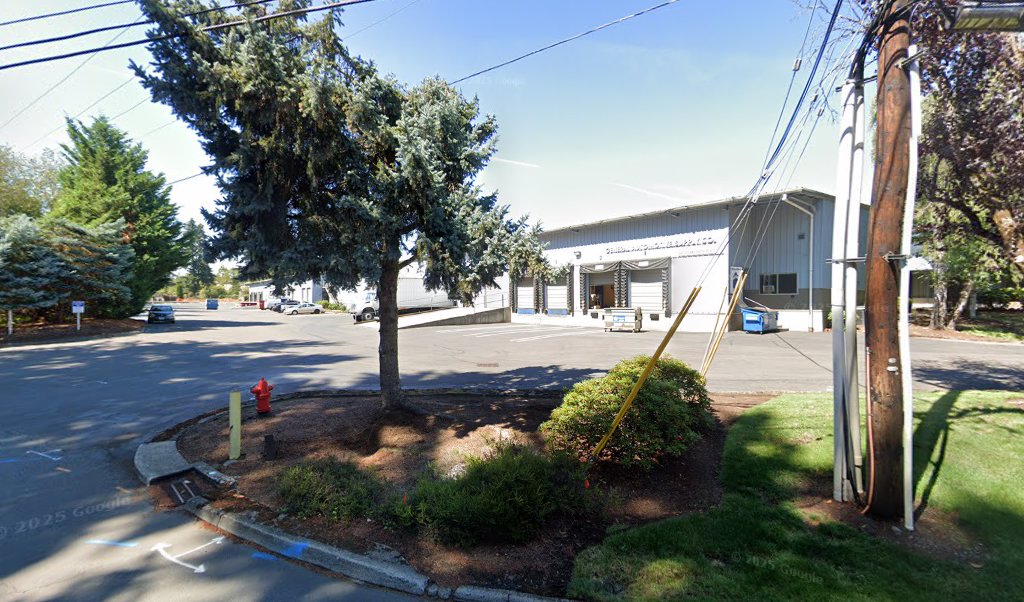
Dennis Moving & Storage
Portland, OR
Eastside Moving & Storage Co
Portland, OR
★ 5.0 (1 reviews)
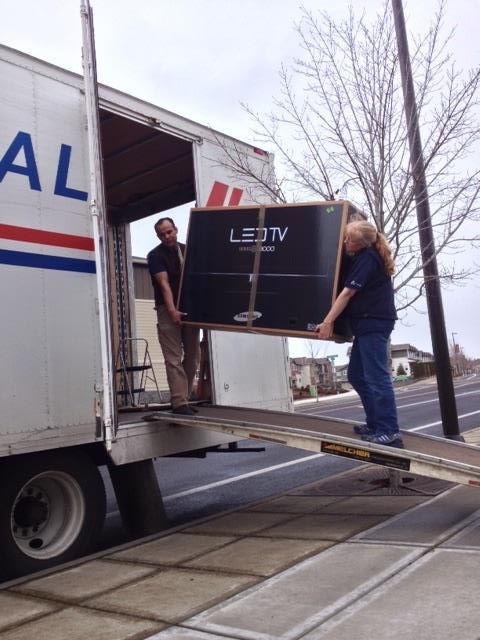
ONeill Transfer Moving & Storage Co
Portland, OR
★ 3.9 (7 reviews)
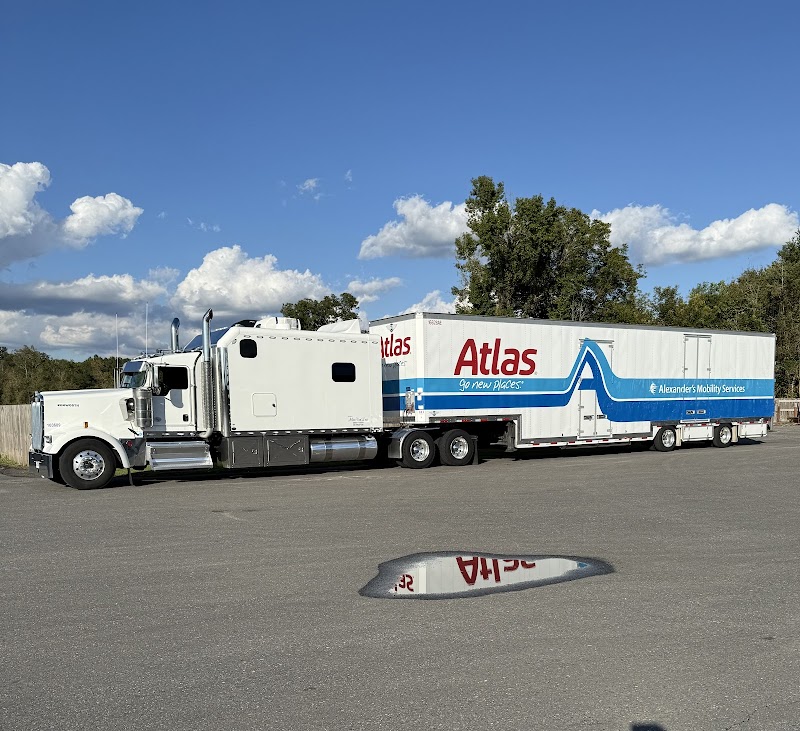
Alexander's Moving & Storage
Portland, OR
★ 4.4 (63 reviews)
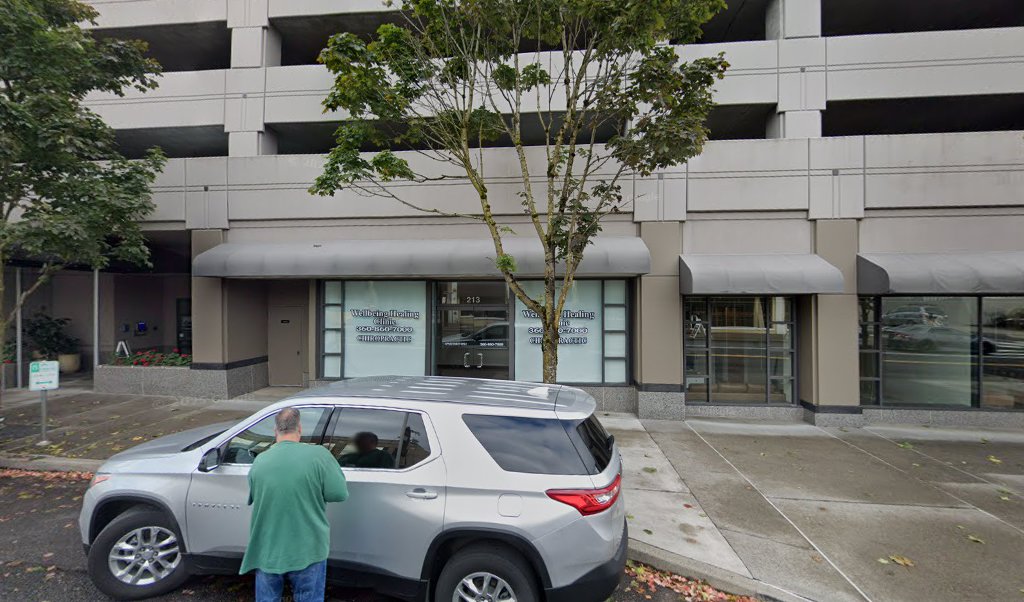
Jenn Premo Moving Washington Real Estate
Portland, OR
★ 5.0 (8 reviews)
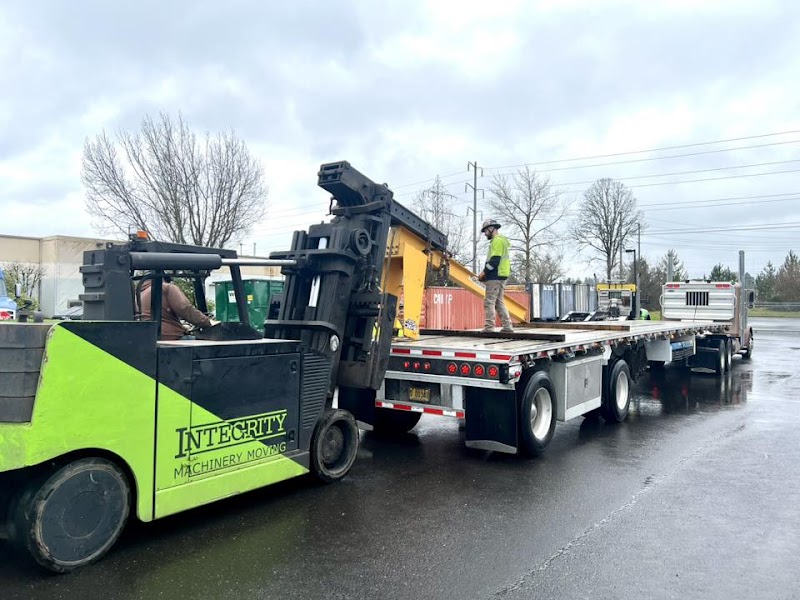
Integrity Machinery Moving
Portland, OR
★ 4.5 (17 reviews)

2 Brothers Moving & Delivery
Portland, OR
★ 4.9 (2177 reviews)
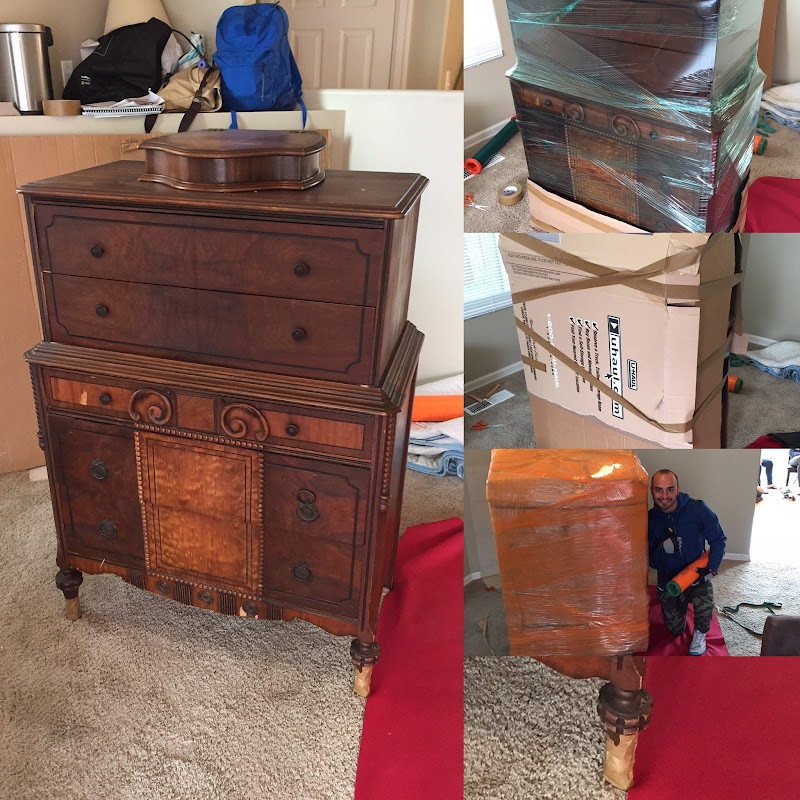
Groovin Movin Vancouver Washington Movers
Portland, OR
★ 4.6 (190 reviews)
Priority Moving Services
Portland, OR
★ 4.9 (814 reviews)
Portland Movers Ready
Portland, OR
★ 4.8 (713 reviews)
Northwest Grace Moving
Portland, OR
USDOT #1999959
Redi-Box Moving Boxes
Portland, OR
Portland Piano Moving
Portland, OR
USDOT #2150110
Priestley and Sons Moving & Storage, Inc.
Portland, OR
Moving Services
Portland, OR
Movers near Portland
12 more movers within 50 miles of Portland.
Based in a neighboring town and serving Portland. Each one shows where it is based and how far that is, nearest first.
Summit Moving
Beaverton, OR · 9 miles away
PDX Movers
Tualatin, OR · 11 miles away
MY MOVING GUYS
Salem, OR · 38 miles away
Woodburn Moving & Storage Inc
Salem, OR · 38 miles away
Bertsch Moving & Storage Co of Salem
Salem, OR · 40 miles away
Cals Moving & Storage
Salem, OR · 43 miles away
JJ & C Movers LLC
Salem, OR · 43 miles away
Salem Affordable Movers
Salem, OR · 43 miles away
BlueBox Storage
Salem, OR · 44 miles away
All Around Movers, Inc
Salem, OR · 46 miles away
First Impression Refinishing and DTA Movers
Salem, OR · 46 miles away
Mountain States Moving & Storage
Salem, OR · 46 miles away
Move planner
Two quick steps. A personalized plan in 30 seconds.
Robert builds a Portland-specific timeline, estimated cost range, and 3-mover shortlist tailored to your job. No forms. No spam. No commitment.
Step 1 of 2
Tell us about your move.
Distance
Property type
Property size
Zip codes (optional — sharpens the cost estimate)
When are you hoping to move?
Cost calculator
Typical Portland moving costs by home size
These ranges reflect actual Portland market rates for professional, licensed movers. Local moves are priced hourly (2-4 movers + truck); regional and long-distance moves are priced by weight and distance. Packing services, stairs, long carries, and peak-season timing all push costs toward the higher end.
| Home size | Local (under 50 mi) | Regional (50-500 mi) | Cross-country (500+ mi) |
|---|---|---|---|
| Studio / 1BR | $400-$900 | $1,200-$2,200 | $1,800-$3,500 |
| 2BR | $800-$1,600 | $2,000-$3,500 | $3,000-$5,500 |
| 3BR house | $1,200-$2,500 | $2,800-$5,000 | $4,500-$8,000 |
| 4BR+ house | $2,000-$4,000 | $4,500-$8,000 | $7,000-$12,000+ |
Skip the guesswork
Get matched with professional Portland movers.
Robert, our moving concierge, lines up quotes from movers who actually serve your route — free, no obligation.
Local movers in Portland
Local moving in Portland is priced hourly — you pay for the crew and truck together, with most companies setting a 2- to 3-hour minimum and rates that commonly run $100–$200 per hour for a two-person crew, rising with crew size or specialty equipment. The single biggest variable on a Portland bill is building access: the city's older housing stock is full of narrow staircases, steep driveways, and tight street-side parking, and any of those conditions adds time (and cost) to a move that might look straightforward on paper.
What drives your local move cost in Portland:
- Home size and crew needed — a studio may wrap with two movers, while a 3-bedroom house routinely calls for three or four
- Building access — walk-up apartments, basement units, long carries from a parked truck, or awkward hallways all extend the clock
- Elevator reservations — many Pearl District and South Waterfront high-rises require advance booking of a service elevator, which can constrain your start time
- Time of month and day — end-of-month dates and Saturdays carry peak demand; mid-week, mid-month slots are often cheaper
- Packing and materials — crews can pack for you, but every box they build adds to hourly time; having boxes pre-packed is one of the easiest ways to trim the bill
- Parking permits — Portland requires street-parking holds ("No Parking" signs) pulled through the city for large moving trucks on many residential blocks; reputable movers handle this, but confirm it upfront to avoid fines or a long carry from a distant spot
In neighborhoods like Hawthorne, Alberta Arts District, and Northeast Portland, street parking is tight and older Craftsman homes often have narrow doorways and multiple flights — worth flagging to your mover when you get quotes so they price the job accurately from the start.
Browse and compare movers in Portland to get matched with crews who know the city's streets, buildings, and permit process firsthand.
Neighborhood guide
Where you're landing in Portland changes everything
Pearl District
Upscale urban, converted warehouses, high-rises
Median 2BR rent: $2,100-$3,400/mo
High-rise buildings here require elevator reservations and COI documentation from your moving company — confirm both at least two weeks out.
Northeast Portland (Irvington / Alameda)
Tree-lined streets, historic Craftsmans, family-oriented
Median 2BR rent: $1,800-$2,800/mo
Mature street trees and parked cars narrow already-tight residential streets, so movers often use smaller 26-foot trucks rather than full 53-foot rigs.
Division / Clinton (SE Portland)
Eclectic, walkable, dense with apartments and bungalows
Median 2BR rent: $1,600-$2,400/mo
Street parking on SE Division is extremely limited on weekends; plan a parking reservation or curbside hold with the City well in advance.
Mississippi / Boise (N Portland)
Artsy, gentrifying, mix of renters and longtime owners
Median 2BR rent: $1,500-$2,200/mo
North Portland's grid streets are generally more mover-friendly than inner SE, but alley access varies significantly block to block.
St. Johns
Affordable, working-class, small-town feel within city
Median 2BR rent: $1,350-$1,900/mo
One of the more truck-accessible inner neighborhoods — wider streets and fewer parking conflicts — but the St. Johns Bridge has a weight limit that affects heavy loads.
South Waterfront
New construction condos, tram access, biotech corridor
Median 2BR rent: $2,000-$3,200/mo
Parking and loading zones are managed strictly by building management; movers must coordinate dock access and elevator holds weeks ahead.
Sellwood-Moreland
Quiet, residential, antique district, close-knit community
Median 2BR rent: $1,700-$2,500/mo
The Sellwood Bridge is the primary river crossing for this neighborhood; plan routes accordingly, as it's the only bridge in this part of the city.
Beaverton / Hillsboro (West Side suburbs)
Tech-suburb, family-friendly, newer construction
Median 2BR rent: $1,600-$2,400/mo
Newer subdivisions mean wider driveways and better truck access, but HOA move-in rules and elevator holds still apply in many condo complexes.
Common routes
Where Portland movers are headed
Portland → Seattle, WA
~175 mi north via I-5
$1,800-$3,200
The Portland-Seattle corridor is one of the most active moving routes in the Pacific Northwest, driven by tech job migration and housing cost shifts between the two metros.
Portland → San Francisco Bay Area, CA
~640 mi south via I-5
$3,500-$6,500
A major inbound route for Californians priced out of the Bay Area and a common outbound route for Portland residents chasing tech salaries back south.
Portland → Bend, OR
~160 mi east via US-26 or US-20
$1,400-$2,600
Bend has been one of Oregon's fastest-growing cities, drawing Portland residents seeking outdoor access, lower density, and relatively more affordable home prices.
Portland → Eugene, OR
~110 mi south via I-5
$900-$1,800
A steady stream of University of Oregon-related moves and Portland residents seeking a smaller, more affordable Oregon city keeps this route consistently busy.
Portland → Boise, ID
~430 mi east via I-84
$2,200-$3,800
The I-84 corridor through the Columbia River Gorge connects Portland to Boise, a route that has surged in volume as remote workers relocate to Idaho's lower cost of living.
Portland → Los Angeles, CA
~1,100 mi south via I-5
$4,500-$8,000
Entertainment and media industry moves, as well as retirees heading south, make the Portland-to-LA corridor a consistent long-haul route for major van lines.
Honest prices beat estimates
Want an actual quote for your Portland move?
Tell Robert the basics and get matched in minutes.
Local figures
Portland in numbers.
What the homes are
PortlandUnited States
- Detached houses
- 53% in Portland61% in United States
- Townhouses
- 5% in Portland6% in United States
- Buildings of 2 to 4 homes
- 9% in Portland8% in United States
- Buildings of 5 to 19 homes
- 10% in Portland9% in United States
- Buildings of 20 or more homes
- 23% in Portland10% in United States
Rent, home values and income
| Figure | Portland | Oregon | U.S. |
|---|---|---|---|
| Median monthly rent | $1,596 | $1,450 | $1,348 |
| Median home value | $557,600 | $454,200 | $303,400 |
| Median household income | $88,792 | $80,426 | $78,538 |
| Households that rent | 47% | 37% | 35% |
| Residents who moved in the past year | 18% | 14% | 13% |
Source: U.S. Census Bureau, American Community Survey 2019-2023 5-year estimates.
When to move
Portland's moving seasons, honestly rated
Jan
off
Portland's rainiest stretch and occasional ice events on the West Hills and Terwilliger curves make January the slowest — and cheapest — month to move.
Feb
off
Still deeply off-peak; rain is relentless and demand is low, making this a good window for negotiating rates and flexible scheduling.
Mar
off
Rain continues but temperatures moderate; movers are available on short notice and rates remain at their annual lows.
Apr
shoulder
Demand begins picking up as spring leases turn over; weather is unpredictable but the rainy-season moving discount is still largely intact.
May
shoulder
May is a genuine transition month — drier days increase, demand climbs, and you should book movers two to three weeks out to secure your preferred date.
Jun
peak
Portland's dry season begins in earnest and summer moving demand surges; book four to six weeks ahead, especially for weekends.
Jul
peak
The busiest moving month in Portland — low rainfall, long daylight hours, and school-year timing stack demand; rates are at their annual highest.
Aug
peak
Still firmly peak season; wildfire smoke from Eastern Oregon can occasionally affect move-day conditions, but demand and prices remain elevated.
Sep
peak
University-adjacent moves (Reed, PSU, University of Portland) keep September busy; book at least three to four weeks out.
Oct
shoulder
Rain returns and demand drops noticeably after mid-month; a good window for shoulder pricing with more scheduling flexibility.
Nov
off
Off-peak rates return as Portland's gray season sets in; professional movers are easy to book and often willing to negotiate on price.
Dec
off
The slowest month of the year; holiday conflicts and bad weather keep demand minimal, and movers may offer their lowest rates of the year.
Permits + local rules
What Portland requires before move day
Street Parking Reservation (Moving Zone)
To legally park a moving truck at the curb in most Portland neighborhoods, you need a Temporary No Parking permit from the Portland Bureau of Transportation (PBOT). This reserves curb space for your truck and prevents ticketing. You must post the signs 72 hours before your move. Most professional Portland movers handle this as a matter of course, but confirm it's included in your quote.
Permit ~$72-$100 per day, apply online at least 5 business days ahead
COI Requirements for High-Rise Buildings
Nearly every apartment building in the Pearl District, South Waterfront, and Lloyd District requires a Certificate of Insurance (COI) from your moving company before they'll allow access to elevators or loading docks. The building will specify minimum coverage amounts — typically $1 million in general liability — and must be named as an additional insured. Confirm your mover can provide this before signing a contract.
No city fee; building requirement — request COI from mover at least 2 weeks before move
Elevator Reservation in Managed Buildings
High-rise and mid-rise buildings across Portland's inner neighborhoods — Pearl, South Waterfront, Boise, and Lloyd District — require advance elevator reservations for moves. Buildings typically limit moves to specific hours (often 8 a.m. to 5 p.m. weekdays or restricted weekend windows). Missing your slot can mean a long wait and additional hourly charges from your moving crew.
No city permit; building-specific — book with building manager 2-4 weeks in advance
Historic District Considerations
Several Portland neighborhoods — including Irvington, Ladd's Addition, and the Alphabet District — contain homes in National Register Historic Districts or locally designated landmark areas. While this doesn't create moving-specific permits, exterior alterations (like prop doors, temporary ramps, or landscaping damage) may require attention. More practically, these areas often have narrow driveways and mature street trees that complicate truck access.
No specific moving permit; flag access concerns with your mover in planning stage
Portland Right-of-Way: Sidewalk / Lane Closures
If your move requires a truck to partially block a travel lane or the crew needs to use a sidewalk crane or lift for upper-story furniture, a separate right-of-way permit from PBOT is required. This is less common for residential moves but applies to some commercial relocations or situations involving large specialty equipment on public streets in downtown Portland.
Permit cost varies by scope, typically $150-$400+; apply through PBOT at least 10 business days out
About moving to Portland
What you should know before you book.
Portland sits at the confluence of the Willamette and Columbia rivers in northwest Oregon, a mid-size city of roughly 650,000 people known for its independent spirit, dense tree canopy, and a patchwork of distinct neighborhoods. The city is divided by the Willamette into Eastside and Westside, with bridges connecting communities that feel genuinely different from one another. Portland has no sales tax, a strong culture of local business, and a reputation for walkability and cycling infrastructure. Moving here means navigating older housing stock — Craftsmans, Victorians, and mid-century ranches — alongside newer high-rise apartments in the Pearl District and South Waterfront.
No Sales Tax
Oregon levies no state sales tax, which matters when you're furnishing a new place or buying a vehicle after your move. This is one of the most immediate financial differences newcomers notice, particularly those arriving from California, Washington, or other high-tax states. Factor it into your overall relocation budget — it can offset higher housing costs in popular neighborhoods.
Bridges and River Geography
The Willamette River runs through the heart of Portland, and twelve bridges connect the east and west sides of the city. For movers, this means route planning matters: bridge traffic during weekday rush hours on the Burnside, Morrison, and Hawthorne bridges can add significant time to a move. The St. Johns Bridge in North Portland is a favorite for large moving trucks avoiding downtown congestion.
Transit and Walkability
Portland's MAX light rail system, extensive bus network, and dedicated bike lanes make it one of the more transit-accessible mid-size cities in the U.S. Many residents moving into inner neighborhoods like the Pearl, Buckman, or Division Street corridor deliberately downsize their vehicle count or go car-free. Movers familiar with loading zones near transit-heavy streets have a clear operational advantage.
Housing Mix and Age
Portland's housing stock skews older, with many homes built before 1950. Craftsman bungalows, row houses, and older apartment buildings with narrow staircases are common in the inner East Side and Northeast. High-rise and mid-rise construction is concentrated near the Pearl District, South Waterfront, and Lloyd District. Movers should be prepared for tight stairwells, older elevators, and parking constraints depending on the neighborhood.
Portland moving FAQ
Common questions, locally-answered.
Do I really need a parking permit for my moving truck in Portland?
+
Yes, in most cases. Portland's Bureau of Transportation (PBOT) issues Temporary No Parking permits that reserve curb space for your truck. Without one, you risk a ticket and your crew may end up double-parking or blocking traffic. The permit costs roughly $72-$100 per day and requires 72-hour advance sign posting. Reputable Portland movers will either handle this for you or walk you through the process — ask explicitly before your move day.
When is the worst time to schedule a move in Portland?
+
July and August are the most congested months — demand is highest, mover availability is tightest, and prices peak. Within any given week, Saturdays in summer are the hardest to book and the most expensive. If you must move in summer, book six weeks out and consider a mid-week move, which can save 10-20% on labor costs. January and February offer the most availability and lowest rates but come with Portland's wettest weather.
How do Portland's bridges affect my move?
+
The Willamette River divides the city, and your bridge choice matters for timing. The Burnside, Morrison, and Hawthorne bridges through central Portland experience significant rush-hour congestion (roughly 7-9 a.m. and 4-7 p.m. weekdays). Movers traveling between East and West Portland often prefer the Broadway or Steel bridges during off-peak hours, or the St. Johns Bridge for North Portland routes. The Sellwood Bridge is the only crossing in the southern part of the city.
What does a local move within Portland typically cost?
+
For a local Portland move — within the metro, under 50 miles — expect to pay roughly $150-$200/hr for a two-person crew with a truck. A studio or 1BR move typically runs $400-$900 total; a 2BR ranges from $800-$1,600; a 3BR house commonly falls in the $1,200-$2,500 range depending on access, stairs, and distance. These are typical ranges — complexity, packing services, and move date significantly affect final pricing.
Is Portland's rainy weather a genuine problem for moving?
+
It's manageable but worth planning for. From October through May, persistent rain is the norm. Reputable movers use moving blankets and plastic wrap to protect furniture, and most experienced Portland crews work in the rain without issue. Your actual concerns are slippery ramps, wet hardwood floors at origin or destination, and slower load times. Laying down floor runners and communicating with your crew about protection expectations are the most effective steps.
Do Portland buildings require a Certificate of Insurance from movers?
+
Many do, particularly high-rises in the Pearl District, South Waterfront, and newer apartment complexes citywide. A Certificate of Insurance (COI) lists your moving company as the insured party with the building named as additionally insured — typically at $1 million in general liability coverage. Always check with your building manager two to three weeks before your move and confirm your chosen moving company can produce the COI. Budget movers or unlicensed operators often cannot.
What's the difference between moving on the East Side versus the West Side of Portland?
+
The East Side (Buckman, Sellwood, Division, NE Portland, St. Johns) generally has older housing stock — Craftsmans, bungalows, older apartments with narrow stairs — and more street-parking variability. The West Side (Pearl, Nob Hill, South Waterfront, Beaverton) mixes older close-in neighborhoods with newer high-rises that have stricter access rules. East Side moves are often more straightforward operationally but can involve tighter physical spaces. West Side high-rise moves require more coordination and paperwork.
How far in advance should I book a Portland moving company?
+
During peak season (June-September), book four to six weeks ahead, especially for weekend moves. Shoulder months (April, May, October) warrant two to three weeks' notice. Off-peak winter months can often be booked one to two weeks out, sometimes less. For any move requiring a building elevator reservation or COI, allow extra lead time regardless of season — building management timelines often drive the booking window more than mover availability.
Are there weight limits on Portland bridges that affect moving trucks?
+
Most major Portland bridges handle standard moving truck weights without issue. The St. Johns Bridge, a suspension bridge in North Portland, has posted weight restrictions that can affect very heavy loads — confirm with your mover if you're using large specialty equipment. The Sellwood Bridge was rebuilt in 2016 and is in good condition. Older industrial bridges on the Steel and Broadway corridors are generally fine for standard moving vans but worth confirming for oversize loads.
Does Portland have any restrictions on when movers can operate?
+
The City of Portland doesn't have citywide restrictions on moving hours, but individual apartment buildings and HOAs often limit elevator access or loading dock use to weekday business hours or specific windows on weekends. If you're moving into a managed building, your building's rules effectively set your move window. For street-level residential moves, there are no time restrictions, though being considerate of neighbors — particularly regarding truck idling and noise — is a practical norm in Portland's close-knit neighborhoods.
How does Portland compare to Seattle for moving costs?
+
Portland moves tend to run 10-20% less than equivalent Seattle moves, reflecting Portland's somewhat lower cost of living and labor market. The Portland-to-Seattle route (~175 miles via I-5) is a common two-day move priced in the $1,800-$3,200 range for a 2BR household, depending on the carrier and time of year. One notable difference: Oregon has state income tax while Washington does not, which factors into net financial comparisons between the two cities.
What should I look for when hiring a Portland moving company?
+
Confirm the mover holds an active Oregon ODOT carrier authority number for interstate moves, or a valid local business license for intra-state work. Ask specifically about their experience in your neighborhood type — high-rise versus historic single-family matters operationally. Request a written binding or not-to-exceed estimate, confirm they can provide a COI if your building requires one, and check verified reviews. Avoid companies that demand large cash deposits upfront or refuse to do an in-home or video estimate for larger moves.
Moving away from Portland?
Relocation guides from Portland.
Costs, distance, and what to expect for popular moves out of Portland.
Long distance movers in Portland→Nearby cities
Movers in cities close to Portland.
Browse moving companies in other Oregon cities, or explore the full directory by state.
Get your moving quote
Many ways to get a moving quote.
Chat, text, email, or call — whichever’s easiest. Tell Robert about your move and matching movers in your city reach out, usually within a few minutes.