
Find movers near you
Movers across Oregon.
Compare top-rated local and long-distance movers — and let Robert do the comparison for you.
Get Your Quote→Oregon · OR
Moving companies in Oregon.
93 movers across 13 cities in Oregon — local, long-distance, and specialty handling. Compare listings, get transparent quotes, and use our honest cost guide before you book.
Robert
Online·Call for a quote
Hi — I'm Robert, and I'll help you find the right movers. Where are you moving from, and where are you headed? Prefer a live representative? Just say the word and I'll connect you, or use the call button for a quote anytime.
By chatting with Robert, you agree we may share your move details with movers in your origin city so they can contact you with a quote. We never sell or share your info outside this network. Privacy Policy.
Top movers in Oregon
Oregon movers worth a look.
A few of the top movers statewide. Want a tailored recommendation? Chat with Robert above.
All movers
Every mover in Oregon.
Sorted by best match. Click any card for the full profile and contact details.
Alexander's Moving & Storage
Portland, OR
★ 4.4 (63 reviews)
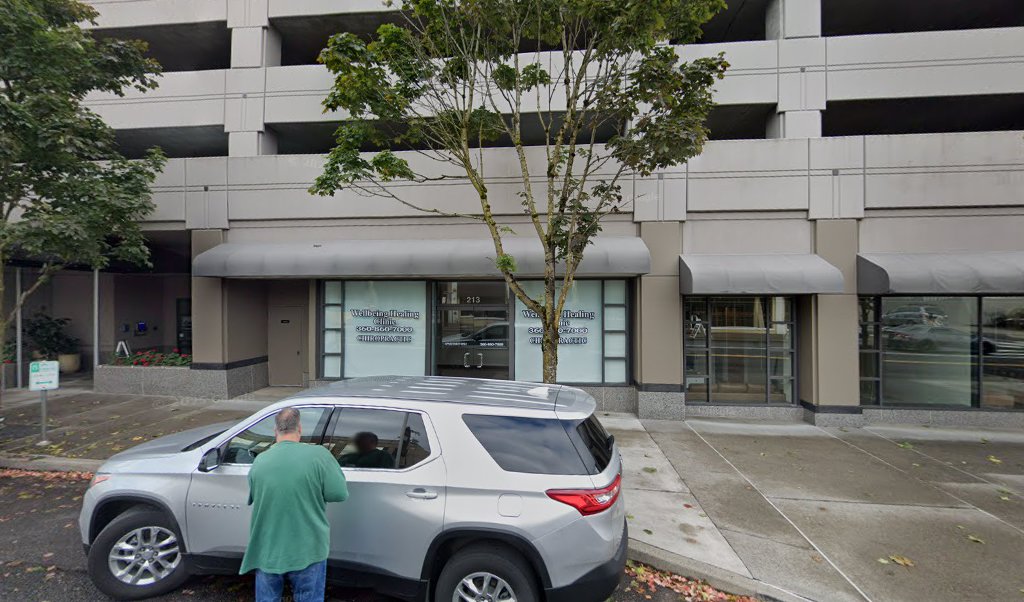
Jenn Premo Moving Washington Real Estate
Portland, OR
★ 5.0 (8 reviews)

2 Brothers Moving & Delivery
Portland, OR
★ 4.9 (2177 reviews)
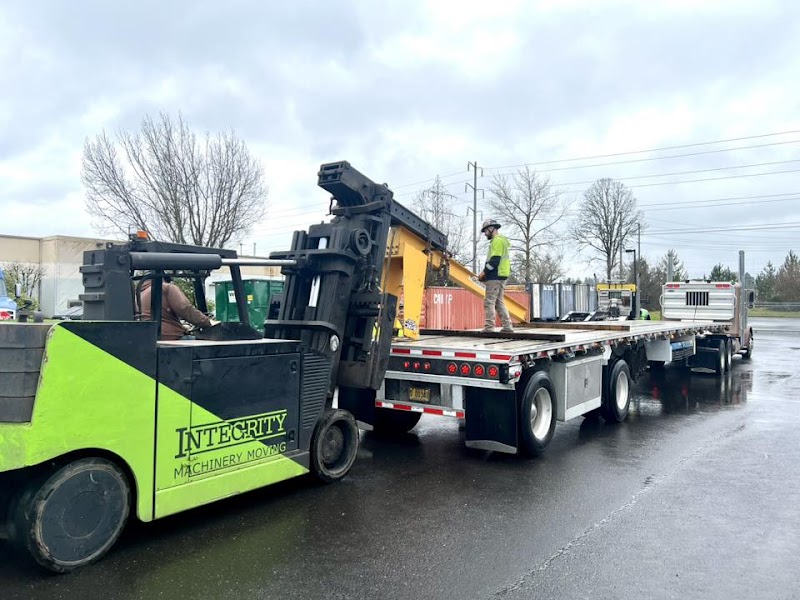
Integrity Machinery Moving
Portland, OR
★ 4.5 (17 reviews)
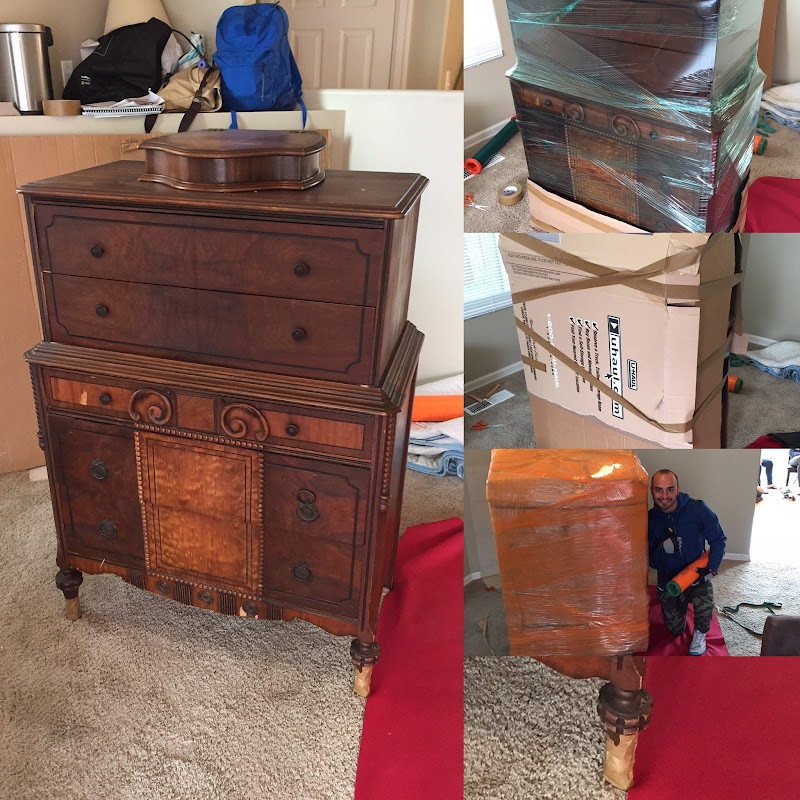
Groovin Movin Vancouver Washington Movers
Portland, OR
★ 4.6 (190 reviews)

Priority Moving Services
Portland, OR
★ 4.9 (814 reviews)
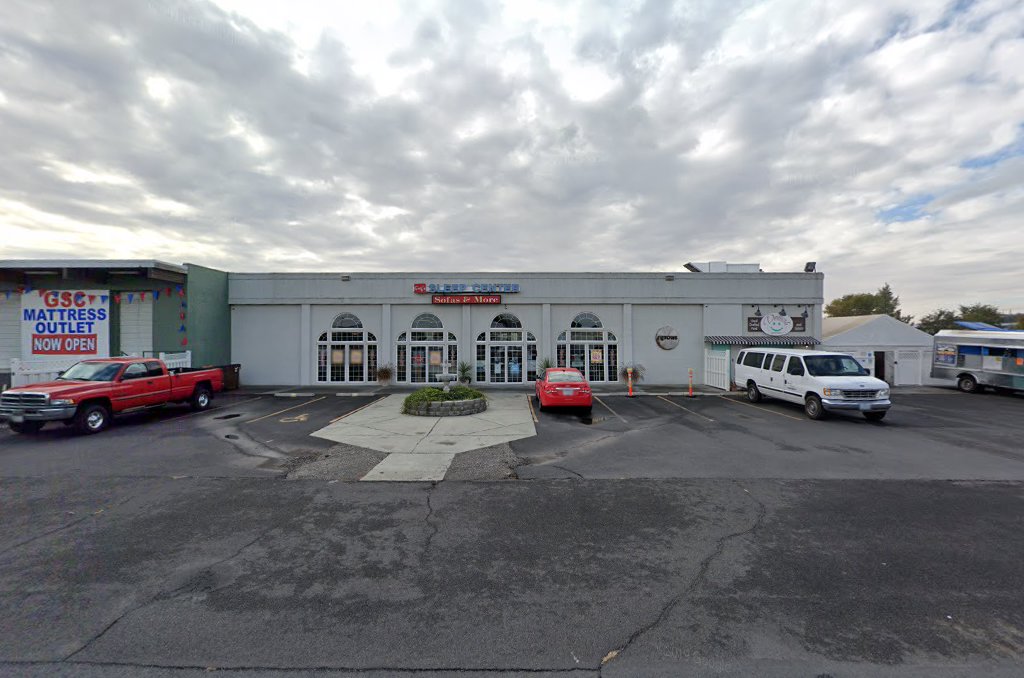
GSC Express Movers
Hermiston, OR
★ 5.0 (17 reviews)
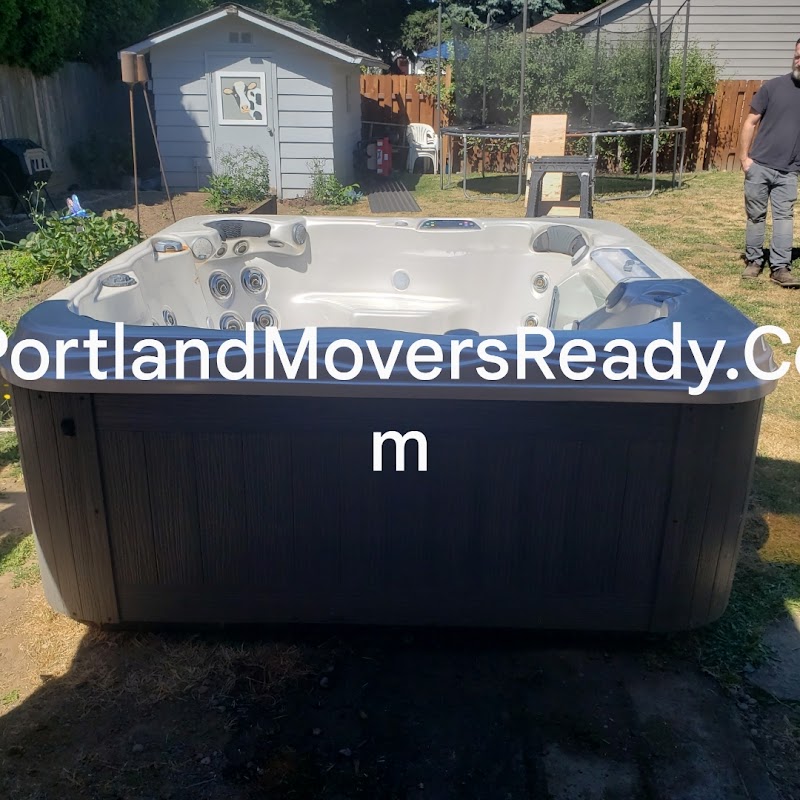
Portland Movers Ready
Portland, OR
★ 4.8 (713 reviews)
Pegasus Moving & Cleaning
Portland, OR
USDOT #3283975
Northwest Structural Moving
Portland, OR
Lile Moving & Storage
Portland, OR
Rose City Moving & Storage
Portland, OR
Northwest Grace Moving
Portland, OR
USDOT #1999959
Woodburn Moving & Storage Inc
Salem, OR
USDOT #2549964
Team Moving Company
Grants Pass, OR
Cities in Oregon
Jump to movers in your city.
13 Oregon cities have moving companies listed.
About moving in Oregon
What shapes a Oregon move.
Oregon sits at a crossroads of migration patterns: the Willamette Valley corridor from Portland to Eugene attracts tech workers, healthcare professionals, and retirees seeking mild climate and outdoor access, while Bend has become a magnet for remote workers priced out of the Bay Area and Seattle. At the same time, Oregon ranks among states with notable net out-migration, with residents moving to Idaho, Texas, and Washington citing housing costs and tax burdens. This two-way flow keeps the moving industry busy year-round, though the wet season from October through April can complicate logistics, especially in the Coast Range and Cascades.
Willamette Valley Dominates Traffic
Portland, Salem, and Eugene form the state's population spine along I-5. Most intrastate moves happen within or between these three metros. Traffic congestion in the Portland metro — particularly on I-205 and the Tualatin Valley Highway — can add hours to move day. Movers familiar with Portland's neighborhood permit zones (required in areas like NW 23rd and parts of SE) are worth seeking out.
Bend and Central Oregon Growth
Bend's population roughly doubled between 2010 and 2024, driven by remote-work migration from California and the Seattle area. Moving a household over the Cascades via US-20 or US-26 requires attention to winter road conditions from roughly November through April. Elevation changes and narrow mountain passes mean not every moving truck can operate on schedule in those months.
Coastal and Rural Access Challenges
Oregon's Coast Range creates a natural barrier between the Willamette Valley and the Pacific coast. Towns like Astoria, Newport, and Brookings are accessed by two-lane state highways prone to rain-related closures and landslides. Long-haul carriers sometimes charge a rural or limited-access surcharge for coastal deliveries. Local smaller outfits often handle coastal moves more reliably than national van lines.
High Out-Migration to Idaho and Beyond
Oregon has consistently ranked in the top tier for out-bound moves in recent years. Boise is the single most common destination for departing Oregonians, followed by the Dallas–Fort Worth area and Las Vegas. Drivers include Oregon's income tax (among the highest in the U.S.), rising home prices, and remote-work flexibility. This demand keeps Portland-to-Boise and Portland-to-Las Vegas moving routes well-supplied with carriers.
Anywhere in the state
Find a mover anywhere in Oregon.
Tell Robert where you're headed and get matched with professional local + long-distance movers — free.
Cost of living
Oregon cost of living by metro and what it means for movers
Oregon's cost of living varies sharply by metro. Portland sits well above the national average, driven by housing and taxes, while smaller markets like Medford or eastern Oregon towns remain closer to the national norm. Because Oregon has no sales tax, movers don't pay tax on moving services, but the state's high income tax and above-average home prices push many households toward out-of-state destinations — and shape what size home (and move) people can afford.
| Metro | COL Index | What to expect |
|---|---|---|
| Portland | 128 | Rents run roughly $1,700–$2,200 for a 2BR apartment; median home prices are well above $450,000 in most neighborhoods. |
| Eugene | 115 | Rents for a 2BR typically run $1,400–$1,800; home prices are lower than Portland but have risen substantially since 2020. |
| Bend | 122 | Rapid in-migration has pushed Bend's median home prices above $550,000; 2BR rents commonly reach $1,800–$2,300. |
| Salem | 108 | As the state capital, Salem offers more moderate housing than Portland; 2BR rents average around $1,300–$1,600. |
| Medford | 103 | Southern Oregon's largest city, Medford has lower overall costs; 2BR rents often fall in the $1,200–$1,550 range. |
| Corvallis | 112 | Home to Oregon State University, Corvallis has a tight rental market; 2BR apartments typically run $1,400–$1,750. |
Common routes
Common Oregon moving routes and estimated costs
Oregon → Idaho
~340 mi (Portland to Boise)
$1,800–$4,200
The Portland-to-Boise corridor is Oregon's busiest out-bound route, driven by residents seeking lower taxes and housing costs in the Treasure Valley.
Oregon → Washington
~180 mi (Portland to Seattle)
$1,400–$3,200
The I-5 corridor between Portland and Seattle sees constant two-way flow of tech workers, students, and families, making carrier availability relatively strong.
Oregon → California
~640 mi (Portland to San Francisco)
$2,600–$5,800
Despite net out-migration from California to Oregon, the reverse move still happens regularly, particularly among retirees and people returning to Bay Area job markets.
Oregon → Nevada
~700 mi (Portland to Las Vegas)
$2,800–$5,500
Las Vegas is a top destination for Oregonians seeking no state income tax and lower cost of living, generating steady southbound moving demand.
Oregon → Texas
~1,900 mi (Portland to Austin)
$4,500–$9,000
Long-haul moves from Oregon to Texas have grown with remote-work migration, particularly toward Austin and the Dallas–Fort Worth area.
Oregon → Arizona
~1,200 mi (Portland to Phoenix)
$3,200–$6,500
Retirees and snowbirds making a permanent move from Western Oregon to Phoenix represent a consistent segment of this route's demand.
Licensing + rules
Oregon mover licensing and consumer protection rules
Intrastate Mover Registration (ODOT)
Movers operating within Oregon are typically required to register with the Oregon Department of Transportation (ODOT) as household goods carriers and maintain proper authority for intrastate commerce. Confirm the mover's Oregon carrier number with ODOT before signing a contract. Operating without proper authority is a red flag.
Intrastate household goods carriers in Oregon register with ODOT under Oregon Revised Statutes Chapter 825; ask for the carrier's Oregon authority number.
Interstate Mover Federal Authority
Any mover crossing state lines must hold active USDOT and FMCSA operating authority. You can verify a company's USDOT number and insurance status on the FMCSA's online database at no cost. Interstate movers are also required to provide you with the FMCSA's 'Your Rights and Responsibilities When You Move' booklet before booking.
Interstate authority is governed by FMCSA (49 CFR Parts 371, 375); verify at the FMCSA SAFER database.
Required Written Estimates
For interstate moves, FMCSA rules require movers to provide either a binding or non-binding written estimate. Binding estimates cap your final cost; non-binding estimates can change based on actual weight. Oregon's intrastate rules also typically require written estimates — consumers should always insist on one in writing before any work begins, regardless of move distance.
Ask whether your quote is binding or non-binding and get the distinction explained before signing.
Released Value vs. Full Value Protection
Interstate movers must offer two liability options: Released Value (minimal coverage at no extra charge, typically 60 cents per pound per article) and Full Value Protection (mover responsible for replacement or repair cost, sold separately). Oregon intrastate movers typically offer similar options. Read the coverage terms carefully — standard released value leaves most items significantly underprotected.
Check whether your homeowner's or renter's insurance covers moves in transit before declining full-value protection.
Oregon No Sales Tax — Moving Services
Oregon has no general sales tax, which means moving services are not subject to sales tax — a modest advantage over neighboring Washington or California. However, if a move crosses into a state with sales tax, the rules of the destination state may apply to certain charges. Confirm with your mover how taxes are handled on cross-border moves.
Oregon's tax-free status applies to services within the state; cross-border moves may trigger other states' tax obligations.
Oregon moving FAQ
Common Oregon moving questions.
When is the best time of year to move within Oregon?
+
Late June through September is the most practical window for most Oregon moves. The Willamette Valley receives roughly 36–44 inches of rain annually, nearly all of it between October and April. Moving heavy furniture in persistent rain risks damage to goods and homes. The Cascades and Coast Range can see road closures from October onward. That said, summer dates book quickly — especially in Portland and Bend — so reserve at least 4–6 weeks ahead if you're targeting July or August.
How do I verify that an Oregon mover is properly licensed?
+
For intrastate (within Oregon) moves, ask the company for its Oregon carrier authority number and confirm it with the Oregon Department of Transportation. For interstate moves, request the mover's USDOT number and verify active operating authority and insurance through the FMCSA's SAFER database online. A legitimate mover will provide these numbers willingly. Avoid any company that refuses to share its licensing information or asks for a large cash deposit upfront.
What does a local Portland move typically cost?
+
A local Portland move (two to three movers, under 50 miles) generally runs $600–$1,500 for a one- to two-bedroom household, depending on volume, stairs, and time required. Portland's narrow streets in neighborhoods like NE Alberta, NW 23rd, and Hawthorne can slow a move significantly. Some streets require parking permits for moving trucks — confirm with your mover whether they handle permit logistics or whether you need to arrange them through Portland Bureau of Transportation.
Does Oregon require moving companies to carry insurance?
+
Interstate movers are required by federal law (FMCSA) to carry cargo liability insurance and public liability coverage. Oregon-registered intrastate carriers are typically required to maintain insurance as a condition of their state carrier authority — confirm the specific requirements with ODOT. Always ask any mover for a current certificate of insurance before the job starts. Note that mover liability under released-value coverage is minimal; consider additional protection for high-value items.
What are the most common routes people move out of Oregon?
+
The Portland-to-Boise corridor (roughly 340 miles via I-84) is the busiest out-bound route, driven by Idaho's lower housing costs and no state income tax. Portland-to-Seattle (about 180 miles on I-5) is the most common two-way route. Las Vegas, Phoenix, Austin, and the Dallas–Fort Worth area round out the top destinations. These routes have relatively strong carrier availability, which can help keep costs competitive compared with more unusual destinations.
Are there special challenges moving to or from coastal Oregon towns?
+
Yes. Towns like Astoria, Newport, Tillamook, and Brookings are accessed via two-lane state highways that cross the Coast Range — routes like US-30, US-20, OR-18, and US-101. These roads are subject to rain-related closures, landslides, and weight restrictions. Large national van lines sometimes decline coastal deliveries or charge a limited-access fee. A local Oregon mover with specific coastal experience often handles these moves more reliably and at lower total cost.
How do Oregon's taxes affect the decision to move out of state?
+
Oregon imposes a state income tax with rates ranging from about 4.75% to 9.9% depending on income, and it has no sales tax. Many residents moving to Idaho, Nevada, or Texas cite the income tax as a primary financial driver. For retirees relying on Social Security, Oregon does tax Social Security income, unlike some other states. These factors appear consistently in the reasons households report when relocating out of Oregon.
What should I know about moving to Bend from Portland?
+
The most common routes are US-26 over Mount Hood or US-20 through the Santiam Pass — both cross the Cascades at elevations above 4,000 feet and can be subject to chain requirements, closures, or delays from roughly November through April. The move is about 160–175 miles but can take 3–4 hours in normal conditions and longer in winter. Bend's housing market has tightened significantly, so nail down your destination housing before scheduling a truck. Local Bend-based movers often know the mountain conditions best.
Can I move my vehicle on the same truck as my household goods in Oregon?
+
Most standard household goods movers do not transport vehicles on the same truck as furniture. You'll typically need a separate auto transport service — either open (less expensive, common) or enclosed (better for high-value vehicles). Portland has several auto transport brokers and carriers that serve Pacific Northwest routes regularly. Get a separate written contract for the vehicle, and confirm insurance coverage for damage in transit before agreeing to a carrier.
What red flags should I watch for when hiring an Oregon mover?
+
Key warning signs include: no verifiable USDOT or Oregon carrier number; demands for a large cash deposit (more than 10–20% is unusual); quotes given over the phone without seeing your inventory; no written estimate or contract; a mover who answers the phone with a generic name rather than a company name; and unusually low quotes that seem far below market rate. Checking verified reviews and confirming licensing before booking reduces the risk of dealing with a rogue or unlicensed operator.
Moving out of state?
Long-distance movers in Oregon.
What an interstate move costs and how to choose a licensed mover, city by city. Every city we cover.
Get your moving quote
Many ways to get a moving quote.
Chat, text, email, or call — whichever’s easiest. Tell Robert about your move and matching movers in your city reach out, usually within a few minutes.