
Find movers near you
Movers in Cincinnati.
Compare top-rated local and long-distance movers — and let Robert do the comparison for you.
Get Your Quote→Ohio
Moving companies in Cincinnati, OH.
Cincinnati straddles Ohio and Kentucky, blends walkable Over-the-Rhine row houses with suburban sprawl across three states, and rewards renters who know the right neighborhoods. Local movers navigate steep Queen City hills, historic brick buildings without elevators, and busy I-71/I-75 interchange traffic — so choosing an experienced crew makes a genuine difference.
Robert
Online·Call for a quote
Hi — I'm Robert, and I'll help you find the right movers. Where are you moving from, and where are you headed? Prefer a live representative? Just say the word and I'll connect you, or use the call button for a quote anytime.
By chatting with Robert, you agree we may share your move details with movers in your origin city so they can contact you with a quote. We never sell or share your info outside this network. Privacy Policy.
Top movers in Cincinnati
Cincinnati movers worth a look.
A few of Cincinnati’s top movers. Want a tailored recommendation? Use the Get quotes form below.
All Cincinnati movers
40 movers serving Cincinnati.
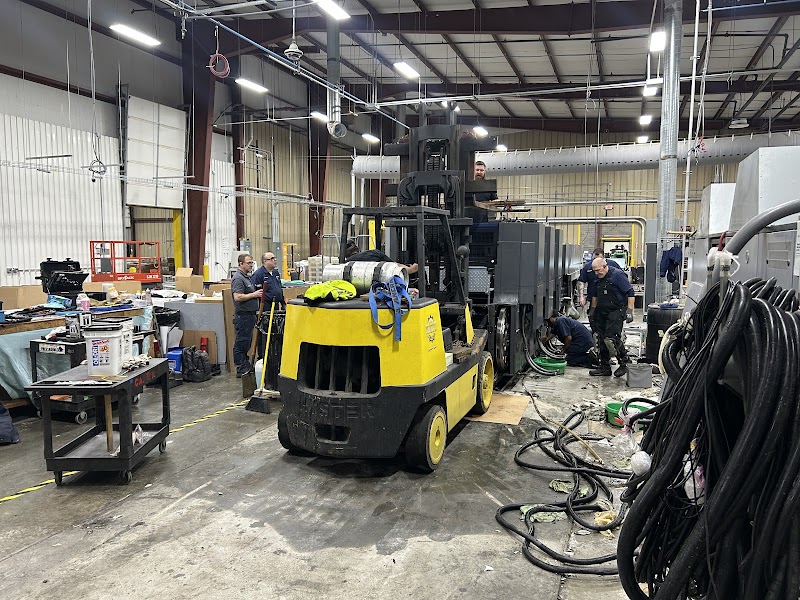
Industrial Movers Inc
Cincinnati, OH
★ 5.0 (1 reviews)
Moving And Organizing Made Easy
Cincinnati, OH

Hercules Moving & Storage
Cincinnati, OH
★ 3.6 (86 reviews)

Planes Moving & Storage Of Cincinnati
Cincinnati, OH
★ 4.7 (1550 reviews)
Unity Discnt Movers
Cincinnati, OH
Wright Vision Moving & Packing
Cincinnati, OH
Stacey Moving & Storage
Cincinnati, OH
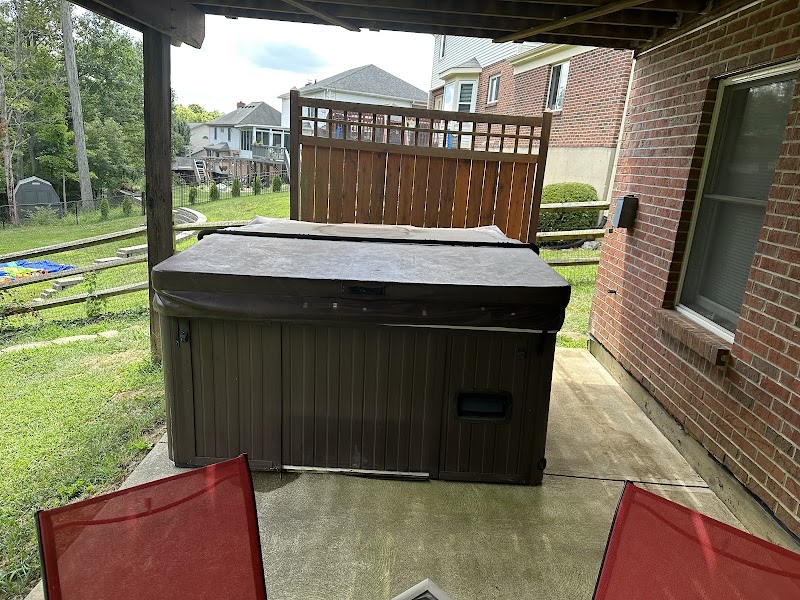
Spa Movers
Cincinnati, OH
★ 4.9 (175 reviews)
Monster Movers
Cincinnati, OH
Movers & Makers
Cincinnati, OH
Midwest Moving Company
Cincinnati, OH
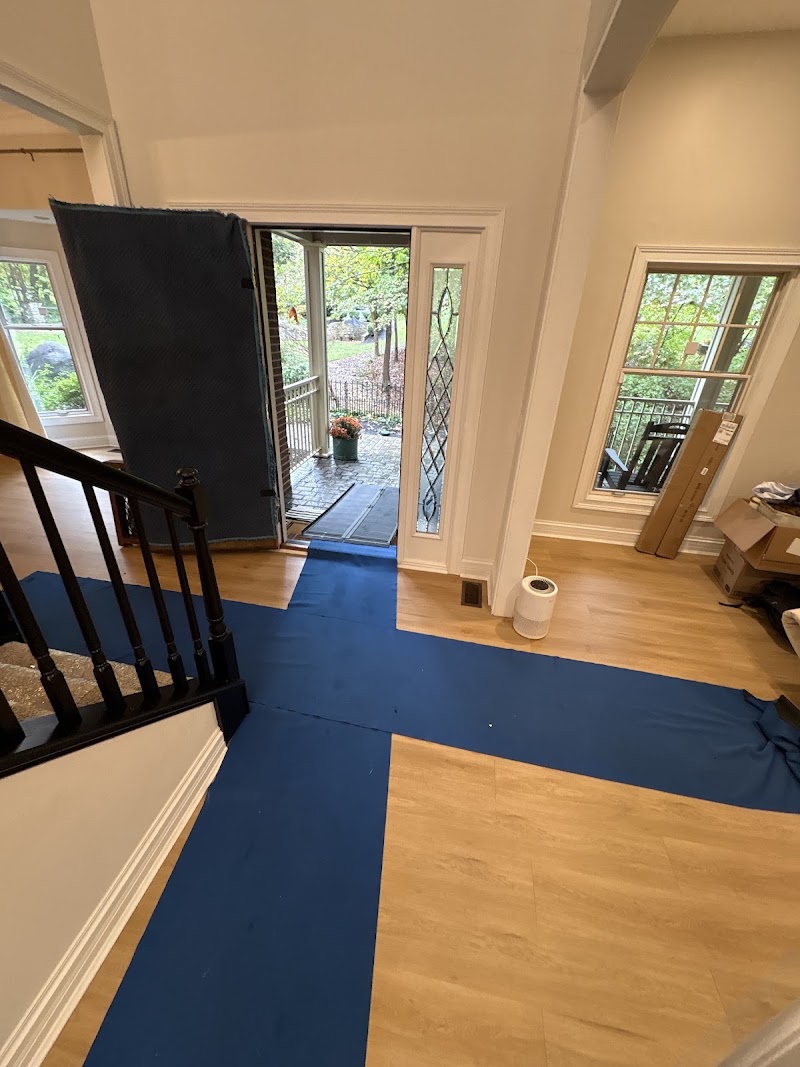
Kendrick Moving
Cincinnati, OH
★ 4.2 (81 reviews)
Ekomovers
Cincinnati, OH
Black Tie Moving
Cincinnati, OH
Bell Moving & Storage
Cincinnati, OH
USDOT #1246752
Movers near Cincinnati
10 more movers within 50 miles of Cincinnati.
Based in a neighboring town and serving Cincinnati. Each one shows where it is based and how far that is, nearest first.
Keep On Moving Company
Independence, KY · 12 miles away
Classic Storage
Goshen, OH · 23 miles away

Planes Moving & Storage Of Dayton
Miamisburg, OH · 39 miles away
★ 4.7 (271 reviews)
Here to There Movers
Miamisburg, OH · 39 miles away
Advantage Movers
Dayton, OH · 42 miles away
Kettering Moving & Storage
Dayton, OH · 44 miles away
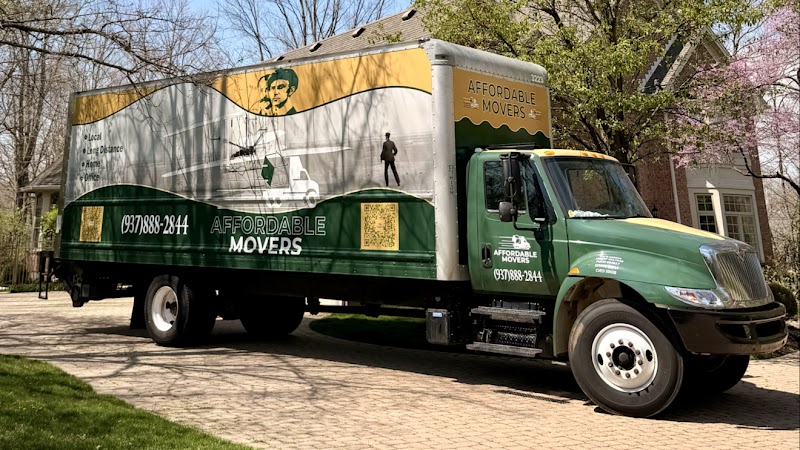
523 movers
Dayton, OH · 47 miles away
★ 4.7 (249 reviews)
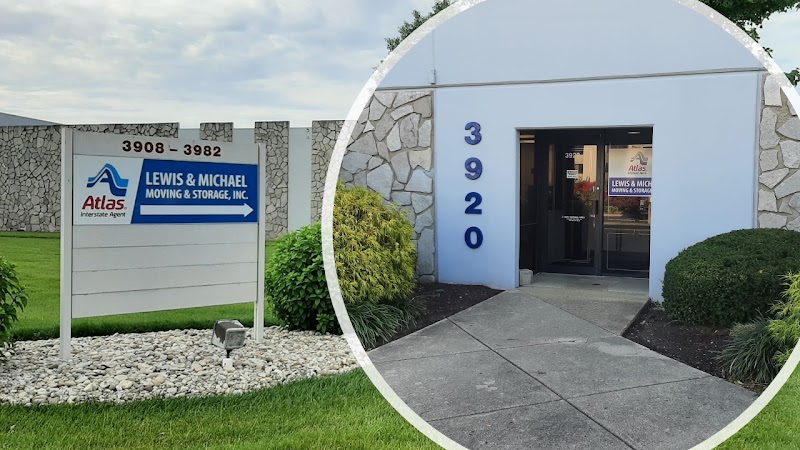
Lewis & Michael Moving and Storage
Dayton, OH · 47 miles away
★ 4.2 (70 reviews)
All American Movers
Dayton, OH · 48 miles away
All Hauling & Moving
Dayton, OH · 48 miles away
Move planner
Two quick steps. A personalized plan in 30 seconds.
Robert builds a Cincinnati-specific timeline, estimated cost range, and 3-mover shortlist tailored to your job. No forms. No spam. No commitment.
Step 1 of 2
Tell us about your move.
Distance
Property type
Property size
Zip codes (optional — sharpens the cost estimate)
When are you hoping to move?
Cost calculator
Typical Cincinnati moving costs by home size
These ranges reflect what Cincinnati-area households typically pay for professional moving services. Local moves are billed hourly (2-4 movers plus truck); regional and long-distance are based on weight and mileage. Ranges vary by neighborhood difficulty, floor level, and season.
| Home size | Local (under 50 mi) | Regional (50-500 mi) | Cross-country (500+ mi) |
|---|---|---|---|
| Studio / 1BR | $350-$700 | $900-$1,800 | $1,500-$3,200 |
| 2BR | $600-$1,100 | $1,400-$2,800 | $2,400-$4,500 |
| 3BR house | $900-$1,800 | $2,200-$4,200 | $3,800-$7,000 |
| 4BR+ house | $1,400-$2,800 | $3,500-$6,500 | $5,500-$10,000+ |
Skip the guesswork
Get matched with professional Cincinnati movers.
Robert, our moving concierge, lines up quotes from movers who actually serve your route — free, no obligation.
Local movers in Cincinnati
Local moving in Cincinnati is priced hourly — you're paying for the crew and the truck together, with most companies setting a 2-hour minimum and rates that generally run $100–$180 per hour for a two-person crew, scaling up with crew size for larger homes. The single biggest variable on your final bill is almost always building access: Cincinnati's hilly topography means a surprising number of homes in neighborhoods like Mount Adams, Clifton, and Price Hill involve steep driveways, narrow streets, or multiple flights of stairs, any of which adds meaningful time to a move.
What drives the cost of a local move in Cincinnati:
- Home size and crew needed — a studio or 1BR moves comfortably with 2 movers; a 3BR+ warrants 3–4, which changes the hourly rate
- Building access — stairs, walk-ups, long carries from truck to door, and tight historic-home hallways all add time
- Elevator reservations — if you're in a downtown high-rise or an OTR loft building, confirm the freight elevator window in advance; delays here are billed to your clock
- Time of month and week — end-of-month and summer weekends book fastest and sometimes carry a rate premium; mid-month weekday moves are easier to schedule and often cheaper
- Packing services — crews can pack for you, but it adds hours (and material costs); coming pre-packed is the fastest way to keep the bill down
Cincinnati's neighborhoods range from dense urban cores like Over-the-Rhine and Northside — where street parking is limited and a moving truck may need a city-issued parking permit or a temporary no-park zone — to sprawling East Side suburbs where long driveways and level access make the job straightforward. If you're moving to or from a narrow OTR street or a hillside property, a quick call to the city's parking authority about a street-space reservation can save significant time on move day.
When you're ready to compare options, browse movers in Cincinnati to get matched with local crews who know the neighborhoods firsthand.
Neighborhood guide
Where to land in Cincinnati
Over-the-Rhine (OTR)
Historic, walkable, brewery-dense, gentrifying rapidly
Median 2BR rent: $1,600-$2,400/mo
Narrow one-way streets and limited curb space mean movers often need to double-park on Vine or Main St; plan early-morning start times to beat traffic and bar delivery trucks.
Hyde Park
Affluent, leafy, upscale shops and restaurants
Median 2BR rent: $1,900-$3,200/mo
Large single-family homes with long driveways are common, but Hyde Park Square parking is tight — confirm truck parking with your mover before move day.
Mount Lookout
Family-friendly, quiet, hilltop views, strong schools
Median 2BR rent: $1,800-$2,800/mo
Steep, winding access roads off Beechmont Ave require movers to assess truck length before booking — some blocks are inaccessible to 26-foot box trucks.
Clifton
University of Cincinnati adjacent, eclectic, Victorian architecture
Median 2BR rent: $1,100-$1,800/mo
Heavy student move-in traffic in mid-August around UC creates major congestion on Ludlow Ave; scheduling outside that window saves time.
Oakley
Young professional hub, breweries, independent retail
Median 2BR rent: $1,400-$2,100/mo
Oakley's mix of apartments and bungalows is generally truck-friendly, but the Taylor Road commercial corridor gets congested on weekends — weekday moves are smoother.
Anderson Township
Suburban, family-oriented, highly rated schools, low density
Median 2BR rent: $1,700-$2,500/mo (or $300k-$500k to buy)
Long driveways and cul-de-sacs in most subdivisions make truck access easy, but the distance from the city center adds drive time and can increase hourly-rate totals.
Price Hill (East/West)
Working-class, diverse, affordable, hilly terrain
Median 2BR rent: $850-$1,400/mo
Some of the steepest residential streets in the city are here; movers should use wheel chocks and confirm whether heavy furniture pieces require a shuttle or smaller vehicle.
Northside
Artsy, LGBTQ+-friendly, quirky independent businesses
Median 2BR rent: $1,000-$1,600/mo
Older rental stock means narrow hallways and small landings — disassembling large furniture before move day is strongly recommended by most local crews.
Common routes
Where Cincinnati movers most often go
Cincinnati → Columbus, OH
~105 mi northeast
$1,200-$2,400
The I-71 corridor between Ohio's two largest cities sees constant relocation traffic, driven by job transfers, Ohio State University connections, and people trading Columbus rents for Cincinnati's lower costs.
Cincinnati → Louisville, KY
~100 mi south
$1,100-$2,200
I-71 south through Northern Kentucky is a well-traveled route; healthcare, logistics, and bourbon-industry jobs drive regular moves between the two cities.
Cincinnati → Indianapolis, IN
~110 mi west
$1,200-$2,400
I-74 connects Cincinnati directly to Indianapolis, and the two metros share significant corporate relocation traffic, particularly in finance and manufacturing sectors.
Cincinnati → Chicago, IL
~300 mi north
$2,600-$4,500
A steady flow of professionals moves between Chicago and Cincinnati along I-65 or I-74; Cincinnati's affordability attracts Chicago residents looking to reduce housing costs significantly.
Cincinnati → Atlanta, GA
~460 mi south
$3,200-$5,500
I-75 runs almost directly from Cincinnati south to Atlanta, making this one of the busiest southbound long-haul corridors for Cincinnati movers, particularly for corporate relocations.
Cincinnati → Pittsburgh, PA
~295 mi northeast
$2,400-$4,200
Tech and healthcare professionals move between Cincinnati and Pittsburgh with regularity; the I-70/I-79 route connects two historically industrial cities now rebuilding around similar industries.
Honest prices beat estimates
Want an actual quote for your Cincinnati move?
Tell Robert the basics and get matched in minutes.
Local figures
Cincinnati in numbers.
What the homes are
CincinnatiUnited States
- Detached houses
- 38% in Cincinnati61% in United States
- Townhouses
- 5% in Cincinnati6% in United States
- Buildings of 2 to 4 homes
- 21% in Cincinnati8% in United States
- Buildings of 5 to 19 homes
- 18% in Cincinnati9% in United States
- Buildings of 20 or more homes
- 18% in Cincinnati10% in United States
Rent, home values and income
| Figure | Cincinnati | Ohio | U.S. |
|---|---|---|---|
| Median monthly rent | $953 | $988 | $1,348 |
| Median home value | $215,300 | $199,200 | $303,400 |
| Median household income | $51,707 | $69,680 | $78,538 |
| Households that rent | 61% | 33% | 35% |
| Residents who moved in the past year | 20% | 12% | 13% |
Source: U.S. Census Bureau, American Community Survey 2019-2023 5-year estimates.
When to move
Cincinnati's moving calendar, month by month
Jan
off
Lowest demand and lowest rates, but Cincinnati winters bring ice risk on hilly streets — confirm your mover has a weather-delay policy.
Feb
off
Still off-peak with good rate availability; cold and occasional snow remain factors, especially in elevated neighborhoods like Mount Adams.
Mar
shoulder
Demand begins picking up as spring approaches; weather is unpredictable with cold snaps common through mid-month, but rates are still reasonable.
Apr
shoulder
A solid moving month — temperatures moderate, movers are available, and you'll avoid the summer price surge; rain is frequent so plan waterproofing for boxes.
May
shoulder
Demand rises noticeably as school-year planning kicks in; book at least 3-4 weeks out for weekend dates, especially near month's end.
Jun
peak
Peak season begins in earnest; heat and humidity make moves physically demanding and university lease cycles add pressure — book 4-6 weeks ahead.
Jul
peak
Hottest and busiest month; mid-July heat indexes can reach 100°F, which slows crews and risks heat-sensitive items — early morning start times are critical.
Aug
peak
University of Cincinnati and Xavier move-ins mid-month flood the market with demand; Clifton and Evanston are especially congested — avoid those areas if possible.
Sep
shoulder
Demand eases after Labor Day, temperatures drop to pleasant levels, and mover availability improves — one of the best overall moving months in Cincinnati.
Oct
shoulder
Excellent weather, low competition for mover dates, and fall foliage makes it a pleasant experience; book 2-3 weeks out and you'll have good options.
Nov
off
Demand falls sharply after Halloween; rates drop and availability opens up, though early cold snaps are possible — check forecasts for northern neighborhoods.
Dec
off
Lowest rates of the year, but holiday schedules reduce mover availability around Christmas week — mid-December or early month works better than late December.
Permits + local rules
Cincinnati moving permits and parking rules you need to know
City of Cincinnati Parking Meter Suspension
To reserve metered street parking for a moving truck in Cincinnati, you must apply for a temporary no-parking permit through the City's Division of Parking. These are necessary in busy neighborhoods like OTR, downtown, and Clifton where on-street parking is the only option. Applications are handled through the city's permit office; cones or signs are typically provided or required to mark the reserved zone.
Permit typically $30-$60/day, apply 5-7 business days ahead
Cincinnati Loading Zone Use
Commercial loading zones in downtown Cincinnati and OTR are time-limited, typically allowing 30-minute to 1-hour use for trucks. Movers using loading zones beyond posted times risk ticketing by Cincinnati Parking Enforcement. For moves lasting several hours in these zones, a formal meter suspension permit is the correct approach rather than relying on standard loading zones.
No separate permit for loading zones; use meter suspension if needed for extended time
Northern Kentucky (Covington/Newport) Permits
Moving across the Ohio River into Covington or Newport, KY puts you under those cities' separate permit systems. Covington requires a right-of-way permit for truck parking that blocks sidewalks or traffic lanes. Newport has similar requirements administered through its city offices. Confirm with your mover whether they handle cross-river permit logistics or whether you must apply directly.
Covington permit ~$25-$50, apply 3-5 business days ahead; Newport varies
HOA and High-Rise Building Rules
Many Cincinnati apartment buildings and condo towers — particularly in downtown and the Lytle Park area — require advance scheduling of a freight elevator, certificate of insurance from your mover, and may restrict move hours to weekdays or specific weekend windows. Failure to arrange these in advance can result in a postponed move. Always check building management requirements at least two weeks out.
No city permit fee; building fees vary ($0-$200 elevator deposit is common)
Oversized Vehicle Routes
Cincinnati has posted truck route restrictions on several residential streets, particularly in hillside neighborhoods and historic districts. Moving trucks over 26 feet should verify route clearance before attempting narrow streets in Mount Adams, Price Hill, or parts of OTR. The Ohio Department of Transportation oversees oversize load permits for trucks exceeding standard weight limits on I-71, I-75, and I-74 corridors.
ODOT oversize permit $30-$100 depending on dimensions; apply online 2-3 business days ahead
About moving to Cincinnati
What you should know before you book.
Cincinnati is a mid-sized Midwest city of roughly 310,000 residents anchored by the Ohio River, with a metro that spills into Northern Kentucky and Southeast Indiana. It's a city of distinct, tightly defined neighborhoods — each with its own character — sitting atop a series of hills that give the skyline its drama but challenge moving trucks daily. The economy runs on a mix of Fortune 500 headquarters (Procter & Gamble, Kroger, Fifth Third Bank), a growing tech corridor, and a robust healthcare sector. That economic diversity fuels a steady churn of relocations both within the metro and from coastal cities where residents are priced out.
Three-State Metro
The Greater Cincinnati metro covers parts of Ohio, Kentucky, and Indiana, meaning a move from Hyde Park to Covington, KY crosses a state line without leaving the metro area. This matters for movers: some companies hold licenses in all three states, while others are Ohio-only. Confirm your mover's authority covers your destination state before signing a contract.
Hill Terrain and Older Housing Stock
Cincinnati's topography is genuinely steep in many neighborhoods. Price Hill, Mount Adams, and Clifton all involve winding streets where long moving trucks struggle to turn. Much of the city's desirable housing stock dates from the late 1800s through the 1940s — narrow staircases, tight doorways, and no elevators are common. Budget extra time and labor for these conditions.
River City Humidity and Weather Swings
Summers are hot and humid, with July averages near 85°F and frequent thunderstorms. Winters bring cold — January averages in the low 30s — along with ice and occasional heavy snow. Spring and fall see wide temperature swings week to week. Weather directly affects move-day logistics: heat warps wood furniture, ice makes dollies dangerous, and rain soaks cardboard fast.
Affordable by Coastal Standards
Cincinnati consistently ranks among the most affordable large metros in the country. Median home prices hover well below the national average, and apartment rents are modest compared to peer cities. This affordability draws relocating families and remote workers from Chicago, New York, and the Mid-Atlantic — and keeps demand for local moving services healthy year-round.
Cincinnati moving FAQ
Common questions, locally answered.
How much does a local move within Cincinnati typically cost?
+
For a local move within the Cincinnati metro, most households pay somewhere between $350 and $1,800 depending on home size and hours worked. A studio or one-bedroom with two movers typically runs $350-$700 for a 3-4 hour job. A three-bedroom house with three movers and a full truck can run $900-$1,800 or more. Factors like steep hills (Mount Adams, Price Hill), lack of elevator, and long carry distances from truck to door add time and cost.
Do Cincinnati movers charge extra for hills and stairs?
+
Many do, yes — and it's a legitimate charge in this city. Cincinnati's hillside neighborhoods genuinely require extra crew effort and slow move times. Some companies build it into their hourly rate, others charge a flight-of-stairs fee (typically $50-$75 per flight beyond the first). When quoting, mention specifically that you're in a hill neighborhood or multi-story walk-up so you get an accurate estimate rather than a surprise charge on move day.
Is it necessary to get a parking permit for a moving truck in Cincinnati?
+
In many neighborhoods, yes. On streets with metered parking or dense on-street parking — common in OTR, Clifton, downtown, and Northside — you'll need to apply for a temporary no-parking permit through the City of Cincinnati at least 5-7 business days ahead. In suburban neighborhoods like Anderson Township or Hyde Park, long driveways often make permits unnecessary. Your mover should advise you, but ultimately it's the resident's responsibility to apply.
When is the worst time to move near the University of Cincinnati?
+
Mid-August, without question. University of Cincinnati's fall semester move-in — combined with Xavier University's similar timing — floods Clifton, Corryville, Evanston, and surrounding neighborhoods with moving trucks, packed streets, and congested routes. If your move is anywhere near that part of the city, try to schedule before August 10 or after August 25. You'll get better truck availability, lower rates, and significantly less traffic.
Do I need a mover licensed in both Ohio and Kentucky for a Cincinnati to Northern Kentucky move?
+
Yes. Interstate moves — even short ones like Cincinnati to Covington or Florence, KY — are regulated federally, and your mover must hold a valid USDOT number and interstate operating authority. Many Cincinnati-area movers are set up for this because the tri-state market is so common, but confirm before booking. Ask to see their USDOT number and verify it on the FMCSA website. An Ohio-only licensed mover cannot legally carry your belongings across the river.
What's the best way to move into a downtown Cincinnati high-rise?
+
Start by contacting your building management at least two weeks before your move. Most downtown buildings — particularly in the Lytle Park and central business district area — require you to reserve the freight elevator for your move window, provide a certificate of insurance from your mover (typically $1 million general liability minimum), and restrict moves to certain hours, often weekday daytime only. Request all requirements in writing. Movers who work Cincinnati regularly know this drill, so ask if they've moved into your specific building before.
How long does a move from Cincinnati to Columbus typically take?
+
The drive on I-71 is about 1 hour 45 minutes under normal conditions, but a full moving day — including packing the truck, driving, and unloading — typically runs 6-10 hours depending on home size. Movers usually depart early morning to avoid Columbus afternoon traffic on I-270. Budget a full day, and confirm with your mover whether they do same-day Columbus runs or require an overnight.
Are there climate concerns for moving in Cincinnati summer?
+
Absolutely. July and August in Cincinnati combine high heat (regularly 88-95°F) with humidity that makes heat indexes feel significantly hotter. This slows crews, increases break frequency, and creates risk for heat-sensitive belongings — electronics, vinyl records, candles, and wood furniture can all be damaged in a hot truck. Request an early-morning start time (7 or 8 a.m.) and make sure your origin and destination have air conditioning ready on both ends.
What neighborhoods are most affordable for renters new to Cincinnati?
+
Price Hill (East and West), Westwood, Norwood, and Avondale offer the lowest rents in the city — typically $850-$1,300/mo for a one-bedroom. These are working-class, diverse neighborhoods that are genuinely affordable but vary in walkability and school quality. Northside and Walnut Hills offer slightly higher rents ($1,000-$1,600) with more neighborhood amenities. Hyde Park and Mount Lookout are the pricier end of the in-city market.
How far in advance should I book a Cincinnati mover?
+
For peak season (June-August), 4-6 weeks ahead is the safe window for weekend dates; weekday slots open up with 2-3 weeks notice. For shoulder months (April-May, September-October), 2-3 weeks is usually sufficient. Off-peak (November-March) often has openings with a week or less notice. If your move involves a specific date tied to a lease end or home closing, always book earlier than you think necessary — Cincinnati's mid-size market has fewer large movers than a top-10 city.
What's the difference between a binding and non-binding estimate in Ohio?
+
Ohio movers operating under the Ohio Public Utilities Commission (PUCO) must provide written estimates. A binding estimate locks in your price regardless of actual weight or time; a non-binding estimate is subject to change based on actual conditions. For local hourly moves, most Cincinnati movers use time-based billing, so the final bill depends on actual hours worked. For long-distance moves, get a binding estimate in writing and understand exactly what services are included before signing.
Is parking easy for moving trucks at Cincinnati's apartment complexes?
+
It varies significantly. Newer apartment complexes in Oakley, Blue Ash, and Anderson Township typically have surface parking lots where a moving truck can pull up close. Older mid-century complexes in Norwood or Madeira may have tighter lots. Downtown and OTR buildings are the most challenging — street-only access with limited curb space. Always call your complex management in advance to ask about designated move-in areas; many complexes have a specific process and will direct you to the right spot.
Moving away from Cincinnati?
Long-distance moves out of Cincinnati.
What an interstate move from Cincinnati costs and how to choose a licensed mover.
Long distance movers in Cincinnati→Nearby cities
Movers in cities close to Cincinnati.
Browse moving companies in other Ohio cities, or explore the full directory by state.
Get your moving quote
Many ways to get a moving quote.
Chat, text, email, or call — whichever’s easiest. Tell Robert about your move and matching movers in your city reach out, usually within a few minutes.