
Find movers near you
Movers across Ohio.
Compare top-rated local and long-distance movers — and let Robert do the comparison for you.
Get Your Quote→Ohio · OH
Moving companies in Ohio.
184 movers across 27 cities in Ohio — local, long-distance, and specialty handling. Compare listings, get transparent quotes, and use our honest cost guide before you book.
Robert
Online·Call for a quote
Hi — I'm Robert, and I'll help you find the right movers. Where are you moving from, and where are you headed? Prefer a live representative? Just say the word and I'll connect you, or use the call button for a quote anytime.
By chatting with Robert, you agree we may share your move details with movers in your origin city so they can contact you with a quote. We never sell or share your info outside this network. Privacy Policy.
Top movers in Ohio
Ohio movers worth a look.
A few of the top movers statewide. Want a tailored recommendation? Chat with Robert above.

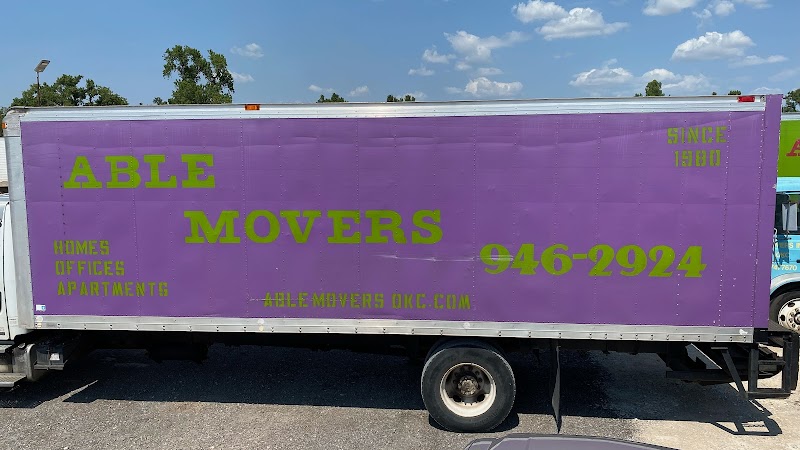
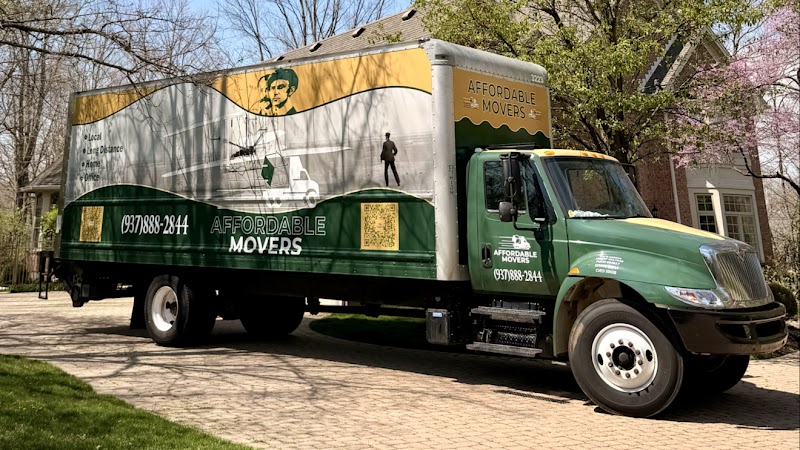
All movers
Every mover in Ohio.
Sorted by best match. Click any card for the full profile and contact details.
Bradford's Moving LLC
Zanesville, OH
★ 5.0 (7 reviews)
Early Bird Moving Services
Toledo, OH
★ 3.2 (6 reviews)
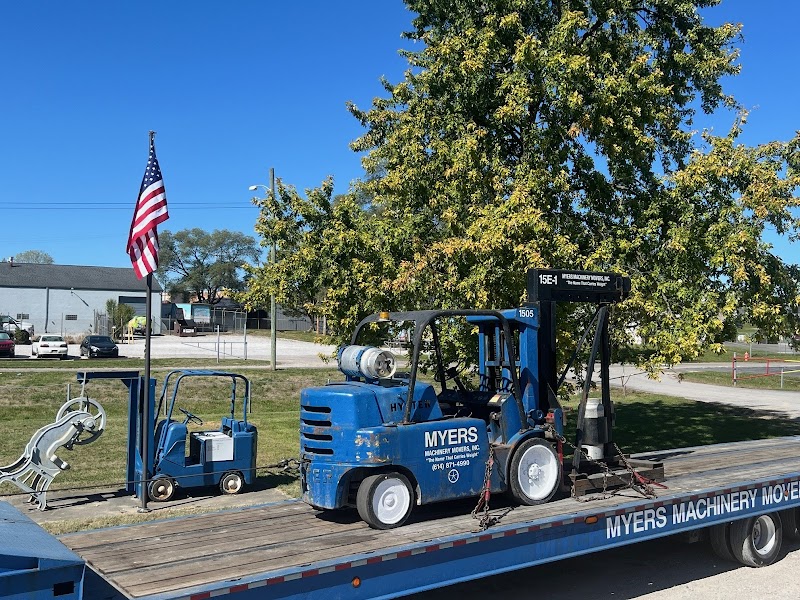
A-Myers Machinery Movers
Columbus, OH
★ 4.9 (25 reviews)

AIM Moving Services
Columbus, OH
★ 4.7 (35 reviews)
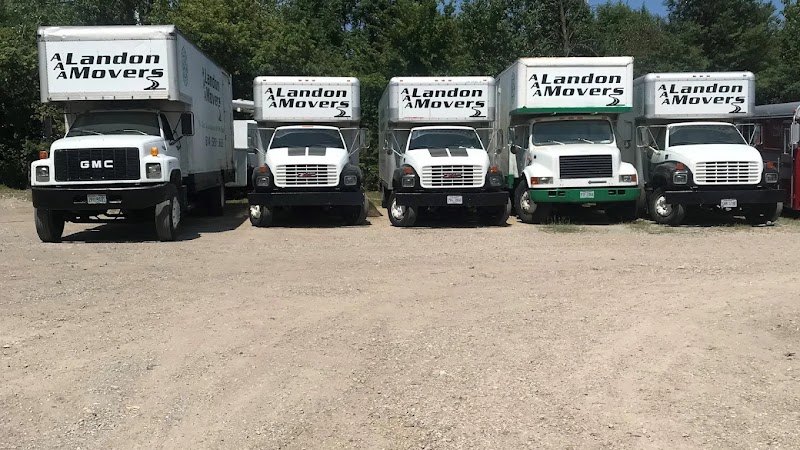
Aaa Columbus Apartment Movers
Columbus, OH
★ 4.7 (89 reviews)

Chicago Favorite Movers LLC
Columbus, OH
★ 4.9 (55 reviews)

Affordable Movers
Columbus, OH
★ 4.8 (354 reviews)

Virostick Moving & Storage
Youngstown, OH
★ 4.8 (38 reviews)
Woleslagel Moving Co
Fremont, OH
Unity Discnt Movers
Cincinnati, OH
Wright Vision Moving & Packing
Cincinnati, OH
The Original Lupica Moving & Storage
Cleveland, OH
Whitworth Brothers Moving & Storage
Cleveland, OH
Starving College Students Moving Company
Columbus, OH
Rollins Moving & Storage Inc
Springfield, OH
Cities in Ohio
Jump to movers in your city.
27 Ohio cities have moving companies listed.
Cincinnati
40 movers listed
Cleveland
36 movers listed
Columbus
36 movers listed
Dayton
17 movers listed
Akron
10 movers listed
Youngstown
9 movers listed
Toledo
8 movers listed
Canton
3 movers listed
Springfield
3 movers listed
Ashland
2 movers listed
Findlay
2 movers listed
Lima
2 movers listed
Salem
2 movers listed
Athens
1 mover listed
Dunkirk
1 mover listed
Fremont
1 mover listed
Gahanna
1 mover listed
Goshen
1 mover listed
Manchester
1 mover listed
Mansfield
1 mover listed
Marion
1 mover listed
Rawson
1 mover listed
Sabina
1 mover listed
Waverly
1 mover listed
West Union
1 mover listed
Willoughby
1 mover listed
Zanesville
1 mover listed
About moving in Ohio
What shapes a Ohio move.
Ohio is one of the most-moved-through states in the country, sitting at the intersection of I-70, I-71, I-75, and I-90. Columbus continues to attract young professionals and remote workers drawn by tech and healthcare job growth, while Cleveland and Cincinnati see steady churn from college graduates, retirees, and corporate relocations. Out-migration tends to flow toward Florida, Tennessee, and the Carolinas. Intrastate moves between Ohio's three major metros are common, and the state's flat-to-rolling terrain keeps most residential moves logistically straightforward outside of winter months.
Three Major Metro Corridors
Columbus, Cleveland, and Cincinnati each have distinct economies and housing markets. Columbus is Ohio's fastest-growing city, driven by Ohio State University and a expanding tech sector. Cleveland anchors the northeast with healthcare and manufacturing, while Cincinnati straddles the Ohio River border with Kentucky. Moving between any two of these cities runs 90 to 250 miles, making one-day local carrier moves feasible.
Winter Moves Require Planning
Lake-effect snow heavily impacts northeast Ohio, particularly the Cleveland and Akron areas, from November through March. Columbus and Cincinnati see regular ice storms and freezing rain during winter. Moving companies in Ohio often charge higher rates or impose surcharges during winter weather events, and booking windows shrink. Spring and early fall are the most predictable seasons for a smooth move.
Competitive Mover Market
Ohio's dense population and numerous mid-size cities create a highly competitive moving industry. Both large national van lines and regional independents operate throughout the state. This competition generally keeps pricing reasonable, but it also means the market includes unreliable operators. Checking USDOT registration and intrastate PUCO registration is essential before signing any contract with a moving company.
Strong College-Town Move Cycles
Beyond the three major metros, cities like Athens (Ohio University), Oxford (Miami University), Bowling Green, and Kent generate heavy short-distance moving demand every August and May. Local movers in these markets book up months in advance around semester transitions. If you're moving to or from a college town, expect premium pricing and scarce availability during peak student move-in and move-out windows.
Anywhere in the state
Find a mover anywhere in Ohio.
Tell Robert where you're headed and get matched with professional local + long-distance movers — free.
Cost of living
Ohio cost of living by metro — why people move here
Ohio's overall cost of living consistently ranks below the national average, with housing being the primary driver of affordability. This makes the state attractive to transplants from more expensive Midwestern, Northeastern, and coastal markets. However, costs vary meaningfully between metros — Columbus has seen significant rent appreciation in recent years, while markets like Toledo, Youngstown, and Dayton remain among the most affordable mid-size cities in the country.
| Metro | COL Index | What to expect |
|---|---|---|
| Columbus | 97 | Rents run roughly $1,300–$1,700 for a 2BR in most neighborhoods; Short North and German Village command premiums of $1,800–$2,400. |
| Cleveland | 88 | Suburban 2BR apartments average $1,100–$1,500; Cleveland proper offers some of Ohio's lowest urban rents, with many neighborhoods under $1,100 for a 2BR. |
| Cincinnati | 93 | Rents range from about $1,200–$1,600 for a 2BR; inner-loop neighborhoods like Hyde Park and Oakley push toward $1,700–$2,000. |
| Dayton | 84 | One of Ohio's most affordable metros; 2BR apartments typically run $900–$1,300, and median home prices remain well below the national average. |
| Toledo | 81 | Exceptionally affordable, with 2BR rents commonly in the $800–$1,100 range; home purchase prices are among the lowest of any Ohio metro. |
| Akron | 86 | Rents average $1,000–$1,400 for a 2BR; proximity to Cleveland gives residents access to a larger job market at significantly lower housing costs. |
Common routes
Common Ohio moving routes and what they cost
Ohio → Florida
~1,100 mi (Columbus to Orlando)
$3,500–$7,000
Ohio-to-Florida is one of the highest-volume retirement and lifestyle migration corridors in the country, with strong demand on the Columbus–I-75–Tampa and Cleveland–I-77–South routes year-round.
Ohio → Pennsylvania
~130 mi (Cleveland to Pittsburgh)
$900–$2,800
Cross-border moves between northeast Ohio and western Pennsylvania are extremely common due to shared job markets, family ties, and the Pittsburgh metro's affordability pulling Ohio residents eastward.
Ohio → Michigan
~200 mi (Toledo to Detroit)
$1,200–$3,200
Toledo and northwest Ohio share deep economic and cultural ties with southeast Michigan, and automotive-industry job moves between the two states are a consistent driver of this corridor.
Ohio → Tennessee
~450 mi (Cincinnati to Nashville)
$2,200–$5,000
Nashville's rapid growth has made the Cincinnati–Nashville corridor increasingly popular, with Ohio residents drawn by Tennessee's lower taxes and warmer climate.
Ohio → Indiana
~180 mi (Columbus to Indianapolis)
$1,100–$2,800
I-70 directly links Columbus and Indianapolis, and both cities' growing tech and logistics sectors create frequent corporate relocation traffic along this route.
Ohio → North Carolina
~600 mi (Columbus to Charlotte)
$2,800–$5,800
North Carolina's Research Triangle and Charlotte have attracted significant out-migration from Ohio's professional class, particularly since 2020, making this a growing long-distance corridor.
Licensing + rules
Ohio moving regulations: what movers must meet
Intrastate Mover Registration — PUCO
Moving companies operating solely within Ohio are typically required to register with the Public Utilities Commission of Ohio (PUCO) under Ohio's household goods mover rules. PUCO registration provides a basic layer of oversight, including complaint-resolution processes. Always confirm your mover's PUCO registration status before booking an intrastate move.
Check registration at puco.ohio.gov or ask the mover directly for their PUCO certificate number.
Interstate Movers — USDOT / FMCSA
Any mover transporting household goods across state lines must be registered with the FMCSA and hold a valid USDOT number. Federal rules require interstate movers to provide you with the FMCSA's 'Your Rights and Responsibilities When You Move' booklet and a binding or non-binding written estimate before your move.
Verify a mover's USDOT number and operating authority at safer.fmcsa.dot.gov.
Released Value vs. Full Value Protection
Ohio, like all states, operates under federal liability standards for interstate moves. The free 'released value' option is only $0.60 per pound per item — far below replacement cost for most goods — but you only get it by signing a written waiver choosing it; on an interstate move, Full Value Protection applies automatically if you sign nothing. Full-value protection is available at additional cost and is strongly recommended for electronics, antiques, or high-value items. Ask your mover for a written explanation of both options before signing.
For intrastate moves, Ohio movers may offer different liability structures — confirm in writing.
Written Estimates Required
Ohio consumers should always obtain a written estimate — ideally an in-home or virtual walkthrough estimate rather than a phone quote. Reputable movers registered with PUCO or FMCSA are expected to provide itemized, written estimates. Be cautious of movers who give only verbal quotes or demand large cash deposits upfront before the move date.
For interstate moves, FMCSA rules prohibit movers from charging more than 110% of a non-binding estimate.
Complaint and Dispute Resolution
For intrastate disputes involving Ohio-registered movers, consumers can file a complaint with PUCO. For interstate moves, complaints can be submitted to the FMCSA. Ohio also allows claims through the Ohio Attorney General's consumer protection office. Keep all written documentation — estimates, contracts, inventory lists, and delivery receipts — in case a dispute arises.
PUCO consumer hotline and complaint portal are accessible at puco.ohio.gov.
Ohio moving FAQ
Common Ohio moving questions.
When is the best time of year to move in Ohio?
+
Late April through early June and September through October offer the best combination of mild weather and mover availability. Summer (June–August) is the busiest season, especially around Columbus due to Ohio State's academic calendar, so prices rise and booking windows shrink. Avoid planning a move in northeast Ohio from November through February if possible — lake-effect snow off Lake Erie can cause delays, cancellations, and added risk for moving trucks.
How much does a local Ohio move typically cost?
+
Local moves within the same Ohio metro generally run $300–$1,200 for a 1–2 bedroom home, based on hourly rates. Most Ohio moving companies charge $100–$160 per hour for a two-person crew with a truck. A full house move (3–4 bedrooms) within the same city can run $1,200–$2,500 or more depending on distance, stairs, and specialty items. Always get at least two or three written estimates before committing.
Do I need to verify my mover's license for an Ohio-only move?
+
Yes. For moves entirely within Ohio, movers are typically required to register with the Public Utilities Commission of Ohio (PUCO). You can confirm registration at puco.ohio.gov. For moves crossing state lines — such as Columbus to Pittsburgh or Cincinnati to Indianapolis — the mover must have a valid USDOT number and FMCSA operating authority, which you can verify at safer.fmcsa.dot.gov. Never hire a mover who cannot provide these credentials.
What are the most common scams to watch for when hiring Ohio movers?
+
The most reported issue in Ohio is the 'hostage load' scam: a mover provides a low estimate, loads your belongings, then demands a much higher payment before unloading. Protect yourself by getting a binding written estimate, verifying PUCO or FMCSA registration, and paying by credit card when possible. Also watch for movers with no physical Ohio address, those who demand 50% or more upfront in cash, or companies operating under multiple names to evade complaints.
Is it cheaper to move to Columbus vs. Cleveland or Cincinnati?
+
Moving costs into all three cities are broadly similar for out-of-state moves, since distance is the main cost driver. Within Ohio, Columbus is currently the tightest housing market, with rents rising faster than Cleveland or Cincinnati. Cleveland's suburban areas and Akron offer some of the best value for buyers. Cincinnati offers a strong middle ground. If cost of living after the move matters, Dayton and Toledo are notably more affordable than any of the three major metros.
How far in advance should I book a mover in Ohio?
+
For peak season moves (May through August), booking 4–8 weeks in advance is strongly recommended, especially in Columbus and for moves overlapping with Ohio State University's semester transitions. Off-peak moves in fall and winter can often be arranged with 1–3 weeks' notice. College-town markets like Athens, Oxford, and Kent should be booked even further ahead — local movers in those markets are fully booked weeks before August move-in dates.
What interstate highways should I know about for moving within or out of Ohio?
+
Ohio has one of the most complete freeway networks in the Midwest. I-70 runs east–west through Columbus connecting to Indianapolis and Pittsburgh. I-71 links Cincinnati, Columbus, and Cleveland. I-75 runs north–south from Toledo through Dayton and Cincinnati toward Kentucky and Florida. I-90 parallels Lake Erie across northern Ohio toward Pennsylvania. I-77 connects Cleveland southward through Akron and Canton toward West Virginia and the Carolinas. Most long-distance moving trucks serving Ohio use one or more of these corridors.
Does Ohio have any specific rules about parking moving trucks on city streets?
+
Parking rules for moving trucks vary by city in Ohio. Columbus, Cleveland, and Cincinnati all have permitting processes for reserving street space for a moving truck, typically through the city's parking or transportation department. Fees and advance notice requirements differ by municipality — Columbus generally requires a permit for blocking a lane or metered space. Confirm requirements with your specific city at least a week before your move date to avoid fines or towing.
What should I know about moving to Ohio from a high-cost state like New York or California?
+
Ohio's housing costs can be dramatically lower than coastal markets. A home that would cost $600,000–$800,000 in suburban New Jersey or the Bay Area might sell for $200,000–$350,000 in Columbus or Cincinnati suburbs. However, Ohio has a state income tax (graduated rates), and some municipalities — including Columbus and Cleveland — levy their own city income taxes, which can be 2–2.5%. Factor those taxes into your comparison with no-income-tax states like Florida or Tennessee when planning your relocation finances.
Are there moving assistance programs for low-income Ohioans?
+
Several Ohio counties and nonprofits offer emergency relocation assistance for low-income residents facing eviction or housing instability. The Ohio Development Services Agency oversees federal housing assistance programs at the state level. Community Action Agencies, which operate in all 88 Ohio counties, sometimes provide moving cost assistance or connect residents with resources. Additionally, some Ohio municipalities have renter assistance programs worth checking with your county's Job and Family Services office before your move date.
Moving out of state?
Long-distance movers in Ohio.
What an interstate move costs and how to choose a licensed mover, city by city. Every city we cover.
Moving away from Ohio?
Relocation guides from Ohio.
Cost of living, taxes, and what to expect for popular interstate moves out of Ohio.
Ohio → Florida
Read the guide →Ohio → Indiana
Read the guide →Ohio → Michigan
Read the guide →Ohio → North Carolina
Read the guide →Ohio → Pennsylvania
Read the guide →Ohio → Texas
Read the guide →Ohio → Indianapolis
Read the guide →Ohio → Jacksonville
Read the guide →Ohio → Miami
Read the guide →Ohio → North Port
Read the guide →Ohio → Orlando
Read the guide →Ohio → Tampa
Read the guide →Get your moving quote
Many ways to get a moving quote.
Chat, text, email, or call — whichever’s easiest. Tell Robert about your move and matching movers in your city reach out, usually within a few minutes.