A long-distance move out of Las Cruces typically costs $2,500–$7,500 for a 1–2 bedroom home and $5,500–$14,000 or more for a 3–4 bedroom home, depending on how far you're going, how much you're shipping, and what services you add. Before you hand a Las Cruces move to anyone, do this: confirm the mover holds an active FMCSA operating authority and get a binding estimate in writing — those two steps protect you from the bulk of interstate moving fraud.
What do long-distance movers in Las Cruces cost once weight and loaded miles are counted?
Interstate moving prices are not a single fixed figure. Carriers price by shipment weight and loaded miles, so two households moving to the same city can have very different bills. The estimates below reflect realistic ranges for moves originating in Las Cruces — treat them as a planning baseline, not a quote.
| Home size | Approx. weight | Typical cost range* |
|---|---|---|
| Studio / small 1BR | 1,000–2,500 lbs | $1,800–$3,800 |
| 1–2 bedroom | 2,500–5,000 lbs | $2,500–$7,500 |
| 3 bedroom | 5,000–9,000 lbs | $5,500–$11,000 |
| 4+ bedroom | 9,000–14,000+ lbs | $9,000–$14,500+ |
Estimates only. Final costs vary by distance, season, packing services, and access conditions.
What drives the final price up or down?
- Distance — The loaded-mile component rises steeply beyond 500 miles. A move to Phoenix costs considerably less than a move to the Pacific Northwest or East Coast.
- Shipment weight — Carriers weigh the truck before and after loading. Donating or selling heavy items before your move date is one of the most effective ways to control cost.
- Full-service packing — Professional packing typically adds $300–$1,200+ depending on volume. It's worth it for fragile or high-value items; not always necessary for everything.
- Stairs, elevators, and long carries — Access fees apply when crews carry items more than 75 feet from the truck or navigate multiple flights of stairs. Las Cruces is largely flat, but your destination city may not be.
- Storage-in-transit — If your new home isn't ready, the carrier may hold your shipment. Expect $100–$300+ per month depending on shipment size.
- Summer peak season — Memorial Day through Labor Day is the busiest (and most expensive) time to move nationwide. If you can move in fall, winter, or early spring, you'll often find better availability and pricing.
From tariff rate to final bill: how a Las Cruces interstate quote is built
Under federal regulations, an interstate estimate is either a binding estimate (a guaranteed not-to-exceed price based on the agreed scope) or a non-binding estimate (an approximation that can increase if your shipment weighs more than estimated), and it must say which. Always request a binding estimate — it removes the risk of a surprise bill on delivery day.
Carriers calculate your estimate using a tariff rate: a dollar amount per hundred pounds (cwt) multiplied by your shipment's estimated weight, plus a mileage component. Additional services — packing, crating, hoisting, storage — are itemized separately.
Valuation (not insurance): Every interstate mover has to put two valuation options in front of you:
- Released-value protection — Free, but applies only if you waive full-value protection in writing, and pays only $0.60 per pound per article. A 50-lb TV worth $800 would yield a $30 reimbursement. Most people find this insufficient.
- Full-value protection — Costs extra (typically $100–$500+ depending on declared value), but the carrier is liable for repair, replacement, or current market value of lost or damaged items. Set against the $30 payout above, the added charge buys far more coverage.
Delivery windows for a shipment leaving the Mesilla Valley
Interstate carriers work to a delivery window agreed in writing, not a guaranteed single date. For moves under 1,000 miles, you can typically expect delivery within 2–5 business days of your first available delivery date. For cross-country moves of 2,000+ miles, windows of 7–14 business days are common.
Discuss the delivery spread with your carrier before you book. If you have a hard move-in date (lease start, job report date), ask about expedited service — some carriers offer it for an added cost.
Sizing up a licensed interstate mover before you leave the Mesilla Valley
Most of the trouble on a long-distance move starts at the hiring stage. An unlicensed broker or "rogue mover" can hold your belongings hostage for extra payment — a practice the FMCSA calls a "hostage load." Here's how to protect yourself:
- Verify FMCSA registration. Both a USDOT number and an MC (Motor Carrier) number are required of an interstate mover. Confirm both are active at the FMCSA's online search tool (protectyourmove.gov) before you sign anything.
- Collect three or more estimates based on an in-home or video survey. Any company that gives you a quote over the phone based on a "list of items" without seeing your home is guessing — and that guess rarely benefits you.
- Go over the Bill of Lading before you sign it. It is the contract that governs the whole move. Never sign a blank or incomplete one. Confirm the delivery window, weight estimate, and all services are listed.
- Check verified review platforms for recent feedback — not just star ratings, but written reviews that describe how problems were handled.
- Avoid large upfront deposits. Payment on a licensed interstate move is usually due when the load arrives rather than beforehand, and a request for more than 20–25% upfront is a warning sign.
Browse movers by state or find movers on our directory to start your search, and check each carrier's FMCSA registration before you book.
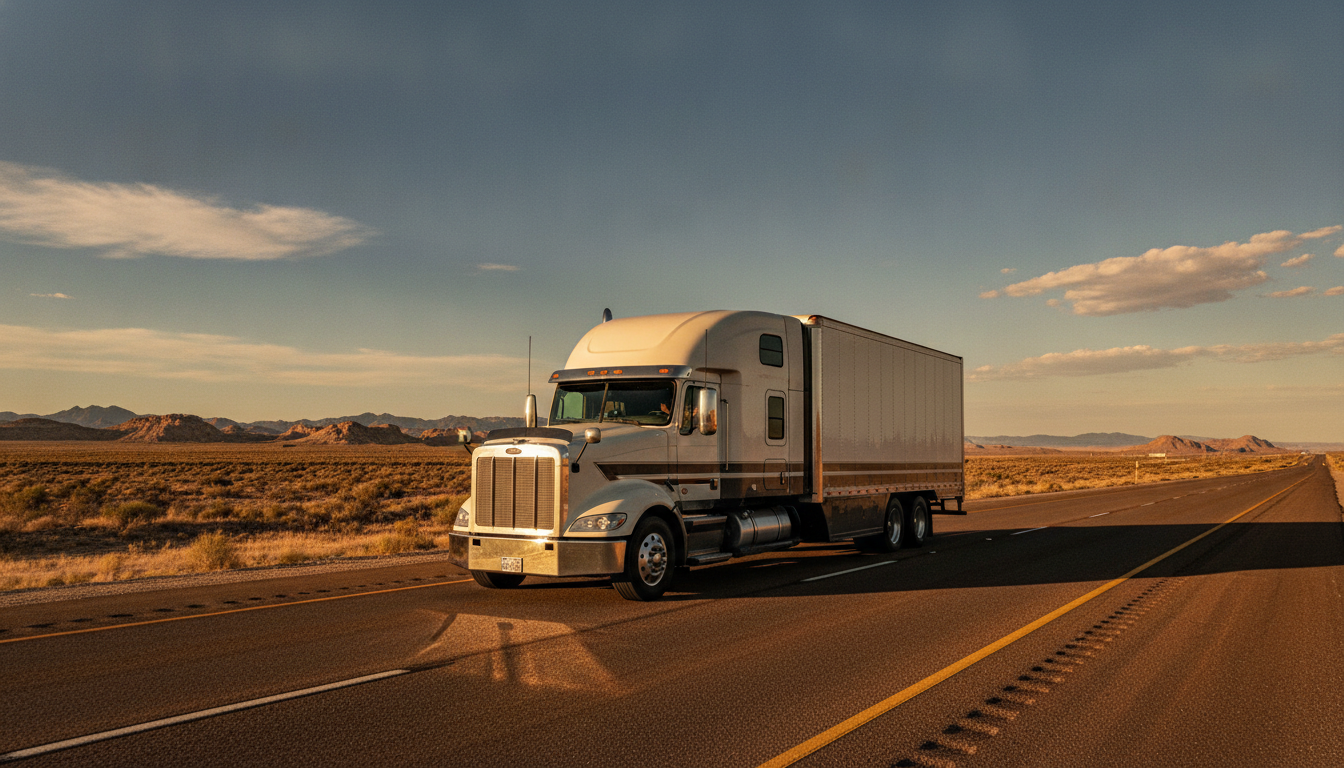
Six destinations along I-10 and I-25 for a move out of Las Cruces
Las Cruces sits at the crossroads of I-10 and I-25, making it a natural jumping-off point for moves across the Southwest, Texas, and beyond. Common destinations include:
- El Paso, TX — Just 45 miles south, but still an interstate move crossing state lines; one of the most frequent relocations from Las Cruces.
- Albuquerque, NM — A 225-mile move up I-25 that stays inside New Mexico, so state rules rather than the federal ones apply; check with your mover or the state regulator.
- Phoenix, AZ — Roughly 390 miles west on I-10; a popular destination for Las Cruces residents chasing a larger metro job market.
- Denver, CO — About 670 miles north; increasingly common for remote workers and retirees.
- Dallas/Fort Worth, TX — Approximately 680 miles east on I-10 to I-20; a major relocation corridor.
- Los Angeles, CA — Around 780 miles via I-10; one of the longer Southwest routes out of Las Cruces.
No matter your destination, find movers in our directory or browse movers by state to compare licensed interstate carriers serving New Mexico.
Moving-day tips for loading a truck in Las Cruces heat
Las Cruces summers are brutal — temperatures routinely clear 95°F, and the late-summer monsoon season (July–September) brings sudden heavy rain and dust storms (haboobs) that can roll in with almost no warning. A few practical notes:
- Start loading early. Schedule your crew for 7–8 AM to beat the worst afternoon heat. By 1 PM it's miserable on a blacktop driveway.
- Watch the monsoon window. If you're moving between July and September, have a plan for protecting mattresses, electronics, and wood furniture if a storm rolls in mid-load.
- Hydrate your crew. Heat exhaustion is a genuine risk. Keep water and electrolyte drinks stocked regardless of whether you hired professionals or recruited friends.
- Photograph everything before it's wrapped. Walk room by room with your phone before the crew begins packing. This documentation is invaluable if you need to file a valuation claim later.
- Confirm parking clearance. Large moving trucks need room to maneuver. Check whether your neighborhood or destination requires a parking permit for an oversized vehicle.
For more on hiring in the region, visit our movers in Las Cruces page.
Frequently asked questions
Is a move from Las Cruces to El Paso considered a long-distance move?
Yes. Any move that crosses a state line is regulated as an interstate move under federal law, regardless of distance. That means the carrier must hold active FMCSA authority, offer federally required valuation options, and follow federal rules on estimates and delivery windows — even for a 45-mile move to El Paso.
Can a Las Cruces mover give me a binding estimate without coming to the house?
Technically yes — video surveys have become common and are acceptable. What you should never do is accept a phone or email quote based solely on a list you describe to the salesperson. Without seeing your home, the carrier cannot accurately estimate weight, access challenges, or packing needs, and a low "estimate" can balloon significantly on moving day.
What should I do if my shipment is delayed?
First, check your Bill of Lading for the agreed delivery window. If the carrier misses the spread without a documented reason (severe weather, mechanical failure), you may be entitled to compensation under their tariff. Contact the carrier's customer service in writing, and if you can't reach resolution, file a complaint with the FMCSA.
How do I reduce the weight of my shipment to lower costs?
Sell, donate, or discard heavy items before your move date — furniture, appliances you're replacing anyway, excess books, and old exercise equipment are the biggest culprits. Request a re-weigh if you believe the loaded weight is higher than your estimate; you have the right to be present at the weigh station.
Is fall or winter the cheapest time to leave Las Cruces?
October through February is generally the slowest period for interstate movers, which typically translates to better availability and more competitive pricing. Avoid moving on or around Memorial Day, the Fourth of July, and Labor Day weekends — those are peak demand periods and carriers are often booked weeks in advance.
Do movers charge extra for moving from Las Cruces specifically?
Not as a rule — but Las Cruces's location in southern New Mexico means fewer carrier options than a major metro, which can reduce competitive pressure on pricing. Getting three or more estimates is especially important here to ensure you're seeing the actual market rate for your route.