A long-distance move out of Santa Fe typically costs between $2,500 and $7,500 for a 1–2 bedroom home, and upward of $10,000–$14,000 for a 3–4 bedroom, depending on distance, shipment weight, and services like full packing. Before you sign with anyone in Santa Fe, get this right first: make sure your mover is licensed with the FMCSA and that you have a binding estimate in writing — those two steps alone protect you from the most common interstate moving disasters.
What do long-distance movers in Santa Fe cost, and why do adobe streets add to the bill?
Because interstate moves are priced by weight and distance — not a flat hourly rate — the cost varies more than a local move does. A household moving 500 miles will pay meaningfully less than one moving 2,000 miles, even if both have the same amount of furniture.
Below are realistic cost ranges based on home size. These are estimates; your actual quote will depend on your shipment weight, exact destination, time of year, and add-on services.
| Home Size | Estimated Weight | Typical Cost Range |
|---|---|---|
| Studio / 1 BR | 1,000–3,000 lbs | $1,500 – $4,000 |
| 2 BR | 3,000–5,000 lbs | $3,000 – $6,500 |
| 3 BR | 5,000–8,000 lbs | $5,500 – $10,000 |
| 4 BR+ | 8,000–12,000+ lbs | $9,000 – $14,000+ |
Key cost drivers to discuss with every carrier you call:
- Distance — the mileage from Santa Fe to your destination is the primary pricing lever
- Shipment weight — more furniture and boxes means a higher bill; decluttering before the move is serious money saved
- Packing services — full packing by the crew can add $500–$2,500+ depending on home size
- Access and stairs — long carries, elevator waits, or narrow Santa Fe adobe-style doorways can trigger accessorial fees
- Season — peak season (May–August) typically commands higher rates and tighter availability
- Storage-in-transit — if your new home isn't ready, short-term storage adds cost
How does a carrier price an interstate load, including a shuttle for a historic Santa Fe street?
Unlike local movers who charge by the hour, interstate carriers operating under FMCSA authority must price your move based on weight and distance. Here's how the two key variables interact:
- Weight is usually determined at a certified scale before and after loading (a "gross" and "tare" weight). Your final bill is based on the actual shipment weight.
- Distance is the practical mileage from origin to destination, not as-the-crow-flies.
On top of the base rate, carriers add accessorial charges for things like packing materials, appliance service, long carries, and shuttle service (common in Santa Fe, where some historic neighborhoods and canyon-adjacent properties can't accommodate a full 53-foot trailer).
Binding vs. non-binding estimates — know the difference before you sign
This is where many people get burned. When you get an estimate from an interstate mover, it will be labeled binding or non-binding. The versions you will see:
- Non-binding estimate — the carrier's best guess; your final bill can exceed this amount based on actual weight
- Binding estimate — the price is locked in, regardless of actual weight (as long as your inventory doesn't change significantly)
- Binding not-to-exceed — you pay the binding price or the actual weight-based price, whichever is lower; this is the most consumer-friendly option
Get the estimate type written on the estimate itself. FMCSA regulations require interstate carriers to provide written estimates and honor binding agreements. If a mover refuses to give you a written binding estimate, that's a significant red flag.
How long will delivery take for a move out of Santa Fe?
Interstate movers are not overnight couriers. Federal regulations allow carriers to provide a delivery window rather than a guaranteed date, and that window is often 1–14 business days depending on distance, route, and whether your shipment is consolidated with others.
Typical delivery timeframes from Santa Fe:
- Shorter hauls, under 500 miles (for example Albuquerque, Denver or Phoenix): 2–5 business days
- Mid-range, 500–1,500 miles (for example Dallas, Los Angeles, Chicago or Atlanta): 5–10 business days
- 1,500+ miles (e.g., New York, Boston, Miami): 7–14+ business days
Ask your carrier for the First Available Delivery Date (FADD) and the estimated delivery window in writing. Build a buffer into your travel plans — your belongings may arrive before or after you do.
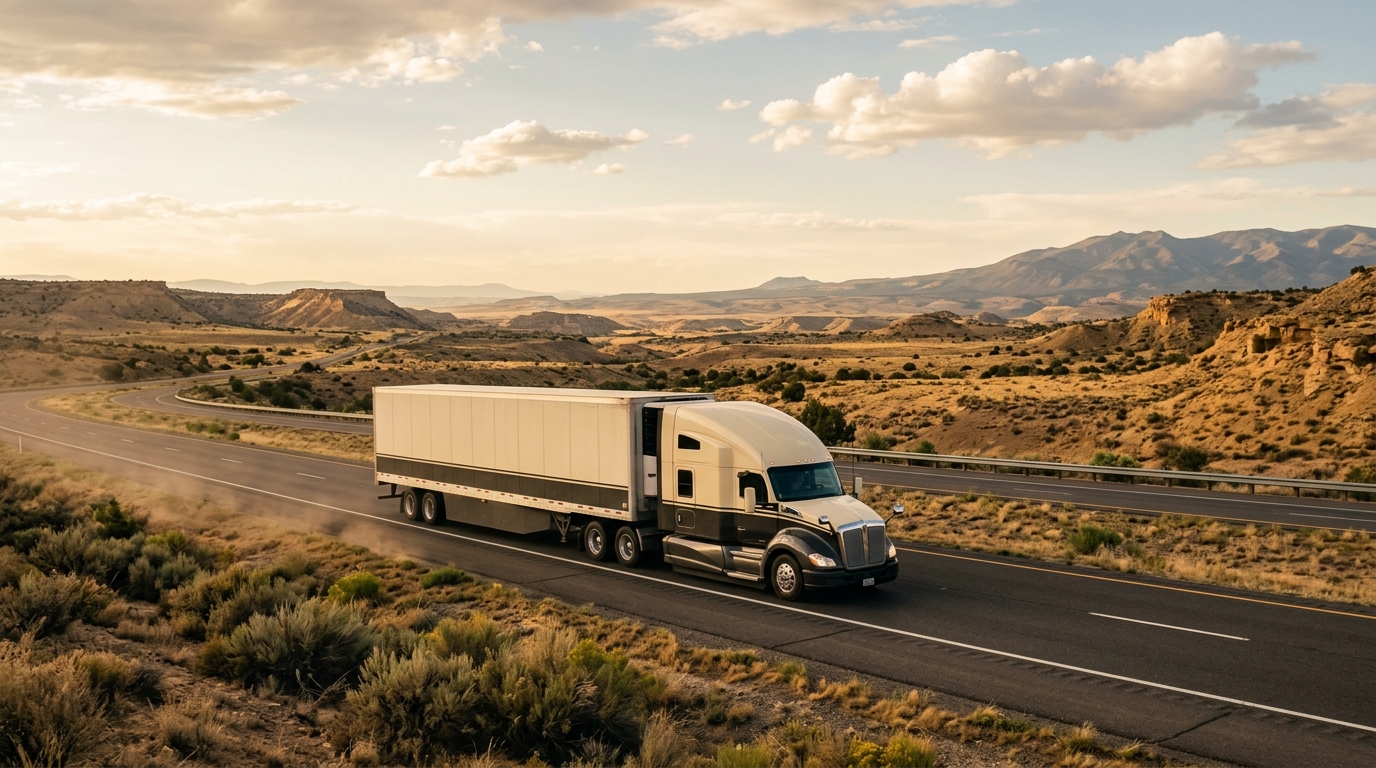
Hiring a licensed interstate mover out of Santa Fe: seven checks
Hiring an unlicensed carrier — or a broker who doesn't disclose they're a broker — is the leading cause of moving fraud. Here's how to protect yourself:
- Verify their USDOT number and MC number at the FMCSA mover search tool. A carrier that moves households between states holds both numbers.
- Confirm active operating authority — "registered" isn't enough; the status must say "authorized."
- Check their safety rating — avoid carriers with "Unsatisfactory" ratings.
- Get at least three written estimates — in-home or detailed virtual surveys are more accurate than phone quotes.
- Read reviews on verified review platforms — look for consistent comments about delivery timing, communication, and final billing.
- Ask whether they're a carrier or a broker — brokers hand your move to a third-party carrier; that's not inherently bad, but you should know who's actually handling your belongings.
- Understand your valuation options — federal law requires carriers to offer two levels of protection:
- Released-value protection (free, but limited to $0.60/lb per article, and only if you choose it in writing; otherwise full value protection applies)
- Full-value protection (additional cost; carrier is liable for repair or replacement at current market value)
For most Santa Fe households with furniture and valuables, full-value protection is worth the added cost.
Where the I-25 and US-285 routes out of Santa Fe lead
Santa Fe sits at 7,000 feet in northern New Mexico, connected to the country by I-25 and US-285. Common long-haul destinations include the Denver metro, Phoenix and Scottsdale, the Dallas–Fort Worth Metroplex, Los Angeles and San Diego, Chicago, and the Carolinas. Whether you're heading to a major city or a smaller market, the pricing and vetting principles above apply to every route.
To explore movers serving specific destinations, browse movers by state or find movers filtered to your route.
Moving day in Santa Fe: monsoon storms, adobe streets, and artwork
Santa Fe's geography creates a few unique logistical realities worth planning around:
- Schedule your load day early — summer afternoons bring monsoon thunderstorms from June through September. Aim for a morning start to beat afternoon rain and lightning.
- Flag access issues upfront — historic adobe neighborhoods, canyon roads, and gated communities can make large truck access difficult. Walk your mover through your address before booking.
- Protect artwork and ceramics — if you've accumulated pieces from Canyon Road or local galleries, discuss custom crating with your mover early. Standard boxes aren't adequate for high-value fragile items.
- Confirm your delivery address details — if you're moving to a new city where you haven't yet secured housing, storage-in-transit can bridge the gap, but confirm pricing and duration limits in your contract.
- Keep an inventory — photograph your belongings before loading. Should a damage claim arise, documentation makes the process far smoother.
For local mover options or to compare carriers serving Santa Fe, visit our movers in Santa Fe directory or find movers to search by route and home size.
Frequently asked questions
Do I need to be present for the weigh station stop?
You're not required to accompany the truck to the scale, but you do have the right to observe the weighing under FMCSA rules. If you want to witness it, ask your mover in advance to notify you of the weigh-in location and time. You can also request a reweigh if you believe the recorded weight is inaccurate — the carrier must accommodate this before delivery.
Am I allowed to pack my own boxes for a Santa Fe interstate move?
Yes, you can, and doing the packing yourself avoids the full-packing charge. However, be aware that most carriers will not honor damage claims on boxes you packed yourself (labeled "PBO" — packed by owner) unless the damage is clearly from mishandling rather than inadequate packing. If you pack your own items, use quality boxes and appropriate cushioning materials.
What happens if the mover misses the delivery window?
If your carrier misses the agreed delivery window, you may be entitled to compensation under your contract or FMCSA regulations. Document everything — keep records of all communications, the original delivery window in writing, and any expenses incurred due to the delay (hotel stays, meals, clothing purchases). Raise the issue formally in writing with the carrier immediately.
If a Santa Fe move is booked through a broker, is that the same as hiring a moving company?
No. A moving broker arranges your move by connecting you with a carrier — they don't own trucks or employ drivers. A moving carrier performs the actual move. Brokers are legal and regulated, but you should always know the name of the actual carrier before your move date. Ask your broker to provide the carrier's USDOT and MC numbers so you can verify them independently.
How early should I reserve a long-distance mover in Santa Fe, in peak season or off-season?
For moves during peak season (May through August), 6–8 weeks in advance is a practical minimum. Off-season moves (October through March) can sometimes be arranged with 2–4 weeks' notice, but earlier is always safer. Summer availability tightens quickly, and the best-reviewed carriers book up first.
Can my car travel on the same truck as my Santa Fe household goods?
Typically, no. Most interstate household goods carriers don't transport vehicles on the same trailer as your furniture and boxes. Auto transport is usually arranged separately through a dedicated vehicle shipping carrier. Ask your mover for a referral or browse movers by state for carriers who offer bundled auto and household services.