Charlotte has nearly twice as many residents as Raleigh. That single fact reshapes almost every decision you'll make on this move — where you land, what your commute looks like, what kind of building you're moving into, and how much room the movers will have when they get there. Everything below is built around what's different, not what's the same.
A Bigger City, a Subtly Different Cost of Living
Raleigh and Charlotte are both expensive by historic North Carolina standards, but the numbers diverge in ways that matter depending on whether you're buying or renting. The median home value in Charlotte runs about 7% below Raleigh's, which gives buyers more room to move. Renters, on the other hand, face slightly higher median rents on the Charlotte side — not dramatically so, but enough that anyone budgeting a first year in a new city should account for it.
If you're selling a Raleigh home before you move, that equity gap is worth knowing when you make an offer in Charlotte: comparable square footage will generally cost you a bit less, but don't assume the savings are automatic in every neighborhood or price tier.
Detached Houses — and Why That Changes Moving Day
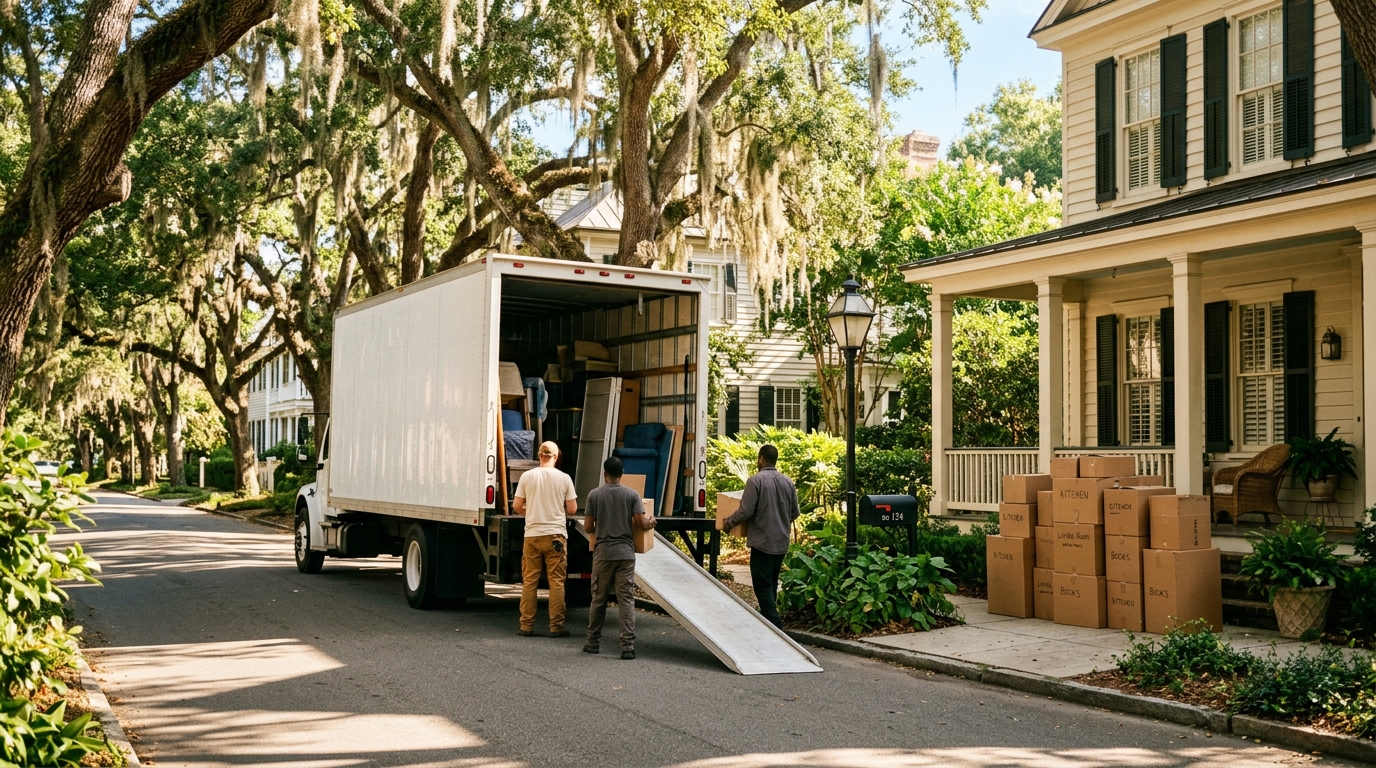
Here's the building difference that matters most on moving day: detached single-family houses make up 52% of Charlotte's housing stock, compared to 44% in Raleigh. If you're coming from a Raleigh apartment complex with a shared elevator, a loading dock schedule, and designated parking windows, you may well be arriving at a Charlotte address with a driveway and a set of front steps instead.
That shift cuts both ways. A house usually gives your movers easier truck access — no elevator reservation, no freight-elevator wait, no HOA moving hours. But it also means more stairs, potentially a longer carry from the curb, and no building staff to hold a door. About a third of Charlotte's homes are still in buildings of five or more units, so if you're moving into an apartment or a high-rise, all the same coordination questions apply: confirm loading dock availability, ask about elevator reservation policies, and get the building's rules in writing before your movers arrive.
Neighborhoods to Know in Charlotte
Charlotte's size means the neighborhood you choose sets your day-to-day experience more than the city's overall statistics do. People relocating from Raleigh frequently ask about areas including South End, NoDa, Plaza Midwood, Dilworth, Myers Park, University City, Ballantyne, and Steele Creek. Each sits in a different part of the city with a different relationship to Uptown, to transit, and to the kinds of housing stock you'll find.
Because Charlotte is substantially larger than Raleigh, take time to visit neighborhoods in person — or virtually — before you sign a lease or make an offer. What reads as "close to downtown" on a map can mean very different commute times depending on direction and time of day. If you want to find movers and get quotes while you're still researching neighborhoods, most movers can give you preliminary information even before you have a confirmed address, as long as you're prepared to update details once you do.
Timing: Summers Are the Same, Moves Are Not
Both cities share the same basic climate: hot, humid summers with temperatures well into the 90s from June through August, mild winters with occasional ice, and a spring that can bring severe weather. That similarity means the seasonal calculus for when to move is nearly identical on both ends.
Summer is the busiest season for movers across both markets. Movers in Raleigh and movers in Charlotte both fill up quickly from late May through August, and prices tend to reflect that demand. If you can move in the shoulder months — April, October, or November — you'll typically find more availability and more negotiating room on price. Mid-month and mid-week dates are easier to book than the first and last weekends of the month, which is when most leases turn over.
Charlotte's lower residential turnover rate (16% of residents moved in the past year, versus 19% in Raleigh) suggests a somewhat steadier market — but that doesn't mean moving day in Uptown or South End will feel calm in July. Build buffer time into your schedule on both ends.
What Drives the Price on This Route
Because this is an in-state move entirely within North Carolina, state law governs your move rather than federal rules. Ask any mover you're considering for a written estimate — either binding or not-to-exceed — before loading begins. North Carolina's rules are your framework here; for specifics on your rights and the mover's obligations, check with the North Carolina Utilities Commission, which oversees household goods movers in the state.
On this particular route, the factors that drive your cost aren't distance — it's a straightforward same-day move for most households. What matters is:
- Volume and weight. The more you're moving, the more you pay. If you're leaving a larger Raleigh home and downsizing into a Charlotte apartment, selling or donating bulky items before the move almost always costs less than moving them.
- Access at both ends. Elevator reservations, long carries, narrow staircases, and parking restrictions all add time, and time adds cost. Confirm access conditions at both addresses before you get quotes.
- Services. Packing, crating, and storage each add to the total. Get them quoted as line items, not bundled into a single number you can't audit later.
- Season and day of week. As above — peak-season weekend moves cost more, almost everywhere.
Choosing a Mover for This Route
Our team has 35+ years of hands-on service-provider experience, including an operator who ran a moving company for 18 years. One thing that experience makes clear: the best time to vet a mover is before you're under pressure to book.
For this in-state move, confirm that the mover is licensed to operate in North Carolina. Ask for a written estimate before you commit, and never sign a blank or incomplete document. Be cautious about any company that quotes a price over the phone without seeing your home — a walk-through, whether in person or by live video, is how a mover gives you a number they can stand behind.
A large upfront cash deposit before any work is done is a warning sign. Ask how disputes and claims are handled, and get the answer in writing as part of your contract.
You can browse by state to understand what licensing requirements apply, or go directly to our find movers page to compare licensed movers serving both Raleigh and Charlotte. Either way, getting two or three written estimates gives you a solid basis for comparison — not just on price, but on what each mover is actually agreeing to do.
Charlotte is a city that rewards some advance research. The size difference from Raleigh is substantial, and it makes neighborhood choice, housing type, and moving logistics more consequential than they might be on a move between more similar places. Get those pieces right and moving day itself is the easy part.