
Find movers near you
Movers across North Carolina.
Compare top-rated local and long-distance movers — and let Robert do the comparison for you.
Get Your Quote→North Carolina · NC
Moving companies in North Carolina.
132 movers across 23 cities in North Carolina — local, long-distance, and specialty handling. Compare listings, get transparent quotes, and use our honest cost guide before you book.
Robert
Online·Call for a quote
Hi — I'm Robert, and I'll help you find the right movers. Where are you moving from, and where are you headed? Prefer a live representative? Just say the word and I'll connect you, or use the call button for a quote anytime.
By chatting with Robert, you agree we may share your move details with movers in your origin city so they can contact you with a quote. We never sell or share your info outside this network. Privacy Policy.
Top movers in North Carolina
North Carolina movers worth a look.
A few of the top movers statewide. Want a tailored recommendation? Chat with Robert above.

All movers
Every mover in North Carolina.
Sorted by best match. Click any card for the full profile and contact details.
All Around Movers
Charlotte, NC
★ 5.0 (3 reviews)

828 Movers
Asheville, NC
★ 5.0 (2 reviews)
George Movers
Greensboro, NC
★ 5.0 (21 reviews)
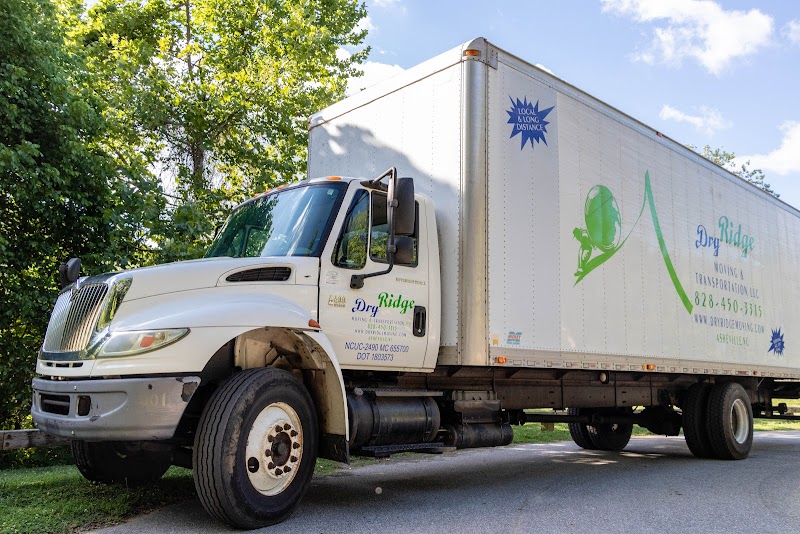
Dry Ridge Moving And Transportation
Asheville, NC
★ 4.9 (216 reviews)
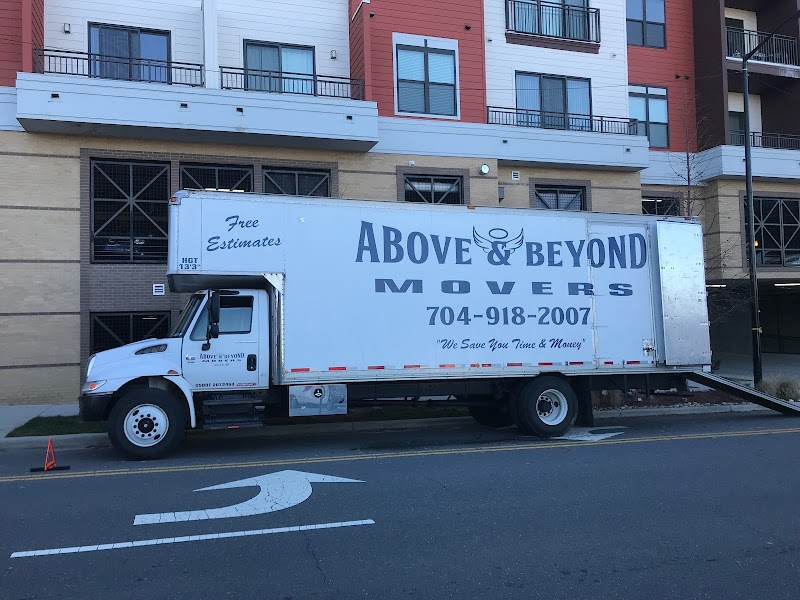
Above and Beyond Movers
Charlotte, NC
★ 4.7 (363 reviews)
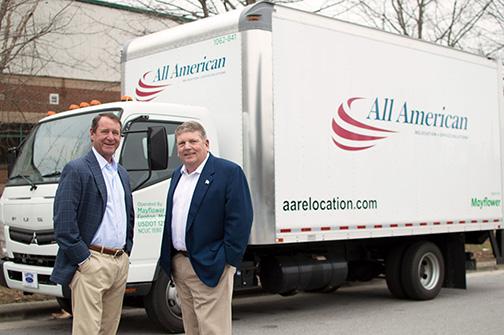
All American Relocation
Charlotte, NC
★ 4.5 (100 reviews)
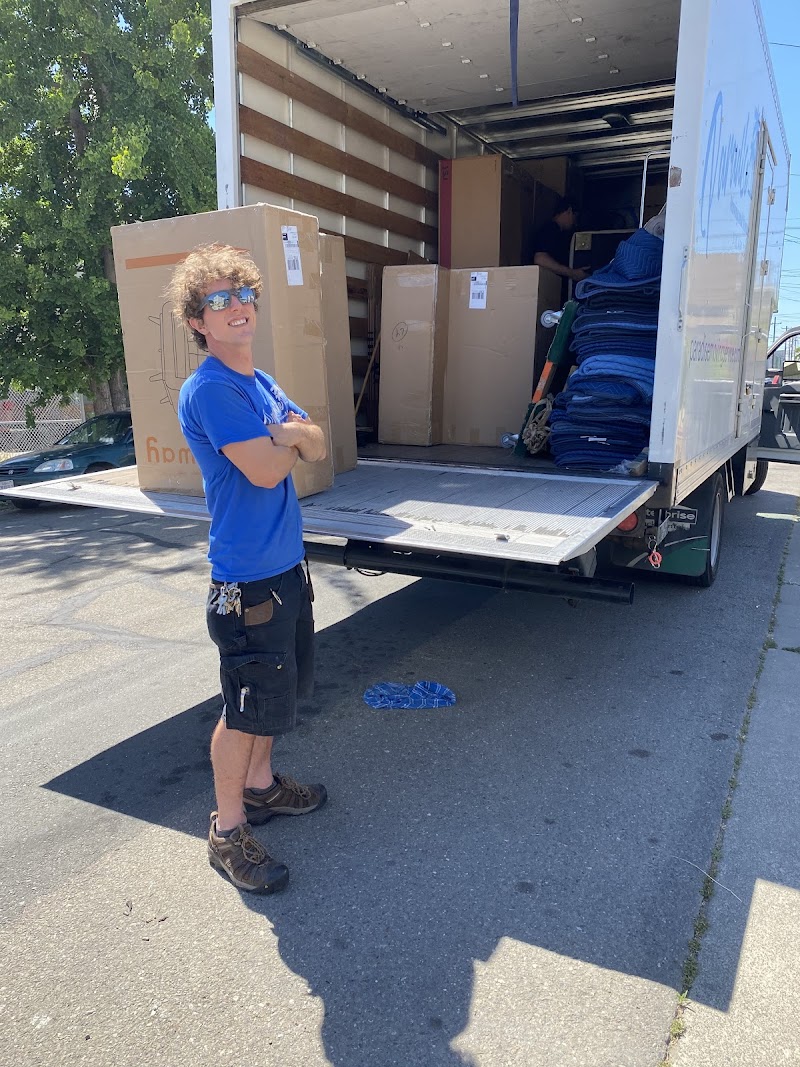
Advanced Moving
Charlotte, NC
★ 5.0 (55 reviews)
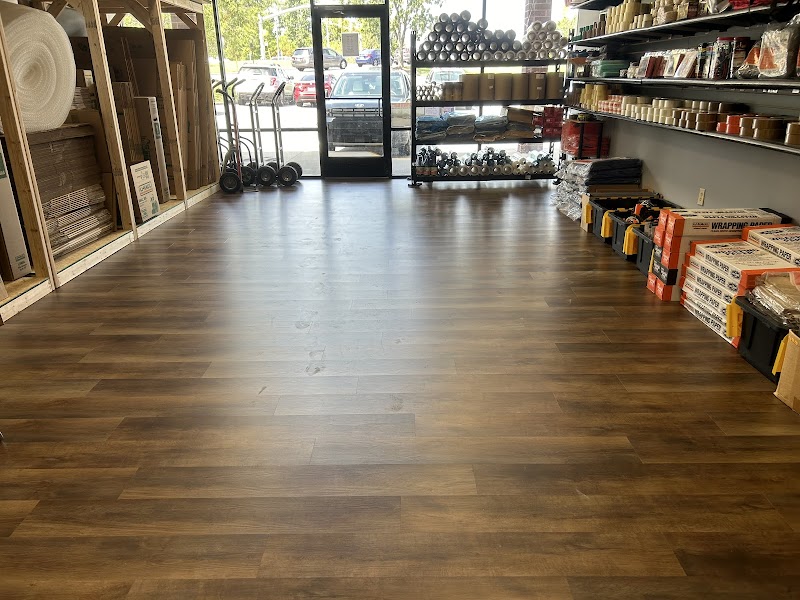
Mainstream Movers
Raleigh, NC
★ 4.9 (170 reviews)
Uweport – Import And Export Trucking Service
Charlotte, NC
Your Budget Movers
Charlotte, NC
The Best Movers
Charlotte, NC
USDOT #4461884
Armstrong Relocation - Charlotte
Charlotte, NC
Hot Shot Trucking
Charlotte, NC
Citywide Moving Systems
Charlotte, NC
USDOT #859309
Hector & Sons Moving Co.
Charlotte, NC
Cities in North Carolina
Jump to movers in your city.
23 North Carolina cities have moving companies listed.
Charlotte
103 movers listed
Hickory
3 movers listed
Raleigh
3 movers listed
Asheville
2 movers listed
Greensboro
2 movers listed
Pineville
2 movers listed
Black Mountain
1 mover listed
Boone
1 mover listed
Chapel Hill
1 mover listed
Durham
1 mover listed
Fayetteville
1 mover listed
Fletcher
1 mover listed
High Point
1 mover listed
Huntersville
1 mover listed
Indian Trail
1 mover listed
Matthews
1 mover listed
New Bern
1 mover listed
Pittsboro
1 mover listed
Powells Point
1 mover listed
Sanford
1 mover listed
Waynesville
1 mover listed
Winston
1 mover listed
Winston-Salem
1 mover listed
About moving in North Carolina
What shapes a North Carolina move.
North Carolina is one of the fastest-growing states in the country, consistently ranking in the top five for net domestic in-migration. The Research Triangle (Raleigh-Durham-Chapel Hill) pulls in tech, biotech, and university talent from the Northeast and Midwest. Charlotte functions as a major banking and logistics hub, attracting relocations from across the Southeast. Retirees are drawn to Asheville, the Triad, and the Sandhills region. Outbound moves tend to go to neighboring states — Virginia, South Carolina, Tennessee, and Georgia — often for affordability or family reasons.
Research Triangle Growth
Raleigh, Durham, and Chapel Hill form one of the most active relocation destinations in the U.S., driven by Research Triangle Park, Duke, UNC, NC State, and a wave of tech and pharmaceutical employers. Demand for movers here peaks in late spring and summer, and short-notice bookings are common as corporate relocations compete with student moves.
Charlotte's Banking Corridor
As the second-largest U.S. banking center after New York, Charlotte attracts a steady stream of financial-sector relocations. The metro spans Mecklenburg and surrounding counties into South Carolina, meaning many 'local' moves cross a state line — requiring movers to carry interstate authority from FMCSA even for relatively short hauls.
Mountain and Coastal Logistics
Asheville and the broader Blue Ridge region present access challenges: narrow switchback roads, weight-restricted bridges, and limited truck clearances in some neighborhoods. On the other coast, Wilmington and the Outer Banks face hurricane-season scheduling risks. Both areas often require smaller shuttle vehicles, which can add to overall move costs.
Military and University Demand
Fort Liberty (formerly Fort Bragg) near Fayetteville is one of the largest military bases in the world, generating thousands of PCS moves annually. Camp Lejeune, Seymour Johnson AFB, and Pope Army Airfield add to that volume. Combined with 16 UNC System campuses, military and student relocations create a strong base of demand throughout the year.
Anywhere in the state
Find a mover anywhere in North Carolina.
Tell Robert where you're headed and get matched with professional local + long-distance movers — free.
Cost of living
Cost of Living Across North Carolina's Major Metros
North Carolina's overall cost of living sits about 6% below the national average on the federal price index for 2024 (the figures in the table below; U.S. = 100), which is a primary driver of in-migration from high-cost states like New York, California, and New Jersey. That advantage varies significantly by metro: Charlotte and Raleigh have seen rapid price appreciation, while smaller cities like Greensboro, Winston-Salem, and Fayetteville remain noticeably more affordable — shaping where people choose to land.
| Metro | COL Index | What to expect |
|---|---|---|
| Raleigh | 98.2 | Rents for a 2BR apartment typically run $1,700–$2,200; home prices have risen sharply, with median single-family prices now frequently above $380,000 in desirable ZIP codes. |
| Charlotte | 97.3 | A 2BR apartment in the urban core or south Charlotte suburbs runs roughly $1,800–$2,400; outer suburbs like Concord and Gastonia offer lower rents, drawing budget-conscious movers. |
| Asheville | 96.5 | Despite its small-city size, Asheville's popularity with remote workers and retirees has pushed 2BR rents to $1,700–$2,100 and home prices well above those of similarly sized NC cities. |
| Greensboro | 92.9 | One of the more affordable metros in the state, with 2BR apartments commonly ranging from $1,100–$1,500, making it attractive to families relocating from higher-cost NC cities. |
| Winston-Salem | 92 | Below-average cost of living with 2BR rents typically between $1,050–$1,450; draws retirees and remote workers priced out of Raleigh or Charlotte. |
| Fayetteville | 92 | Anchored by Fort Liberty, Fayetteville has some of the lowest housing costs in the state, with 2BR rents often in the $950–$1,300 range, appealing to military families and first-time renters. |
Common routes
Most Common North Carolina Moving Routes
North Carolina → Virginia
~170 mi (Charlotte to Richmond)
$1,800–$4,200
The I-85 corridor between Charlotte and the Richmond/Northern Virginia area is one of the busiest Southeast-to-Mid-Atlantic routes, driven by corporate and government relocations.
North Carolina → South Carolina
~95 mi (Charlotte to Columbia)
$1,200–$3,000
Charlotte's metro bleeds into York County, SC, and many residents commute across the border, making this one of the most frequent short interstate moves in the Carolinas.
North Carolina → Florida
~640 mi (Raleigh to Orlando)
$2,800–$6,000
Retirees leaving the Triangle and Triad areas for Florida's warm climate represent a consistent outbound flow, especially during fall and winter months.
North Carolina → Georgia
~420 mi (Charlotte to Atlanta)
$2,200–$5,000
The I-85 corridor makes Charlotte-to-Atlanta a natural route for job relocations, with Atlanta's larger metro frequently drawing North Carolina workers in finance, logistics, and media.
North Carolina → Tennessee
~120 mi (Asheville to Knoxville)
$1,400–$3,200
Western North Carolina and East Tennessee share a regional identity, and moves between Asheville and the Knoxville/Nashville area are common for lifestyle and affordability reasons.
North Carolina → New York
~490 mi (Raleigh to New York City)
$3,200–$7,500
Despite net in-migration, a steady reverse flow of movers heads back to the New York metro for career reasons, particularly in finance, media, and law.
Licensing + rules
North Carolina Moving Regulations You Should Know
Intrastate Mover Registration
Movers operating entirely within North Carolina are typically required to register with the North Carolina Utilities Commission (NCUC) and hold a valid household goods carrier certificate (called a C number). Always ask a mover for their NCUC certificate number before signing a contract, and confirm active status directly with the Commission.
Intrastate movers register with the NC Utilities Commission (NCUC) as household goods carriers.
Interstate FMCSA Requirements
Any move that crosses a North Carolina state line — including the Charlotte-to-Rock Hill, SC corridor — falls under federal jurisdiction. Movers must hold a valid USDOT number and FMCSA operating authority. Consumers can verify both at the FMCSA's mover search tool. Always confirm before booking.
Interstate movers must hold a USDOT number and FMCSA motor carrier authority.
Written Estimates and Binding vs. Non-Binding
Under FMCSA rules for interstate moves, movers must provide a written estimate. Binding estimates cap your final cost; non-binding estimates can exceed the quote (typically by no more than 10% for services ordered). North Carolina intrastate rules also generally require written documentation — request everything in writing regardless of move type.
Federal rules govern interstate estimates; confirm intrastate estimate requirements with NCUC.
Released Value vs. Full Value Protection
On a move between states, Full Value Protection is the default; 'released value' liability, which covers items at only $0.60 per pound — far below replacement cost for electronics or antiques — applies only if you sign a written waiver choosing it. For interstate moves into or out of North Carolina, ask about full-value protection or purchase a separate moving insurance policy from a third-party insurer.
For interstate moves, Full Value Protection applies automatically — released value (60 cents per pound per article) is a free, lower-coverage option you must choose by signing a written waiver; for in-state moves, liability depends on your state's rules, so check with your mover or your state's moving regulator.
Special Permits for Oversized Loads
Moving a manufactured home, large boat, or oversized item on North Carolina highways typically requires a special oversize/overweight permit from the NC Department of Transportation. Mountain roads in western NC may impose additional restrictions. Confirm with NCDOT and your carrier well in advance of your move date.
Oversized loads on NC roads require NCDOT special movement permits; restrictions are tighter in the mountain region.
North Carolina moving FAQ
Common North Carolina Moving Questions.
When is the best time to schedule a move within North Carolina?
+
May through September is peak season statewide, especially around university towns like Chapel Hill, Durham, and Boone, where student leases turn over in late July and August. If you can move in October, November, or early spring, you'll typically find more mover availability and better pricing. Hurricane season (June–November) is a factor for coastal moves near Wilmington and the Outer Banks; monitor storm forecasts and consider travel insurance for those moves.
Do I need a licensed mover for a short in-state move — say, Raleigh to Durham?
+
Yes. Even short intrastate moves in North Carolina should be handled by a mover registered with the NC Utilities Commission as a household goods carrier. Unlicensed 'man-with-a-van' operations offer no recourse if items are damaged or held hostage for inflated charges. Ask for the mover's NCUC certificate number (its C number), verify it on the Commission's website, and get a written estimate before any work begins.
How much does a local move within North Carolina typically cost?
+
Local moves within a single metro area — say, within Charlotte or within the Raleigh-Durham area — are usually priced hourly. Rates typically range from $100–$180 per hour for a crew of two with a truck, depending on the company and season. A standard two-bedroom apartment move in the Triangle or Charlotte often runs between $500 and $1,400 total, depending on distance, stairs, and the volume of items. Get at least three written estimates.
Is a move from Charlotte to Rock Hill, South Carolina considered interstate?
+
Yes. Even though the drive is roughly 30 minutes and Rock Hill is effectively a Charlotte suburb, crossing the state line makes it a federally regulated interstate move. The mover must hold a USDOT number and FMCSA motor carrier authority. Federal estimate and liability rules apply. Verify the carrier's credentials at the FMCSA's mover search portal before signing anything.
What should I know about moving to or from the Asheville area?
+
Asheville's mountain setting creates logistical challenges. Many neighborhoods off the main roads have narrow streets and steep grades that standard 26-foot moving trucks cannot safely navigate. Reputable Asheville-area movers will survey your address and may use smaller shuttle vehicles to transfer items from a larger truck parked at a safe distance. This can add shuttle fees — typically $150–$400 — to your estimate. Confirm this upfront so you're not surprised on move day.
How does Fort Liberty (formerly Fort Bragg) affect moving logistics near Fayetteville?
+
Fort Liberty near Fayetteville is one of the largest military installations in the world and generates a very high volume of PCS (Permanent Change of Station) moves, particularly in the May–August window. Local moving companies in the Fayetteville area are often heavily booked during PCS season. If you have a military move, confirm whether your orders cover a government-contracted carrier (through the Defense Personal Property Program) or whether you are arranging a move independently and requesting a dislocation allowance.
What are typical costs for a long-distance move from North Carolina to the Northeast?
+
A move from Raleigh or Charlotte to the New York City metro area (roughly 490 road miles from Raleigh and 625 from Charlotte) typically runs between $3,200 and $7,500 for a two- to three-bedroom household, depending on the volume of items, time of year, and services like packing. Moving during off-peak months (October–March) and being flexible on delivery dates can meaningfully reduce costs. Always get binding estimates from at least three FMCSA-registered carriers.
Are there specific rules about moving a manufactured or mobile home in North Carolina?
+
Moving a manufactured home on NC roads requires a special oversize/overweight movement permit from the North Carolina Department of Transportation (NCDOT). The mover must also comply with width, height, and route restrictions, which are stricter on mountain highways. Only licensed manufactured-home transporters with appropriate state and federal credentials should be used. Contact NCDOT's Motor Carrier Management office for current permit requirements before scheduling.
Can a North Carolina mover legally refuse to deliver my belongings until I pay more than the quoted price?
+
For interstate moves, FMCSA rules prohibit a mover from holding your goods 'hostage' beyond what a legitimate binding estimate specifies. For non-binding estimates, the mover can collect no more than 110% of the original estimate at delivery, plus charges for extra services you ordered after signing and certain access charges, and must deliver your goods on payment of that amount; anything more is billed after 30 days. For intrastate moves, similar protections exist under NC regulations, but you should document your written estimate carefully. If a mover demands significantly more than agreed, contact the NCUC or FMCSA.
What questions should I ask when vetting a North Carolina moving company?
+
Ask for the company's NCUC household goods carrier certificate number (its C number) (for intrastate moves) or USDOT and MC numbers (for interstate). Confirm they carry cargo liability and workers' compensation insurance and can provide certificates on request. Ask whether the estimate is binding or non-binding. Find out if they subcontract to third parties. Check verified reviews from past customers and look up any complaints filed with the NCUC or FMCSA. A legitimate mover will answer all of these questions without hesitation.
Moving out of state?
Long-distance movers in North Carolina.
What an interstate move costs and how to choose a licensed mover, city by city. Every city we cover.
Moving away from North Carolina?
Relocation guides from North Carolina.
Cost of living, taxes, and what to expect for popular interstate moves out of North Carolina.
North Carolina → Florida
Read the guide →North Carolina → Georgia
Read the guide →North Carolina → New York
Read the guide →North Carolina → South Carolina
Read the guide →North Carolina → Texas
Read the guide →North Carolina → Virginia
Read the guide →North Carolina → Hilton Head Island
Read the guide →North Carolina → Jacksonville
Read the guide →North Carolina → Miami
Read the guide →North Carolina → North Port
Read the guide →North Carolina → Orlando
Read the guide →North Carolina → Tampa
Read the guide →Get your moving quote
Many ways to get a moving quote.
Chat, text, email, or call — whichever’s easiest. Tell Robert about your move and matching movers in your city reach out, usually within a few minutes.