The short answer
A long-distance move out of Waco, TX typically costs $2,500–$7,500 for a 2–3 bedroom home, depending on distance, shipment weight, and the services you add. The single most important thing to get right before you sign anything is securing a binding estimate from an FMCSA-licensed carrier — it's the only way to know your final price before the truck leaves your driveway.
What do long-distance movers in Waco cost once the load leaves Central Texas?
Pricing for a move from Waco to another state works differently from a local job across town. Rather than an hourly rate, long-haul carriers base their quotes on two main variables: how much your shipment weighs and how far it travels from Waco. That combination, plus any add-on services, determines what you'll pay.
Here are realistic estimate ranges by home size for a typical move out of Waco:
| Home Size | Approx. Shipment Weight | Estimated Cost Range |
|---|---|---|
| Studio / 1 BR | 1,000–3,000 lbs | $1,500–$3,500 |
| 2 BR | 3,000–5,000 lbs | $2,500–$5,500 |
| 3 BR | 5,000–8,000 lbs | $4,000–$7,500 |
| 4+ BR | 8,000–12,000+ lbs | $6,500–$12,000+ |
These are estimates. Your actual cost depends on your specific distance, shipment weight, season, and chosen services. Request written estimates from at least three carriers before you choose one.
What makes a quote from Waco go up or down?
- Distance — A move to Dallas is a different job than a move to Seattle. The base rate climbs with each additional mile.
- Shipment weight — More furniture, more boxes, more cost. Decluttering before your move is the most direct way to reduce the bill.
- Packing services — Full-pack service is convenient but adds $500–$2,000+ depending on home size. Partial packing (fragiles only) is a common middle ground.
- Specialty items — Pianos, gun safes, antique furniture, and riding mowers require special handling and will be quoted separately.
- Access at either end — Long carries (from a third-floor walkup or a house set far back from the road), shuttle service (if a 53-foot trailer can't access your street), and stair charges add to the final bill.
- Moving season — Summer (May–August) is peak season nationwide. If your timeline is flexible, moving in fall or winter can meaningfully reduce your cost and improve your scheduling options.
- Storage in transit — If your new home isn't ready when your shipment arrives, carriers offer storage-in-transit, typically billed per day after a short grace period.
How do federal rules shape the price of a Waco move across state lines?
By law, interstate moves are regulated by the Federal Motor Carrier Safety Administration (FMCSA). Any carrier hauling your belongings across state lines must hold an active USDOT number and an MC (Motor Carrier) number. You can verify both at the FMCSA's mover search tool.
Binding vs. non-binding estimates
- Binding estimate — The carrier is locked in to the quoted price, provided your shipment matches what was inventoried. This is what we recommend. Get it in writing.
- Non-binding estimate — An educated guess. The final bill follows the weight actually shipped, so it can end up above the quote. The carrier can legally collect up to 110% of the non-binding estimate at delivery.
- Binding not-to-exceed — The best option when you can get it: you are charged the lower of the binding price and the cost based on actual weight.
Released-value vs. full-value protection
An interstate shipment moves under full-value protection unless you choose released-value protection in writing, which costs nothing extra but only covers $0.60 per pound per article. A 50-pound TV damaged in transit under released value? You'd receive $30. That's not insurance — it's a liability limit you agree to in writing.
Full-value protection (offered by the carrier) means a lost or damaged item is repaired, replaced, or settled for its current market value. It costs more upfront but provides coverage. Read the deductibles carefully. You can also purchase third-party moving insurance for additional peace of mind.
How long will delivery take?
For interstate moves, carriers operate on a delivery window, not a guaranteed single day. Typical ranges:
- Less than 500 miles — typically 1–3 business days
- From 500 to 1,500 miles — usually 3–7 business days
- 1,500+ miles (e.g., Waco to the Pacific Northwest) — 7–14 business days
Carriers consolidate shipments on large trucks, so your furniture may share space with other customers' goods. Your driver will give you a more specific window once the truck is loaded and en route. Plan to be available — or have someone available — on every day of your delivery window.
How to check that your interstate mover is licensed before you leave Waco
The vetting step is where people get into the most trouble. Here's the process that protects you:
- Confirm USDOT + MC numbers. Ask for both and verify them on the FMCSA website before you discuss pricing. No exceptions.
- Check operating status and insurance. The FMCSA search shows whether a carrier's authority is active and their insurance is current.
- Collect three or more itemized written estimates. A survey done in your home or by video gives a firmer quote than a figure guessed over the phone.
- Look through reviews on established review platforms. Look for patterns — late deliveries, surprise charges, damaged items — not just star averages.
- Ask when payment is due and how much is wanted up front. Carriers with a good record generally ask for payment once your goods arrive. Asking for 50% or more before loading is a red flag.
- Go through the bill of lading line by line before you sign. This is your legal contract. Confirm the pickup and delivery window, the estimate type, and the valuation coverage before the truck leaves.
You can find movers on our directory with USDOT credentials listed, or browse movers by state if you already know your destination.
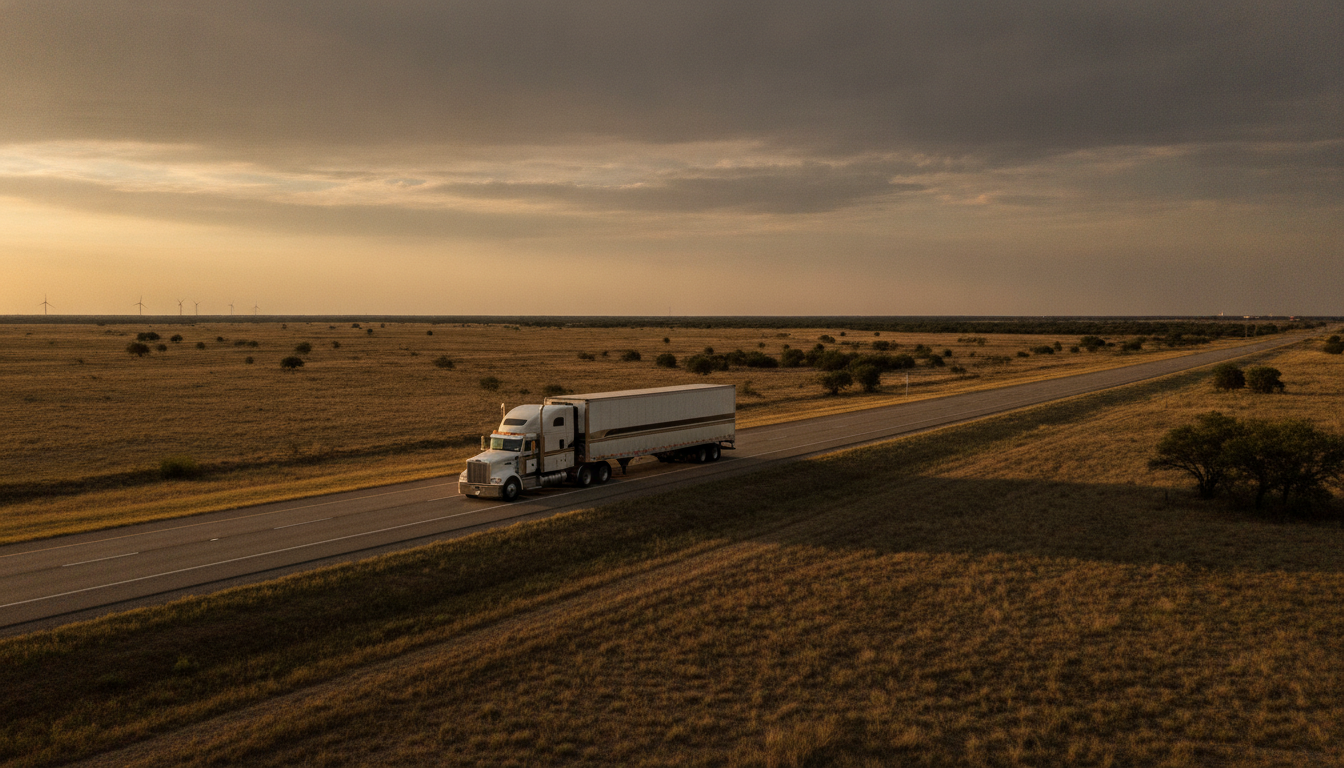
Where Waco households move: Texas metros, the Mountain West and the West Coast
Waco sits near the geographic center of Texas, which makes it a solid launching point for moves in virtually any direction. Some of the most common long-distance corridors we see from Waco include:
- Waco → Dallas–Fort Worth — The most frequent move, roughly 100 miles north. Often considered intrastate, but planning tips for distance still apply.
- Waco → Austin — About 100 miles south, popular with remote workers and families.
- Waco → Houston — Around 200 miles southeast, a common corporate relocation corridor.
- Waco → San Antonio — Roughly 185 miles south, growing steadily.
- Waco → Denver, CO / Phoenix, AZ / Nashville, TN — Multi-state moves in the 800–1,300 mile range.
- Waco → Los Angeles, CA / Seattle, WA — Long-haul moves typically landing in the 10–14 business day delivery window.
Dedicated route guides for these corridors have not been published yet. In the meantime, you can browse movers by state for your destination or find movers available in the Waco area to start collecting estimates now. You can also explore all available movers in Waco to compare local and interstate carriers side by side.
Moving-day tips for Waco's heat, spring storms and red clay
Waco's climate adds a few wrinkles worth planning for:
- Beat the heat. Summer temperatures regularly exceed 95°F. Schedule loading for early morning, have water and shade ready for the crew, and be aware that heat can damage electronics, candles, vinyl records, and wood furniture left in a hot truck.
- Watch the spring forecast. Waco sits in Tornado Alley. If you're moving in March–May, keep an eye on severe weather. Most reputable carriers will hold a truck rather than load in dangerous conditions.
- Protect your floors. Texas red clay and Central Texas limestone dust track in fast. Ask the crew to use floor runners and corner guards — most professionals bring them standard.
- Confirm parking and access in advance. If your neighborhood has narrow streets or HOA restrictions, arrange parking for the moving truck ahead of time. A surprise shuttle fee on moving day is avoidable.
Frequently asked questions
Does a Waco-to-Dallas move count as long distance, or is it an in-state job?
Technically, the industry defines long-distance as any move over 50–100 miles, and interstate as any move crossing a state line. A Waco-to-Dallas move (roughly 100 miles, staying within Texas) is an intrastate move — it falls under Texas state regulations rather than FMCSA rules. You still want a licensed, insured carrier, but binding estimate rules and FMCSA protections apply specifically to interstate (out-of-state) moves.
How early do I need to reserve a long-distance mover for a Waco move in summer versus winter?
For summer moves (May–August), book 6–8 weeks out minimum. Reputable carriers fill their calendars fast during peak season. For fall and winter moves, 3–4 weeks is usually sufficient, though earlier is always safer. Don't let price pressure rush you into booking an unchecked mover.
What is a "shuttle service" charge and when does it apply?
A shuttle service fee applies when the carrier's standard 53-foot trailer can't safely access your pickup or delivery address — a common situation in neighborhoods with low-hanging trees, narrow lanes, or tight cul-de-sacs. The crew transfers your goods to a smaller vehicle for the final stretch. Shuttle fees typically run $200–$600 depending on the amount of goods and distance. Ask about this possibility during your estimate walk-through.
Can I pack my own boxes and still use a long-distance mover from Waco?
Yes, packing them yourself is one way to save money. However, be aware that most carriers will not accept liability for damage to items in boxes you packed yourself (marked "PBO" — Packed By Owner) unless the outer box is visibly damaged. If you pack your own boxes, use appropriate box sizes, don't overpack, and fill voids with packing paper to prevent shifting. Keep an inventory of everything you pack.
What can I do if my shipment from Waco arrives after the agreed window?
Carriers are required to honor the delivery window stated in your contract. If your shipment is delayed beyond the agreed window, you may be entitled to compensation — check your Bill of Lading and the carrier's tariff for the specific terms. Document all communication with the carrier in writing. Filing a complaint with the FMCSA is an option if a carrier repeatedly fails to deliver or goes unresponsive.
Is tipping expected when a long-distance crew loads in Waco's summer heat?
Tipping isn't required, but it's a genuine way to recognize a hard day's work. A common guideline: $20–$50 per crew member per day for a well-executed long-distance job. If the crew went above and beyond — navigating stairs, handling fragile items with care, working in Texas summer heat without complaint — tip accordingly. Cash at the end of the job is the easiest approach.