
Find movers near you
Movers across Texas.
Compare top-rated local and long-distance movers — and let Robert do the comparison for you.
Get Your Quote→Texas · TX
Moving companies in Texas.
481 movers across 48 cities in Texas — local, long-distance, and specialty handling. Compare listings, get transparent quotes, and use our honest cost guide before you book.
Robert
Online·Call for a quote
Hi — I'm Robert, and I'll help you find the right movers. Where are you moving from, and where are you headed? Prefer a live representative? Just say the word and I'll connect you, or use the call button for a quote anytime.
By chatting with Robert, you agree we may share your move details with movers in your origin city so they can contact you with a quote. We never sell or share your info outside this network. Privacy Policy.
Top movers in Texas
Texas movers worth a look.
A few of the top movers statewide. Want a tailored recommendation? Chat with Robert above.



All movers
Every mover in Texas.
Sorted by best match. Click any card for the full profile and contact details.

Bobcat Movers
san marcos, TX
★ 5.0 (704 reviews)

A#1 Movers
Dallas, TX
★ 4.7 (829 reviews)
Home and Office Movers
Irving, TX
Affordable Movers DFW
Carrollton, TX
USDOT #303942
Legend Movers
Aubrey, Tx
USDOT #3039434
ATX Firefighter Moving
Austin, TX
USDOT #2407035

Big Gunz Movers & Home Improvement
Dallas, TX
★ 4.9 (271 reviews)
Master Movers
Carrollton, TX
USDOT #3039433
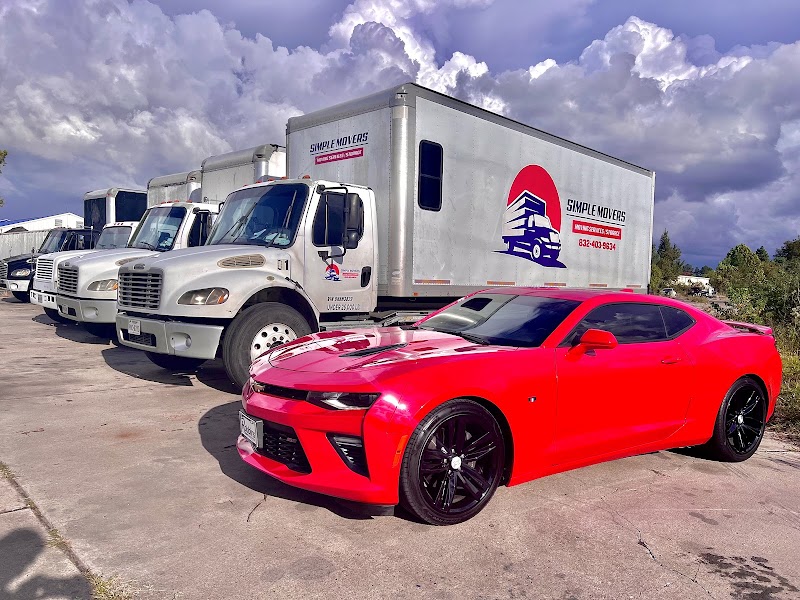
Simple Movers
Houston, TX

Blaze Moving, LLC
Austin, TX
★ 1.6 (44 reviews)
Budget Movers
Victoria, TX
All of Texas Moving
Killeen, TX
USDOT #3705168

Anchor Maids & Movers
Corpus Christi, TX
★ 5.0 (40 reviews)
Pack and Save Moving
Austin, TX
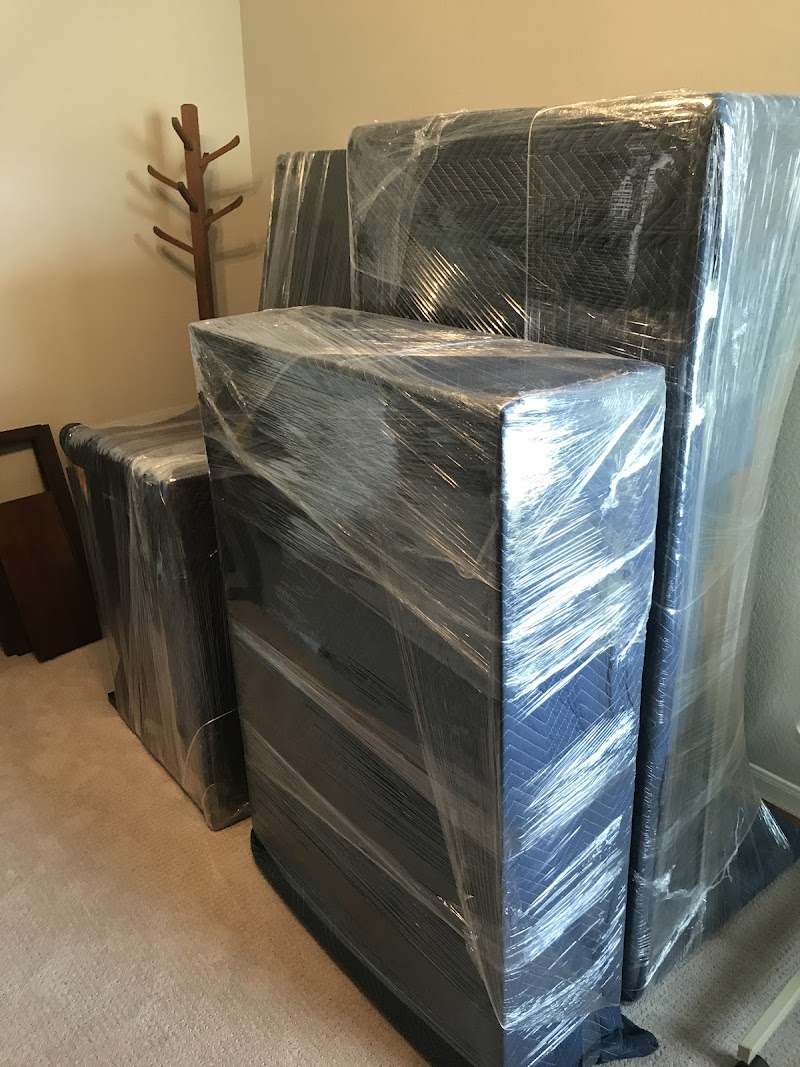
MAC'S PROFESSIONAL MOVERS
Houston, TX
★ 5.0 (31 reviews)
Cities in Texas
Jump to movers in your city.
48 Texas cities have moving companies listed.
Dallas
118 movers listed
Austin
115 movers listed
San Antonio
75 movers listed
Houston
27 movers listed
El Paso
19 movers listed
Amarillo
12 movers listed
Lubbock
11 movers listed
Corpus Christi
10 movers listed
Waco
10 movers listed
Longview
8 movers listed
McAllen
8 movers listed
Odessa
7 movers listed
Beaumont
6 movers listed
Killeen
5 movers listed
Brownsville
3 movers listed
Carrollton
3 movers listed
Laredo
3 movers listed
Tyler
3 movers listed
Wichita Falls
3 movers listed
Conroe
2 movers listed
Granbury
2 movers listed
Irving
2 movers listed
Katy
2 movers listed
San Angelo
2 movers listed
Texarkana
2 movers listed
Addison
1 mover listed
Aubrey
1 mover listed
Bryan
1 mover listed
Forest Hill
1 mover listed
Fort Worth
1 mover listed
Garland
1 mover listed
Grand Prairie
1 mover listed
Hewitt
1 mover listed
Hurst
1 mover listed
Kingsville
1 mover listed
League City
1 mover listed
McKinney
1 mover listed
Plano
1 mover listed
Princeton
1 mover listed
Richardson
1 mover listed
Richland Hills
1 mover listed
Round Rock
1 mover listed
san marcos
1 mover listed
Southlake
1 mover listed
Stafford
1 mover listed
Victoria
1 mover listed
Webster
1 mover listed
Yoakum
1 mover listed

About moving in Texas
What shapes a Texas move.
Texas consistently ranks among the top domestic migration destinations in the U.S., drawing residents from California, Illinois, New York, and Florida seeking lower taxes, affordable housing, and a strong job market in tech, energy, healthcare, and manufacturing. The state's four major metros — Dallas-Fort Worth, Houston, Austin, and San Antonio — each attract distinct demographics. Moves within Texas itself are often substantial; driving from El Paso to Beaumont is roughly 850 miles. The moving industry here is large and competitive, which means plenty of mover options but also a higher risk of encountering unreliable operators, so vetting is essential.
Four Major Metro Markets
Dallas-Fort Worth, Houston, Austin, and San Antonio collectively account for the vast majority of Texas moves. Each metro has its own submarkets — The Woodlands outside Houston, Plano and Frisco in DFW, Round Rock near Austin — and traffic patterns that affect local move timing. Movers familiar with specific metro quirks (HOA elevator reservations, downtown parking restrictions) are worth seeking out.
Vast Distances Between Cities
Texas is roughly 800 miles wide and 800 miles tall. An intrastate move from El Paso to Houston covers about 750 miles — longer than many interstate moves in the Northeast. This means even intrastate moves in Texas can take multiple days of driving and require a professional crew rather than a DIY rental truck, and costs can rival true interstate relocations.
High Inbound Migration Volume
Texas has been a top net domestic migration destination for well over a decade. California is consistently the largest single source of inbound movers, followed by Illinois, New York, and Florida. This sustained demand keeps the Texas moving industry busy year-round, with peak season running from May through August when summer heat and school calendars converge with lease-end dates.
Hot Weather Shapes Move Timing
Summer temperatures in Texas regularly exceed 100°F in Dallas, Austin, San Antonio, and West Texas. Moving in July or August is physically demanding and harder on furniture, electronics, and movers. If your schedule is flexible, late October through March offers more bearable conditions, and you may find better mover availability and slightly lower rates during those off-peak months.
Anywhere in the state
Find a mover anywhere in Texas.
Tell Robert where you're headed and get matched with professional local + long-distance movers — free.
Cost of living
Cost of Living Across Texas Metros
Texas has no state income tax, which is a major draw, but cost of living varies significantly by metro. Austin has seen sharp rent and home price increases over the past decade and now sits above the national average in housing costs, while cities like El Paso, Lubbock, and Amarillo remain well below national norms. Property taxes in Texas are notably high compared to most states, which partially offsets the income tax advantage.
| Metro | COL Index | What to expect |
|---|---|---|
| Austin | 118 | Rents run roughly $1,700–$2,100 for a 2BR; home prices have moderated from 2022 peaks but remain elevated; property taxes average 1.8–2.2% of assessed value annually |
| Dallas-Fort Worth | 108 | Rents average $1,450–$1,850 for a 2BR depending on submarket; suburban areas like Plano and McKinney tend to be pricier than inner Dallas neighborhoods currently undergoing gentrification |
| Houston | 104 | Rents typically range $1,300–$1,700 for a 2BR; Houston has relatively affordable housing for a major metro its size, though flood insurance costs in many neighborhoods add meaningfully to housing expenses |
| San Antonio | 99 | One of the more affordable large Texas metros with 2BR rents around $1,200–$1,500; military presence from Fort Sam Houston and Lackland AFB keeps steady demand and stabilizes the rental market |
| El Paso | 88 | Among the most affordable metros in Texas; 2BR rents typically run $900–$1,200, and home prices remain accessible; proximity to Ciudad Juárez drives a cross-border economy that keeps overall costs lower |
| Lubbock | 84 | A college town anchored by Texas Tech University with 2BR rents around $850–$1,100; overall cost of living is well below the national average, attracting remote workers priced out of larger metros |
Common routes
Most Common Texas Moving Routes
Texas → California
~1,400 mi (Dallas to Los Angeles)
$3,500–$7,500
Despite net outflow from California to Texas, a significant reverse flow exists as Texas residents move to California for entertainment, tech, and coastal lifestyle reasons, making this one of the busiest bidirectional corridors in the country.
Texas → Florida
~1,100 mi (Houston to Miami)
$3,000–$6,500
Texas and Florida share a strong migration relationship driven by similar climates, no state income tax in both states, and retirees and remote workers shuffling between the Gulf Coast and Southeast.
Texas → Colorado
~650 mi (Dallas to Denver)
$2,500–$5,000
The Dallas-to-Denver and Austin-to-Denver corridors are popular with outdoor-oriented professionals seeking cooler weather, mountain access, and a growing tech scene without leaving the Mountain/Central time zone region.
Texas → Illinois
~920 mi (Dallas to Chicago)
$2,800–$5,800
Illinois remains one of the largest sources of inbound movers to Texas, and the reverse route is active for those returning to family or taking corporate transfers back to the Chicago metro.
Texas → Georgia
~800 mi (Houston to Atlanta)
$2,600–$5,200
Atlanta's growing corporate hub and Texas's business-friendly environment create steady two-way movement of professionals along the I-20 corridor, particularly in finance, logistics, and healthcare sectors.
Texas → Arizona
~1,000 mi (Dallas to Phoenix)
$2,800–$5,500
Phoenix and Tucson attract Texas retirees and remote workers, and El Paso's proximity to southern Arizona makes the western Texas-to-Arizona route particularly common for shorter, more affordable hauls.
Licensing + rules
Texas Moving Regulations: What to Know
Intrastate Movers: Texas DMV Registration
Movers operating exclusively within Texas are regulated by the Texas Department of Motor Vehicles (TxDMV) under the Texas Household Goods Mover program. Intrastate movers are typically required to register with TxDMV, carry minimum liability and cargo insurance, and provide customers with a written estimate. Always confirm a mover's TxDMV registration number before signing a contract.
Check TxDMV mover registration at txdmv.gov; intrastate movers must comply with Texas Transportation Code Chapter 643 and related household goods rules.
Interstate Movers: USDOT & FMCSA
Any mover crossing state lines into or out of Texas must hold a valid USDOT number and interstate operating authority issued by the Federal Motor Carrier Safety Administration (FMCSA). You can verify a mover's USDOT number and insurance status using the FMCSA's online search tool at protectyourmove.gov. Interstate movers are also required to provide you with the 'Your Rights and Responsibilities When You Move' booklet.
Verify USDOT number and active authority at fmcsa.dot.gov before booking any out-of-state move.
Written Estimates Are Required
Under Texas rules, registered household goods movers must provide a written estimate before performing an intrastate move. You should receive either a binding estimate (a fixed price) or a non-binding estimate (subject to change based on actual weight or time). Get all charges itemized in writing. If a mover refuses to provide a written estimate, consider it a red flag and look elsewhere.
Texas law prohibits movers from holding your goods hostage for charges exceeding the written estimate by more than 10% on a non-binding estimate without your written consent.
Liability & Valuation Coverage
Texas intrastate movers are typically required to offer basic released-value protection, which covers goods at $0.60 per pound per article — far below actual replacement value for most items. Full-value protection is available at an additional cost and is worth considering for high-value household goods. Review what your homeowner's or renter's insurance covers during transit before deciding on additional mover coverage.
Ask your mover explicitly what valuation options are available and get the chosen coverage documented in your Bill of Lading.
Bill of Lading Requirements
Every registered Texas mover must provide a Bill of Lading — the legal contract for your move — before or at the time your goods are loaded. Read it carefully before signing. The Bill of Lading should include the pickup and delivery addresses, agreed-upon charges, valuation coverage elected, and delivery window. Do not accept a mover who refuses to provide one or who pressures you to sign a blank or incomplete form.
Keep a copy of your Bill of Lading until all goods are delivered and any claims are fully resolved.
Texas moving FAQ
Common Texas Moving Questions
How much does a local move within Texas typically cost?
+
Local moves (generally under 50–100 miles) in Texas are typically priced by the hour. In major metros like Houston, DFW, and Austin, expect roughly $100–$160 per hour for a two-person crew with a truck. A one-bedroom apartment might take 3–5 hours, while a three-bedroom home could run 6–10 hours or more. Rates tend to be slightly lower in smaller cities like San Antonio, Lubbock, or El Paso.
What's the difference between a TxDMV-registered mover and a rogue operator?
+
A TxDMV-registered household goods mover has met Texas's insurance and registration requirements for intrastate moves and can be looked up by name or registration number on the TxDMV website. Rogue or unlicensed movers often advertise very low prices, demand large cash deposits, and may hold your belongings hostage for inflated charges. Always verify registration before booking, especially for moves entirely within Texas.
When is the busiest moving season in Texas, and should I avoid it?
+
May through August is peak moving season in Texas, driven by school year transitions, lease expirations, and corporate relocations. Summer heat makes moves more difficult and physically taxing, and the best movers book out weeks in advance. If your schedule allows, moving October through March offers cooler temperatures, better mover availability, and potentially lower rates — though even winter in South Texas can be mild enough that demand stays moderate year-round.
Is it cheaper to move from California to Texas than the reverse?
+
Generally yes. The California-to-Texas corridor is extremely high volume, meaning more trucks make that run and backhaul opportunities are plentiful. Texas-to-California moves can cost more on a per-mile basis depending on the time of year and carrier availability. That said, costs vary significantly by weight, access, and timing. Get quotes from multiple movers and ask whether the carrier uses its own trucks or brokers the move to a third party.
Do I need a special mover for a move between two Texas cities like Dallas and Houston?
+
No special license beyond TxDMV registration is required for an intrastate mover handling a Dallas-to-Houston move, but make sure the company is actually registered with TxDMV for household goods moves. The ~240-mile drive on I-45 is straightforward, and most full-service movers in either metro handle this corridor regularly. However, because it's an intrastate move, FMCSA interstate rules do not apply — Texas rules govern the contract.
What should I know about moving to Austin specifically?
+
Austin has seen enormous population growth and housing cost increases over the past decade. The city's geography — divided by MoPac, I-35, and Highway 183 — creates significant traffic congestion that affects move timing. Many apartment complexes require elevator reservations and have specific move-in windows. Confirm these logistics with your new building well in advance. Rents have softened from 2022 peaks but remain above the Texas average; budget accordingly if moving from a lower-cost Texas market.
How do property taxes in Texas compare to other states, and how does that affect my moving budget?
+
Texas has no state income tax, but property tax rates are among the highest in the country, typically ranging from 1.6% to 2.5% of assessed value annually depending on the county and city. For a $400,000 home, that could mean $7,000–$10,000 per year in property taxes. Factor this into your housing budget when evaluating the overall cost of relocating to Texas, particularly if you're coming from a high-income-tax, lower-property-tax state.
What are the risks of hiring a moving broker instead of a direct carrier in Texas?
+
Moving brokers arrange moves but do not own trucks or employ movers — they sell your job to a third-party carrier. Brokers must be registered with FMCSA for interstate moves but are not always transparent about which carrier will actually handle your belongings. In Texas, brokers facilitating intrastate moves should still comply with TxDMV rules. Ask any company you contact whether they are a carrier or a broker, get the actual carrier's information in writing before moving day, and verify that carrier's credentials independently.
Are there any Texas-specific considerations for moving in the Houston area?
+
Houston's flat geography and extensive suburban sprawl mean moves often cover significant ground even within the metro. Flooding is a genuine concern — ask your new landlord or real estate agent about the property's flood zone status and flood history before committing. During hurricane season (June through November), last-minute evacuations can create mover unavailability. Humidity is extreme year-round, which can affect packing materials, wood furniture, and electronics if left in a non-climate-controlled truck or storage unit for extended periods.
How do I file a complaint against a Texas mover if something goes wrong?
+
For an intrastate move, complaints against TxDMV-registered movers can be filed with the Texas Department of Motor Vehicles. TxDMV has a complaint process on its website and can investigate registered carriers. For interstate moves, complaints can be filed with the FMCSA at protectyourmove.gov. In either case, document everything — keep copies of your Bill of Lading, estimate, inventory list, and any written communication. Photograph belongings before and after the move to support any damage claims.
Moving out of state?
Long-distance movers in Texas.
What an interstate move costs and how to choose a licensed mover, city by city. Every city we cover.
Long-distance movers in Amarillo
Long-distance movers in Austin
Long-distance movers in Beaumont
Long-distance movers in Corpus Christi
Long-distance movers in Dallas
Long-distance movers in El Paso
Long-distance movers in Fort Worth
Long-distance movers in Houston
Long-distance movers in Killeen
Long-distance movers in Longview
Long-distance movers in Lubbock
Long-distance movers in McAllen
Long-distance movers in Odessa
Long-distance movers in San Antonio
Long-distance movers in Waco
Moving away from Texas?
Relocation guides from Texas.
Cost of living, taxes, and what to expect for popular interstate moves out of Texas.
Texas → Arizona
Read the guide →Texas → California
Read the guide →Texas → Colorado
Read the guide →Texas → Florida
Read the guide →Texas → Georgia
Read the guide →Texas → North Carolina
Read the guide →Texas → Bakersfield
Read the guide →Texas → Fresno
Read the guide →Texas → Jacksonville
Read the guide →Texas → Miami
Read the guide →Texas → Orlando
Read the guide →Texas → Tampa
Read the guide →Get your moving quote
Many ways to get a moving quote.
Chat, text, email, or call — whichever’s easiest. Tell Robert about your move and matching movers in your city reach out, usually within a few minutes.