Find movers near you
Movers across Iowa.
Compare top-rated local and long-distance movers — and let Robert do the comparison for you.
Get Your Quote→Iowa · IA
Moving companies in Iowa.
44 movers across 10 cities in Iowa — local, long-distance, and specialty handling. Compare listings, get transparent quotes, and use our honest cost guide before you book.
Robert
Online·Call for a quote
Hi — I'm Robert, and I'll help you find the right movers. Where are you moving from, and where are you headed? Prefer a live representative? Just say the word and I'll connect you, or use the call button for a quote anytime.
By chatting with Robert, you agree we may share your move details with movers in your origin city so they can contact you with a quote. We never sell or share your info outside this network. Privacy Policy.
Top movers in Iowa
Iowa movers worth a look.
A few of the top movers statewide. Want a tailored recommendation? Chat with Robert above.


All movers
Every mover in Iowa.
Sorted by best match. Click any card for the full profile and contact details.
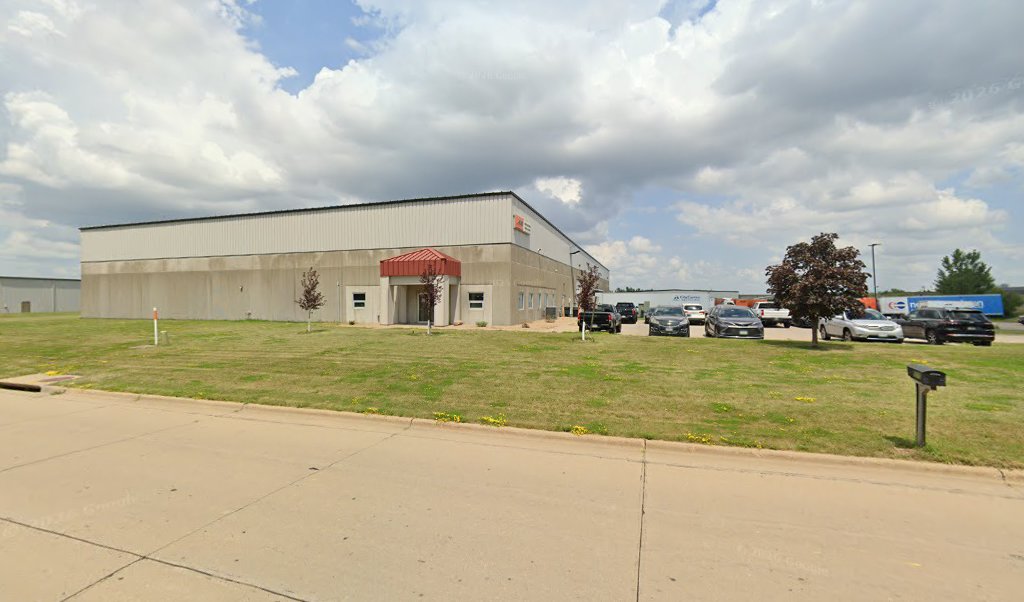
Advanced Moving Services
Cedar Rapids, IA
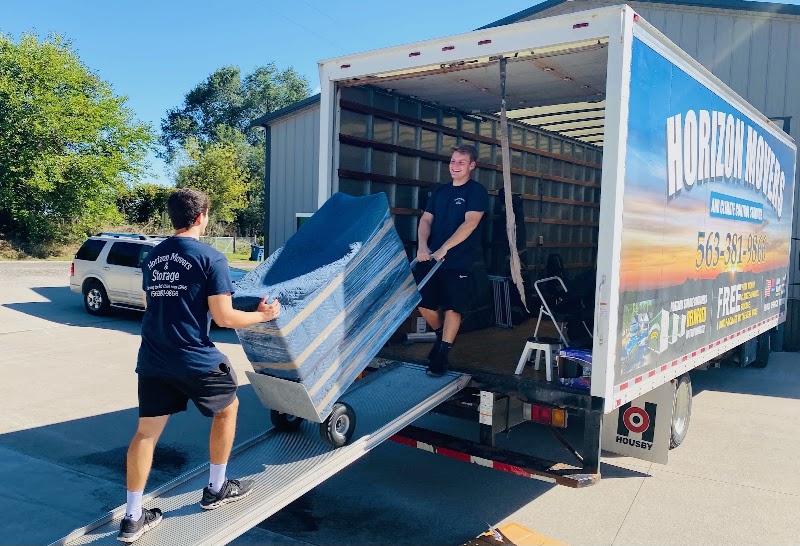
Horizon Movers and Climate Control Storage
Davenport, IA
★ 4.9 (389 reviews)
Hecks Transfer and Moving
Cedar Rapids, IA
White Glove Movers
Cedar Rapids, IA
USDOT #2991947
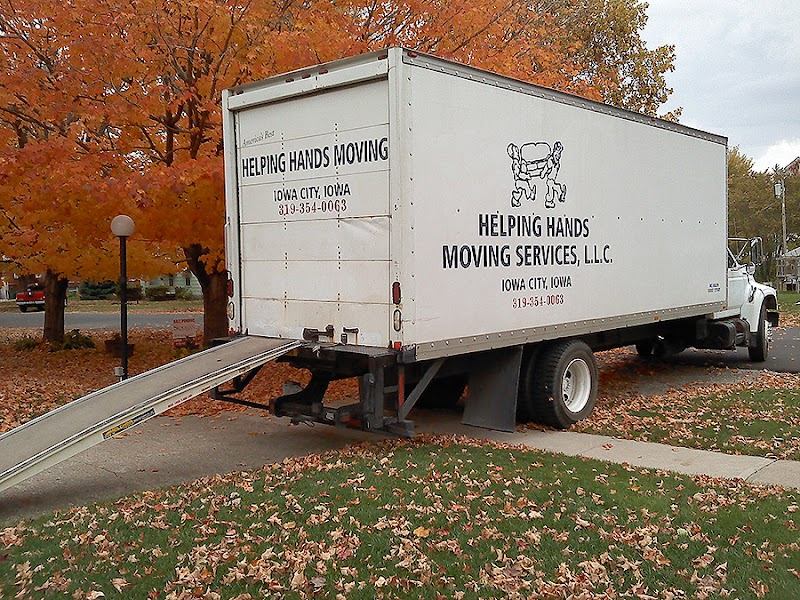
Helping Hands Moving Services LLC
Iowa City, IA
★ 4.8 (53 reviews)
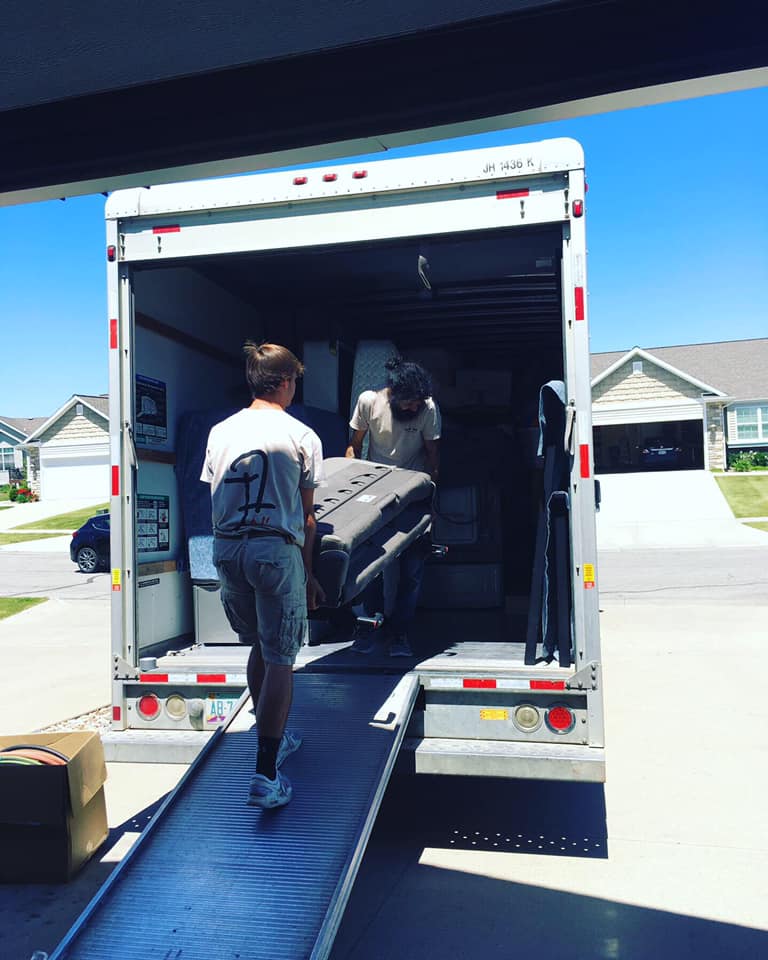
Jake N Jose Moving Service
Ames, IA
★ 4.6 (79 reviews)
A-1 Movers
Des Moines, IA
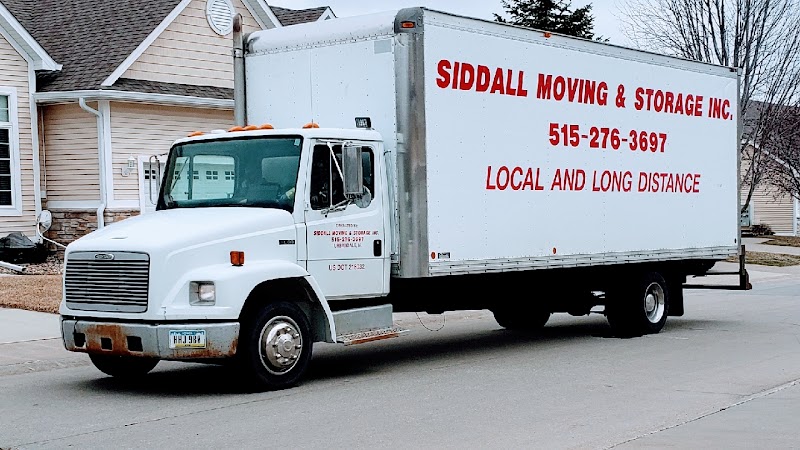
Siddall Moving & Storage, Inc.
Des Moines, IA
★ 4.9 (15 reviews)
All Iowa Movers
Des Moines, IA
All MightyMovers
Des Moines, IA
Cedar Valley Movers
Waterloo, IA
Corridor Moving Co
Iowa City, IA
★ 5.0 (6 reviews)
Argo Moving and Labor Service
Davenport, IA
USDOT #1224244
Speeding Movers LLC
Davenport, IA

Two Guys Two Trucks Moving
Iowa City, IA
★ 4.4 (13 reviews)
Cities in Iowa
Jump to movers in your city.
10 Iowa cities have moving companies listed.
About moving in Iowa
What shapes a Iowa move.
Iowa sits at a geographic crossroads of the Midwest, with I-80 running east-west and I-35 running north-south through Des Moines. Most inbound movers come from Illinois, Minnesota, and Nebraska, often seeking affordable housing or jobs in agriculture, insurance, and manufacturing. Outbound moves frequently head to Chicago, the Twin Cities, or Kansas City. College towns like Iowa City and Ames see heavy seasonal churn in late May and late August. Rural-to-urban migration within the state continues as smaller towns lose population to Des Moines and Cedar Rapids.
Flat Terrain, Easy Access
Iowa's mostly flat landscape makes loading and unloading straightforward, and most neighborhoods are accessible by standard moving trucks without steep grades or narrow mountain roads. However, rural farm roads can be unpaved or seasonally soft, so movers handling agricultural property transfers should confirm road conditions with local drivers, especially after spring thaw or heavy rain.
Seasonal Timing Matters
Tornado season peaks from April through June, overlapping with the spring moving rush. Severe thunderstorms and high winds can delay moves or damage unsecured furniture in open truck beds. Winter moves between December and February face blizzard risk, particularly in northern Iowa near Mason City and Sioux City. Scheduling in September or October typically offers milder weather and lower mover demand.
College-Town Surge
Iowa City (University of Iowa) and Ames (Iowa State University) experience sharp moving spikes in mid-August and late May. Mover availability tightens dramatically during these windows, and costs can rise. Booking four to six weeks in advance is strongly recommended for moves in or out of these cities during those periods. Off-campus landlords often have strict move-out deadlines that compress scheduling options.
Agricultural and Rural Moves
A meaningful share of Iowa moves involve farm properties, equipment, or rural-to-rural transfers that standard residential movers may not handle. Specialty movers with flatbed or heavy-equipment capabilities serve areas like the Corn Belt corridor. Long driveways, outbuildings, and large furniture common in older farmhouses can add time and complexity to jobs that might look simple on paper.
Anywhere in the state
Find a mover anywhere in Iowa.
Tell Robert where you're headed and get matched with professional local + long-distance movers — free.
Cost of living
Iowa Cost of Living by Metro
Iowa consistently ranks among the most affordable states in the country, with housing costs well below the national average. That affordability is a primary driver of inbound moves from high-cost states like Illinois, California, and New York. Even in Des Moines — Iowa's most expensive major city — housing and daily costs remain modest by national standards, which gives movers more budget flexibility for relocation expenses.
| Metro | COL Index | What to expect |
|---|---|---|
| Des Moines | 91 | Rents run roughly $1,100–$1,400 for a 2BR apartment; median home prices fall in the $250,000–$310,000 range depending on suburb. |
| Cedar Rapids | 85 | A 2BR apartment typically rents for $900–$1,200; home prices average in the $190,000–$250,000 range, making it one of the more affordable mid-sized Midwest cities. |
| Iowa City | 93 | University-driven demand pushes rents higher than most Iowa cities; expect $1,100–$1,500 for a 2BR, with limited affordable inventory near campus. |
| Davenport (Quad Cities) | 84 | Rents average $900–$1,200 for a 2BR; the Illinois side of the Quad Cities tends to run slightly higher, making the Iowa side attractive for cross-border workers. |
| Sioux City | 80 | One of Iowa's most affordable urban areas; 2BR rents commonly fall between $800–$1,100, and single-family homes are available well under $200,000. |
| Ames | 90 | Iowa State University drives steady rental demand; 2BR units typically run $1,000–$1,350, with competition peaking in summer before fall semester. |
Common routes
Most Common Iowa Moving Routes
Iowa → Illinois
~180 mi (Des Moines to Chicago)
$1,800–$4,200
The I-80 corridor between Des Moines and Chicago is one of Iowa's busiest relocation routes, driven by job seekers, students, and professionals moving toward the larger metro labor market.
Iowa → Minnesota
~245 mi (Des Moines to Minneapolis)
$2,000–$4,500
I-35 connects Des Moines directly to the Twin Cities, and this route sees consistent traffic from Iowans pursuing healthcare, tech, and finance careers in the Minneapolis-Saint Paul metro.
Iowa → Nebraska
~155 mi (Council Bluffs/Omaha metro)
$1,400–$3,200
Council Bluffs and Omaha function as a single economic metro split by the Missouri River, making Iowa-Nebraska moves common for job changes, housing upgrades, or cross-border family relocation.
Iowa → Missouri
~195 mi (Des Moines to Kansas City)
$1,800–$3,800
Kansas City draws Iowans with its growing tech and logistics sectors; I-35 south from Des Moines provides a direct highway connection.
Iowa → Texas
~950 mi (Des Moines to Dallas)
$3,500–$7,500
Long-haul moves to Texas have grown as remote workers and retirees chase warmer weather and no state income tax; Dallas and Austin are the most common Iowa-to-Texas destinations.
Iowa → Wisconsin
~220 mi (Quad Cities to Milwaukee)
$1,900–$4,000
The Quad Cities metro straddles the Iowa-Illinois border and feeds moves eastward into Wisconsin, particularly for manufacturing and healthcare workers.
Licensing + rules
Iowa Moving Regulations and Licensing
Intrastate Mover Registration
Movers operating entirely within Iowa are typically required to register with the Iowa Department of Transportation (Iowa DOT) and may need to comply with the Iowa Utilities Board requirements for household goods carriers. Regulations can change, so consumers should confirm current registration status directly with the Iowa DOT before booking.
Intrastate household goods carriers in Iowa are regulated at the state level; ask any mover for their Iowa DOT operating authority number.
Interstate Mover USDOT/FMCSA Requirements
Any mover transporting household goods across state lines must be registered with the Federal Motor Carrier Safety Administration (FMCSA) and hold a valid USDOT number. Consumers can verify a mover's interstate authority, insurance, and safety record through the FMCSA's online database at safer.fmcsa.dot.gov before signing any contract.
Interstate movers must carry FMCSA-required liability coverage and provide consumers with the federal 'Your Rights and Responsibilities When You Move' booklet.
Binding vs. Non-Binding Estimates
Federal rules require interstate movers to offer written estimates. A binding estimate caps the final price; a non-binding estimate can change based on actual weight. Iowa consumers using intrastate movers should request written estimates as well, even though state rules may differ. Never accept a verbal-only quote for any move of significant value.
Under FMCSA rules, interstate movers cannot require full payment before delivering your goods; delivery holds are restricted.
Released Value vs. Full Value Protection
On interstate moves, Full Value Protection applies automatically — meaning the mover must repair, replace, or pay replacement value — but you can choose the free basic option, released value (approximately $0.60 per pound per item), by signing a written waiver. Full value protection, where the mover is liable for repair or replacement cost, costs more but is worth considering for electronics, antiques, or high-value furniture. Confirm coverage terms in writing before moving day.
Iowa consumers moving intrastate should ask movers specifically what liability coverage is included and what additional insurance options are available.
Dispute Resolution and Complaints
For interstate moves, unresolved disputes can be escalated to FMCSA or handled through arbitration programs that licensed movers are required to offer. For intrastate moves in Iowa, complaints against registered carriers can be filed with the Iowa Utilities Board or Iowa DOT. Keeping all paperwork — contracts, inventory lists, and receipts — is essential for any dispute.
Document the condition of items with photos before and after the move to support any damage claims.
Iowa moving FAQ
Common Iowa moving questions.
What is the best time of year to move in Iowa?
+
September and October are generally the most favorable months: summer heat and humidity have passed, tornado season is largely over, and winter storms haven't yet arrived. Spring moves in April and May are complicated by severe weather risk and the college-town rush near Iowa City and Ames. If you must move in winter, keep an eye on I-80 and I-35 corridor forecasts — blizzards can shut down highways for 12–24 hours in northern and central Iowa.
How much does a local move within Iowa typically cost?
+
Local Iowa moves — generally under 100 miles — are typically priced hourly. For a 2-bedroom home, expect roughly $400–$900 depending on the number of movers, hours worked, and any stairs or long carries. Des Moines and Cedar Rapids have more competing movers, which can keep prices lower. Rural moves may cost more if the destination is far from a mover's base of operations. Always get at least three written quotes.
Do Iowa movers need to be licensed?
+
Movers operating entirely within Iowa are typically required to hold operating authority from the Iowa Department of Transportation. Interstate movers must additionally hold a valid USDOT number issued by FMCSA. You can verify interstate carriers at safer.fmcsa.dot.gov. For intrastate moves, ask the mover directly for their Iowa DOT carrier number and confirm it is active before signing a contract.
How far in advance should I book a mover in Iowa?
+
For moves during peak season — May through August — booking four to six weeks in advance is advisable, especially in Iowa City and Ames around university move-in and move-out dates. For off-peak moves in fall and winter, two to three weeks is usually sufficient. Last-minute availability exists but often comes with higher prices or less experienced crews.
What interstate highways do Iowa movers primarily use?
+
I-80 runs east-west across the state and is the primary corridor for moves between the Quad Cities and Council Bluffs/Omaha, passing through Iowa City, Des Moines, and Ames. I-35 runs north-south through Des Moines, connecting Minnesota to Missouri. I-380 links Cedar Rapids to Iowa City and continues toward Waterloo. Most long-distance moves out of Iowa use one of these three routes to reach major connecting highways.
Is it worth hiring movers for a short move between Iowa cities?
+
For moves between Des Moines and Cedar Rapids (about 120 miles), hiring a licensed mover is usually worth it if you have a full household. At that distance, many movers charge a fixed price rather than hourly, typically in the $800–$1,800 range for a 2-bedroom load. Renting a truck yourself is cheaper but means loading, driving, and unloading everything personally. Get quotes from both options to compare total cost including fuel and equipment.
What should I know about moving to Des Moines specifically?
+
Des Moines is Iowa's largest city and fastest-growing metro, with strong employment in insurance (Principal, Nationwide, and EMC are headquartered here), finance, and agriculture. The western suburbs — West Des Moines, Ankeny, and Waukee — are among the fastest-growing communities in the state and see heavy inbound moving traffic. Parking permits for moving trucks may be needed in denser neighborhoods like the East Village or Downtown; check with the City of Des Moines ahead of time.
How do Iowa's winters affect long-distance moving quotes?
+
Winter moves in Iowa — particularly December through February — can cost somewhat less because demand drops, and some movers offer reduced rates to fill schedules. However, ice, snow, and potential road closures on I-80 and I-35 add unpredictability and can delay delivery windows. If timing is flexible, discounted winter rates can represent savings; if you need a guaranteed delivery date, factor in buffer days for weather delays.
Are there specific rules about moving deposits in Iowa?
+
There is no state law in Iowa that caps moving deposits for intrastate moves, so policies vary by company. For interstate moves, FMCSA rules restrict movers from requiring full payment before delivery. It is reasonable to pay a small deposit (often 10–25% of the estimate) to hold a date, but be cautious of any mover demanding full payment upfront — that is a common warning sign of a rogue mover. Always get a receipt for any deposit paid.
What items can movers typically not transport in Iowa?
+
Most Iowa movers — like movers nationwide — will not transport hazardous materials including propane tanks, paint, ammunition, and certain cleaning chemicals. Perishable foods, plants, and pets are also generally excluded from moving contracts. Some movers decline to handle high-value items like cash, jewelry, or important documents; transport those yourself. Ask your specific mover for their prohibited items list before packing so nothing is left behind on moving day.
Moving out of state?
Long-distance movers in Iowa.
What an interstate move costs and how to choose a licensed mover, city by city. Every city we cover.
Get your moving quote
Many ways to get a moving quote.
Chat, text, email, or call — whichever’s easiest. Tell Robert about your move and matching movers in your city reach out, usually within a few minutes.