Moving everything in a single day is faster and usually cheaper when you hire professional movers — but moving gradually (carrying loads over days or weeks in your own vehicle) is sometimes the only practical option when you're overlapping leases, moving locally, or working with a tight budget. Neither approach is universally better; the right one depends on your distance, your lease situation, what you own, and how much time you have.
What "moving all at once" actually means — and what it costs
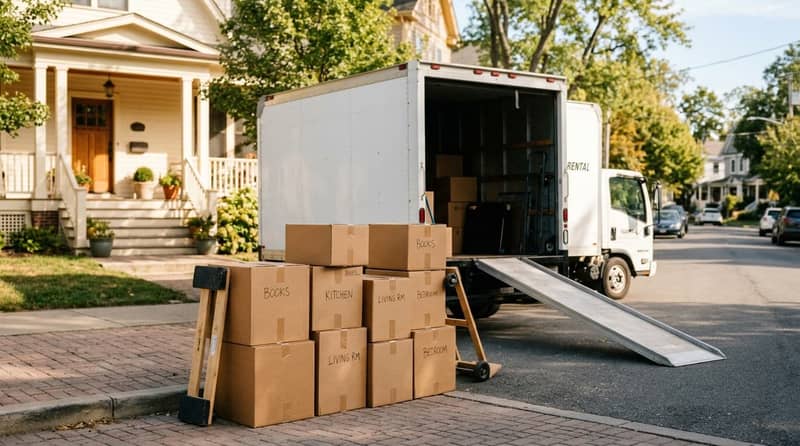
A single-day move means one crew, one truck, one move-out and one move-in. Everything leaves the old place and arrives at the new one in the same window.
When it makes the most sense:
- You're hiring professional movers (their time is billed by the hour locally, or by weight and distance long-haul)
- Your old lease ends and your new one begins on the same day
- You're moving more than a couple of hours away
- You have large or heavy items (furniture, appliances) that require equipment to move safely
Typical cost ranges in 2026:
| Move type | Rough cost range |
|---|---|
| Local, 2-bedroom, 3–4 hours | $400–$900 |
| Local, 3-bedroom, 5–7 hours | $700–$1,500 |
| Long-distance, 2-bedroom | $2,500–$5,000+ |
| Long-distance, 4-bedroom | $5,000–$12,000+ |
These are illustrative ranges — your actual quote will depend on distance, weight, access, floor levels, and add-on services. Always get written estimates. For interstate moves, federal rules (FMCSA, 49 CFR 375) require every estimate to be labeled either binding or non-binding, and it must be based on a physical survey — in person or by live or recorded video — unless you waive that in writing. A sight-unseen phone quote with no survey is a red flag.
If you're comparing movers, our guide on binding vs. non-binding moving estimates explains exactly what each type means for your wallet at delivery.
What "moving gradually" actually means — and what it costs
A gradual (or staged) move means making multiple trips yourself — typically in a personal vehicle, a rented cargo van, or by borrowing a truck — over several days or weeks. Some people use this approach to move almost everything before the professional movers arrive for the heavy pieces.
When it makes the most sense:
- You have overlapping leases and can access both places simultaneously
- You're moving locally (under 20–30 miles)
- You have more time than money
- You want to move fragile, sentimental, or valuable items yourself rather than entrusting them to a truck
- You're downsizing and want to sort as you go
Typical out-of-pocket costs:
| Item | Typical cost |
|---|---|
| Cargo van rental (per day) | $50–$120 + mileage |
| Fuel (10-mile round trip, 10 trips) | $30–$80 total |
| Boxes and packing supplies | $50–$200 |
| Your time | Significant |
The dollar cost of a gradual move can be low — but the time cost is high. Ten trips at an hour each is a full workday, and that's before loading and unloading.
The five questions that actually decide it
1. Do you have access to both places at the same time?
Overlapping leases are the single biggest enabler of a gradual move. If your new lease starts two weeks before the old one ends, you have a window. If both leases turn over on the same day, you're doing a single-day move whether you like it or not.
2. How far apart are the two places?
Gradual moves are almost exclusively practical for local distances — typically under 30 miles one way. Once you're crossing a metro area or state line, the fuel, time, and vehicle rental costs of multiple trips often exceed what a professional mover would charge for one trip. For longer hauls, consider whether a portable moving container might give you a middle path: load it gradually, ship it once.
3. What do you actually own?
Boxes of books, clothes, and kitchen items are manageable in a cargo van. A sectional sofa, a king-size bed frame, a refrigerator, or a washer and dryer are not — and attempting them without the right equipment risks injury and damage. A common hybrid approach: move boxes and lighter items gradually yourself, then hire movers for the heavy furniture on the final day. This can meaningfully reduce the number of hours billed.
4. What's your valuation situation?
When you move things yourself, nothing is covered by a mover's valuation. If you drop your 65-inch TV on your own driveway, that's on you. Items you move yourself are typically covered only by your renters or homeowners insurance policy — check your policy before you assume you're protected. When professional movers handle your goods on an interstate move, Full Value Protection applies automatically unless you sign a written waiver choosing Released Value (60 cents per pound per article). Our guide to moving valuation covers this in detail.
5. How much time do you have before the deadlines hit?
Gradual moves reward people with time. If you have three weeks of overlapping access, you can move casually on evenings and weekends without stress. If you have 72 hours, a professional crew will almost always be faster — even if you have to pay for it on short notice.
While you’re reading
Skip the research — let Robert match you with movers.
Free quotes from movers in your area. Pick whichever is easiest.
The hybrid approach: the best of both
Our team has 35+ years of hands-on service-provider experience, including an operator who ran a moving company for 18 years, and the approach we see work best for most local movers with overlapping leases is a deliberate hybrid:
- Weeks 1–2: Move clothes, books, pantry items, and anything you're unsure you're keeping. Use this time to declutter before you move — every item you don't take is money you don't spend.
- Week 3: Move everything that fits safely in your vehicle that you haven't moved yet.
- Final day: Hire movers for the heavy furniture, appliances, and anything that needs equipment. With fewer items on the truck, the job is shorter and the bill is lower.
This strategy works especially well when you're moving locally. You can browse local movers in your area to get quotes for that final-day heavy-lift portion.
What gradual movers often underestimate
- Fatigue compounds. Trip five feels very different from trip one, especially if you're doing it after work.
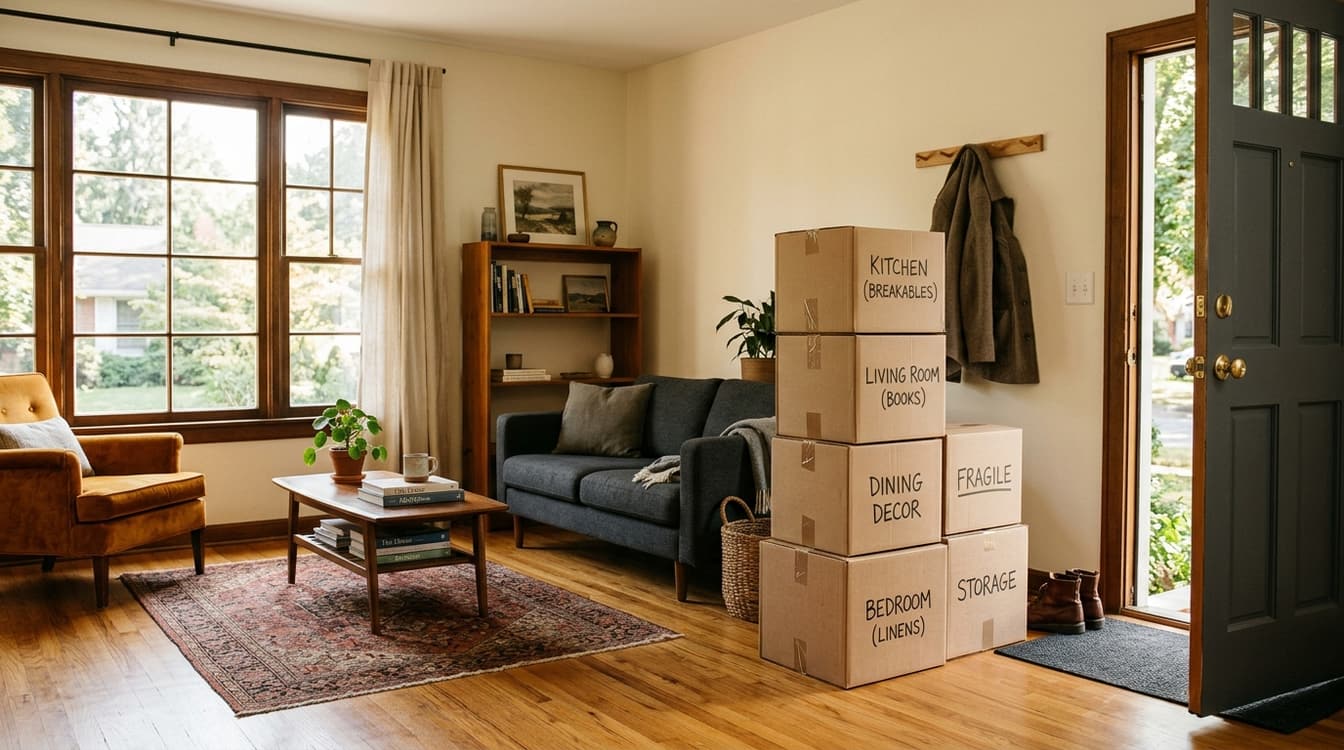
- Packing discipline erodes. When you're making "just one more car load," things get tossed in bags or carried loose — and arrive at the new place disorganized. Use a consistent box-labeling system from the first trip, not the last.
- The old place has to be cleaned. After the final load leaves, you still have a move-out clean to do. Budget time for that separately.
- Rented vehicles add up fast. A cargo van at $80/day plus $0.79/mile can reach $200–$300 for a full day of local trips. At that point, a professional mover for a few hours may be cheaper and faster.
A quick comparison table
| Factor | All at once (professional movers) | Gradually (DIY trips) |
|---|---|---|
| Speed | Fast — typically one day | Slow — days to weeks |
| Cost for large homes | Higher upfront | Lower upfront, adds up |
| Cost for small moves | Often similar | Can be cheaper |
| Heavy items | Handled safely | Risky without equipment |
| Valuation coverage | Mover's liability applies | Your insurance only |
| Flexibility | Fixed move date | Adjust as you go |
| Requires overlapping leases | No | Almost always yes |
| Stress level | Intense but brief | Lower per day, longer overall |
Frequently asked questions
Is it cheaper to move gradually or all at once?
For small, local moves with overlapping leases, moving gradually in your own vehicle can cost less out of pocket — primarily fuel and your time. For larger homes or any move over 30 miles, a single professional move is usually more cost-efficient once you factor in vehicle rentals, fuel for multiple trips, and the value of your time. A hybrid approach — moving boxes yourself and hiring movers for heavy items — often hits the best balance.
Can I hire movers for just part of my stuff?
Yes. Many moving companies will quote a job based on the items you need moved, not your entire household. If you've already moved all your boxes yourself and just need a team for the furniture, tell movers that upfront — your quote will be lower. When comparing options, check mover reviews to get a sense of how local companies handle partial-load jobs.
What if my leases don't overlap at all?
Then a gradual move isn't an option — you'll need everything out of one place and into another on the same day. Focus on getting accurate quotes, booking early (especially if your move falls on a weekend or at the end of the month), and reading our guide on how to build a moving timeline so the single-day logistics don't overwhelm you.
Is moving gradually better for fragile or sentimental items?
Often, yes. Moving valuable, fragile, or irreplaceable items in your own vehicle — carefully packed, in your direct control — reduces the risk of damage during transit. That's one of the strongest arguments for a hybrid approach: move what matters most yourself, let the pros handle the furniture.
Does a gradual move affect my mover's estimate?
It can — in a good way. If you've already moved most of your boxes by the time the movers arrive, the job takes fewer hours (for local, hourly billing) or weighs less (for long-distance, weight-based billing). Tell movers exactly what will remain when they arrive so the estimate reflects the actual load. Our guide on getting an accurate moving quote covers what information to share upfront.
How do I find movers if I only need help for the heavy items?
Browse movers by state to find licensed carriers near you, or use the directory to search by city. When you contact them, explain that you're doing a partial move — just the heavy furniture and appliances — and ask for a quote based on that scope. Verify any carrier's USDOT number yourself on the FMCSA website before you book.
Whether you move in a single efficient day or spread it over a few weeks, the goal is the same: everything arrives safely and you're not exhausted or over budget on the other end. If you're still weighing your options or want to compare quotes for the professional-mover portion of your move, find movers near you or reach out to Robert, our moving concierge, for help narrowing it down.
Tagged