A long-distance move out of Santa Rosa typically costs $2,500–$6,500 for a one- or two-bedroom home moving within the Western U.S., and $4,500–$10,000+ for cross-country moves — with weight, distance, and packing services driving most of that range. Before you sign anything, two items matter most: a mover licensed with the FMCSA, and a binding estimate in writing.
What do long-distance movers in Santa Rosa cost, and how do summer dates and hillside access change it?
No honest mover will quote you a flat number without knowing what you're moving and where it's going. Interstate pricing is regulated and structured — it's not arbitrary — but there's a wide range depending on your situation.
Typical cost drivers and ranges
| Factor | Lower End | Higher End |
|---|---|---|
| Studio or 1BR, short interstate (under 500 mi) | ~$1,800 | ~$3,500 |
| 2–3BR, mid-distance (500–1,500 mi) | ~$3,500 | ~$7,000 |
| 3–4BR, cross-country (2,000+ mi) | ~$6,000 | ~$12,000+ |
| Full packing service (add-on) | ~$500 | ~$2,500+ |
| Long carry / elevator / stairs | ~$75 | ~$300+ |
| Storage-in-transit (per month) | ~$150 | ~$400+ |
These are estimates — your actual cost depends on confirmed shipment weight, exact mileage, time of year, and any special items (pianos, art, vehicles). Summer moves (May–September) and end-of-month dates typically run higher.
How interstate pricing is built, from the weigh-in to a shuttle on a hillside street
Unlike local moves billed by the hour, interstate moves are federally regulated and priced primarily on two factors:
- Shipment weight — your belongings are weighed on a certified scale before and after loading. The difference is your net weight, and that's what you pay on.
- Mileage — the tariff distance between origin and destination, calculated by the carrier's published rate tables.
On top of the base rate, you'll see line items for fuel surcharges, valuation coverage, packing materials, and any accessorial services (shuttle trucks for narrow streets, for example). In Santa Rosa's older neighborhoods and hillside areas, a shuttle may be required if the truck can't access your driveway — ask about this upfront.
Binding vs. non-binding estimates
- Binding estimate: The price is locked. If your shipment weighs more than estimated, you do not pay more — but if it weighs less, you may or may not receive a refund depending on the agreement.
- Non-binding estimate: What you finally owe follows the weight that was measured. At delivery the mover must release your goods once you pay 110% of the estimate, and any balance is billed after 30 days from delivery, so the bill can still be higher than you expected.
- Binding not-to-exceed: The best consumer protection — you pay the estimate or actual weight cost, whichever is lower.
Have the estimate put on paper and marked binding or non-binding. Never book based on a verbal quote or a number pulled from a website calculator.
How many days until your Santa Rosa belongings arrive?
Carriers quote a delivery window, a stretch of days, instead of promising one particular day. Under FMCSA rules, your mover must provide a written pickup and delivery spread. Typical timelines:
- Under 500 miles: 2–5 business days
- 500–1,500 miles: 4–10 business days
- 1,500+ miles (cross-country): 7–21 business days
Your belongings may travel on a consolidated trailer with other customers' shipments. This is normal and legal — it's how most household goods carriers manage coast-to-coast routes efficiently. If a guaranteed delivery date is critical, ask about exclusive-use trailer options (expect a significant premium).
Before you book in Santa Rosa: the licensing checklist for an interstate mover
Every company that moves goods across state lines must be registered with the FMCSA (Federal Motor Carrier Safety Administration). Here's your pre-booking checklist:
- Confirm USDOT and MC numbers: Look them up at safer.fmcsa.dot.gov. The company's operating authority should show "Active."
- Verify they are a carrier, not just a broker: Brokers are legal, but they must disclose they're not the carrier. Know who is actually moving your stuff.
- Get the binding estimate in writing before any deposit changes hands.
- Read the Bill of Lading before the truck leaves — this is your legal contract. Don't sign a blank one.
- Understand your valuation options:
- Released value protection: No charge, but it applies only if you choose it in writing (otherwise full value protection applies); covers only $0.60 per pound per article. For example, a 50-pound TV damaged in transit would be paid at $30.
- Full-value protection: Costs extra (typically 1–2% of declared value); the carrier repairs, replaces, or pays current market value.
- Check reviews on verified review platforms and ask for a physical address — not just a website. Be wary of movers who only communicate by phone or push for large cash deposits.
Browse licensed movers in our directory — every listing includes carrier information to help you verify.
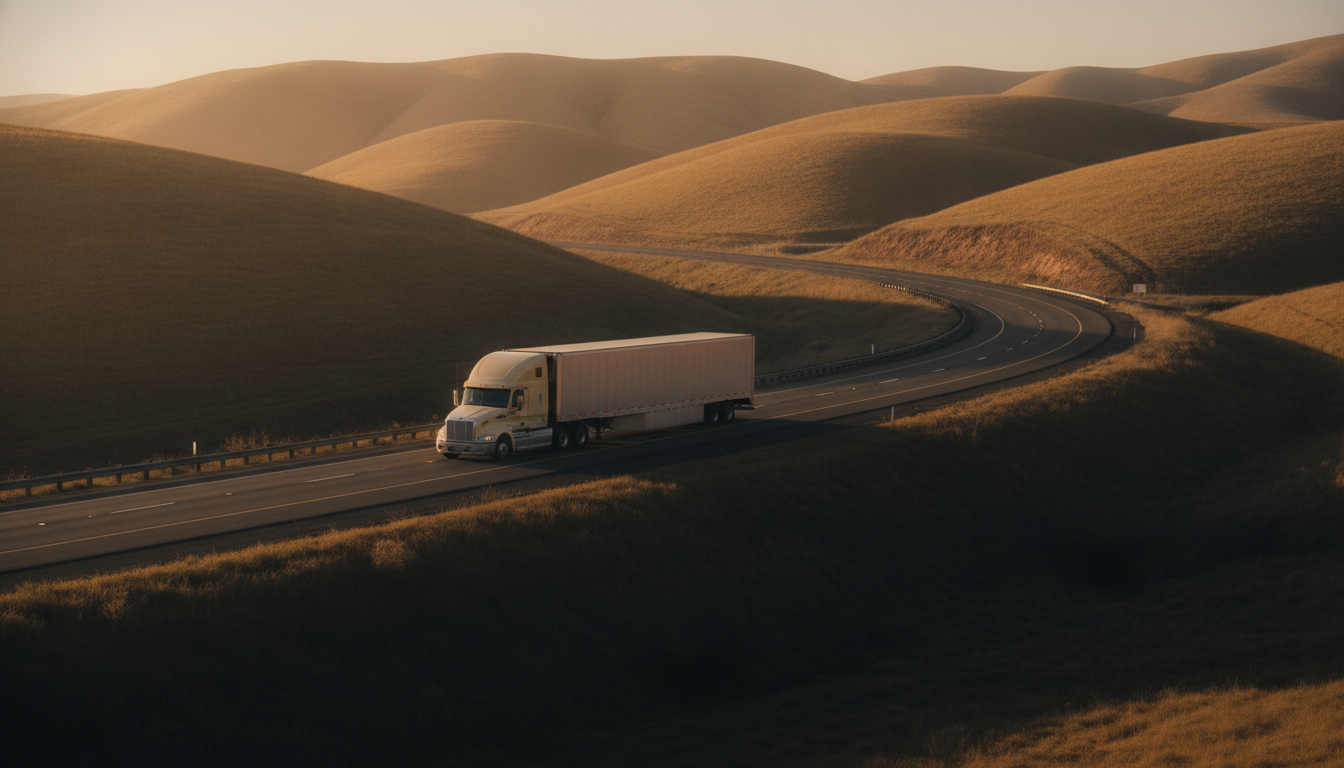
The usual directions out of Santa Rosa: south, east or north
Santa Rosa sits at the northern edge of the Bay Area, which means most long-distance movers heading out of the city are going one of several directions: south toward Los Angeles or San Diego, east toward Nevada, Arizona, or Texas, or north toward Oregon and Washington. Cost and timing vary significantly by route.
We're actively building out dedicated route guides from Santa Rosa. In the meantime, you can browse movers by state to explore options along your specific corridor, or find movers serving Santa Rosa directly.
A few notes on common routes people ask about:
- Santa Rosa → Los Angeles area: ~440 miles, typically 2–4 days transit, one of the more competitive routes with solid carrier coverage.
- Santa Rosa → Las Vegas / Phoenix: 600–800 miles, expect 3–6 days, dry desert routes with reliable summer capacity.
- Santa Rosa → Portland or Seattle: 600–800 miles north, 4–7 days typical, watch for fall/winter weather delays on I-5.
- Santa Rosa → Denver / Austin / Dallas: 1,200–1,900 miles, 7–14 days, cross-mountain routing adds complexity.
Smoke, dry summers and building access: moving-day tips for Santa Rosa
Wildfire smoke and air quality: Late summer and fall moves in Santa Rosa mean potential wildfire smoke. If your move falls between August and November, build in flexibility for air quality days that can slow packing and loading. Have N95 masks on hand for your crew and yourself.
Seasonal timing: Santa Rosa's dry summers are peak moving season. If you can move in April, May, or October, you'll often find better carrier availability and more competitive pricing.
Utility shutoffs and HOA access: If you're in one of Santa Rosa's newer planned communities or a condo building, confirm elevator reservation and loading dock access at least two weeks out. Carriers have limited patience for access delays, and some charge waiting-time fees.
Photograph the condition of your things before departure: Walk through every room, open every box marked "fragile," and document condition. If a claim becomes necessary, your photos are your best evidence.
For more information on movers in Santa Rosa or to start comparing carriers, use our directory to get connected with interstate moving companies.
Frequently asked questions
Is tipping expected when a crew loads a Santa Rosa home for a long-distance move?
Tipping is not required but is appreciated. A common guideline is $20–$50 per mover for a full day, paid in cash directly to each crew member — not handed to the supervisor to distribute. For multi-day or particularly heavy moves, tip accordingly.
Can a long-distance mover hold my belongings hostage?
Unfortunately, predatory "hostage load" situations do happen — a mover inflates the final price and refuses delivery until you pay. Federal law prohibits it. To protect yourself: get a binding estimate, never sign a blank Bill of Lading, and confirm your mover's FMCSA operating authority before booking. If a dispute arises, you can file a complaint with the FMCSA at 1-888-368-7238.
Is moving out of Santa Rosa more expensive than moving into it?
Not inherently — the pricing is based on weight and distance regardless of direction. However, carrier availability and routing efficiency can affect rates on specific corridors. Some routes out of Northern California carry a slight premium because outbound freight from the region is less balanced than inbound.
How is a broker different from a carrier when I book a move out of Santa Rosa?
A carrier owns the trucks and employs the crew — they are directly responsible for your shipment. A broker arranges the move but contracts it to a carrier you may not know in advance. Either may legally arrange a move, though a broker has to state in writing that it is a broker. If you book through a broker, ask for the name and USDOT number of the actual carrier before your move date.
How do I handle items the movers won't take?
Interstate carriers maintain a "non-allowable" items list — typically hazardous materials (propane tanks, paint, certain cleaning chemicals), perishables, plants, and valuables like cash or irreplaceable documents. Ask for the list before packing. Most items on it you'll need to transport yourself or dispose of before the move.
How early should I reserve a mover in Santa Rosa, in peak summer or the quieter months?
For summer moves, book 6–8 weeks in advance — peak season carriers fill up fast, especially on popular routes out of Northern California. For moves in fall, winter, or early spring, 3–4 weeks is usually sufficient, and you may find more competitive pricing and flexible delivery windows.