
Find movers near you
Movers across California.
Compare top-rated local and long-distance movers — and let Robert do the comparison for you.
Get Your Quote→California · CA
Moving companies in California.
468 movers across 66 cities in California — local, long-distance, and specialty handling. Compare listings, get transparent quotes, and use our honest cost guide before you book.
Robert
Online·Call for a quote
Hi — I'm Robert, and I'll help you find the right movers. Where are you moving from, and where are you headed? Prefer a live representative? Just say the word and I'll connect you, or use the call button for a quote anytime.
By chatting with Robert, you agree we may share your move details with movers in your origin city so they can contact you with a quote. We never sell or share your info outside this network. Privacy Policy.
Top movers in California
California movers worth a look.
A few of the top movers statewide. Want a tailored recommendation? Chat with Robert above.

All movers
Every mover in California.
Sorted by best match. Click any card for the full profile and contact details.
Anthony's Moving and Delivery
Orange, CA
★ 4.8 (58 reviews)

Handy Movers LLC
Los Angeles, CA
★ 5.0 (3 reviews)

TCI Transportation
Commerce, CA
★ 3.8 (64 reviews)
A2Z Moving Services LLC
Los Angeles, CA
★ 5.0 (3 reviews)
Lily's Moving Services
Redwood City, CA
★ 5.0 (13 reviews)

Contractors Cargo
Paramount, CA
★ 3.8 (50 reviews)
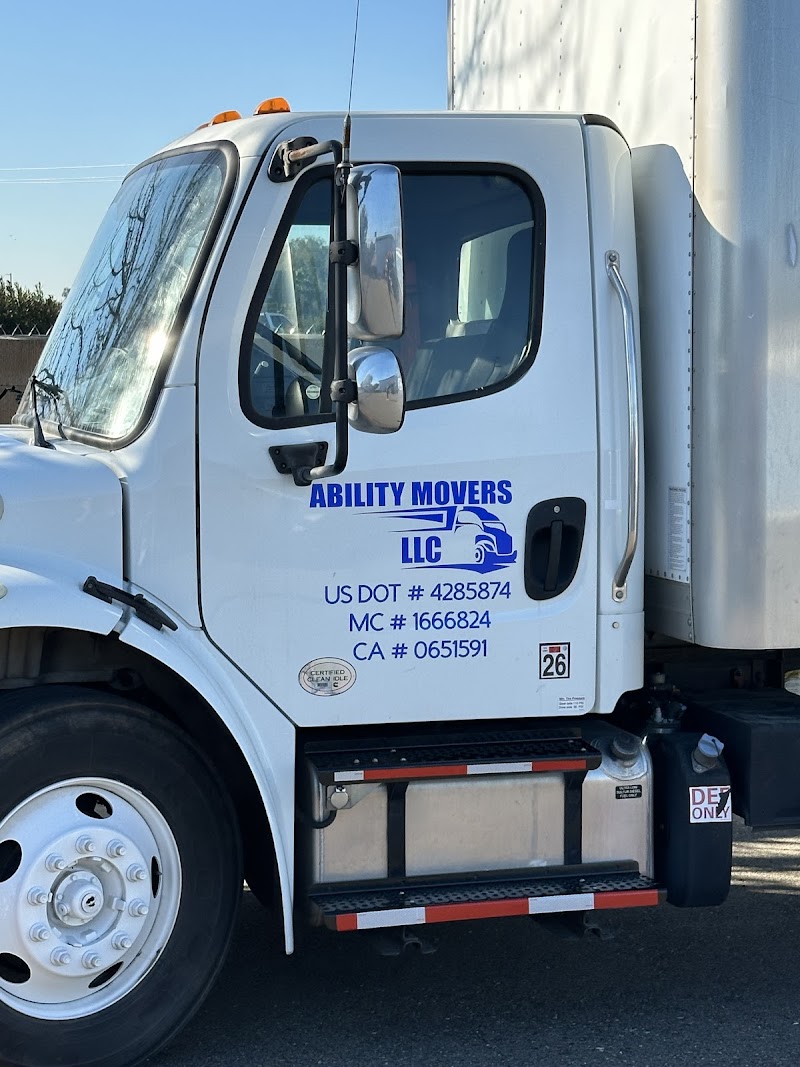
ABILITY MOVERS LLC
Stockton, CA
★ 5.0 (3 reviews)
Belizean Queen Freight Services
Los Angeles, CA
★ 3.9 (95 reviews)
Showroom Transport
Irvine, CA
★ 2.9 (56 reviews)
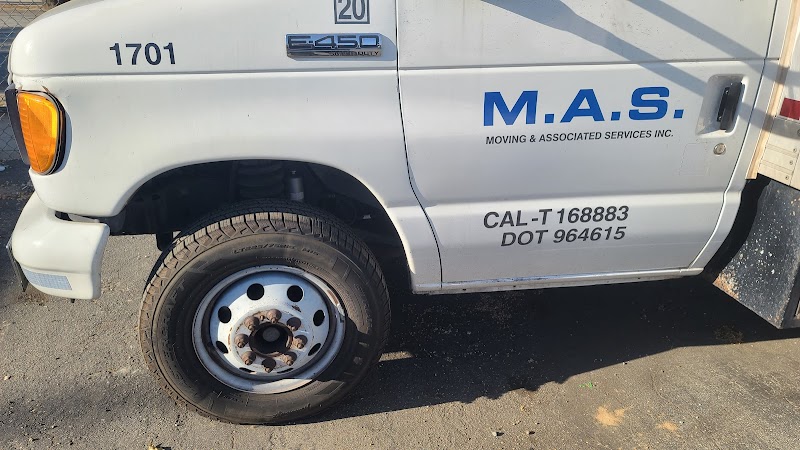
Mas moving
Pomona, CA
★ 4.4 (13 reviews)
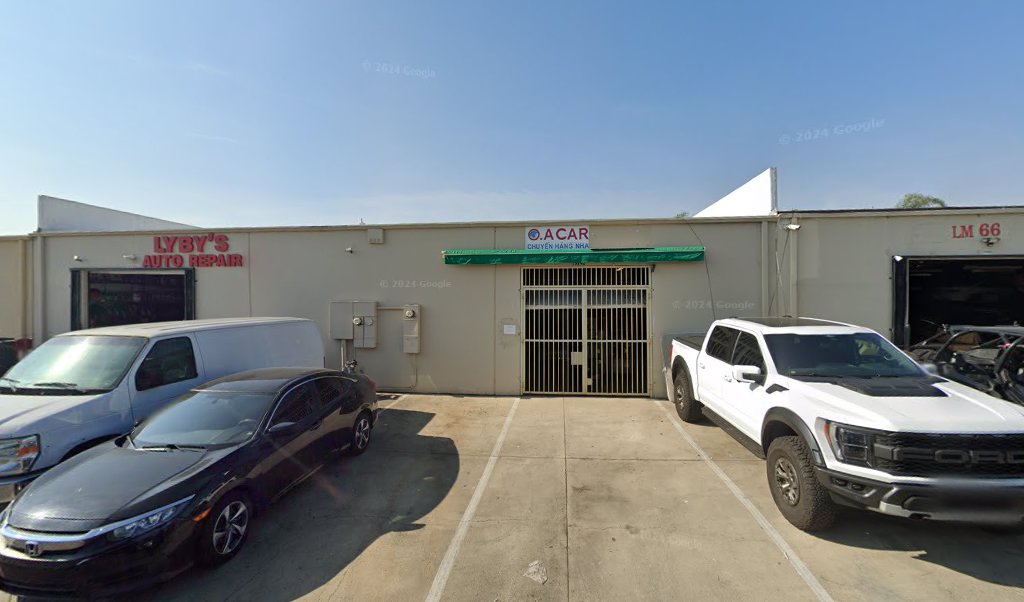
O.A. Cargo, Inc.
Westminster, CA
★ 5.0 (2 reviews)
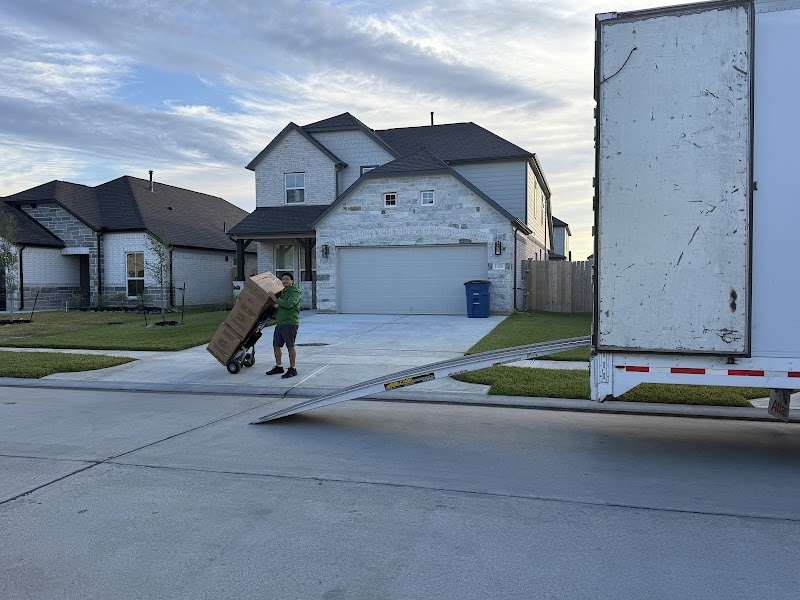
Moving On Relocation Systems Inc.
Valley Village, CA
★ 4.9 (31 reviews)
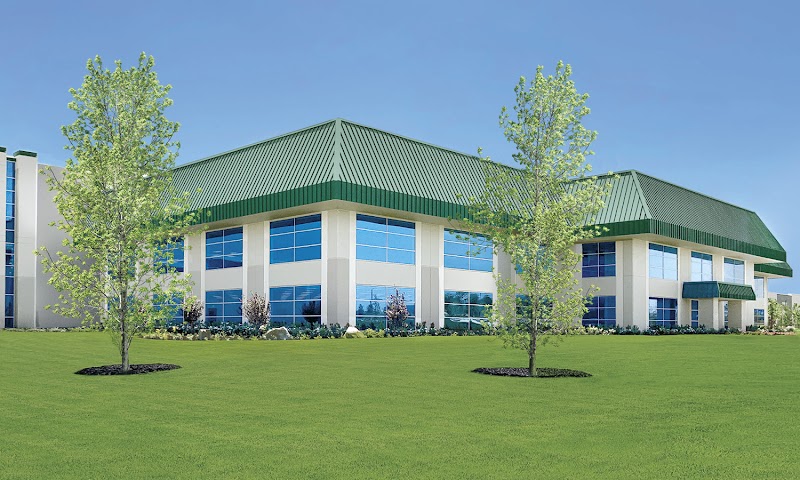
Uline Shipping Supplies
Ontario, CA
★ 4.7 (15 reviews)
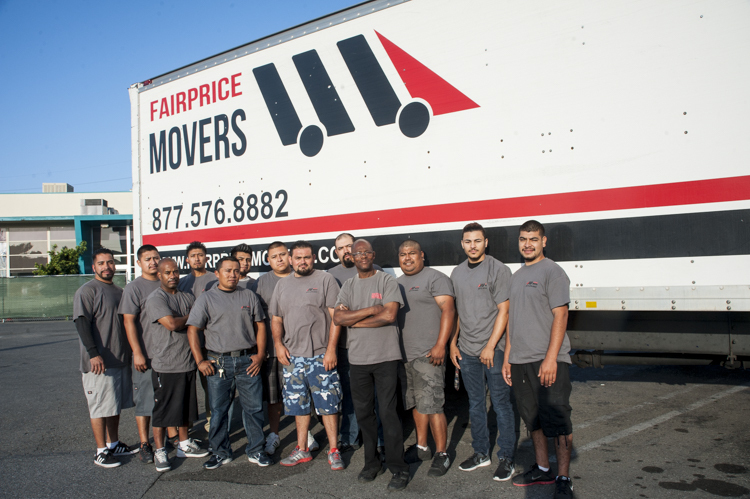
Fairprice Movers Fremont
Oakland, CA
★ 4.9 (442 reviews)

Global Auto Transportation | Glendale
Glendale, CA
★ 4.4 (95 reviews)
Cities in California
Jump to movers in your city.
66 California cities have moving companies listed.
Los Angeles
192 movers listed
San Francisco
83 movers listed
San Diego
54 movers listed
Riverside
21 movers listed
San Jose
21 movers listed
Fresno
11 movers listed
Oxnard
6 movers listed
Santa Rosa
4 movers listed
Aliso Viejo
3 movers listed
Bakersfield
3 movers listed
Gardena
3 movers listed
Hayward
3 movers listed
Sacramento
3 movers listed
Costa Mesa
2 movers listed
Culver City
2 movers listed
Fremont
2 movers listed
Irvine
2 movers listed
North Hollywood
2 movers listed
Orange
2 movers listed
Pomona
2 movers listed
Visalia
2 movers listed
American Canyon
1 mover listed
Burbank
1 mover listed
Carlsbad
1 mover listed
Commerce
1 mover listed
Cypress
1 mover listed
Daly City
1 mover listed
Garden Grove
1 mover listed
Glendale
1 mover listed
Inglewood
1 mover listed
Long Beach
1 mover listed
McClellan Park
1 mover listed
Merced
1 mover listed
North Hills
1 mover listed
Northridge
1 mover listed
Oakland
1 mover listed
Ontario
1 mover listed
Paramount
1 mover listed
Perris
1 mover listed
Piru
1 mover listed
Poway
1 mover listed
Redding
1 mover listed
Redwood City
1 mover listed
Rohnert Park
1 mover listed
San Bruno
1 mover listed
San Lorenzo
1 mover listed
San Rafael
1 mover listed
San Ramon
1 mover listed
Santa Barbara
1 mover listed
Santa Clara
1 mover listed
Santa Fe Springs
1 mover listed
Santa Maria
1 mover listed
Santa Monica
1 mover listed
Sherman Oaks
1 mover listed
Simi Valley
1 mover listed
Southwest Industrial Park
1 mover listed
Stockton
1 mover listed
Torrance
1 mover listed
Truckee
1 mover listed
Union City
1 mover listed
Upland
1 mover listed
Vallejo
1 mover listed
Valley Village
1 mover listed
Van Nuys
1 mover listed
Ventura
1 mover listed
Westminster
1 mover listed
About moving in California
What shapes a California move.
California's sheer size — roughly 900 miles from the Oregon border to San Diego — means even intrastate moves can rival cross-country hauls in complexity and cost. The state draws tech workers to the Bay Area and San Diego, entertainment industry professionals to Los Angeles, and agricultural and logistics workers to the Central Valley. At the same time, high housing costs push tens of thousands of Californians to Nevada, Texas, and Arizona each year. Movers must navigate dense urban traffic, wildfire-season road restrictions, and some of the most detailed consumer-protection regulations in the country.
Strict State Licensing Requirements
Intrastate household goods movers in California must register with the California Public Utilities Commission (CPUC) and obtain a MTR (Mover's Tariff Registration) number. Before signing any contract, verify your mover's MTR number on the CPUC website. Unlicensed 'rogue movers' are a documented problem in Los Angeles and the Bay Area, so this check is essential.
Size and Regional Diversity
California spans multiple distinct climate zones and geographies. A move from San Francisco to Los Angeles covers roughly 380 miles of Interstate 5 or Highway 101. Moving from the coast to the Sierra Nevada foothills or the Mojave Desert adds logistical layers — altitude changes, seasonal road closures, and significantly different housing stock all affect how crews plan and price jobs.
High Out-Migration to Neighboring States
California regularly posts some of the highest domestic out-migration numbers in the country. Nevada (especially Las Vegas and Reno), Arizona (Phoenix and Tucson), and Texas (Dallas and Austin) are the most frequent destinations. Lower housing costs, no state income tax in Nevada and Texas, and remote-work flexibility are the primary drivers cited by families and retirees leaving the state.
Peak Season and Traffic Complexity
Summer (June–August) is peak moving season statewide, with the highest demand and the highest prices. However, California's mild climate means moves happen year-round. Urban congestion — particularly in Los Angeles, the Bay Area, and San Diego — can add hours to a move day. Movers often charge for drive time, so location within a metro matters significantly to final cost.
Anywhere in the state
Find a mover anywhere in California.
Tell Robert where you're headed and get matched with professional local + long-distance movers — free.
Cost of living
California cost of living by metro — and what it means for movers
California's cost of living is among the highest in the nation, driven primarily by housing. The gap between coastal metros and inland cities is wide — a family relocating from San Francisco to Bakersfield can cut housing costs by more than half. This disparity shapes move patterns, with significant internal migration from coastal to inland areas, and drives much of the state's out-migration to neighboring states with lower overall costs.
| Metro | COL Index | What to expect |
|---|---|---|
| San Francisco / Bay Area | 269 | Median 2BR apartment rents typically run $3,200–$4,500+; median home prices regularly exceed $1 million in many Bay Area counties. |
| Los Angeles | 196 | 2BR apartments average roughly $2,400–$3,200 depending on neighborhood; home prices vary enormously from the $700k range in the Valley to $2M+ on the Westside. |
| San Diego | 188 | 2BR rentals typically range from $2,200–$3,000; San Diego's housing market has tightened significantly, making it one of the least affordable large metros in the U.S. |
| Sacramento | 138 | 2BR apartments run roughly $1,600–$2,200; Sacramento has absorbed significant migration from the Bay Area, pushing prices up from historical levels but remaining far below coastal metros. |
| Fresno / Central Valley | 112 | 2BR rentals typically fall in the $1,200–$1,600 range; the Central Valley remains among California's most affordable regions, though agriculture-dependent economies affect job diversity. |
| Riverside / San Bernardino (Inland Empire) | 131 | 2BR rents average roughly $1,800–$2,400; the Inland Empire has grown rapidly as an overflow market for LA and Orange County residents seeking more space for lower cost. |
Common routes
Common California moving routes and what they typically cost
California → Nevada
~380–520 mi (LA or Bay Area to Las Vegas or Reno)
$1,800–$4,500
California-to-Nevada is one of the busiest interstate corridors in the West, driven heavily by Californians seeking lower housing costs and no state income tax in Las Vegas and Reno.
California → Arizona
~370–590 mi (Los Angeles or San Diego to Phoenix or Tucson)
$1,600–$4,200
Phoenix and Tucson attract significant numbers of Southern California transplants, particularly retirees and families priced out of the LA and San Diego housing markets.
California → Texas
~1,200–1,500 mi (LA or Bay Area to Dallas or Austin)
$3,500–$7,500
Texas has become a top destination for California tech workers and businesses relocating corporate offices, making the CA-to-TX corridor one of the busiest long-haul routes in the country.
California → Oregon
~620–720 mi (Bay Area or Sacramento to Portland)
$2,000–$4,800
The I-5 corridor connecting California to Oregon and the Pacific Northwest sees steady traffic from Bay Area and Sacramento residents drawn to Portland's lower housing costs and similar culture.
California → Washington
~850–1,050 mi (Bay Area or Sacramento to Seattle)
$2,800–$6,000
Tech industry transfers between the Bay Area and Seattle's tech sector (Amazon, Microsoft) make this a common corporate relocation route, often with employer assistance.
California → Colorado
~1,000–1,200 mi (Los Angeles or Bay Area to Denver)
$2,800–$5,800
Denver and the Front Range have drawn significant numbers of California remote workers and outdoor enthusiasts seeking more affordable housing with mountain access.
Licensing + rules
California moving regulations: what you need to know before hiring
CPUC MTR Registration for Intrastate Moves
Any company moving household goods entirely within California must register with the California Public Utilities Commission and hold a valid MTR (Mover's Tariff Registration) number. You can verify a mover's registration on the CPUC website before signing a contract. Operating without this registration is illegal, and consumers have limited recourse against unregistered movers.
Intrastate movers must register with the California PUC and maintain a valid MTR number.
USDOT / FMCSA Licensing for Interstate Moves
Any move crossing state lines — from California to Nevada, Arizona, or anywhere else — requires the moving company to hold a valid USDOT number and interstate operating authority issued by the FMCSA. You can verify both on the FMCSA's online database. Confirm this before booking; legitimate interstate movers display their USDOT number on estimates and vehicles.
Interstate movers must hold a valid USDOT number and FMCSA operating authority — verify both before booking.
Written Estimates and the '110% Rule'
California law requires licensed movers to provide a written estimate before the move. For non-binding estimates, federal FMCSA rules (for interstate moves) cap what a mover can collect at delivery at 110% of the estimate — the '110% rule.' California's CPUC rules impose similar protections for intrastate moves. Always get a written, itemized estimate; verbal quotes are not binding.
Written estimates are required by law; for binding and non-binding estimates, California and federal rules limit surprise charges at delivery.
Required Liability and Valuation Coverage
California movers are required to offer basic released-value coverage (typically 60 cents per pound per item for interstate moves under federal rules). This is minimal protection — a 50-inch TV weighing 30 lbs would be covered for only $18 under this standard. Full-value protection is available for an additional fee. Third-party moving insurance is also an option for high-value goods.
Movers must offer basic released-value coverage; consumers should review full-value protection options for valuable items.
The California Moving Booklet Requirement
California-licensed intrastate movers are typically required to provide consumers with the CPUC's informational booklet on household goods moving before a contract is signed. This booklet outlines your rights as a consumer, the dispute resolution process, and how to file a complaint. If a mover does not provide this document, confirm their CPUC registration status before proceeding.
CPUC-registered intrastate movers are required to provide the state's consumer rights booklet prior to the move.
California moving FAQ
Common California moving questions.
How do I verify a moving company is legally licensed to operate in California?
+
For intrastate moves (entirely within California), check the company's MTR number on the California Public Utilities Commission (CPUC) website. For interstate moves crossing state lines, verify the company's USDOT number and operating authority on the FMCSA's website (safer.fmcsa.dot.gov). Both checks take under five minutes and are the single most important step before signing any contract. Rogue movers — companies operating without proper registration — are a documented problem in the Los Angeles and Bay Area markets.
What does a local move within California typically cost?
+
Local movers in California generally charge by the hour. Rates vary significantly by market: in Los Angeles and the Bay Area, two-person crews typically run $120–$200 per hour, with most local moves totaling $800–$2,500 depending on home size, distance, and whether packing services are included. In inland markets like Sacramento or Fresno, hourly rates tend to be lower. Always get written estimates from at least three licensed movers and confirm what the hourly rate covers.
When is the cheapest time to move in California?
+
The most affordable window is typically October through March, particularly mid-week (Tuesday through Thursday) and avoiding the first and last days of the month when lease turnovers peak. Summer (June–August) commands the highest prices due to demand. In wildfire-prone areas — including parts of the Sierra Nevada foothills, wine country, and Southern California inland areas — late-summer moves can also face road closures and logistical delays, adding another reason to consider off-season timing.
How much does it cost to move from California to Texas?
+
A full-service move from the Los Angeles or Bay Area to Dallas or Austin typically costs between $3,500 and $7,500 for a standard 2–3 bedroom household, though prices vary based on total weight, distance, time of year, and specific services. Demand on the California-to-Texas corridor has been high in recent years, so booking 6–8 weeks in advance is advisable, particularly for summer moves. Get binding written estimates from multiple FMCSA-licensed interstate carriers.
Is it cheaper to rent a truck myself instead of hiring movers in California?
+
DIY truck rental can cut costs substantially — one-way truck rentals from California to Nevada or Arizona might run $600–$1,500 depending on truck size and season, versus $1,800–$4,500+ for full-service movers. However, California's congested freeways (particularly through the LA basin, the Bay Bridge, and Highway 1 corridors) make self-driving a large truck more demanding than in most states. Factor in fuel costs, tolls, loading labor, and the risk of damage to belongings — full-service may be worth the premium for large households.
Do I need to do anything special when moving within California due to state agricultural rules?
+
Yes. California maintains agricultural inspection stations on major entry corridors (Interstate 5, Interstate 10, Interstate 40, and others) to prevent the spread of pests and invasive species. When moving into California from another state, inspectors may check plants, fresh fruits, and vegetables. Moving within the state is generally not subject to these checks, but if you're bringing plants from another state, confirm current rules with the California Department of Food and Agriculture before your move date.
How far in advance should I book a moving company in California?
+
For summer moves (June–August) in major metros like Los Angeles, San Francisco, or San Diego, booking 6–8 weeks in advance is recommended — reputable movers fill up quickly. For off-season moves, 2–4 weeks is usually sufficient. If your move involves a lease start or home closing date, always book as soon as that date is confirmed. Last-minute moves (under one week's notice) are possible but limit your options and may carry premium pricing.
What protections do I have if a California mover damages my belongings?
+
For intrastate moves, the CPUC's consumer protection rules apply, and you can file a complaint with the CPUC if a licensed mover fails to resolve a damage claim appropriately. For interstate moves, FMCSA rules govern the claims process — movers must acknowledge a claim within 30 days and resolve it within 120 days. Your payout depends on the coverage type chosen: released-value (60 cents/lb per item under federal rules) or full-value protection. Document your belongings with photos before moving day to support any claim.
What are the most common moving scams to watch for in California?
+
The most documented scam in California is the 'hostage load' — an unlicensed mover provides a low estimate, loads your belongings, then demands a much higher payment at delivery or refuses to unload. Verify MTR and USDOT numbers before booking, get a written binding estimate, never pay the full amount upfront, and be skeptical of quotes significantly below market rate. The CPUC and California Attorney General's office receive numerous complaints annually about unlicensed household goods movers, particularly in the Los Angeles metro.
Are there any California-specific challenges for long-distance moves during wildfire season?
+
Yes. Wildfire season in California — generally June through October, though fires can occur year-round — can result in road closures affecting key corridors including Interstate 5 through the Shasta and Tehachapi areas, Highway 101 through wine country, and various routes in the Sierra Nevada foothills. If your move date falls in this period, discuss contingency plans with your mover, confirm their cancellation and rescheduling policy, and monitor CalTrans road condition alerts. Some movers may add surcharges or decline routes in active evacuation zones.
Moving out of state?
Long-distance movers in California.
What an interstate move costs and how to choose a licensed mover, city by city. Every city we cover.
Long-distance movers in Bakersfield
Long-distance movers in Fresno
Long-distance movers in Los Angeles
Long-distance movers in Oxnard
Long-distance movers in Riverside
Long-distance movers in Sacramento
Long-distance movers in San Diego
Long-distance movers in San Francisco
Long-distance movers in San Jose
Long-distance movers in Santa Rosa
Moving away from California?
Relocation guides from California.
Cost of living, taxes, and what to expect for popular interstate moves out of California.
California → Arizona
Read the guide →California → Florida
Read the guide →California → Nevada
Read the guide →California → Oregon
Read the guide →California → Texas
Read the guide →California → Bend
Read the guide →California → Dallas
Read the guide →California → Jacksonville
Read the guide →California → Miami
Read the guide →California → Orlando
Read the guide →California → Tampa
Read the guide →Get your moving quote
Many ways to get a moving quote.
Chat, text, email, or call — whichever’s easiest. Tell Robert about your move and matching movers in your city reach out, usually within a few minutes.