Most people leaving Tulsa for Oklahoma City are renters — nearly half of Tulsa households rent — and the first thing worth knowing is that the building you are leaving behind is probably different in kind from the one you are arriving at. That single fact shapes almost every practical decision on this move, from the equipment your mover brings to the day you pick on the calendar.
More Houses, Fewer High-Rise Hallways
In Tulsa, about 27% of homes sit in buildings of five or more units. In Oklahoma City, that share drops to 20%. Detached houses, meanwhile, go from 62% of the housing stock in Tulsa to 68% in Oklahoma City. If you are one of the many Tulsa renters moving out of a mid-rise or large apartment complex, you may be landing in a standalone house for the first time — or at least in a smaller building than you left.
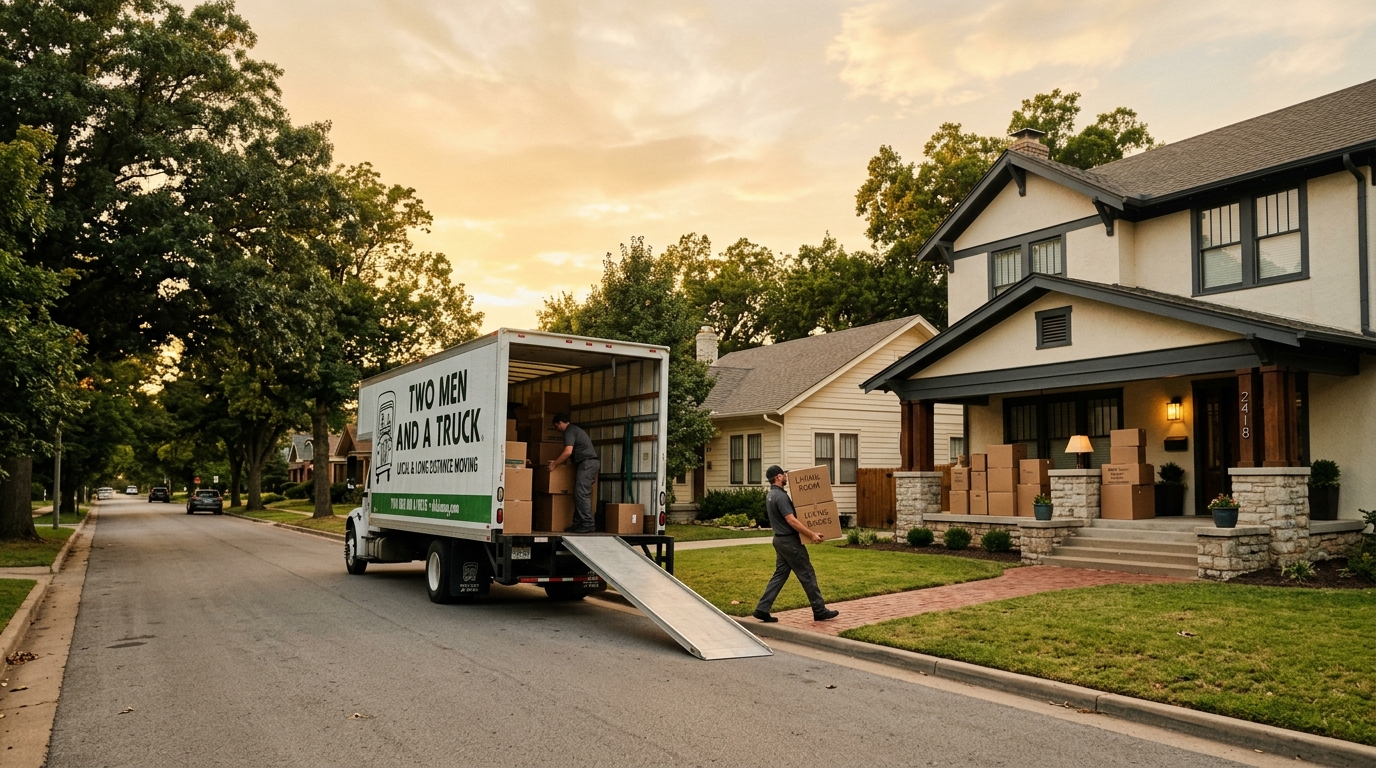
That shift matters on moving day in concrete ways. Loading out of a Tulsa apartment building typically means coordinating elevator reservations, navigating shared loading docks or restricted parking zones, and working within building-management rules about move-out hours. Loading into an Oklahoma City house usually means a driveway, a front walk, and your own front door — fewer handoffs, but also no freight elevator to help with heavy furniture and no ground-floor staging area if the house has multiple levels.
Talk to your mover in advance about both ends. A crew that arrives expecting apartment access and finds a two-story house with no covered staging area — or vice versa — loses time that comes back to you on the bill. When you get quotes, describe the origin building type, the floor you are on, whether there is elevator access, and what the parking situation looks like at the destination. The more specific you are, the more accurate the estimate will be.
What the Price Difference Actually Means
The median home value in Oklahoma City is about 13% higher than in Tulsa, and median rent runs roughly 9% more per month — around $1,083 in Oklahoma City compared to $998 in Tulsa. Neither gap is dramatic, but together they mean your housing budget will stretch a little less far than it did.
If you are buying, the higher values may affect how much you choose to ship versus sell before you go. Furniture that filled a Tulsa home bought at Tulsa prices may not be the right fit — literally or financially — for a house purchased at Oklahoma City prices. Some people moving up in home size bring everything; others use the move as a chance to sell larger pieces and buy closer to the destination. Either way, the volume of what you move is one of the biggest drivers of what you will pay a mover on this route, so it is worth deciding before you book.
On the rental side, the 9% premium is notable but manageable. Tulsa's higher renter share (48% versus 41% in Oklahoma City) means competition for rentals in Tulsa has historically been stiff, and many people moving this route are already accustomed to acting quickly. Oklahoma City's rental market, while slightly pricier, has a bit more ownership inventory in the mix, which can ease pressure if your timeline is flexible.
Moving Day on This Route
This is an in-state move entirely within Oklahoma, so the rules that govern your move are set by the state, not federal interstate regulations. Ask any mover you consider whether they are licensed to operate in Oklahoma, and request a written estimate — binding or not-to-exceed — before anything is loaded. Do not sign a blank or incomplete contract, and keep your copy of every document. For specifics on Oklahoma's intrastate moving rules and how to verify a mover's license, contact the Oklahoma Corporation Commission or ask your mover directly.
The move itself is manageable in a single day for most households, but the season you choose matters. Both Tulsa and Oklahoma City sit in Tornado Alley, and spring — particularly April and May — brings genuine severe weather risk at both ends. A storm system that grounds operations in Tulsa in the morning can reach Oklahoma City by afternoon. If you are moving in spring, build a weather contingency into your plan: confirm your mover's policy on weather delays before you sign, and avoid scheduling the truck for the same day you hand over keys if you can help it.
Summer is the peak season for moves on this route, and Oklahoma City summers are hot — temperatures frequently push past 95°F. That heat affects how long a moving crew can work safely, and it affects anything temperature-sensitive in your load: candles, vinyl records, certain electronics, plants, and wood furniture left in a hot truck for hours. Schedule loading and unloading for early morning when you can. If you are moving in July or August, ask your mover how they handle heat-related pacing and whether they recommend any staging for heat-sensitive items.
Winter moves are generally lighter on competition and easier to book on short notice, but both cities see occasional ice storms. Roads between Tulsa and Oklahoma City can become dangerous quickly when freezing rain arrives. Watch forecasts carefully in December through February and confirm your mover has a clear cancellation or rescheduling policy in writing.
One practical note on timing: Oklahoma City sees about 17% of its residents turn over in any given year, close to Tulsa's 18%. The city is not a slow-moving market — good apartments and houses in desirable areas move. If you are renting at the destination, do not wait until your Tulsa lease is signed off to start searching.
Picking a Mover for This Route
Because this move stays within Oklahoma, you want a mover with demonstrated experience on intrastate Oklahoma jobs, not just one who handles national van lines work. Local and regional movers who run this corridor regularly will know the access quirks at both ends — apartment complexes with tricky dock schedules on the Tulsa side, the wider residential streets and house-with-driveway norms common in Oklahoma City.
Get at least two written estimates based on an actual look at your home — in person or by live video — rather than a phone quote built on your own description. A mover who quotes without seeing what you have is giving you a number that can drift. Ask each mover whether their estimate is binding or not-to-exceed, what is included, and how they handle delays caused by weather.
Our team has 35+ years of hands-on service-provider experience, including an operator who ran a moving company for 18 years, and the single piece of advice that holds up across every move on a route like this one: the cheapest estimate is not always the lowest final bill. Clear, specific, written terms protect you more than a low number does.
Movers in Tulsa and movers in Oklahoma City are both listed in our directory. You can also find movers by entering your ZIP codes, or browse by state if you want to compare your options across Oklahoma.