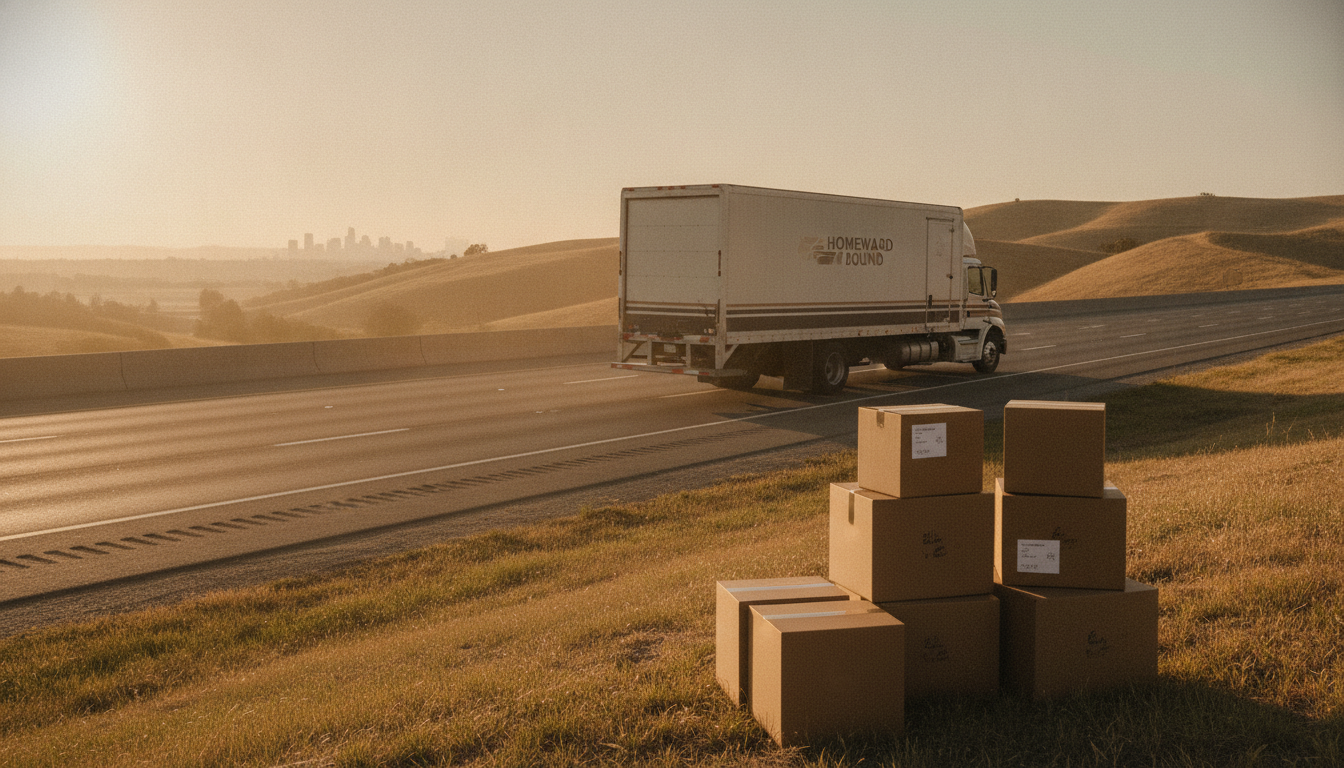
An interstate move from Pennsylvania to Buffalo, NY typically costs $1,500–$4,500 for a standard household, depending on home size, distance within Pennsylvania, and the time of year you move. On the federal price index for 2024 (U.S. = 100), the Buffalo area (96) is slightly lower than Pennsylvania statewide (98), so most relocating households find their day-to-day expenses ease slightly — but the single biggest adjustment is taxes: New York State's income tax tops out at 10.9%, compared to Pennsylvania's flat 3.07%, which can meaningfully affect your take-home pay depending on your income bracket.
What does a move from Pennsylvania to Buffalo cost?
Moving costs on an interstate run from Pennsylvania to Buffalo are estimates — they vary based on the size of your home, how far within Pennsylvania you're starting (Pittsburgh is closer; Philadelphia adds miles), the season, and how much packing help you need. That said, here are realistic ballpark ranges our team sees regularly:
- Studio or 1-bedroom: $1,500–$2,500
- 2–3 bedroom home: $2,500–$4,000
- 4+ bedroom home: $3,800–$6,500+
Summer (May–September) is peak season for interstate moves — demand is high, and prices follow. If your timeline is flexible, scheduling your move in late September through April can often save you several hundred dollars and give you more flexibility on delivery windows.
Always get at least three written binding estimates before committing to a mover. A binding estimate locks in your price based on the agreed-upon inventory; a non-binding estimate can — and often does — change at delivery. More on that below.
How do Pennsylvania and Buffalo compare on cost of living and taxes?
Before diving into the numbers, one important context note: the Pennsylvania figures below are statewide averages, while Buffalo's figures represent a single city. These are not a strict apples-to-apples comparison — urban Buffalo has its own market dynamics — but they give you a useful directional picture.
The cost-of-living and housing numbers are genuinely favorable for Buffalo — a $100/month rent difference and a $30,000 gap in median home prices add up quickly. However, the income tax shift is significant and often surprises new arrivals. Pennsylvania's flat 3.07% rate is one of the lowest in the Northeast. New York's graduated system tops out at 10.9% at higher income levels. If you earn a moderate income, your effective New York rate may be far below the maximum, but it's worth running the numbers with a tax professional before your move.
Note: The NYC surcharge does not apply to Buffalo residents — that additional tax is specific to New York City.
Where should you live in Buffalo?
Buffalo is a compact, walkable city with distinct neighborhoods, each with its own personality. Here's a practical overview to help you narrow down your search:
Downtown & the Waterfront
The revitalized downtown core and Canalside waterfront district appeal to young professionals and empty nesters who want to be close to restaurants, entertainment, and the emerging innovation economy. Expect higher rents for newer apartment stock.
Elmwood Village
One of Buffalo's most beloved neighborhoods — a walkable, tree-lined strip of independent shops, cafes, and Victorian homes. Popular with artists, academics, and families who want urban amenity without full downtown density. Competitive rental and sales market.
Allentown
A historic, arts-forward neighborhood adjacent to downtown. Known for its Victorian architecture, gallery scene, and nightlife. A strong choice if cultural proximity matters to you.
North Buffalo
A quieter, residential stretch with a strong sense of community, good schools, and easy access to Hertel Avenue's thriving restaurant corridor. Popular with families relocating from the suburbs.
South Buffalo
A traditionally working-class, tight-knit neighborhood with affordable home prices and a fiercely loyal community identity. Shorter drives to the highway corridors running into Pennsylvania.
Amherst & Cheektowaga (immediate suburbs)
Technically outside city limits but worth mentioning — many Pennsylvania families relocating to the Buffalo area land here for the larger lots, newer construction, and suburban school options, while still enjoying easy access to the city.
Climate and lifestyle: what changes when you leave Pennsylvania?
Pennsylvania has a humid continental climate — cold, snowy winters and warm summers, with nor'easters and occasional flooding in river-adjacent areas. If you've lived in Pittsburgh, Erie, or the Pocono region, you already understand winter in the Northeast.
Buffalo turns that up considerably. Lake-effect snow off Lake Erie is a genuine force — seasonal totals frequently exceed 90–100 inches, and the region sees occasional blizzards that can drop two to four feet in 24–48 hours. The November 2022 blizzard is still fresh in locals' memory. If you're coming from southeastern Pennsylvania (Philadelphia, the Main Line), this will be a material lifestyle adjustment. Invest in a quality snow blower, winter tires, and a good pair of boots before your first November.
The flip side: Buffalo summers are genuinely beautiful — mild temperatures in the 70s°F, low humidity compared to much of the Northeast, and easy access to Lake Erie beaches, Niagara Falls (30 minutes away), and the Finger Lakes wine country. Long-time Buffalo residents will tell you the summers alone make the winters worth it.
How does an interstate move from Pennsylvania to Buffalo work?
Because you're crossing a state line, your move is regulated by the Federal Motor Carrier Safety Administration (FMCSA) under the U.S. Department of Transportation. Any legitimate long-distance mover must hold a USDOT number and an MC (Motor Carrier) number — you can verify both for free on the FMCSA website before signing anything.
Key things to understand:
- Binding vs. non-binding estimates: A binding estimate guarantees your final price based on a specified inventory. A non-binding estimate is an approximation — your final bill can be higher. Always ask for binding.
- Valuation coverage: For interstate moves, Full Value Protection applies automatically — released-value protection (typically $0.60/lb per item) is the free basic option, but you only get it by signing a written waiver choosing it. Either way, it provides minimal reimbursement, so full-value protection is typically worth considering. Full-value protection costs more and is typically worth it for interstate moves.
- Delivery windows: Interstate carriers typically provide a delivery window of several days to a week, not a guaranteed single date. Build flexibility into your arrival plans — don't schedule immediate work commitments the day after your stated delivery date.
- Deposits and payment: Reputable movers do not require large upfront cash deposits. Be cautious of any company demanding more than a modest deposit before the move.
You can start comparing licensed movers in Pennsylvania right now, or go straight to movers in Buffalo to see carriers familiar with the destination.
How to pick a licensed long-distance mover
Here's an honest shortlist:
- Verify the USDOT and MC number on FMCSA's mover registry before any conversation about pricing.
- Get three binding written estimates — in-home or virtual surveys, not phone quotes based on bedroom counts.
- Read recent reviews on verified review platforms — focus on interstate moves specifically, not just local jobs.
- Ask about delivery window and who drives your shipment — some carriers broker your move to a third party. Know who is actually handling your belongings.
- Understand the claims process before you sign, not after something breaks.
You can find movers in our directory filtered by interstate licensing, or browse by state if you're still narrowing down your origin city.
Frequently asked questions
How long does it take to move from Pennsylvania to Buffalo?
Transit time on an interstate move from Pennsylvania to Buffalo typically ranges from one to three days for the truck itself, but most carriers provide a delivery window of two to five business days. Pennsylvania is a large state — a move from Philadelphia will take longer and cost more than a move from Erie, which sits close to the New York border. Always confirm the delivery window in writing before signing your contract.
Is Buffalo actually cheaper to live in than Pennsylvania?
On the federal price index for 2024, the Buffalo area (96) is slightly lower than Pennsylvania statewide (98), and both median rents and median home prices are modestly lower in Buffalo. Day-to-day expenses like groceries and utilities are generally comparable or slightly favorable. However, the significant wild card is New York State income tax — Pennsylvania's flat 3.07% rate is far lower than New York's graduated brackets, which top out at 10.9%. Whether you come out ahead financially depends heavily on your household income. Consulting a CPA familiar with both states before your move is worthwhile.
Do I need to do anything special to register my car and driver's license after moving to Buffalo?
Yes. Once you establish New York residency, you'll need to obtain a New York State driver's license and register your vehicle with the New York DMV — typically within 30 days of establishing residency. New York requires a vehicle inspection and proof of New York State auto insurance, which may differ from your Pennsylvania policy requirements.
When is the best time of year to move to Buffalo?
Late spring (April–May) and early fall (September–October) are generally the sweet spots. You avoid peak summer moving surcharges, the weather is cooperative for loading and unloading, and you give yourself time to get settled before Buffalo's winter season begins in earnest. Moving in November through February is possible but adds logistical complexity — snow and cold affect access to homes, loading times, and road conditions.
Is Buffalo a good city for families relocating from Pennsylvania?
Many Pennsylvania families find Buffalo a welcoming, affordable alternative to crowded northeastern metros. The combination of lower home prices, a strong neighborhood culture, access to outdoor recreation, and a revitalized downtown makes it genuinely competitive. School quality varies significantly by district — families should research specific neighborhoods and consider the suburbs (Amherst, Williamsville, Lancaster) if school ratings are a top priority.
What should I know about Buffalo winters before I move?
Take them seriously. Lake-effect snow is not a metaphor — Buffalo regularly sees 90–100+ inches of snow per season, and individual storms can be severe enough to close highways. Before your first winter, budget for: a quality snow blower or a reliable plowing contract, winter tires (strongly recommended, not optional), weatherproofing your new home, and an emergency kit in your vehicle. The upside is that Buffalo residents are exceptionally well-prepared and the city functions through conditions that would paralyze most other metros.