Moving from San Diego, CA to Colorado
A move from San Diego to Colorado is a full interstate relocation — typically 1,000 to 1,200 miles depending on your destination city — and professional moving costs generally range from $2,500 to $7,500+ for a standard household, varying by home size, services, and season. The single biggest change most San Diegans encounter isn't the distance: it's the dramatic shift in cost of living, tax burden, and climate, going from one of the most expensive coastal cities in the country to a state with a significantly lower overall cost of living and a flat 4.4% income tax — compared to California's rate of up to 13.3%.
What does a move from San Diego to Colorado cost?
Interstate moving costs are estimates that depend on the weight of your shipment, the specific origin and destination addresses, the time of year, and which services you add (packing, storage, specialty items). That said, here are realistic ballpark ranges for this corridor:
Factors that push costs higher:
- Summer moves (May–September): Peak season demand drives up rates and reduces scheduling flexibility. If you can move in the fall or late winter, you'll likely save.
- Long-carry or elevator situations: Older San Diego homes, beach-area apartments, and high-rises add time and labor.
- Specialty items: Pianos, gun safes, and large artwork require dedicated equipment and expertise.
- Full packing service: Adds convenience but also adds cost — typically $500–$2,000 depending on home size.
Always get at least three written estimates before booking. We'll cover how to evaluate those estimates properly below.
How do cost of living and taxes compare?
This is where the move pays for itself over time for many San Diego families. The table below compares San Diego city figures against Colorado statewide averages. These are not apples-to-apples — San Diego is a single high-cost coastal city, while Colorado's figures represent a statewide average that includes both urban metros and rural areas. Your actual costs in Colorado will vary based on where you land.
For a household earning $120,000 a year, the difference in state income tax alone can mean thousands of dollars back in your pocket annually. Pair that with lower housing costs, and the financial case for this move is compelling — even accounting for Colorado's own rising housing market in metros like Denver and Boulder.
Where in Colorado do people from San Diego land?
Colorado has several major metros and regions that attract different types of relocators. Movers in Colorado serve all of these destinations:
- Denver Metro (Denver, Aurora, Lakewood, Westminster): The most common destination for San Diego transplants. A true urban core with a strong job market, professional sports, and a walkable downtown. Housing is significantly more affordable than San Diego, though prices in core neighborhoods have risen steadily.
- Colorado Springs: A mid-sized city with a strong military and tech presence, lower costs than Denver, and immediate access to Pikes Peak and the Front Range.
- Fort Collins: A college town (Colorado State University) with a thriving craft brewing culture, strong outdoor recreation, and a tight-knit community feel.
- Boulder: The closest Colorado city in "vibe" to parts of San Diego — outdoor-obsessed, health-conscious, and expensive relative to the rest of the state. Expect home prices closer to Front Range highs.
- Durango / Mountain Towns: For those drawn to ski culture, mountain living, or remote work flexibility, Durango, Steamboat Springs, and Telluride offer a lifestyle shift rather than just a city swap.
The best fit depends on your career, family situation, and lifestyle priorities. We'd encourage visiting before committing — Colorado's regions feel genuinely different from one another.
Climate and lifestyle: what to expect after San Diego
San Diego's Mediterranean climate is famously forgiving. Mild winters, warm (not hot) summers, low humidity, and roughly 266 sunny days a year. If you've lived there for any length of time, you may have forgotten what a true winter feels like.
Colorado will remind you.
What changes:
- Four true seasons. Colorado's Front Range sees cold winters with regular snowfall, warm and sometimes stormy summers, and gorgeous, crisp springs and falls. Mountain communities see significantly heavier snowfall — measured in feet, not inches.
- Altitude. Denver sits at 5,280 feet. Many Colorado cities and mountain towns are higher. Expect some adjustment period — fatigue, dehydration, and sunburn hit faster at elevation.
- Plenty of sunshine. Colorado gets a lot of sun, which surprises many transplants. But that sun comes with cold air and low humidity — a very different feel.
- Severe weather. Eastern plains areas are in tornado and hail corridors. The Rocky Mountain region, like San Diego, carries wildfire risk. You'll want to review homeowners insurance carefully.
- Lifestyle tempo. Colorado's outdoor culture is intense and enthusiastic — skiing, hiking, mountain biking, and camping are part of everyday life for many residents, not just weekend activities.
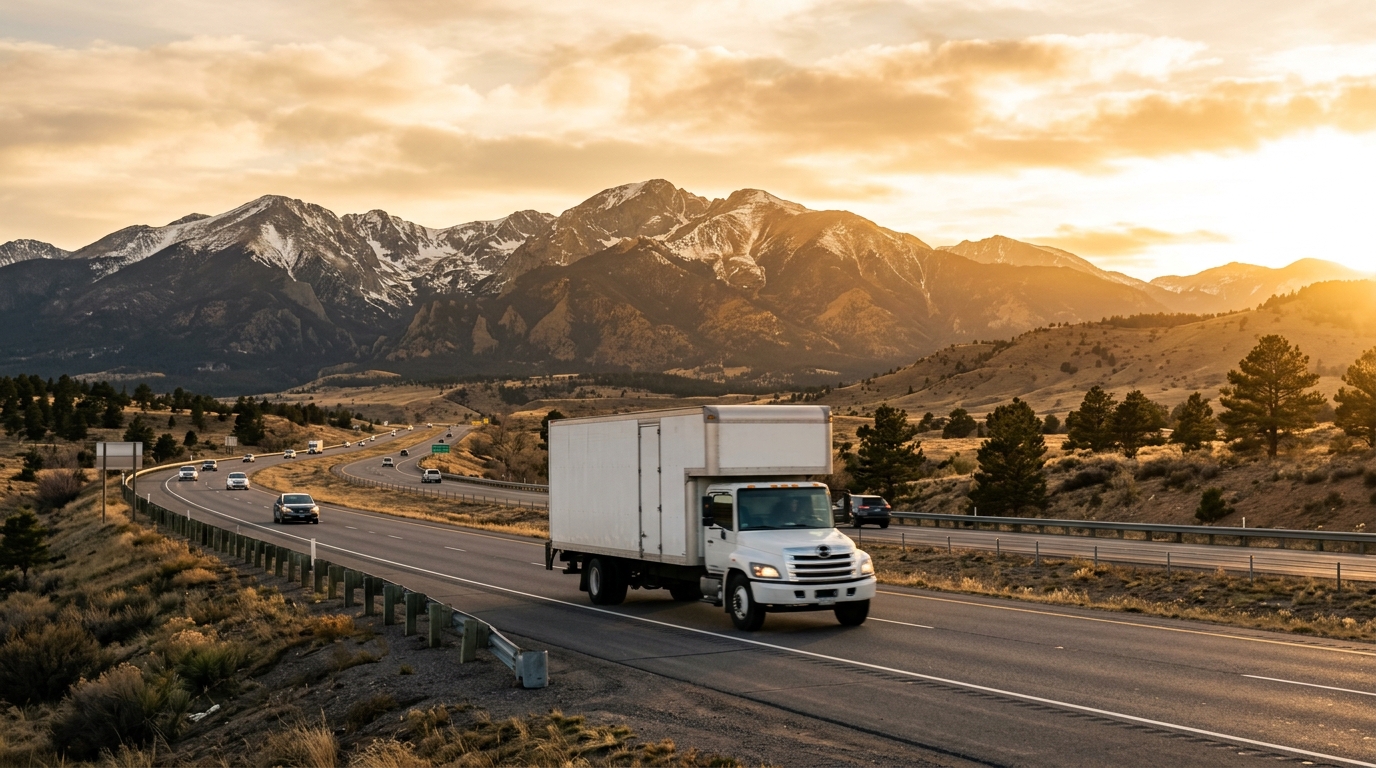
How interstate moving works: what San Diego movers must know
When you hire a moving company to cross state lines, federal law applies. Here's what you need to understand before signing anything:
Licensing. All legitimate interstate movers must be registered with the Federal Motor Carrier Safety Administration (FMCSA) and hold a USDOT number and MC (Motor Carrier) number. You can verify both at the FMCSA's official website before booking. Never hire a mover who can't provide these numbers.
Binding vs. non-binding estimates. A binding estimate locks in the price — you pay what's quoted regardless of actual weight. A non-binding estimate is an approximation; your final bill is based on actual shipment weight and may be higher. A binding not-to-exceed estimate is often the most consumer-friendly option: you pay the binding price or the actual weight cost, whichever is lower.
Valuation (not insurance). Federal law requires movers to offer two valuation options: Full Value Protection, which makes the mover liable for repair or replacement of lost/damaged items, and Released Value, which costs nothing but limits liability to $0.60 per pound per article — far below actual replacement value for most items — and applies only if you sign a written waiver choosing it; Full Value Protection is the default. Most experienced shippers choose Full Value Protection or supplement with a third-party policy.
Delivery windows. On long-distance moves, your belongings typically travel on a multi-stop truck route. Movers provide a delivery window — often a range of several days — rather than a guaranteed single date. Build flexibility into your plans; don't schedule critical commitments (starting a new job, closing on a home) the day after your window opens.
How to choose a licensed long-distance mover
Find movers through a reputable directory, then do your own vetting. Here's what we recommend:
- Verify USDOT and MC numbers with FMCSA before any conversation goes further.
- Get three written estimates — in-home or video survey, not phone guesses. Any company quoting large jobs sight-unseen should raise a flag.
- Read reviews on verified review platforms — look for patterns in feedback, not just star ratings. Pay attention to how companies respond to negative reviews.
- Understand the contract. Read your Bill of Lading carefully. It's a legally binding document. Know your delivery window, your valuation coverage, and your payment terms before signing.
- Avoid large upfront deposits. Reputable movers typically collect payment at delivery. Demanding 25–50% upfront is a red flag.
- Ask about subcontracting. Some brokers book your move then hand it off to a carrier you've never vetted. Know exactly who is putting your belongings on a truck.
Explore movers in San Diego to find carriers that work the San Diego–Colorado corridor, or browse by state to find movers at your Colorado destination.
Frequently asked questions
How long does a move from San Diego to Colorado take?
Transit time for a standard household typically runs 3 to 7 days after pickup, depending on your specific destination, the carrier's route, and delivery window. Mountain towns with limited access may add time. Plan for your belongings to arrive within a window of dates, not on a single guaranteed day.
Is moving from San Diego to Colorado worth it financially?
For most households, yes — particularly those paying California's higher income tax rates and sky-high housing costs. The statewide cost-of-living index in Colorado (103) is meaningfully lower than San Diego's (112), and the flat 4.4% state income tax rate is a significant drop from California's up to 13.3%. The gap narrows somewhat in Denver's core neighborhoods and mountain resort towns, but even there, housing typically comes in well below San Diego's median $850,000 home price.
What should I do with my car when moving from San Diego to Colorado?
You have three options: drive it yourself, ship it via auto transport, or load it onto a moving truck (some carriers offer this). Auto transport for this route typically costs $800–$1,400 depending on vehicle type and season. Driving yourself can double as a sightseeing trip but adds wear and personal travel time. Factor this into your total moving budget.
Do I need to update my driver's license and vehicle registration after moving to Colorado?
Yes. Colorado law requires new residents to obtain a Colorado driver's license within 30 days of establishing residency and to register their vehicle within 90 days. You'll also need to have your vehicle emissions tested if you're in the Denver metro area. Contact the Colorado DMV for current requirements before your move date.
When is the best time of year to move from San Diego to Colorado?
Late September through November and February through April are typically the most cost-effective windows, avoiding peak summer demand — though March is Denver's snowiest month, so build in a spare day. Moving in the middle of a Colorado blizzard is possible but adds risk and complexity — especially for mountain destinations. If you must move in summer, book your mover 6–8 weeks in advance.
Can I move just some of my belongings and ship the rest later?
Yes — this is a common approach for partial moves or when you're not sure about your long-term housing situation. Options include portable storage containers (loaded at your home and transported to Colorado), freight shipping for oversized items, and staged moves where a portion travels with you and the rest ships separately. Discuss your specific situation with your mover during the estimate process to find the most cost-effective approach.