
Find movers near you
Movers in Dayton.
Compare top-rated local and long-distance movers — and let Robert do the comparison for you.
Get Your Quote→Ohio
Moving companies in Dayton, OH.
Dayton sits at the crossroads of I-70 and I-75, making it one of Ohio's most accessible cities for a move. Whether you're relocating to the Oregon District, settling into Oakwood, or making a long-distance move to or from the Miami Valley, local movers know the city's mix of historic neighborhoods, tight parking corridors, and seasonal weather demands.
Robert
Online·Call for a quote
Hi — I'm Robert, and I'll help you find the right movers. Where are you moving from, and where are you headed? Prefer a live representative? Just say the word and I'll connect you, or use the call button for a quote anytime.
By chatting with Robert, you agree we may share your move details with movers in your origin city so they can contact you with a quote. We never sell or share your info outside this network. Privacy Policy.
Top movers in Dayton
Dayton movers worth a look.
A few of Dayton’s top movers. Want a tailored recommendation? Use the Get quotes form below.
All Dayton movers
17 movers serving Dayton.
523 movers
Dayton, OH
★ 4.7 (249 reviews)
All American Movers
Dayton, OH
Planes Moving & Storage Of Dayton
Dayton, OH
★ 4.7 (271 reviews)
Roadrunner Moving & Storage Dayton
Dayton, OH
Kettering Moving & Storage
Dayton, OH
Here to There Movers
Dayton, OH
Safe & Sound Moving Company
Dayton, OH
USDOT #2518337
Lewis & Michael Moving and Storage
Dayton, OH
★ 4.2 (70 reviews)
All Hauling & Moving
Dayton, OH
Greater Dayton Moving & Storage
Dayton, OH
★ 4.2 (61 reviews)
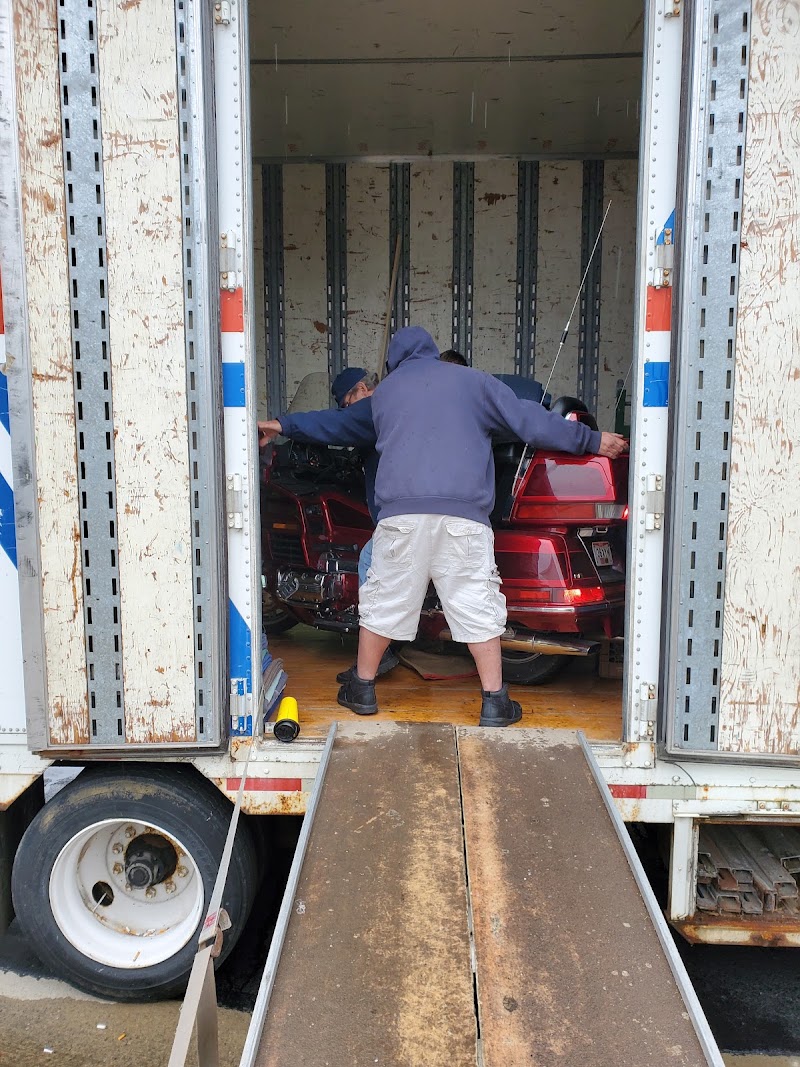
Country Wide Moving & Storage
Dayton, OH
★ 2.8 (13 reviews)
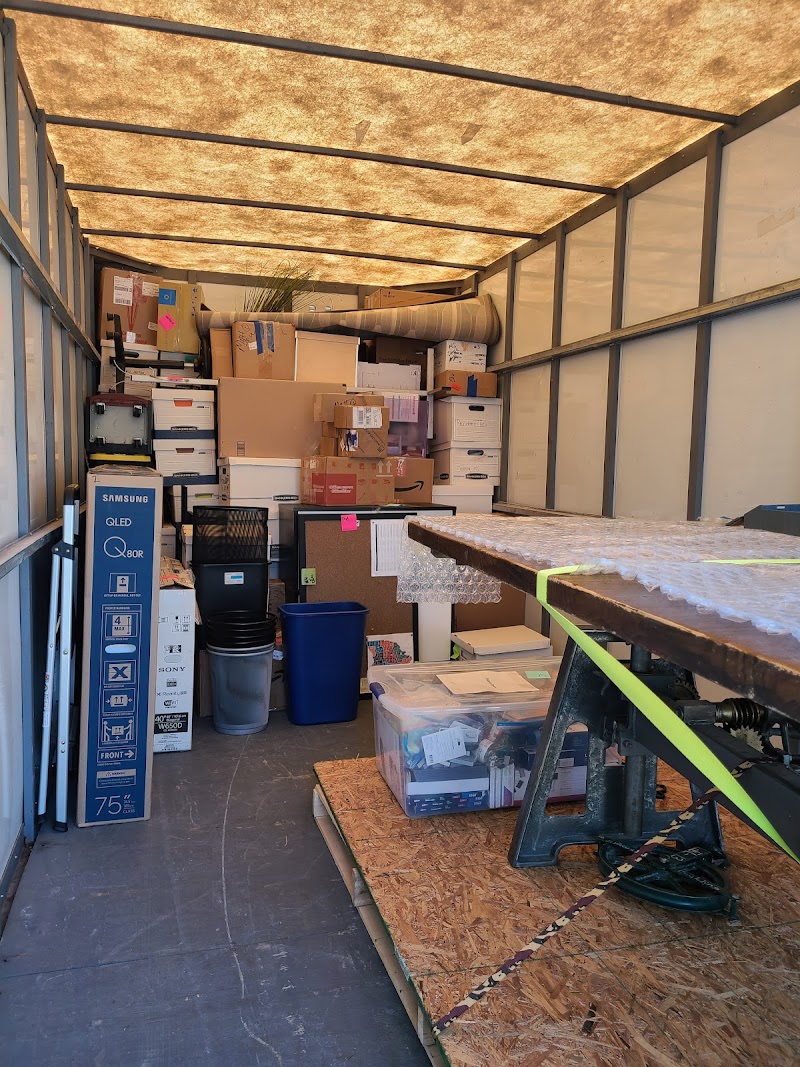
Go Mini's Moving & Portable Storage
Dayton, OH
★ 4.9 (20 reviews)
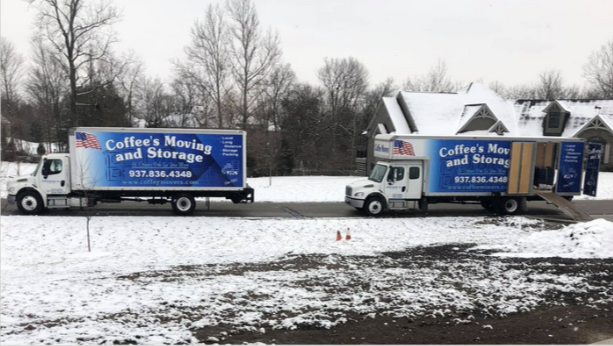
Coffee's Moving and Storage
Dayton, OH
★ 4.8 (329 reviews)
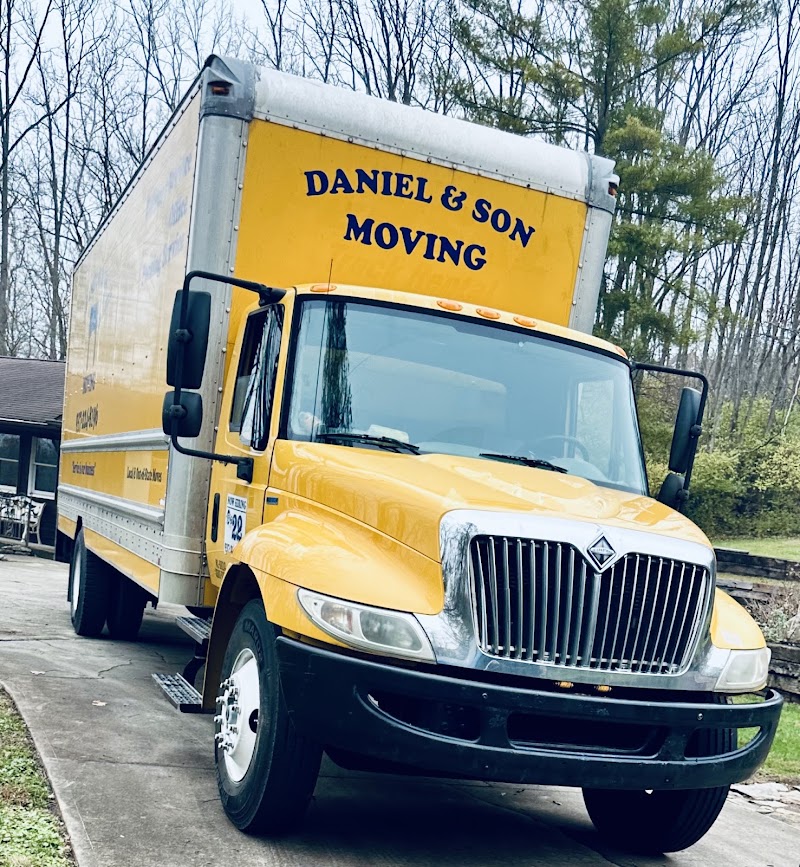
Daniel & Son Moving
Dayton, OH
★ 4.2 (5 reviews)
Advantage Movers
Dayton, OH
Movers near Dayton
30 more movers within 50 miles of Dayton.
Based in a neighboring town and serving Dayton. Each one shows where it is based and how far that is, nearest first.

Miller Barn Sales and Shed Moving
Franklin, OH · 17 miles away
★ 4.9 (409 reviews)
Easy Woodby movers / Middletown dayton Cincinnati
Middletown, OH · 19 miles away

Blue Collar Movers
Middletown, OH · 20 miles away
★ 5.0 (2 reviews)
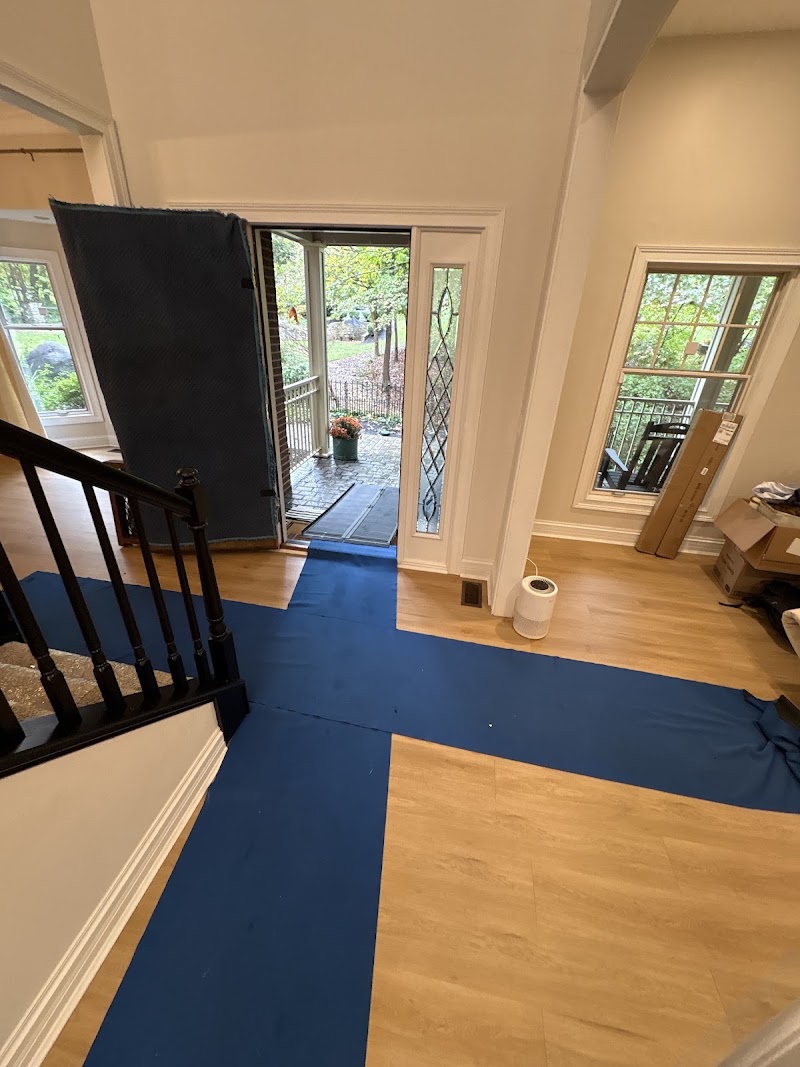
Kendrick Moving
Lebanon, OH · 23 miles away
★ 4.2 (81 reviews)
Rollins Moving & Storage Inc
Springfield, OH · 23 miles away
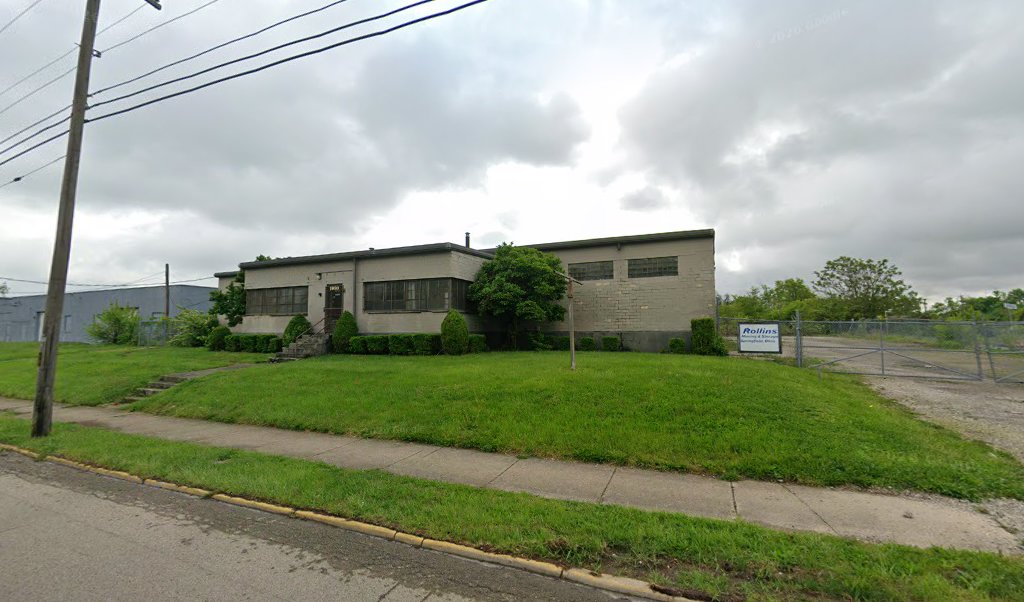
Rollins Moving and Storage, Inc
Springfield, OH · 24 miles away
GKS Perfekt Lifting & Moving Solutions
Springfield, OH · 26 miles away
Planes Moving & Storage Of Cincinnati
West Chester, OH · 31 miles away
★ 4.7 (1550 reviews)
Crossroads Moving Services
West Chester, OH · 31 miles away
Reliable Moving and Delivery
West Chester, OH · 31 miles away
Stacey Moving & Storage
West Chester, OH · 31 miles away
Sebastian Moving SW Ohio
Sabina, OH · 34 miles away
★ 4.9 (171 reviews)

Ready 2 Roll Moving
Loveland, OH · 36 miles away
★ 4.9 (321 reviews)

N&n Moving Supplies
Cincinnati, OH · 36 miles away
★ 4.7 (61 reviews)
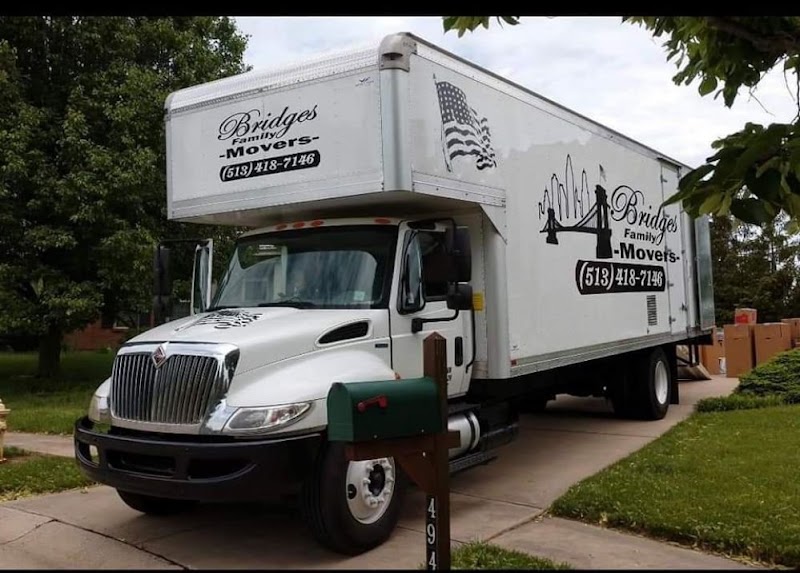
BRIDGES FAMILY MOVERS
Cincinnati, OH · 36 miles away
★ 4.3 (11 reviews)
Move planner
Two quick steps. A personalized plan in 30 seconds.
Robert builds a Dayton-specific timeline, estimated cost range, and 3-mover shortlist tailored to your job. No forms. No spam. No commitment.
Step 1 of 2
Tell us about your move.
Distance
Property type
Property size
Zip codes (optional — sharpens the cost estimate)
When are you hoping to move?
Cost calculator
Typical Dayton moving costs by home size
These ranges reflect typical Dayton-market pricing based on crew size and distance. Local moves are within the greater metro; regional covers Ohio and bordering states; long-distance covers moves 500+ miles. Packing services, specialty items, and peak-season timing add to base costs.
| Home size | Local (under 50 mi) | Regional (50-500 mi) | Cross-country (500+ mi) |
|---|---|---|---|
| Studio / 1BR | $300–$700 | $900–$1,800 | $1,500–$3,000 |
| 2BR | $600–$1,200 | $1,400–$2,800 | $2,500–$4,500 |
| 3BR house | $900–$1,800 | $2,200–$4,000 | $3,800–$6,500 |
| 4BR+ house | $1,400–$2,800 | $3,200–$6,000 | $5,500–$10,000 |
Skip the guesswork
Get matched with professional Dayton movers.
Robert, our moving concierge, lines up quotes from movers who actually serve your route — free, no obligation.
Local movers in Dayton, OH
Local moves in Dayton are priced by the hour — you're paying for the crew and the truck together, with most companies setting a 2- or 3-hour minimum and rates that generally fall in the $100–$160/hr range for a two-person team. The single biggest variable on your final bill is almost always access: whether movers can park a 26-foot truck close to your door, and whether they're dealing with stairs, a narrow hallway, or a tight elevator.
What shapes the cost of a local Dayton move:
- Home size & crew needed — a studio or 1BR can move efficiently with two movers; a 3BR+ typically calls for three or four
- Building access — walk-up apartments, long carries from a parking lot, or tight driveways add time to every trip
- Packing services — full or partial packing adds labor hours and material costs; supplying your own boxes keeps this down
- Time of month — end-of-month and summer weekends book fast and can carry a premium; mid-month and weekday moves are often easier to schedule and sometimes cheaper
- Specialty items — pianos, gun safes, or large appliances may carry a flat add-on fee regardless of the hourly rate
Dayton's mix of older two- and three-story rental housing — especially around the Oregon District, South Park, and University of Dayton neighborhoods — means walk-up floors and on-street parking are genuinely common. It's worth asking your mover upfront whether a parking spot needs to be reserved or whether the city requires a temporary no-park permit for a long truck on a residential street; coordinating that ahead of time keeps the clock from running on access problems.
When you're ready to compare options, browse movers in Dayton to get matched with crews who know the area.
Neighborhood guide
Where you're moving in Dayton shapes the job
Oregon District
Historic, walkable, artsy, active bar scene
Median 2BR rent: ~$1,100/mo
Street parking on Fifth Street and Wayne Avenue is extremely limited; movers often need to double-park during unloads, and building hallways in converted Victorian row houses can be narrow.
Oakwood
Affluent suburb, tree-lined streets, top schools
Median 2BR rent: ~$1,500/mo
Oakwood is an independent municipality with its own city services; movers should confirm whether a street-use or parking permit is needed directly through the City of Oakwood for large truck staging.
South Park
Hip, historic, gentrifying, diverse housing stock
Median 2BR rent: ~$950/mo
Older Victorian homes with tight staircases and no driveways are common here; plan for extra time on furniture assembly and stair carries.
UD Triangle / Ghetto
Student-heavy, dense, high turnover
Median 2BR rent: ~$850/mo
August move-in weekend near Brown Street and Kiefaber Street is the single most congested moving window in Dayton — book movers 6–8 weeks in advance for late July or August dates.
Beavercreek
Suburban, military-adjacent, family-oriented
Median 2BR rent: ~$1,350/mo
Beavercreek is a Greene County suburb close to Wright-Patterson's Gate 12A; new construction subdivisions off Grange Hall Road may have temporary road restrictions that affect large moving trucks.
Kettering
Stable south suburb, postwar homes, quiet streets
Median 2BR rent: ~$1,050/mo
Ranch-style homes on wide lots make loading and unloading straightforward, but some streets off Dorothy Lane have mature tree canopy that can interfere with large truck clearance.
Downtown Dayton / Arcade District
Urban, loft-heavy, rebounding, young professionals
Median 2BR rent: ~$1,250/mo
High-rise and converted loft buildings downtown often require elevator reservations and loading dock coordination 48–72 hours in advance; confirm with property management before scheduling.
Centerville
Upscale south suburb, newer builds, corporate relocations
Median 2BR rent: ~$1,600/mo
Larger homes with finished basements and multi-car garages are common; budget extra crew time for home offices, home gyms, and oversized furniture common in executive relocations.
Common routes
Where Dayton movers go most often
Dayton → Columbus, OH
~75 mi east
$900–$1,800
I-70 east makes this the most common Dayton inter-city move; many residents relocate for Ohio State University, state government jobs, and a larger job market.
Dayton → Cincinnati, OH
~55 mi south
$800–$1,600
I-75 south connects Dayton and Cincinnati in under an hour, and the corridor sees heavy corporate relocation traffic as well as University of Dayton graduates moving toward Cincinnati's larger metro job base.
Dayton → Indianapolis, IN
~170 mi west
$1,400–$2,600
I-70 west is a straightforward route to Indianapolis, and the move is common among Midwesterners drawn by Indiana's lower cost of living and growing tech sector.
Dayton → Cleveland, OH
~160 mi north
$1,300–$2,400
I-75 north to I-480 or SR-2 is a standard Ohio cross-state route, often used by families relocating for healthcare system jobs (Cleveland Clinic, University Hospitals) or returning to northeast Ohio.
Dayton → Pittsburgh, PA
~245 mi northeast
$2,200–$3,600
I-70 east through Columbus connects Dayton to Pittsburgh; this route is common for WPAFB veterans transitioning out and heading toward Pennsylvania's steel-corridor economy and lower housing costs.
Dayton → Louisville, KY
~185 mi south
$1,600–$2,800
I-75 south to I-71 or I-65 is a well-traveled path for Dayton residents relocating for UPS hub employment, bourbon industry growth, and Kentucky's lower tax environment.
Honest prices beat estimates
Want an actual quote for your Dayton move?
Tell Robert the basics and get matched in minutes.
Local figures
Dayton in numbers.
What the homes are
DaytonUnited States
- Detached houses
- 64% in Dayton61% in United States
- Townhouses
- 7% in Dayton6% in United States
- Buildings of 2 to 4 homes
- 9% in Dayton8% in United States
- Buildings of 5 to 19 homes
- 11% in Dayton9% in United States
- Buildings of 20 or more homes
- 9% in Dayton10% in United States
Rent, home values and income
| Figure | Dayton | Ohio | U.S. |
|---|---|---|---|
| Median monthly rent | $866 | $988 | $1,348 |
| Median home value | $93,200 | $199,200 | $303,400 |
| Median household income | $43,454 | $69,680 | $78,538 |
| Households that rent | 52% | 33% | 35% |
| Residents who moved in the past year | 23% | 12% | 13% |
Source: U.S. Census Bureau, American Community Survey 2019-2023 5-year estimates.
When to move
Dayton's moving calendar, month by month
Jan
off
Coldest and snowiest stretch in Dayton; I-75 and I-70 can see ice and snow events, movers have maximum availability, and rates are at their lowest.
Feb
off
Continued winter conditions with occasional freezing rain from Lake Erie systems; great time to negotiate rates and secure your preferred date with little competition.
Mar
shoulder
Early spring brings unpredictable weather and the first uptick in lease-end moves; pricing starts to firm up but remains well below summer peaks.
Apr
shoulder
Pleasant temperatures and drying roads make April a practical moving month; flooding risk near the Great Miami River corridor is worth monitoring in wet years.
May
shoulder
Demand builds steadily as school-year endings approach; book at least 3–4 weeks out, especially for Beavercreek and Centerville where families time moves to the school calendar.
Jun
peak
Peak season begins as school lets out, military PCS orders activate, and UD leases turn over; expect the highest rates and tightest availability across the metro.
Jul
peak
The busiest single month in Dayton; WPAFB PCS volume, student moves, and family relocations all collide — book 6–8 weeks ahead and expect premium pricing.
Aug
peak
University of Dayton move-in weekend dominates south Dayton; UD Triangle streets are gridlocked, and movers serving that area are booked solid by mid-July.
Sep
shoulder
Demand drops sharply after UD move-in; weather remains good and rates ease noticeably — a solid window for anyone with flexibility.
Oct
shoulder
Crisp fall weather and moderate demand make October one of the best value months for a Dayton move, with full crew availability and competitive pricing.
Nov
off
Demand falls off significantly after Halloween; early November is still workable weather-wise, but late November around Thanksgiving sees sporadic scheduling from movers.
Dec
off
Lowest demand of the year; winter weather risk increases and holidays interrupt scheduling, but discounts can be significant for those willing to be flexible on exact dates.
Permits + local rules
What Dayton movers need to know before moving day
City of Dayton parking/lane permits
If your moving truck needs to occupy a metered parking space, a bike lane, or a travel lane on a city street in Dayton proper, you may need a temporary right-of-way or parking reservation through the City of Dayton's Public Works department. This is particularly relevant in the Oregon District, downtown, and South Park where street space is limited and enforcement is active.
Permit varies by duration; allow 3–5 business days
Oakwood city-specific rules
Oakwood is an independent municipality and does not fall under Dayton city ordinances. Large moving trucks staging on Oakwood streets for extended periods should check with the Oakwood City Manager's office, as street-use standards differ from Dayton. Oakwood's residential streets are well-maintained but can be narrow under mature tree canopy, limiting turning radius for 26-foot trucks.
No formal permit fee reported; verify with city offices 5+ days ahead
Downtown loft/high-rise elevator reservations
Buildings in the downtown Dayton Arcade District, along Second Street lofts, and other converted commercial high-rises typically require tenants to reserve the freight elevator and/or loading dock with building management before move day. Failure to do so can result in delays if another resident's move is already underway. Most buildings require 48–72 hours advance notice minimum.
Usually free; 48–72 hours notice required
Kettering and Beavercreek HOA rules
Many newer subdivisions in Kettering and Beavercreek are governed by HOAs that may restrict move-in hours (commonly 8 AM–6 PM weekdays) and prohibit parking large commercial trucks on the street overnight. Some also require prior notification of a move to the HOA management company. Check your specific HOA CC&Rs before scheduling.
No permit fee; notify HOA 5–7 days in advance
WPAFB on-base housing coordination
Moving onto Wright-Patterson Air Force Base housing requires coordination through the installation's Housing Office and advance scheduling of a base access pass for your moving crew. All movers and their vehicles must be registered on the base access list. Do not assume civilian moving crews can enter the gate without pre-coordination — this is a common source of move-day delays.
No fee; coordinate with WPAFB Housing Office 7–10 days ahead
About moving to Dayton
What you should know before you book.
Dayton is a mid-sized Midwest city of roughly 140,000 anchored by Wright-Patterson Air Force Base, a growing healthcare and tech sector, and one of Ohio's most underrated arts and food scenes. The city is known for affordable housing, a strong sense of neighborhood identity, and a surprisingly diverse mix of housing stock — from Victorian-era homes in historic districts to postwar ranch houses and modern downtown lofts. Moving here means navigating a city that's genuinely in transition: population shifts, downtown reinvestment, and a steady influx of WPAFB personnel and University of Dayton students all shape local moving demand.
Wright-Patterson drives relocation
Wright-Patterson Air Force Base is one of the largest Air Force installations in the world and consistently ranks among the top employers in Ohio. Military PCS moves are a constant in the Dayton market — movers here are well-practiced with government bill-of-lading moves, short-notice timelines, and the specific neighborhoods near the base's Gates 12A and 28.
Affordable housing, genuine variety
Dayton offers some of the lowest housing costs of any major Ohio metro. Buyers can find solid single-family homes in the $150,000–$250,000 range across many established neighborhoods. Renters see 2-bedroom apartments typically running $900–$1,400/month depending on location and condition, well below Columbus or Cincinnati averages.
University of Dayton impact
The University of Dayton enrolls over 12,000 students, creating a dense August–September moving surge in neighborhoods like UD Triangle and parts of south Dayton. Summer lease turnover near campus can bottleneck mover availability, and street parking around Brown Street and Lowes Street gets extremely congested during move-in weekend.
Miami Valley geography matters
Dayton sits at the confluence of the Great Miami, Mad, and Stillwater rivers. The city's floodplain designations affect some neighborhoods (notably near the Wolf Creek corridor and Five Rivers areas), and movers should factor in potential access limitations during spring thaw and heavy rain events in low-lying zones.
Dayton moving FAQ
Common questions, locally-answered.
How far in advance should I book a mover in Dayton?
+
For peak season (June–August), book 6–8 weeks out — especially if you're near the University of Dayton or need to coordinate with a WPAFB PCS. Shoulder months (March–May, September–October) typically allow 2–4 weeks' notice without issue. In the off-season (November–February) you can often find availability within 1–2 weeks, sometimes less.
What does a local move in Dayton typically cost?
+
Local moves (under 50 miles, within the Dayton metro) generally run $300–$700 for a 1-bedroom, $600–$1,200 for a 2-bedroom, and $900–$1,800 for a 3-bedroom house, depending on crew size, time of year, and add-on services like packing. Rates in peak summer months trend toward the higher end. Always confirm whether the quote is hourly or fixed-price.
Is Dayton's traffic a major issue for movers?
+
Compared to Columbus or Cincinnati, Dayton's traffic is manageable. The I-75/I-70 interchange (locally called 'the Mix-Master') can see congestion during rush hours, particularly 7–9 AM and 4–6 PM. Most experienced local movers schedule truck departures outside those windows. The Oregon District and downtown can have tight street access on weekends when restaurants and bars are busy.
How does a military PCS move through WPAFB typically work?
+
WPAFB personnel moving under government orders typically use a Transportation Service Provider (TSP) arranged through their installation transportation office, with costs covered under a government bill of lading. You can also do a Personally Procured Move (PPM) and receive a government reimbursement. Local Dayton movers with DPS (Defense Personal Property System) authorization are familiar with weight tickets, third-party liability requirements, and base access protocols.
What neighborhoods are best for University of Dayton students moving in?
+
The UD Triangle (the streets immediately south of campus along Kiefaber, Lowes, and Brown Street) is the traditional off-campus student area. Movers need to plan carefully around UD's official move-in weekend in late August — the area is effectively gridlocked. Students who book a mover for the week before or after the official move-in date often save money and avoid parking headaches.
Are there flood risk considerations for moving into certain Dayton neighborhoods?
+
Yes. Parts of Dayton sit in or near the 100-year floodplain of the Great Miami, Mad, and Stillwater rivers. The Five Rivers area, some Wolf Creek corridor neighborhoods, and sections of West Dayton have flood exposure. The Great Miami River Corridor flood protection system (built after the catastrophic 1913 flood) significantly reduces risk, but low-lying areas can still experience localized flooding during major rain events.
What's the typical cost of moving from Dayton to Columbus?
+
A Dayton-to-Columbus move (~75 miles on I-70) typically runs $900–$1,800 for a 2-bedroom household, depending on season, crew size, and whether you need packing services. Some movers offer fixed pricing for this well-traveled route. The drive is typically under 90 minutes, making it a common same-day move for a reasonably sized household.
Do I need a permit to park a moving truck on Dayton streets?
+
In most residential areas of Dayton, a standard moving truck parked for a single day does not require a formal permit. However, if the truck needs to block a lane of traffic, occupy metered parking for an extended period, or stage in a high-traffic area like downtown or the Oregon District, you should contact the City of Dayton Public Works department in advance. Independent suburbs like Oakwood have their own rules.
What should I know about moving into a downtown Dayton loft or apartment?
+
Downtown Dayton's converted buildings — including those in the Dayton Arcade complex and along Second Street — often have freight elevator restrictions, limited loading dock access, and specific hours for large deliveries. Contact your property management company at least 72 hours before your move date to reserve the freight elevator and confirm any building-specific requirements like furniture pad rentals or security deposits for common-area protection.
How does Dayton's winter weather affect moving plans?
+
Dayton averages around 21 inches of snow annually and sees regular ice events, particularly in January and February. I-75 and I-70 are generally well-treated by ODOT during storms, but side streets in older neighborhoods can be slow to clear. If you're moving in winter, build buffer time into your schedule, confirm your mover has a bad-weather policy, and check ODOT's OHGO traffic app the morning of your move.
Is Dayton a buyer's or renter's market right now?
+
Dayton has been a competitive buyer's market in recent years due to low inventory and its relative affordability compared to other Ohio metros. Entry-level homes in Kettering, Huber Heights, and Trotwood have attracted strong interest. The rental market is more balanced, with 2-bedroom units typically available in the $900–$1,400/month range. The market has tightened somewhat since 2020, but Dayton remains affordable by Midwest standards.
What's the best way to verify a Dayton moving company is legitimate?
+
Ohio intrastate movers are regulated by the Public Utilities Commission of Ohio (PUCO). Check that any company you hire has a valid PUCO household goods carrier certificate. For interstate moves, verify the company's FMCSA USDOT number on the federal FMCSA website. Look at verified reviews, ask for a written binding or not-to-exceed estimate, and be wary of any company that demands a large cash deposit before the move.
Moving away from Dayton?
Long-distance moves out of Dayton.
What an interstate move from Dayton costs and how to choose a licensed mover.
Long distance movers in Dayton→Nearby cities
Movers in cities close to Dayton.
Springfield, OH
about 24 miles away
Sabina, OH
about 34 miles away
Goshen, OH
about 37 miles away
Cincinnati, OH
about 40 miles away
Browse moving companies in other Ohio cities, or explore the full directory by state.
Get your moving quote
Many ways to get a moving quote.
Chat, text, email, or call — whichever’s easiest. Tell Robert about your move and matching movers in your city reach out, usually within a few minutes.