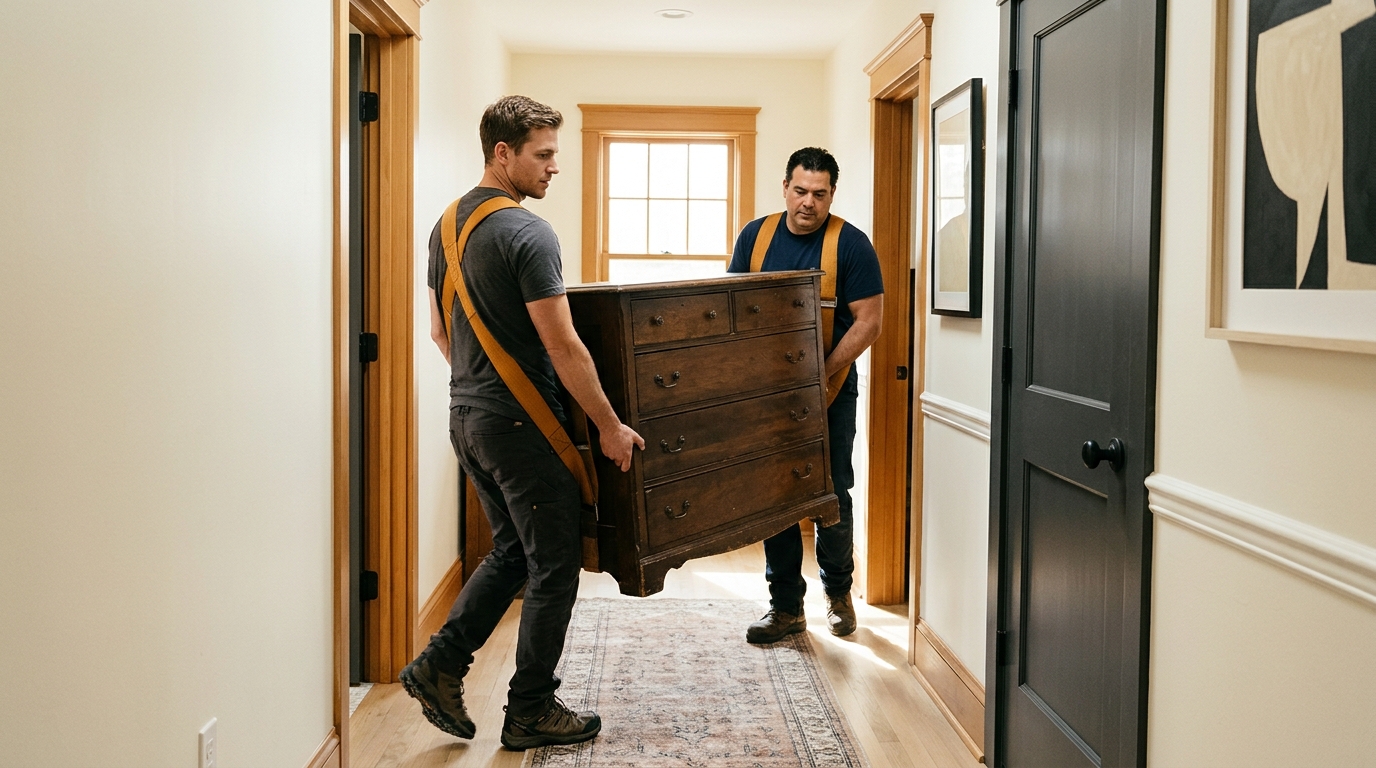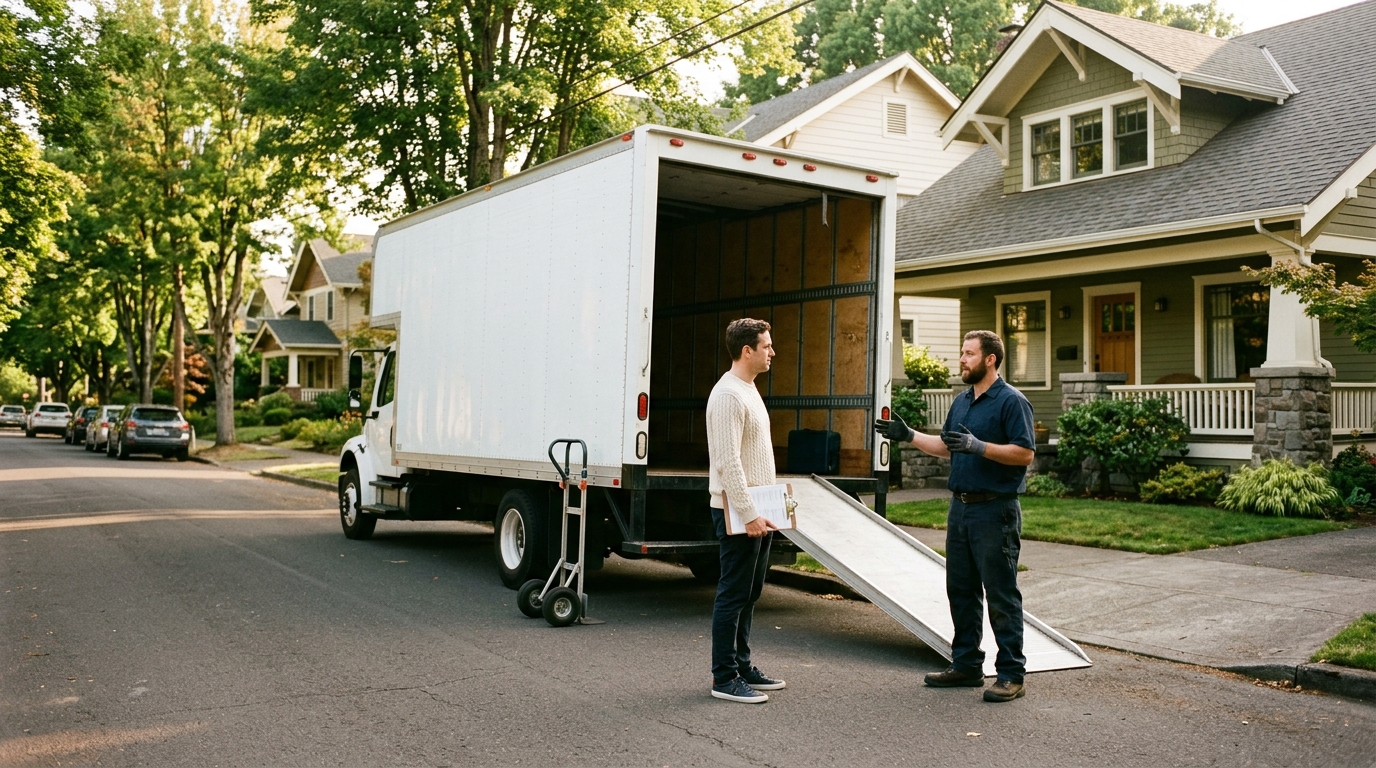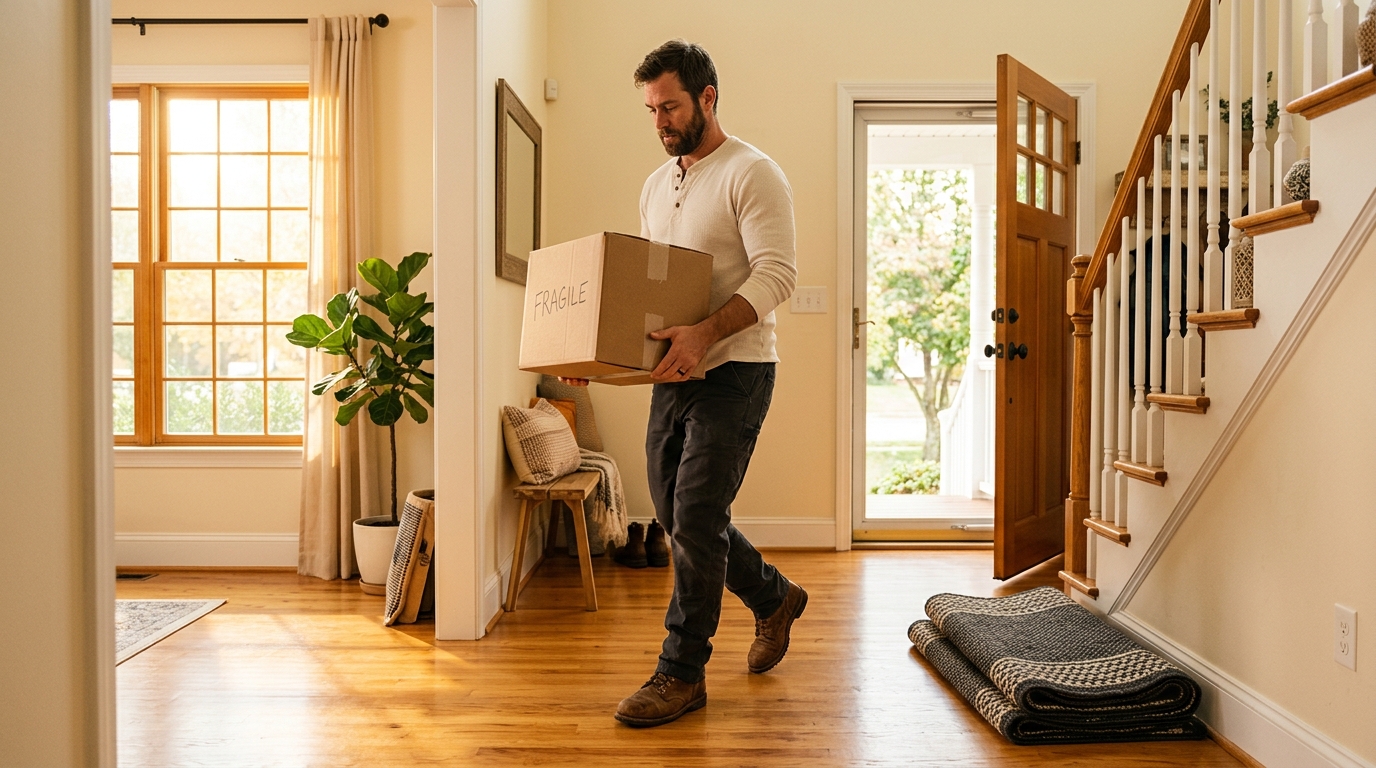
Most professional movers will not remove their shoes during a move, and for good reason: steel-toed or reinforced work boots are required safety gear when carrying heavy furniture and appliances. Asking them to go shoeless creates an actual injury risk and most companies prohibit it under their own safety policies. The better question isn't whether they'll take their shoes off — it's how you protect your floors before the first box comes through the door.
Why Movers Keep Their Shoes On
Work boots are a safety tool, not a fashion statement. A dropped dresser or refrigerator on an unprotected foot can mean a broken toe or worse. Most moving companies include footwear requirements in their safety policies, and many carry workers' compensation insurance that may be voided if an employee is injured while operating outside those policies.
Beyond safety, movers cover significant ground on moving day — in and out of a truck, up and down stairs, across gravel driveways, then across your oak floors. Swapping shoes at every threshold isn't practical and would dramatically slow your move (and your hourly bill — more on that below).
Bottom line: Don't ask movers to remove their shoes. Instead, use the floor-protection strategies below.
What Movers Typically Do to Protect Your Floors
Reputable movers come prepared with their own protective gear. Before you assume your floors are on their own, ask what your mover brings and what they charge for it.
| Protection Method | Who Usually Provides It | What It Covers |
|---|---|---|
| Moving blankets / furniture pads | Mover (often included) | Wraps furniture to prevent scratches on floors and walls |
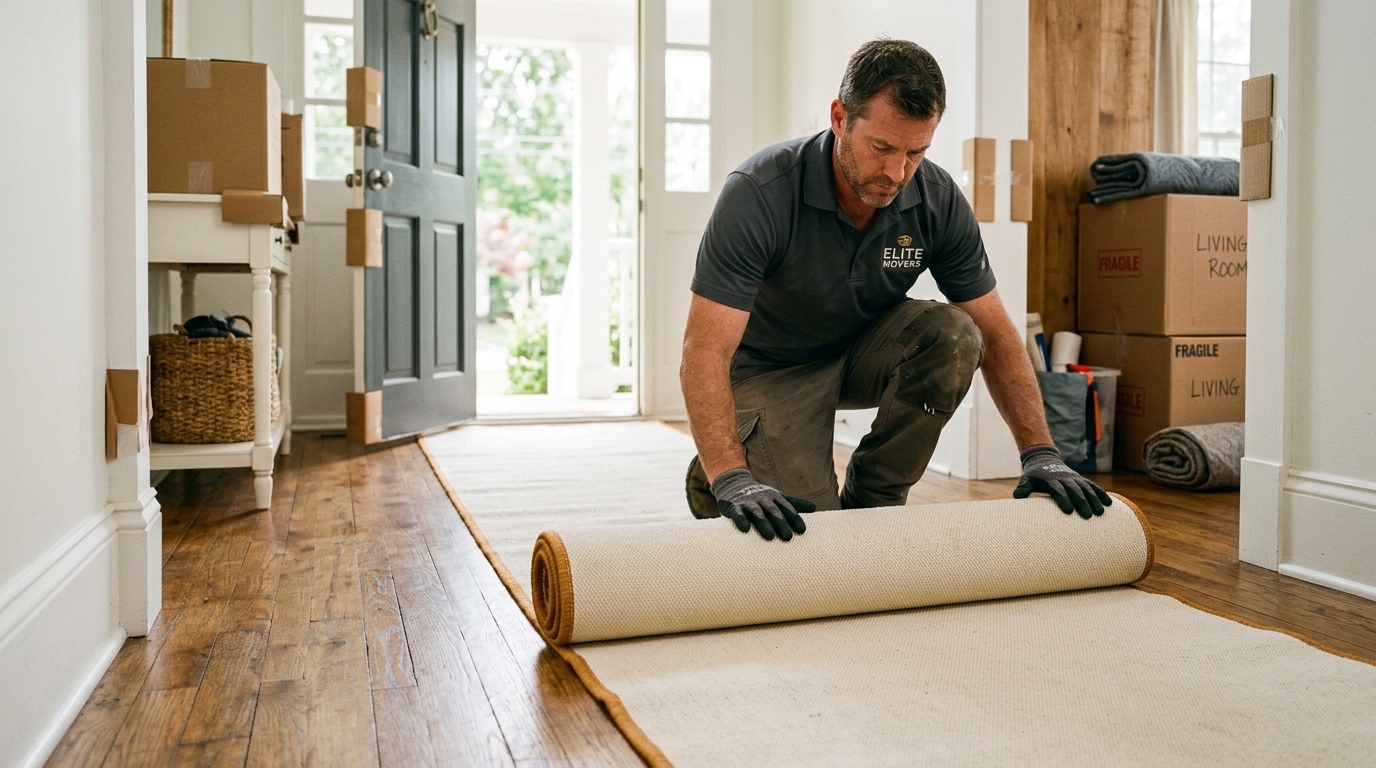
| Cardboard runners | Mover or customer | High-traffic paths, especially on hardwood |
| Plastic floor film | Mover (sometimes extra charge) | Carpet protection from dirt and tears |
| Rubber corner guards | Mover | Door frames and wall corners |
| Furniture sliders | Mover | Under heavy pieces being repositioned |
Always ask specifically: "What floor and wall protection do you include in the base price, and what costs extra?" Get the answer in writing before moving day.
How to Protect Your Floors Yourself (and What Works Best)
Even with a conscientious crew, floors take more abuse on moving day than almost any other surface. Here's what actually works, in order of effectiveness:
1. Lay protective runners before the movers arrive
Ram board, heavy-duty cardboard, or purpose-made floor runners along the main path — front door to truck, staircase, hallway — provide a physical barrier against boot grit and scratches. Lay them the evening before so they're already in place when the crew arrives. Secure the edges with painter's tape so they don't slide and create a trip hazard.
2. Use plastic carpet film on carpeted areas
Self-adhesive plastic carpet film (sold in hardware stores in 24-inch rolls) sticks lightly to carpet and peels off cleanly. It keeps dirt, grit, and moisture from being ground into the pile. One roll typically covers a standard hallway; plan on two or three rolls for a full house.
3. Ask about shoe covers (booties) as a courtesy option
Some movers will carry disposable booties and slip them on when working in sensitive areas — newly finished hardwood, freshly cleaned tile, or a high-end rug. This isn't universal, and a busy crew won't remember to do it every time they cross the threshold. It works better as a supplement to runners than as your only plan.
4. Move rugs out of the path entirely
Roll up area rugs in high-traffic zones before the crew arrives. A rug that bunches or slides under a loaded dolly is both a floor hazard and a trip hazard. Store them in a room that's already been cleared.
5. Protect doorframes and corners, not just floors
Scuff damage to floors often happens when furniture clips a doorframe and swings into the floor on the rebound. Foam corner guards or commercial door jamb protectors on every major passage point prevent a lot of secondary floor damage. Your mover may bring these; if not, they cost a few dollars at any hardware store.
What to Ask Your Mover Before Moving Day
Getting clarity upfront takes five minutes and prevents most floor-damage disputes. When you're reviewing your estimate — see our guide to reading a moving estimate line by line for the full breakdown — add these questions:
- Do you include floor runners or cardboard in the base price?
- Do your movers carry shoe covers for sensitive areas?
- What does your damage policy cover if a floor or wall is scratched?
- Can I see your company's USDOT number so I can verify your license on FMCSA's website?
That last question matters more than most people realize. A licensed, insured carrier is accountable if damage occurs. You can verify any mover's license at safer.fmcsa.dot.gov before you book — or check mover reviews to see what customers report about how a company handles damage situations.
While you’re reading
Skip the research — let Robert match you with movers.
Free quotes from movers in your area. Pick whichever is easiest.
If Your Floors Are Scratched After the Move
Scratches and scuffs happen even with the best preparation. Here's what to do:
- Document everything on the spot. Take dated photos before the truck leaves. Note any damage on the delivery receipt — but know that a note on the delivery receipt alone is not a formal damage claim.
- File a written claim promptly. For interstate moves, FMCSA rules give you 9 months from delivery to file a written claim; the mover must acknowledge it within 30 days and respond (pay, decline, or offer a settlement) within 120 days. For in-state moves, the timeline varies by state — check with your state regulator or your mover's contract.
- Keep records. Save your estimate, your bill of lading, and all photos together in one folder.
For the full claims process, our post on how to file a moving damage claim walks through every step.
Does This Affect Your Hourly Moving Bill?
If you're paying by the hour, anything that slows the crew costs you money. Stopping to put on and remove shoe covers every time someone crosses the threshold adds up — especially with a three- or four-person crew making dozens of trips. Well-laid floor runners are faster: the crew moves freely, your floors stay protected, and the clock ticks less. If you want to keep your hourly bill in check, prep your own runners before arrival rather than relying on stop-and-go footwear changes. Our guide on how movers charge by the hour covers the other time factors worth knowing.
A Quick Pre-Move Floor-Protection Checklist
- Ram board or cardboard runners laid along main pathways
- Plastic carpet film on carpeted hallways and stairs
- Area rugs rolled up and stored out of the path
- Foam corner guards on every doorframe movers will use
- Confirmed with your mover what protection they bring
- Mover's USDOT number verified on FMCSA's search tool
- Your mover's damage policy reviewed in writing
Frequently Asked Questions
Will movers wear shoe covers if I ask?
Some will, as a courtesy — especially for newly refinished floors or high-end carpet. Many won't, because their safety policies require work boots. Ask in advance; don't count on it day-of. Floor runners are a more reliable protection strategy.
Can I require movers to take their shoes off?
You can ask, but most professional movers will decline, and for legitimate safety reasons. If protecting bare floors is a firm priority, discuss it when you book and put any agreed-upon approach in writing. Keep in mind that requiring shoeless work can slow the crew and, on hourly moves, raise your bill.
What's the best floor protection for hardwood?
Heavy-duty ram board (a thick, fiber-based sheet material) or commercial cardboard runners secured with painter's tape are the most practical options. They handle dollies, hand trucks, and foot traffic without shifting, and they won't scratch the finish the way dragged furniture will.
Who pays if movers scratch my hardwood floor?
If a mover damages your floor through negligence, you can file a written damage claim. For interstate moves, the amount recoverable depends on the valuation option you chose when you signed your paperwork — Full Value Protection versus Released Value (60 cents per pound per article, which won't cover much for a scratched floor). For in-state moves, liability is set by your contract. Review your estimate carefully before signing. Our post on moving valuation vs. insurance explains the difference in plain language.
Should I prep floors before or after the movers arrive?
Before — ideally the evening prior. Runners and corner guards placed after the crew arrives are frequently in the wrong spots or get skipped in the rush. A protected path ready to go when the first mover walks through the door is worth more than any last-minute scramble.
Does floor protection cost extra with professional movers?
It varies. Some movers include basic padding and cardboard as part of their service; others charge separately for plastic film, specialty runners, or extra blankets. Always ask for an itemized list of what's included and confirm it in your written estimate. See our guide to getting an accurate moving quote for what to push for in writing.
Ready to find a mover who shows up prepared? Browse licensed carriers on the Majestic Moving Companies directory or search by state to compare options near you. If you'd like a hand narrowing down your choices, reach out to Robert, our moving concierge — available right on the site.
Tagged