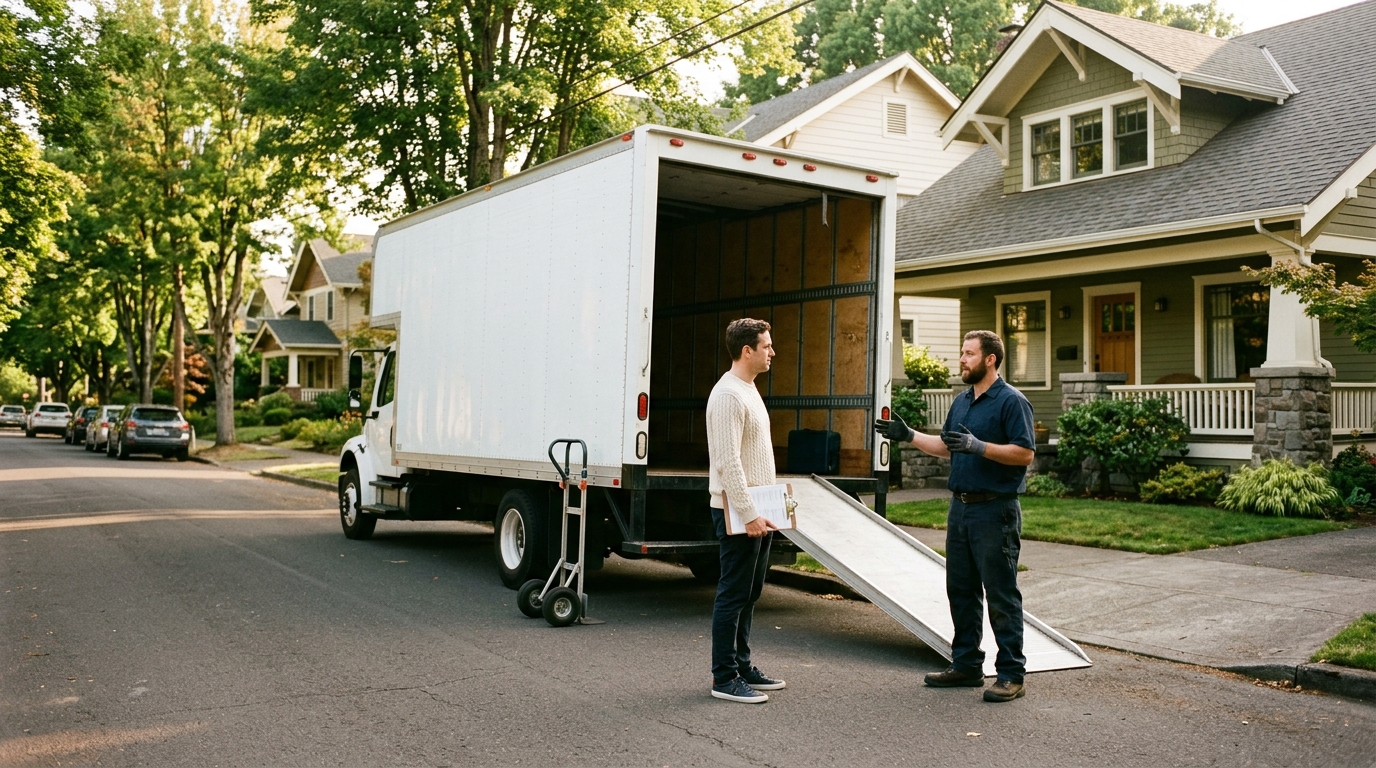
Moving straps genuinely work — for the right items, carried by two people who know how to use them. They redistribute the weight of heavy furniture from your hands and lower back to your stronger muscle groups (forearms, shoulders, or hips, depending on the strap style), which lets you carry more with less strain. But straps are not a universal solution: on stairs, around tight corners, or with oddly shaped items, they can actually increase the risk of dropping something or injuring yourself.
Here's what you need to know before you strap in.
What types of moving straps are there?
Three styles dominate the market, and they work in meaningfully different ways.
| Strap Type | How It Works | Best For | Biggest Limitation |
|---|---|---|---|
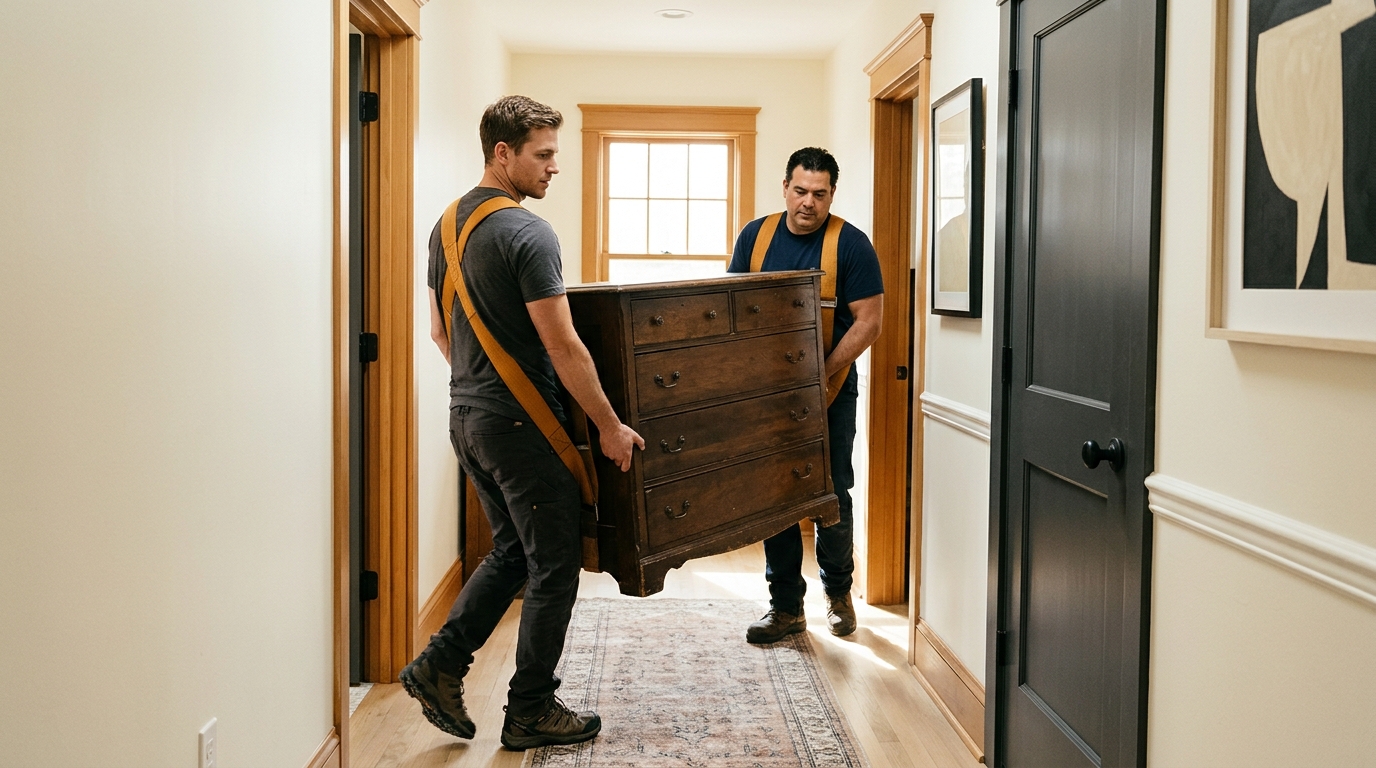
| Forearm / elbow straps (e.g., Forearm Forklift) | Loop under the item; you and a partner slide your forearms through, lifting as a team | Appliances, dressers, bed frames on flat ground | Both carriers must be similar height; awkward on stairs |
| Shoulder / harness straps | Hooks or loops attach to the item; weight rests on your shoulders via a harness | Long, heavy items (sofas, mattresses, lumber) | Requires coordinated, same-height partners; poor on tight landings |
| Moving slings / cargo straps | Webbing loops under the furniture; used with a dolly or hand truck to tilt and wheel | Works best as a supplement to a dolly | Not a standalone carry solution |
Most consumer kits (two straps, sold as a pair) cost $20–$50. Professional-grade harnesses with padded shoulder cups run $60–$120.
When do moving straps actually help?
Flat-surface carries over a meaningful distance
Straps shine when you need to move a heavy appliance or dresser across a garage floor, down a long hallway, or from a truck to the front door. By shifting the load to your forearms or shoulders, they free your hands — which means you can walk more naturally and maintain better control.
Typical weight scenarios where straps make a clear difference:
- Refrigerators (150–300 lbs)
- Washers and dryers (150–250 lbs)
- Solid-wood dressers (100–200 lbs)
- Upright freezers and large safes (varies widely)
If you're curious how professional crews handle appliances before and after loading, our guide on moving large appliances covers prep steps room by room.
Two-person lifts on same-height partners
Forearm straps are designed for pairs. The system works because both people lean into the load symmetrically. If one partner is significantly taller or shorter than the other, the weight tilts, the item becomes unstable, and the efficiency advantage disappears quickly.
When do moving straps NOT work well?
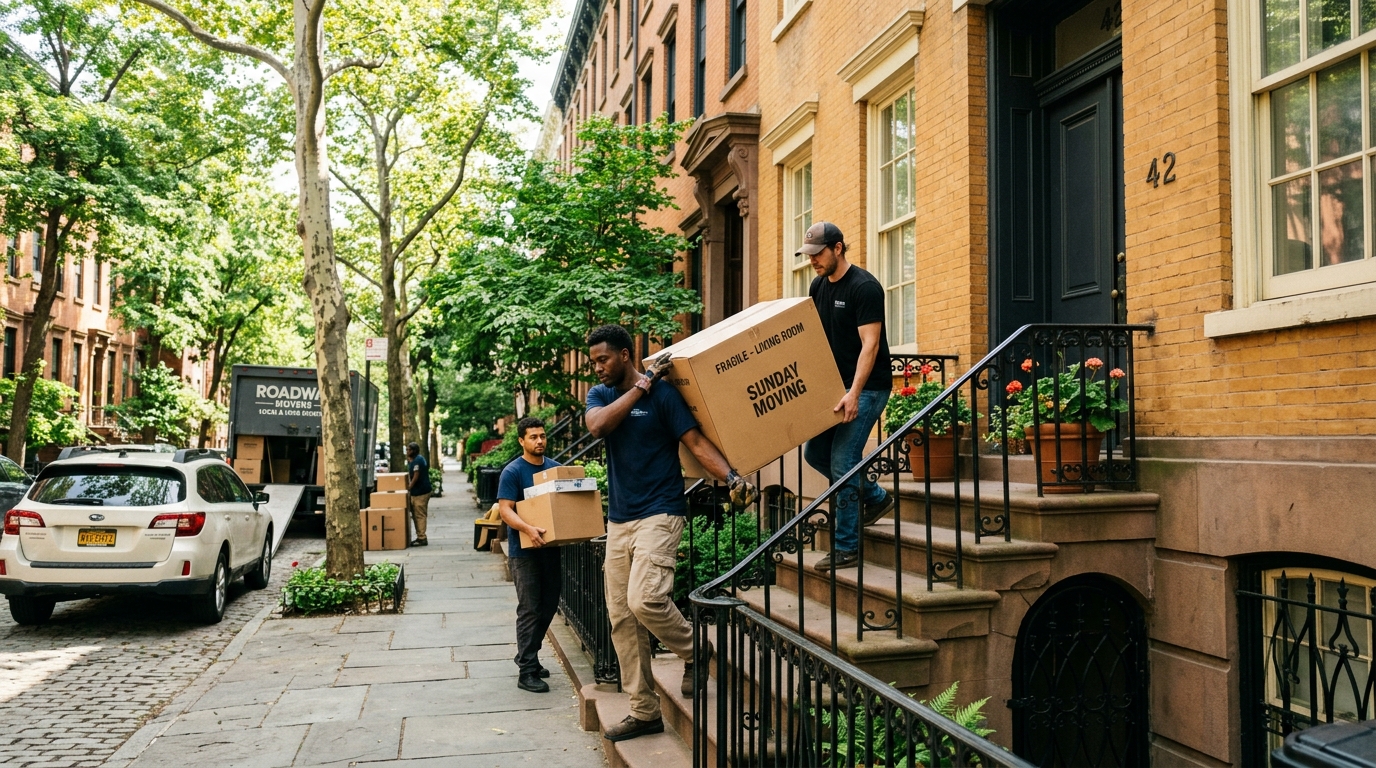
Stairs with tight landings or turns
This is the most important limitation and the one that causes the most injuries. When you're descending stairs, the person at the bottom bears a disproportionate share of the load. If a strap-style system locks your arms into a fixed position, you lose the ability to quickly adjust your grip or pass the item to a different carry angle.
Stairs with a landing midway through — common in two-story houses and older apartment buildings — require you to pivot, which is very difficult when forearm straps are looping around both your arms and the item simultaneously.
Movers who handle stairs regularly use a combination of moving dollies (to wheel items to the staircase), moving blankets (to slide items down carefully), and shoulder harness straps designed for stair carries specifically. Even then, it takes practice.
For more on how stairs and building logistics affect your move, see how to move into an apartment building.
Awkwardly shaped or fragile items
Straps work on items that have a clear, stable bottom surface to loop under. Oddly shaped furniture — curved sectional sofas, ornate antique sideboards, wrapped art pieces — often doesn't give the strap a clean bearing point. Forcing a strap onto an irregular surface can stress joints, crack veneers, or cause the item to shift mid-carry.
For genuinely irreplaceable pieces, straps are the wrong tool entirely. See how to move art, antiques, and collectibles for what actually protects those items.
Solo carrying
Every moving strap system on the market is engineered for at least two people. Using one alone means the load is unbalanced and you lose the core benefit: distributing weight across two bodies. If you're moving solo, a quality hand truck or appliance dolly with straps wrapped around the item (not your body) is safer.
While you’re reading
Skip the research — let Robert match you with movers.
Free quotes from movers in your area. Pick whichever is easiest.
Moving straps vs. furniture dollies: which should you use?
These tools are often compared, but they solve different problems.
| Tool | Best Use | Limitation |
|---|---|---|
| Moving straps | Carrying items that can't wheel (tight spaces, steps, uneven ground) | Require two people of similar height; poor on stairs |
| Four-wheel furniture dolly | Rolling heavy items across flat surfaces quickly | Useless on stairs; items must be secured to prevent sliding |
| Hand truck / appliance dolly | Tilting and wheeling tall heavy items (fridges, washers) | Can tip; not safe on steep stairs without a stair-climbing dolly |
| Stair-climbing dolly | Specifically engineered for step-by-step descent | More expensive ($200–$600 to buy; sometimes available to rent) |
The most effective DIY moves typically combine a furniture dolly for horizontal distance with moving straps for the final carry over a threshold or up a short flight of steps.
If you want a fuller picture of the gear professional movers use day-to-day, the guide on what movers use to move furniture explains dollies, straps, sliders, and why the combination matters.
How to use forearm lifting straps safely: 5 steps
- Communicate before you lift. Agree on a count ("lift on three"), agree on the path, and identify where you'll set the item down. Never assume.
- Thread the straps evenly. Both partners should have the same strap length under the item so the load hangs level. An uneven hang twists the item and your joints with it.
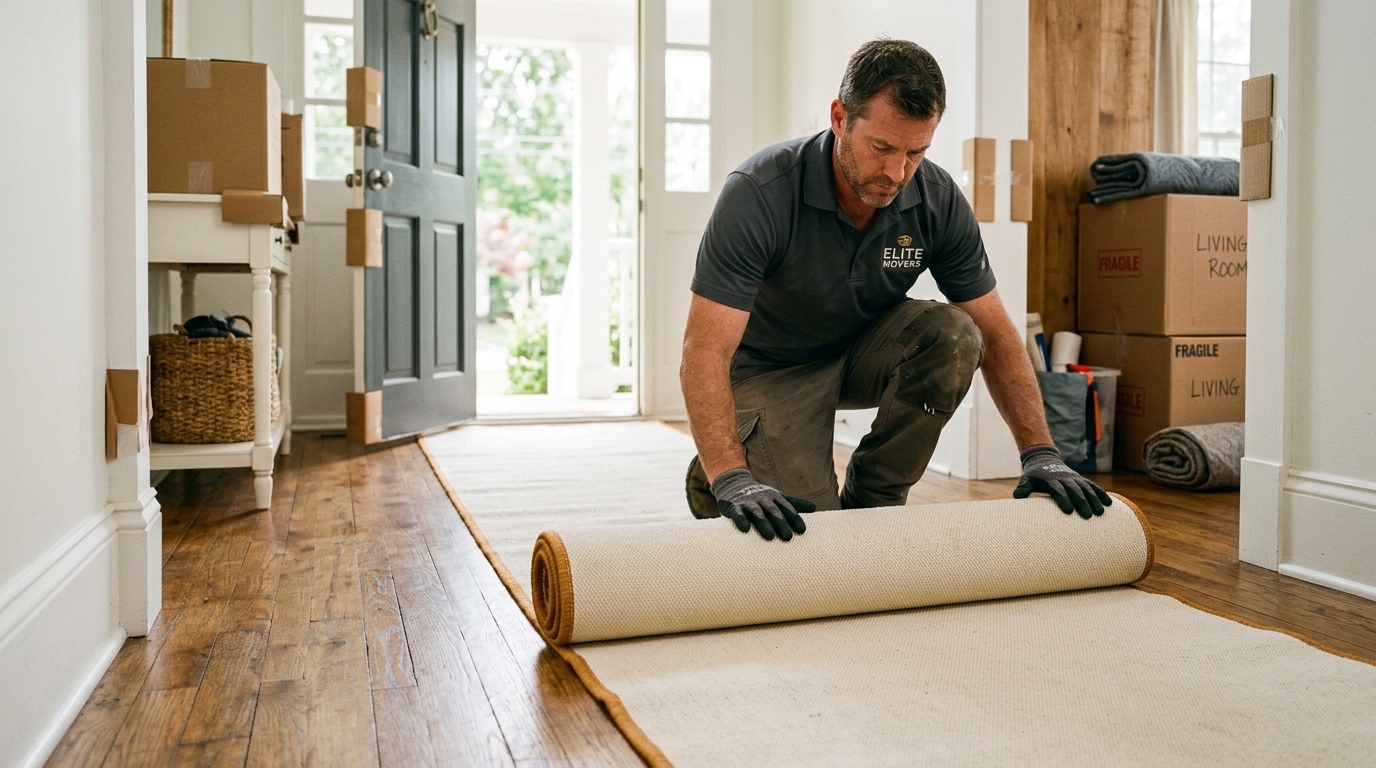
- Check your path first — walk it empty. Remove rugs, confirm doorway widths, and identify any raised thresholds. A strap carry is hard to abort midway.
- Keep the item close to your body. The farther the load hangs from your center of gravity, the more strain on your lower back regardless of the strap type.
- Set down on the count, together. Dropping one end first while the other is still loaded is how backs get hurt and furniture gets damaged.
Should you use straps yourself, or hire movers who bring their own?
Moving straps are a practical tool for experienced DIY movers handling manageable loads on flat ground. For anything involving stairs, high-value furniture, or items heavier than roughly 300 lbs, the math often favors hiring professionals who carry straps, dollies, and floor protection as part of a practiced system — and who know how to combine them.
Our team has 35+ years of hands-on service-provider experience, including an operator who ran a moving company for 18 years. The most consistent observation from that time: DIY strap injuries and furniture damage happen most often on the final 20 feet of a carry — the stairs, the threshold, or the tight corner — not the long hallway stretch where straps genuinely excel.
If you're weighing the DIY vs. full-service question, compare your options honestly before committing to either.
When you're ready to look at licensed movers, browse movers by state or check mover reviews to see what other customers report about how crews handle heavy items — including whether they showed up with the right equipment.
For specific help matching your move to a carrier, reach out to Robert, our moving concierge.
Frequently asked questions
Are moving straps worth buying if I'm only moving once?
For a single move, renting is often the smarter call. Many equipment rental shops and truck rental outlets offer forearm strap sets for $10–$20/day. If your move involves only a handful of heavy items on flat ground, that's all you need. If you move frequently or help friends move, owning a $30–$50 pair pays for itself quickly.
Can one person use moving straps alone?
No strap system is designed for solo use. Without a second person, the load is unbalanced and the mechanical advantage disappears. For solo moves, a hand truck or appliance dolly with the item secured by a ratchet strap is safer than body-worn lifting straps.
Do moving straps work on stairs?
With caution, and only with the right strap style. Shoulder harness straps designed for stair carries can work for experienced users on short, straight stairways. Forearm forklifts are generally not recommended for stairs — they restrict your arm movement too much to safely adjust on each step. A stair-climbing dolly is a more controlled option for heavy appliances.
What weight limit do moving straps have?
Most consumer forearm strap sets are rated for 600–800 lbs combined (meaning the total weight shared between both people). That's sufficient for virtually any household item. The practical limit, though, is often the strength and coordination of the two people using them — not the strap's rating.
Do professional movers use lifting straps?
Yes — but they pair them with dollies, furniture pads, and floor protection rather than relying on straps alone. Straps are one tool in a system, not the whole system. If you want to understand the full set of equipment professional crews bring, see what movers use to protect your floors, doorways, and stairwells for a practical breakdown.
Can moving straps damage furniture?
They can, if the strap runs across a finished surface without padding, or if the webbing bites into veneer or upholstery under load. Always wrap the contact points in moving blanket material or pad the strap path before looping it under any finished piece. On unfinished surfaces (appliance bases, wooden crate bottoms), straps are generally safe bare.
Tagged