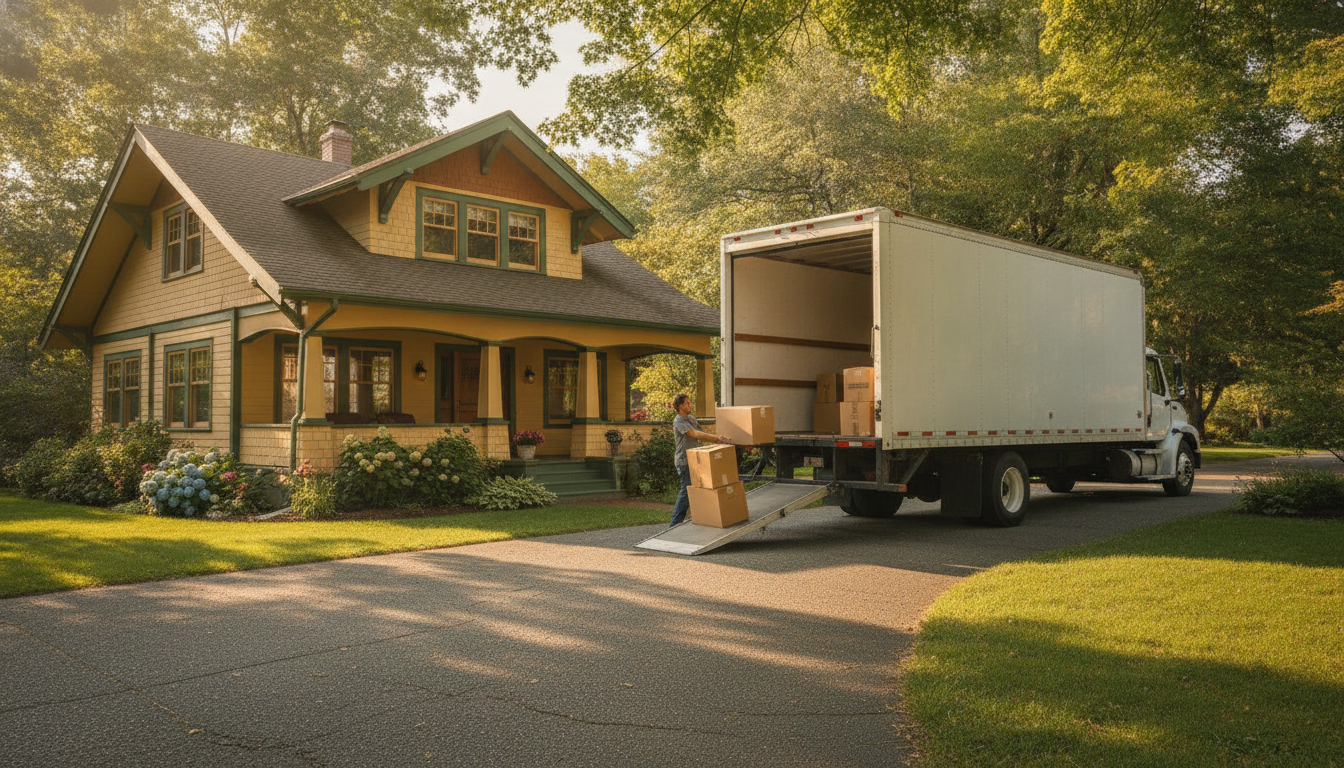
Renting a moving truck typically costs $200–$800 for a local move and $1,000–$2,500 for a one-way cross-country rental, depending on truck size, distance, and season. Done right, it can cut your moving bill significantly compared to hiring a full-service crew — but the wrong truck size, an unread contract, or a surprise fuel bill can wipe out those savings fast.
The rental industry leaves a lot unsaid, and plenty of DIY moves go sideways as a result. We've watched plenty of DIY moves go sideways not because someone made a bad decision, but because the rental industry leaves a lot unsaid. This guide fixes that.
What size moving truck do you actually need?
Picking the wrong size is the #1 DIY moving mistake. Go too small and you'll need multiple trips or a second rental. Go too big and you're wrestling a 26-foot truck through city streets unnecessarily.
| Truck Size | Best For | Approximate Rooms |
|---|---|---|
| 10 ft | Studio / small 1-BR | 1–2 rooms |
| 15 ft | 1–2 BR apartment | 2–3 rooms |
| 17 ft | 2 BR home or large apartment | 3–4 rooms |
| 20 ft | 2–3 BR home | 4–5 rooms |
| 26 ft | 3–4 BR home or full house | 5–7+ rooms |
A few rules of thumb we always share:
- If you're on the fence between two sizes, go bigger. An extra $30–$50/day for the larger truck beats making two trips or leaving furniture behind.
- Tall items like refrigerators and wardrobes eat vertical space fast — factor those in before assuming a 15-footer will do.
- A 26-foot truck requires a standard driver's license in all 50 states, but some rental companies restrict drivers under 25.
How much does moving truck rental really cost?
The advertised rate (often $19.95/day for a small truck) is almost never the actual price. Here's what the full bill actually looks like.
Base rate
Local rentals: typically $20–$50/day for smaller trucks, $40–$90/day for larger trucks. One-way (long-distance) rentals are priced by destination and tend to run $500–$2,500 for common city-to-city routes.
Mileage fees
Local rentals almost always charge $0.79–$1.29 per mile on top of the base rate. A 30-mile local move adds $24–$39 in mileage alone. One-way rentals typically include unlimited miles.
Fuel
You pick it up full; you return it full. Failing to do that triggers a fuel surcharge — rental companies often charge $6–$10 per gallon for whatever they refill. Large trucks get 8–12 mpg, so a 200-mile haul can run through 20+ gallons. Budget for it.
Insurance / damage waiver
Rental companies offer a collision damage waiver (CDW) for $15–$30/day. Your personal auto policy typically does NOT cover rental trucks — confirm with your insurer before you decline coverage. Some credit cards also exclude commercial vehicles.
Environmental fees, taxes, and equipment
Expect $5–$25 in add-on fees depending on state. Furniture dollies rent for $10–$20/day, moving blankets $5–$15/day for a pack of 12.
Sample total cost — local 2-BR move (20-ft truck, 40 miles)
| Line Item | Estimated Cost |
|---|---|
| Base rate (1 day) | $65 |
| Mileage (40 mi @ $0.99) | $40 |
| CDW insurance | $25 |
| Fuel (estimate) | $35 |
| Dolly + blankets | $25 |
| Taxes and fees | $15 |
| Total | ~$205 |
Compare that to what a full-service local crew typically charges — usually $400–$1,000 for the same move — and you can see why DIY is tempting. Just make sure you're comparing apples to apples.
One-way vs. round-trip rental: which is right for you?
| Round-Trip (Local) | One-Way (Long Distance) | |
|---|---|---|
| Pricing model | Daily rate + mileage | Fixed price, destination-based |
| Mileage included | No (billed per mile) | Usually unlimited |
| Return location | Same location | Any branch in destination city |
| Best for | Local moves under 50 miles | Moves 100+ miles away |
| Fuel | You manage | You manage |
For moves over 100 miles, one-way almost always makes more sense — even if it looks more expensive upfront. Read more about the logistics of long-distance DIY moves in our complete cross-country moving guide.
The hybrid move: hiring labor + renting the truck yourself
One of the smartest things we've seen customers do is split the job: rent the truck themselves, but hire professional movers for a few hours to handle the loading and unloading. This is called a hybrid move, and it threads the needle between full DIY and full-service.
Here's why it works:
- You pay for the truck (not the company's truck markup).
- You hire a 2-person crew for 2–4 hours to load — they're faster, safer with heavy furniture, and less likely to ding your walls.
- You drive to your destination and hire a local unload crew at the other end.
Typical hybrid move cost for a 2-BR: $600–$1,100 total (truck + two sets of labor), versus $1,500–$3,500 for full-service on the same move. You can find labor-only moving crews near you to pair with your truck rental.
The tradeoff: you're driving, you're coordinating, and if something gets damaged in transit, liability depends on your coverage choices (more on that below).
While you’re reading
Skip the research — let Robert match you with movers.
Free quotes from movers in your area. Pick whichever is easiest.
What to check before you drive off the lot
This step takes 10 minutes and can save you hundreds. We've heard too many stories of renters held responsible for damage that was there when they picked the truck up.
- Walk the entire exterior and photograph every scratch, dent, and scuff before you leave the lot. Upload photos to a cloud service with a timestamp.
- Check the inside of the cargo area for existing damage, stains, or missing tie-down rings. Note anything in writing with the attendant.
- Confirm your fuel level matches what's on the contract.
- Test the cargo door — roll it up and down fully before you load anything.
- Verify the ramp extends and locks in place.
- Confirm your return time and location in writing. Late fees are typically $40–$75 per extra day plus mileage.
Truck rental and moving coverage: what protects your stuff?
A rental truck is not a moving company. FMCSA regulations that govern licensed carriers — released value protection, full value protection — do not apply when you're driving your own rented truck. Your belongings are essentially your responsibility in transit.
Your options:
- Homeowner's or renter's insurance: some policies cover items in transit, but limits and deductibles vary widely. Call your insurer before moving day.
- Moving company valuation (if using a hybrid crew for loading): only covers damage caused by their handling, not transit.
- Cargo insurance add-ons: a small number of truck rental companies offer basic cargo protection; read the exclusions carefully.
For a full breakdown of what protects your belongings, see our guide to moving valuation vs. insurance coverage.
When truck rental doesn't make sense
DIY truck rental is not always the right answer. We'd steer you toward comparing your full options — including full-service movers — if any of these apply:
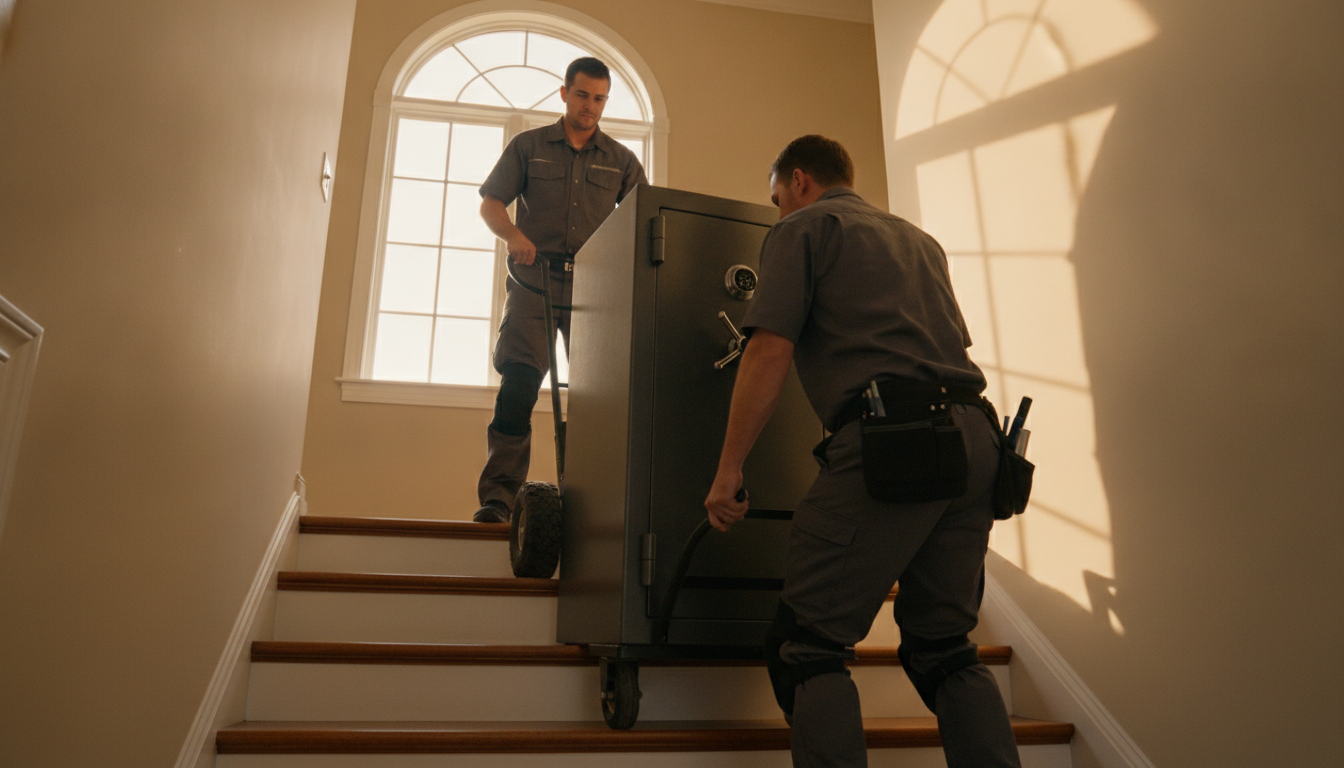
- You have a lot of specialty items — pianos, safes, art, large appliances. These need trained hands.
- Your move is long-distance and you're not comfortable driving a large vehicle on highways for hours.
- You're moving alone with no help loading or unloading.
- Your timeline is tight — full-service crews move faster than even a well-organized DIY team.
- You're moving to or from a high-rise with elevator reservations and strict building rules.
If you're on the fence, browse movers by state to get a few full-service quotes first — the price gap may be smaller than you think, especially for larger homes.
Frequently asked questions
Do I need a special driver's license to rent a moving truck?
No — in all 50 US states, a standard Class C driver's license is sufficient to operate even a 26-foot moving truck for personal use. However, most rental companies have a minimum age of 18 (sometimes 21 or 25 for larger trucks), and some impose surcharges for drivers under 25. Confirm with the specific rental company when booking.
Can I tow my car behind a rented moving truck?
Yes, most major rental companies offer a tow dolly (two-wheel tow, front wheels up) or car carrier trailer (four-wheel, all wheels off the ground). Tow dollies typically run $80–$130/day for local; car carriers run $120–$200/day. Not all vehicles are towable — front-wheel-drive cars are easiest; AWD and 4WD vehicles often cannot be towed on a dolly safely. Check your vehicle's owner's manual and confirm with the rental company.
What happens if I return the truck late?
Late fees vary by company but are typically $40–$75 per additional day plus any mileage accrued. If another customer has reserved the truck, you may also face a separate penalty. Always build a buffer into your rental period — returning a day late because the move ran long is very common.
Is it cheaper to rent a truck on a weekday?
Yes, consistently. Weekend and end-of-month rentals carry a premium — sometimes 20–40% more than a mid-week booking. If your schedule allows, moving Tuesday through Thursday at the start or middle of the month is the most reliable way to find better rates and more available inventory.
What's a hybrid move, and is it worth it?
A hybrid move means you rent the truck yourself and hire professional movers for loading, unloading, or both — rather than paying a company to supply and drive the truck. It typically saves 30–50% compared to full-service, while protecting your back and your furniture during the hardest parts. It works best for moves up to a few hundred miles where you're comfortable driving.
Does my credit card cover damage to a rented moving truck?
Usually not. Most credit card travel protections explicitly exclude cargo vans and moving trucks. A small number of premium cards may offer limited coverage — check your card's benefit guide. In the absence of credit card coverage, the rental company's collision damage waiver (CDW) is typically your best straightforward option, or confirm coverage with your personal auto insurer before you decline it.
Renting a moving truck is one of the most effective ways to control your moving costs — as long as you go in with clear eyes about the actual price, the right truck size, and what protects your belongings along the way.
If you'd like help weighing your options, our moving concierge Robert can walk you through cost comparisons and connect you with moving crews in your area — whether you need a full-service team or just a few hours of loading help.
Tagged