
Find movers near you
Movers in Sacramento.
Compare top-rated local and long-distance movers — and let Robert do the comparison for you.
Get Your Quote→California
Moving companies in Sacramento, CA.
Sacramento sits at the crossroads of Northern California, where the Central Valley meets the Sierra foothills. Whether you're relocating within the grid-pattern city streets, moving up from the Bay Area, or heading inland for lower costs, local movers here know the heat, the light-rail conflicts, and the difference between East Sac's bungalows and Natomas' new-build subdivisions.
Robert
Online·Call for a quote
Hi — I'm Robert, and I'll help you find the right movers. Where are you moving from, and where are you headed? Prefer a live representative? Just say the word and I'll connect you, or use the call button for a quote anytime.
By chatting with Robert, you agree we may share your move details with movers in your origin city so they can contact you with a quote. We never sell or share your info outside this network. Privacy Policy.
Top movers in Sacramento
Sacramento movers worth a look.
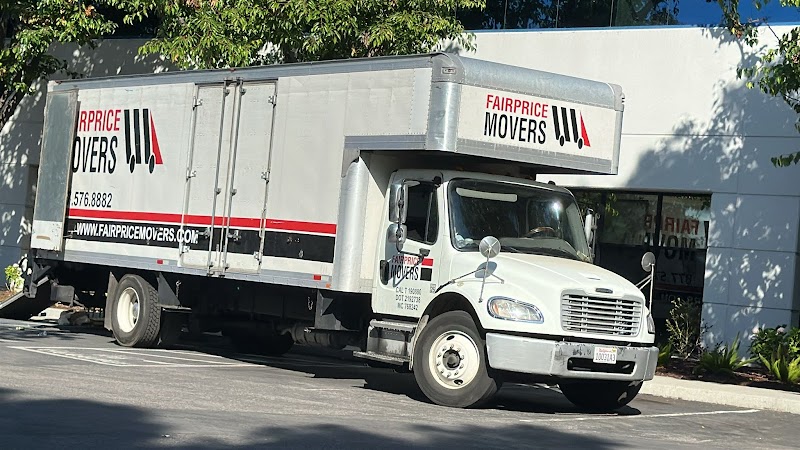
A few of Sacramento’s top movers. Want a tailored recommendation? Use the Get quotes form below.
All Sacramento movers
3 movers serving Sacramento.
Movers near Sacramento
4 more movers within 50 miles of Sacramento.
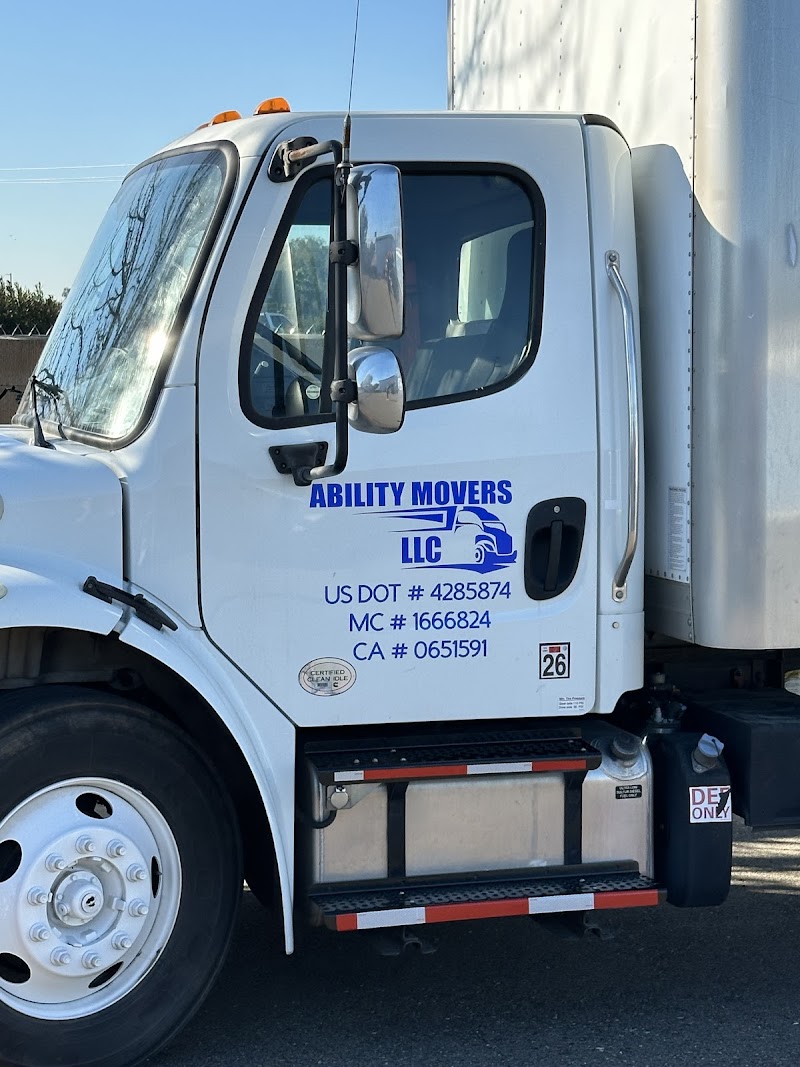
Based in a neighboring town and serving Sacramento. Each one shows where it is based and how far that is, nearest first.
Move planner
Two quick steps. A personalized plan in 30 seconds.
Robert builds a Sacramento-specific timeline, estimated cost range, and 3-mover shortlist tailored to your job. No forms. No spam. No commitment.
Step 1 of 2
Tell us about your move.
Distance
Property type
Property size
Zip codes (optional — sharpens the cost estimate)
When are you hoping to move?
Cost calculator
Sacramento moving cost ranges by home size
These ranges reflect typical Sacramento-market pricing for hourly local moves, regional moves within California (200-400 miles), and long-distance interstate moves. Actual costs vary by floor, access, time of year, and specific mover. All figures are estimates only.
| Home size | Local (under 50 mi) | Regional (50-500 mi) | Cross-country (500+ mi) |
|---|---|---|---|
| Studio / 1BR | $350-$700 | $900-$1,800 | $1,500-$3,000 |
| 2BR | $600-$1,200 | $1,600-$3,000 | $2,500-$4,500 |
| 3BR house | $1,000-$1,900 | $2,500-$4,500 | $3,800-$6,500 |
| 4BR+ house | $1,600-$3,000 | $3,800-$6,500 | $5,500-$10,000+ |
Skip the guesswork
Get matched with professional Sacramento movers.
Robert, our moving concierge, lines up quotes from movers who actually serve your route — free, no obligation.
Local movers in Sacramento
Local moving in Sacramento is priced hourly — you're paying for the crew and truck together, with most companies setting a 2-hour minimum and rates that commonly run $100–$200 per hour depending on crew size and truck capacity. The single biggest variable on your bill is access: long carries from a parking spot to a front door, narrow driveways in older midtown bungalows, or elevator wait times in downtown high-rises can add meaningful time to an otherwise straightforward move.
What drives local moving costs in Sacramento:
- Home size and crew needed — a studio may move efficiently with 2 movers, while a 3-bedroom house typically calls for 3–4
- Building and site access — stairs, tight hallways, long walks from truck to door, and elevator scheduling all add labor time
- Parking and permits — street parking in dense neighborhoods like Midtown, East Sacramento, or Curtis Park can require advance planning; some streets need a temporary no-parking permit from the city
- Time of month and season — end-of-month dates and summer weekends (Sacramento's rental turnover peak) book fast and may cost more
- Packing services — adding full or partial pack/unpack to your move is billed separately and can easily double the overall time
Sacramento's grid of older residential streets — especially in neighborhoods like Land Park, Tahoe Park, and the R Street corridor — often means narrower access than suburban developments farther out in Elk Grove or Natomas. If you're moving into or out of a historic district home or a multi-unit building near the university, confirm truck access and any permit requirements with your building manager at least a week ahead; a little coordination upfront can prevent costly wait time on move day.
Ready to compare options? Browse movers in Sacramento to get matched with local moving companies that know the city's streets.
Neighborhood guide
Where people are moving in Sacramento
Midtown
Walkable, dense, restaurant-heavy urban grid
Median 2BR rent: $1,800-$2,400/mo
Street parking for trucks requires early arrival; the R Street Corridor and J Street see heavy foot and bike traffic that complicates access during business hours.
East Sacramento
Leafy bungalows, family-oriented, near McKinley Park
Median 2BR rent: $2,100-$2,900/mo
Tall street trees and narrow side streets mean long trucks occasionally need to stage on a main artery and shuttle loads, adding time to quotes.
Land Park
Established, quiet, Craftsman homes near zoo and park
Median 2BR rent: $2,000-$2,700/mo
Driveways are typically short and homes have single-car garages, so expect street parking coordination with neighbors on move day.
Natomas
New-build suburbs, close to airport, family-friendly
Median 2BR rent: $1,800-$2,300/mo
Newer tract-home construction with attached garages and wider streets makes loading straightforward, though HOA rules in some complexes restrict weekend move hours.
Folsom
Affluent, master-planned, near lake and trails
Median 2BR rent: $2,200-$3,100/mo
Located 25 miles east on US-50, movers often add a mileage surcharge for Folsom runs; gated communities require advance access coordination.
Oak Park
Revitalizing urban neighborhood, diverse, artsy
Median 2BR rent: $1,400-$1,900/mo
An older neighborhood undergoing renovation means some properties have alley access only and uneven driveways that affect large truck positioning.
Elk Grove
Large south-suburb, highly diverse, school-focused
Median 2BR rent: $1,900-$2,600/mo
Elk Grove is technically a separate city with its own permit requirements for moving trucks on residential streets; confirm with your mover whether a city permit is needed.
Rancho Cordova
Working-class suburb east of the city, easy US-50 access
Median 2BR rent: $1,600-$2,100/mo
Industrial and commercial adjacency means truck access is generally easy, but apartment complexes along Sunrise Boulevard often require elevator-reservation coordination.
Common routes
Where Sacramento movers frequently head
Sacramento → San Francisco Bay Area (Oakland/San Jose)
~80-90 mi west via I-80
$1,800-$3,500
The single most common Sacramento corridor — many Bay Area workers relocated here during remote-work expansion and are now moving back or partially back, making this a high-volume two-way route.
Sacramento → Los Angeles, CA
~385 mi south via I-5
$3,200-$5,500
A major in-state long-distance move driven by entertainment, tech, and family ties, typically routed straight down I-5 through the Central Valley.
Sacramento → Reno, NV
~135 mi east via I-80
$1,500-$2,800
Reno's lower cost of living and no state income tax attract Sacramento-area movers, and the I-80 Donner Summit route is well-traveled but weather-sensitive in winter.
Sacramento → Portland, OR
~585 mi north via I-5
$3,800-$6,500
A consistent Pacific Coast corridor move, particularly popular with tech workers and young families seeking Pacific Northwest lifestyle at lower cost than Seattle.
Sacramento → Las Vegas, NV
~570 mi southeast via US-395 or I-15
$3,500-$5,800
California-to-Nevada moves are driven largely by tax and cost reasons, and Las Vegas is a top destination for Sacramento retirees and small-business owners.
Sacramento → Fresno, CA
~160 mi south via CA-99
$1,600-$2,800
A common intra-Central-Valley move along CA-99 for workers in agriculture, state government, and healthcare shifting between the two largest Valley metros.
Honest prices beat estimates
Want an actual quote for your Sacramento move?
Tell Robert the basics and get matched in minutes.
Local figures
Sacramento in numbers.
What the homes are
SacramentoUnited States
- Detached houses
- 60% in Sacramento61% in United States
- Townhouses
- 7% in Sacramento6% in United States
- Buildings of 2 to 4 homes
- 8% in Sacramento8% in United States
- Buildings of 5 to 19 homes
- 13% in Sacramento9% in United States
- Buildings of 20 or more homes
- 11% in Sacramento10% in United States
Rent, home values and income
| Figure | Sacramento | California | U.S. |
|---|---|---|---|
| Median monthly rent | $1,694 | $1,956 | $1,348 |
| Median home value | $484,600 | $695,400 | $303,400 |
| Median household income | $83,753 | $96,334 | $78,538 |
| Households that rent | 49% | 44% | 35% |
| Residents who moved in the past year | 14% | 11% | 13% |
Source: U.S. Census Bureau, American Community Survey 2019-2023 5-year estimates.
When to move
Sacramento's moving calendar, month by month
Jan
off
Slowest month for moves in Sacramento; tule fog can reduce visibility on area freeways like I-80 and CA-99, so allow extra travel time for long-distance loads.
Feb
off
Still off-peak with easy mover availability; occasional atmospheric river rain events can complicate moves, but rates and scheduling flexibility are at their best.
Mar
shoulder
Demand begins picking up as spring arrives; pleasant temperatures make this an underrated month to move with good availability and moderate pricing.
Apr
shoulder
One of the best months weather-wise — mild, dry days and no summer heat; mover availability is still reasonable before the summer rush begins.
May
shoulder
Activity rises as school-year families begin planning; book 3-4 weeks out, as the best crews start filling weekends by mid-month.
Jun
peak
Peak season begins and temperatures start hitting the 90s and low 100s; book 4-6 weeks out and request early-morning start times (7-8 a.m.) to avoid afternoon heat.
Jul
peak
Hottest and busiest month; triple-digit heat is common, crews work shorter shifts, and weekend dates book weeks in advance — plan ahead and budget for possible heat surcharges.
Aug
peak
Still peak heat and demand, driven by end-of-summer lease cycles; the combination of high temps and high volume makes this the most logistically challenging month.
Sep
peak
Demand stays elevated early in the month as college students settle in at Sacramento State and UC Davis; heat begins tapering by late September.
Oct
shoulder
Temperatures drop to comfortable levels and demand eases; mid-October through month-end offers a good balance of availability and reasonable pricing.
Nov
off
Mover availability is strong, rates are negotiable, and Sacramento's mild fall weather makes this a practical time to move before holiday disruptions begin.
Dec
off
Slowest demand period; tule fog and occasional rain are factors, but motivated movers can often negotiate favorable rates and flexible scheduling.
Permits + local rules
What Sacramento movers need to know about permits
City of Sacramento Parking/Curb Lane Permit
If your moving truck needs to occupy a parking lane or metered space on a public street in the City of Sacramento, you'll typically need a temporary no-parking or curb lane encroachment permit from the City's Department of Public Works. This is especially relevant in Midtown, downtown, and East Sacramento where street parking is limited and the truck can't park in a driveway. Applications are handled through the city's online encroachment permit portal.
Permit ~$50-$150 depending on duration and lane type; apply 5-7 business days in advance
Elevator Reservation — High-Rise Buildings
Sacramento's downtown and Midtown high-rise apartments and condos — including buildings along Capitol Mall and K Street — require elevator reservations through building management before moving day. Most buildings designate a service elevator and restrict moves to specific hours (often 8 a.m.-5 p.m. on weekdays or limited weekend windows). Confirm this directly with your building manager at least two weeks out, as violating these rules can result in move delays and fines.
Typically no permit fee, but a refundable damage deposit of $200-$500 is common; reserve 2+ weeks in advance
HOA Move-In/Move-Out Rules (Natomas, Elk Grove, Folsom)
Many master-planned communities and newer subdivisions across the Sacramento metro — particularly in Natomas, Elk Grove, and Folsom — are governed by HOAs that have specific move-in rules. These often include designated moving hours (e.g., 8 a.m.-6 p.m.), required notice periods, and designated truck access points. Some HOAs require a refundable deposit to cover potential common-area damage. Failure to notify the HOA can result in fines or forced rescheduling.
HOA deposit typically $200-$500 refundable; notify HOA 1-2 weeks before move date
Elk Grove Municipal Truck Restrictions
The City of Elk Grove, a separate municipality south of Sacramento, has its own street-use rules for large commercial vehicles. Certain residential streets have weight restrictions that affect large moving trucks (typically 3-axle rigs). If you're moving into a neighborhood in Elk Grove, confirm with your mover whether the truck size requires a city-issued overweight permit or an alternative route plan to reach your address.
City vehicle permit if required: ~$30-$75; check with Elk Grove Public Works 3-5 days before move
Sacramento County Unincorporated Area Rules
Parts of the Sacramento metro — including some areas of Rancho Cordova (before incorporation), Arden-Arcade, and foothill communities — fall under Sacramento County jurisdiction rather than city rules. County rules for large vehicle parking on residential streets are distinct from city ordinances. If your new address is in an unincorporated county area, verify truck parking requirements through Sacramento County's Department of Transportation rather than City of Sacramento.
Permit fees vary; contact Sacramento County DOT 5 business days in advance for clarification
About moving to Sacramento
What you should know before you book.
Sacramento is California's capital city and one of the fastest-growing metros in the state, drawing transplants from the Bay Area, Los Angeles, and out of state who want more space without leaving California entirely. Sitting at the confluence of the Sacramento and American Rivers, the city blends a walkable Midtown grid, historic neighborhoods like East Sacramento and Land Park, and sprawling suburbs in Elk Grove, Roseville, and Folsom. The metro is a genuine mix of state government workers, agricultural industry, healthcare, and a growing tech scene. Its flat terrain makes physical moves straightforward, but triple-digit summer heat and an older downtown building stock add operational complexity.
Government and Healthcare Economy
Sacramento is the seat of California state government, meaning a large share of residents are state employees with predictable relocation cycles tied to legislative sessions and agency transfers. UC Davis Medical Center and Sutter Health are among the largest employers. This employment base creates steady, year-round demand for professional movers and a relatively stable rental market compared to other California metros.
Flat Grid, Older Buildings
The original city is laid out on a flat Spanish grid with numbered and lettered streets, making navigation simple. However, many older neighborhoods — especially Midtown, East Sac, and Curtis Park — have narrow driveways, mature trees overhanging curbs, and limited off-street parking. Victorian and Craftsman-era homes often have tight stairwells and no elevators, which affects how movers quote furniture jobs.
Extreme Summer Heat Window
Sacramento experiences some of the hottest summer temperatures in California, routinely hitting 100°F or higher from late June through September. This heat is a genuine operational factor: movers work shorter windows, some crews start as early as 7 a.m. to beat peak afternoon heat, and electronics and certain furniture finishes are genuinely at risk during a long truck sit. Scheduling morning start times in summer is standard practice here.
Suburbs Spread Across Three Counties
The Sacramento metro spans Sacramento, Placer, and El Dorado counties, meaning a move from Midtown to Rocklin or El Dorado Hills — common trajectories as families seek larger homes — can cross county lines and add 25 to 40 miles one-way. Movers often price these suburban runs differently than city-to-city moves, and traffic on I-80 and US-50 during afternoon hours can affect crew scheduling.
Sacramento moving FAQ
Common questions, locally answered.
How far in advance should I book a Sacramento mover?
+
In peak season (June through September), book 4-6 weeks in advance for weekends and 2-3 weeks for weekdays. The end-of-month crunch — especially around the 28th-31st — is when availability tightens fastest. Outside peak season, 1-2 weeks is usually sufficient, and you'll have more leverage to negotiate pricing. If you're near Sacramento State or UC Davis, avoid the first two weeks of September without early booking.
What does a local Sacramento move typically cost?
+
Local moves in Sacramento are usually billed hourly. For a 2-bedroom apartment or house, expect to pay roughly $120-$200 per hour for a crew of two movers with a truck. A typical 2BR move takes 4-6 hours, putting the total in the $600-$1,200 range before tips and any specialty fees. Studio and 1BR moves often run $400-$700. Add a fuel surcharge of $50-$100 for most local companies, and budget a 15-20% tip if the crew performs well.
Is summer heat actually a problem for Sacramento moves?
+
Yes — it's one of the most distinctive factors in this market. Sacramento regularly hits 105°F in July and August. Movers work faster in the morning and slow down significantly by afternoon. Heat can warp certain furniture finishes, damage electronics left in hot trucks, and create genuine safety risks for crews. Most experienced local movers start at 7 or 8 a.m. in summer. Request an early start time and have water and shade available for the crew.
Do I need a parking permit for the moving truck in Sacramento?
+
In dense areas like Midtown, downtown, and parts of East Sacramento, yes. If your moving truck needs to occupy metered parking or a lane on a public street, you'll typically need a temporary encroachment permit from the City of Sacramento's Public Works department. In newer suburban areas like Natomas or Rancho Cordova, driveways and cul-de-sacs typically provide enough off-street access and permits are rarely needed. Your mover should help assess this when you provide your address.
What's the tule fog situation and how does it affect winter moves?
+
Tule fog is a dense radiation fog that settles across the Sacramento Valley from roughly November through February. It can reduce freeway visibility to near zero on I-80, CA-99, and I-5 — the primary corridors movers use. Fog-related delays and closures on major routes are a genuine risk for long-distance moves in winter. If you're scheduling a long-distance move between November and February, build in schedule flexibility and confirm your mover's policy on weather delays.
Is it cheaper to move to Sacramento from the Bay Area during a specific time of year?
+
Bay Area-to-Sacramento is one of the most common routes in Northern California, and pricing reflects demand. Summer weekends are the most expensive due to peak demand in both markets. If you can move on a weekday in October, November, or February, you'll likely find lower rates and better crew availability. This route is also subject to I-80 congestion through Vacaville and Davis — factor in 30-60 minutes of buffer time for afternoon loads.
Are there Sacramento-specific issues with older homes in East Sac or Land Park?
+
Yes. Craftsman bungalows and Victorian-era homes in East Sacramento, Land Park, and Curtis Park often have narrow interior doorways (as small as 28-30 inches), steep or winding staircases, and no garage or off-street access for large trucks. Large sofas, king beds, and certain appliances may require disassembly or hoisting through windows — which movers can do but will charge extra for. Measure your largest furniture pieces and doorways before booking, and flag any concerns to your mover during the quote.
How does moving to Sacramento from out of state typically work?
+
Long-distance moves into Sacramento are usually handled by interstate carriers or brokers under federal FMCSA licensing. Get binding estimates rather than non-binding quotes if possible. Most long-haul moves from places like Seattle, Denver, or Phoenix to Sacramento take 3-7 transit days depending on truck consolidation and route. Sacramento's Central Valley location makes it a reasonable delivery target on most westbound routes. Confirm your mover's license and insurance via the FMCSA SAFER database before signing anything.
What should I know about moving into an apartment complex in Rancho Cordova or Natomas?
+
Apartment complexes in these areas typically require advance notice to management, elevator reservations if applicable, and may have restricted move-in hours (commonly 8 a.m.-5 p.m. Monday through Saturday). Some complexes require a refundable move-in deposit of $200-$500 to cover common-area liability. Gated access can also be a logistical issue for movers arriving with a large truck — confirm gate codes and access procedures with management before move day.
Is Sacramento a hard city to move within if I have large furniture?
+
For newer builds in Natomas, Elk Grove, or Folsom, not particularly — open floor plans, wider doorways, and attached garages make large furniture moves manageable. The challenge arises in older neighborhoods: Midtown's narrow hallways, East Sac's tight Victorian doorframes, and Land Park's short driveways add complexity and time. A good mover will ask for photos or a walkthrough quote for older properties. Budget extra time and potentially extra crew for these situations.
What are typical tipping norms for Sacramento movers?
+
Tipping isn't required but is standard for good service. A common guideline is $20-$40 per mover for a local move of a few hours, scaling up to $50-$100 per mover for a full-day job or a particularly difficult move involving stairs, heat, or heavy furniture. Cash is preferred. For summer moves where crew is working in 100°F heat, many Sacramento residents tip on the higher end given the physical demands.
Does Sacramento traffic affect how movers schedule the day?
+
Yes. The core congestion windows are I-80 from Sacramento toward the Bay Area (7-9 a.m. outbound, 4-7 p.m. inbound) and US-50 toward Folsom and El Dorado Hills (afternoon heavy). Within the city, the Business 80 connector through downtown and the Capital City Freeway back up during commute hours. Most local moves aren't heavily impacted, but if your origin and destination are on opposite sides of the metro, a late-afternoon pickup can easily add 45-90 minutes to a move.
Moving away from Sacramento?
Relocation guides from Sacramento.
Costs, distance, and what to expect for popular moves out of Sacramento.
Long distance movers in Sacramento→Nearby cities
Movers in cities close to Sacramento.
McClellan Park, CA
about 8 miles away
Fremont, CA
about 30 miles away
Vallejo, CA
about 30 miles away
Stockton, CA
about 43 miles away
Browse moving companies in other California cities, or explore the full directory by state.
Get your moving quote
Many ways to get a moving quote.
Chat, text, email, or call — whichever’s easiest. Tell Robert about your move and matching movers in your city reach out, usually within a few minutes.