Most movers do not automatically bring boxes on moving day — unless you've specifically booked and paid for a packing service or box-supply add-on. If you're expecting the crew to show up with a truckload of cardboard, you may be in for a surprise. Here's the full picture of what different movers offer, what it costs, and how to make the smartest call for your move.
What Do Movers Typically Include in a Standard Move?
A standard, full-service move covers labor and transport — the crew loads your belongings, moves them, and unloads at the destination. It also typically includes:
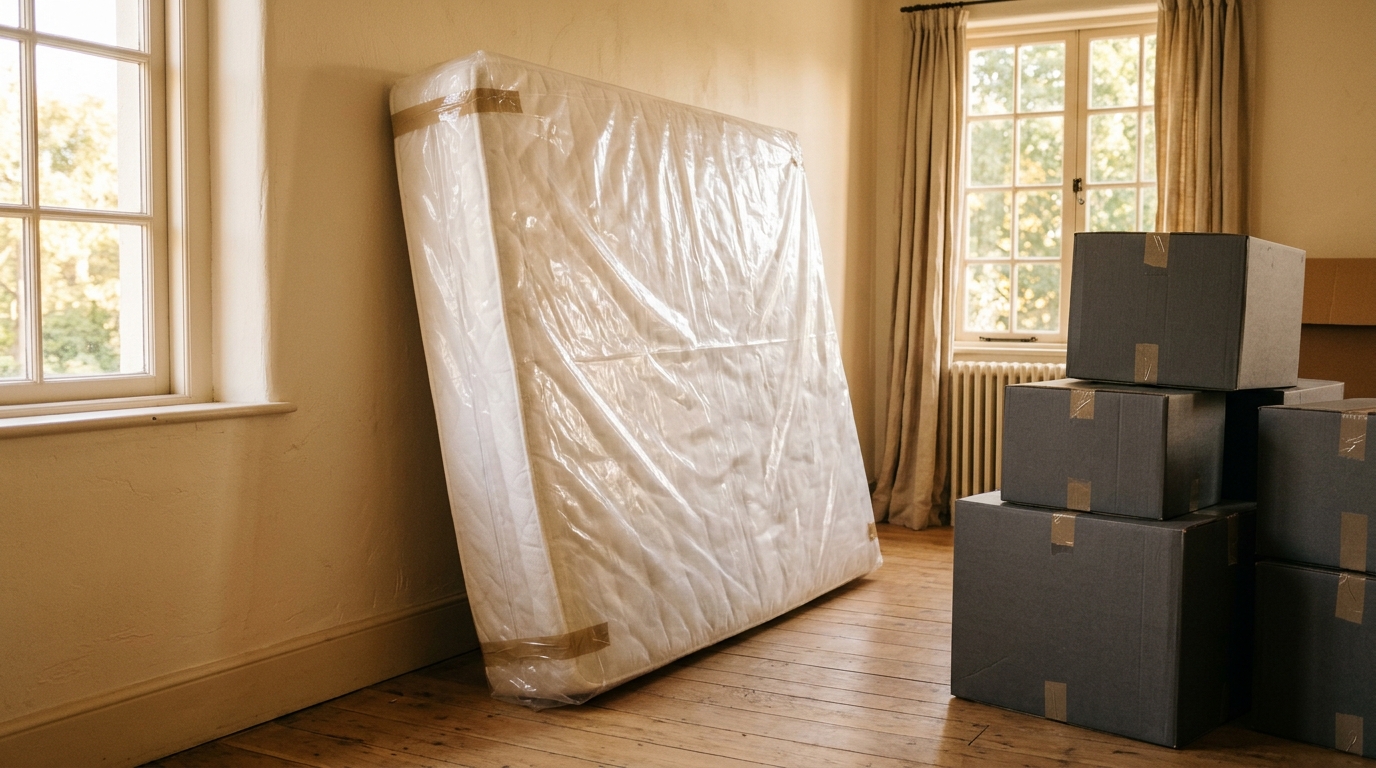
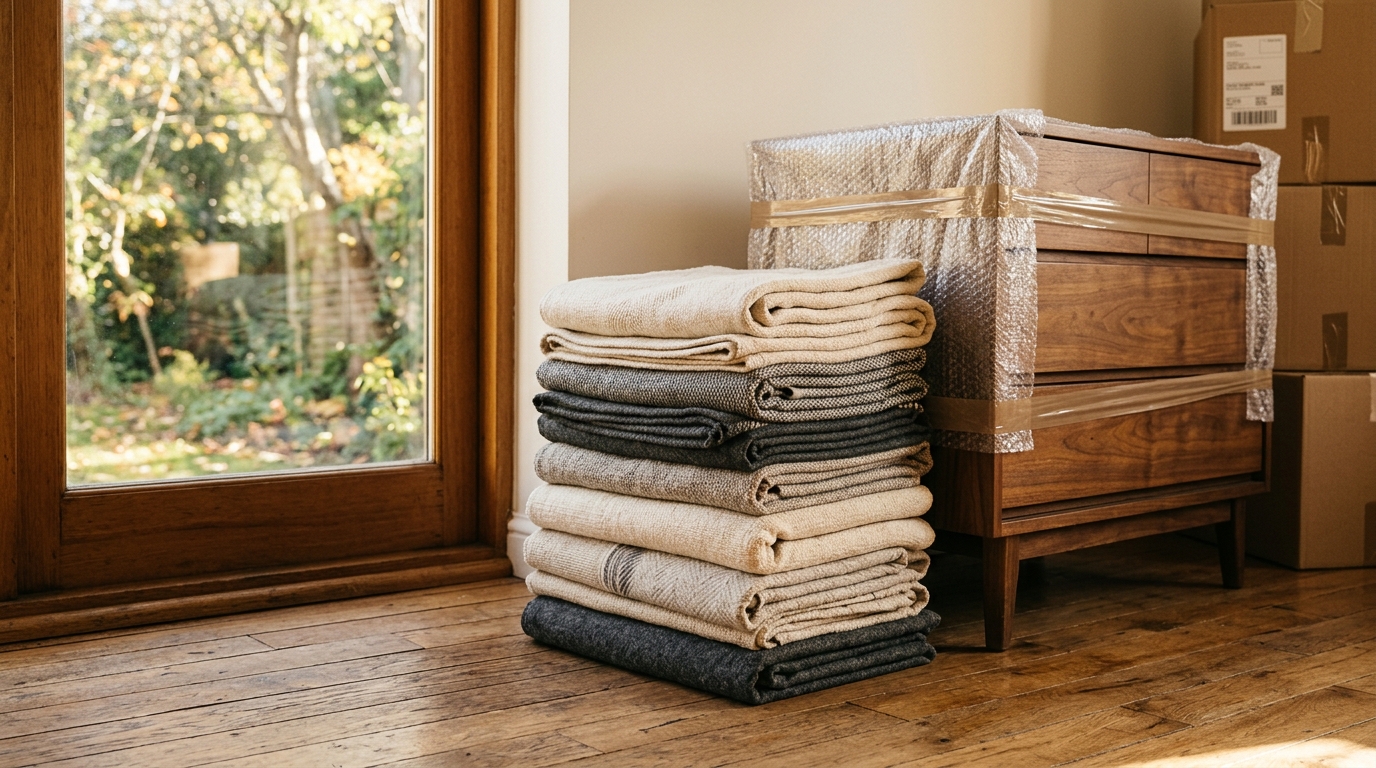
- Moving blankets and furniture pads to wrap sofas, dressers, and tables
- Shrink wrap for upholstered pieces and drawer stacks
- Basic equipment — dollies, hand trucks, straps
What it almost never includes by default: cardboard boxes, packing paper, bubble wrap, or tape. Those are either brought by the customer or purchased as an add-on. If you want to know more about the equipment movers use on the truck, the gear movers use to move furniture guide covers dollies, straps, and sliders in detail.
When Do Movers Bring Boxes?
Movers bring boxes in two situations:
1. You've Booked a Packing Service
If you add full or partial packing to your booking, the mover will arrive with boxes, paper, and tape — and their crew will pack everything. This is the most common scenario where boxes come with the move. How much movers charge to pack for you breaks down the cost by home size if you're weighing whether it's worth it.
2. The Mover Sells or Rents Boxes as an Add-On
Many moving companies offer a box-supply service separately from packing labor. You pay for the boxes (and sometimes delivery of them) in advance, and the crew brings them on moving day or drops them off beforehand. Always confirm in writing what size and quantity you're getting.
What Does a Box Supply from a Mover Typically Cost?
Box pricing varies by mover, region, and box type. The table below shows typical ranges you'll encounter — these are not locked prices, just a useful benchmark to compare against buying your own.
| Box Type | Mover-Supplied (per box) | Retail / DIY (per box) |
|---|---|---|
| Small (1.5 cu ft) | $2 – $5 | $1 – $3 |
| Medium (3.0 cu ft) | $3 – $6 | $2 – $4 |
| Large (4.5 cu ft) | $4 – $8 | $3 – $5 |
| Wardrobe box | $12 – $25 | $8 – $20 |
| Dish/cell pack | $8 – $18 | $5 – $15 |
| Packing paper (25 lbs) | $20 – $40 | $15 – $30 |
| Bubble wrap roll | $15 – $35 | $10 – $25 |
Mover-supplied boxes typically cost 30–60% more per unit than sourcing them yourself. For a 3-bedroom home, that markup can add $150–$400 to your bill. The upside: you don't have to haul supplies, and unused boxes are sometimes credited back (ask before you sign).
Should You Buy Your Own Boxes — or Let the Mover Supply Them?
Neither option is always right. Here's how to decide:
Buy your own boxes if you:
- Have time to shop and pack before moving day (ideally 2–4 weeks out)
- Want to save money on supplies
- Have specialty items (dishes, art, instruments) that need custom sizing
- Like the flexibility of packing at your own pace
Let the mover supply boxes if you:
- Have booked a full packing service anyway
- Are doing a last-minute or short-notice move with no time to gather supplies
- Want one invoice and one point of contact for everything
- Are moving fragile or high-value items and trust the mover's materials
Our guide to choosing the right moving boxes walks through sizes and quantities by room if you're going the DIY route.
Where to Get Boxes If You're Buying Them Yourself
You don't have to pay full retail. Common sources, in rough order of cost:
- Box retailers and moving-supply stores — consistent quality, full size range, typically $1–$5/box
- Home improvement stores — usually carry standard sizes, often sold in bundles
- Liquor stores and grocery stores — free, but sizes are irregular and structural quality varies
- Online marketplaces and buy-nothing groups — free or low cost, but inspect for moisture damage and pests before using
- Your moving company's competitors — some companies sell boxes to non-customers; it's worth asking
Whatever you source, check that boxes close fully, have no soft spots from moisture, and can be taped securely. A box that fails mid-carry is a claim waiting to happen.
The Reusable Plastic Crate Option
Some movers — particularly for local moves — offer reusable plastic moving crates as a rental. They're sturdier than cardboard, stack cleanly in the truck, and often come with lids included. Pricing typically runs $2–$5 per crate per week. The mover delivers them before the move and picks them up after. Ask whether this is available in your area; not every company offers it.
While you’re reading
Skip the research — let Robert match you with movers.
Free quotes from movers in your area. Pick whichever is easiest.
What to Ask Your Mover Before Moving Day
Before you assume anything, confirm these points in writing when you get your quote:
- Does your quote include any packing materials? (blankets/pads vs. boxes are different things)
- Can I add a box-supply or packing service — and what does it cost per box/hour?
- Are unused boxes refundable or credited?
- Will materials be itemized separately on my estimate?
- Do you offer reusable crate rental for local moves?
Every estimate should spell out what's included. If a mover gives you a phone number and a rough total with no itemization, that's a gap worth pressing on — our guide to getting an accurate moving quote explains what information movers need to price a move correctly.
A Note on Full-Service Packing vs. Box Drop-Off
There's an important distinction between:
- Full packing service: the mover's crew wraps, packs, and seals everything. You pay for labor + materials. This is the scenario where boxes absolutely come with the move.
- Box drop-off / supply only: the mover delivers boxes to your home before moving day so you can pack yourself. You pay for materials but not packing labor.
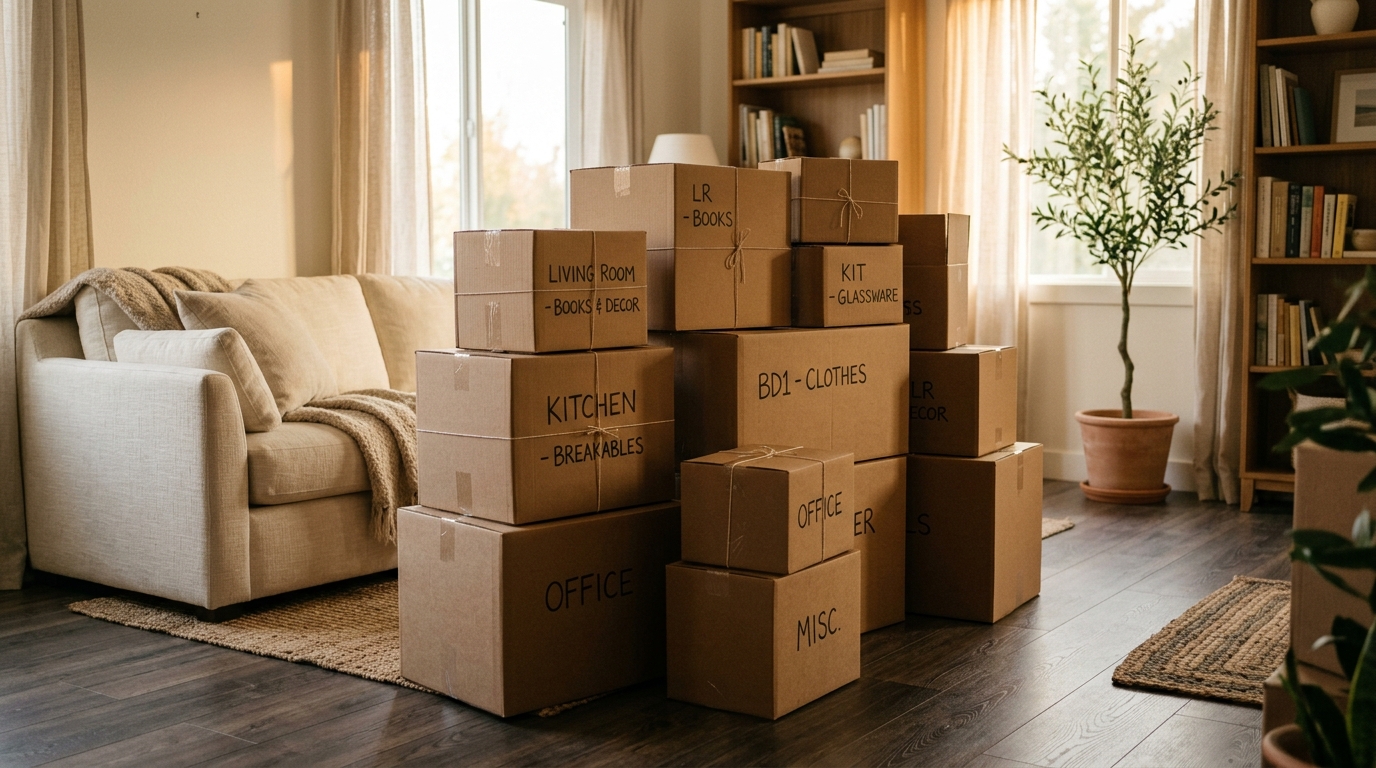
- Standard move with no packing add-on: the mover expects to find boxes already sealed and labeled when they arrive. This is the most common scenario — and the one where customers most often get caught off guard.
If you're doing your own packing, having boxes properly sealed, labeled by room, and stacked accessibly before the crew arrives makes a big difference in how smoothly — and quickly — the job goes. Our post on how to label moving boxes covers the system that keeps unpacking from turning into a scavenger hunt.
Finding a Mover Who Offers What You Need
Packing and box services vary significantly between companies, so it pays to compare options before booking. Browse movers by state to find licensed carriers in your area, then check mover reviews to see how other customers describe the packing and materials experience — not just the price.
When you look at a mover's USDOT number on the FMCSA database, confirm whether they're listed as a "Motor Carrier of Household Goods" (they move you themselves) or a "Broker of Household Goods" (they hand your job to another carrier). That distinction matters when it comes to who's actually responsible for your boxes and belongings.
If you'd like a hand figuring out what to ask or which companies to compare, reach out to Robert, our moving concierge.
Frequently Asked Questions
Do movers automatically bring boxes when they arrive?
No — in a standard full-service move, the crew expects your belongings to already be boxed and ready to load. Boxes are only automatically included if you've booked and paid for a packing service or a box-supply add-on. Always confirm in writing what your quote includes.
How many boxes do I need for a typical move?
A rough benchmark: studio apartments typically need 20–30 boxes; a 1-bedroom, 30–50; a 2-bedroom, 50–80; a 3-bedroom, 80–120+. These numbers shift significantly based on how much you declutter before packing and how you use large-furniture space.
Can I ask the mover to bring specific box types, like wardrobe or dish boxes?
Yes. If your mover offers a packing or box-supply service, you can typically request specialty boxes — wardrobe boxes with hanging bars, dish/cell packs with internal dividers, mirror boxes, etc. Confirm availability and pricing upfront; specialty boxes cost more than standard cartons.
Is it cheaper to buy my own boxes or have the mover supply them?
In most cases, buying your own boxes from a retailer or sourcing free ones costs less per unit than mover-supplied boxes, which typically carry a 30–60% markup. However, if you're also paying for full packing labor, the convenience of a single service often outweighs the per-box savings.
What if I have leftover boxes after the move?
If the mover supplied your boxes, ask upfront whether unused, undamaged boxes are refundable. If you sourced your own boxes, consider donating them through a local buy-nothing group, listing them online, or breaking them down for recycling. Many moving companies will also accept clean returned boxes.
Do movers provide tape and packing paper, or just boxes?
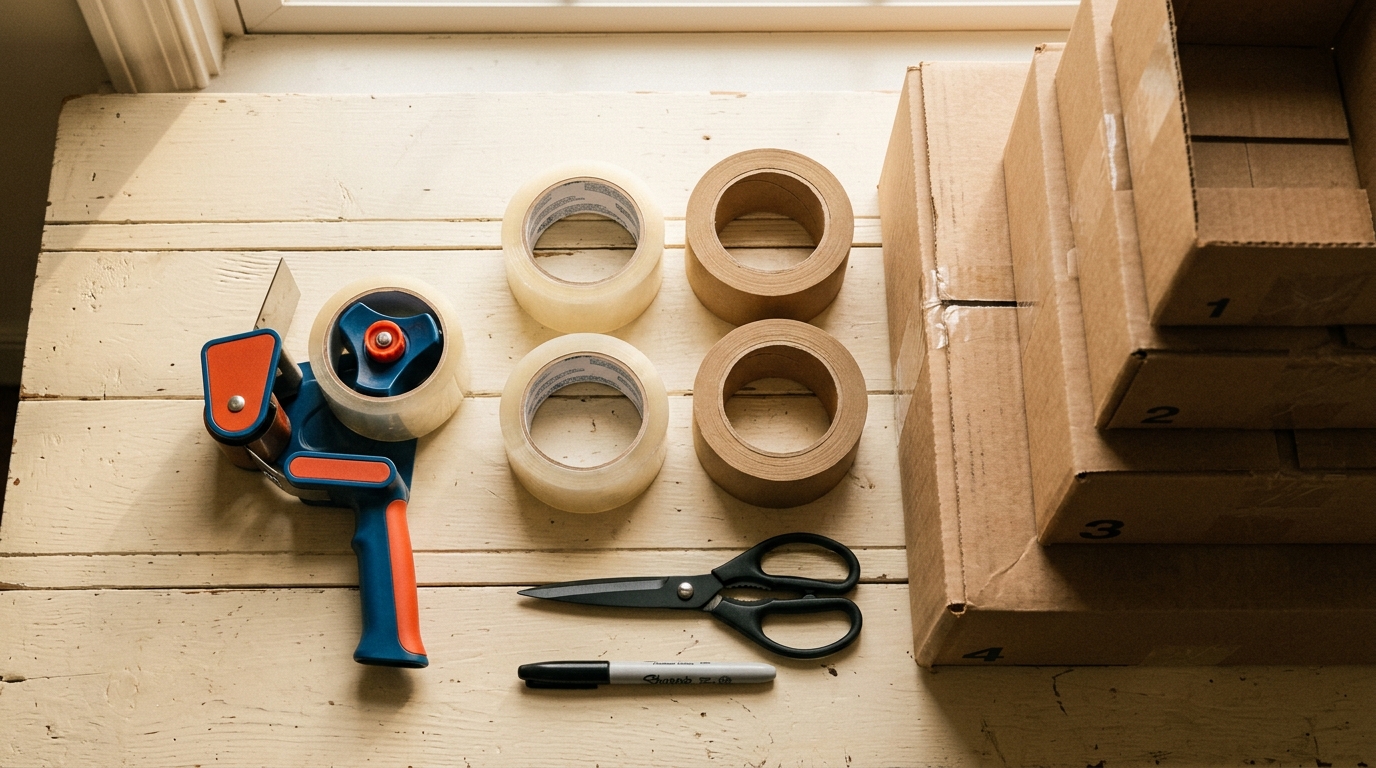
In a full packing service, materials — paper, tape, bubble wrap — are typically included in the service price (or itemized separately). In a box-supply-only arrangement, ask specifically; some movers include tape rolls, others charge per item. If you're packing yourself, budget for tape and paper separately — a 3-bedroom home typically goes through 6–10 rolls of tape and 25–50 pounds of packing paper.
Tagged