Most professional movers don't require you to empty dresser drawers — but whether you should depends on the type of move, how the dresser is built, and what's inside. Leaving clothes in the drawers is often fine for a short local move. For a long-distance move, or if the dresser is large, antique, or particle-board, emptying them first protects both the furniture and your belongings. The three-minute read below tells you exactly when to leave things in and when to pull everything out.
What Most Movers Actually Ask You to Do
No federal rule or state regulation dictates what goes inside a drawer. The requirement, when movers raise it, comes from practical and liability reasons — not law.
Most movers will tell you one of three things:
- "Empty the drawers completely." Common on long-distance jobs, for heavy or fragile pieces, and when the mover is quoting by weight.
- "Soft goods only — no hard or breakable items." The most common guidance on local jobs. Clothes, linens, and towels stay in; everything else comes out.
- "Whatever fits safely is fine." Occasionally heard on small, local, hourly-rate moves where the mover has seen the piece and is confident in the carry.
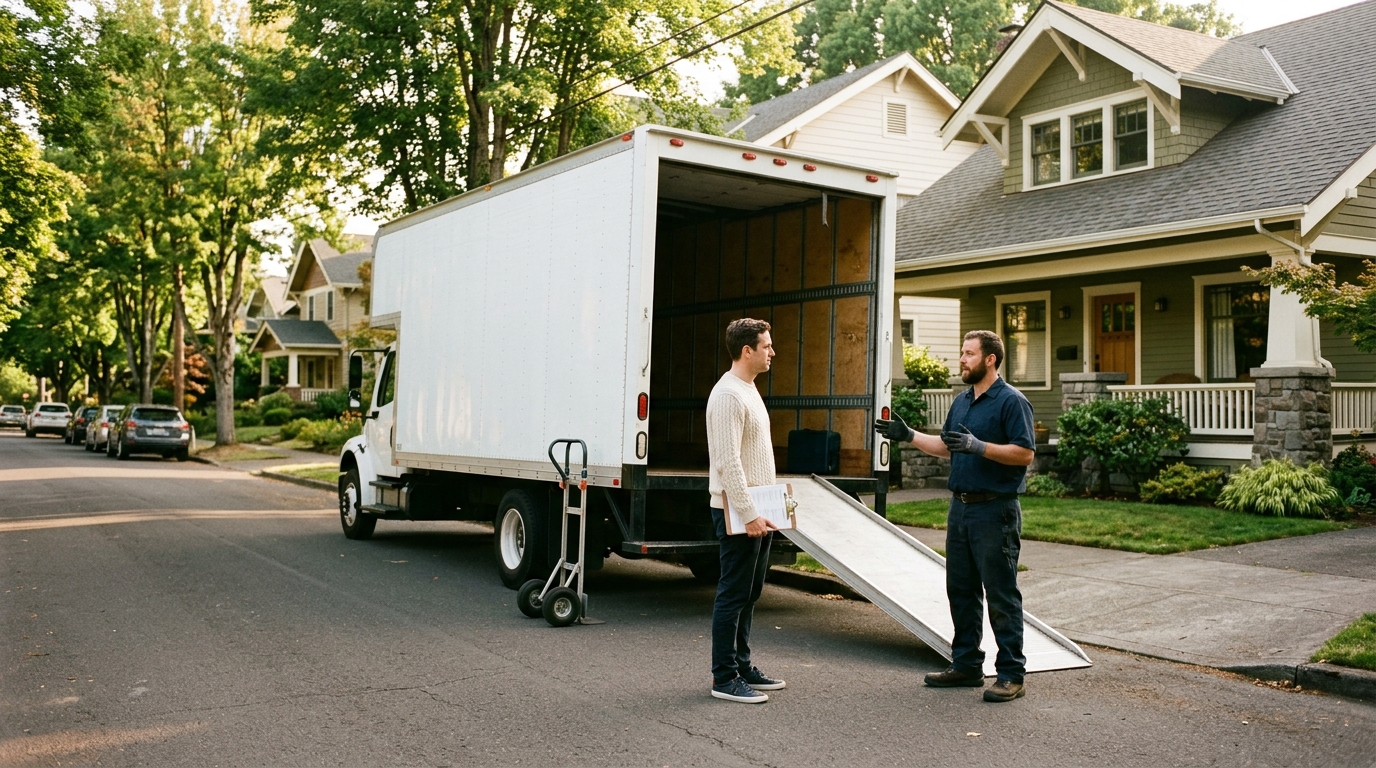
Ask your specific mover before moving day. Their answer is what matters, and a good mover will tell you during the walkthrough or video survey — which, under FMCSA rules for interstate moves, they are required to conduct before giving you a written estimate (unless you waive it in writing).
Why Drawers Full of Clothes Are Usually Fine (Locally)
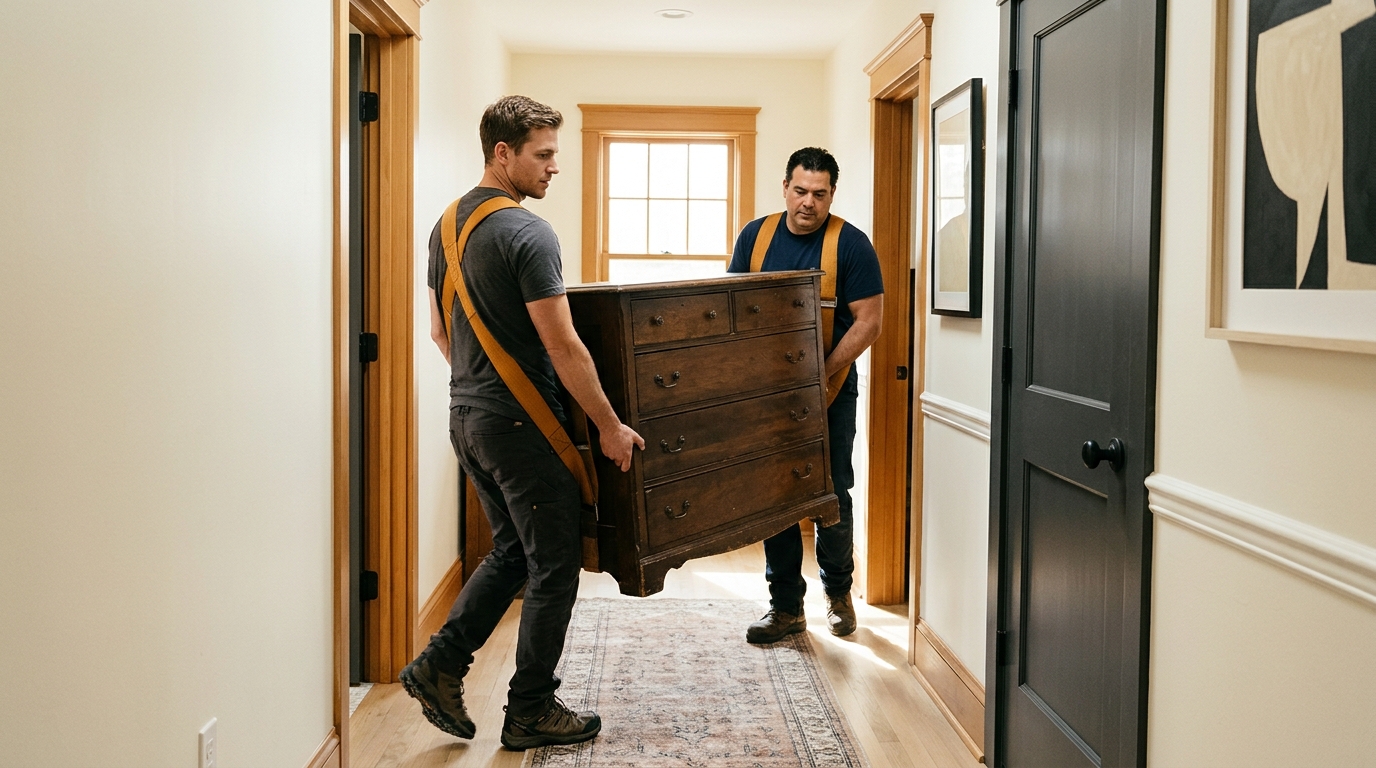
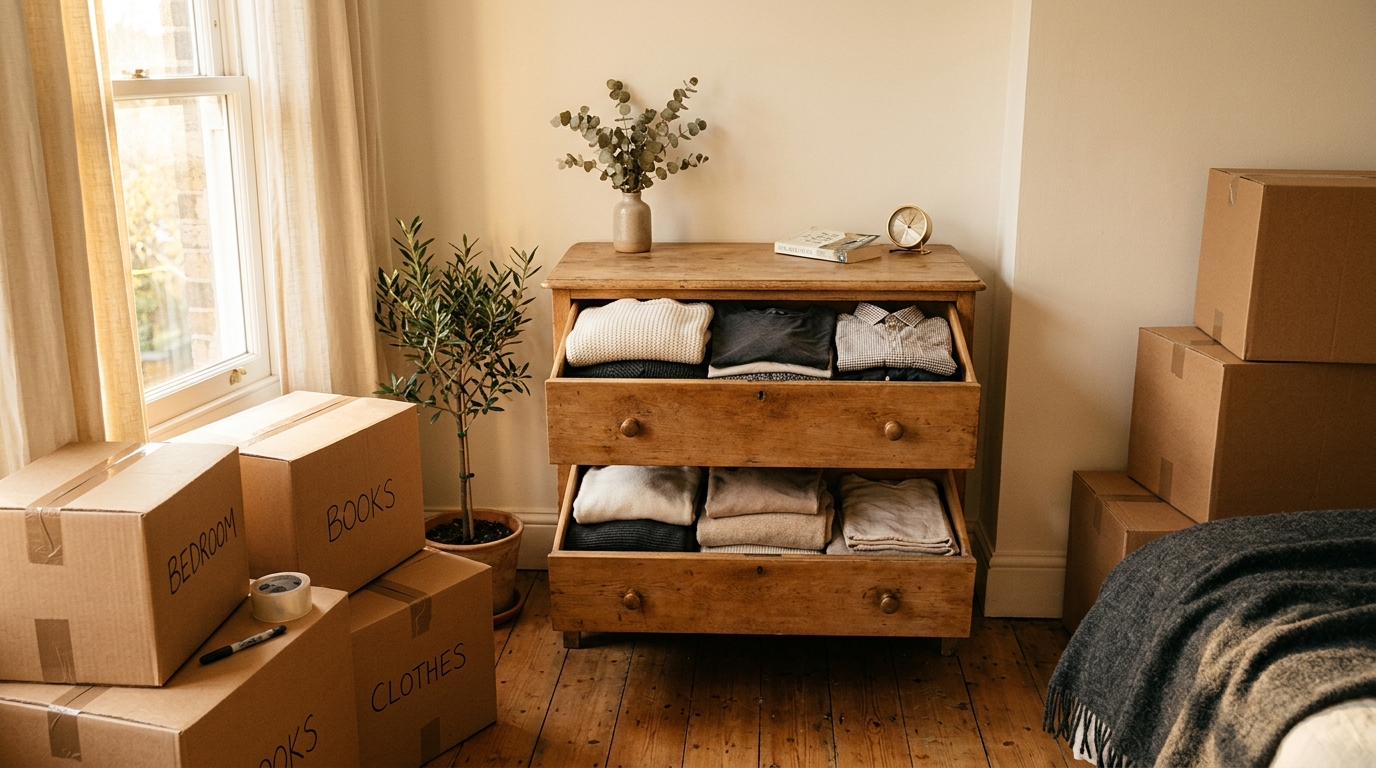
A standard six-drawer dresser holding folded clothes typically adds 30–60 lbs of weight across the piece. For a local move — same city, same building, down the street — most experienced movers will wrap the dresser in moving blankets, secure the drawers with stretch wrap or rubber bands, and carry it as-is. It saves you 20–30 minutes of packing time and means you have one less box to unpack at the other end.
The key conditions that make leaving clothes in the drawers safe:
- The dresser is solid wood or metal (not hollow-core particle board, which can flex and crack when loaded)
- The drawers are clothes, linens, or soft items only
- The distance is short — stairs, a truck, another flight of stairs
- The mover will secure the drawers before carrying (ask if you're not sure)
If your mover charges by the hour — which is typical for local moves — a heavier dresser can slow the carry and add time to your bill. Our guide to how movers charge by the hour explains exactly how those minutes add up.
When You Should Empty the Drawers
Empty the drawers completely in these situations:
1. Long-Distance or Interstate Moves
On a cross-country move, your dresser may ride in a packed truck for several days, shifting with braking, turns, and road vibration. A fully loaded drawer stresses the slides and dovetail joints repeatedly over hundreds of miles. Most long-distance movers will ask you to empty dressers entirely — and on weight-based pricing, everything in those drawers contributes to the total weight that determines your bill.
2. The Dresser Is Particle Board or Flat-Pack
IKEA-style and other flat-pack furniture is built for static loads, not the dynamic stress of being carried at an angle on a dolly. Loaded drawers can cause the bottom panel to bow or the entire carcass to rack. Empty it, disassemble it if possible, and bag the hardware.
3. The Drawers Contain Anything Hard, Fragile, or Valuable
Jewelry, small electronics, glass perfume bottles, framed photos, loose change, batteries — none of these belong in a moving dresser drawer. Hard items shift during transit, can crack the interior of the drawer, and may scratch surrounding clothes. Fragile items have no padding. And if something goes missing from an unsecured drawer, it is extremely difficult to file a successful damage or loss claim.
4. The Piece Has to Go Up or Down Stairs, Through a Tight Hallway, or Into an Elevator
Angling a dresser through a narrow doorway is significantly harder when it's loaded. The extra weight strains both the movers and the joints of the furniture. If your building has elevator restrictions or a tight loading dock, check out what to know about apartment and condo building moves — access logistics matter more than most people expect.
5. Antiques or High-Value Pieces
If the dresser itself is valuable — a genuine antique, a family heirloom, a solid hardwood piece worth thousands — empty it, wrap each drawer individually, and consider discussing specialty handling with your mover. The same care that applies to moving art, antiques, and collectibles applies to any piece where the item itself is the asset.
A Quick Decision Table
| Situation | Leave clothes in? | Notes |
|---|---|---|
| Local move, solid wood dresser, soft goods only | ✅ Usually fine | Confirm with mover; secure drawers |
| Local move, particle-board dresser | ❌ Empty it | Bottom can bow under load |
| Long-distance / interstate move | ❌ Empty it | Weight-based pricing + road vibration |
| Drawers contain jewelry, glass, or hard items | ❌ Always empty | Risk of damage and loss |
| Tight stairs, narrow hallway, elevator | ❌ Recommended to empty | Reduces carry weight and risk |
| Antique or high-value dresser | ❌ Empty + wrap each drawer | Discuss specialty handling |
While you’re reading
Skip the research — let Robert match you with movers.
Free quotes from movers in your area. Pick whichever is easiest.
What to Do With the Clothes You Remove
If you do empty the drawers, you don't have to box everything. A few faster options:
- Wardrobe box: Hanging items from the closet go here; folded items from drawers can fill the bottom.
- Suitcase or duffel: Treat clothes from the top two drawers as your "open first" bag — you'll need them within 24 hours of arriving.
- Large garbage bags (for soft items only): Perfectly acceptable for linens and towels going into a box or the back of the truck. Label the bag.
- Gallon zip bags for small items: Jewelry, accessories, and chargers should be in a labeled zip bag inside a box you personally supervise.
Getting your labeling system right pays dividends at the other end. Labeling moving boxes so you can find everything on day one is a five-minute read that will save you hours of searching.
What About Other Furniture With Drawers?
The same logic applies:
- Nightstands: Usually fine to leave a few soft items in; remove anything hard or breakable.
- Filing cabinets: Empty them entirely. Paper is extremely heavy — a two-drawer cabinet full of files can exceed 150 lbs — and hanging folders can jam during transit. On a weight-priced interstate move, paper adds up fast.
- Bedroom closets with built-in drawers: If the unit isn't moving (it's built in), obviously empty it. If it is moving, treat it like a dresser.
- Kitchen island drawers: Empty completely. Utensils, knives, and loose items are a safety hazard during carry and can scratch the interior.
For a full room-by-room picture of what to prep before the truck arrives, see getting your home ready before the movers arrive — it covers everything from appliance disconnects to elevator reservations.
One More Thing: Confirm During Your Estimate
Whatever you decide about the drawers, the best moment to align with your mover is during the estimate walkthrough — not the morning of the move. Walk them through each piece of furniture, point out heavy or fragile items, and ask directly: "Do you want the drawers emptied?" A mover who can't give you a clear answer, or who won't do a walkthrough at all, is worth a second look. You can find licensed, movers on our directory and check mover reviews before you commit to anyone.
Our team has 35+ years of hands-on service-provider experience, including an operator who ran a moving company for 18 years — and the single most common moving-day surprise we hear about is prep work the customer and mover never discussed. A five-minute conversation during the quote prevents almost all of it.
Ready to find a mover who'll walk you through exactly what to prep? Browse movers by state or ask Robert, our moving concierge, any question you have before booking day.
Frequently asked questions
Do movers require you to empty dresser drawers?
Most movers don't have a hard rule, but many will ask you to empty drawers for long-distance moves or heavy pieces. For local moves, soft items like clothes and linens are typically fine to leave in, provided the mover secures the drawers before carrying. Always confirm with your specific mover during the estimate walkthrough.
Is it okay to leave clothes in dresser drawers when moving?
Yes, in many cases — especially for a short local move with a solid-wood dresser. Remove anything hard, fragile, or valuable regardless of move distance. On long-distance interstate moves, most movers prefer the drawers emptied because of weight pricing and the stress of multi-day transit.
Will a full dresser cost more to move?
On hourly-rate local moves, a heavier dresser takes longer to carry, which can add a small amount of time to your bill. On long-distance moves priced by weight, everything in the drawers increases the total weight and therefore the cost. Emptying drawers before a weight-based move is one of the simplest ways to trim your bill.
What should never be left in dresser drawers when moving?
Never leave jewelry, small electronics, glass items, loose batteries, cash, important documents, or anything breakable in a drawer during a move. These items can shift, get damaged, or go missing — and recovering their value through a damage claim is difficult when the loss isn't discovered until after delivery.
Do movers wrap dresser drawers so they don't open?
Professional movers typically stretch-wrap the entire dresser or use rubber bands and moving bands to keep drawers closed during transit. If you're unsure, ask your mover before they start loading. You can also tape a folded moving blanket over the front of the dresser yourself as an extra layer of security.
What's the fastest way to pack dresser contents if I do need to empty them?
Use your suitcases and duffel bags for the clothes you'll need first — treat them as your "open immediately" bag. Large garbage bags work fine for linens and towels heading straight into a wardrobe box. Zip-lock bags are ideal for small accessories and jewelry. Label everything before it leaves the room.
Tagged