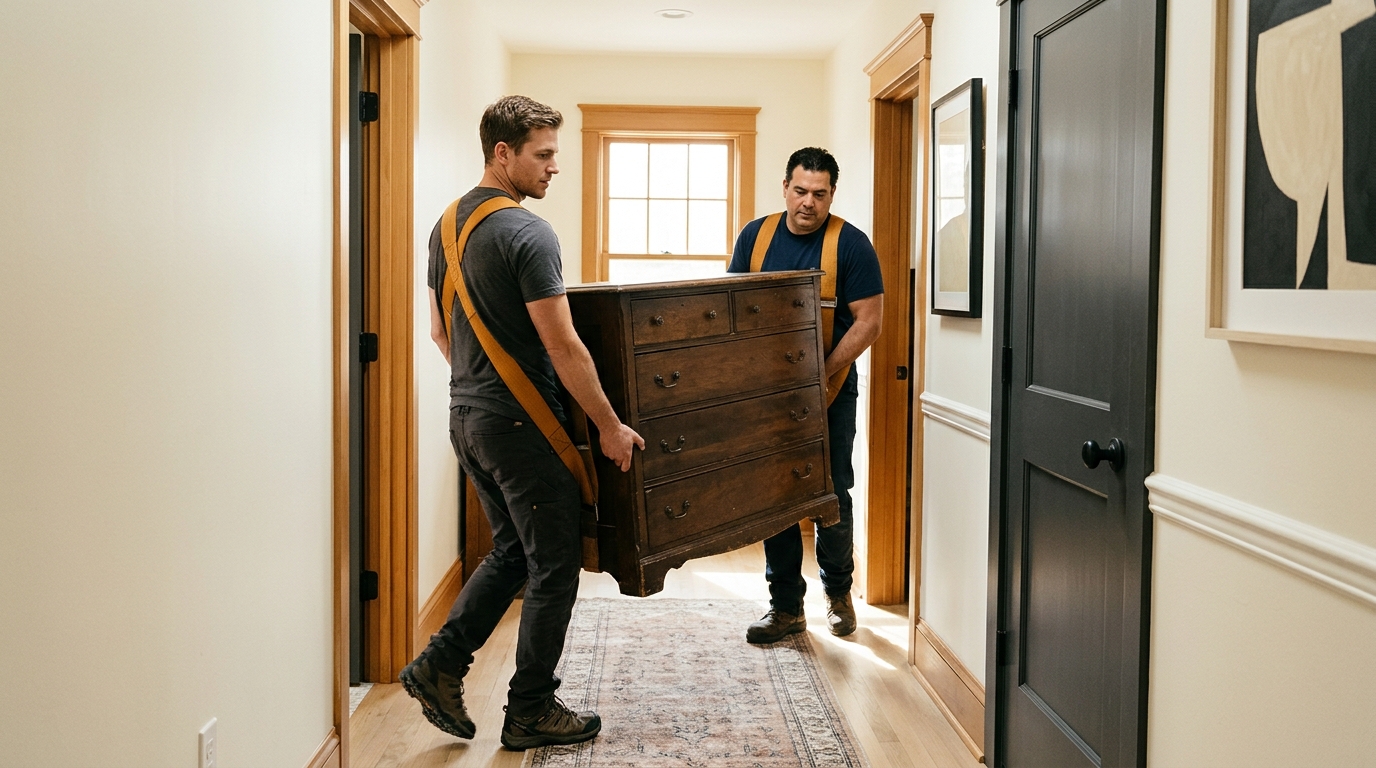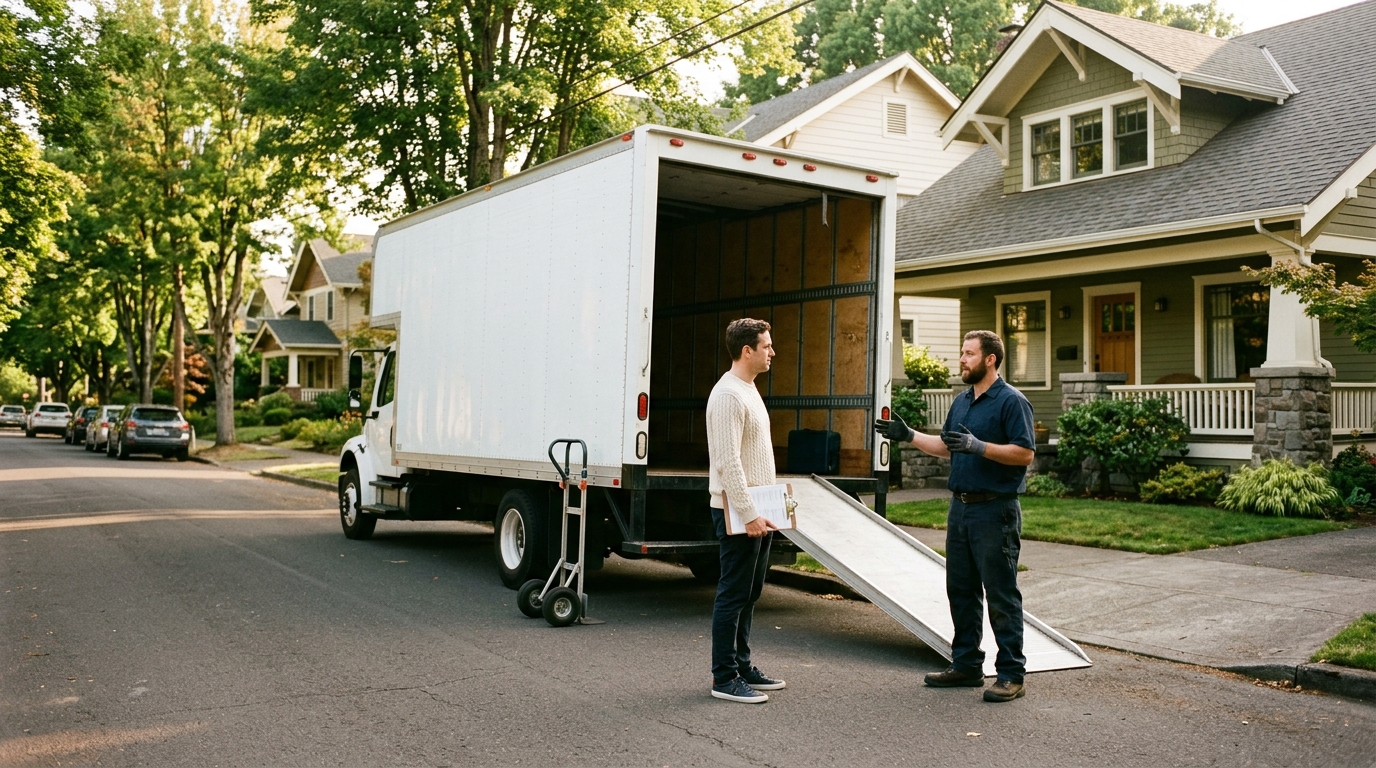
Licensed movers — whether local or long-distance — will refuse to load certain categories of items onto their trucks: hazardous materials that can ignite, explode, or corrode; perishable food and living things that can spoil or die in transit; items that could expose the company to legal liability; and valuables that no carrier liability system adequately covers. Knowing exactly what those categories are before moving day keeps your schedule intact and prevents your other belongings from being damaged by something that should never have been packed in the first place.
Why Movers Refuse Certain Items in the First Place
Movers operate under federal Department of Transportation regulations (for interstate moves) and state transport rules (for in-state moves) that prohibit carrying hazardous materials on commercial vehicles without a Hazmat endorsement — which household-goods carriers typically do not hold. Beyond legal compliance, carriers face actual liability for fire, explosion, or contamination damage to neighboring shipments. When a mover's contract lists prohibited items, that list has teeth: if a prohibited item causes damage to your other belongings, the carrier may deny your claim entirely.
Before you find movers and lock in a booking, run through this list so nothing gets left on the curb at the last minute.
The Full Prohibited-Items List
Hazardous Materials (the Non-Negotiables)
No reputable licensed mover will transport these. Period.
Flammables and combustibles:
- Propane tanks (even "empty" ones retain residual gas)
- Gasoline, lighter fluid, kerosene, diesel
- Charcoal and charcoal starter fluid
- Aerosol cans under pressure (spray paint, cooking spray, hairspray)
- Nail polish and nail polish remover
- Rubbing alcohol and hand sanitizer in large quantities
Corrosives and poisons:
- Bleach, ammonia, and pool chemicals
- Drain cleaners and oven cleaners
- Pesticides, herbicides, and fertilizers
- Car batteries (contain sulfuric acid)
- Paint thinner, turpentine, and solvents
Explosives and pressurized items:
- Ammunition and gunpowder (the firearm itself may be transported if properly unloaded and declared — confirm with your mover)
- Fire extinguishers (pressurized)
- Scuba tanks
Quick test: if the label says "flammable," "corrosive," "poisonous," or "oxidizer," assume the mover will not take it.
| Category | Common Examples | What to Do Instead |
|---|---|---|
| Flammables | Propane, gasoline, lighter fluid | Use up, donate, or drop off at a hazmat collection site |
| Corrosives | Bleach, pool chemicals, battery acid | Use up or dispose of through local hazmat programs |
| Pressurized containers | Fire extinguishers, scuba tanks | Discharge/depressurize per manufacturer, or leave for new owner |
| Ammunition | Bullets, gunpowder | Ship via licensed FFL dealer or drive it yourself |
| Pesticides / herbicides | Weed killer, bug spray concentrates | Dispose via county hazmat drop-off |
Perishable Food and Open Containers
Most movers will not load:
- Refrigerators and freezers that are still stocked with food
- Open containers of cooking oil, condiments, or pantry goods
- Fresh produce, dairy, or meat
- Homemade canned goods and fermented foods in unsealed jars
A long-distance move can take days; a leaking jar of tomato sauce or a bag of rotting produce can ruin furniture and clothing packed nearby. Plan to eat down your pantry in the two weeks before moving day, donate sealed non-perishables to a food bank, and pack only commercially sealed, shelf-stable items that you confirm your mover will accept.
Plants — Especially Across State Lines
Many movers decline live plants even on local moves (temperature extremes in the truck, spills, and pests are all concerns). On interstate moves, this becomes a regulatory issue: the USDA and individual state agriculture departments restrict or prohibit the transport of certain plants across state lines to prevent the spread of invasive pests and diseases. Our guide on moving plants across state lines walks through which states have the strictest rules and what documentation, if any, is required.
If your mover won't take your plants, transport them in your own vehicle — ideally in a climate-controlled car, not a hot trunk.
Valuables That Carriers Strongly Discourage (or Refuse)
Movers aren't legally required to refuse these, but most strongly advise against loading them — and their valuation coverage often makes a claim for loss nearly worthless:
- Cash, coins, and gift cards — no weight, no documentation, almost impossible to claim
- Jewelry, watches, and gemstones — our packing jewelry guide explains why these should travel with you personally
- Important documents — passports, birth certificates, Social Security cards, deeds, financial records
- Prescription medications — keep these with you in case of a delivery delay
- Irreplaceable items — family photos, heirlooms, one-of-a-kind artwork
For interstate moves, the carrier's Released Value option pays only 60 cents per pound per article — a $5,000 watch weighing 0.1 lb would recover a maximum of six cents. Even Full Value Protection has a depreciation component for many items. Anything irreplaceable or high-value should ride in your car.
"Conditionally Accepted" Items — Things That Require Prep or Disclosure
Some items aren't outright banned but require action on your part before the mover will load them:
- Lawn mowers, chainsaws, generators, and power equipment — must be completely drained of fuel and oil. Run the engine until it stalls to burn off residual gas.
- Propane grills — disconnect and purge the tank; many movers will take the grill body but not the tank.
- Vehicles on the truck — ride-on mowers and ATVs typically need to be drained and disclosed in advance; confirm with your carrier.
- Firearms — transport is legal if the gun is unloaded and properly stored, but you must declare it. Many movers will accept it; some won't. Ask before booking.
- Hazardous art supplies — oil-based paints, turpentine, and certain solvents fall under the hazmat rules above; water-based paints in sealed cans are generally fine.
- Alcohol — sealed commercial bottles are typically accepted for in-state moves; interstate transport of alcohol has additional state-law complications. Confirm with your mover.
While you’re reading
Skip the research — let Robert match you with movers.
Free quotes from movers in your area. Pick whichever is easiest.
What to Do With Prohibited Items Before Moving Day
1. Identify everything two to three weeks out. Walk room by room — garage, shed, laundry room, bathroom cabinets — with this list in hand. The garage is almost always the biggest source of prohibited items.
2. Use up what you can. Finish the charcoal. Use the propane on a final cookout. Work through the cleaning supplies.
3. Check your county's hazmat disposal program. Most counties run free household hazardous waste (HHW) drop-off events or permanent collection sites. Earth911.com maintains a searchable database by material and zip code.
4. Donate sealed, non-hazardous items. Food banks take shelf-stable goods. Neighbors often welcome half-used fertilizer or weed killer.
5. Carry the irreplaceables yourself. Pack a "travel box" or a dedicated bag with documents, medications, jewelry, and cash that comes with you — not on the truck.
Being well-prepared on this front is one of the things that separates a smooth moving day from a chaotic one. If you want a full moving-day prep rundown, our complete moving-day checklist covers everything from parking to last-minute walkthrough.
A Note on What Movers ARE Allowed to Move (That Many People Assume They Won't)
- Unopened, commercially sealed cleaning products — generally accepted
- Wine and liquor — accepted by most movers for in-state moves in sealed commercial bottles
- Guns (unloaded, properly stored, declared) — accepted by most carriers; ask first
- Seasonal decorations — fine, including candles (as long as they're not near heat sources)
- Non-motorized equipment — bicycles, push mowers, golf clubs
When in doubt, call the carrier and ask directly. A good mover will tell you exactly what they need from you before they'll load a borderline item.
Frequently Asked Questions
Can movers transport firearms?
Most licensed movers will transport unloaded firearms if they're properly stored in a locked case and you declare them in advance. Ammunition is a different matter — it's classified as a hazardous material and most carriers will not load it. Your safest options for ammo are to transport it in your own locked vehicle or ship it through a licensed FFL dealer. Always confirm your specific carrier's policy before moving day.
Will movers take partially used cleaning products?
It depends on the product. Water-based cleaners (dish soap, laundry detergent) in sealed containers are typically accepted. Bleach, ammonia, drain cleaners, and anything labeled corrosive or flammable are almost universally refused. When in doubt, use the product up, donate it to a neighbor, or take it to a county hazmat collection site.
Can I put food in my moving boxes?
Commercially sealed, shelf-stable food (canned goods, pasta, sealed condiments) is generally accepted. Open containers, refrigerated items, and fresh produce are not — both because of spoilage risk and because the smell and mess can damage other belongings. Plan to eat down your refrigerator in the week or two before your move.
What happens if I pack a prohibited item without telling the mover?
If the item causes damage — a leaking propane canister, a bottle of bleach that breaks open — the carrier may deny your damage claim for the affected belongings and, in some cases, the entire shipment. Undisclosed hazardous materials can also expose you to liability for damage to the truck or other customers' goods. It's not worth the risk.
Are plants always refused by movers?
Not always, but frequently. For local, in-state moves, some movers will accept potted plants if they're secured and not particularly large. For interstate moves, state agriculture restrictions often make transport legally complicated, and most carriers decline rather than navigate the paperwork. Your own vehicle is the most reliable option for plants you want to keep.
What should I do with a half-full propane tank before moving day?
Do not put it on the truck. Options: use it up on a final grill session, exchange it at a hardware store for store credit, offer it to a neighbor, or take it to a household hazardous waste collection site. Never attempt to puncture or vent a propane tank yourself.
Ready to book a carrier? Browse movers by state to find licensed movers in your area, or check mover reviews to see what other customers say before you commit. If you want a hand sorting through your options, reach out to Robert, our moving concierge.
Tagged