
Find movers near you
Movers in Houston.
Compare top-rated local and long-distance movers — and let Robert do the comparison for you.
Get Your Quote→Texas
Moving companies in Houston, TX.
Houston spans over 670 square miles with no zoning laws, making neighborhood research essential before you sign a lease. Our directory connects you with movers who know the difference between navigating Memorial Drive traffic and loading a Rice Village townhome — so your move runs smoothly in one of America's fastest-growing metros.
Robert
Online·Call for a quote
Hi — I'm Robert, and I'll help you find the right movers. Where are you moving from, and where are you headed? Prefer a live representative? Just say the word and I'll connect you, or use the call button for a quote anytime.
By chatting with Robert, you agree we may share your move details with movers in your origin city so they can contact you with a quote. We never sell or share your info outside this network. Privacy Policy.
Top movers in Houston
Houston movers worth a look.
A few of Houston’s top movers. Want a tailored recommendation? Use the Get quotes form below.
All Houston movers
27 movers serving Houston.

Local Movings
Houston, TX
★ 4.9 (883 reviews)
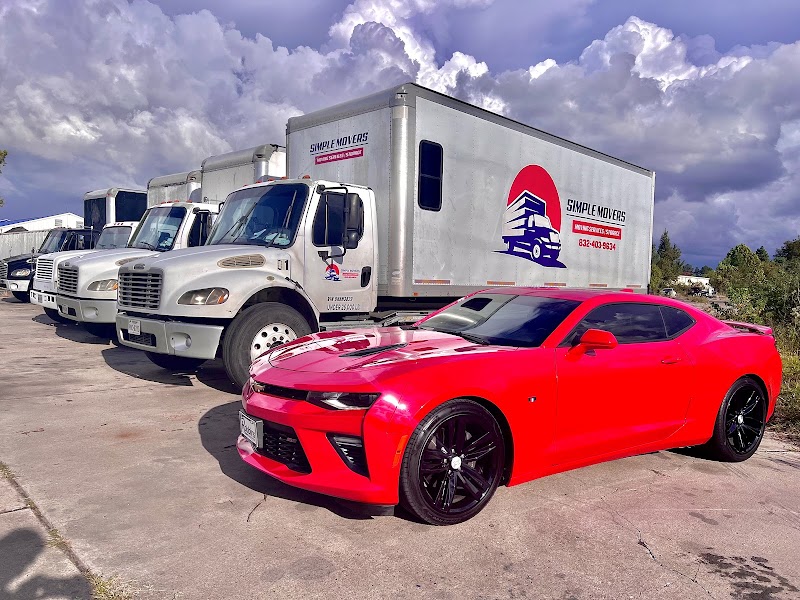
Simple Movers
Houston, TX
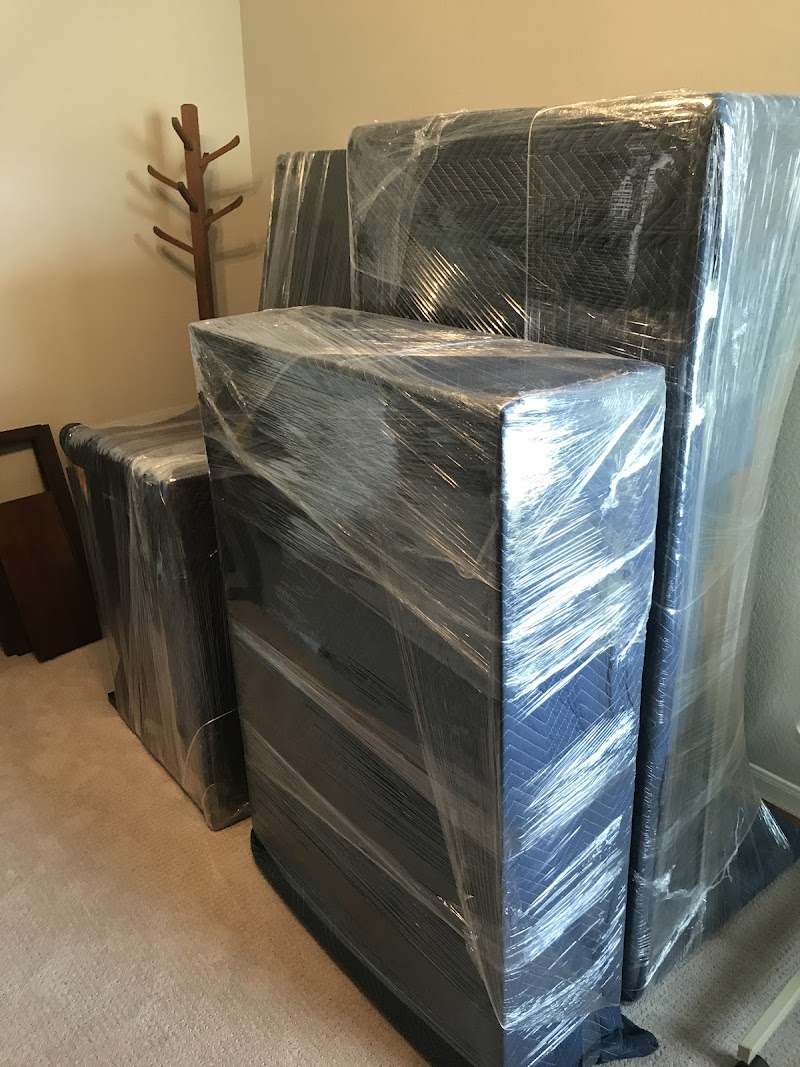
MAC'S PROFESSIONAL MOVERS
Houston, TX
★ 5.0 (31 reviews)

Competition Auto Transport
Houston, TX
★ 4.1 (8026 reviews)
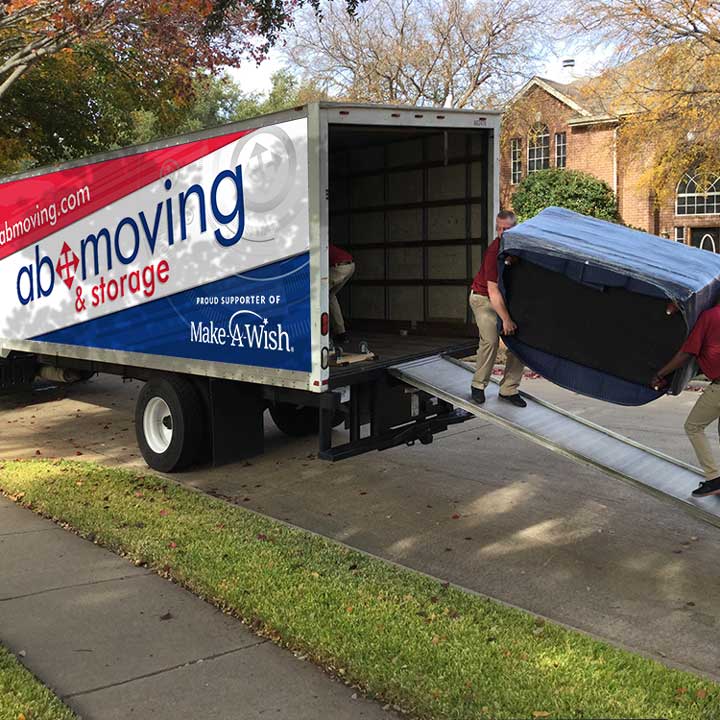
AB Moving
Houston, TX
★ 4.7 (2183 reviews)

Metti International Vehicle Transport & Car Shipping
Houston, TX
★ 4.9 (84 reviews)
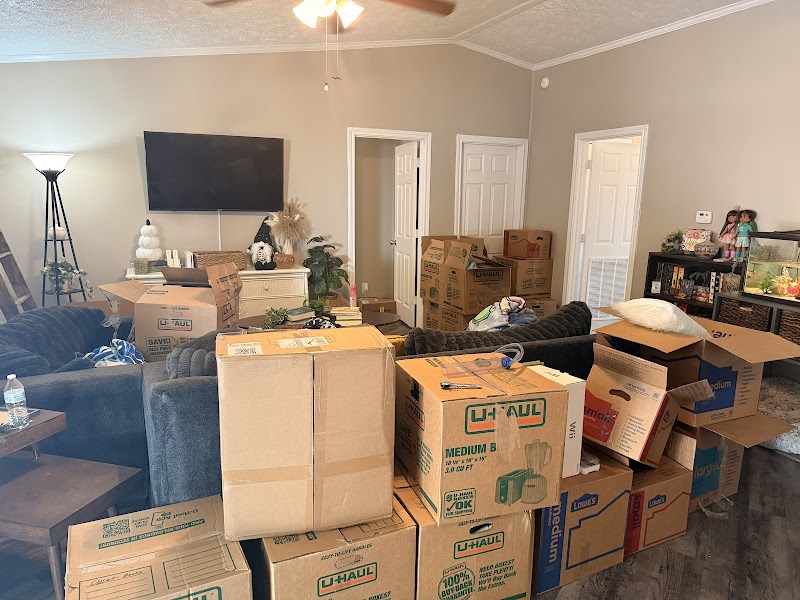
Houston Affordable Movers
Houston, TX
★ 4.6 (258 reviews)
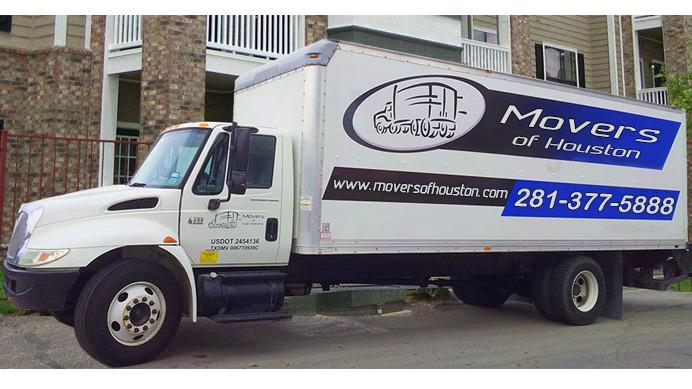
Movers of Houston
Houston, TX
★ 4.7 (440 reviews)
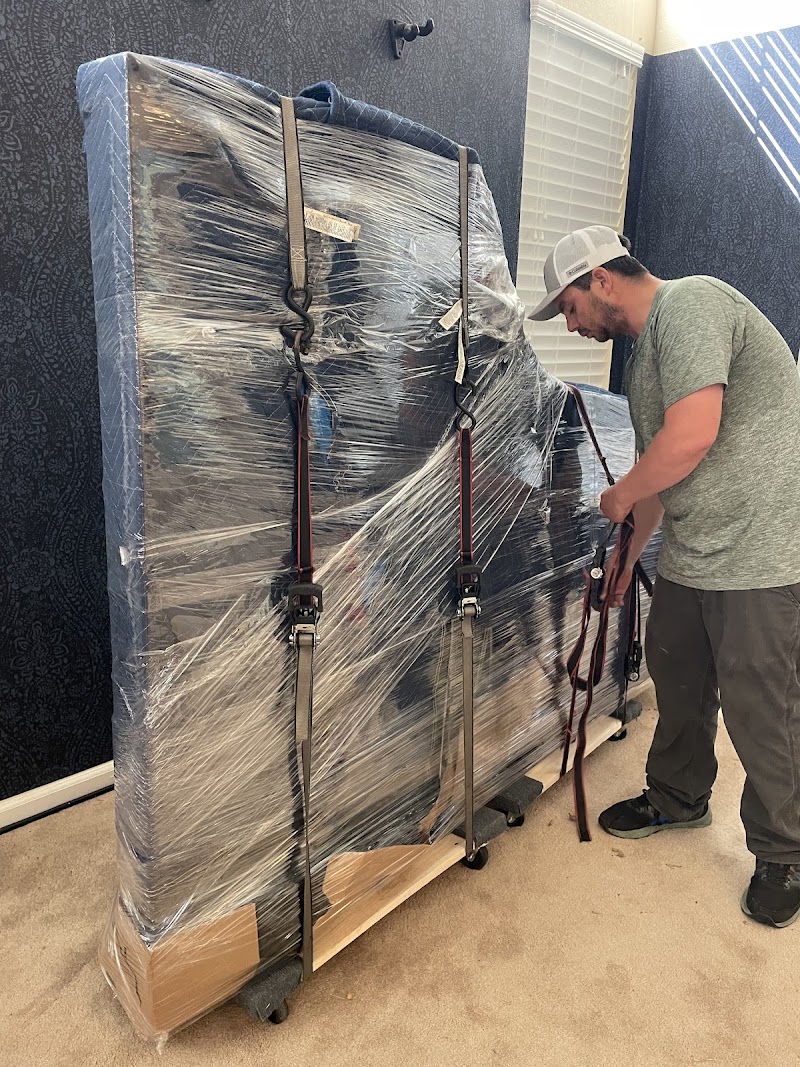
Star State Movers inc
Houston, TX
★ 5.0 (207 reviews)

Bantu Mover
Houston, TX
★ 4.8 (435 reviews)
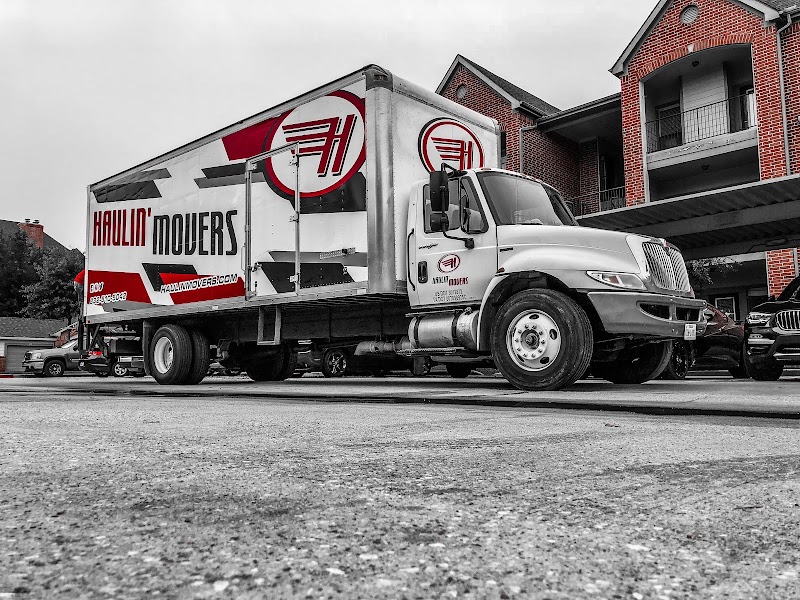
Haulin' Movers Houston
Houston, TX
★ 5.0 (294 reviews)
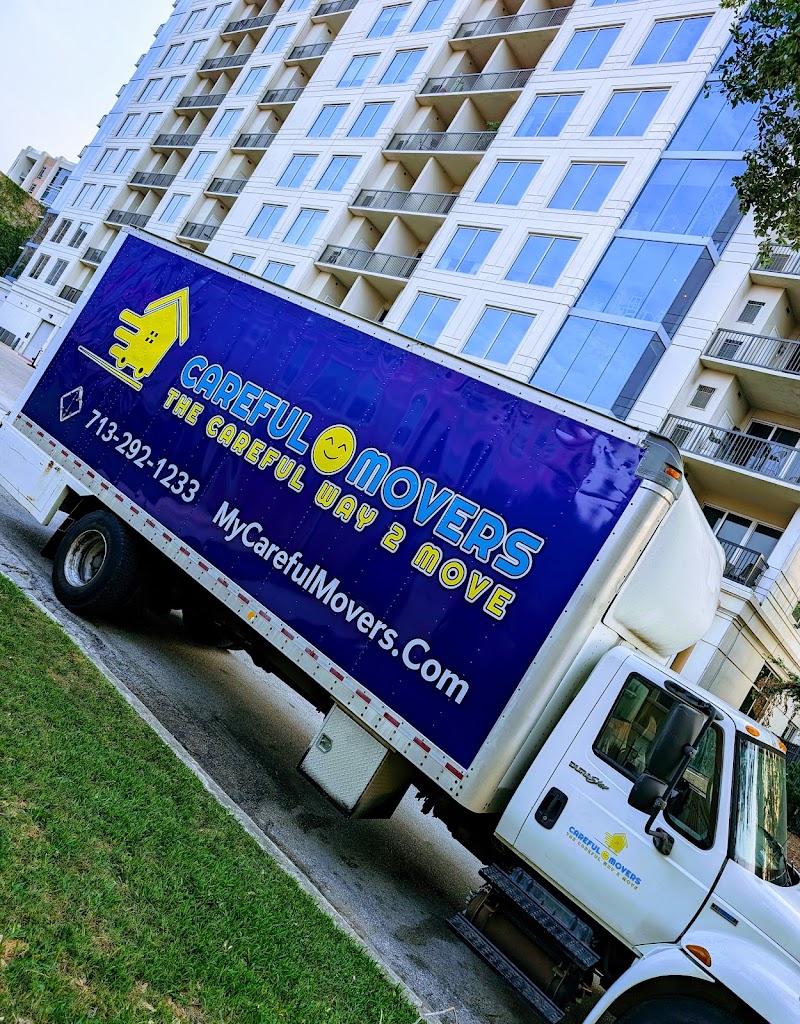
Careful Movers
Houston, TX
★ 4.8 (103 reviews)

Man with a Truck Houston Movers and Packers
Houston, TX
★ 4.9 (539 reviews)

H-Town Movers Houston
Houston, TX
★ 4.9 (2718 reviews)

Pack It Movers Downtown Houston
Houston, TX
★ 4.5 (88 reviews)
Movers near Houston
7 more movers within 50 miles of Houston.
Based in a neighboring town and serving Houston. Each one shows where it is based and how far that is, nearest first.
Clawtel Moving
Stafford, TX · 16 miles away
Moving by Design
Webster, TX · 19 miles away
A1 Absolute Movers
League City, TX · 23 miles away
On-Demand Moving Services
Katy, TX · 23 miles away
Optimus Moving Services
Katy, TX · 23 miles away

Howard’s Moving Co.
Conroe, TX · 35 miles away
★ 4.7 (28 reviews)
Lebox Storage
Conroe, TX · 38 miles away
Move planner
Two quick steps. A personalized plan in 30 seconds.
Robert builds a Houston-specific timeline, estimated cost range, and 3-mover shortlist tailored to your job. No forms. No spam. No commitment.
Step 1 of 2
Tell us about your move.
Distance
Property type
Property size
Zip codes (optional — sharpens the cost estimate)
When are you hoping to move?
Cost calculator
Houston moving cost ranges by home size
These ranges reflect typical Houston-market pricing for local moves (within metro, billed hourly) and long-distance moves. Actual costs vary by distance, access difficulty, floor level, specialty items, and season. Get written estimates from multiple movers before booking.
| Home size | Local (under 50 mi) | Regional (50-500 mi) | Cross-country (500+ mi) |
|---|---|---|---|
| Studio / 1BR | $350–$700 | $900–$1,800 | $1,500–$3,200 |
| 2BR | $600–$1,200 | $1,500–$2,800 | $2,400–$4,500 |
| 3BR house | $900–$1,800 | $2,200–$4,000 | $3,500–$6,500 |
| 4BR+ house | $1,400–$2,800 | $3,500–$6,500 | $5,500–$10,000+ |
Skip the guesswork
Get matched with professional Houston movers.
Robert, our moving concierge, lines up quotes from movers who actually serve your route — free, no obligation.
Local movers in Houston
Local moving in Houston is priced hourly — you're paying for the crew and truck together, with most companies charging a 2–3 hour minimum and rates that commonly run $100–$180 per hour for a two-person crew, rising to $150–$250+ per hour for three movers on larger homes. The single biggest variable on a Houston bill is access: whether your crew can park a 26-foot truck at the door or has to carry furniture across a parking lot, up a flight of stairs in a mid-rise, or through a narrow townhome staircase in neighborhoods like Midtown, Montrose, or the Heights.
What drives your local move cost in Houston
- Home size & crew needed — a studio may move comfortably with 2 movers; a 3BR Houston home in the suburbs often warrants 3–4.
- Building & stair access — multi-story townhomes (extremely common in Inner Loop neighborhoods) and apartment complexes with elevator reservations add time to the clock.
- Parking & street access — tight driveways in the Heights or loading docks in high-rise Greenway Plaza buildings mean longer carry distances and longer jobs.
- Time of month & season — end-of-month and summer moves (May–August) are peak demand; booking mid-month or mid-week can mean better availability and sometimes lower rates.
- Packing services — full or partial packing by the crew is billed at the same hourly rate and can add several hours to the job.
Houston's sprawling layout means your move is technically "local" even if you're crossing from Katy to Clear Lake — well over 30 miles. Confirm with your mover whether they charge a travel/drive time fee on top of the hourly clock, and if you're moving into or out of an Inner Loop apartment or townhome, ask ahead about elevator reservation windows or whether a street-parking spot can realistically accommodate a full-size moving truck.
Ready to compare options? Browse movers in Houston to get matched with local crews who know the city's neighborhoods inside and out.
Neighborhood guide
Houston neighborhoods: what movers need to know
Montrose
Eclectic, walkable, arts-forward inner loop
Median 2BR rent: ~$1,600–$2,200/mo for 1BR
Street parking is extremely limited on narrow residential streets; movers typically request a 30-minute parking hold from the City of Houston or park the truck on Westheimer and shuttle items.
The Heights
Historic bungalows, young families, craft breweries
Median 2BR rent: ~$1,800–$2,600/mo for 1BR
Many 1920s–1940s craftsman homes have steep porch stairs, narrow doorways, and no garage, so movers should plan extra pad-wrap time and confirm furniture dimensions in advance.
Midtown
Dense, walkable, young-professional apartment corridor
Median 2BR rent: ~$1,500–$2,100/mo for 1BR
High-rise and mid-rise buildings along Main Street require certificate of insurance (COI) and elevator reservation, often with at least 72 hours' notice to building management.
Rice Village / West University
Upscale, residential, near Rice University and TMC
Median 2BR rent: ~$2,200–$3,200/mo for 2BR
Tree-lined streets with overhead canopy can obstruct large box truck movement; many crews use 26-ft trucks max or stage on Kirby Drive and carry items in.
The Woodlands
Master-planned suburb, top-rated schools, corporate campuses
Median 2BR rent: ~$1,900–$2,800/mo for 2BR
HOA communities here often require movers to use designated service entrances and submit proof of insurance to the HOA before move day — confirm requirements at least a week out.
Sugar Land
Affluent southwest suburb, large South Asian community
Median 2BR rent: ~$1,800–$2,600/mo for 2BR
Many Sugar Land subdivisions are gated; movers need a gate code or a resident to meet them at the entrance, and some communities restrict moving-truck access to weekday daytime hours.
EaDo (East Downtown)
Up-and-coming, artists, new construction, stadium adjacent
Median 2BR rent: ~$1,400–$2,000/mo for 1BR
Rapid new construction means addresses are frequently not yet in GPS systems; send movers a pin drop and flag any active construction-zone detours on Commerce Street.
Katy
Family-oriented west suburb, great schools, energy-corridor workers
Median 2BR rent: ~$1,700–$2,400/mo for 2BR
I-10 westbound into Katy is one of the nation's widest freeways but still congests badly during evening rush; schedule unloading arrival before 2:30 PM or after 7 PM on weekdays.
Common routes
Where Houstonians move — and what it costs
Houston → San Antonio, TX
~200 mi west via I-10
$1,800–$3,200
One of the most common Texas intrastate moves, driven by military transfers to Joint Base San Antonio and tech/healthcare job shifts between the two metros.
Houston → Austin, TX
~165 mi northwest via US-290 or I-10/I-35
$1,600–$2,800
Austin's tech boom has made the Houston-to-Austin corridor one of the busiest in Texas, with energy professionals and remote workers relocating frequently.
Houston → Dallas–Fort Worth, TX
~240 mi north via I-45 to I-35E
$2,000–$3,600
Corporate relocations between Houston's energy sector and DFW's financial and telecom hubs make this route a consistent volume driver year-round.
Houston → New Orleans, LA
~350 mi east via I-10
$2,400–$4,000
A well-traveled Gulf Coast corridor popular with oil-and-gas workers, port-industry employees, and families with ties to both cities.
Houston → Phoenix, AZ
~1,175 mi west via I-10
$3,800–$6,500
Sun Belt retirees and remote workers increasingly make this long-haul move, often shipping vehicles separately to avoid desert-heat driving.
Houston → Chicago, IL
~1,090 mi north via I-45/I-55
$3,500–$6,200
Energy-sector professionals transferring to Midwest corporate headquarters and students heading to Big Ten or Midwestern grad programs drive this route.
Honest prices beat estimates
Want an actual quote for your Houston move?
Tell Robert the basics and get matched in minutes.
Local figures
Houston in numbers.
What the homes are
HoustonUnited States
- Detached houses
- 43% in Houston61% in United States
- Townhouses
- 5% in Houston6% in United States
- Buildings of 2 to 4 homes
- 7% in Houston8% in United States
- Buildings of 5 to 19 homes
- 18% in Houston9% in United States
- Buildings of 20 or more homes
- 26% in Houston10% in United States
Rent, home values and income
| Figure | Houston | Texas | U.S. |
|---|---|---|---|
| Median monthly rent | $1,313 | $1,339 | $1,348 |
| Median home value | $253,400 | $260,400 | $303,400 |
| Median household income | $62,894 | $76,292 | $78,538 |
| Households that rent | 58% | 37% | 35% |
| Residents who moved in the past year | 17% | 14% | 13% |
Source: U.S. Census Bureau, American Community Survey 2019-2023 5-year estimates.
When to move
Best and worst months to move in Houston
Jan
off
Mild temperatures (highs in the low 60s) make January one of the most physically comfortable months to move in Houston, with mover availability high and rates typically at their annual low.
Feb
off
Generally favorable, but Houston is vulnerable to rare but severe winter freezes (as in February 2021); check the 10-day forecast and have a contingency plan if a hard freeze is forecast.
Mar
shoulder
Spring demand begins to build as corporate relocation cycles kick off; weather is pleasant, but book movers 3–4 weeks out as schedules start filling.
Apr
shoulder
April is arguably Houston's best moving month — low humidity, mild temps, and moderate mover demand before the summer rush; afternoon thunderstorms are possible but manageable.
May
peak
School-year-end moves begin in May; demand spikes sharply and the heat index starts climbing, so book 4–6 weeks ahead and plan for an early morning start.
Jun
peak
Full summer peak — movers are heavily booked, rates are at or near annual highs, and heat indexes routinely exceed 105°F, slowing crews and requiring extra hydration breaks.
Jul
peak
The hottest and busiest month in Houston's moving calendar; if you must move in July, start at 7 AM or earlier and expect crews to slow significantly after noon.
Aug
peak
Demand stays at peak levels driven by university move-ins (UH, Rice, University of St. Thomas) and last-chance school-year relocations — book 6–8 weeks ahead.
Sep
peak
Hurricane season peaks in September; tropical weather can cause last-minute move cancellations, so purchase mover cancellation protection and watch NHC forecasts closely.
Oct
shoulder
Demand eases and temperatures drop into the 70s–80s; October is an underrated sweet spot for Houston moves — good availability, lower rates, and much more comfortable working conditions.
Nov
off
A low-demand month with pleasant weather; avoid the Thanksgiving holiday week when many crews take time off and elevator reservations at apartment complexes are hard to get.
Dec
off
Mover availability is generally good in early December, but the holiday week (Dec 23–Jan 1) sees skeleton crews and many building management offices are closed for elevator scheduling.
Permits + local rules
Houston permit and access rules movers need to know
City of Houston moving permits (public ROW)
Houston does not require a specific 'moving permit' for standard residential moves on public streets, but if a moving truck needs to occupy a travel lane or sidewalk for an extended period in a congested area (common in Midtown or Downtown), a Temporary Traffic Control Permit from Houston Public Works may be required. For most residential suburban moves, no street permit is needed.
Temporary Traffic Control Permit: ~$50–$150 depending on scope; apply at least 5 business days ahead via Houston Public Works.
Apartment and high-rise elevator reservations
Nearly every mid-rise and high-rise apartment complex in Houston requires movers to reserve a freight elevator in advance. Building management typically also requires a certificate of insurance (COI) naming the property as additionally insured. Failing to arrange this in advance is the single most common cause of move-day delays in Houston's urban core. Some complexes also require a refundable damage deposit.
COI typically free from your mover's insurer; elevator deposit ~$200–$500 refundable; reserve 48–72 hours minimum, 1 week preferred.
HOA move-in rules (suburbs)
Houston's large master-planned communities — The Woodlands, Sugar Land, Cinco Ranch, Pearland, and similar subdivisions — commonly have HOA rules governing move-in hours (often 8 AM–5 PM weekdays only), truck access routes (service roads vs. main entrances), and required proof of mover insurance. Contact the HOA management office at least one week before your move to get the specific requirements in writing.
No permit fee in most cases; HOA notification required 5–7 business days in advance; some HOAs charge a one-time move-in admin fee of $100–$300.
Oversize load routes (large items / specialty moves)
Moving an oversize or overweight load — a manufactured home, large safe, or commercial equipment — through Houston city limits requires a TxDOT or City of Houston oversize/overweight permit. Certain routes through the Port of Houston area and along the Ship Channel have specific restrictions. Specialty movers handling pianos, safes, or commercial equipment should confirm load dimensions and weight well in advance.
Oversize permit fees vary by load and route, typically $30–$200 for standard oversize; apply through TxDOT TexasPermits.com or city portal at least 3–5 business days ahead.
Flood zone disclosure and insurance
While not a moving permit, Houston's extensive FEMA flood-zone map is practically relevant for moves: many storage facilities and ground-floor units in floodplain-mapped zones have flooding history. If you're storing items in a facility or moving into a low-lying area, confirm the property's flood-zone designation (easily checked at FEMA's Flood Map Service Center) and ensure your moving company's liability coverage addresses water/flood damage exclusions clearly.
No fee; check FEMA FIRM maps at msc.fema.gov before committing to a storage unit or ground-floor lease in Houston.
About moving to Houston
What you should know before you book.
Houston is the fourth-largest U.S. city and the economic engine of the Gulf Coast, anchored by the energy sector, the Texas Medical Center, and the Port of Houston. Unlike every other major American city, Houston has no traditional zoning code, which produces a famously eclectic urban fabric — a bungalow next to a high-rise next to a strip mall is genuinely common. The metro sprawls across Harris County and into Fort Bend, Montgomery, Brazoria, and Galveston counties, meaning 'Houston' for moving purposes can easily mean a 40-mile drive between pickup and drop-off. That scale, combined with high humidity, hurricane season, and a complex freeway network, makes local moving expertise genuinely valuable.
Economy and job market
Houston's economy is anchored by oil and gas, petrochemicals, and the world's largest medical complex — the Texas Medical Center employs over 100,000 people. Aerospace (NASA's Johnson Space Center is in Clear Lake), port logistics, and a growing tech sector add diversity. Inbound relocations are heavily driven by energy-company transfers and healthcare hiring, which means mid-year corporate moves are extremely common.
Geography and sprawl
Houston proper covers roughly 670 square miles, and the metro extends well beyond that into bedroom communities like Sugar Land, The Woodlands, Pearland, and Katy. The flat Gulf Coastal Plain geography means flooding is a genuine concern in many neighborhoods — FEMA flood-zone status is something savvy movers and residents check before committing to a property. The ship channel and bayou network also create occasional route detours.
Climate and timing
Houston's climate is subtropical — hot and humid from May through September, with average highs in the low 90s and heat-index values routinely over 100°F. Afternoon thunderstorms are frequent in summer, and the Atlantic hurricane season (June–November) can bring flooding events with little notice. Winters are mild but occasionally see hard freezes that can disrupt moves, as the February 2021 winter storm demonstrated dramatically.
Cultural and lifestyle diversity
Houston is one of the most ethnically diverse large cities in the United States, with significant Vietnamese, Latino, South Asian, and Nigerian communities, among dozens of others. That diversity shows up in neighborhood character, restaurant scenes, and local business density. The city is also notably car-dependent; Metro bus and light rail (METRORail) serve some corridors, but most residents relocate assuming they will drive daily.
Houston moving FAQ
Common questions, locally answered.
How far in advance should I book a Houston mover?
+
For summer moves (May–August), book 6–8 weeks in advance — Houston's moving market gets very tight as the school year ends. For fall and winter moves, 2–4 weeks is generally sufficient. University move-in weekends at UH, Rice, and HBU can also create short-duration local demand spikes in mid-August. Corporate relocation moves tied to the energy industry often need to be coordinated with employer relocation packages, which can add lead time.
What should I know about Houston's traffic when planning a move?
+
Houston's freeway system — I-10, I-45, I-610, Beltway 8, and US-59/I-69 — is extensive but heavily congested during morning (7–9 AM) and evening (4–7 PM) rush hours. The 'Spaghetti Bowl' interchange near Downtown is particularly unpredictable. For moves within the inner loop or along major corridors like Westheimer and Memorial Drive, schedule truck arrival before 8 AM or after 10 AM. Midday moves on weekdays typically see the smoothest traffic.
Does Houston flood? How does that affect moving?
+
Yes — Houston has a well-documented flooding history tied to its flat terrain, clay soils, extensive impervious cover, and its position in a hurricane-prone region. Major flood events (Harvey 2017, Tax Day Flood 2016, Memorial Day Flood 2015) have caused widespread property damage. Before scheduling a move, check the 10-day weather forecast and the Harris County Flood Control District's alert system. If tropical weather threatens, reputable movers will discuss postponement options, and you should confirm your mover's cancellation/postponement policy in writing.
What does a local move in Houston typically cost?
+
Local Houston moves (under 100 miles) are generally billed hourly. For a 2-bedroom home, expect 3–5 hours of labor plus a truck fee, typically totaling $500–$1,200 depending on crew size, distance between addresses, number of stairs, and access complexity. Large houses or moves involving specialty items (pool tables, gun safes, antique furniture) will cost more. Always get a written binding estimate and clarify whether fuel, truck fees, and materials are included.
Do I need to tip Houston movers?
+
Tipping is customary but not required. The industry standard in Houston is roughly $20–$50 per mover for a half-day job and $40–$80 per mover for a full day, adjusted upward for exceptional service, very heavy loads, or moves in extreme summer heat. Cash is preferred by most crews. If your crew handled a particularly difficult move — steep stairs, oppressive heat, difficult access — tipping generously is a widely appreciated gesture.
How do I handle moving during a Houston summer?
+
Start as early as possible — 7 AM is common, and some crews prefer even earlier for summer moves. Provide cold water, sports drinks, and occasional short breaks in air conditioning. Confirm your origin and destination both have working AC before the crew arrives; loading into a hot, non-air-conditioned home dramatically slows work. Heat stress is a genuine occupational hazard in Houston summers, and good movers will pace accordingly — don't interpret brief rest breaks as inefficiency.
Are there specific rules for moving into a Downtown Houston high-rise?
+
Yes. Downtown and Midtown high-rises (think buildings along Main Street, Bagby Street, or in Midtown) universally require advance freight elevator reservations, typically 48–72 hours minimum. You'll need a COI from your mover naming the building management as additionally insured — get this from your mover's broker at least a week ahead. Some buildings only allow moves between 8 AM and 5 PM on weekdays, and many impose a refundable elevator damage deposit of $200–$500.
What's the best way to move to Houston from out of state?
+
For long-distance moves to Houston, full-service interstate movers (FMCSA-licensed, with a USDOT number) are your main option for household goods. Get binding estimates from at least three carriers; avoid brokers who cannot name the actual carrier upfront. Houston is a major destination hub, so transit times from most U.S. cities are reasonable — typically 3–10 business days for standard van lines. For moves from California or the Northeast, hybrid options (renting a portable container you pack yourself) are increasingly popular and often 20–30% cheaper than full-service.
Do I need a parking permit for a moving truck in Houston neighborhoods?
+
For most Houston residential neighborhoods, parking a moving truck on the street does not require a permit — Houston's street parking regulations are relatively permissive compared to cities like NYC or San Francisco. However, if your truck needs to block a travel lane (common on narrow inner-loop streets in Montrose, Midtown, or EaDo), you may need a Temporary Traffic Control Permit from Houston Public Works. In practice, most neighborhood moves proceed without any permit.
Should I buy additional moving insurance for a Houston move?
+
Standard carrier liability in Texas is 60 cents per pound per item under basic 'Released Value' coverage — essentially nothing for electronics or antiques. For a Houston move, consider purchasing 'Full Value Protection' from your mover or a third-party moving insurance policy. This is especially important if you own high-value items, are moving during hurricane season (when transit delays and weather exposure risk increases), or are storing items in a facility with flood-zone exposure. Ask your mover specifically what is and is not covered.
What are the most common mistakes people make when moving within Houston?
+
The top mistakes: underestimating the city's size (a 'short' cross-town move can still be 20–30 miles each way), not reserving apartment freight elevators far enough in advance, scheduling a peak-summer move without an early start time, not confirming HOA move-in rules before move day, and hiring an unlicensed mover to save money (Texas requires movers operating for hire to register with TxDMV). Also, don't pack refrigerators and freezers too early — the heat will cause food to spoil very quickly in Houston summers.
How do I verify a Houston moving company is licensed in Texas?
+
Texas movers operating for compensation must hold a TxDMV Household Goods Carrier permit. You can verify a company's registration at the Texas Department of Motor Vehicles website (txdmv.gov) by searching their name or permit number. For interstate moves, verify the carrier's USDOT and MC numbers through the FMCSA's SAFER database (safer.fmcsa.dot.gov). A legitimate Houston mover should be able to provide both their TxDMV permit number and USDOT number promptly on request.
Moving away from Houston?
Relocation guides from Houston.
Costs, distance, and what to expect for popular moves out of Houston.
Long distance movers in Houston→Houston → Austin, TX
~147 mi
Read the guide →Houston → San Antonio, TX
~190 mi
Read the guide →Houston → Dallas, TX
~225 mi
Read the guide →Houston → Atlanta, GA
~701 mi
Read the guide →Houston → Denver, CO
~878 mi
Read the guide →Houston → Phoenix, AZ
~1,015 mi
Read the guide →Houston → Alabama
Statewide move
Read the guide →Houston → Arkansas
Statewide move
Read the guide →Houston → Kansas
Statewide move
Read the guide →Houston → Louisiana
Statewide move
Read the guide →Houston → Mississippi
Statewide move
Read the guide →Houston → Oklahoma
Statewide move
Read the guide →Nearby cities
Movers in cities close to Houston.
Stafford, TX
about 16 miles away
Webster, TX
about 19 miles away
Katy, TX
about 23 miles away
League City, TX
about 23 miles away
Conroe, TX
about 38 miles away
Browse moving companies in other Texas cities, or explore the full directory by state.
Get your moving quote
Many ways to get a moving quote.
Chat, text, email, or call — whichever’s easiest. Tell Robert about your move and matching movers in your city reach out, usually within a few minutes.