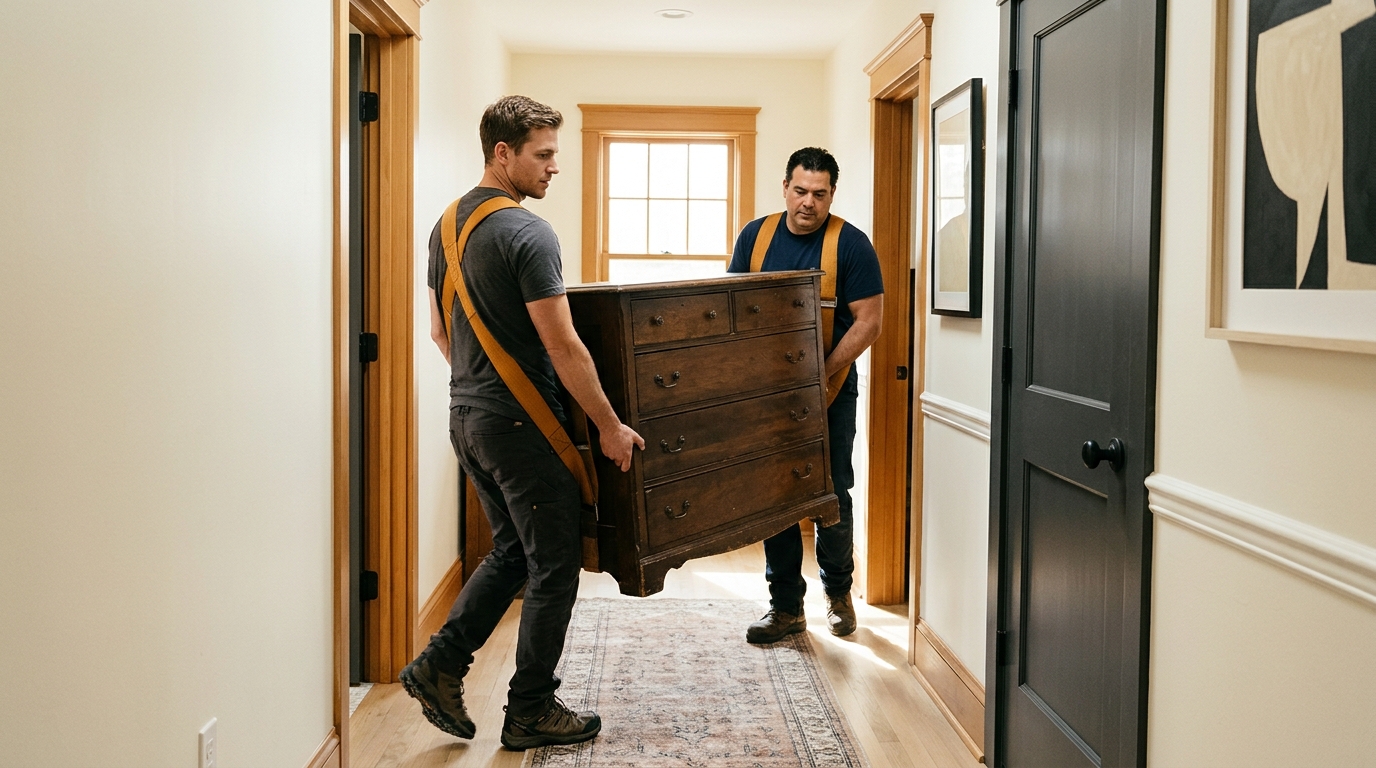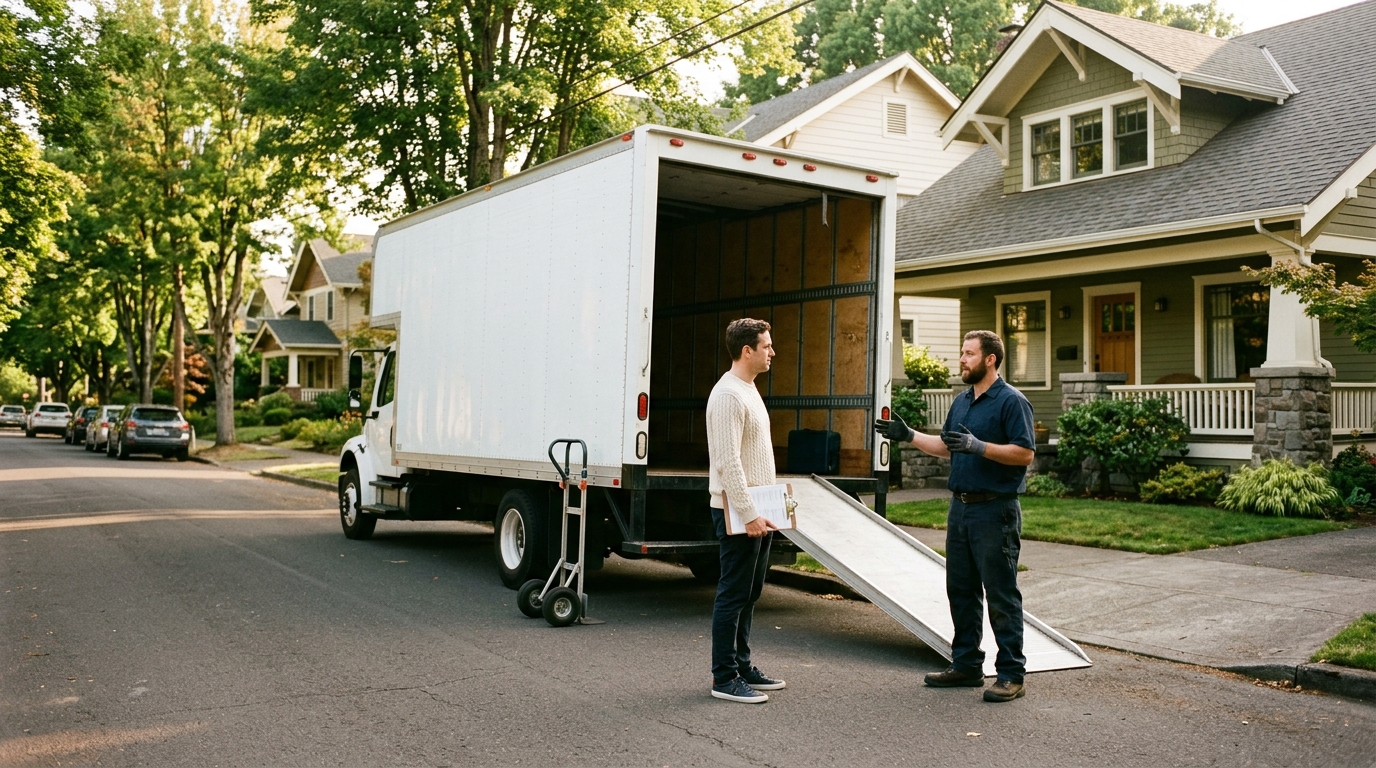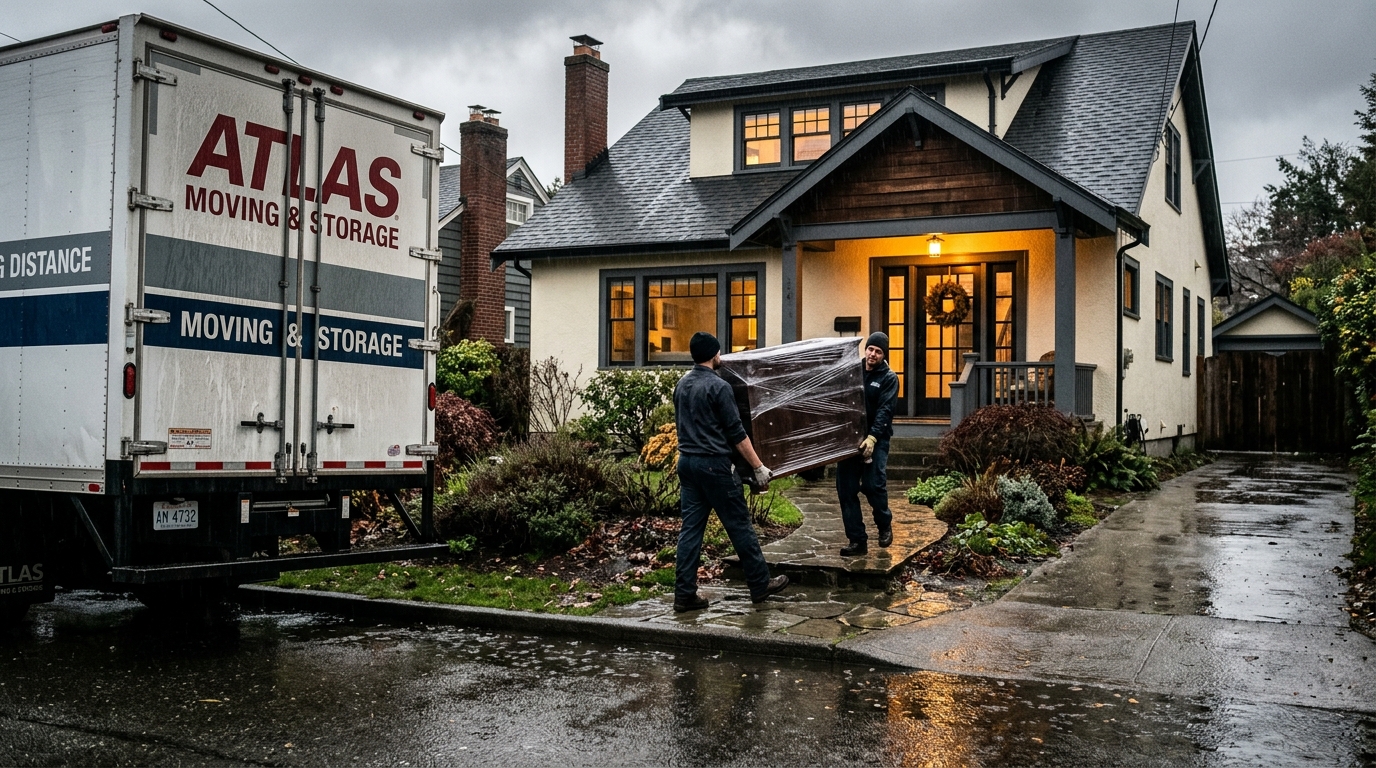
Yes, movers work in the rain. Professional moving companies almost never cancel a move due to rain alone — rain is weather, not a safety emergency, and a scheduled move represents committed labor, a reserved truck, and often a deposit. What rain does change is how the day is managed: pacing slows, protective measures increase, and both you and the crew need to be ready for extra steps.
Will Your Movers Cancel If It Rains?
Almost certainly not. Canceling costs both sides — you may have a lease or closing deadline, and the mover has a crew on the clock. Outright cancellations typically happen only for severe conditions like ice, flooding, a declared state of emergency, or sustained winds that make loading a truck genuinely unsafe. Ordinary rain — even heavy rain — is a proceed-with-care situation, not a stop.
If you're worried about an upcoming forecast, call your mover the day before. Ask specifically:
- Do you have a weather policy in the contract?
- Will you add extra plastic wrap or padding at no charge?
- Is there a rain or weather surcharge?
Getting those answers in writing is always smart. While you're reviewing the paperwork, make sure you've read through how to read a moving contract so every clause is clear before moving day.
What Professional Movers Do Differently in the Rain
Experienced movers adapt their workflow rather than halt it. Here's what typically changes:
- More furniture wrapping. Moving blankets and plastic stretch wrap go on everything — upholstered pieces, mattresses, electronics, wood furniture. If your mover doesn't do this automatically, ask them to.
- Carpet and floor protection. Crews often lay down floor runners or cardboard to protect hardwood, laminate, and carpet from muddy boot traffic. Ask your mover whether they bring this material or whether you should have some ready.
- Slower carry pace. Wet walkways, slippery ramps, and reduced visibility mean the crew moves more deliberately. That's the right call — it prevents injuries and dropped items — but it can add time to an hourly job.
- Staged loading under cover. Good crews stage furniture near the doorway or under an overhang and then move in a quick burst to the truck. This minimizes the time items spend in open rain.
- Truck positioning. If possible, the driver will back the truck as close to the door as the driveway allows, shortening the exposed carry distance.
- Tarps over open truck beds. On hybrid or open-bed moves, tarps should be tied down over anything not yet in an enclosed cargo area.
What You Can Do Before the Truck Arrives
Your preparation on a rainy move day matters as much as the crew's. Do these before the movers get there:
- Clear the path. Move outdoor furniture, garden hoses, garden tools, and anything that creates a trip hazard off walkways and the driveway.
- Put down floor protection yourself. Buy a roll of rosin paper or a box of carpet film from a hardware store (~$15–$30). Lay it on your floors before the crew arrives.
- Box everything — no loose items. Rain is not the time for open laundry baskets or unbagged goods. Sealed boxes stay dry; open piles don't.
- Bag your mattress. Mattress bags cost $5–$15 at a moving supply store and are the single best investment for a rainy move. Even well-wrapped mattresses can absorb moisture in transit.
- Set up a staging spot inside. Clear a hallway or garage area where movers can temporarily set items that need rewrapping or a quick dry-off before going deeper into the house.
- Protect electronics last. Pack your TV, gaming equipment, and home office gear in their original boxes if you still have them, or in double-walled boxes lined with garbage bags.
If you're still pulling things together, getting your home ready before the movers arrive has a full pre-move checklist worth running through.
Does Rain Affect the Moving Bill?
It can. Here's what to watch for:
| Scenario | Likely cost impact |
|---|---|
| Move is hourly; rain slows the pace | More hours = higher bill |
| Mover charges a weather or materials surcharge | Ask upfront; get it in writing |
| Mover adds extra wrap/plastic on their own | Often included; sometimes billed as a materials fee |
| Move is priced for the whole job (fixed price) | No change — you pay the agreed amount regardless |
| Cancellation by the mover due to extreme weather | Check your contract for rescheduling terms |
If your move is billed hourly, rain can genuinely add 30–60 minutes to a typical job. That's not the crew padding the clock — it's the physics of wet ramps and careful carry. For a deeper look at how the hourly billing works, see how movers charge by the hour and what drives the bill.
While you’re reading
Skip the research — let Robert match you with movers.
Free quotes from movers in your area. Pick whichever is easiest.
Who Is Responsible If Your Belongings Get Water Damage?
This is the part most people don't think about until something goes wrong.
For interstate moves, FMCSA rules (49 CFR 375) require the mover to offer valuation coverage. Full Value Protection means the mover must repair, replace, or pay the replacement value of damaged items. The free alternative — Released Value — limits the mover's liability to 60 cents per pound per article, and applies only if you sign a written waiver choosing it. Valuation is the mover's liability level, not an insurance policy; separate moving insurance is optional and state-regulated.
Water damage claims can be tricky because movers often argue that the weather — not their handling — caused the damage. To protect yourself:
- Document condition before loading. Take photos of furniture, electronics, and boxes before they leave your home.
- Note any damage on the delivery receipt immediately. A note on the receipt is not a formal claim — it's a record. You must file a separate written claim.
- File within 9 months of delivery for interstate moves. The mover must acknowledge your claim within 30 days and resolve it within 120 days.
For in-state moves, state rules govern. Check with your state's consumer protection or transportation regulator for the specifics in your state. Our guide to filing a moving damage claim walks through the process step by step.
Should You Reschedule a Rainy Move?
Sometimes. Consider rescheduling if:
- The forecast shows flooding, thunderstorms with lightning, or ice — conditions that create actual safety hazards.
- You're moving specialty items like a piano, large artwork, or antiques that are especially vulnerable to moisture. (See our guide to moving art, antiques, and collectibles for what those moves require.)
- Your new home has no covered entry, the driveway is unpaved, or the layout makes wet carries unusually risky.
- Your mover's contract has a no-penalty rescheduling window and your move date has flexibility.
If none of those apply, the practical answer for most moves is: proceed, prepare, and communicate clearly with your crew.
Quickly Comparing Your Options in Wet Weather
| Option | Best for | Trade-off |
|---|---|---|
| Proceed as planned | Most moves with routine rain | Add protection steps, budget for potential extra time |
| Reschedule | Severe weather, irreplaceable items | Only works if your timeline allows it |
| Partial move (stage into garage first) | Heavy rain, large home | Requires garage or covered space; may mean two trips |
Frequently Asked Questions
Do movers charge extra for moving in the rain?
Some do, some don't. Whether it's a materials surcharge for extra plastic wrap or simply more hours on an hourly job, ask before moving day. A mover who refuses to discuss weather policy upfront is a yellow flag. Get any surcharge terms in writing before you sign.
Can rain actually damage my furniture during a move?
Yes, if items aren't properly wrapped. Upholstered pieces can absorb moisture and develop mold if stored wet. Wood furniture can warp. Electronics are the highest risk — even a few drops inside a component can cause lasting damage. Proper wrapping and sealed boxes dramatically reduce that risk.
What if the movers refuse to work because of rain?
If rain alone causes them to walk off without a clause in the contract that allows it, you may have grounds for a dispute. Check your contract's cancellation and force majeure clauses. If the mover is licensed, you can also contact your state's consumer protection agency or, for interstate moves, file a complaint with FMCSA.
Should I tip movers less if rain slows the job down?
No — if anything, a hard day in the rain warrants recognizing the extra effort. Tipping is discretionary, but a crew that gets your belongings in safely on a miserable day has earned it. Our local move tipping guide covers what's fair and when to hand it over.
Does my renter's or homeowner's insurance cover moving damage from rain?
Policies vary significantly. Some cover items in transit; many don't. Call your insurance provider before moving day and ask specifically about transit coverage. Separate moving insurance — available from third-party providers — is an option if your mover's valuation coverage feels thin.
How can I find a mover who handles wet-weather moves well?
Look at mover reviews and filter for move-day experience — reviewers often mention how crews handled challenging conditions. Then confirm the mover's USDOT number is active on FMCSA's search tool before you book. You can find movers in your area and compare your options before committing to anyone.
Rain is one of the most common moving-day worries, and for good reason — but it's rarely a reason to panic or postpone. With the right preparation, a good mover, and a clear conversation before the truck rolls, most rainy-day moves go off without a hitch.
If you'd like a hand sorting through movers or just want to talk through your specific situation, reach out to Robert, our moving concierge, through the directory.
Tagged