
Find movers near you
Movers across Florida.
Compare top-rated local and long-distance movers — and let Robert do the comparison for you.
Get Your Quote→Florida · FL
Moving companies in Florida.
320 movers across 65 cities in Florida — local, long-distance, and specialty handling. Compare listings, get transparent quotes, and use our honest cost guide before you book.
Robert
Online·Call for a quote
Hi — I'm Robert, and I'll help you find the right movers. Where are you moving from, and where are you headed? Prefer a live representative? Just say the word and I'll connect you, or use the call button for a quote anytime.
By chatting with Robert, you agree we may share your move details with movers in your origin city so they can contact you with a quote. We never sell or share your info outside this network. Privacy Policy.
Top movers in Florida
Florida movers worth a look.
A few of the top movers statewide. Want a tailored recommendation? Chat with Robert above.
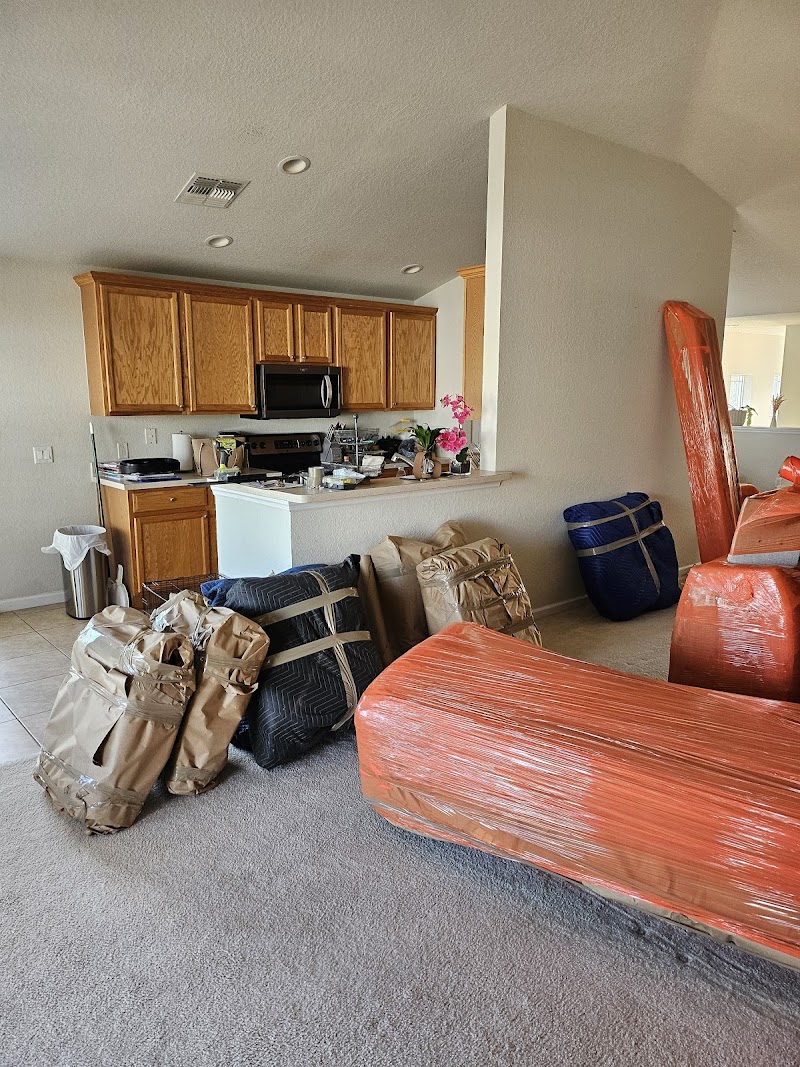
All movers
Every mover in Florida.
Sorted by best match. Click any card for the full profile and contact details.
Tactical Moving Company
Orlando, FL

Your Hometown Mover
Boca Raton, FL
★ 4.2 (5 reviews)
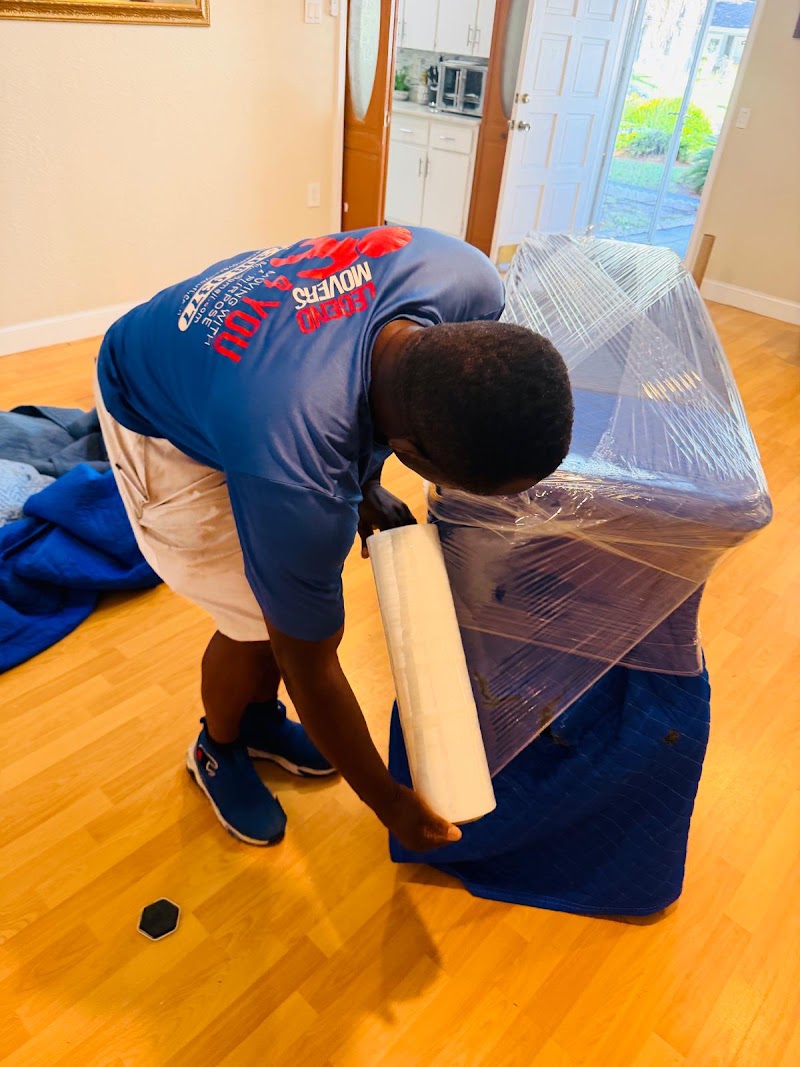
Legend Movers 4 You
Orlando, FL
★ 4.9 (420 reviews)
Grand Moving & Storage
Seminole, FL
USDOT #4001264
Teleport Moving and Storage (Tampa)
Tampa, FL
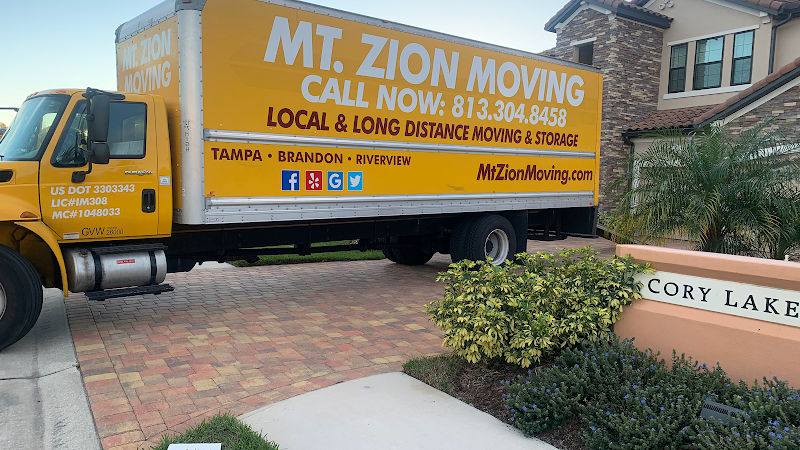
Mt zion moving
Tampa, FL
★ 4.8 (457 reviews)

Legacy Moving Services Tampa, FL
Tampa, FL
USDOT #2078980
A-Team Moving Service
Orlando, FL
A-Plus Affordable Moving Solutions
Tampa, FL
★ 5.0 (7 reviews)
Affordable Movers & Storage
Tampa, FL
★ 3.8 (15 reviews)

E&S Moving Co
Miami, FL
★ 5.0 (1 reviews)
Wrap It Up Movers
Jacksonville, FL
★ 5.0 (16 reviews)
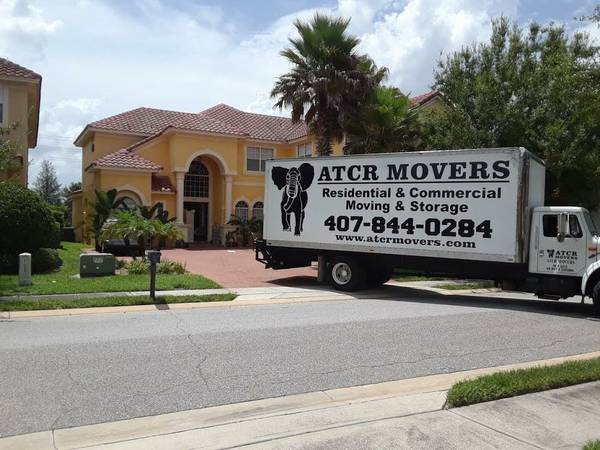
Atcr Movers
Orlando, FL
★ 3.9 (183 reviews)
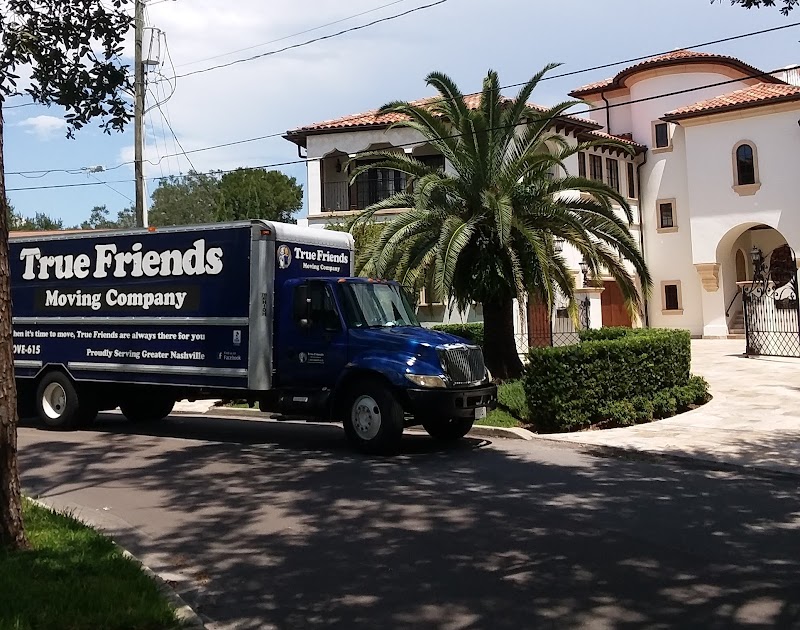
4 Friends Moving - Tampa
Tampa, FL
★ 4.8 (142 reviews)
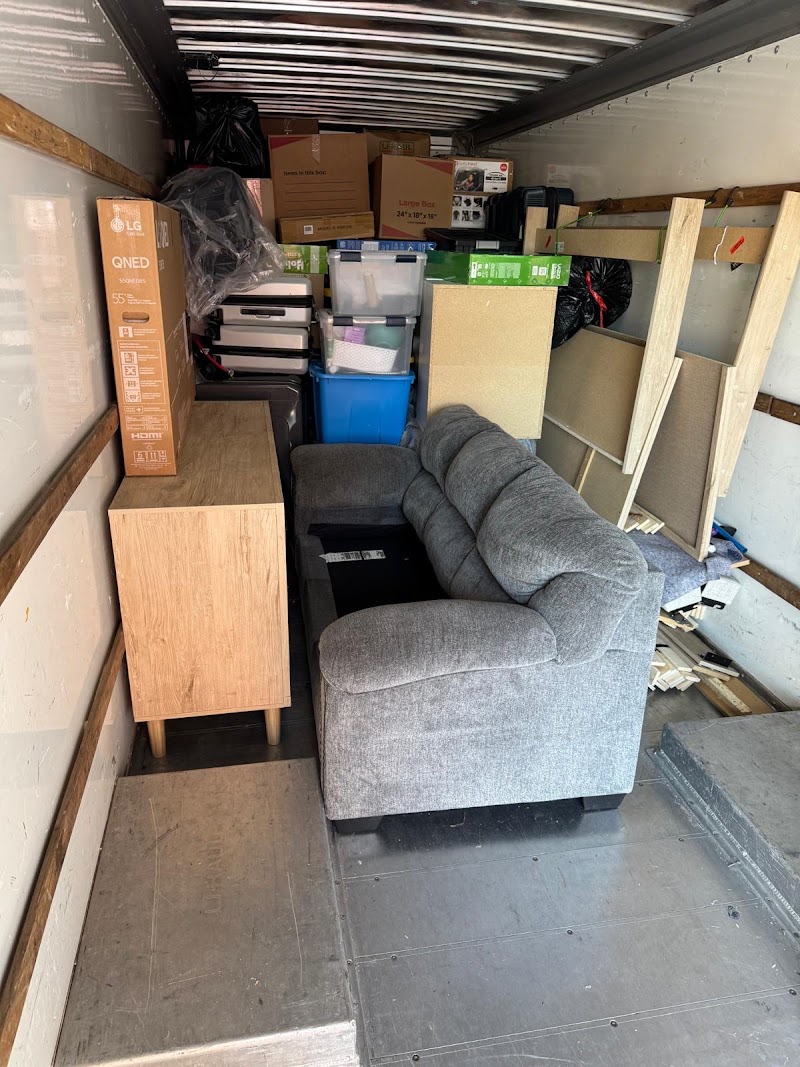
Z Movers & Removers LLC
Fort Myers, FL
★ 5.0 (4 reviews)
Cities in Florida
Jump to movers in your city.
65 Florida cities have moving companies listed.
Tampa
82 movers listed
Miami
73 movers listed
Orlando
59 movers listed
Fort Lauderdale
7 movers listed
West Palm Beach
6 movers listed
North Port
5 movers listed
St. Petersburg
5 movers listed
Naples
4 movers listed
Palm Bay
4 movers listed
Tallahassee
4 movers listed
Hollywood
3 movers listed
Jacksonville
3 movers listed
Lakeland
3 movers listed
Ocala
3 movers listed
Pompano Beach
3 movers listed
Bonita Springs
2 movers listed
Clearwater
2 movers listed
Coral Springs
2 movers listed
Hallandale Beach
2 movers listed
Lantana
2 movers listed
Largo
2 movers listed
Altamonte Springs
1 mover listed
Apopka
1 mover listed
Boca Raton
1 mover listed
BOCA RATON
1 mover listed
Bradenton
1 mover listed
Cape Coral
1 mover listed
Deerfield Beach
1 mover listed
Florida City
1 mover listed
Fort Myers
1 mover listed
Fort Pierce
1 mover listed
Fruitland Park
1 mover listed
Gainesville
1 mover listed
Grand Island
1 mover listed
Hialeah
1 mover listed
Holiday
1 mover listed
Jensen Beach
1 mover listed
Jupiter
1 mover listed
Lady Lake
1 mover listed
Lauderdale Lakes
1 mover listed
Melbourne
1 mover listed
Mount Dora
1 mover listed
North Miami Beach
1 mover listed
Oakland Park
1 mover listed
Odessa
1 mover listed
Opa-locka
1 mover listed
Pace
1 mover listed
Palm Coast
1 mover listed
Palm Harbor
1 mover listed
Pembroke Park
1 mover listed
Pinellas Park
1 mover listed
Plantation
1 mover listed
Punta Gorda
1 mover listed
Rotonda West
1 mover listed
Sanford
1 mover listed
Sarasota
1 mover listed
Seminole
1 mover listed
Spring Hill
1 mover listed
Sunny Isles Beach
1 mover listed
Sunrise
1 mover listed
Thonotosassa
1 mover listed
Valrico
1 mover listed
Winter Park
1 mover listed
Winter Springs
1 mover listed
Zephyrhills
1 mover listed
About moving in Florida
What shapes a Florida move.
Florida is one of the busiest moving states in the country, consistently ranking among the top destinations for domestic migration. Retirees from the Northeast and Midwest, remote workers from high-cost metros, and families priced out of states like New York and California drive a massive inbound flow. At the same time, rising home prices, flood insurance costs, and hurricane exposure push a notable share of Floridians toward Georgia, Tennessee, and the Carolinas. The state's size — nearly 450 miles from Pensacola to Key West — means intrastate moves can rival interstate hauls in complexity and cost.
Hurricane Season Timing Matters
Florida's Atlantic and Gulf hurricane season runs June through November. Moving during this window means potential delays, last-minute cancellations, and higher demand for storage if a storm threatens. Many experienced Florida movers recommend scheduling between December and April when weather is predictable and truck availability is better. If you must move in summer, build buffer days into your timeline and confirm your mover's weather-delay policy in writing.
Large Intrastate Market
Moving from Miami to Orlando, Tampa to Jacksonville, or Naples to Gainesville can cover 200–350 miles entirely within Florida. These moves require movers registered with the Florida Department of Agriculture and Consumer Services (FDACS) under the Movers Registration Program, not just a federal USDOT number. Always verify your mover's Florida registration number for any in-state move, as unlicensed operators are a documented problem statewide.
Seasonal Population Swings
Florida's snowbird season — roughly October through April — floods Southwest Florida, the Palm Beaches, and the Space Coast with part-time residents. This creates a surge in demand for short-term storage, small moves, and delivery services. Movers in Naples, Sarasota, and Boca Raton often book up weeks in advance during peak snowbird arrival and departure windows. Planning your move outside these peaks can meaningfully reduce both cost and scheduling friction.
No State Income Tax Drives Inbound Migration
Florida's absence of a state income tax is a primary driver of migration from New York, New Jersey, California, and Illinois. High-income earners, retirees on investment income, and business owners see significant financial benefit from relocating. This consistent demand keeps Florida's moving market competitive but also busy, meaning movers in Miami, Tampa, and Orlando often have limited availability during peak winter months. Getting quotes three to four weeks out is advisable.
Anywhere in the state
Find a mover anywhere in Florida.
Tell Robert where you're headed and get matched with professional local + long-distance movers — free.
Cost of living
Cost of Living Across Major Florida Metros
Florida's cost of living varies dramatically by metro. Miami and Naples rank among the most expensive housing markets in the Southeast, while Jacksonville and Tallahassee remain relatively affordable. No state income tax offsets some costs, but property insurance — especially in coastal areas — has surged significantly in recent years, affecting relocation budgets and the decision about where within Florida to land.
| Metro | COL Index | What to expect |
|---|---|---|
| Miami | 123 | Rents run roughly $2,200–$2,800 for a 2BR; property insurance costs are among the highest in the continental U.S. |
| Tampa | 112 | A 2BR apartment averages around $1,800–$2,300; housing costs have risen sharply since 2020 but remain below Miami levels. |
| Orlando | 108 | Rents for a 2BR typically range $1,700–$2,200; a large inventory of new construction keeps prices more competitive than coastal metros. |
| Jacksonville | 100 | One of Florida's more affordable large metros, with 2BR rents around $1,400–$1,800 and lower flood insurance exposure than South Florida. |
| Naples / Fort Myers | 118 | Upscale coastal market with 2BR rents ranging $2,000–$2,800; post-Hurricane Ian rebuilding has further tightened supply and raised costs. |
| Tallahassee | 95 | The most affordable major Florida metro, with 2BR rents around $1,200–$1,600, driven partly by a large university and state-government workforce. |
Common routes
Most Common Long-Distance Moving Routes To and From Florida
Florida → New York
~1,280 mi
$3,500–$7,500
The New York–Florida corridor is one of the busiest interstate moving routes in the country, driven by retirees and remote workers leaving the tristate area for South Florida metros like Miami, Fort Lauderdale, and Boca Raton.
Florida → Georgia
~350–500 mi
$1,800–$4,200
Jacksonville and Miami residents frequently relocate to Atlanta for job opportunities, lower housing costs, and reduced hurricane exposure, making this a high-volume corridor along I-95 and I-75.
Florida → Texas
~1,050–1,200 mi
$2,800–$6,000
Texas draws Florida residents seeking lower home prices and a similarly no-income-tax environment, with moves typically running along I-10 from Jacksonville or Tampa westward.
Florida → North Carolina
~650–800 mi
$2,200–$5,000
The Carolinas are a growing destination for Floridians leaving high-cost coastal areas, offering four seasons, lower flood insurance rates, and more affordable housing than South Florida.
Florida → California
~2,700–2,900 mi
$4,500–$9,500
While migration more commonly flows from California to Florida, a notable reverse flow exists among entertainment, tech, and entertainment industry workers, making this a legitimate though less common long-haul route.
Florida → Tennessee
~700–900 mi
$2,400–$5,200
Nashville and Knoxville attract Floridians looking for no state income tax, lower cost of living, and reduced hurricane risk, with I-75 serving as the primary corridor from Tampa and Orlando.
Licensing + rules
Florida Moving Regulations: What You Need to Know
Florida Intrastate Mover Registration (FDACS)
Any company moving household goods entirely within Florida must register with the Florida Department of Agriculture and Consumer Services (FDACS) under the Florida Movers Registration Program. Registered movers receive a IM number. Always ask for this number before signing a contract for an in-state move and verify it on the FDACS website.
Intrastate movers register with FDACS under Florida Statute Chapter 507; confirm current status at fdacs.florida.gov.
Interstate Moves Require USDOT / FMCSA Authority
Movers crossing state lines must hold operating authority from the Federal Motor Carrier Safety Administration (FMCSA) and carry a USDOT number. You can verify any interstate mover's license, insurance status, and complaint history through the FMCSA's online database. Florida-based interstate movers must comply with federal tariff and liability disclosure rules.
Verify interstate movers at safer.fmcsa.dot.gov before booking.
Written Estimates and Binding Agreements
Florida law requires licensed movers to provide a written estimate before beginning a move. Movers must offer either a binding or non-binding estimate and cannot demand payment beyond the agreed amount without written consent. If a mover refuses to provide a written estimate or demands large cash payments upfront, this is a red flag for an unlicensed or fraudulent operation.
Florida Statute Chapter 507 governs written estimate and payment requirements for intrastate movers.
Liability and Valuation Coverage
Florida movers are required to offer released-value protection (typically $0.60 per pound per article) at no extra charge for intrastate moves, though this provides minimal reimbursement for high-value items. Full-value protection is available for an additional cost. Review your homeowner's or renter's insurance policy to check whether it covers goods in transit before declining supplemental mover coverage.
Valuation options should be disclosed in writing; released value is not the same as insurance.
Prohibited Practices and Hostage Load Protections
Florida law prohibits movers from holding goods hostage by demanding payment above the written estimate amount before releasing a shipment. If a mover attempts this, you have the right to file a complaint with FDACS (for intrastate moves) or FMCSA (for interstate moves). Documenting all communications and keeping copies of your estimate and contract is strongly advised.
Report hostage-load violations to FDACS at 1-800-HELPFLA or FMCSA at 1-888-368-7238.
Florida moving FAQ
Common Florida Moving Questions
When is the best time of year to move in or out of Florida?
+
Late fall through early spring — roughly November through March — offers the best combination of mild weather, lower hurricane risk, and more predictable scheduling. Summer moves (June–September) coincide with hurricane season and the hottest temperatures, which can complicate moves and add risk. However, summer is also when families with school-age children often need to move, so booking well in advance (four to six weeks) is critical if you're moving during this window.
How do I verify a Florida moving company is properly licensed?
+
For moves entirely within Florida, check the company's FDACS registration number at the Florida Department of Agriculture and Consumer Services website (fdacs.florida.gov). For moves crossing into another state, verify the mover's USDOT number and FMCSA operating authority at safer.fmcsa.dot.gov. A legitimate Florida mover should be able to provide both numbers without hesitation. Unlicensed movers are a known problem in Florida, particularly in South Florida markets.
What does it typically cost to move within Florida, say from Miami to Orlando?
+
A local or regional intrastate move of roughly 250 miles like Miami to Orlando typically runs $1,200–$3,000 for a 2–3 bedroom home, depending on the volume of goods, floor access, packing services, and time of year. Costs rise during peak snowbird season (January–March) and around major holidays. Always get at least three written estimates from FDACS-registered movers and compare the scope of services included.
Is Florida prone to moving scams, and how do I avoid them?
+
Florida, particularly South Florida, has historically had issues with rogue movers who provide low estimates, then inflate charges or hold goods hostage. Avoid paying large deposits upfront (a reputable mover rarely requires more than 10–25% upfront). Demand a written binding estimate, verify the FDACS registration number, check verified reviews, and confirm the mover's physical address exists. If a quote seems dramatically lower than all others, treat it as a warning sign.
Does Florida require any special permits for moving trucks?
+
Standard residential moving trucks typically do not require special permits for normal road travel in Florida. However, oversized loads or moves requiring trucks larger than standard dimensions may need permits from the Florida Department of Transportation. For condo and high-rise buildings in Miami, Fort Lauderdale, or Tampa, building management often requires a certificate of insurance from the moving company and may restrict move-in/move-out hours to specific times or days — confirm this with your building before booking.
How does Florida property insurance affect my moving decision?
+
Florida has some of the highest homeowner's insurance rates in the country, driven by hurricane exposure and a history of insurer insolvencies. If you're buying a home in Florida, factor insurance costs into your relocation budget early — coastal properties, older homes, and those in flood zones can carry annual premiums several times the national average. This cost reality is one reason some residents choose to move to inland areas like Orlando or Gainesville rather than coastal markets.
What are the most common states people move to when leaving Florida?
+
Georgia (primarily Atlanta) is the most common destination for Floridians relocating out of state, followed by North Carolina, Tennessee, and Texas. These states offer no or low state income tax, lower housing and insurance costs, and reduced hurricane exposure. The I-75 corridor north toward Atlanta and I-95 toward the Carolinas are the most traveled routes for Floridians heading out, and movers on these corridors are generally well-established and experienced.
How far in advance should I book a Florida mover?
+
For moves during peak season (December–April in South Florida, June–August statewide for families), booking four to six weeks in advance is strongly recommended. In off-peak months, two to three weeks is often sufficient for intrastate moves, though long-distance interstate moves benefit from more lead time regardless of season. Last-minute bookings in Florida's busiest markets — Miami, Orlando, Tampa — risk limited availability and potentially higher prices.
Are there any restrictions on moving into Florida condominiums or HOA communities?
+
Many Florida condominiums and HOA communities have specific rules governing move-in and move-out logistics. These often include required certificates of insurance from the moving company (with the association named as an additional insured), restricted elevator use windows, mandatory booking of loading docks, and prohibitions on moves during certain hours or days. High-rise buildings in Miami Beach, Boca Raton, and Naples are particularly strict. Contact building management before finalizing your moving date to avoid conflicts.
What should I know about moving to the Florida Keys?
+
Moving to the Florida Keys — particularly below Marathon to Key West — involves logistical challenges not present in mainland Florida. US-1 is the only road access, limiting truck size and creating delays. Some movers charge a premium for Keys deliveries. Storage options are limited, and hurricane evacuation requirements for the Keys are mandatory and can disrupt move-in timelines during storm season. Building on Monroe County is subject to strict regulations that affect what items can be brought in for renovation or construction.
Moving out of state?
Long-distance movers in Florida.
What an interstate move costs and how to choose a licensed mover, city by city. Every city we cover.
Moving away from Florida?
Relocation guides from Florida.
Cost of living, taxes, and what to expect for popular interstate moves out of Florida.
Florida → Georgia
Read the guide →Florida → North Carolina
Read the guide →Florida → New York
Read the guide →Florida → South Carolina
Read the guide →Florida → Tennessee
Read the guide →Florida → Texas
Read the guide →Florida → Atlanta
Read the guide →Florida → Augusta
Read the guide →Florida → Dallas
Read the guide →Florida → Houston
Read the guide →Florida → Macon
Read the guide →Florida → New York
Read the guide →Get your moving quote
Many ways to get a moving quote.
Chat, text, email, or call — whichever’s easiest. Tell Robert about your move and matching movers in your city reach out, usually within a few minutes.