
Find movers near you
Movers in Orlando.
Compare top-rated local and long-distance movers — and let Robert do the comparison for you.
Get Your Quote→Florida · Orange County
Moving companies in Orlando, FL.
Orlando's metro of 2.7 million keeps pulling in transplants from the Northeast and Midwest at a pace that keeps local movers busy year-round. Comparing dozens of movers in one place saves you the phone-tag — especially when summer thunderstorms, HOA move-in windows, and UCF move-in week can stack up fast.
Robert
Online·Call for a quote
Hi — I'm Robert, and I'll help you find the right movers. Where are you moving from, and where are you headed? Prefer a live representative? Just say the word and I'll connect you, or use the call button for a quote anytime.
By chatting with Robert, you agree we may share your move details with movers in your origin city so they can contact you with a quote. We never sell or share your info outside this network. Privacy Policy.
Top movers in Orlando
Orlando movers worth a look.
A few of Orlando’s top movers. Want a tailored recommendation? Use the Get quotes form below.
All Orlando movers
59 movers serving Orlando.
Tactical Moving Company
Orlando, FL
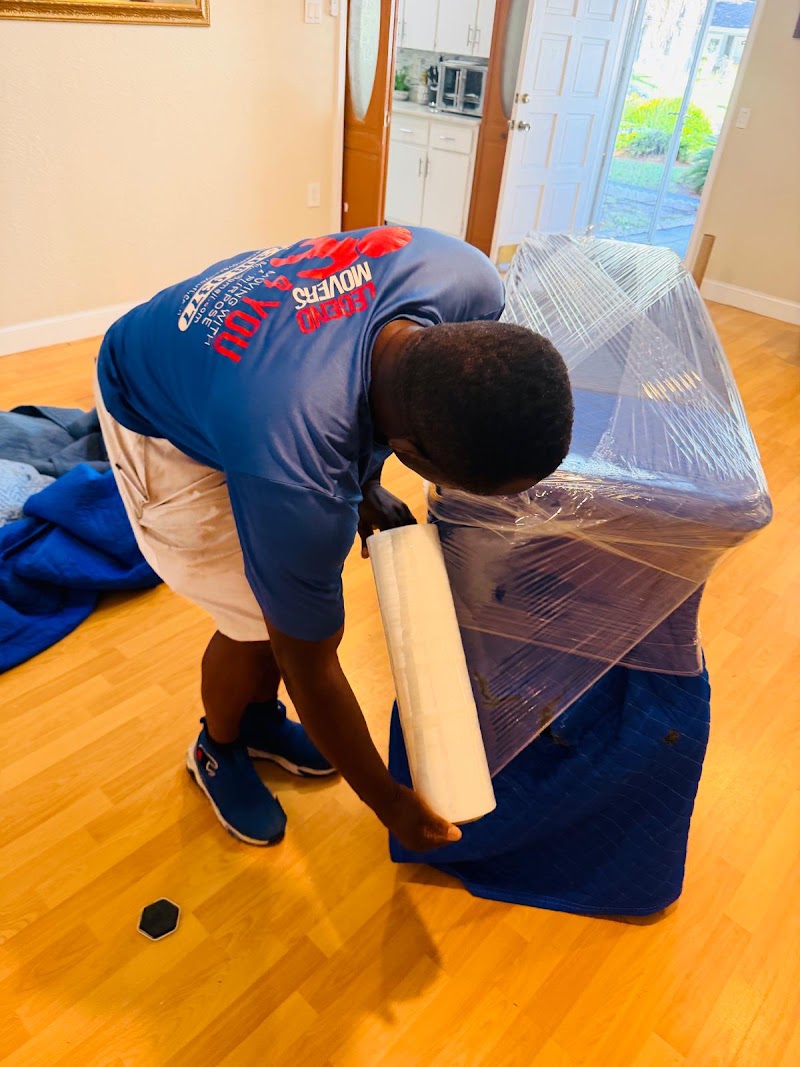
Legend Movers 4 You
Orlando, FL
★ 4.9 (420 reviews)
A-Team Moving Service
Orlando, FL
Atcr Movers
Orlando, FL
★ 3.9 (183 reviews)

A+ Movers
Orlando, FL
★ 5.0 (7 reviews)

All Stars Moving, Inc.
Orlando, FL
★ 4.1 (67 reviews)
Angel movers
Orlando, FL
★ 5.0 (311 reviews)
Dolly Men Moving Labor
Orlando, FL
★ 5.0 (211 reviews)

1st Class Moving and Storage
Orlando, FL
★ 4.8 (218 reviews)
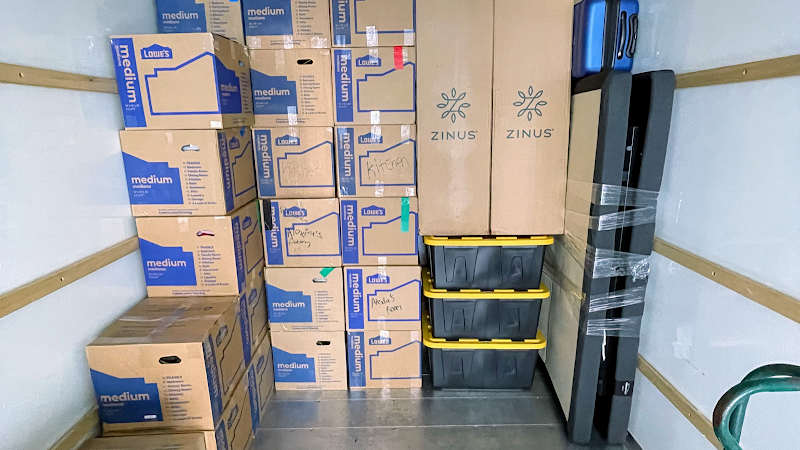
Early Bird Moving Services LLC
Orlando, FL
★ 4.9 (393 reviews)

A Royal Moving & Storage
Orlando, FL
★ 4.7 (1188 reviews)
Central Moving & Storage Inc
Orlando, FL

We Are Movers
Orlando, FL
★ 4.9 (133 reviews)
We Like To Move It Movers
Orlando, FL
USDOT #3629180
Simple Moving
Orlando, FL
USDOT #4365395
Movers near Orlando
12 more movers within 50 miles of Orlando.
Based in a neighboring town and serving Orlando. Each one shows where it is based and how far that is, nearest first.
Big Man Movers
Winter Park, FL · 4 miles away

Teleport Moving and Storage
Altamonte Springs, FL · 9 miles away
★ 4.9 (1417 reviews)

JUST MOVE IT
Apopka, FL · 9 miles away
★ 4.8 (291 reviews)
Southeastern Rigging & Storage
Winter Springs, FL · 12 miles away
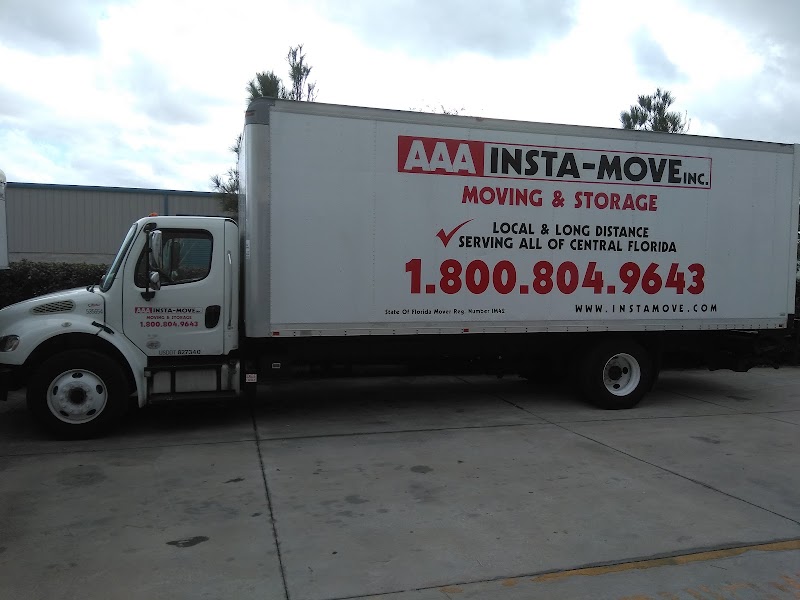
AAA Insta-Move Orlando
Sanford, FL · 19 miles away
★ 4.6 (127 reviews)
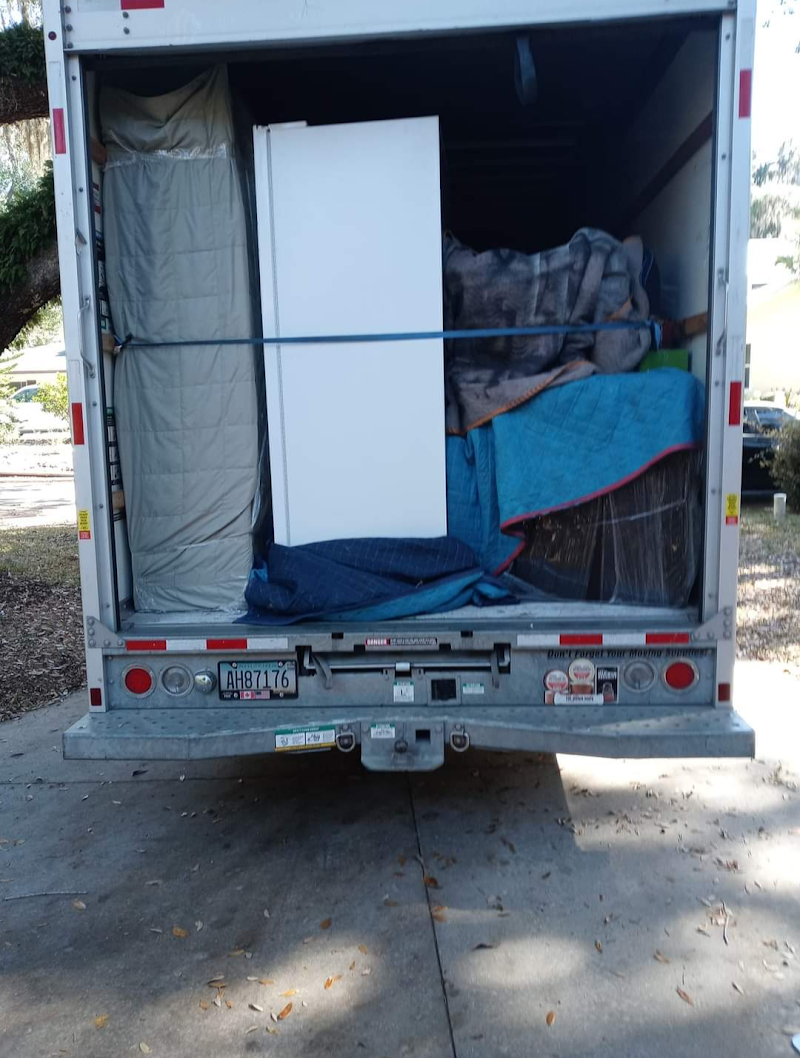
Jays EZ Move
Mount Dora, FL · 23 miles away
★ 4.9 (133 reviews)

Strick Fos Moving
Grand Island, FL · 32 miles away
★ 4.8 (135 reviews)
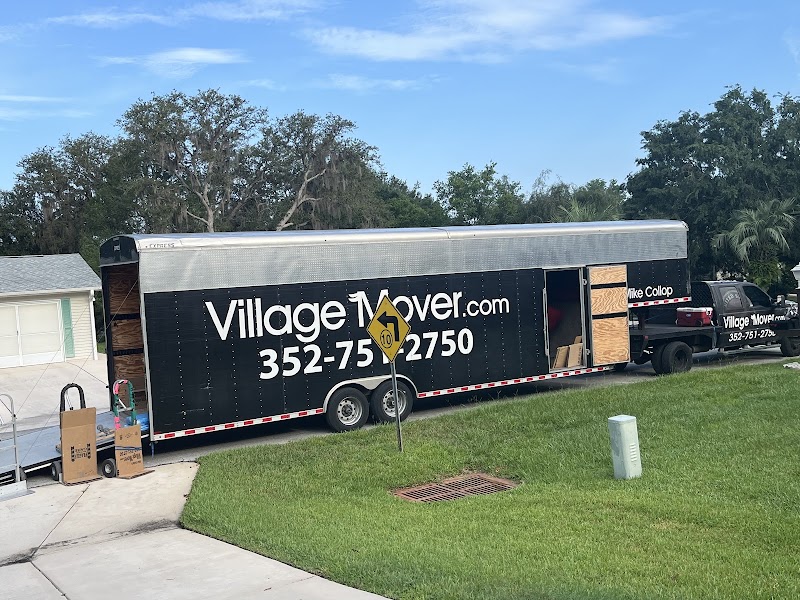
Village Mover
Fruitland Park, FL · 39 miles away
★ 4.7 (279 reviews)
Ward Moving & Storage
Cocoa, FL · 40 miles away
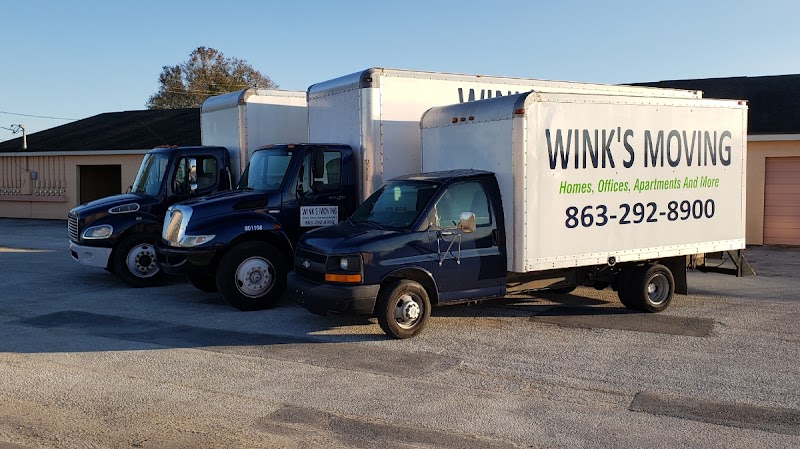
Wink's Moving
Winter Haven, FL · 42 miles away
★ 4.8 (326 reviews)
Discount Mini Storage The Villages
Lady Lake, FL · 43 miles away
Browning Moving & Storage
Lakeland, FL · 48 miles away
Move planner
Two quick steps. A personalized plan in 30 seconds.
Robert builds a Orlando-specific timeline, estimated cost range, and 3-mover shortlist tailored to your job. No forms. No spam. No commitment.
Step 1 of 2
Tell us about your move.
Distance
Property type
Property size
Zip codes (optional — sharpens the cost estimate)
When are you hoping to move?
Cost calculator
Ballpark moving costs for Orlando
Estimates below reflect Orange County local moves, regional Florida moves (Tampa, Jacksonville, Miami), and long-haul interstate moves. Summer rates run 10-20% higher than off-season. All figures assume standard household goods, no specialty items.
| Home size | Local (under 50 mi) | Regional (50-500 mi) | Cross-country (500+ mi) |
|---|---|---|---|
| Studio / 1BR | $400-$650 | $1,200-$2,000 | $3,200-$5,200 |
| 2BR | $700-$1,100 | $2,000-$3,200 | $5,200-$7,500 |
| 3BR | $1,200-$1,900 | $2,800-$4,400 | $7,000-$10,500 |
| 4BR+ | $1,800-$2,800 | $4,000-$6,500 | $9,500-$14,000 |
Skip the guesswork
Get matched with professional Orlando movers.
Robert, our moving concierge, lines up quotes from movers who actually serve your route — free, no obligation.
Local movers in Orlando
Local moving in Orlando is priced by the hour — you're paying for the crew and truck together, with most companies setting a 2–3 hour minimum and rates that generally run $100–$180 per hour for a two-person crew, rising with crew size or specialty equipment. The single biggest wildcard on your final bill is building access: Orlando's booming apartment corridor along South Orange Avenue, the high-rise condos of Lake Eola Heights, and the gated communities scattered through neighborhoods like Windermere and Dr. Phillips can all add meaningful time when movers are navigating restricted entry, long carries from a parking area, or multiple elevator holds.
What typically drives the cost of a local Orlando move:
- Home size and crew needed — a 1BR studio may need 2 movers; a 3BR+ house often warrants 3–4
- Building access and floor — elevator waits, stair carries, and long walks from the truck add billable time fast
- Distance within the metro — Orlando sprawl means a cross-town move (say, Thornton Park to Lake Nona) can run longer than you'd expect
- Time of month and season — end-of-month and summer moves book up quickly and may carry peak pricing
- Packing services — full or partial packing adds cost but saves significant time on move day
One practical Orlando heads-up: street parking in denser areas like Milk District or the Colonialtown corridor can be tight, so confirm ahead of time whether your building or HOA requires a certificate of insurance or a reserved loading zone — arranging that early keeps the clock from running while your crew waits.
Ready to compare crews? Browse movers in Orlando to get matched with local companies that know these neighborhoods.
Neighborhood guide
Moving to a specific Orlando neighborhood?
Downtown / Lake Eola
Urban high-rises, restaurant row, young professionals
Median 2BR rent: $2,300/mo
High-rise buildings require elevator reservations and COI submission to building management; street parking for trucks on Central Blvd is limited and may require a city temporary no-parking permit.
College Park
Walkable bungalows, established neighborhood feel
Median 2BR rent: $1,950/mo
Several streets are original brick pavement with no curb cuts, which limits large truck access — confirm your mover's truck length before booking.
Winter Park
Upscale historic suburb, canopied brick streets
Median 2BR rent: $2,400/mo
Mature oak canopies on Park Avenue and surrounding streets create low-clearance hazards for 26-foot trucks; ask your mover about using a smaller shuttle vehicle for final delivery.
Lake Nona
Master-planned tech and medical corridor
Median 2BR rent: $2,200/mo
HOA management is universal throughout Lake Nona; expect mandatory COI submission, assigned time windows, and weekend-only or weekday-only restrictions depending on the sub-community.
Avalon Park
Family-focused master-planned suburb, east Orlando
Median 2BR rent: $1,850/mo
HOA weekend restrictions are common here; confirm your scheduled move day is an approved window or risk rescheduling on arrival.
Baldwin Park
New urbanism, walkable, rear-loaded alleys
Median 2BR rent: $2,300/mo
Rear-loaded garages and narrow alleys mean most moves here are done from the alley side — coordinate with the HOA on truck size limits before booking.
Doctor Phillips
Established affluent suburb near Restaurant Row
Median 2BR rent: $2,100/mo
HOA-governed with long driveways that accommodate large trucks, but gate codes and community access must be arranged in advance.
Kissimmee
Tourist-corridor suburb with mixed housing stock
Median 2BR rent: $1,500/mo
Vacation-rental-heavy neighborhoods mean frequent unit turnover, so movers are familiar with the area, but short-term rental regulations vary block by block.
Common routes
Where people are moving to and from Orlando
Orlando → Tampa, FL
~85 mi west
$1,200-$2,000
The I-4 corridor between Orlando and Tampa is one of the highest-volume domestic relocation routes in Florida, driven by job changes, housing costs, and couples splitting time between the two metros.
Orlando → Miami, FL
~235 mi south
$2,000-$3,200
Florida Turnpike runs the full stretch; movers frequently handle this as a same-day long-haul, though Miami's building elevator restrictions often push delivery to the next morning.
Orlando → Jacksonville, FL
~140 mi north
$1,500-$2,500
A steady stream of military and healthcare workers moves between Orlando and Jacksonville, typically via I-95 north through St. Augustine.
Orlando → Atlanta, GA
~440 mi north
$2,800-$4,400
Corporate transferees driving the I-75 corridor make Orlando-Atlanta one of the busiest Florida-to-Georgia interstate routes; summer booking windows fill fast.
Orlando → New York, NY
~1,080 mi north
$5,200-$8,000
The single highest-volume long-haul origin into Orlando; trucks running I-95 in reverse pick up loads from Northeast households relocating permanently to Central Florida.
Orlando → Chicago, IL
~1,170 mi north
$5,400-$8,400
I-75 to I-65 is the standard corridor; Chicago is Orlando's second-largest long-haul inbound origin, driven by retirees and remote workers leaving the Midwest.
Honest prices beat estimates
Want an actual quote for your Orlando move?
Tell Robert the basics and get matched in minutes.
Local figures
Orlando in numbers.
What the homes are
OrlandoUnited States
- Detached houses
- 32% in Orlando61% in United States
- Townhouses
- 10% in Orlando6% in United States
- Buildings of 2 to 4 homes
- 9% in Orlando8% in United States
- Buildings of 5 to 19 homes
- 24% in Orlando9% in United States
- Buildings of 20 or more homes
- 25% in Orlando10% in United States
Rent, home values and income
| Figure | Orlando | Florida | U.S. |
|---|---|---|---|
| Median monthly rent | $1,650 | $1,564 | $1,348 |
| Median home value | $359,000 | $325,000 | $303,400 |
| Median household income | $69,268 | $71,711 | $78,538 |
| Households that rent | 60% | 33% | 35% |
| Residents who moved in the past year | 20% | 14% | 13% |
Source: U.S. Census Bureau, American Community Survey 2019-2023 5-year estimates.
When to move
Best and worst months to move in Orlando
Jan
best
Peak tourist season means more traffic on I-4, but mover availability is high and weather is reliably dry and mild — the best combination Orlando offers.
Feb
best
Dry season continues; low humidity, low mover demand, and competitive pricing make February one of the two easiest months to move in Central Florida.
Mar
good
Spring break traffic picks up around the theme park corridors, but moving conditions remain favorable before summer heat builds.
Apr
good
Still dry season, mover rates start climbing as snowbirds wrap up stays and local demand picks up — book 3-4 weeks out to lock in pricing.
May
busy
Peak season officially begins; humidity rises sharply, afternoon thunderstorms become daily, and demand spikes as school-year moves start booking.
Jun
peak
Hurricane season opens June 1; daily thunderstorms are near-certain by 3pm, and mover calendars fill fast — budget extra time for weather delays.
Jul
peak
Hottest month of the year with heat indexes regularly above 105°F; crews work early mornings only, which compresses the moving window and raises costs.
Aug
peak
UCF (70,000 students, Aug 18-25) and Valencia College move-in week creates a full-scale capacity crunch for local movers in east Orlando — book 6-8 weeks ahead.
Sep
peak
Peak hurricane risk month for Central Florida; Rollins College move-in (Aug 22-28) bleeds into early September demand, and tropical weather can cancel moves with no notice.
Oct
busy
Hurricane season technically runs through November but risk drops after mid-October; mover demand starts easing, though fall relocation season keeps calendars moderately full.
Nov
good
Dry season resumes, temperatures drop to comfortable levels, and mover availability improves noticeably — a solid window if your timing is flexible.
Dec
off
Holiday-season demand is soft, discounts are available, and weather is ideal — offset by reduced crew availability the last two weeks of December.
Permits + local rules
Permits, HOA rules, and what to sort out before move day
City of Orlando Temporary No-Parking Permit
Required when a moving truck needs to occupy on-street parking in the City of Orlando right-of-way, including Downtown and College Park. Applies when trucks block a travel lane or park in a metered or restricted zone. The permit is obtained through the City's Transportation Department. Not required for properties with off-street access, but Downtown high-rises almost always need one.
Permit cost approximately $30-50, apply 5-7 business days in advance through Orlando Transportation Engineering.
HOA Certificate of Insurance Requirement
The majority of Orlando-area planned communities — including all of Lake Nona, Baldwin Park, Avalon Park, and Doctor Phillips — require your moving company to provide a certificate of insurance naming the HOA or property management company as an additional insured before trucks are allowed entry. This is the most common cause of move-day delays in the Orlando metro. Confirm COI requirements with your HOA board or property manager at least 10 business days before your move.
No permit fee, but your mover must carry minimum $1M general liability; lead time 7-10 business days for HOA processing.
High-Rise Building Elevator Reservation
Downtown Orlando and Lake Eola high-rises — including buildings on E. Central Blvd and South Eola Drive — require advance elevator reservation through building management. Most buildings allow moving only during specific hours (commonly 8am-5pm weekdays or 9am-4pm Saturdays) and charge a refundable damage deposit. Going through a building's freight elevator without a reservation results in immediate denial of access.
Refundable deposit typically $200-$500; reserve 7-14 days in advance directly with building management office.
Orange County Oversize Vehicle Roads
Certain residential streets in unincorporated Orange County — particularly in older subdivisions around Pine Hills and Azalea Park — have weight-restricted roads that prohibit standard 26-foot moving trucks. Your mover should verify routing in advance. Winter Park, which is an independent municipality, enforces its own vehicle size ordinances on brick streets in the historic core.
No permit typically required for compliant routing; violations carry fines starting at $150 per axle in Winter Park.
About moving to Orlando
What you should know before you book.
Orlando is less 'theme park city' and more 'Sun Belt job machine' — a sprawling metro anchored by hospitality, healthcare, and a growing tech corridor around Lake Nona that draws corporate transferees the same way South Florida draws retirees. The bulk of inbound movers are arriving from New York, New Jersey, Chicago, and Boston — trading dense, expensive winters for a lower cost of living and no state income tax. The adjustment most of them underestimate: nearly every desirable Orlando neighborhood is HOA-managed, which means your mover needs a certificate of insurance on file before the truck rolls, not the morning of.
HOA Infrastructure Is Everywhere
Unlike most cities where HOAs are the exception, in Orlando they're the default. Baldwin Park, Lake Nona, Avalon Park, Doctor Phillips — all have property-management offices that require COI submissions, assign move-in time slots, and fine residents for trucks blocking streets outside approved windows. Plan on contacting the HOA at least 10 business days before your move, not 2. First-timers from New York or Chicago routinely get their move delayed a day because they skipped this step.
A Mover Market Built on Volume
Orlando's moving industry is large and uneven. The metro's constant inbound migration means dozens of companies operate here — some long-established, some fly-by-night operations that spin up during peak season. More licensed local carriers operate here than in most comparably-sized metros, which is good for price competition but means vetting matters more. Always verify FMCSA registration for interstate moves and Florida IM license numbers for in-state jobs. Scam brokers are unusually common in this market.
Inbound Heavy, Northeast Dominant
Orlando's net migration profile is one of the most lopsided in the country. New York, New Jersey, Philadelphia, Boston, and Chicago produce the overwhelming majority of inbound moves. These are households that sold a home worth $600,000-900,000 and are arriving with full households and high expectations. Outbound moves are more modest — mostly Tampa, Miami, or Jacksonville. This asymmetry means inbound long-haul movers are in high demand and book out faster than local carriers.
Sprawl Means Longer Drive Times
Orlando is one of the most car-dependent large metros in the country. The distance from Kissimmee in the south to UCF in the east to Winter Garden in the west can run 40+ miles across surface roads and toll highways. Movers charging hourly factor that commute into the estimate whether they spell it out or not. When comparing quotes, confirm whether the clock starts at the truck's origin or your front door — that gap can add $80-150 to a local move.
Orlando moving FAQ
Common questions, locally-answered.
How far in advance should I book a mover in Orlando?
+
For moves in May through October — Orlando's peak season — book 6-8 weeks out, especially if your move falls in late August during UCF and Valencia College move-in windows (Aug 18-25). Outside peak season, 3-4 weeks is usually sufficient. If you're moving into a Lake Nona or Baldwin Park HOA community, add another week to that timeline just to handle COI paperwork and HOA scheduling. Same-week booking in summer is possible but you'll pay a premium and have limited company choice.
What does a local move in Orlando typically cost?
+
A local Orlando move within Orange County runs roughly $400-$650 for a studio or 1-bedroom, $700-$1,100 for a 2-bedroom, and $1,200-$1,900 for a 3-bedroom, based on a 2-3 hour job with a two-person crew. Hourly rates range from $120-$175 for a standard crew and truck. Confirm whether the clock starts at the company's warehouse or your door — many Orlando movers operate from the Goldenrod Road or Pine Hills industrial corridors, which can add 20-30 minutes of drive time each way.
What happens to my move if a hurricane warning is issued?
+
Orlando lies far enough inland that direct hurricane hits are rare, but tropical storm conditions — sustained winds above 40mph and heavy rain — regularly reach the metro during June through November. Most reputable Orlando movers include a force majeure clause that allows same-day cancellation without penalty during active tropical storm warnings. Confirm this in writing before you sign. If you're moving in August or September, have a backup date identified when you book. Supplies left in a truck overnight during a storm are not typically covered by basic valuation.
Do I need a permit to park a moving truck in front of my Orlando home?
+
In most residential areas of unincorporated Orange County and suburban Orlando municipalities, you do not need a permit to park a moving truck in front of your home for the day. The exception is the City of Orlando's denser urban zones — Downtown, Lake Eola, and College Park — where trucks blocking a travel lane or metered space require a temporary no-parking permit from the City's Transportation Engineering office, costing roughly $30-50 with 5-7 business days lead time. Winter Park also has its own vehicle parking rules on brick historic streets.
When is the worst time to move in Orlando?
+
August is the hardest month to move in Orlando on two fronts: weather and competition. UCF's 70,000-student move-in runs August 18-25 and consumes a massive share of available local crews and trucks in east Orlando. Simultaneously, summer thunderstorms guarantee afternoon downpours, and heat index temperatures regularly hit 105-108°F. If you must move in August, schedule for early morning (7-8am start), book 6-8 weeks ahead, and have a contingency plan if afternoon storms push your crew off the road.
What does a long-haul move from New York to Orlando cost?
+
A full-service long-haul move from New York to Orlando — roughly 1,080 miles via I-95 — typically runs $5,200-$8,000 for a 2-bedroom household. Variables that push toward the high end include elevator buildings at origin or destination, specialty items like pianos or safes, and summer booking. Delivery windows are typically 5-10 business days from pickup, not next-day. This route is among the highest-volume long-distance corridors in the country, so carrier availability is generally good — but get at least three binding estimates, because broker-inflated quotes are common on this corridor.
Do Orlando movers require a Certificate of Insurance for HOA communities?
+
Yes, and this catches a significant number of first-time Orlando movers off guard. Most planned communities in the metro — Lake Nona, Avalon Park, Baldwin Park, and Doctor Phillips are the most common — require your moving company to submit a certificate of insurance naming the HOA or its property management company as an additional insured before the truck is permitted entry. Contact your HOA's management office as soon as you have a mover booked — some management companies take 7-10 business days to process the paperwork, and they will turn the truck away if it isn't on file.
Moving away from Orlando?
Long-distance moves out of Orlando.
What an interstate move from Orlando costs and how to choose a licensed mover.
Long distance movers in Orlando→Nearby cities
Movers in cities close to Orlando.
Winter Park, FL
about 4 miles away
Altamonte Springs, FL
about 9 miles away
Apopka, FL
about 9 miles away
Winter Springs, FL
about 12 miles away
Mount Dora, FL
about 23 miles away
Grand Island, FL
about 32 miles away
Fruitland Park, FL
about 39 miles away
Palm Bay, FL
about 40 miles away
Browse moving companies in other Florida cities, or explore the full directory by state.
Get your moving quote
Many ways to get a moving quote.
Chat, text, email, or call — whichever’s easiest. Tell Robert about your move and matching movers in your city reach out, usually within a few minutes.