
Find movers near you
Movers in Miami.
Compare top-rated local and long-distance movers — and let Robert do the comparison for you.
Get Your Quote→Florida · Miami-Dade County
Moving companies in Miami, FL.
Miami's moving market is one of the most complex in the South — high-rise freight elevators, causeway truck restrictions, hurricane-season timing, and a constant inflow from New York, New Jersey, and Latin America. Browse movers who know Brickell freight schedules, Coral Gables canopy rules, and how to plan around a Category warning.
Robert
Online·Call for a quote
Hi — I'm Robert, and I'll help you find the right movers. Where are you moving from, and where are you headed? Prefer a live representative? Just say the word and I'll connect you, or use the call button for a quote anytime.
By chatting with Robert, you agree we may share your move details with movers in your origin city so they can contact you with a quote. We never sell or share your info outside this network. Privacy Policy.
Top movers in Miami
Miami movers worth a look.
A few of Miami’s top movers. Want a tailored recommendation? Use the Get quotes form below.
All Miami movers
73 movers serving Miami.

E&S Moving Co
Miami, FL
★ 5.0 (1 reviews)
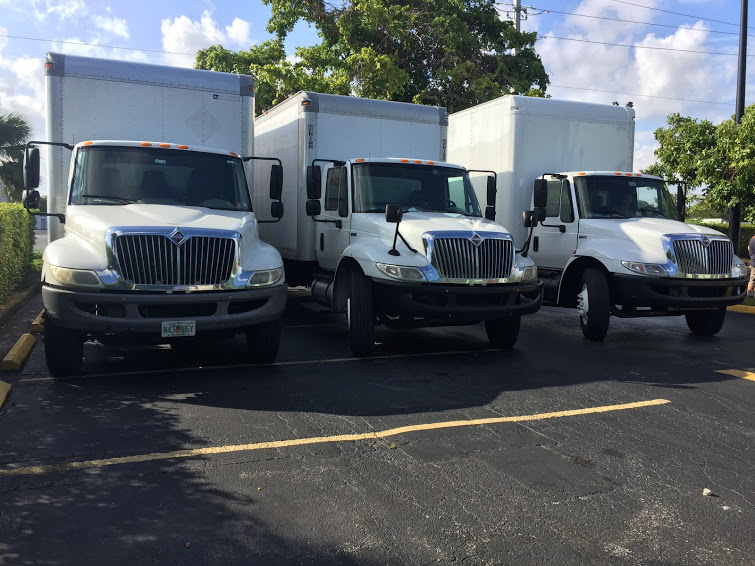
Two Man Moving LLC
Miami, FL
★ 1.6 (279 reviews)
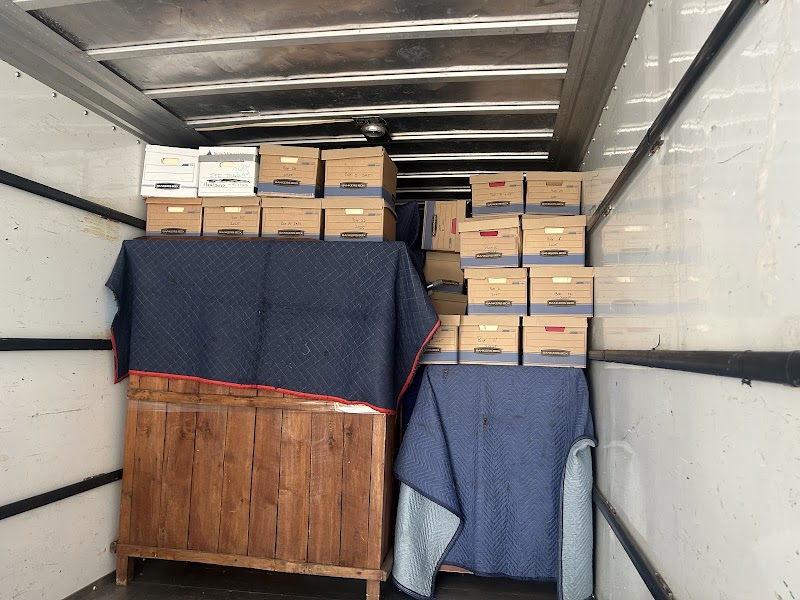
Absolute Best Moving inc
Miami, FL
★ 5.0 (10 reviews)
ALL MOVING RELOCATION LLC
Miami, FL
★ 5.0 (5 reviews)
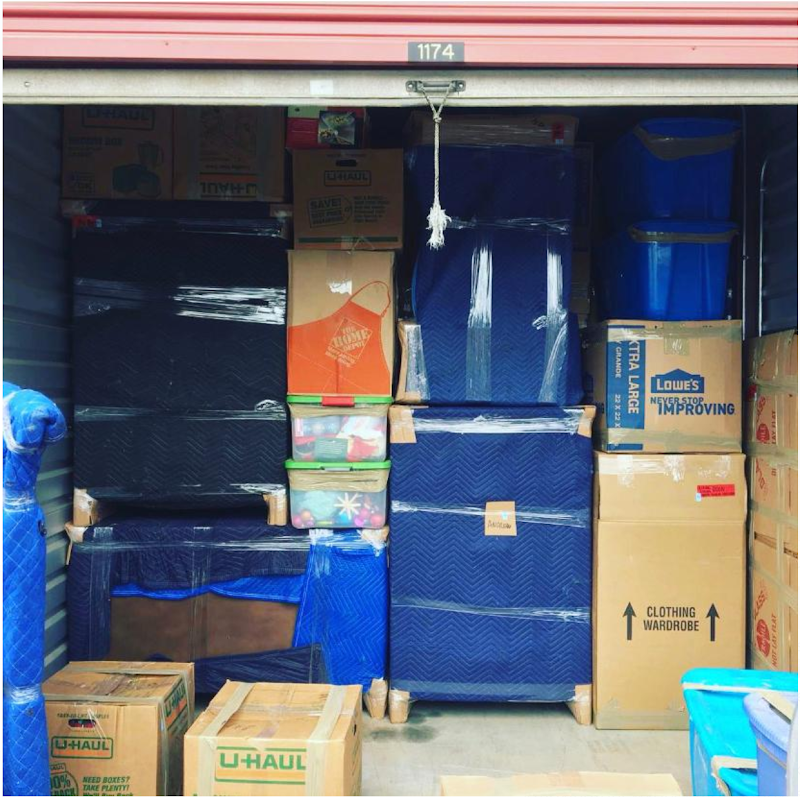
All Moving Services, Inc
Miami, FL
★ 4.7 (12 reviews)

Albert's Relocation Services
Miami, FL
★ 4.9 (244 reviews)
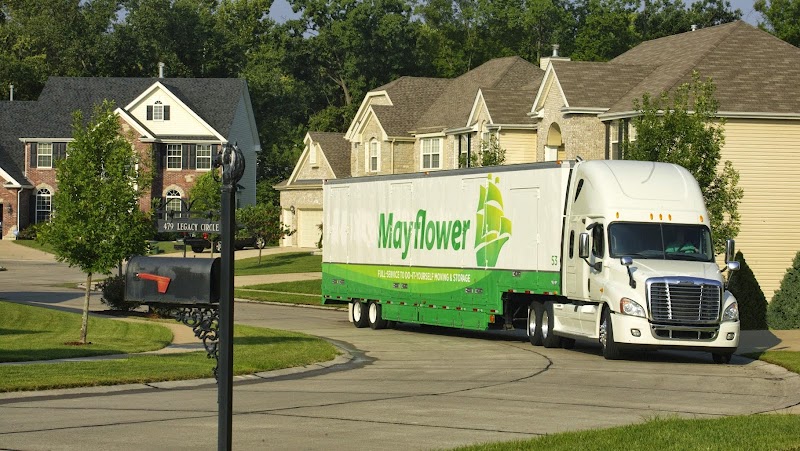
A-1-A Atlantic Moving & Storage
Miami, FL
★ 4.5 (188 reviews)

Flex Moving & Storage FL
Miami, FL
★ 4.7 (507 reviews)
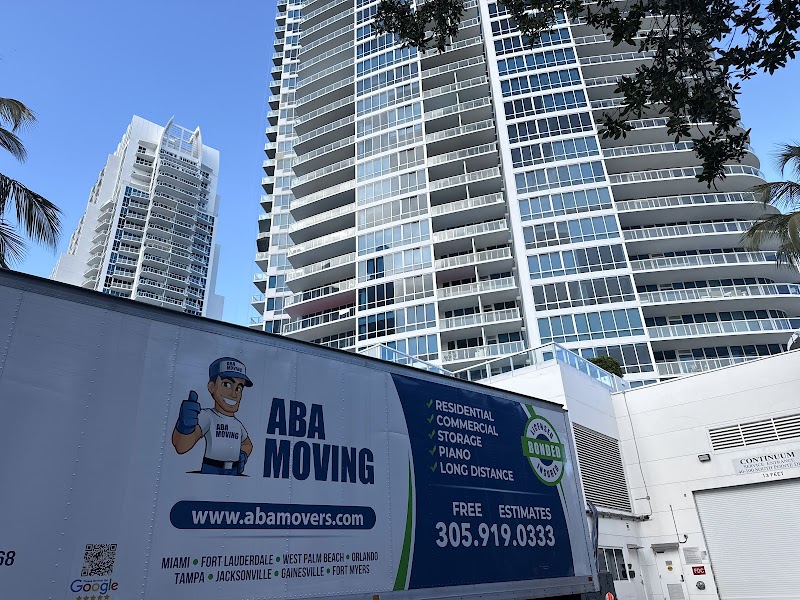
ABA Miami Movers
Miami, FL
★ 4.8 (840 reviews)
New Leaf Moving Company
Miami, FL
Pierre Byers Moving Company Inc
Miami, FL
Haulin Assets Moving
Miami, FL
USDOT #3121786
Hercules Moving Solutions
Miami, FL
Udyat Relocation and Storage System
Miami, FL
USDOT #3381378
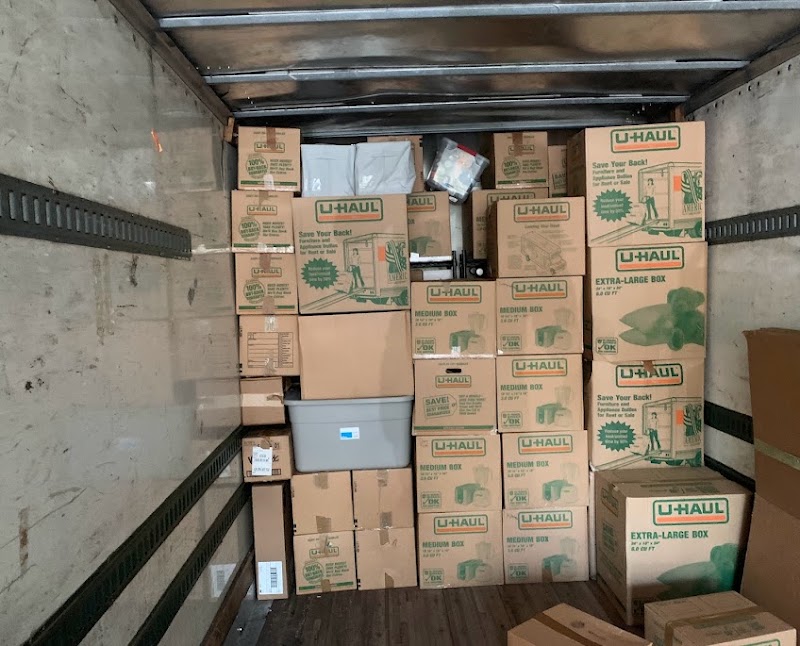
Jochas Moving & Delivery
Miami, FL
★ 4.9 (148 reviews)
Movers near Miami
29 more movers within 50 miles of Miami.
Based in a neighboring town and serving Miami. Each one shows where it is based and how far that is, nearest first.

Kin Furniture & Moving Logistics
Opa Locka, FL · 11 miles away
★ 5.0 (39 reviews)

ORANGE MOVERS
Miami, FL · 13 miles away
★ 4.3 (141 reviews)
Shleppers Moving & Storage
Miami, FL · 14 miles away
Easy Florida Moving LLC
Hallandale, FL · 16 miles away
GMP MOVERS Moving & Delivery
Hialeah, FL · 16 miles away
One Piece Delivery
Hallandale, FL · 16 miles away
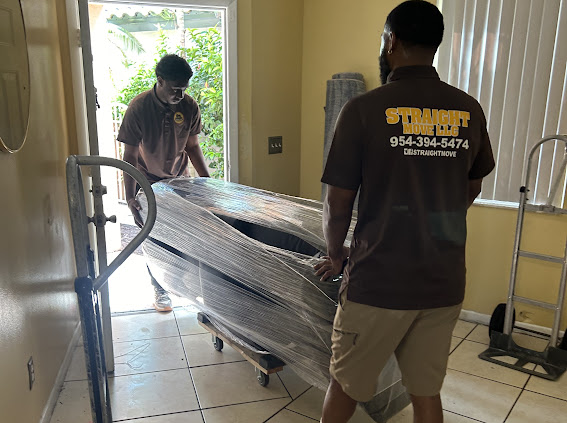
Straight Move LLC
Hollywood, FL · 17 miles away
★ 5.0 (33 reviews)
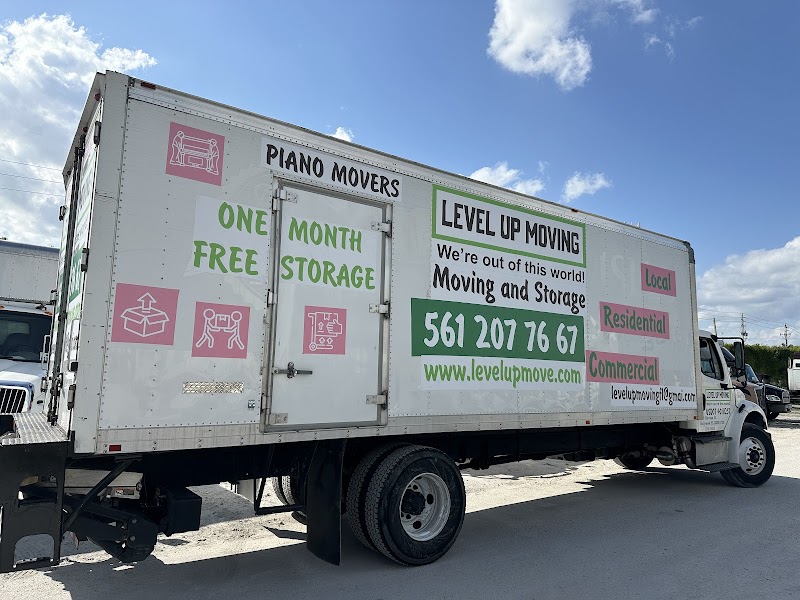
level up moving FL
Hollywood, FL · 18 miles away
★ 4.9 (303 reviews)
All American Moving and Storage
Hollywood, FL · 18 miles away
Kushner Moving Group
Hollywood, FL · 18 miles away

Smart Move Crew Accommodations
Fort Lauderdale, FL · 24 miles away
★ 4.7 (376 reviews)
Bellissima Luxury & Fine Art Services
Fort Lauderdale, FL · 24 miles away

Fort Lauderdale Local Movers (long-distance relocation, piano, and office moving)
Fort Lauderdale, FL · 25 miles away
★ 4.9 (494 reviews)
Nationwide Moving group
Fort Lauderdale, FL · 25 miles away
★ 4.6 (9 reviews)
All Roads Express
Fort Lauderdale, FL · 26 miles away
Move planner
Two quick steps. A personalized plan in 30 seconds.
Robert builds a Miami-specific timeline, estimated cost range, and 3-mover shortlist tailored to your job. No forms. No spam. No commitment.
Step 1 of 2
Tell us about your move.
Distance
Property type
Property size
Zip codes (optional — sharpens the cost estimate)
When are you hoping to move?
Cost calculator
Rough Miami moving cost ranges by size and distance
These ranges reflect Miami market rates including the high-rise premium that applies across much of the city's most in-demand neighborhoods. Add 20-30% for moves requiring freight elevator coordination in Brickell, Aventura, or Downtown towers.
| Home size | Local (under 50 mi) | Regional (50-500 mi) | Cross-country (500+ mi) |
|---|---|---|---|
| Studio / 1BR | $400-$700 | $2,000-$3,200 | $3,500-$5,500 |
| 2BR | $700-$1,200 | $2,500-$4,000 | $5,000-$7,500 |
| 3BR | $1,200-$2,000 | $3,500-$5,500 | $6,500-$9,500 |
| 4BR+ | $2,000-$3,500 | $5,000-$8,000 | $9,000-$14,000 |
Skip the guesswork
Get matched with professional Miami movers.
Robert, our moving concierge, lines up quotes from movers who actually serve your route — free, no obligation.
Local movers in Miami
Local moving in Miami is priced hourly — you're paying for the crew and truck together, with most companies setting a 2- to 3-hour minimum and rates that generally run $100–$200 per hour for a two-person crew, scaling up with crew size. The single biggest variable on a Miami bill is building access: high-rise condos and apartment towers throughout Brickell, Edgewater, and Downtown often require elevator reservations, COI (certificate of insurance) paperwork from your mover, and dedicated loading windows — all of which add time and need to be coordinated days in advance.
What drives your local moving cost in Miami:
- Home size & crew needed — a studio or 1BR can move efficiently with 2 movers; a 2BR or larger typically calls for 3 or more
- Building access & elevator reservations — high-rises, gated communities, and older walk-up buildings in neighborhoods like Little Havana or Wynwood each add their own time costs
- Parking & loading zones — street parking is tight in dense corridors; movers may need extra time to stage the truck or risk a citation without a reserved spot
- Time of month — end-of-month dates are peak demand in Miami's fast-moving rental market, so pricing and availability tighten considerably
- Packing services — adding full or partial packing adds both labor hours and materials to the total
In Miami specifically, if you're moving into or out of a high-rise condo — common across Brickell, Midtown, and the Beach — contact your building management before booking your mover: many buildings restrict moves to weekday business hours and require 48–72 hours' notice to reserve the service elevator. For street-level homes in areas like Coral Way or South Miami, confirm your mover can secure a curbside loading zone; some municipalities require a temporary no-parking permit that takes a few days to arrange.
When you're ready to compare crews for your move, movers in Miami lets you get matched with local companies who already know the building rules, parking realities, and neighborhood quirks that make Miami moves move smoothly.
Neighborhood guide
Moving to a specific Miami neighborhood?
Brickell
Dense high-rise financial district, international professionals
Median 2BR rent: $3,800/mo
Book the building's freight elevator 3-4 weeks ahead and confirm valet clearance in writing — both are non-negotiable in most Brickell towers.
Downtown
Urban high-rise core, heavy weekday traffic
Median 2BR rent: $3,000/mo
Check the Miami event calendar before booking — arena events on Biscayne routinely block truck access for several blocks in any direction.
South Beach
Beach and nightlife island, MacArthur and Julia Tuttle causeways
Median 2BR rent: $3,200/mo
Causeway restrictions limit large moving trucks during peak hours; schedule moves to start before 8am or confirm your mover has routed through the correct causeway for truck class.
Coral Gables
Upscale historic neighborhood with dense tree canopy
Median 2BR rent: $3,400/mo
The City of Coral Gables enforces tree canopy protection ordinances that can limit truck height on certain streets — verify your mover's truck clearance before move day.
Coconut Grove
Lush bayfront enclave, older homes and tight streets
Median 2BR rent: $3,200/mo
Winding, narrow residential streets make 26-foot trucks impractical; most movers use 16-20 foot trucks and do multiple runs, which adds time and cost.
Wynwood
Arts district lofts, frequent weekend event closures
Median 2BR rent: $2,800/mo
Weekend street closures for art events are frequent — daytime Saturday moves only, and check the Wynwood Business Improvement District event calendar for block-off dates.
Doral
Newer family suburb, large Hispanic population, gated HOAs
Median 2BR rent: $2,700/mo
Most Doral communities are gated HOA properties requiring advance mover registration, vehicle plate submission, and sometimes a refundable move-in deposit.
Aventura
Upscale north Miami corridor, high-rise heavy, retirees and internationals
Median 2BR rent: $2,900/mo
Freight elevator coordination in Aventura towers is as critical as in Brickell — buildings often share loading docks, so same-day conflicts between residents are common.
Common routes
Miami's most-traveled moving corridors
Miami → Tampa, FL
~280 mi northwest via I-75
$2,200-$3,400
The most common outbound route from Miami as cost-pressured renters seek lower rents on Florida's west coast.
Miami → Orlando, FL
~235 mi north via Florida Turnpike
$2,000-$3,200
A frequent move for families chasing larger homes and lower costs while staying in Florida's job market.
Miami → New York, NY
~1,280 mi north via I-95
$5,800-$8,800
Miami's highest-volume long-haul corridor, driven by both inbound corporate relocations and reverse retirement moves back to the Northeast.
Miami → Atlanta, GA
~660 mi north via I-75
$3,400-$5,200
A growing corridor as Miami professionals relocate to Atlanta for lower housing costs while staying in the Southeast.
Miami → Washington, DC
~1,060 mi north via I-95
$5,200-$8,000
Government and policy workers rotate in and out of Miami on this corridor, with consistent demand in both directions.
Miami → Chicago, IL
~1,380 mi northwest
$6,200-$9,400
A less frequent but steady long-haul route for Midwest transplants returning home after Miami stints, or Chicago professionals relocating south.
Honest prices beat estimates
Want an actual quote for your Miami move?
Tell Robert the basics and get matched in minutes.
Local figures
Miami in numbers.
What the homes are
MiamiUnited States
- Detached houses
- 23% in Miami61% in United States
- Townhouses
- 9% in Miami6% in United States
- Buildings of 2 to 4 homes
- 7% in Miami8% in United States
- Buildings of 5 to 19 homes
- 13% in Miami9% in United States
- Buildings of 20 or more homes
- 48% in Miami10% in United States
Rent, home values and income
| Figure | Miami | Florida | U.S. |
|---|---|---|---|
| Median monthly rent | $1,657 | $1,564 | $1,348 |
| Median home value | $475,200 | $325,000 | $303,400 |
| Median household income | $59,390 | $71,711 | $78,538 |
| Households that rent | 69% | 33% | 35% |
| Residents who moved in the past year | 16% | 14% | 13% |
Source: U.S. Census Bureau, American Community Survey 2019-2023 5-year estimates.
When to move
Miami's moving calendar, month by month
Jan
best
Peak snowbird season brings traffic but also the driest, coolest weather Miami offers — ideal moving conditions and mover availability is reasonable outside of holidays.
Feb
best
One of the most comfortable months to move in Miami; low humidity, no hurricane risk, and movers are not yet slammed with the spring surge.
Mar
good
Spring break traffic in South Beach and Downtown complicates truck routing around mid-month; otherwise still good conditions before heat and humidity escalate.
Apr
good
Humidity begins climbing but conditions are still manageable; lease turnovers start picking up as snowbirds head north, opening some supply of mover availability.
May
caution
Peak season begins — movers start booking out 3-4 weeks; heat and humidity are now genuine factors for crews, and afternoon thunderstorms become a daily risk.
Jun
avoid
Hurricane season opens June 1; this is also one of the wettest months with daily afternoon storms — any long-haul move planned in June carries legitimate weather disruption risk.
Jul
avoid
Peak heat and humidity, active tropics, and the highest demand from end-of-school-year movers — rates are elevated and crews work fewer daylight hours due to heat.
Aug
avoid
University of Miami, FIU, and Miami-Dade College all run move-in windows August 15-25, flooding the market; combine that with peak hurricane activity and this is Miami's hardest month to move.
Sep
avoid
Statistically the most active hurricane month for South Florida; mover demand drops slightly but the storm risk is at its highest — long-haul bookings especially are at risk of disruption.
Oct
caution
Hurricane season technically runs through November 30 and October can still produce storms; however demand begins to ease and movers get more available toward month's end.
Nov
good
Hurricane risk drops sharply after mid-November; snowbird arrivals begin in earnest, creating some competition for mover slots but weather is increasingly cooperative.
Dec
good
Holiday scheduling gaps make mid-December and the week after Christmas surprisingly available; weather is excellent and rates are not at peak — a underrated window for pre-planned moves.
Permits + local rules
What Miami-Dade movers need to know about permits
City of Miami Parking Permits
If you need to reserve curb space or a lane in front of a building in the City of Miami proper, you apply through the Miami Department of Public Works. This is most commonly needed for ground-floor commercial lofts and non-high-rise residential moves where trucks can't reach a loading dock. High-rises typically have loading bays that bypass this requirement.
Permit cost approximately $50-$100 depending on duration; allow 5-7 business days
Coral Gables Special Rules
Coral Gables operates as a separate municipality with its own enforcement. The city has strict regulations around tree canopy preservation, meaning certain residential streets restrict truck heights and widths. Moving companies unfamiliar with the Gables sometimes arrive with equipment that can't legally access certain blocks. Verify with the City of Coral Gables Public Works before booking.
No standard permit fee published; contact City of Coral Gables Public Works at least 1 week ahead
High-Rise Building COA/HOA Rules
In Brickell, Aventura, Edgewater, and Downtown, the building's condominium or HOA management effectively controls your move-in logistics — not the city. Most require freight elevator reservations 2-4 weeks in advance, a certificate of insurance from your mover naming the building as additionally insured, and a refundable damage deposit ranging from $500 to $1,500.
Damage deposits $500-$1,500 refundable; COI required; book freight elevator 3-4 weeks out
Miami Beach / South Beach Truck Restrictions
The City of Miami Beach restricts oversized commercial vehicles on certain causeways and residential streets. Large moving trucks (over 5 tons or exceeding height limits) must use designated routes and cannot operate on some beach-side streets during peak hours. Confirm your mover knows current Miami Beach truck routing rules — these are enforced and violations result in fines.
Fines for violations can exceed $250; no advance permit for most residential moves, but route compliance is mandatory
About moving to Miami
What you should know before you book.
Miami is a subtropical, majority-international city where roughly 70% of residents were born outside the U.S. — a fact that shapes the moving market in ways most movers from New York or Chicago don't anticipate. People come here for no state income tax, year-round warmth, and Latin American business proximity. What catches them off guard: nearly every desirable rental in Brickell, Aventura, and Downtown is in a high-rise with its own freight elevator policy, and the Atlantic hurricane season runs June through November, meaning a move booked in August carries weather risk that doesn't exist in most origin cities.
A City Built Vertically
Unlike most Sun Belt metros where growth sprawled outward, Miami's desirable core — Brickell, Edgewater, Aventura, Downtown — is almost entirely high-rise. That means your mover isn't just driving a truck; they're navigating building management offices, COA approval windows, and freight elevators with strict booking cutoffs. Movers without prior experience in Miami high-rises routinely underestimate this, and it costs hours on move day.
Inbound Relocation Profile
Miami's inbound moves skew heavily Northeast — New York, New Jersey, and Boston account for the largest domestic corridors — plus a consistent flow from Latin American countries, particularly Colombia, Venezuela, Argentina, and Brazil. These aren't retiree moves; most are 35-55 year-old professionals, entrepreneurs, and finance workers drawn by tax treatment and lifestyle. Expect competition for movers during October-April, when Northeasterners time their escapes.
Who Leaves and Why
Outbound moves from Miami mostly go to Tampa, Orlando, and Atlanta. The driver is cost: Miami's median 2BR rent of $3,000 pushes middle-income households toward Tampa's lower rents and Orlando's job market. A secondary outbound flow goes reverse-Northeast — often renters who lasted 2-3 years and couldn't absorb rent increases. Movers servicing outbound jobs can book these at better rates since trucks need to reposition anyway.
The Local Mover Ecosystem
Miami has a dense mover market, but quality variance is extreme. The city has historically had issues with rogue movers operating without proper Florida FS 507 licensing — the state statute governing household movers. Always verify a company's Florida FDACS registration number before booking. Reputable local operators tend to specialize: some focus exclusively on high-rise moves, others on long-haul I-95 corridor work. A generalist quoting the same rate for both is a red flag.
Miami moving FAQ
Common questions, locally-answered.
How far in advance should I book a Miami mover?
+
For moves between May and October — Miami's peak season — book 4-6 weeks out minimum. The August 15-25 window is the single hardest stretch to find availability, when University of Miami (17,000 students), FIU (56,000 students), and Miami-Dade College (100,000 students) all run simultaneous move-in operations. For November through March moves, 2-3 weeks is usually sufficient, but high-rise freight elevator slots book up independently of the mover — secure that reservation first.
What does a local move in Miami typically cost?
+
A local Miami move — same city or within Miami-Dade County — typically runs $400-$700 for a studio or 1BR, $700-$1,200 for a 2BR, and $1,200-$2,000+ for a 3BR. High-rise moves add time and therefore cost, since crews must work with freight elevators rather than loading directly from a truck. Moves involving Brickell, Aventura, or Downtown towers routinely run 20-30% longer than equivalent ground-floor moves.
Is hurricane season actually a problem for scheduling a move?
+
Yes, and it's underestimated by people moving from the Northeast or Midwest. Miami's June-November hurricane season carries disruption risk for both local and long-haul moves. A named storm can cancel or delay a move with 24-48 hours notice, and most movers will not enter South Florida during a hurricane watch or warning. Long-haul trucks on I-95 or I-75 also face routing issues during evacuation orders. Buy trip interruption coverage or a flexible rebooking policy if you're moving June through October.
Do I need a moving permit in Miami?
+
For most residential moves into houses or ground-floor units, no city permit is required unless you're blocking a public lane or sidewalk, which may require a City of Miami Public Works permit for approximately $50-$100. For high-rises, it's not a city permit you need — it's the building's internal approval: freight elevator reservations, a mover COI naming the building as additionally insured, and often a refundable damage deposit of $500-$1,500. Coral Gables and Miami Beach have additional local rules; verify with each city separately.
What's the cheapest time of year to hire a Miami mover?
+
November through February is Miami's price trough for movers. Demand is lower, weather is the best it gets in South Florida (low humidity, no hurricane risk, highs in the mid-70s), and mover crews are not fighting heat exhaustion. December — particularly the two weeks after Christmas — is surprisingly available and rates are not inflated. If you have any flexibility, a January or February move will get you the best combination of pricing, weather, and mover quality selection.
How do I verify a Miami moving company is legitimate?
+
Florida regulates household movers under Florida Statute 507. Any mover operating in Florida must be registered with the Florida Department of Agriculture and Consumer Services (FDACS). Ask for the company's Florida mover registration number and verify it at the FDACS website before signing anything. Miami has had documented issues with rogue operators — particularly on Craigslist and Facebook Marketplace — who collect deposits and disappear or hold goods hostage. Also confirm interstate movers have a USDOT number if your move crosses state lines.
How do moves to or from Miami Beach actually work with trucks?
+
Miami Beach is on a barrier island accessed by causeways — MacArthur, Julia Tuttle, Venetian, and others. Large commercial moving trucks face restrictions on certain causeways and residential streets within the city. Movers must use designated truck routes and cannot operate oversized vehicles during restricted hours on certain beach-side streets. Most experienced Miami movers know this, but ask specifically whether your mover has done South Beach jobs before. Violations are fined, and the wrong route can add significant time to your move.
Moving away from Miami?
Relocation guides from Miami.
Costs, distance, and what to expect for popular moves out of Miami.
Long distance movers in Miami→Nearby cities
Movers in cities close to Miami.
Opa-locka, FL
about 11 miles away
North Miami Beach, FL
about 14 miles away
Hallandale Beach, FL
about 16 miles away
Hialeah, FL
about 16 miles away
Hollywood, FL
about 18 miles away
Pembroke Park, FL
about 18 miles away
Fort Lauderdale, FL
about 25 miles away
Lauderdale Lakes, FL
about 26 miles away
Browse moving companies in other Florida cities, or explore the full directory by state.
Get your moving quote
Many ways to get a moving quote.
Chat, text, email, or call — whichever’s easiest. Tell Robert about your move and matching movers in your city reach out, usually within a few minutes.