No, movers do not judge a messy house — at least not the way you're imagining. Professional movers walk through dozens of homes every week in every state of chaos, and their focus is entirely on doing the job safely and efficiently. The clutter on your shelves, the dishes in the sink, or the laundry on the floor barely registers. What they do notice are the things that slow them down, create a safety hazard, or cost you money.
Why the "will movers judge me?" worry is almost universal
It turns out nearly everyone feels a flicker of embarrassment before movers arrive. Our team has 35+ years of hands-on service-provider experience, including an operator who ran a moving company for 18 years — and the most consistent thing that operator heard from customers was some version of "sorry for the mess." The most consistent response from the crews? Genuine indifference to the mess itself.
Movers are professionals with a physical, logistical job. They are mentally mapping the fastest path from your couch to the truck, not forming opinions about your housekeeping. The anxiety is understandable — strangers are coming into your home — but it is almost never warranted.
What movers actually notice (that has nothing to do with judgment)
These are the things a moving crew does pay attention to, because they affect safety, speed, and your final bill:
Access and pathways
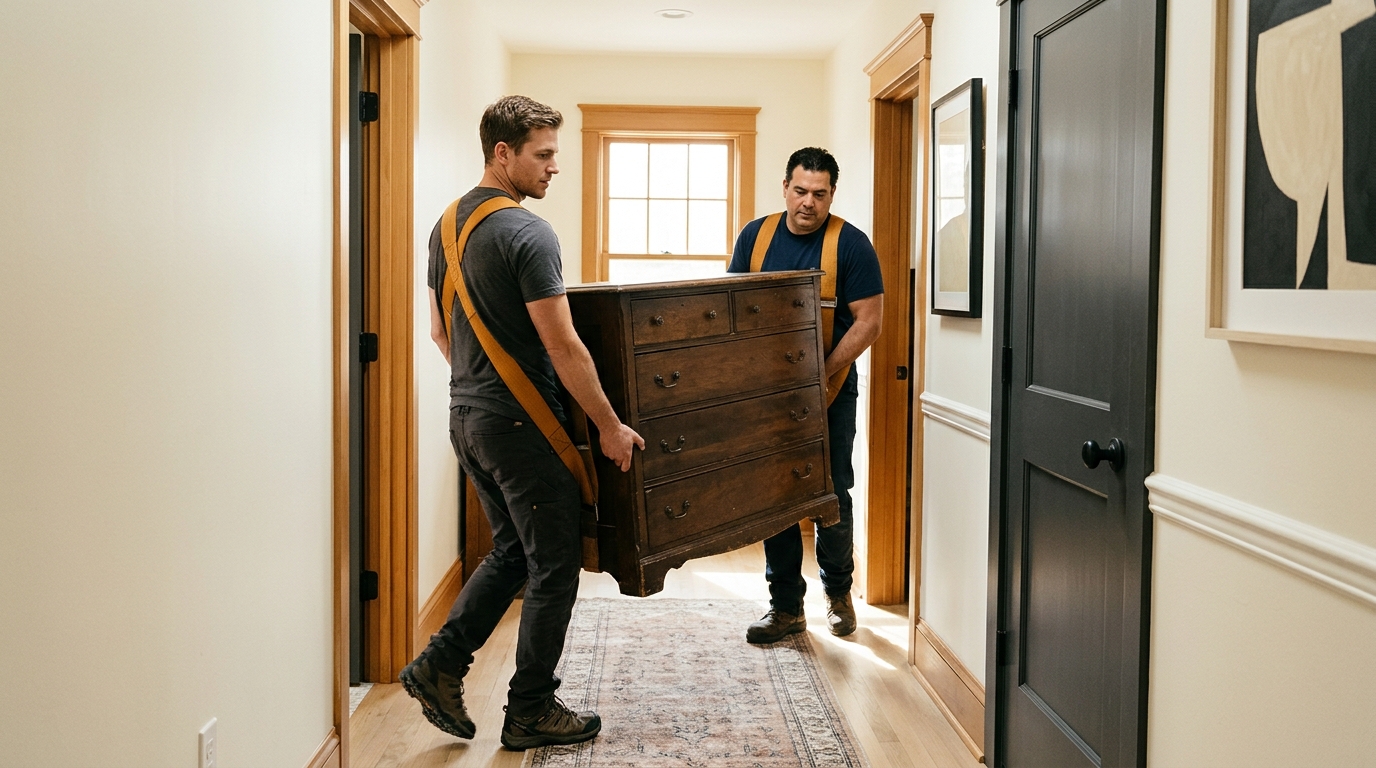
A clear path from room to door to truck is the single biggest factor in how smoothly a move goes. Tight hallways packed with loose items, tripping hazards on stairs, or a driveway blocked by a car will slow the job and can raise your hourly bill. This is worth a 15-minute walkthrough the morning of your move.
Items that are packed vs. unpacked
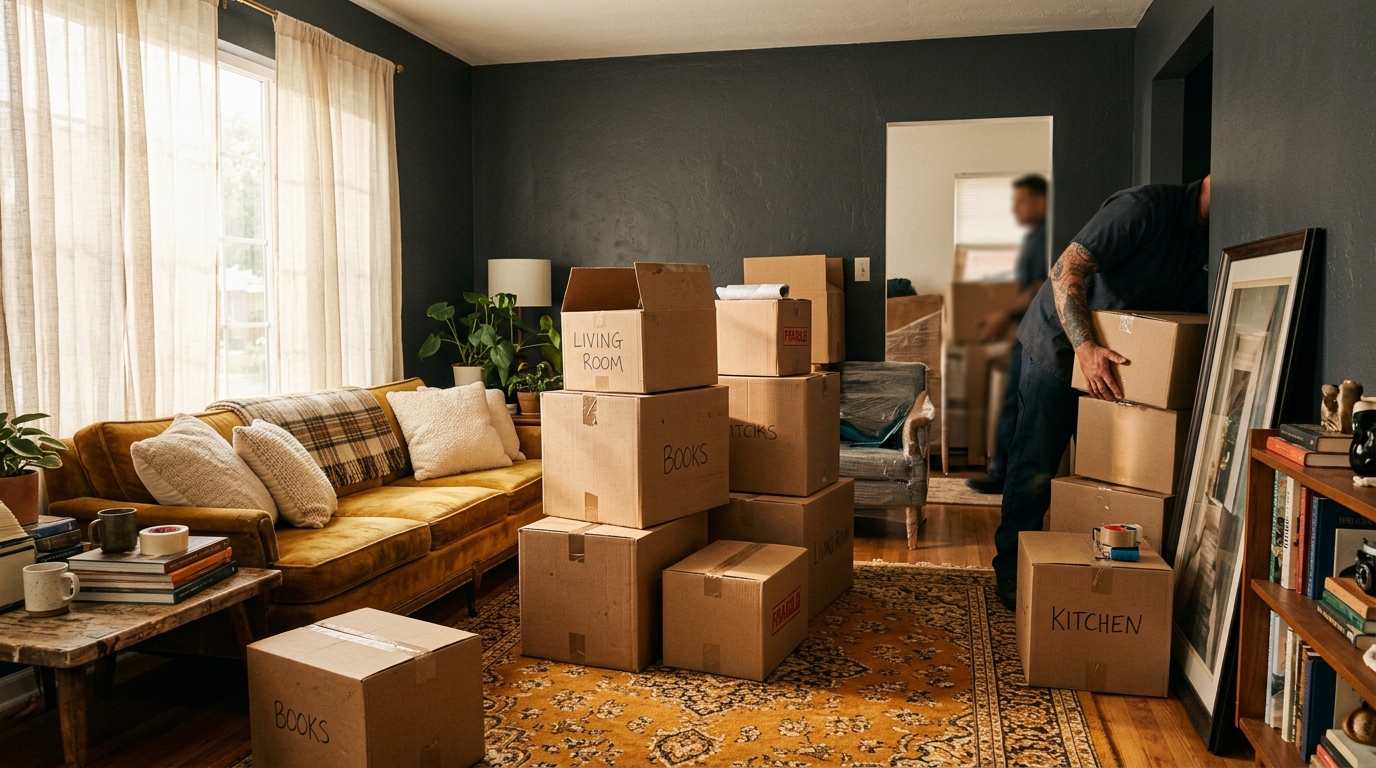
If you've agreed to a labor-only or load-and-haul service, movers expect boxes to be closed and ready. Loose, unpacked items take significantly longer to handle. If packing is not part of the service you booked, loose items may generate extra charges or simply have to wait. Not sure what's included? Read mover reviews and double-check your contract before moving day.
Fragile or high-value items left out in the open
Movers do notice — and appreciate — when breakables are clearly labeled or separated. It lets them make faster, safer decisions. If you have items that need special handling, point them out at the start of the day. See our guide on how to protect your belongings during a move for specifics on wrapping and flagging fragile pieces.
Hazards and restricted items
Movers are trained to spot things that cannot go on the truck — propane tanks, open paint cans, certain chemicals. A cluttered garage with stacked boxes is unremarkable; a propane grill that hasn't been drained is a problem they'll flag immediately. For the full list, see what movers won't put on the truck.
Whether you're present and reachable
This matters far more than any mess. A customer who is around to answer questions, point to rooms, and make decisions keeps the job moving. One who is unreachable or in another part of the house with the door closed adds time and uncertainty.
What movers genuinely do not care about
| Thing you're embarrassed about | What the crew is actually thinking |
|---|---|
| Dishes in the sink | Nothing — they're not going near the kitchen unless packing it |
| Unmade beds / laundry on the floor | Is the dresser empty enough to carry safely? |
| Dusty shelves or baseboards | Not a factor |
| Clutter on counters and tables | Only matters if loose items need to be packed |
| Décor they might find odd | Completely irrelevant |
| How many boxes you have | More boxes = more work = more time, but no judgment |
| The state of your bathroom | They need to use it occasionally; a roll of paper on the holder is plenty |
The few things actually worth doing before movers arrive
This list is short because most of the "get ready for movers" advice is overblown. Focus here:
- Clear the main pathways. Hallways, stairs, and the path from your front door to where the truck will park. Move shoes, bags, and anything that's a trip hazard.
- Close and label all boxes. Open boxes slow the job and can cause damage. Tape everything shut, even if lightly.
- Separate the items that are not going. Put anything you're not moving (donations, items for a neighbor, things going in your car) in a clearly marked corner or room so nothing gets loaded accidentally.
- Defrost and disconnect appliances the night before. A refrigerator that's still dripping or a washer with standing water takes extra time — and can create a mess that is actually your problem, not the crew's.
- Have a plan for pets and small children. Not for the movers' sake — for yours and theirs. Moving day is chaotic and doors are constantly open.
- Know where you want things to go at the destination. Movers delivering to your new home will ask where each piece goes. Having a rough room plan ready saves significant time.
Our guide on getting your home ready before the movers arrive goes deeper on each of these if you want a full walkthrough.
While you’re reading
Skip the research — let Robert match you with movers.
Free quotes from movers in your area. Pick whichever is easiest.
Does the condition of your home affect what movers charge?
Occasionally, yes — but not because of mess. Most local moves are billed by the hour, so anything that slows the job raises the bill. That includes difficult access, an elevator that needs to be reserved, or a long carry from door to truck. Dirty dishes don't add time. A living room floor covered in loose, unboxed items that need to be sorted before they can be moved does.
For long-distance moves priced by weight, the physical state of your home is essentially irrelevant to cost — the weight of your goods is what drives the estimate.
Should you clean before movers arrive?
A basic tidy — dishes out of the way, floors clear enough to walk — is considerate and practical. A deep clean is unnecessary and a strange use of the limited energy you have on moving day. Save it for your new place.
If you want to do something genuinely useful, offer water and something to eat mid-move. Our piece on what to feed and offer movers on moving day has practical suggestions — this small gesture is consistently more appreciated than a spotless house.
How to find a mover who will handle your home professionally
The best way to avoid any awkwardness on moving day is to hire a mover with a track record of professionalism. Check a carrier's USDOT number yourself at the FMCSA's search tool before booking. Read what past customers say — mover reviews on our site give you an unfiltered look at how crews actually behave in people's homes. And when you're ready to compare options, find movers in your area or browse by state to see who operates near you.
Frequently asked questions
Do movers talk about customers' homes after the job?
Occasionally among themselves, sure — but crews see so many homes in so many conditions that no individual house stands out for long. The conversation is far more likely to be about traffic or where to grab lunch than about your living room.
What if my home is really, genuinely chaotic — like I haven't packed anything?
Tell the mover when you book, not on moving day. If you need packing services, those need to be arranged in advance and will affect your estimate. Springing it on a crew that showed up expecting loaded boxes will cause delays and potentially extra charges. Honesty during the quoting stage protects everyone.
Will movers move things that are still in drawers?
Often yes for dressers, with caveats — lighter items like clothes are usually fine, but heavy items like tools or books can make a piece unsafe to carry and may damage the furniture. Check out whether you need to empty dresser drawers before movers arrive for the full breakdown.
What if I'm embarrassed about something specific — like a lot of alcohol, personal items, medications?
Movers handle all of it without comment. Medications and small valuables you should transport personally anyway (that's true regardless of embarrassment — it's just safer). Everything else is furniture and boxes.
Does a messy home make movers less careful with my things?
No. Professional movers take the same care regardless of the home's condition because damage claims are an actual operational cost for any reputable company. Their incentive to be careful is built into how the business works, not contingent on how tidy you are.
Is there anything I should hide or put away before movers come in?
Keep medications, passports, jewelry, and cash on your person or locked away — not because movers can't be trusted, but because these are small, easy to misplace items in the chaos of a move, and you want them under your direct control. Beyond that, there's nothing you need to hide.
Ready to book a crew that will treat your home with care no matter what state it's in? Find movers near you through our directory, read mover reviews to see how companies actually perform on moving day, or connect with Robert, our moving concierge, for personalized guidance on matching your move to the right mover.
Tagged