Find movers near you
Movers in San Francisco.
Compare top-rated local and long-distance movers — and let Robert do the comparison for you.
Get Your Quote→California
Moving companies in San Francisco, CA.
San Francisco's steep hills, Victorian flats, and narrow streets make moving here genuinely challenging. Whether you're relocating to the Mission, Nob Hill, or the Outer Sunset, local movers who know SF's parking permit rules, elevator reservations, and building quirks will save you hours of headaches and serious money.
Robert
Online·Call for a quote
Hi — I'm Robert, and I'll help you find the right movers. Where are you moving from, and where are you headed? Prefer a live representative? Just say the word and I'll connect you, or use the call button for a quote anytime.
By chatting with Robert, you agree we may share your move details with movers in your origin city so they can contact you with a quote. We never sell or share your info outside this network. Privacy Policy.
Top movers in San Francisco
San Francisco movers worth a look.
A few of San Francisco’s top movers. Want a tailored recommendation? Use the Get quotes form below.
All San Francisco movers
83 movers serving San Francisco.
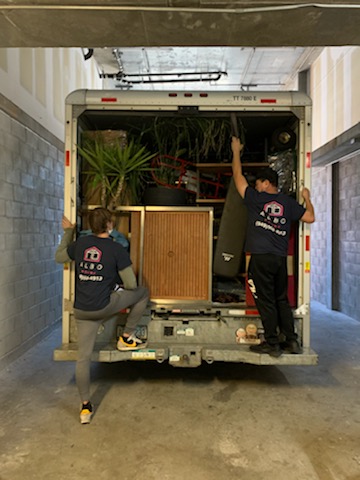
Albo moving & packing services
San Francisco, CA
★ 4.9 (204 reviews)
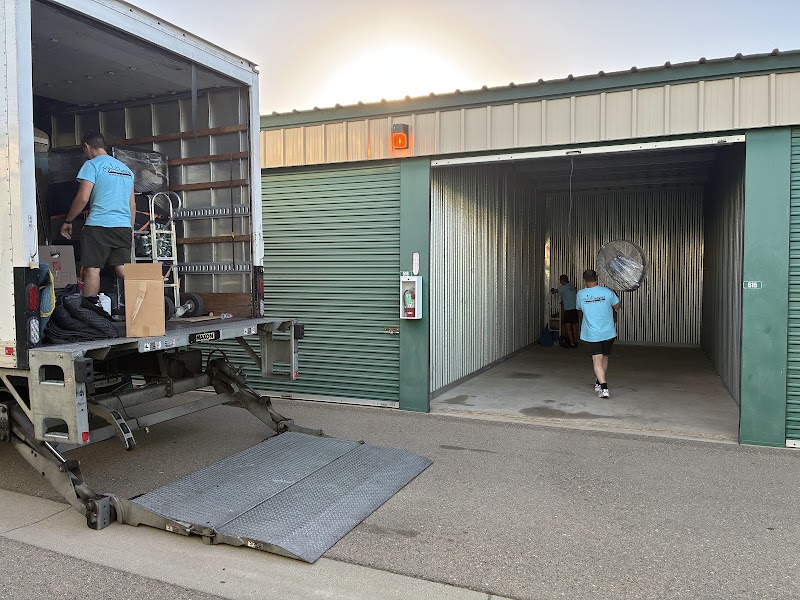
Art Of Moving
San Francisco, CA
★ 4.6 (320 reviews)
Trico Long Distance Movers
San Francisco, CA
Ararat Moving
San Francisco, CA
Jackie Movers
San Francisco, CA
Smart People Moving
San Francisco, CA
Prodigy Moving & Storage
San Francisco, CA
San Francisco Movers
San Francisco, CA
Magic Moving & Storage
San Francisco, CA
Shamrock Moving & Storage
San Francisco, CA
AA Movers San Francisco
San Francisco, CA
All City Moving and Storage
San Francisco, CA
Moishes Moving Systems
San Francisco, CA
Boutique Moving Services
San Francisco, CA
Birch Circle Movers
San Francisco, CA
Movers near San Francisco
30 more movers within 50 miles of San Francisco.
Based in a neighboring town and serving San Francisco. Each one shows where it is based and how far that is, nearest first.
EOS Moving Company
Daly City, CA · 6 miles away
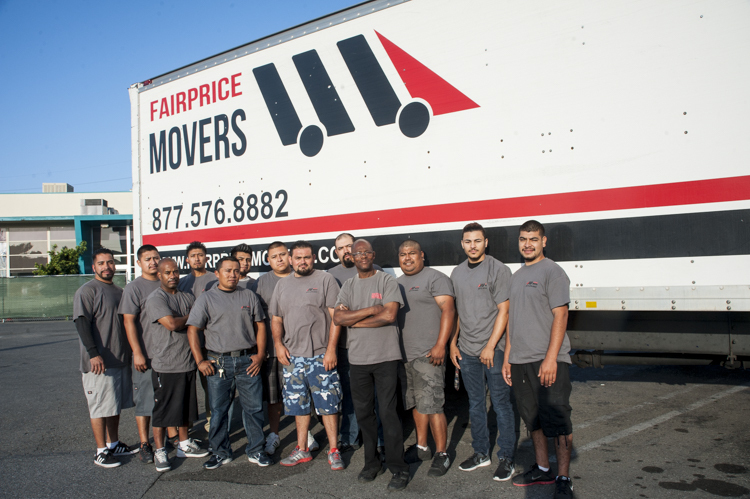
Fairprice Movers Fremont
Oakland, CA · 10 miles away
★ 4.9 (442 reviews)
Bay Area Moving Company
San Bruno, CA · 10 miles away
Long Teng Moving
San Lorenzo, CA · 17 miles away
North Bay Moving & Storage
San Rafael, CA · 20 miles away
Move-Pros
Hayward, CA · 21 miles away
Upline Moving
Hayward, CA · 21 miles away
Ontrack Moving
Hayward, CA · 23 miles away
★ 5.0 (1 reviews)
Lily's Moving Services
Redwood City, CA · 24 miles away
★ 5.0 (13 reviews)
E - House Moving
Union City, CA · 24 miles away
Smart Moving, LLC
Fremont, CA · 25 miles away
TNT Relocations
San Ramon, CA · 26 miles away
Mini Storage on Wheels
American Canyon, CA · 29 miles away
SF Local Moving & Storage
Mountain View, CA · 32 miles away
Movers Mountain view
Mountain View, CA · 33 miles away
Move planner
Two quick steps. A personalized plan in 30 seconds.
Robert builds a San Francisco-specific timeline, estimated cost range, and 3-mover shortlist tailored to your job. No forms. No spam. No commitment.
Step 1 of 2
Tell us about your move.
Distance
Property type
Property size
Zip codes (optional — sharpens the cost estimate)
When are you hoping to move?
Cost calculator
What SF moves typically cost by home size
Ranges below reflect typical SF market rates for professional, licensed movers. Local means within San Francisco or to an adjacent city (Oakland, Daly City, South SF). Regional means within California (roughly 50–400 miles). Long-distance means out of state or 400+ miles.
| Home size | Local (under 50 mi) | Regional (50-500 mi) | Cross-country (500+ mi) |
|---|---|---|---|
| Studio / 1BR | $500–$1,200 | $900–$2,200 | $1,800–$3,500 |
| 2BR | $900–$2,000 | $1,500–$3,500 | $2,800–$5,500 |
| 3BR house | $1,400–$3,000 | $2,400–$5,500 | $4,500–$8,500 |
| 4BR+ house | $2,200–$4,500 | $3,800–$8,000 | $7,000–$14,000 |
Skip the guesswork
Get matched with professional San Francisco movers.
Robert, our moving concierge, lines up quotes from movers who actually serve your route — free, no obligation.
Local movers in San Francisco
Local moving in San Francisco is priced hourly — you're paying for the crew and truck together, with most companies setting a 2- to 3-hour minimum and rates that commonly run $120–$200 per hour for a two-person crew. The single biggest variable on your final bill isn't distance (you're staying in the city, after all) — it's building access: San Francisco's famous hills, Victorian walk-ups, and narrow stairwells slow every carry and can add a meaningful chunk of time to an otherwise straightforward move.
What drives local moving costs in San Francisco:
- Home size & crew needed — a studio off Market St. and a three-bedroom in the Sunset require very different crew sizes and truck capacities
- Building access — walk-up floors, tight staircases, long carries from elevator to unit, or a steep driveway all add clock time
- Parking & permits — many San Francisco streets require a Special Event or Moving permit (issued through SFMTA) to reserve curb space; without one, the truck may park far from your door and every trip gets longer
- Time of month — the last and first few days of any month are peak demand in a city with one of the highest renter turnover rates in the country; mid-month dates are easier to book and sometimes cheaper
- Packing services — adding full or partial packing adds both labor hours and materials costs, but can be worth it for high-rises or complex Nob Hill buildings where fast, protected loading matters
In San Francisco, it's worth calling your local SFMTA district office or checking the city's permit portal a week or two ahead to reserve a parking zone — a confirmed spot in front of a Mission flat or a Richmond District apartment can easily save an hour of moving time. If your building has a freight elevator, confirm the booking window with your HOA or property manager before scheduling your crew.
Browse our movers in San Francisco to get matched with local moving companies that know the neighborhoods, the hills, and the parking quirks firsthand.
Neighborhood guide
SF neighborhoods: what movers actually deal with
Mission District
Latino cultural hub, gentrifying, vibrant nightlife
Median 2BR rent: ~$3,200/mo (1BR)
Valencia and Mission Streets have heavy bike-lane and commercial traffic; plan your move before 9 a.m. or risk a two-hour window eaten by double-parked delivery trucks.
Nob Hill
Dense, classic SF, cable cars, grand apartment buildings
Median 2BR rent: ~$3,600/mo (1BR)
Streets like California and Sacramento exceed 20% grade — movers must chock truck wheels and stage loads carefully, and curbside parking permits are almost always required.
SoMa (South of Market)
Tech offices, loft condos, warehouse conversions
Median 2BR rent: ~$3,400/mo (1BR)
Most buildings are high-rises with freight elevator reservations; confirm your building's move-in hours and COI requirements at least two weeks before moving day.
Outer Sunset
Foggy, residential, surfer-adjacent, family-oriented
Median 2BR rent: ~$2,800/mo (1BR)
Flat grid streets make truck access easier than most SF neighborhoods, but weekend beach crowds on Irving Street and Lincoln Way create afternoon congestion.
Pacific Heights
Wealthy, historic mansions, city views, quiet
Median 2BR rent: ~$4,200/mo (1BR)
Many homes are detached Victorians or large Edwardians with long staircases and no dedicated loading zones — street parking permits are essential and should be posted 72 hours in advance.
Castro
LGBTQ+ landmark neighborhood, walkable, community-focused
Median 2BR rent: ~$3,100/mo (1BR)
Castro Street itself is narrow with heavy foot traffic; movers typically stage on 18th or 19th Street and carry items to the front door on weekends.
Dogpatch
Industrial-turned-hip, waterfront, young professionals
Median 2BR rent: ~$3,000/mo (1BR)
Third Street light-rail tracks limit where a large truck can park safely; coordinate with your building manager on approved loading zones before arrival.
Richmond District
Multicultural, foggy avenues, close to Golden Gate Park
Median 2BR rent: ~$2,900/mo (1BR)
Wide, relatively flat avenues like Clement and Geary make this one of SF's more operationally forgiving neighborhoods, though weekend dim-sum traffic on Clement can slow morning moves.
Common routes
Where SF residents move most often
San Francisco → Oakland / East Bay, CA
~10 mi east (via Bay Bridge)
$600–$1,400
The most common SF out-move: renters priced out of SF cross the Bay Bridge on I-80 for significantly lower rents in Oakland, Berkeley, and Alameda while staying in the Bay Area job market.
San Francisco → San Jose, CA
~50 mi south (US-101 or I-280)
$900–$1,800
Tech workers relocating closer to Silicon Valley campuses in Santa Clara County make this a heavily trafficked corridor, especially in Q1 and Q3 when new job cycles begin.
San Francisco → Sacramento, CA
~90 mi northeast (I-80)
$1,200–$2,400
Remote work shifted significant numbers of SF residents inland to Sacramento for dramatically lower housing costs while staying within a half-day drive of the Bay.
San Francisco → Los Angeles, CA
~380 mi south (US-101 or I-5)
$1,800–$3,800
The SF-to-LA corridor is one of California's busiest relocation routes; tech-to-entertainment industry transitions and lifestyle moves keep demand steady year-round.
San Francisco → Portland, OR
~640 mi north (I-5)
$2,800–$5,500
A well-established migration path for Bay Area residents seeking lower costs and similar urban culture; movers often combine SF-to-Portland loads for better pricing.
San Francisco → Seattle, WA
~810 mi north (I-5)
$3,200–$6,500
Tech workers transferring between Amazon, Microsoft, and Bay Area employers drive consistent demand on this route, particularly in spring and fall hiring seasons.
Honest prices beat estimates
Want an actual quote for your San Francisco move?
Tell Robert the basics and get matched in minutes.
Local figures
San Francisco in numbers.
What the homes are
San FranciscoUnited States
- Detached houses
- 18% in San Francisco61% in United States
- Townhouses
- 12% in San Francisco6% in United States
- Buildings of 2 to 4 homes
- 20% in San Francisco8% in United States
- Buildings of 5 to 19 homes
- 19% in San Francisco9% in United States
- Buildings of 20 or more homes
- 31% in San Francisco10% in United States
Rent, home values and income
| Figure | San Francisco | California | U.S. |
|---|---|---|---|
| Median monthly rent | $2,419 | $1,956 | $1,348 |
| Median home value | $1,380,500 | $695,400 | $303,400 |
| Median household income | $141,446 | $96,334 | $78,538 |
| Households that rent | 62% | 44% | 35% |
| Residents who moved in the past year | 15% | 11% | 13% |
Source: U.S. Census Bureau, American Community Survey 2019-2023 5-year estimates.
When to move
SF's moving calendar, month by month
Jan
off
Lowest demand and best rates; SF's rainy season peaks January–February, so plan for wet weather but enjoy easier parking and more mover availability.
Feb
off
Still rainy and slow; tech hiring lulls keep move volume low, and you'll find competitive quotes with flexible scheduling.
Mar
shoulder
Rains taper off and Q1 job offers start activating relocations, nudging demand upward — book two to three weeks out.
Apr
shoulder
Pleasant SF weather, moderate demand; a solid window before summer crunch begins, especially for cross-Bay and Peninsula moves.
May
shoulder
Lease cycles begin ramping up as tech company new-hire start dates approach; book four weeks out to lock in preferred dates.
Jun
peak
June marks the start of SF's peak moving season — UCSF, USF, and SF State graduate and vacate, overlapping with summer lease-end dates; book six to eight weeks ahead.
Jul
peak
Highest demand month; the famous 'Karl the Fog' makes July mornings cool but afternoons clearer — rates are at their highest and availability tightest.
Aug
peak
Often SF's sunniest month, which makes it the most in-demand; weekend slots book four to six weeks out and prices reflect it.
Sep
peak
Demand stays high as fall semester and Q3 job starts generate a second wave of moves; rates remain elevated through mid-month.
Oct
shoulder
Demand softens after September; SF's best weather often arrives in October (the 'second summer'), making this a smart sweet-spot month for moving.
Nov
shoulder
Rates drop noticeably; early rains possible but typically manageable, and movers are far more flexible on scheduling and pricing.
Dec
off
Slowest month of the year outside of holiday weekends; good pricing leverage, but confirm your mover isn't closed the week between Christmas and New Year's.
Permits + local rules
SF moving permits and building rules you need to know
SFMTA Residential Parking Permit (RPP) for Moving Truck
To legally park a moving truck in a street-sweeping or permit-parking zone on a San Francisco residential block, you must apply for a temporary no-parking permit through SFMTA's online portal. Applications must be submitted at least 72 hours before the move. You'll need the truck's license plate, approximate vehicle dimensions, and your move date. Cone placement and signage are your responsibility.
Permit ~$103 flat fee, minimum 72-hour lead time via SFMTA portal
Condo / HOA Freight Elevator Reservation
Nearly every mid-rise and high-rise building in SoMa, Mission Bay, Rincon Hill, and Transbay requires a freight elevator reservation for moves. Management offices typically allow moves only on weekdays between 9 a.m. and 5 p.m. and require a refundable damage deposit and a certificate of insurance from your mover naming the building as additional insured. Confirm these details no later than two weeks before your move date.
Deposit $250–$1,000 (refundable); book 2 weeks minimum in advance
Certificate of Insurance (COI) requirements
Most San Francisco apartment buildings and all HOA-governed condo towers require your moving company to provide a COI before they allow any work on the premises. Typical requirements include $1 million general liability and $100,000 cargo coverage with the building or property management company listed as an additional insured. Ask your mover for this document early — some buildings reject generic COIs that don't include the property address.
No cost to you; request from your mover at least 5 business days ahead
DPW Street Space Permit (large truck + crane lifts)
If your move requires a large truck (over 30 feet) or a crane/lift for items that can't navigate stairwells — common in Pacific Heights and Nob Hill for oversized furniture — you may need a San Francisco Department of Public Works street space permit in addition to the SFMTA no-parking permit. Your moving company should handle this, but confirm they've applied. Unpermitted large vehicles are ticketed and can be towed.
Permit fees vary $100–$300+; apply at least 5 business days in advance through SF DPW
San Francisco Rent Ordinance move-out rules
SF's Rent Stabilization Ordinance affects how and when landlords can require tenants to vacate rent-controlled units. If you're moving out of a rent-controlled flat (most buildings built before June 13, 1979), document the condition of every room with timestamped photos on move-out day. Security deposit disputes in SF are adjudicated by the Rent Board, and landlords must return deposits within 21 days under California law. This isn't a physical permit but a legal step that protects your deposit.
No permit fee; document move-out same day you return keys
About moving to San Francisco
What you should know before you book.
San Francisco packs extraordinary geographic and cultural variety into 49 square miles. It's a city of steep inclines, dense Victorian housing stock, tech-driven neighborhoods beside century-old immigrant enclaves, and a rental market that ranks among the most expensive in the country. The peninsula geography — bounded by the Bay, the Pacific, and the Golden Gate — means almost every move in or out involves a bridge or a highway bottleneck. Building types range from pre-1906 earthquake cottages to modern high-rise condos, and each presents different logistical demands. The city's progressive local government layers on specific moving regulations that outsiders routinely underestimate.
Hilly, dense terrain
San Francisco's famous hills — Nob Hill, Twin Peaks, Potrero, and others — aren't just scenic. They make truck access genuinely difficult. Many residential blocks have grades above 15%, limiting what size vehicle can park curbside. Experienced local movers carry wheel dollies rated for steep surfaces, use ratchet straps to secure loads on inclines, and know which streets require a spotter.
Victorian and Edwardian housing
A large share of SF's housing stock was built between the 1890s and 1920s. These flats typically have narrow interior staircases — often 28 to 32 inches wide — low ceilings in back bedrooms, and bay windows that look wide but have restrictive angles for moving furniture. King-size bed frames and large sectional sofas frequently require disassembly or creative maneuvering.
Condo towers and elevator rules
Buildings in SoMa, Mission Bay, and Rincon Hill are dominated by modern high-rise condos with freight elevator reservations, mandatory moving hours (often 9 a.m.–5 p.m. on weekdays only), and refundable damage deposits ranging from $250 to $1,000. Book the elevator and submit your mover's certificate of insurance to the HOA at least two weeks ahead — buildings routinely deny access without it.
Tech-industry churn
SF's workforce is unusually mobile. Layoffs, remote-work pivots, and company relocations create constant inbound and outbound moves tied to the Bay Area tech sector. That means peak moving demand can spike outside the typical summer season whenever major hiring cycles or RTO mandates hit. Flexibility on move date pays off in lower quotes year-round.
San Francisco moving FAQ
Common questions, locally-answered.
How far in advance should I book a mover in San Francisco?
+
During peak season (June through September), book four to eight weeks out — weekend dates in July and August can fill up in days. In the off-season (November through February), two to three weeks is usually sufficient. SF's high density of moves and limited parking windows mean even a short local move requires coordination. If your building has a freight elevator, add at least two extra weeks to secure the elevator reservation alongside your mover booking.
Do I need a parking permit for a moving truck in SF?
+
Almost certainly yes. San Francisco has aggressive street-sweeping and residential permit-parking zones on most residential blocks. Parking a moving truck without a valid temporary no-parking permit from SFMTA risks a ticket ($110+) or towing. Apply through the SFMTA online portal at least 72 hours before your move date, providing the truck's plate number and dimensions. Your mover can often handle this for you, but confirm it explicitly — don't assume.
What's the average cost of a local move within San Francisco?
+
A local SF move (within the city) for a 1BR apartment typically runs $500–$1,200 depending on the number of movers, hours, and whether stairs or elevator coordination are involved. A 2BR move usually falls between $900 and $2,000. High-rise buildings with elevator reservations and long carry distances can push costs toward the upper end. Always get quotes that itemize the hourly rate, travel fee, and any fuel or truck surcharge.
Are there restrictions on what time movers can operate in SF?
+
The city itself doesn't have a universal curfew on moving activity, but individual buildings do. High-rise condos and co-ops in SoMa and Mission Bay typically restrict moves to weekdays, 9 a.m.–5 p.m. Street noise ordinances technically prohibit excessive noise before 7 a.m. or after 10 p.m. in residential zones. Always check your building's move-in rules before scheduling an early-morning start — some buildings won't buzz movers in before 8 or 9 a.m. regardless.
How do SF movers handle hills and narrow staircases?
+
Reputable local SF movers carry specialized stair-climbing dollies, furniture straps designed for inclines, and wheel chocks to secure trucks on grades. For Victorian and Edwardian flats — where interior stairs are often only 28–32 inches wide — movers will assess oversized items (sectionals, king beds, large dressers) at the quote stage. Large items sometimes require disassembly or exterior lift equipment. Ask specifically about these scenarios when getting your quote.
Is it cheaper to move out of SF to Oakland or the East Bay versus within SF?
+
Counterintuitively, a cross-Bay move to Oakland or Berkeley can cost less than a complex same-day SF move involving a high-rise with elevator restrictions and a three-flight walk-up. A straightforward SF-to-Oakland move for a 1BR typically runs $600–$1,400 depending on distance and volume. The Bay Bridge toll is a minor factor. The bigger variable is whether your SF origin building charges elevator deposits or has restricted move windows that inflate labor hours.
What should I know about moving into a San Francisco rent-controlled apartment?
+
Most SF apartments in buildings constructed before June 1979 are subject to the San Francisco Rent Ordinance. When you move in, document the unit's condition thoroughly with photos and share them with your landlord in writing within 24 hours. California law requires landlords to return security deposits within 21 days of move-out with itemized deductions. The SF Rent Board (sfrentboard.com) is the local authority and offers free tenant counseling if disputes arise.
Do SF moving companies charge extra for stairs or long carries?
+
Yes, most do. Extra flights of stairs above the first floor typically add $40–$75 per flight, per load. Long carries — when the truck can't park within 75 feet of the building entrance — often add an hourly or flat surcharge of $50–$150. In SF, where parking is severely limited and building entrances are often set back from the curb, both surcharges are common. Clarify these line items in any written estimate before signing.
What's the best route for a long-distance move out of San Francisco to Los Angeles?
+
The two main options are US-101 (scenic, slower, through the Central Coast — roughly 7–8 hours) and I-5 (faster inland route — roughly 6 hours). Most commercial moving trucks prefer I-5 for speed and fuel efficiency, especially with a full load. Note that Caltrans sometimes closes I-5 Tejon Pass (the Grapevine) during rare winter storms. For moves to East LA or Orange County, I-5 is generally more direct; for West LA and Santa Monica, US-101 can end up comparably timed.
How does SF's fog and weather affect moving logistics?
+
San Francisco's famous microclimates matter. The Outer Sunset, Richmond, and Twin Peaks are significantly foggier and cooler — especially June through August — than the Mission, Potrero Hill, or Dogpatch. Rain is concentrated from November through March; July and August are typically the driest months. Fog alone rarely disrupts a move, but winter rain can make exterior stair railings slippery and increase the risk of water damage to electronics and upholstered furniture if not properly wrapped.
What size moving truck do I need for a typical SF apartment?
+
A studio or 1BR in SF typically fits in a 16-foot truck. A 2BR fits in a 20–22 foot truck. For 3BR or larger, a 26-foot truck is standard. One important SF caveat: many residential streets prohibit trucks over 30 feet, and steep hills limit maneuverability for longer vehicles. Your mover should assess the street conditions at both origin and destination before dispatching — this is a reason to use locally experienced movers rather than national DIY truck rentals.
Are there any SF-specific scams or red flags to watch for when hiring movers?
+
In SF, be wary of movers who give a flat low-ball quote without doing a walk-through or video assessment, then add stair, fuel, and long-carry surcharges on move day. 'Hostage load' scams — where movers demand extra cash before unloading — do occur in high-demand SF. Verify that any mover you hire holds a valid California PUC (Public Utilities Commission) license (search the CPUC database) and carries workers' compensation insurance. Get all pricing in writing before move day.
Moving away from San Francisco?
Relocation guides from San Francisco.
Costs, distance, and what to expect for popular moves out of San Francisco.
Long distance movers in San Francisco→San Francisco → Sacramento, CA
~75 mi
Read the guide →San Francisco → Los Angeles, CA
~347 mi
Read the guide →San Francisco → Las Vegas, NV
~417 mi
Read the guide →San Francisco → Portland, OR
~536 mi
Read the guide →San Francisco → Seattle, WA
~679 mi
Read the guide →San Francisco → Austin, TX
~1,500 mi
Read the guide →San Francisco → Arizona
Statewide move
Read the guide →San Francisco → Idaho
Statewide move
Read the guide →San Francisco → Nevada
Statewide move
Read the guide →San Francisco → Oregon
Statewide move
Read the guide →San Francisco → Utah
Statewide move
Read the guide →San Francisco → Washington
Statewide move
Read the guide →Nearby cities
Movers in cities close to San Francisco.
Daly City, CA
about 6 miles away
Oakland, CA
about 10 miles away
San Bruno, CA
about 10 miles away
San Lorenzo, CA
about 17 miles away
San Rafael, CA
about 20 miles away
Hayward, CA
about 21 miles away
Redwood City, CA
about 24 miles away
Union City, CA
about 24 miles away
Browse moving companies in other California cities, or explore the full directory by state.
Get your moving quote
Many ways to get a moving quote.
Chat, text, email, or call — whichever’s easiest. Tell Robert about your move and matching movers in your city reach out, usually within a few minutes.