
Find movers near you
Movers across Georgia.
Compare top-rated local and long-distance movers — and let Robert do the comparison for you.
Get Your Quote→Georgia · GA
Moving companies in Georgia.
231 movers across 32 cities in Georgia — local, long-distance, and specialty handling. Compare listings, get transparent quotes, and use our honest cost guide before you book.
Robert
Online·Call for a quote
Hi — I'm Robert, and I'll help you find the right movers. Where are you moving from, and where are you headed? Prefer a live representative? Just say the word and I'll connect you, or use the call button for a quote anytime.
By chatting with Robert, you agree we may share your move details with movers in your origin city so they can contact you with a quote. We never sell or share your info outside this network. Privacy Policy.
Top movers in Georgia
Georgia movers worth a look.
A few of the top movers statewide. Want a tailored recommendation? Chat with Robert above.
All movers
Every mover in Georgia.
Sorted by best match. Click any card for the full profile and contact details.

Prolific Relocation
Atlanta, GA
★ 4.4 (151 reviews)
Georgia Pack and Load Moving & Storage
Atlanta, GA
USDOT #902005
Keep It Moving LLC
Atlanta, GA

360 Movers Unlimited
Atlanta, GA
★ 4.2 (5 reviews)

5 Star Movers
Atlanta, GA
★ 1.8 (6 reviews)

Omega Auto Transport
Atlanta, GA
★ 5.0 (22 reviews)
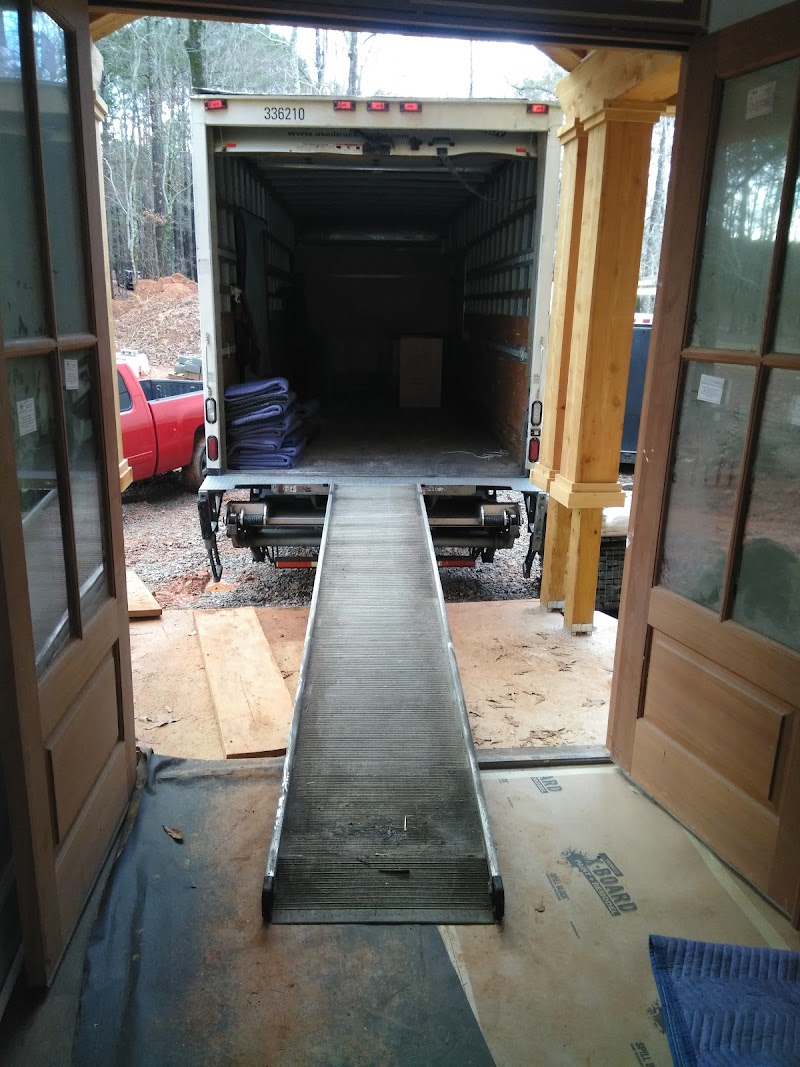
Debra's Delivery Service
Atlanta, GA
★ 5.0 (17 reviews)
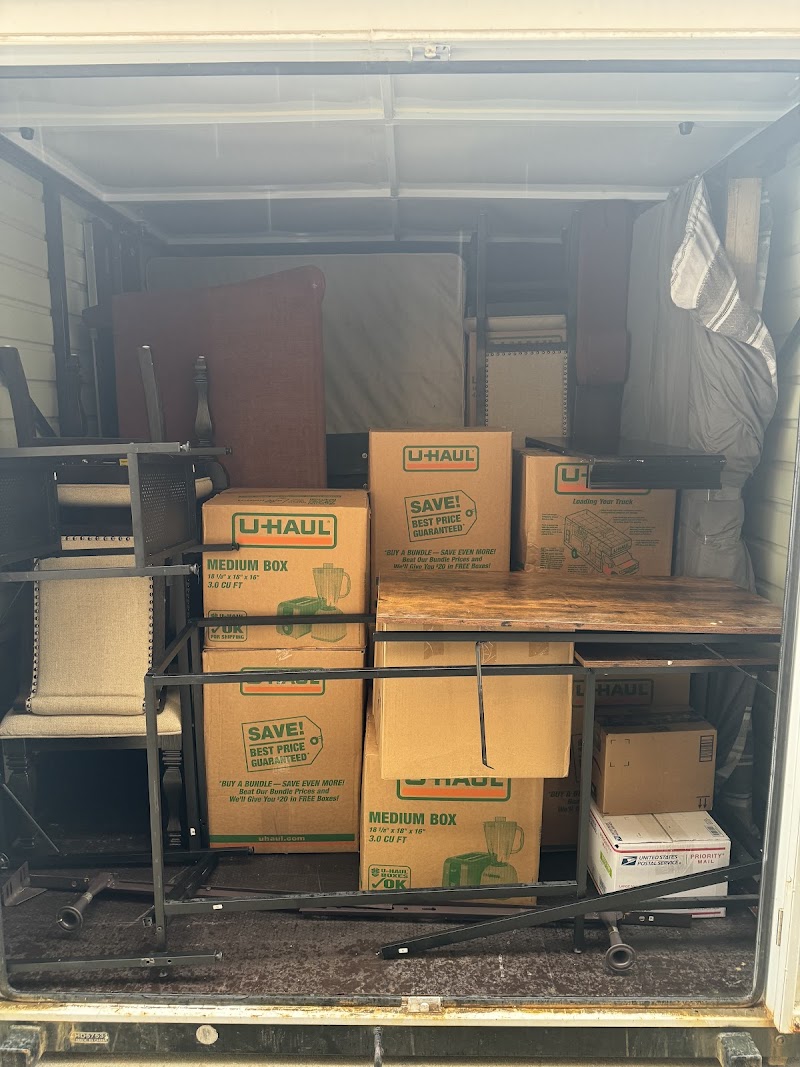
Chris Moving LLC
Atlanta, GA
★ 5.0 (28 reviews)

Exotic Car Transport's Atlanta
Atlanta, GA
★ 5.0 (1 reviews)
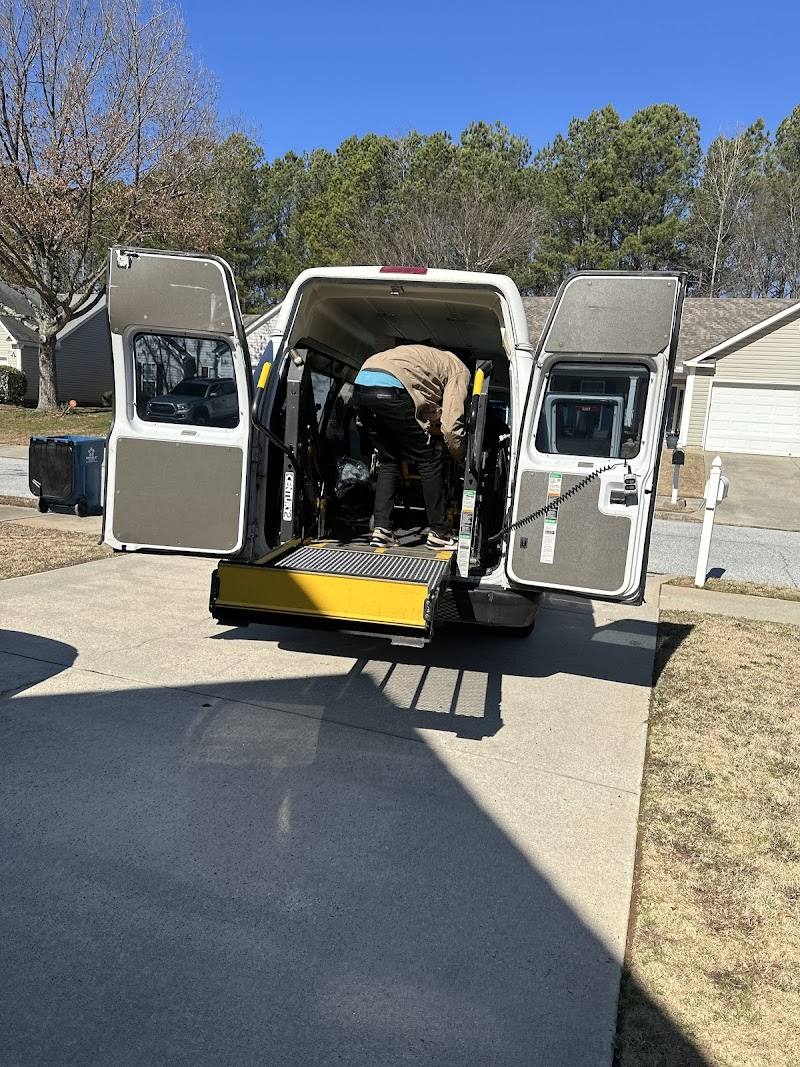
Charris Transportation
Atlanta, GA
★ 4.3 (36 reviews)

Acosta Moving Service
Atlanta, GA
★ 5.0 (25 reviews)

Pronto Transportation Services Inc
Atlanta, GA
★ 4.5 (57 reviews)

Next Door Relocators
Atlanta, GA
★ 3.4 (86 reviews)

Turtle Transitions
Atlanta, GA
★ 5.0 (5 reviews)

Casanova Moving Services
Atlanta, GA
★ 5.0 (13 reviews)
Cities in Georgia
Jump to movers in your city.
32 Georgia cities have moving companies listed.
Atlanta
153 movers listed
Columbus
14 movers listed
Augusta
9 movers listed
Savannah
7 movers listed
Macon
5 movers listed
Albany
4 movers listed
Marietta
4 movers listed
Norcross
4 movers listed
Athens
3 movers listed
Warner Robins
3 movers listed
Alpharetta
2 movers listed
Duluth
2 movers listed
Gainesville
2 movers listed
Acworth
1 mover listed
Bowman
1 mover listed
Brunswick
1 mover listed
Butler
1 mover listed
Dahlonega
1 mover listed
Evans
1 mover listed
Greensboro
1 mover listed
Hinesville
1 mover listed
Jonesboro
1 mover listed
Kennesaw
1 mover listed
Lagrange
1 mover listed
Leslie
1 mover listed
Newnan
1 mover listed
Rockmart
1 mover listed
Stone Mountain
1 mover listed
Suwanee
1 mover listed
Thomasville
1 mover listed
Tifton
1 mover listed
Valdosta
1 mover listed
About moving in Georgia
What shapes a Georgia move.
Georgia consistently ranks among the fastest-growing states, driven by corporate relocations to metro Atlanta, a thriving logistics and film industry, and relatively affordable housing compared to coastal metros. The Atlanta metro absorbs a large share of domestic in-migration from high-cost states like California, New York, and Illinois. Secondary markets like Savannah, Augusta, Columbus, and Athens are also growing, partly due to military installations, port expansion, and university employment. Out-migration tends to flow toward Florida, North Carolina, and Tennessee. Summer is peak moving season statewide, with heat and humidity adding logistical complexity.
Atlanta: The Southeast's Logistics Hub
Metro Atlanta sits at the intersection of I-75, I-85, and I-20, making it one of the most connected cities in the South. Hartsfield-Jackson is the world's busiest airport by passenger traffic. Corporate campuses from Delta, Home Depot, and NCR anchor steady job-driven relocation demand. The metro spans more than 8,000 square miles across 29 counties, meaning intrastate moves within Atlanta can still cover significant distances and traffic.
Port of Savannah Drives Coastal Growth
Savannah's port is one of the largest and fastest-growing container ports in the United States, attracting warehousing, manufacturing, and logistics employers. This has fueled population growth in Chatham County and surrounding areas. The city's historic district also draws retirees and remote workers seeking coastal charm at lower prices than Charleston or Miami. Moving timelines in Savannah can be tight due to limited mover availability relative to surging demand.
Military Installations Shape Move Patterns
Georgia hosts Fort Moore (formerly Fort Benning) near Columbus, Fort Stewart near Hinesville, Robins Air Force Base in Warner Robins, and Kings Bay Naval Submarine Base near Brunswick. Permanent Change of Station moves to and from these installations create steady year-round demand, particularly for long-distance movers with FMCSA authority. Servicemembers should confirm whether a mover participates in the Defense Personal Property Program.
Summer Heat Adds Operational Complexity
Georgia summers are hot and humid, with Atlanta regularly exceeding 90°F and coastal areas adding significant moisture. Peak moving season from May through August coincides with the most difficult conditions for moving crews and sensitive belongings. Book movers at least 6–8 weeks ahead for summer dates. Hardwood floors, electronics, and wooden furniture are vulnerable to heat and humidity during transitions; request climate-controlled trucks for high-value items.
Anywhere in the state
Find a mover anywhere in Georgia.
Tell Robert where you're headed and get matched with professional local + long-distance movers — free.
Cost of living
Cost of Living Across Georgia's Key Markets
Georgia's overall cost of living sits below the national average, which is a primary driver of in-migration from higher-cost coastal states. Atlanta is the priciest market but remains cheaper than comparable metros like Miami, Washington D.C., or Seattle. Secondary cities like Augusta, Macon, and Columbus offer substantially lower housing costs. Understanding cost differences helps relocating households set realistic budgets for housing, and shapes how much they may spend on their move.
| Metro | COL Index | What to expect |
|---|---|---|
| Atlanta (Fulton/DeKalb core) | 108 | Rents run roughly $1,700–$2,200 for a 2BR; intown neighborhoods like Midtown and Virginia-Highland push higher |
| Savannah | 97 | A 2BR averages around $1,400–$1,700; historic district properties command premiums, but surrounding Chatham County is more affordable |
| Augusta | 88 | One of Georgia's more affordable metros; a 2BR typically runs $1,100–$1,400, drawing retirees and medical workers from higher-cost areas |
| Columbus | 85 | Housing is among the least expensive of Georgia's mid-size cities; 2BR rents average $950–$1,250, partly anchored by Fort Moore's civilian workforce |
| Athens | 93 | University of Georgia drives rental demand; a 2BR near campus runs $1,300–$1,700, but neighborhoods farther out offer lower rates |
| Alpharetta / North Fulton suburbs | 118 | Tech corridor growth has pushed 2BR rents to $1,900–$2,500; home prices rival Atlanta's intown market but offer newer construction and top-rated schools |
Common routes
Most Common Georgia Moving Routes
Georgia → Florida
~350–520 mi
$1,800–$4,500
The Atlanta-to-Orlando and Atlanta-to-Tampa corridors are among the highest-volume retirement and lifestyle relocation routes in the Southeast, following I-75 south.
Georgia → North Carolina
~250–380 mi
$1,600–$3,800
Charlotte and the Research Triangle attract Georgia workers in finance and tech, and the route via I-85 northbound is one of the busiest in the Southeast.
Georgia → Texas
~800–1,000 mi
$2,800–$5,500
Dallas and Houston draw Georgia residents for tech, energy, and corporate job opportunities, with I-20 west serving as a primary long-haul corridor.
Georgia → Tennessee
~250–320 mi
$1,400–$3,200
Nashville and Chattanooga receive significant in-migration from Atlanta as remote workers and families seek lower housing costs and no state income tax, traveling I-75 north.
Georgia → South Carolina
~100–250 mi
$900–$2,800
Augusta sits on the Georgia-South Carolina border and generates frequent cross-state moves; Hilton Head and Charleston also attract coastal-bound Georgians via I-20 and I-16.
Georgia → California
~2,100–2,400 mi
$4,500–$9,000
Entertainment industry professionals and tech workers making the Atlanta-to-Los Angeles move are common given Georgia's large film and media production sector.
Licensing + rules
Georgia Moving Regulations: What You Need to Know
Intrastate Mover Registration
Movers operating solely within Georgia are typically required to register with the Georgia Department of Public Safety or hold appropriate state authority. Requirements can include proof of insurance and a valid business registration. Always ask any in-state mover for their Georgia operating authority number and confirm it is current before signing a contract.
Intrastate movers in Georgia typically register with state authorities; confirm current status directly with the mover before booking.
Interstate Moves: FMCSA / USDOT Authority
Any mover transporting household goods across state lines must hold a valid USDOT number and operating authority issued by the Federal Motor Carrier Safety Administration. You can verify a mover's USDOT number and safety record on the FMCSA's online database. Interstate movers are also required to provide you with the FMCSA publication 'Your Rights and Responsibilities When You Move.'
FMCSA governs all interstate household goods carriers; verify USDOT number and active authority before signing.
Binding vs. Non-Binding Estimates
Georgia customers should understand the difference between binding estimates (a fixed price) and non-binding estimates (subject to change based on actual weight or time). Under federal rules for interstate moves, movers must deliver your goods upon payment of no more than 110% of a non-binding estimate. For intrastate Georgia moves, review the contract terms carefully as state-specific protections may differ.
Federal rules cap collection at 110% of non-binding estimates on interstate moves; intrastate terms depend on the signed contract.
Released Value vs. Full Value Protection
Interstate movers must offer at minimum Released Value Protection at no charge, but this covers only $0.60 per pound per article — far below replacement cost for most items. Full Value Protection provides more comprehensive coverage and costs extra. Georgia residents moving intrastate should ask movers specifically what valuation or insurance coverage is included and consider third-party moving insurance for high-value items.
Released Value coverage is $0.60/lb minimum under federal rules; upgrade to Full Value Protection or a third-party policy for meaningful coverage.
Written Inventory and Bill of Lading
Georgia movers, both intrastate and interstate, should provide a written inventory of your goods and a Bill of Lading before transport begins. The Bill of Lading is your contract with the mover and should list all charges, pickup and delivery addresses, and estimated or binding cost. Retain a copy. Never sign a blank or incomplete Bill of Lading, and do not allow your goods to be loaded without a signed agreement in hand.
The Bill of Lading is your binding move contract; review all line items and retain your copy before goods are loaded.
Georgia moving FAQ
Common Georgia moving questions.
How far in advance should I book a mover in Atlanta?
+
For summer moves between May and August in metro Atlanta, booking 6–8 weeks ahead is strongly advisable. Atlanta's mover market is competitive, and weekends in peak season fill quickly. If you're moving during the school-year transition period or near a major holiday, book even earlier. Off-peak months like October through February offer more availability and sometimes lower rates, though winter weather around Atlanta can occasionally cause delays.
What does a local move within Georgia typically cost?
+
Local moves within Georgia are generally priced by the hour. A two-bedroom apartment move within metro Atlanta typically runs $400–$900 for a half-day depending on crew size, truck capacity, and distance. Longer hauls within the state — say, Atlanta to Savannah — shift to a weight-and-distance model and may cost $1,200–$3,000 for a full household. Always get at least three in-home or video estimates before committing.
Do I need to update my driver's license after moving to Georgia?
+
Yes. New Georgia residents are required to obtain a Georgia driver's license within 30 days of establishing residency. You'll also need to register your vehicle with the Georgia Department of Revenue. Georgia uses a TAVT (Title Ad Valorem Tax) system for vehicle registration rather than an annual ad valorem tax, so first-time registrations may carry a one-time title fee calculated on the vehicle's fair market value.
Are Georgia movers required to be licensed?
+
Interstate movers must hold active USDOT authority from FMCSA. For intrastate moves entirely within Georgia, movers are typically required to register with state authorities and carry appropriate insurance. Always ask for a mover's USDOT number or state registration details and verify them independently. Unregistered 'rogue movers' do operate in the Atlanta market; checking verified reviews and licensing status before signing is important.
What are the trickiest aspects of moving in metro Atlanta?
+
Traffic is the primary challenge. I-285 (the Perimeter), I-75, I-85, and I-20 all experience severe congestion during morning and evening rush hours, and movers often schedule accordingly. Some Atlanta neighborhoods have parking restrictions or limited truck access for 18-wheelers, especially in Midtown, Downtown, and older intown neighborhoods. If you're moving into a high-rise or gated community, confirm elevator reservations and HOA move-in policies well in advance.
Is Savannah a difficult city to move into or out of?
+
Savannah's historic district presents genuine challenges: narrow streets, limited parking for large trucks, and some buildings with no elevator access. Moving into a historic rowhouse often requires a shuttle service from a larger truck to a smaller vehicle. Savannah also has fewer large moving companies than Atlanta, so availability is tighter. The city's coastal humidity can affect furniture and cardboard boxes during loading and unloading, so request climate-controlled trucks for sensitive items.
How does Georgia's climate affect my moving timeline and packing?
+
Georgia summers are hot and humid — Atlanta averages highs above 88°F from June through August, and coastal areas like Savannah add significant moisture. Electronics, candles, vinyl records, wood furniture, and musical instruments are particularly vulnerable during summer moves. Request climate-controlled trucks if possible. Spring and fall are the most comfortable seasons for moving in Georgia; January and February are slow and affordable but occasional ice storms near Atlanta can cause delays.
What should I know about moving near Georgia's military bases?
+
Georgia has several major installations: Fort Moore (Columbus area), Fort Stewart (Hinesville), Robins Air Force Base (Warner Robins), and Kings Bay Naval Base (Brunswick). If you're receiving a PCS order, confirm whether your mover participates in the Defense Personal Property Program. Entitlement weight allowances vary by rank and dependent status. Civilian movers operating near these bases are used to military timelines, but confirming experience with PCS moves before hiring is worthwhile.
What's the best way to move between Atlanta and another Georgia city on a budget?
+
For budget-conscious intrastate long-distance moves — say, Atlanta to Savannah (~250 miles) or Atlanta to Augusta (~150 miles) — portable container services and rental trucks are viable alternatives to full-service movers. Portable containers let you load on your schedule and are typically more affordable for smaller households. If hiring movers, getting at least three written estimates and choosing a mid-week, non-peak-season date can reduce costs by 15–25% compared to summer weekend rates.
Does Georgia have a state income tax, and how does that affect relocation decisions?
+
Georgia does levy a state income tax; as of recent years it is transitioning toward a flat rate structure around 5.49% with ongoing legislative changes phasing it lower over time. This is lower than many northeastern states but higher than Florida or Tennessee, which have no wage income tax. Retirees relocating from Florida sometimes cite this as a trade-off against Georgia's lower property taxes and housing costs. Consult a tax professional for specifics, as Georgia's tax code is actively changing.
Moving out of state?
Long-distance movers in Georgia.
What an interstate move costs and how to choose a licensed mover, city by city. Every city we cover.
Moving away from Georgia?
Relocation guides from Georgia.
Cost of living, taxes, and what to expect for popular interstate moves out of Georgia.
Georgia → Florida
Read the guide →Georgia → North Carolina
Read the guide →Georgia → South Carolina
Read the guide →Georgia → Tennessee
Read the guide →Georgia → Texas
Read the guide →Georgia → Virginia
Read the guide →Georgia → Houston
Read the guide →Georgia → Jacksonville
Read the guide →Georgia → Miami
Read the guide →Georgia → North Port
Read the guide →Georgia → Orlando
Read the guide →Georgia → Tampa
Read the guide →Get your moving quote
Many ways to get a moving quote.
Chat, text, email, or call — whichever’s easiest. Tell Robert about your move and matching movers in your city reach out, usually within a few minutes.