
Find movers near you
Movers in New York.
Compare top-rated local and long-distance movers — and let Robert do the comparison for you.
Get Your Quote→New York · New York / Manhattan County
Moving companies in New York, NY.
New York City moves are unlike any other in the country. With hundreds of licensed movers operating across five boroughs, you get competition — but also genuine complexity. Freight elevator reservations, building COIs, parking permits, and doorman logistics separate a smooth NYC move from a nightmare. This directory helps you navigate all of it.
Robert
Online·Call for a quote
Hi — I'm Robert, and I'll help you find the right movers. Where are you moving from, and where are you headed? Prefer a live representative? Just say the word and I'll connect you, or use the call button for a quote anytime.
By chatting with Robert, you agree we may share your move details with movers in your origin city so they can contact you with a quote. We never sell or share your info outside this network. Privacy Policy.
Top movers in New York
New York movers worth a look.
A few of New York’s top movers. Want a tailored recommendation? Use the Get quotes form below.
All New York movers
276 movers serving New York.

Bronx Express Movers
New York, NY
★ 2.0 (8 reviews)

Fast Movers USA
New York, NY
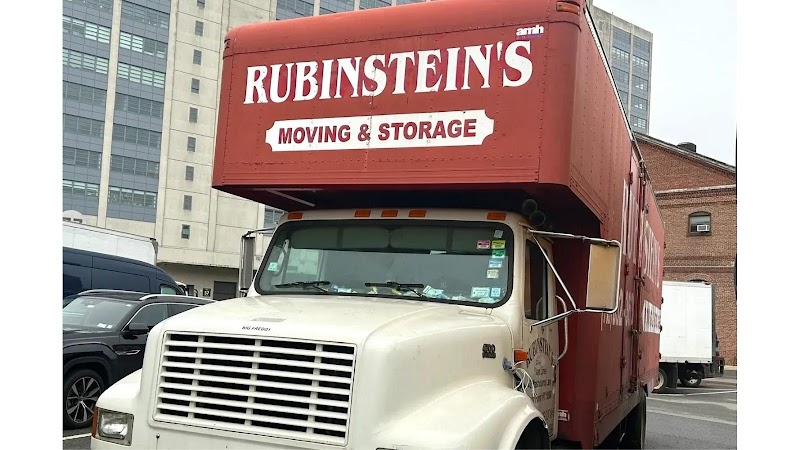
Rubinstein moving and storage inc
New York, NY
USDOT #4493869

Seamens Moving
New York, NY
USDOT #948491

Drop Deck Trailer Moving
New York, NY
★ 5.0 (1 reviews)

Az Moving Inc
New York, NY
★ 1.0 (3 reviews)

Frank's Express Moving
New York, NY
★ 2.2 (12 reviews)
A A American Moving & Storage
New York, NY

Speedy Movers
New York, NY
★ 4.0 (4 reviews)
New York Local Movers
New York, NY

RVS Moving & Delivery Service
New York, NY
★ 5.0 (6 reviews)

New Moving Vans
New York, NY

Ariel Moving & Storage
New York, NY

Jay's Way Moving & Delivery
New York, NY
★ 5.0 (5 reviews)

New Wave Moving
New York, NY
★ 4.6 (10 reviews)
Movers near New York
22 more movers within 50 miles of New York.
Based in a neighboring town and serving New York. Each one shows where it is based and how far that is, nearest first.
Excellent Quality Movers
Brooklyn, NY · 2 miles away
World Green Mover LLC
Brooklyn, NY · 2 miles away
ZeroMax Moving and Storage
Brooklyn, NY · 4 miles away
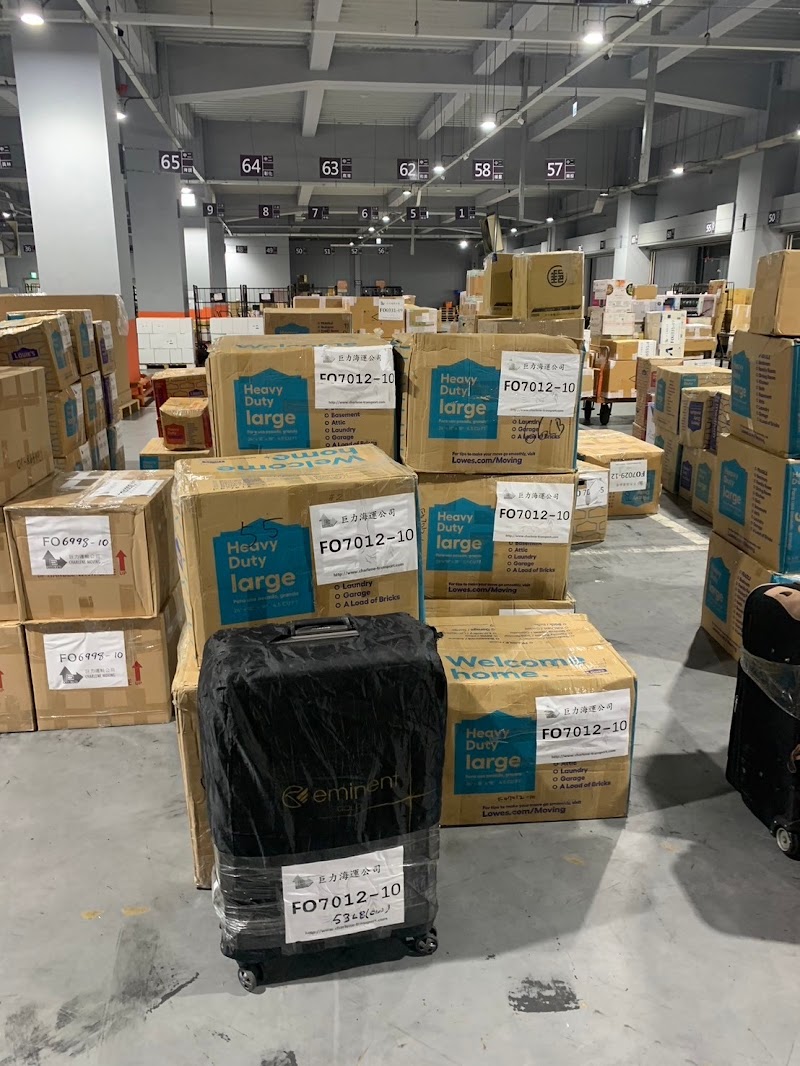
巨力運輸公司— 美国陸海空运、代购国际快递、倉儲、Air shipping 、Ocean Freight
Brooklyn, NY · 5 miles away
★ 5.0 (331 reviews)
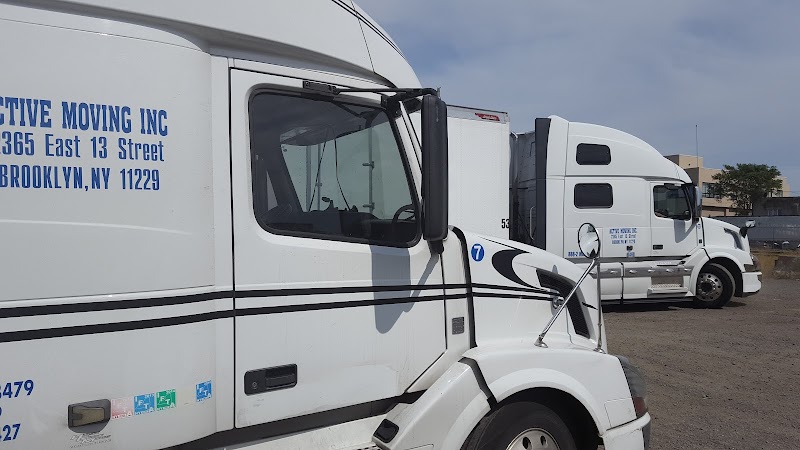
Active Moving, Inc
Brooklyn, NY · 5 miles away
★ 3.4 (84 reviews)
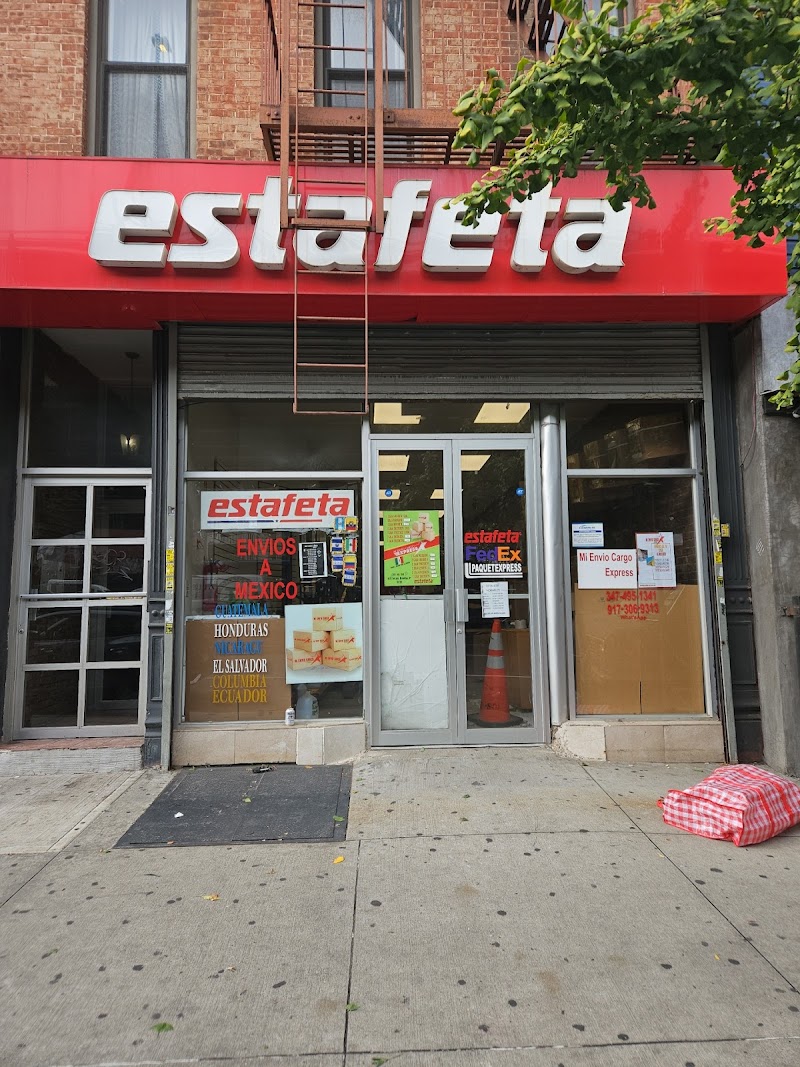
Estafeta Brooklyn
Brooklyn, NY · 5 miles away
★ 4.2 (83 reviews)
Keepsake Moving & Storage
Sunnyside, NY · 5 miles away

NY Economic Moving LLC.
Woodside, NY · 6 miles away
★ 4.9 (86 reviews)

All Reasons Movers & Storage
Secaucus, NJ · 6 miles away
★ 4.7 (83 reviews)
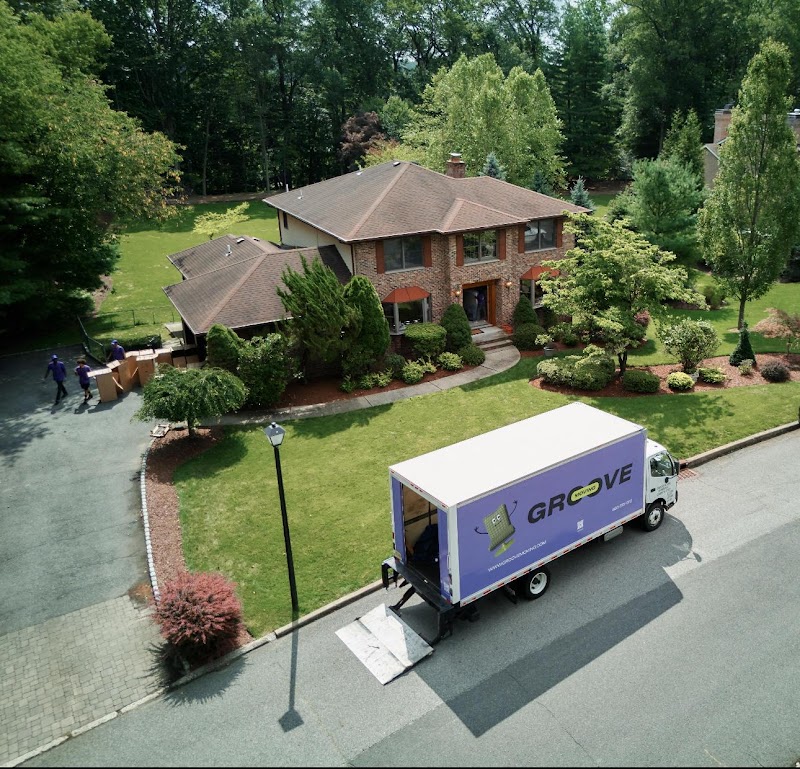
Groove Moving
Kearny, NJ · 6 miles away
★ 5.0 (69 reviews)
Hudson River Moving & Storage
Secaucus, NJ · 6 miles away
iMOVE NYC
Astoria, NY · 7 miles away
Morrissey's Moving Co
Bayonne, NJ · 7 miles away

All Season Movers, Inc.
Kearny, NJ · 8 miles away
★ 4.0 (59 reviews)

Muscle-moving.com
Forest Hills, NY · 8 miles away
★ 5.0 (22 reviews)
Move planner
Two quick steps. A personalized plan in 30 seconds.
Robert builds a New York-specific timeline, estimated cost range, and 3-mover shortlist tailored to your job. No forms. No spam. No commitment.
Step 1 of 2
Tell us about your move.
Distance
Property type
Property size
Zip codes (optional — sharpens the cost estimate)
When are you hoping to move?
Cost calculator
Estimated moving costs in New York City
NYC move costs are driven by crew size, walk-up floors, service elevator constraints, and whether you're crossing borough lines. Use these ranges as baselines — walk-up surcharges and COI requirements can push final costs higher.
| Home size | Local (under 50 mi) | Regional (50-500 mi) | Cross-country (500+ mi) |
|---|---|---|---|
| Studio / 1BR | $800-$1,600 | $1,400-$2,400 | $2,800-$4,800 |
| 2BR | $1,600-$2,800 | $2,200-$3,400 | $4,400-$6,800 |
| 3BR | $2,800-$4,500 | $3,800-$5,800 | $6,500-$10,000 |
| 4BR+ | $4,500-$7,500 | $5,800-$8,800 | $9,000-$14,000 |
Skip the guesswork
Get matched with professional New York movers.
Robert, our moving concierge, lines up quotes from movers who actually serve your route — free, no obligation.
Local movers in New York
Local moving in New York is priced on an hourly basis — you're paying for the crew and truck together, with most companies setting a 2- to 4-hour minimum and rates that generally run $150–$350 per hour depending on crew size and the time of year. The single biggest variable on your final bill in New York isn't square footage — it's building access: a walk-up apartment in the East Village or a high-rise in Midtown with a strict elevator-reservation window can add an hour or more to an otherwise straightforward move.
What drives local move costs in New York:
- Home size and crew needed — a studio can often be handled by 2 movers; a 2BR or larger should have 3–4 to stay efficient
- Building access and elevator reservations — co-ops and condos frequently require advance scheduling of the service elevator, and missing that window means waiting (and paying)
- Walk-up floors — every flight of stairs slows the crew; many movers charge a per-flight fee on top of the hourly rate
- Parking and street access — tight blocks in neighborhoods like the West Village, Astoria, or Greenpoint can require a Certificate of Occupancy or a parking placard just to stage the truck legally; some buildings require a COI (Certificate of Insurance) from the moving company before allowing access
- Time of month and season — the last few days of the month and June through September are peak demand, when rates and availability tighten considerably
- Packing services — full or partial packing adds to labor time but protects your belongings in elevator-heavy buildings where boxes are handled repeatedly
On the practical side: if you're moving to or from a building that requires a COI, ask your mover for that document before booking — not the week of. For street moves in denser neighborhoods, a NYPD parking meter suspension permit can be applied for through the city, and your mover should be able to advise on lead times. Budget extra time any time a freight elevator or a narrow brownstone staircase is involved — these are the details that separate a smooth New York move from a stressful one.
When you're ready to compare options, browse movers in New York to get matched with local crews who know the buildings, the blocks, and the borough-specific quirks that make New York moving its own discipline.
Neighborhood guide
Moving to a specific New York neighborhood?
Upper East Side
Affluent residential, doorman buildings, wide avenues
Median 2BR rent: $5,500/mo
Book the service elevator at least 4 weeks out; the building's doorman controls access and will turn away movers who arrive without a confirmed slot.
Upper West Side
Family-friendly, pre-war co-ops, cultural institutions
Median 2BR rent: $5,200/mo
Pre-war buildings often have service elevators too small for standard furniture pads; measure large pieces and budget extra disassembly time.
Greenwich Village
Historic walk-ups, narrow streets, dense foot traffic
Median 2BR rent: $5,800/mo
Expect 4-5 floor walk-ups with tight stairwells; budget a larger crew and add 30-60 minutes per floor compared to elevator buildings.
Williamsburg (Brooklyn)
Trendy post-industrial mix of new towers and loft conversions
Median 2BR rent: $4,400/mo
Double-parking enforcement on Bedford Ave and Grand St is aggressive; confirm your mover has a plan for NYPD permit or a spotter.
Park Slope (Brooklyn)
Brownstone family neighborhood, tree-lined blocks
Median 2BR rent: $4,600/mo
Most brownstones are 4-floor walk-ups with narrow stairways and tight landings; budget an extra crew member and extra hours.
Long Island City (Queens)
New high-rise development, Manhattan skyline views
Median 2BR rent: $4,000/mo
Modern towers here have proper freight elevators and loading docks — logistically the easiest large-building experience in the metro.
Astoria (Queens)
Dense, walkable, diverse street-level retail
Median 2BR rent: $3,200/mo
Street parking is permit-required for moves; plan to file an NYPD no-parking request at least a week before your move date.
Harlem
Historic brownstones, rapid gentrification, active stoop culture
Median 2BR rent: $3,400/mo
Brownstone stoop access is standard but stair width varies wildly; confirm with the mover whether they've worked the specific block before.
Common routes
Frequent moves out of New York City
New York → Boston, MA
~215 mi northeast
$2,200-$3,400
A steady I-95 corridor route driven by academic and finance job transfers; book well ahead in August when both cities have college move-in overlap.
New York → Washington, DC
~225 mi southwest
$2,200-$3,400
Government, policy, and lobbying jobs pull consistent southbound volume; NJ Turnpike tolls and DC permit logistics add to planning complexity.
New York → Philadelphia, PA
~95 mi southwest
$1,400-$2,400
The shortest major route out of NYC, driven by cost-of-living arbitrage; many NYC renters relocate here while keeping remote or hybrid jobs.
New York → Charlotte, NC
~625 mi south
$3,800-$5,800
Corporate reverse migration — finance and banking workers leaving NYC for lower taxes and lower housing costs in the Carolinas.
New York → Miami, FL
~1,280 mi south
$5,800-$8,800
Long-haul I-95 run that became structurally busier post-2020; driven by finance, real estate, and retiree outflows from the five boroughs.
New York → Tampa, FL
~1,140 mi south
$5,400-$8,400
Growing destination for NYC remote workers and retirees seeking lower taxes; long-haul pricing reflects full-truck demand on this corridor.
Honest prices beat estimates
Want an actual quote for your New York move?
Tell Robert the basics and get matched in minutes.
Local figures
New York in numbers.
What the homes are
New YorkUnited States
- Detached houses
- 9% in New York61% in United States
- Townhouses
- 7% in New York6% in United States
- Buildings of 2 to 4 homes
- 21% in New York8% in United States
- Buildings of 5 to 19 homes
- 13% in New York9% in United States
- Buildings of 20 or more homes
- 49% in New York10% in United States
Rent, home values and income
| Figure | New York | New York | U.S. |
|---|---|---|---|
| Median monthly rent | $1,779 | $1,576 | $1,348 |
| Median home value | $751,700 | $403,000 | $303,400 |
| Median household income | $79,713 | $84,578 | $78,538 |
| Households that rent | 67% | 46% | 35% |
| Residents who moved in the past year | 10% | 10% | 13% |
Source: U.S. Census Bureau, American Community Survey 2019-2023 5-year estimates.
When to move
Best and worst months to move in New York City
Jan
off
Slowest month in NYC; mover availability is high, prices are lowest, but snow and cold create actual logistics risks for walk-up buildings and furniture wrap.
Feb
off
Still off-peak; snowstorms can delay NYPD parking permits and building elevator reservations — build buffer days into any February move.
Mar
off
Early spring lease activity picks up but crews are still available; a good window to secure preferred movers before the summer rush books out.
Apr
shoulder
Shoulder season with rising demand; weekday moves are still reasonably priced, weekends start filling up faster.
May
peak
Peak season begins; lease renewals cluster around June 1 and movers book 4-6 weeks out — the May surge sets the pace for summer pricing.
Jun
peak
High demand driven by lease expirations; major buildings restrict elevator access to specific windows, making scheduling conflicts common.
Jul
peak
Full summer peak; heat makes walk-up moves brutal and adds time; book movers 6+ weeks out and confirm COI requirements early.
Aug
peak
The most congested month in NYC moving: NYU, Columbia, CUNY, and The New School all move in between Aug 22 and Sep 5, stacking on top of regular lease rollovers.
Sep
peak
College move-in extends into early September; combined with summer holdover demand and rare but genuine hurricane risk (Sandy precedent), this month stays chaotic through the 10th.
Oct
shoulder
Demand drops sharply after Labor Day; fall is a legitimately good time to move — weather is cooperative and mover schedules open up.
Nov
shoulder
Good availability and competitive pricing; Thanksgiving week creates a brief rush of people relocating before year-end, so avoid the week of the holiday.
Dec
off
Holiday week moves are often last-minute and overpriced; early December is quiet and cheap, but avoid the last two weeks entirely.
Permits + local rules
NYC parking permits and building rules for movers
NYPD No-Parking Permit
Any move requiring a truck parked at the curb in a metered or restricted zone — which is almost every NYC move — requires a No-Parking permit from the local NYPD precinct. You submit the request, the precinct posts the no-parking signs 48 hours before your move date. Without it, your truck will either block traffic or get ticketed. Applies across all five boroughs.
Free to apply; submit at least 7-10 business days before move date at the precinct serving your block.
Certificate of Insurance (COI)
Buildings in Manhattan and most of Brooklyn require movers to provide a COI naming the building or management company as an additional insured, typically with $1M general liability minimum. Some co-ops and condos also require workers' compensation certificates. The building's management office dictates the exact wording — get it in writing before move week. Movers who show up without the correct COI get turned away.
No fee to the mover (included in insurance); request COI from your mover 5-7 business days before move date.
Service Elevator Reservation
Most doorman buildings in Manhattan restrict moves to the service elevator during designated windows — often 9am-5pm weekdays only, with some limiting to 3-hour slots. Elevator reservations fill weeks in advance, especially in August and September. The building's super or property manager controls the calendar. Miss the window and your move is postponed regardless of whether the truck is there.
No city fee; building-imposed; reserve 4-6 weeks ahead during May-September peak.
DOT Sidewalk Shed and Crane Permits
For high-rise moves using a crane or hoisting equipment to lift furniture over the street or balcony — less common but not rare for oversized pieces in luxury buildings — NYC DOT permits are required. This is distinct from the NYPD parking permit. Crane/hoist jobs must also comply with NYC Buildings Department requirements and typically require a licensed rigger.
DOT permit fees vary by job scope; allow 10-15 business days for approval; typically arranged by the moving company, not the tenant.
About moving to New York
What you should know before you book.
New York City is the most logistically demanding moving market in the United States — not because of distance, but because of density. Every floor of a pre-war walk-up, every service elevator slot, every NYPD parking permit adds complexity that movers from Chicago or LA have never encountered. Most people moving in are coming for jobs in finance, media, tech, or graduate programs. What catches them off guard isn't the cost — they've Googled that — it's that the building's co-op board or property manager runs the show, not the tenant. Your mover's certificate of insurance must name the building correctly or the job doesn't start.
Five Boroughs, Five Realities
Manhattan, Brooklyn, Queens, the Bronx, and Staten Island each have distinct street grids, parking enforcement intensity, and building stock. A crew experienced in Long Island City high-rises may be slow in a Greenwich Village walk-up. When vetting movers, ask which boroughs they work most — that answer tells you more than reviews do. Crews who cross borough lines daily tend to be the most adaptable.
Who's Moving Here and Why
New York's inbound movers skew international, or domestic arrivals from LA, San Francisco, Chicago, and Boston — mostly for employment in finance, media, and tech. The city also pulls heavy graduate-school volume via NYU, Columbia, and the CUNY system. Outbound flow is the reverse: post-COVID departures to Charlotte, Tampa, Miami, Raleigh, Austin, and Nashville have become a structural pattern, not a blip. Many outbound movers are longtime residents downsizing to lower-tax states.
The COI Requirement Is Non-Negotiable
Nearly every residential building in Manhattan and much of Brooklyn requires movers to carry a Certificate of Insurance (COI) naming the building as an additional insured — typically with $1M general liability minimums. Some co-ops add workers' comp certificate requirements. Budget movers who don't carry proper COIs get turned away at the door, leaving tenants scrambling same-day. Confirm COI compliance before you book, not after.
The Mover Ecosystem Here
NYC has hundreds of licensed moving companies but quality variance is extreme. The market supports everything from white-glove piano specialists to grey-market crews with a cargo van. FMCSA registration and NY State DOT licensing (for intrastate moves) are baseline. Among legitimate operators, pricing reflects actual cost pressures: Manhattan parking fines, union building fees, and crew wages. Unusually low quotes in this market almost always mean uninsured or unlicensed operators.
New York moving FAQ
Common questions, locally-answered.
How far in advance should I book a mover in New York City?
+
During May through September, book 6-8 weeks out minimum — especially if your building has a service elevator with limited reservation slots. The window between August 22 and September 5 is the hardest in the year, with NYU (60,000 students), Columbia (36,000), and the CUNY system (270,000) all moving simultaneously alongside regular lease expirations. Outside peak season, 2-3 weeks is usually sufficient, but COI paperwork still takes 5-7 business days to arrange.
What is a COI and why does my building require one?
+
A Certificate of Insurance is a document from your mover's insurer confirming active coverage — typically $1 million general liability — and naming your building or management company as an additional insured. NYC buildings require it to protect themselves if a mover damages the lobby, elevator, or common areas. The building's management office dictates exact wording, so share that with your mover at least a week before the move. Movers without a proper COI will be turned away at the door.
Do I need a parking permit for my moving truck in NYC?
+
Yes. For any move where the truck needs to park at the curb in a restricted or metered zone — which covers nearly every address in the five boroughs — you need an NYPD No-Parking permit from the precinct that covers your block. The permit is free, but apply at least 7-10 business days before your move date. The precinct posts signs 48 hours in advance. Without it, your truck risks being ticketed or forced to circle the block, adding hours to your move.
How much does a local move within New York City typically cost?
+
Studio and 1BR moves within the city typically run $800-$1,600 for a 4-6 hour job with a 2-person crew. A 2BR in a walk-up building with stairs can easily run $1,600-$2,800 once you factor in extra crew and time. 3BR and larger moves in Manhattan routinely exceed $3,500. Walk-up surcharges are standard — expect an additional $50-$100 per flight above the ground floor. Always get a written binding estimate, not an hourly guess.
Is August really that bad for moving in New York?
+
Yes. August is when four major universities — NYU, Columbia, The New School, and CUNY's 270,000 students — all move in within a 2-week window (roughly August 22 to September 5). This stacks on top of the standard summer lease expiration surge. Service elevator slots book out weeks ahead. Moving truck parking near campus neighborhoods is chaotic. Movers who work this window regularly charge peak rates. If you have any flexibility, a mid-October move will cost less and go smoother.
What's the deal with walk-up apartments — do movers charge extra?
+
Every legitimate NYC mover charges a per-flight walk-up fee, typically $50-$100 per flight above the ground floor. A 4th-floor walk-up in Park Slope or Greenwich Village adds $150-$300 to the base rate before you account for the extra time on heavy furniture. Pre-war buildings also have narrow stairwells — measure dressers, sofas, and bed frames before move day. Some items won't clear a tight landing and will need to be broken down or hoisted through a window.
What are the most common long-distance moves out of New York City?
+
The highest-volume outbound routes from NYC run south: Charlotte ($3,800-$5,800 for a 2BR move, ~625 miles), Tampa ($5,400-$8,400, ~1,140 miles), and Miami ($5,800-$8,800, ~1,280 miles) dominate. These reflect a structural post-2020 shift of finance and remote workers leaving for lower-tax states. Philadelphia (~95 miles, $1,400-$2,400) remains the most affordable outbound option. Boston and DC (~215-225 miles, $2,200-$3,400) are steady for job-related relocations.
Does New York have hurricane risk that could affect my move?
+
Direct hurricane hits on NYC are rare, but not theoretical — Hurricane Sandy (2012) caused catastrophic flooding in Lower Manhattan, Red Hook, and the Rockaways. September is the month to watch. If you're moving in late August or September and a storm is tracking the Mid-Atlantic coast, get mover cancellation policies in writing before you sign anything. Most NYC movers have force majeure clauses but enforcement varies. Coastal and low-lying areas in Queens and Brooklyn face the most exposure.
Moving away from New York?
Relocation guides from New York.
Costs, distance, and what to expect for popular moves out of New York.
Long distance movers in New York→New York → Raleigh, NC
~488 mi
Read the guide →New York → Charlotte, NC
~623 mi
Read the guide →New York → Nashville, TN
~759 mi
Read the guide →New York → Tampa, FL
~1,004 mi
Read the guide →New York → Miami, FL
~1,092 mi
Read the guide →New York → Austin, TX
~1,750 mi
Read the guide →New York → Alabama
Statewide move
Read the guide →New York → Colorado
Statewide move
Read the guide →New York → Connecticut
Statewide move
Read the guide →New York → Delaware
Statewide move
Read the guide →New York → Florida
Statewide move
Read the guide →New York → Indiana
Statewide move
Read the guide →Nearby cities
Movers in cities close to New York.
Brooklyn, NY
about 5 miles away
Sunnyside, NY
about 5 miles away
Kearny, NJ
about 6 miles away
Secaucus, NJ
about 6 miles away
Woodside, NY
about 6 miles away
Astoria, NY
about 7 miles away
Bayonne, NJ
about 7 miles away
Forest Hills, NY
about 8 miles away
Browse moving companies in other New York cities, or explore the full directory by state.
Get your moving quote
Many ways to get a moving quote.
Chat, text, email, or call — whichever’s easiest. Tell Robert about your move and matching movers in your city reach out, usually within a few minutes.